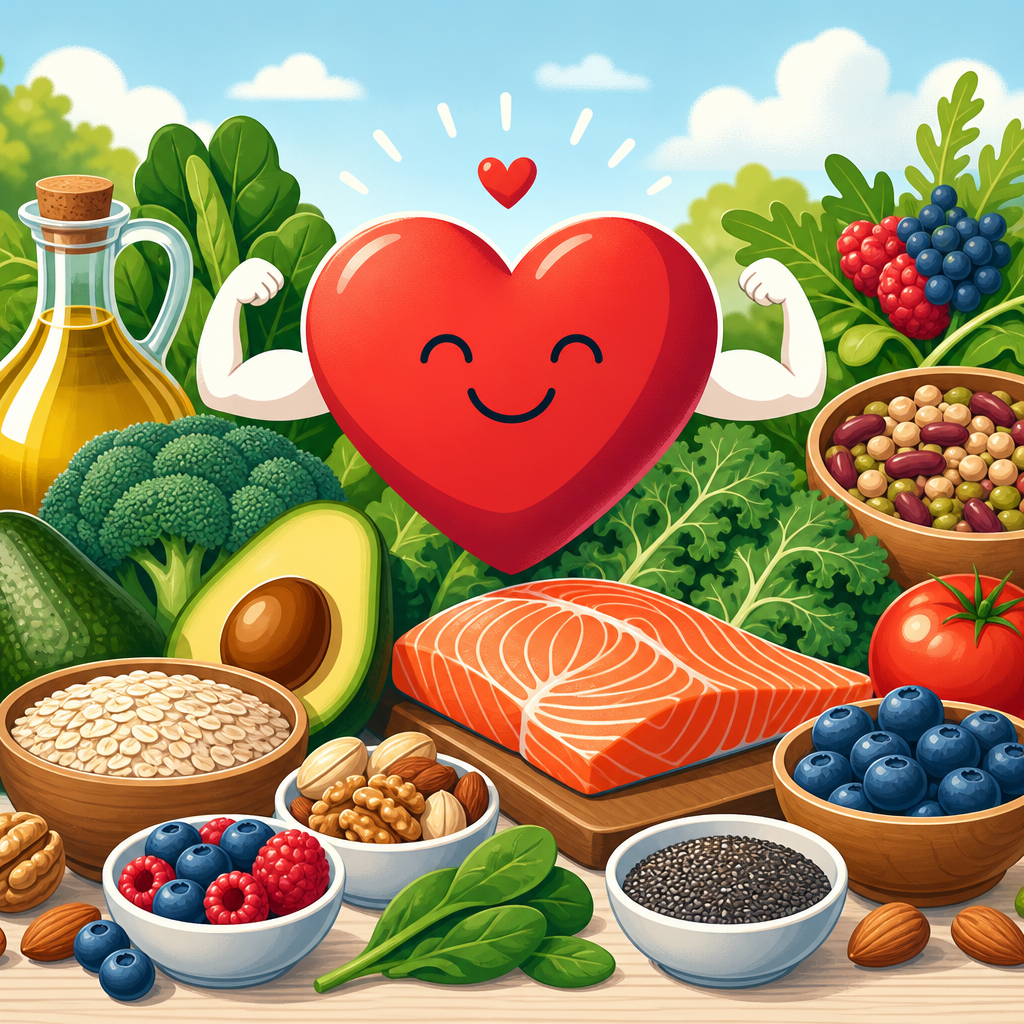
Heart health starts in the kitchen because the foods you eat every day directly influence blood pressure, cholesterol balance, blood vessel function, inflammation, blood sugar control, and body weight. Nutrition for heart health is the practice of choosing foods and eating patterns that protect the cardiovascular system, lower disease risk, and support long-term energy. A heart-healthy diet is not a short cleanse or a rigid list of banned ingredients. It is a repeatable way of eating built around nutrient-dense staples such as vegetables, fruit, legumes, whole grains, nuts, seeds, fish, and unsaturated fats, while keeping sodium, added sugar, trans fat, and heavily processed foods in check.
This matters because cardiovascular disease remains the leading cause of death globally, and many of its strongest drivers are modifiable. In practice, I have seen the biggest improvements come from simple food shifts sustained over months: replacing refined snacks with nuts, switching fatty processed meats for beans or salmon, and building meals around fiber instead of convenience calories. These changes work because food affects core markers clinicians track, including LDL cholesterol, triglycerides, HbA1c, and systolic blood pressure. When people ask what foods are rich in nutrition for heart health, they are really asking which foods deliver the most protective benefit per bite. The answer is not one superfood but a pattern of proven choices.
The strongest evidence comes from dietary patterns such as the Mediterranean diet and DASH eating plan, both associated with lower cardiovascular risk. Their common thread is high intake of fiber, potassium, magnesium, antioxidants, omega-3 fats, and minimally processed plant foods. They also limit excess sodium and saturated fat without demanding perfection. This hub article explains the top foods rich in nutrition for heart health, why each one matters, and how to use them in daily meals. It is designed as a comprehensive starting point for anyone building a smarter nutrition strategy for heart health.
Leafy greens, cruciferous vegetables, and colorful produce protect arteries
Vegetables are foundational for nutrition for heart health because they deliver fiber, potassium, folate, polyphenols, and nitrates with relatively few calories. Leafy greens such as spinach, kale, arugula, and Swiss chard are especially useful. Their dietary nitrates help the body produce nitric oxide, a molecule that supports vasodilation and healthy blood flow. Potassium helps counter sodium’s effect on blood pressure, while folate supports normal homocysteine metabolism. In practical terms, people who regularly include greens at lunch and dinner often find it easier to improve blood pressure and appetite control without feeling deprived.
Cruciferous vegetables like broccoli, Brussels sprouts, cabbage, and cauliflower contribute sulfur-containing compounds and additional fiber. Colorful vegetables and fruits such as tomatoes, berries, oranges, peppers, carrots, and beets add vitamin C, carotenoids, and flavonoids linked with lower oxidative stress. Berries stand out for anthocyanins, compounds associated with vascular benefits. Tomatoes provide lycopene, which has been studied for cardiovascular support, especially when consumed in cooked forms with olive oil. A simple working rule is to fill half the plate with varied produce at most meals. The more color diversity across the week, the broader the protective nutrient profile.
Whole grains and legumes improve cholesterol, blood sugar, and fullness
Whole grains and legumes are among the most reliable foods rich in nutrition for heart health because they deliver soluble fiber, resistant starch, minerals, and slow-release carbohydrates. Oats and barley are notable for beta-glucan, a soluble fiber shown to help reduce LDL cholesterol by binding bile acids and promoting their excretion. Brown rice, quinoa, farro, and whole wheat provide more fiber and micronutrients than refined grains, helping with satiety and glycemic control. Better blood sugar management matters for the heart because insulin resistance and type 2 diabetes accelerate vascular damage over time.
Beans, lentils, chickpeas, and peas deserve special emphasis in any heart-health hub. They are inexpensive, versatile, naturally low in saturated fat, and rich in potassium, magnesium, and plant protein. Replacing part of a meat-heavy meal with lentils or black beans can reduce saturated fat intake while increasing fiber significantly. In my experience, this single change often improves diet quality faster than trying to overhaul breakfast, lunch, and dinner all at once. Legumes also pair well with whole grains to create filling meals that support healthy weight management, another major factor in cardiovascular risk reduction.
| Food group | Key nutrients | Primary heart benefit | Simple way to eat more |
|---|---|---|---|
| Leafy greens | Potassium, folate, nitrates | Supports healthy blood pressure and vessel function | Add to salads, omelets, soups, and sandwiches |
| Berries | Fiber, anthocyanins, vitamin C | Helps reduce oxidative stress and supports arteries | Use in oatmeal, yogurt, or frozen smoothies |
| Oats and barley | Beta-glucan soluble fiber | Helps lower LDL cholesterol | Choose oatmeal or barley soup weekly |
| Beans and lentils | Fiber, plant protein, magnesium | Improves fullness, cholesterol, and blood sugar control | Swap into chili, salads, tacos, and curries |
| Fatty fish | EPA and DHA omega-3 fats | Supports triglyceride control and cardiac function | Eat salmon, sardines, or trout twice weekly |
| Nuts, seeds, olive oil | Unsaturated fats, vitamin E, polyphenols | Improves lipid profile when replacing saturated fat | Use as snacks, dressings, and meal toppings |
Fatty fish, nuts, seeds, and olive oil supply protective fats
Not all fats affect the heart the same way. Replacing saturated fats from processed meats, butter-heavy pastries, and many fast foods with unsaturated fats is one of the most effective dietary upgrades for cardiovascular protection. Fatty fish such as salmon, sardines, mackerel, herring, and trout provide EPA and DHA omega-3 fatty acids. These fats are associated with lower triglycerides and may support normal heart rhythm and inflammation control. The American Heart Association commonly recommends fish, particularly fatty fish, at least twice per week for people without contraindications.
Nuts and seeds offer a different but equally valuable package: monounsaturated and polyunsaturated fats, fiber, plant sterols, magnesium, and vitamin E. Walnuts provide alpha-linolenic acid, flax and chia add omega-3 precursors plus soluble fiber, and almonds are linked with lipid improvements when used to replace refined snacks. Extra-virgin olive oil is a core heart-healthy fat because it delivers monounsaturated fat and polyphenols. In real meal planning, I recommend using olive oil where people used to rely on creamy bottled dressings or excessive butter. The benefit comes from substitution, not from simply adding calories on top of an already energy-dense diet.
Fermented dairy, soy foods, and smart protein choices can strengthen a heart-healthy pattern
Protein choices shape heart health more than many people realize. Processed meats such as bacon, sausage, salami, and many deli meats are consistently associated with higher cardiovascular risk, partly because they tend to be rich in sodium, saturated fat, preservatives, and advanced processing byproducts. A better approach is to rotate among fish, legumes, soy foods, plain yogurt, kefir, eggs in moderation based on individual needs, and modest portions of unprocessed poultry. The key is selecting proteins that contribute useful nutrients without bringing excessive sodium or low-quality fats along with them.
Soy foods such as tofu, edamame, tempeh, and unsweetened soy milk fit well within nutrition for heart health. They provide complete plant protein, low saturated fat, and compounds called isoflavones that have been studied for vascular benefits. Fermented dairy products like yogurt and kefir can also have a place, especially when plain and lower in added sugar. Some evidence suggests fermented dairy may affect cardiometabolic markers differently than heavily processed dairy desserts. Still, quality matters. Sweetened yogurts with dessert-level sugar do not offer the same overall benefit as plain Greek yogurt topped with berries, oats, and seeds.
Sodium, added sugar, and ultra-processed foods are the main dietary obstacles
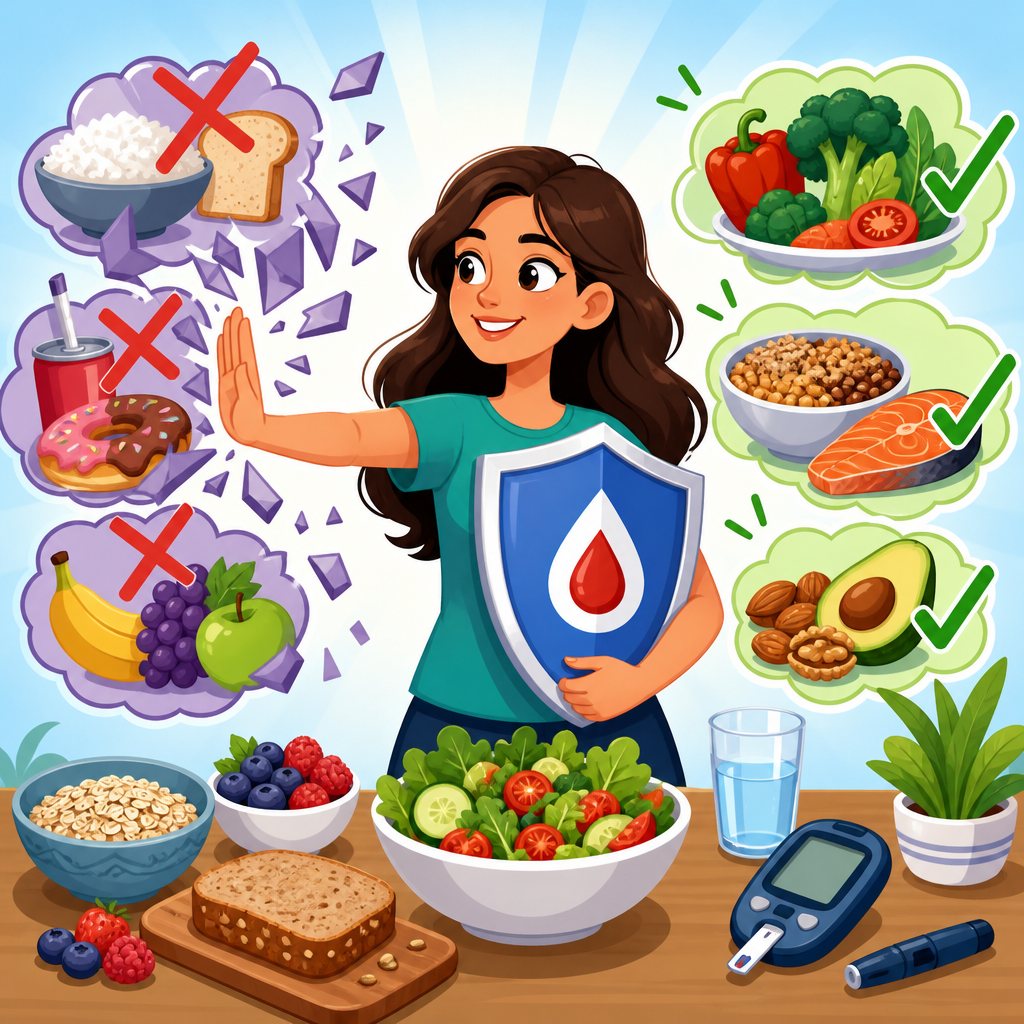
Knowing what to eat is only half the picture. For heart health, it is just as important to recognize what most often gets in the way. Sodium is one of the clearest examples. High sodium intake is strongly linked with elevated blood pressure, especially in salt-sensitive individuals, older adults, and many people with kidney disease or hypertension. The problem is not usually the pinch of salt added during home cooking. It is the cumulative load from packaged soups, frozen meals, restaurant dishes, sauces, breads, snacks, and processed meats. Reading labels and comparing sodium per serving is one of the fastest ways to improve a diet.
Added sugar also matters, especially in sugary drinks, coffee beverages, energy drinks, pastries, and sweetened cereals. Excess intake can worsen triglycerides, body weight, fatty liver risk, and insulin resistance. Ultra-processed foods create a double burden because they often combine refined starch, sodium, added sugar, and low-quality fats in portions that are easy to overeat. That does not mean every packaged food is harmful. Canned beans, frozen vegetables, plain oats, and canned salmon can be excellent staples. The goal is to make minimally processed, nutrient-dense foods the default while treating heavily engineered snack foods and desserts as occasional choices rather than daily habits.
How to build a practical eating pattern for long-term heart health
The best heart-healthy foods only work when they become part of an eating pattern you can maintain. I usually suggest a simple plate framework: half vegetables or fruit, one quarter whole grains or legumes, and one quarter protein from fish, beans, tofu, or other lean options, finished with a source of unsaturated fat such as olive oil, avocado, nuts, or seeds. Breakfast might be oatmeal with berries, walnuts, and plain yogurt. Lunch could be a lentil salad with spinach, tomatoes, olive oil, and whole grain bread. Dinner might be baked salmon with roasted broccoli and barley. These meals are not trendy; they are effective.
Consistency beats intensity. You do not need perfect eating to improve cardiovascular markers, but you do need repetition. Plan two fish meals each week, cook a pot of beans, keep frozen vegetables available, and stock high-fiber basics such as oats and brown rice. If you have high blood pressure, pay extra attention to sodium. If you have high LDL cholesterol, focus hard on soluble fiber and replacing saturated fat. If triglycerides are elevated, cut sugary drinks and refined carbohydrates first. Nutrition for heart health works best when tailored to personal risk factors, lab values, medications, culture, budget, and cooking skill.
Top foods rich in nutrition for heart health are not mysterious. They are vegetables, fruits, beans, lentils, whole grains, nuts, seeds, olive oil, and fatty fish used in place of more processed, salt-heavy, and sugar-heavy choices. Each group contributes a different protective mechanism, from lowering LDL cholesterol and blood pressure to improving blood vessel function, satiety, and blood sugar control. Together they form a practical dietary pattern supported by strong evidence and used worldwide in preventive cardiology.
The main benefit of this approach is that it addresses several cardiovascular risks at once instead of chasing a single number. A breakfast built on oats and berries helps cholesterol and glycemic control. A bean-based lunch supports fullness and blood pressure. A salmon dinner with greens and olive oil improves fat quality and micronutrient intake. Small shifts compound quickly when repeated across weeks and months. That is how real heart-health nutrition works in daily life.
Use this hub as your starting point for nutrition for heart health, then apply one change today: add a serving of legumes, swap a processed snack for nuts, or plan a vegetable-rich dinner with whole grains and healthy fat. Your heart responds to what you eat consistently, and the next meal is the easiest place to begin.
Frequently Asked Questions
What are the best foods to eat for heart health?
The best foods for heart health are whole, minimally processed foods that help manage cholesterol, blood pressure, inflammation, blood sugar, and body weight all at the same time. Some of the most valuable choices include fatty fish such as salmon, sardines, and mackerel because they provide omega-3 fats that support healthy triglyceride levels and blood vessel function. Leafy greens like spinach, kale, and arugula are rich in potassium, nitrates, fiber, and antioxidants that help circulation and blood pressure. Berries, especially blueberries and strawberries, deliver polyphenols that help protect blood vessels from oxidative stress. Beans, lentils, and chickpeas are excellent because they combine plant protein, fiber, and minerals in a way that supports cholesterol control and satiety. Oats and other whole grains help lower LDL cholesterol thanks to their soluble fiber content. Nuts and seeds, particularly walnuts, almonds, chia seeds, and flaxseeds, provide healthy fats, fiber, and minerals that support cardiovascular balance. Extra virgin olive oil is another cornerstone food because it offers monounsaturated fats and antioxidant compounds that fit naturally into a heart-healthy eating pattern. Rather than searching for one perfect “superfood,” the most effective strategy is to build meals around a variety of these foods on a regular basis.
Why is nutrition so important for heart health?
Nutrition matters for heart health because the cardiovascular system responds directly to what you eat every day. Food affects blood pressure, LDL and HDL cholesterol, triglycerides, insulin response, inflammation, blood vessel flexibility, and body weight, which are all major factors in long-term heart disease risk. For example, eating more fiber-rich foods such as oats, beans, vegetables, and fruit can help reduce cholesterol absorption and support better blood sugar control. Choosing potassium-rich foods like leafy greens, bananas, beans, and sweet potatoes can help balance sodium and support healthier blood pressure. Replacing heavily processed foods, excess added sugar, and large amounts of saturated or trans fats with healthier fats from fish, nuts, seeds, avocado, and olive oil can improve the overall environment in which the heart and blood vessels function. A heart-healthy diet also helps reduce chronic low-grade inflammation, which plays a role in atherosclerosis and other cardiovascular problems. Just as important, consistent nutritious eating supports stable energy and makes it easier to maintain a healthy weight over time. In other words, nutrition is not a side issue in heart health; it is one of the most powerful daily tools you have to protect your cardiovascular system.
Which foods should I limit if I want to protect my heart?
If you want to protect your heart, it is smart to limit foods that contribute to high blood pressure, unhealthy cholesterol patterns, inflammation, excess calorie intake, and poor blood sugar control. Highly processed foods are often the first category to watch because they tend to be high in sodium, refined carbohydrates, added sugars, and low-quality fats. Examples include packaged snack foods, fast food, instant noodles, processed meats, sugary breakfast cereals, and many frozen convenience meals. Processed meats such as bacon, sausage, deli meats, and hot dogs are especially important to reduce because they are often high in sodium and preservatives and have been linked to poorer cardiovascular outcomes when eaten frequently. Sugary drinks, including soda, sweet tea, energy drinks, and many coffee beverages, can raise calorie intake quickly and worsen metabolic health. It is also wise to limit foods high in trans fats and be mindful of excessive saturated fat from heavily fried foods and certain ultra-processed baked goods. This does not mean your diet has to be perfect or restrictive. A practical heart-healthy approach is to eat nutrient-dense foods most of the time, keep heavily processed foods occasional, read labels for sodium and added sugar, and focus on patterns rather than isolated treats.
Can a heart-healthy diet help lower cholesterol and blood pressure naturally?
Yes, a heart-healthy diet can play a major role in lowering cholesterol and blood pressure naturally, especially when followed consistently. Foods high in soluble fiber, such as oats, barley, beans, lentils, apples, and citrus fruits, can help reduce LDL cholesterol by binding to cholesterol-related compounds in the digestive tract and helping remove them from the body. Nuts, seeds, olive oil, and fatty fish can improve the balance of fats in the diet and support healthier lipid levels. For blood pressure, one of the biggest nutritional priorities is increasing foods rich in potassium, magnesium, and antioxidants while reducing excess sodium from processed foods and restaurant meals. Vegetables, fruits, legumes, dairy or fortified alternatives, and whole grains can all help in this area. Eating patterns such as the Mediterranean diet and DASH-style eating plan are especially well known for supporting both cholesterol and blood pressure because they emphasize vegetables, fruit, legumes, whole grains, healthy fats, and lean proteins. Results are often even better when dietary changes are paired with regular physical activity, good sleep, stress management, and weight control. Some people may still need medication, but nutrition remains one of the most effective foundational steps for improving cardiovascular markers.
How can I start eating for heart health without making my diet feel restrictive?
The easiest way to start eating for heart health without feeling restricted is to think in terms of adding supportive foods rather than only removing less healthy ones. Begin by building simple meals around vegetables, beans, whole grains, fruit, fish, nuts, seeds, and healthy oils. For example, you might swap a refined breakfast pastry for oatmeal topped with berries and walnuts, add beans to soups and salads, choose salmon or sardines a couple of times per week, or use olive oil-based dressings instead of heavier processed sauces. Another helpful strategy is to upgrade familiar meals instead of replacing your entire eating style overnight. A sandwich can become more heart-friendly with whole grain bread, hummus, greens, and less processed protein. Pasta can still fit when paired with olive oil, vegetables, beans, and a reasonable portion. Snacks can shift toward fruit, yogurt, nuts, or roasted chickpeas. It also helps to plan ahead so nutritious options are convenient when you are busy. The goal is not a short-term cleanse or a rigid list of forbidden foods. The goal is a repeatable eating pattern that you can enjoy and maintain. Small, sustainable improvements done consistently are what make the biggest difference for heart health over time.