Choosing the best sources of anti-inflammatory diets and chronic disease guidance is essential because food advice is everywhere, yet only some of it is useful for protecting long-term health. An anti-inflammatory diet is a pattern of eating built around foods and habits that reduce chronic, low-grade inflammation, the persistent immune activity linked with heart disease, type 2 diabetes, fatty liver disease, arthritis, some cancers, and cognitive decline. Chronic disease refers to conditions that develop over years and are shaped by genetics, environment, behavior, sleep, stress, and diet. In practice, the best anti-inflammatory diet is not a single branded plan. It is a structured way of eating centered on vegetables, fruit, legumes, whole grains, nuts, seeds, olive oil, seafood, and minimally processed proteins while limiting ultra-processed foods, refined carbohydrates, trans fats, excess sodium, and sugary drinks. This matters because inflammation often rises silently long before symptoms appear, and daily food choices can either amplify that process or help calm it.
In clinical nutrition work, I have seen the same pattern repeatedly: people focus on one “superfood” while overlooking the total dietary pattern driving blood sugar instability, elevated triglycerides, weight gain, and poor gut health. Reliable sources on anti-inflammatory diets and chronic disease explain mechanisms, not just meal ideas. They connect fiber to short-chain fatty acids, omega-3 fats to eicosanoid balance, and polyphenols to oxidative stress reduction. They also distinguish between acute inflammation, which is protective, and chronic inflammation, which damages tissues over time. For anyone building a practical nutrition strategy, the goal is not perfection. The goal is finding evidence-based sources that translate nutrition science into meals, shopping habits, and sustainable routines that lower risk across multiple diseases at once.
What defines a trustworthy source on anti-inflammatory diets and chronic disease
The best sources are grounded in large cohort studies, randomized trials where available, and consensus statements from established organizations such as the World Health Organization, American Heart Association, American Diabetes Association, Academy of Nutrition and Dietetics, and major gastroenterology and rheumatology societies. When I evaluate a resource, I look first for dietary patterns supported across populations, not dramatic claims built on animal studies or short detox plans. Strong sources explain that no single biomarker proves an entire diet is anti-inflammatory, so researchers examine C-reactive protein, interleukin-6, tumor necrosis factor-alpha, insulin resistance markers, lipid profiles, blood pressure, body composition, and clinical outcomes together. A trustworthy guide also gives context: weight loss may improve inflammatory markers, but food quality matters independently through effects on endothelial function, the microbiome, and postprandial glucose response.
Another sign of quality is specificity. Good sources name foods, portions, substitutions, and frequency targets. They tell readers to replace butter with extra-virgin olive oil, choose oats or barley instead of refined cereal, eat beans several times weekly, and aim for fatty fish like salmon, sardines, trout, or mackerel at least twice per week. They acknowledge tradeoffs too. For example, nightshades are not inherently inflammatory for most people, and gluten elimination is not necessary unless celiac disease, wheat allergy, or clear intolerance is present. Sources worth trusting avoid fear-based lists and explain that anti-inflammatory eating can be adapted to Mediterranean, DASH, traditional Asian, Latin American, African heritage, vegetarian, and budget-conscious kitchens without losing effectiveness.
The dietary patterns with the strongest evidence
Among all approaches, the Mediterranean diet has the deepest evidence base for reducing chronic disease risk and supporting an anti-inflammatory profile. It emphasizes vegetables, legumes, intact grains, olive oil, herbs, fish, nuts, and moderate dairy, while minimizing processed meats, sweets, and highly refined foods. Landmark studies such as PREDIMED showed that a Mediterranean-style pattern supplemented with extra-virgin olive oil or nuts reduced major cardiovascular events in high-risk adults. Researchers have also linked this pattern with lower inflammatory markers, improved insulin sensitivity, better blood pressure control, and healthier lipid levels. In real-world counseling, Mediterranean principles are often the easiest to sustain because they focus on additions and substitutions rather than rigid restriction.
The DASH diet also deserves attention, especially for people managing hypertension or metabolic syndrome. Its emphasis on fruits, vegetables, low-fat dairy, beans, nuts, and lower sodium intake improves vascular health and can reduce blood pressure within weeks. Whole-food plant-forward diets, including vegetarian and flexitarian patterns, can also be anti-inflammatory when they are built around legumes, soy foods, nuts, seeds, and whole grains rather than refined starches. Traditional diets in Okinawa and parts of Blue Zones offer useful models too: high plant diversity, modest calorie intake, strong social eating habits, and low reliance on industrial food products. The common thread is not trend branding. It is nutrient density, fiber, unsaturated fats, lower glycemic load, and low exposure to additives and excess calories.
| Dietary pattern | Core foods | Primary chronic disease benefits | Key limitation to watch |
|---|---|---|---|
| Mediterranean | Olive oil, vegetables, legumes, fish, nuts, whole grains | Lower cardiovascular risk, better glycemic control, reduced inflammation | Portion creep with oils, nuts, and restaurant meals |
| DASH | Fruits, vegetables, low-fat dairy, beans, whole grains | Lower blood pressure, improved vascular health | Can become high in refined carbs if poorly planned |
| Whole-food plant-forward | Beans, soy, vegetables, seeds, intact grains | Improved insulin sensitivity, lower LDL cholesterol, weight support | Requires attention to protein quality, B12, and meal structure |
| Traditional anti-inflammatory omnivorous | Vegetables, eggs, yogurt, poultry, fish, herbs, tubers | Flexible adherence, strong satiety, balanced nutrient intake | Benefits drop when processed meats replace lean proteins |
How anti-inflammatory diets influence chronic disease pathways
Anti-inflammatory diets work through several biological pathways at once. First, they improve glycemic control by slowing digestion and reducing sharp glucose spikes after meals. Foods rich in soluble fiber, resistant starch, and intact plant structure help blunt insulin demand, which matters because hyperinsulinemia and insulin resistance are strongly associated with systemic inflammation. Second, these diets improve lipid metabolism. Replacing saturated fats from processed meats and many commercial baked goods with monounsaturated and omega-3 fats can reduce triglycerides, improve HDL function, and support healthier LDL particle behavior. Third, they lower oxidative stress by delivering carotenoids, vitamin C, vitamin E, selenium, and polyphenols from berries, greens, cocoa, tea, coffee, olives, and spices.
The gut microbiome is another major mechanism. Diverse fibers from beans, onions, garlic, oats, lentils, flax, and many vegetables feed beneficial microbes that produce short-chain fatty acids such as butyrate. Butyrate helps maintain gut barrier integrity, regulates immune activity, and may reduce endotoxemia, a contributor to chronic inflammation. In patients with autoimmune conditions or irritable bowel symptoms, I often see improvements when processed snacks are replaced with higher-fiber whole foods, even before calorie intake changes much. Body weight still matters, especially visceral fat, because adipose tissue itself secretes inflammatory compounds. However, the most effective strategy is not crash dieting. It is a consistent pattern that reduces inflammatory load meal after meal while remaining practical enough to follow for years.
Best food sources to prioritize and foods to limit
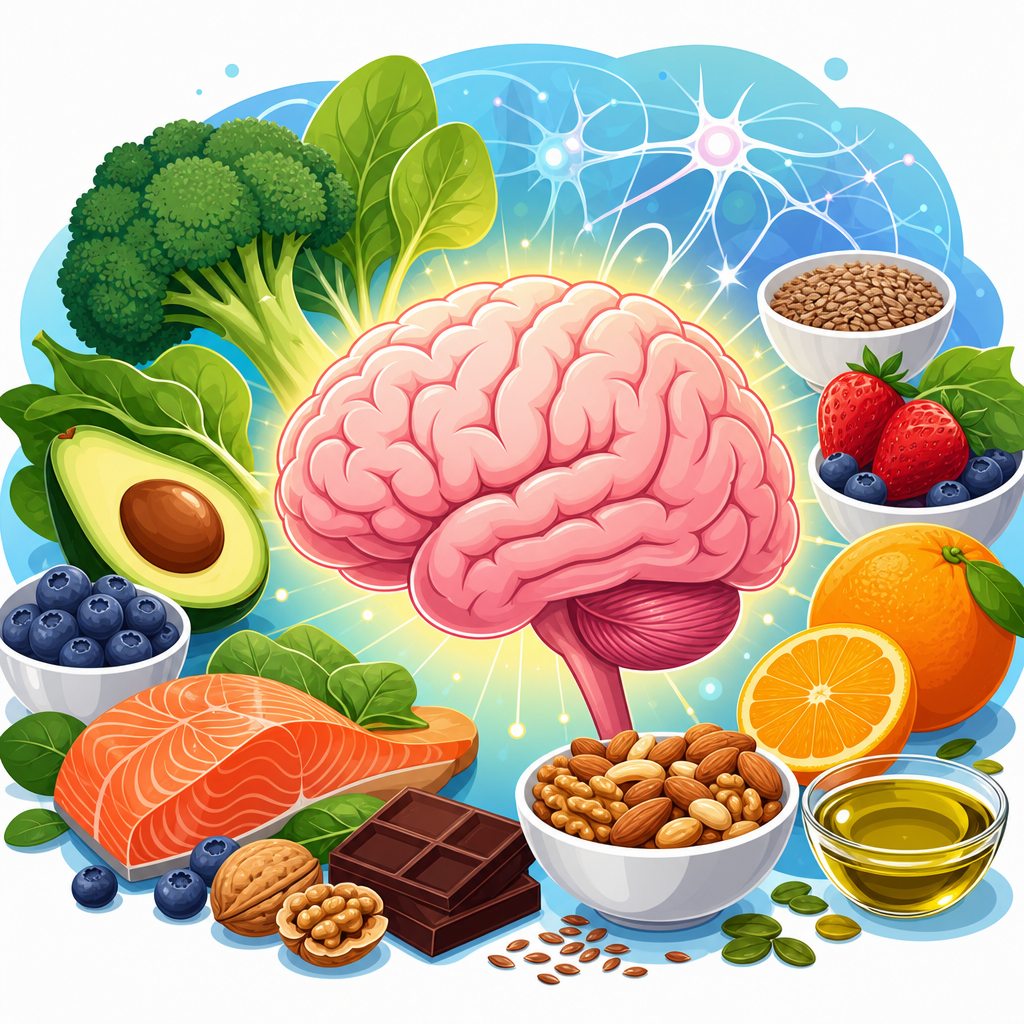
The most valuable food sources are the ones that appear repeatedly in successful long-term studies. Extra-virgin olive oil is a top choice because it supplies monounsaturated fat and polyphenols associated with better endothelial function. Fatty fish provide EPA and DHA, omega-3 fats that influence inflammatory signaling and are linked with lower cardiovascular risk. Legumes deliver fiber, magnesium, plant protein, and a low glycemic impact. Berries, cherries, citrus, leafy greens, cruciferous vegetables, tomatoes, and orange vegetables supply polyphenols, potassium, folate, and carotenoids. Fermented foods such as yogurt and kefir can support gut health, though they are complements, not cures. Nuts, especially walnuts and almonds, offer healthy fats, minerals, and satiety, making them useful replacements for processed snack foods.
Foods to limit are equally important. Ultra-processed products, frequent sugary beverages, refined grains, deep-fried foods, and processed meats consistently correlate with poorer cardiometabolic outcomes. This does not mean a person must eliminate bread, dessert, or convenience foods forever. It means the baseline pattern should not rely on them. Red and processed meats deserve separate attention because processed varieties are associated with higher risks of cardiovascular disease and colorectal cancer, partly due to sodium, preservatives, heme iron interactions, and displacement of healthier options. Alcohol is nuanced: small amounts of wine were once framed as protective, but current evidence does not support starting alcohol for health benefits. For many adults, less alcohol is the safer anti-inflammatory choice, particularly with liver disease, hypertension, sleep problems, migraine, cancer risk, or certain medications.
How to choose credible articles, books, clinicians, and programs
Because this page functions as a hub for anti-inflammatory diets and chronic disease, source selection deserves direct attention. Start with articles that cite human studies, explain sample size and duration, and avoid miracle language. Good books are usually written by registered dietitians, physicians with nutrition training, or researchers who provide references and acknowledge uncertainty. For personalized care, look for a registered dietitian nutritionist, ideally one experienced in cardiometabolic health, gastroenterology, oncology, renal nutrition, or autoimmune conditions depending on your diagnosis. Ask how they assess inflammation-related goals: Do they review labs, medications, cooking habits, food access, and symptom patterns? If a program sells extensive supplement stacks before reviewing basic diet quality, that is a warning sign.
Digital tools can help when used carefully. Cronometer is useful for nutrient analysis, especially fiber, omega-3 intake, sodium, magnesium, and micronutrient gaps. The USDA FoodData Central database provides reliable food composition information. Mediterranean diet adherence questionnaires and the Healthy Eating Index can help track pattern quality over time. However, apps should support judgment, not replace it. In my experience, the strongest education combines evidence summaries, practical recipes, grocery guidance, and disease-specific adaptation. A patient with chronic kidney disease needs potassium, phosphorus, and protein adjustments; someone with inflammatory bowel disease may need texture modifications during flares; a person with prediabetes may benefit from carbohydrate distribution across meals. The best sources make these distinctions clearly rather than presenting one universal template.
Building an anti-inflammatory eating plan that lasts
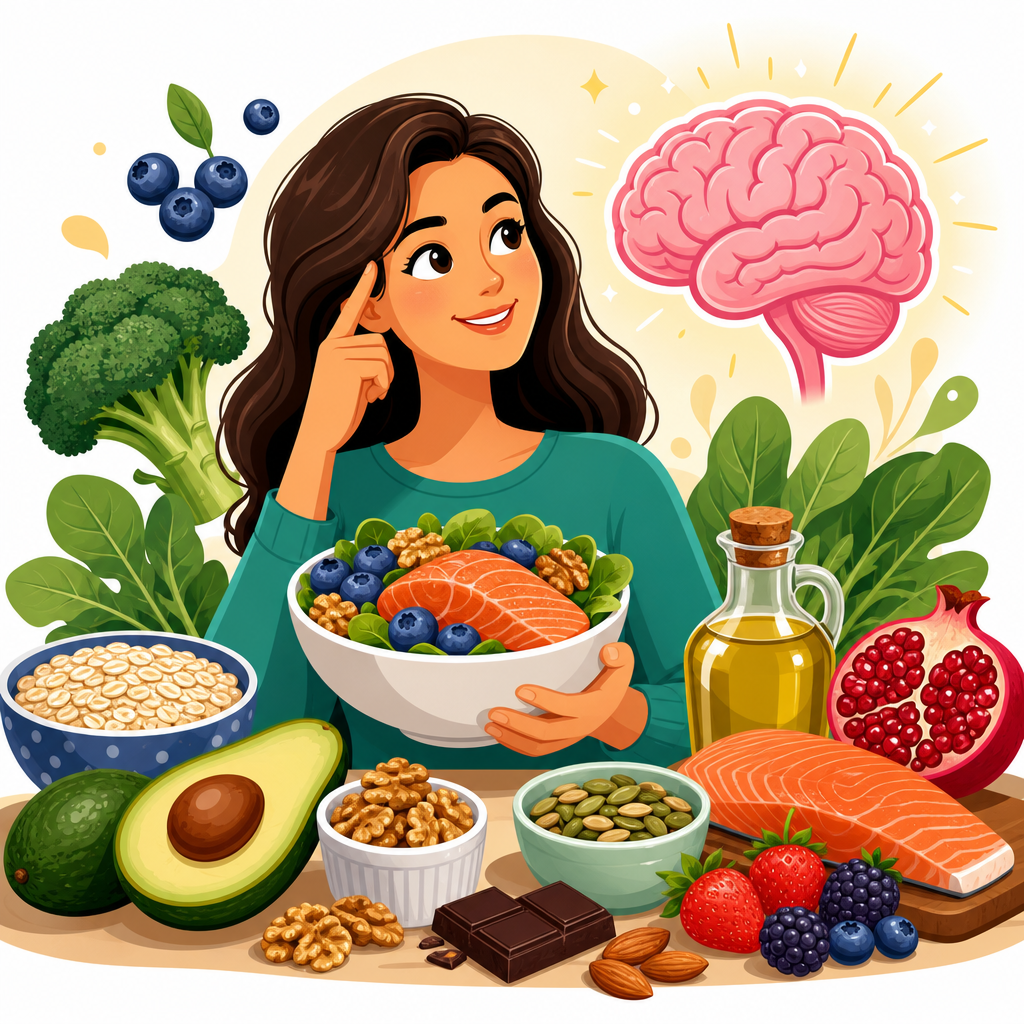
A sustainable plan begins with structure, not willpower. Most people do best when every meal includes a protein source, a high-fiber carbohydrate, healthy fat, and at least one plant food. Breakfast might be plain yogurt with berries, walnuts, and oats; lunch could be lentil soup with a salad and olive oil dressing; dinner might be salmon, roasted vegetables, and quinoa. Batch cooking beans, grains, chopped vegetables, and sauces lowers friction during busy weeks. Frozen produce is fully compatible with an anti-inflammatory diet and often reduces cost and food waste. Spices such as turmeric, ginger, cumin, rosemary, and cinnamon can add flavor and useful phytochemicals, but their value comes from consistent use in an overall healthy pattern, not from supplement-level expectations.
Adherence improves when goals are measurable. A practical starting framework is vegetables at two meals daily, legumes three to five times weekly, fish twice weekly, nuts or seeds most days, sugary drinks rarely, and ultra-processed snack foods as occasional rather than default choices. Review progress using outcomes that matter: blood pressure, waist circumference, fasting glucose, HbA1c, triglycerides, LDL cholesterol, liver enzymes, symptom frequency, and energy levels. If you want the best sources of anti-inflammatory diets and chronic disease information, choose the ones that help you act consistently, interpret results honestly, and adapt the plan to your culture, budget, and medical needs. Start with one meal, one shopping list, and one repeatable week of eating, then build from there.
Frequently Asked Questions
What is an anti-inflammatory diet, and how does it relate to chronic disease prevention?
An anti-inflammatory diet is not a rigid meal plan or short-term cleanse. It is a long-term eating pattern centered on foods that help calm chronic, low-grade inflammation in the body. This matters because ongoing inflammation is closely associated with many major chronic diseases, including heart disease, type 2 diabetes, obesity-related complications, fatty liver disease, arthritis, some cancers, and cognitive decline. Instead of focusing on a single “superfood,” this approach emphasizes overall dietary quality: vegetables, fruits, beans, lentils, whole grains, nuts, seeds, olive oil, and omega-3-rich fish tend to be the foundation, while ultra-processed foods, refined carbohydrates, sugary drinks, trans fats, and excess processed meat are limited.
The connection to chronic disease is strong because diet influences several core processes at once. Food choices can affect blood sugar control, cholesterol levels, blood pressure, body weight, insulin sensitivity, gut microbiome balance, and oxidative stress, all of which play a role in inflammation. For example, a diet high in fiber and plant compounds can support healthier gut bacteria and reduce inflammatory signaling, while a pattern high in added sugars and heavily processed foods may do the opposite. In practical terms, anti-inflammatory eating is less about perfection and more about consistency. Choosing a balanced, minimally processed diet most of the time can help lower disease risk and support better long-term health outcomes.
Which sources are the most trustworthy when researching anti-inflammatory diets and chronic disease?
The best sources are evidence-based, transparent, and grounded in qualified expertise. Start with major public health and medical organizations, such as the World Health Organization, the Centers for Disease Control and Prevention, the National Institutes of Health, the American Heart Association, the American Diabetes Association, and similar national health bodies. These organizations usually base their guidance on broad reviews of the scientific literature rather than trends or personal opinions. University medical centers, registered dietitian nutritionists, and peer-reviewed journals are also strong sources, especially when they explain not just what to eat, but why the recommendations exist.
When evaluating a source, look for several quality signals. Check whether the author has relevant credentials, whether studies are cited, whether the information reflects current consensus rather than one isolated study, and whether the source avoids exaggerated promises like “reverse all inflammation fast” or “one food cures chronic disease.” Trustworthy guidance also acknowledges nuance. For instance, it will explain that inflammation is complex, that no single diet eliminates risk entirely, and that nutrition works alongside sleep, physical activity, stress management, smoking avoidance, and appropriate medical care. If a source is selling expensive supplements, detoxes, or restrictive plans while making dramatic claims, that is a reason to be cautious. The strongest information is usually practical, balanced, and supported by a pattern of research rather than hype.
What foods are most commonly recommended in an anti-inflammatory eating pattern?
Most anti-inflammatory eating patterns consistently recommend a wide variety of nutrient-dense, minimally processed foods. Vegetables and fruits are central because they provide fiber, vitamins, minerals, and plant compounds such as polyphenols and carotenoids that help protect cells from damage. Leafy greens, berries, tomatoes, broccoli, peppers, citrus fruits, and cruciferous vegetables are commonly highlighted, but diversity matters more than obsessing over a few “best” items. Whole grains like oats, brown rice, quinoa, and barley are typically preferred over refined grains because they support blood sugar stability and provide more fiber. Beans, lentils, chickpeas, nuts, and seeds are also valuable for their fiber, healthy fats, and plant protein.
Healthy fat choices are another major feature. Extra-virgin olive oil is often emphasized because it is a staple of Mediterranean-style eating, one of the best-studied anti-inflammatory dietary patterns. Fatty fish such as salmon, sardines, trout, and mackerel are frequently recommended for omega-3 fats, which have been linked to reduced inflammation and cardiovascular benefits. Herbs, spices, tea, and even coffee in moderate amounts may also contribute helpful compounds, depending on the overall diet and the individual. On the other side of the equation, anti-inflammatory guidance usually advises limiting ultra-processed snacks, sugary beverages, excess alcohol, heavily processed meats, and foods high in refined starches and added sugars. The goal is not to label foods as morally “good” or “bad,” but to build a pattern where supportive foods are the norm and inflammatory triggers are less common.
How can someone tell whether online anti-inflammatory diet advice is accurate or just marketing?
A good way to judge online advice is to ask whether it is educational or promotional. Accurate information usually explains mechanisms clearly, references established research, and avoids all-or-nothing language. Marketing-driven content often relies on fear, urgency, and oversimplification. Red flags include claims that inflammation is the sole cause of every health problem, promises of quick cures, pressure to buy supplements or lab tests, and lists that ban large numbers of foods without a strong medical reason. Another warning sign is when advice uses scientific-sounding words but provides no real evidence or context. A trustworthy source will usually discuss overall dietary patterns, mention individual differences, and encourage readers with chronic conditions to work with healthcare professionals rather than self-treat based on internet trends.
It also helps to compare the advice with recognized nutrition models such as the Mediterranean diet, DASH diet, or other whole-food dietary patterns supported by high-quality research. If the online recommendation sharply conflicts with mainstream evidence without providing strong data, skepticism is appropriate. Look at whether the content distinguishes between findings from animal studies, small short-term trials, and larger human research. Reliable guidance often acknowledges limitations and does not pretend the science is more certain than it is. In short, credible anti-inflammatory diet advice should be realistic, sustainable, and consistent with what leading medical and nutrition organizations generally recommend for chronic disease prevention and management.
Can an anti-inflammatory diet help manage existing chronic diseases, or is it only useful for prevention?
An anti-inflammatory diet can be helpful for both prevention and management, although it is not a substitute for medical care. For people already living with chronic diseases, improving diet quality may support better control of important risk factors and symptoms. In type 2 diabetes or prediabetes, for example, emphasizing fiber-rich carbohydrates, healthy fats, and less processed food can improve blood sugar regulation and insulin sensitivity. In cardiovascular disease, this same style of eating may help lower LDL cholesterol, triglycerides, blood pressure, and excess body weight. In conditions like fatty liver disease, arthritis, or metabolic syndrome, dietary improvements may reduce strain on the body and support better day-to-day function.
That said, results depend on the condition, the person’s baseline habits, and the broader treatment plan. Someone with autoimmune disease, chronic kidney disease, digestive disorders, or food allergies may need modifications that go beyond general anti-inflammatory advice. This is why personalized guidance matters, especially when medication interactions, nutrient restrictions, or disease-specific goals are involved. The most effective approach is usually to use anti-inflammatory eating as a practical framework: prioritize whole foods, improve meal consistency, include healthy fats and plenty of plant foods, and reduce highly processed items. Combined with regular medical follow-up, exercise, adequate sleep, and stress management, this type of eating pattern can play a meaningful role in improving quality of life and long-term health.