Brain-boosting foods for cognitive function sit at the intersection of nutrition, neurology, and preventive health, and they matter because the brain is a metabolically demanding organ that relies on a steady supply of specific nutrients to maintain memory, focus, mood regulation, and long-term resilience. When people ask what foods help the brain, they usually mean foods that support cognition: the mental processes involved in attention, learning, recall, decision-making, processing speed, and executive function. In practice, cognitive function is influenced by far more than a single “superfood.” It depends on dietary patterns, blood sugar control, vascular health, sleep quality, inflammation, and the availability of compounds the brain uses to build cell membranes, synthesize neurotransmitters, and defend itself against oxidative stress.
In clinical nutrition work, I have seen a consistent pattern: people often look for quick fixes such as energy drinks, sugary snacks, or expensive nootropic supplements, yet the strongest evidence still favors familiar foods like fatty fish, berries, leafy greens, legumes, nuts, seeds, eggs, olive oil, and fermented foods. These foods contain omega-3 fatty acids, polyphenols, B vitamins, choline, magnesium, fiber, and other bioactive compounds tied to better brain performance and healthier aging. The science is compelling because the brain consumes roughly 20 percent of the body’s energy at rest, has high concentrations of easily oxidized fats, and depends on healthy blood vessels to deliver oxygen and glucose efficiently. That combination makes it especially sensitive to poor diet.
Understanding brain-boosting foods also matters beyond memory tests or workplace productivity. Cognitive decline can begin subtly decades before diagnosis, and dietary habits influence risk factors linked to dementia, stroke, depression, and metabolic disease. Research on Mediterranean-style eating patterns, the MIND diet, and cardiometabolic health repeatedly shows that what protects the heart often protects the brain. This hub article explains the science behind brain-boosting foods for cognitive function and their health benefits, outlines the most evidence-backed food groups, and clarifies how to build a practical eating pattern that supports both short-term mental performance and long-term brain health.
How nutrition affects the brain at a biological level
The brain is protected by the blood-brain barrier, but that barrier is selective rather than absolute. Nutrients and metabolic byproducts influence brain function through several mechanisms. First, the brain requires stable energy. Although it can use ketones under certain conditions, its primary fuel is glucose, and dramatic swings in blood sugar can impair attention, reaction time, and mood. Meals built around refined carbohydrates may provide a temporary lift followed by fatigue, while balanced meals that include protein, fiber, and healthy fat usually produce steadier cognitive performance.
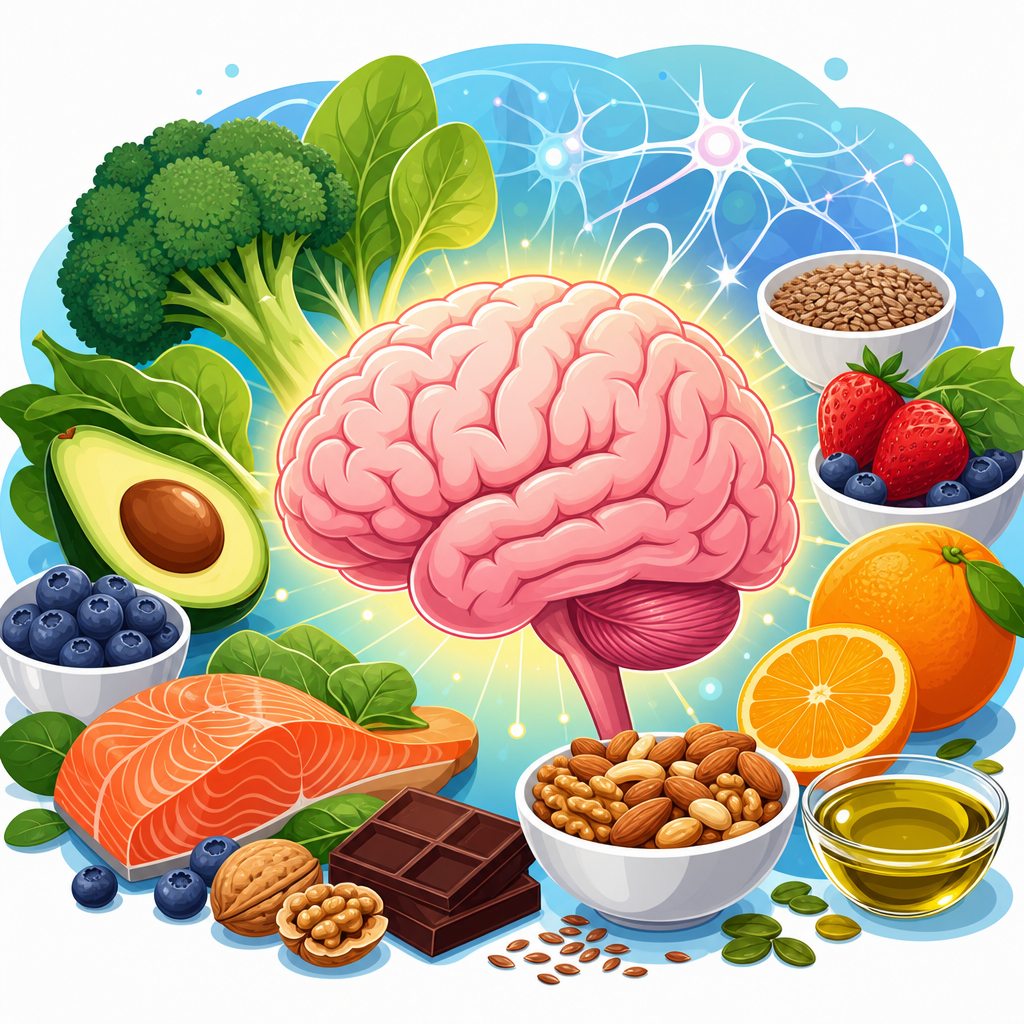
Second, brain cells depend on membrane integrity. Neurons communicate through synapses, and those synaptic membranes are rich in phospholipids and fatty acids, particularly docosahexaenoic acid, or DHA, a long-chain omega-3 highly concentrated in the brain and retina. DHA supports membrane fluidity, receptor activity, and signal transmission. Third, nutrient intake affects neurotransmitter production. Choline contributes to acetylcholine synthesis, tryptophan is a precursor to serotonin, and B vitamins help regulate methylation pathways involved in neural function.
Fourth, diet influences neuroinflammation and oxidative stress. The brain’s high oxygen use makes it vulnerable to free-radical damage, so antioxidant-rich foods and anti-inflammatory dietary patterns are relevant. Finally, the gut-brain axis matters. Gut microbes ferment fiber into short-chain fatty acids, modulate immune signaling, and may influence mood and cognition through vagal, endocrine, and inflammatory pathways. This is why brain-boosting foods should be viewed as part of an integrated system rather than isolated ingredients.
The most effective brain-boosting foods for cognitive function
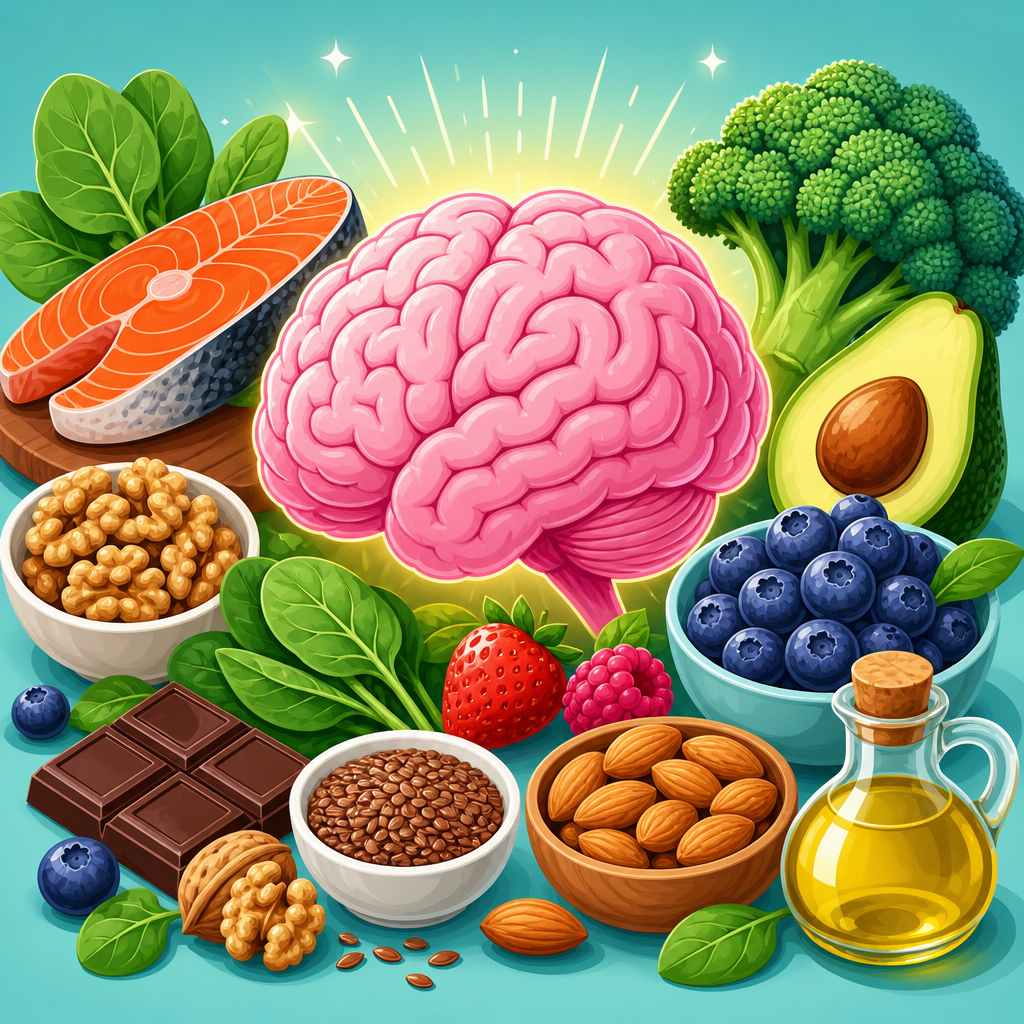
Fatty fish remains one of the strongest recommendations for cognitive support because salmon, sardines, trout, anchovies, and mackerel provide preformed EPA and DHA. Observational studies consistently associate higher fish intake with better cognitive aging, and randomized trials suggest omega-3 status may be especially relevant in people with low baseline intake. Two servings weekly is a practical benchmark supported by major cardiology and public health guidance. For people who avoid seafood, algae-based DHA supplements can help, but whole foods also deliver protein, selenium, iodine, and vitamin D.
Berries are another top category because they supply anthocyanins and other flavonoids linked to improved neuronal signaling and reduced oxidative stress. Blueberries, blackberries, and strawberries have been studied most often. In plain terms, these compounds appear to help protect brain cells and may improve blood flow to brain tissue. Leafy greens such as spinach, kale, arugula, collards, and romaine contribute folate, vitamin K, lutein, nitrate, and magnesium. Regular intake is associated with slower cognitive decline in aging populations, likely through a combination of vascular and antioxidant effects.
Eggs deserve mention because they provide choline, a precursor to acetylcholine, which is important for memory and learning. Nuts and seeds add vitamin E, magnesium, healthy fats, and polyphenols; walnuts are especially noted because their fatty acid profile and phenolic content make them relevant to brain health research. Extra-virgin olive oil contributes monounsaturated fat and phenolic compounds that support vascular function and reduce oxidative stress. Legumes and intact whole grains help maintain stable glucose delivery, while fermented foods such as yogurt and kefir can support a healthier gut environment.
| Food group | Key brain-supportive compounds | Main cognitive or neurological benefit | Simple way to use it |
|---|---|---|---|
| Fatty fish | DHA, EPA, vitamin D, selenium | Supports neuronal membranes and healthy signaling | Grilled salmon or sardines twice weekly |
| Berries | Anthocyanins, vitamin C, fiber | Helps counter oxidative stress and supports blood flow | Add to oatmeal or yogurt |
| Leafy greens | Folate, lutein, vitamin K, nitrates | Associated with slower cognitive decline | Use as a lunch salad base |
| Eggs | Choline, B12, protein | Supports neurotransmitter synthesis | Pair boiled eggs with vegetables |
| Nuts and seeds | Vitamin E, magnesium, polyphenols, healthy fats | Helps protect cells and improves satiety | Snack on walnuts and pumpkin seeds |
| Olive oil | Monounsaturated fat, polyphenols | Supports vascular health and lowers inflammation | Use in dressings instead of butter-heavy sauces |
Dietary patterns that improve cognitive health over time
Single foods matter, but dietary patterns matter more because the brain responds to cumulative exposure. The Mediterranean diet is the best-known example. It emphasizes vegetables, fruits, legumes, whole grains, seafood, olive oil, nuts, herbs, and moderate dairy, with limited ultra-processed foods and lower intake of red meat. This pattern repeatedly correlates with lower rates of cardiovascular disease, and those vascular benefits are directly relevant to the brain because cerebral blood flow is foundational to cognition.
The MIND diet, developed by researchers at Rush University, blends Mediterranean and DASH principles with a specific emphasis on green leafy vegetables and berries. It is often cited because observational research found stronger adherence was associated with a lower risk of Alzheimer’s disease. That does not mean diet can guarantee prevention, but it does indicate that habitual eating patterns influence risk trajectories. In my experience, the MIND framework works well for patients because it is concrete: eat greens often, include berries regularly, prioritize beans and nuts, choose olive oil, and include fish.
Another important point is what these patterns reduce. They tend to displace foods associated with poorer metabolic outcomes, including sugar-sweetened beverages, heavily refined snacks, processed meats, and meals high in trans fats or repeatedly heated industrial oils. Better cognition is not only about adding blueberries; it is also about lowering inflammatory load, improving insulin sensitivity, and preserving endothelial function over years.
Blood sugar, vascular health, and the link between heart health and brain performance
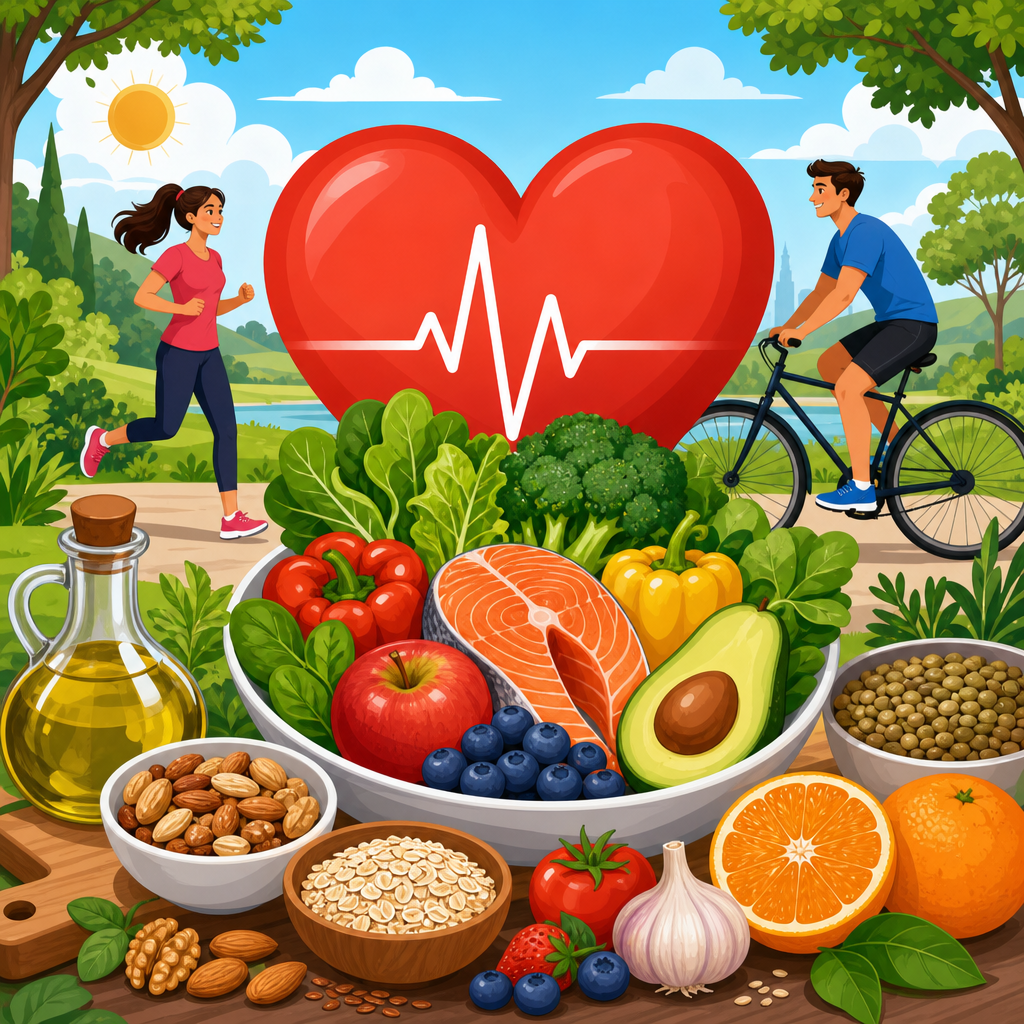
A useful way to understand brain-boosting foods is to ask whether they help maintain healthy blood vessels and stable glucose regulation. The brain depends on uninterrupted circulation. Hypertension, atherosclerosis, insulin resistance, and type 2 diabetes are all associated with worse cognitive outcomes, in part because they impair vessel function and increase inflammatory stress. This is why nutrition patterns that lower LDL cholesterol, improve blood pressure, and reduce glycemic variability often improve brain health indirectly.
For example, replacing refined breakfast pastries with steel-cut oats, Greek yogurt, chia seeds, and berries can change the entire metabolic profile of a morning. Instead of a rapid blood sugar spike followed by a crash, that meal provides protein, soluble fiber, fat, and polyphenols, leading to steadier energy and often better concentration. Swapping processed deli meat lunches for lentil soup, olive-oil dressed salads, and whole-grain bread can similarly improve sodium balance, fiber intake, and post-meal glucose response.
Extra-virgin olive oil, legumes, nuts, and fish repeatedly show up in cardiovascular guidelines for a reason. What improves endothelial function and reduces chronic inflammation generally helps the brain. People often separate “heart-healthy” and “brain-healthy” foods, but the distinction is largely artificial because the same circulatory system feeds both organs.
The gut-brain axis, inflammation, and mental clarity
The gut-brain axis is not a wellness buzzword; it is a real bidirectional network involving the nervous system, immune signaling, hormones, and microbial metabolites. A diet low in fiber and high in ultra-processed foods can reduce microbial diversity and promote inflammatory patterns that may affect mood and cognition. By contrast, fiber-rich foods such as beans, oats, barley, vegetables, fruit, nuts, and seeds nourish beneficial microbes that produce short-chain fatty acids like butyrate, which help maintain gut barrier integrity and influence immune regulation.
Fermented foods do not directly colonize the gut permanently in every case, but yogurt with live cultures, kefir, kimchi, sauerkraut, and miso can still support a healthier microbial environment. In practice, people who increase fiber gradually and include fermented foods often report better digestion, fewer energy dips, and more consistent focus. That is not proof of a cure, but it fits what we know about inflammatory load and the close relationship between gastrointestinal and neurological function.
Inflammation also explains why highly palatable, low-nutrient dietary patterns can feel mentally draining over time. Diets overloaded with added sugars, low-quality fats, and insufficient micronutrients may not cause immediate symptoms, yet they can quietly worsen sleep quality, insulin resistance, and mood stability, all of which feed back into cognition.
Practical meal strategies, common mistakes, and who may need extra support
The most effective strategy is consistency, not perfection. Build meals around a simple template: a protein source, colorful produce, a high-fiber carbohydrate, and a healthy fat. Breakfast might be eggs with spinach and whole-grain toast drizzled with olive oil. Lunch could be a salmon grain bowl with chickpeas, greens, pumpkin seeds, and tahini. Dinner might be lentil stew with roasted vegetables and a side salad. Snacks that support cognitive function include plain yogurt with berries, walnuts, edamame, apple slices with peanut butter, or hummus with carrots.
Common mistakes include relying on caffeine instead of food, skipping breakfast after poor sleep and then overeating sugar later, treating supplements as substitutes for meals, and assuming “low carb” automatically means better focus. Some people do feel better with lower refined carbohydrate intake, but the brain still needs reliable fuel, and many benefit most from minimally processed carbohydrates paired with protein and fat. Hydration also matters because even mild dehydration can affect attention and headache frequency.
Some groups may need extra attention. Older adults often have lower appetite, reduced protein intake, and greater risk of vitamin B12 deficiency. People who avoid fish may need a deliberate plan for omega-3 intake. Individuals with gastrointestinal disorders, restrictive diets, diabetes, or a history of eating disorders should personalize changes with a registered dietitian or physician. Use this hub as a starting point, then explore linked guidance on omega-3 foods, memory-supportive breakfasts, anti-inflammatory diets, and gut-friendly meal planning to turn the science into everyday habits.
Brain-boosting foods for cognitive function are not magic bullets, but the science is clear: daily food choices shape the brain through energy regulation, vascular health, inflammation control, neurotransmitter production, and gut-brain signaling. The strongest evidence supports whole dietary patterns built around fatty fish, berries, leafy greens, legumes, nuts, seeds, eggs, olive oil, fermented foods, and minimally processed carbohydrates. These foods work together, and their benefits extend beyond sharper focus. They also support heart health, metabolic stability, healthier aging, and potentially lower risk of cognitive decline.
The biggest takeaway is practical. If you want better brain health, stop chasing isolated miracle ingredients and start improving the meals you already eat. Replace ultra-processed staples with nutrient-dense basics, aim for steady blood sugar, and repeat those choices often enough that they become routine. Small changes compound: one fish dinner, one berry-rich breakfast, one bean-based lunch, one olive-oil dressed salad at a time.
Use this hub as your foundation for building a brain-healthy eating pattern, then take the next step by reviewing your current meals and upgrading just two of them this week with proven brain-boosting foods.
Frequently Asked Questions
What are brain-boosting foods, and how do they support cognitive function?
Brain-boosting foods are nutrient-dense foods that help support the brain’s structure, energy needs, signaling systems, and long-term protection against age-related decline. The brain uses a large share of the body’s energy, so it depends on a steady supply of nutrients to power attention, memory, learning, processing speed, and emotional balance. Foods that are especially helpful for cognitive function tend to provide omega-3 fatty acids, antioxidants, B vitamins, choline, polyphenols, minerals, and steady-release carbohydrates. These nutrients contribute to healthy blood flow to the brain, protect neurons from oxidative stress, support neurotransmitter production, and help maintain the membranes that allow brain cells to communicate efficiently.
Examples include fatty fish such as salmon and sardines for omega-3s, berries for antioxidant compounds, leafy greens for folate and vitamin K, eggs for choline, nuts and seeds for healthy fats and vitamin E, beans for steady energy and fiber, and whole grains for sustained glucose delivery. Rather than acting like a quick fix, these foods work best as part of an overall eating pattern that consistently nourishes the brain. In other words, no single food instantly makes someone smarter, but regular intake of supportive nutrients can help preserve mental performance, improve focus and memory, and contribute to better cognitive resilience over time.
Which nutrients are most important for brain health and mental performance?
Several nutrients stand out because they are directly involved in how the brain develops, functions, and protects itself. Omega-3 fatty acids, especially DHA, are among the most well-known because they are major structural components of brain cell membranes and support communication between neurons. B vitamins, including B6, B12, and folate, help with energy metabolism and play a role in regulating homocysteine, an amino acid linked to cognitive decline when elevated. Choline is another key nutrient because it is needed to make acetylcholine, a neurotransmitter involved in memory and learning. Antioxidants such as vitamins C and E, along with plant compounds like flavonoids and polyphenols, help defend brain cells against oxidative stress and inflammation.
Minerals also matter. Magnesium supports nerve signaling and energy production, iron helps deliver oxygen to the brain, zinc contributes to neurotransmission, and iodine is essential for thyroid function, which influences cognition and mental clarity. In addition, the brain needs a reliable energy source, and complex carbohydrates from whole foods can help provide steady glucose without the sharp swings associated with heavily processed foods. The most effective approach is to obtain these nutrients from a varied, minimally processed diet rather than relying solely on supplements, unless a healthcare professional identifies a deficiency or a specific medical need.
Can certain foods improve memory, focus, and mood, or is that overstated?
It is not overstated, but it is often oversimplified. Foods can absolutely influence memory, focus, and mood, although their effects are usually subtle, cumulative, and tied to long-term habits rather than dramatic overnight changes. For example, meals that combine fiber, protein, and healthy fats can help stabilize blood sugar, which may support more consistent attention and mental energy. Omega-3-rich foods have been associated with better brain cell function and may benefit mood regulation. Polyphenol-rich foods such as berries, cocoa, and green tea may support blood flow and help protect the brain from inflammation and oxidative damage, both of which are important for cognitive performance.
That said, food is only one piece of the picture. Sleep, exercise, hydration, stress levels, social connection, and underlying health conditions all affect cognitive function and emotional well-being. A diet high in ultra-processed foods, added sugars, and unhealthy fats may work against the brain by promoting inflammation and metabolic problems, while a diet centered on whole, nutrient-rich foods may help create the conditions for better mental clarity and resilience. So yes, food matters, but the strongest benefits come from a consistently healthy lifestyle rather than a single “superfood” or short-term dietary trend.
What are the best everyday foods to include in a diet for long-term brain health?
For long-term brain health, the most helpful strategy is to build meals around a wide range of whole foods that deliver protective nutrients on a regular basis. Fatty fish such as salmon, trout, mackerel, and sardines are often at the top of the list because of their omega-3 content. Leafy greens like spinach, kale, and Swiss chard provide folate, lutein, and other compounds associated with cognitive support. Berries, especially blueberries and strawberries, are valued for their flavonoids, which may help protect memory and support communication between brain cells. Eggs contribute choline, while nuts and seeds provide vitamin E, healthy fats, and minerals. Legumes and whole grains help maintain stable energy, which is important because the brain depends heavily on glucose delivered in a controlled, steady way.
Other useful choices include extra-virgin olive oil, avocados, fermented foods, colorful vegetables, and even moderate amounts of dark chocolate or green tea, depending on a person’s tolerance and overall diet. Many experts point to eating patterns such as the Mediterranean diet or MIND diet because they combine many of these brain-supportive foods in a practical, sustainable way. These patterns have been linked with better cognitive aging and broader health benefits, including cardiovascular support. Since blood vessel health and brain health are closely connected, everyday foods that help the heart often help the brain as well.
Are brain-boosting foods only helpful for older adults, or do they benefit people of all ages?
Brain-boosting foods benefit people across the lifespan, not just older adults. In children and adolescents, good nutrition helps support brain development, learning capacity, attention, and emotional regulation. In working-age adults, brain-supportive eating patterns may help with productivity, concentration, mental stamina, and stress resilience. For older adults, these same foods can be especially important for preserving memory, supporting vascular health, and reducing risk factors associated with cognitive decline. Because the brain is active and metabolically demanding at every stage of life, it requires ongoing nutritional support rather than occasional intervention later on.
This is also why preventive nutrition matters. Eating well before problems arise may help build cognitive reserve, a concept that refers to the brain’s ability to adapt and cope with aging or stress. Consistent intake of nutrient-rich foods may also lower the risk of chronic conditions such as hypertension, type 2 diabetes, and obesity, all of which can negatively affect brain function over time. In practical terms, that means brain-healthy eating is not a specialty plan for one age group. It is a foundational approach to supporting clearer thinking, steadier mood, better energy regulation, and long-term overall health from early life through older adulthood.