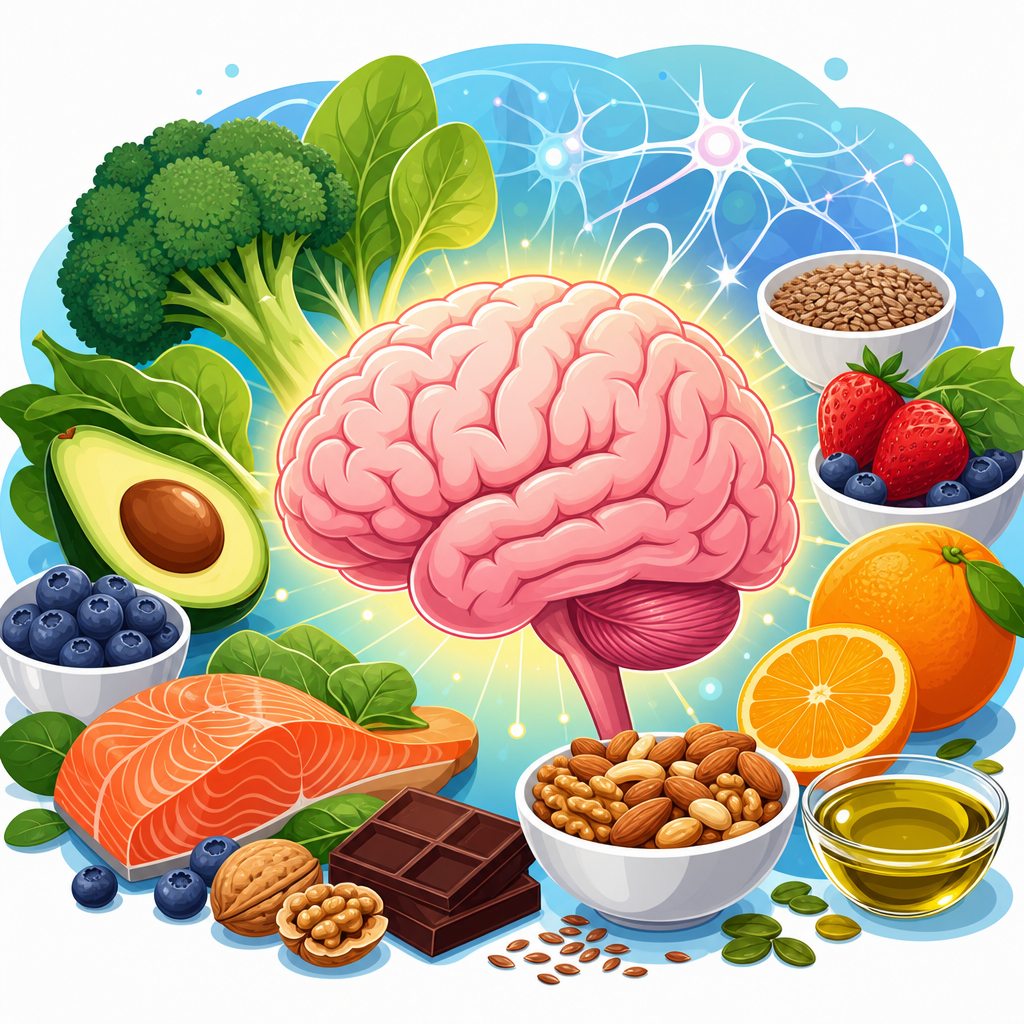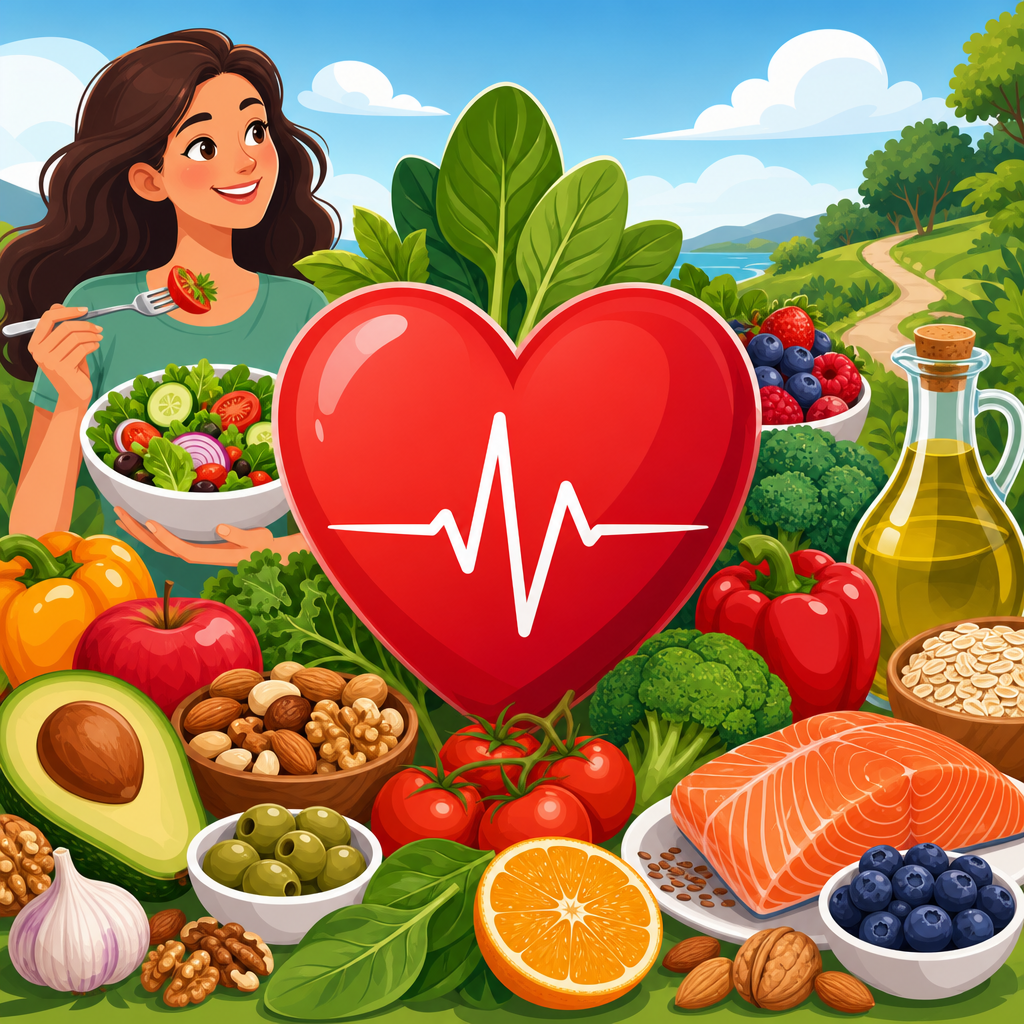
Chronic inflammation sits at the center of many modern illnesses, and diet is one of the most practical tools for reducing it. An anti-inflammatory diet is not a short-term cleanse or a rigid meal plan. It is a pattern of eating built around foods that lower inflammatory signaling, support metabolic health, and protect tissues over time. In clinical and public health nutrition, inflammation refers to the immune system’s response to injury or threat. Acute inflammation is protective. Chronic low-grade inflammation is different: it can persist for years, quietly damaging blood vessels, joints, the liver, the gut, and even the brain.
The link between anti-inflammatory diets and chronic disease matters because the biggest causes of disability and premature death share inflammatory pathways. Cardiovascular disease, type 2 diabetes, obesity, fatty liver disease, arthritis, inflammatory bowel conditions, and some cancers are all influenced by inflammatory processes. In practice, I have seen the same pattern repeatedly: when people shift from ultra-processed, high-sugar, low-fiber eating to a diet centered on vegetables, legumes, fruit, whole grains, fish, nuts, olive oil, and fermented foods, their blood pressure, glucose control, digestive symptoms, and energy often improve together. That is not coincidence. It reflects changes in cytokine activity, insulin sensitivity, gut microbiome balance, and oxidative stress.
Key terms help clarify the topic. Cytokines are immune signaling proteins such as interleukin-6 and tumor necrosis factor-alpha that can rise during chronic inflammation. C-reactive protein, often measured as hs-CRP, is a blood marker associated with inflammatory burden and cardiovascular risk. Oxidative stress refers to cellular damage from unstable molecules that outpace the body’s antioxidant defenses. Insulin resistance is a state in which cells respond poorly to insulin, raising blood glucose and often amplifying inflammation. An anti-inflammatory diet works by addressing these mechanisms simultaneously rather than targeting a single symptom.
This hub article explains how anti-inflammatory eating patterns influence chronic disease risk, which foods have the strongest evidence, where supplements fit, and what tradeoffs people should understand. It also provides a practical framework for building meals that support long-term health. If you want one central guide to anti-inflammatory diets and chronic disease, this page is designed to be that foundation.
How inflammation drives chronic disease
Inflammation contributes to chronic disease because immune activation alters normal tissue function. In atherosclerosis, inflammatory cells enter artery walls, oxidized LDL cholesterol accumulates, and plaques become unstable. In type 2 diabetes, excess visceral fat releases inflammatory mediators that worsen insulin resistance. In osteoarthritis and rheumatoid conditions, inflammatory pathways accelerate pain and tissue breakdown. In nonalcoholic fatty liver disease, now often called metabolic dysfunction-associated steatotic liver disease, inflammation can push simple fat accumulation toward fibrosis. Even depression has measurable links with inflammatory signaling in some patients.
Diet affects these processes every day. Meals high in refined starch, sugar-sweetened beverages, trans fats, and heavily processed meats can promote post-meal spikes in glucose and triglycerides, increase oxidative stress, and disrupt endothelial function. By contrast, fiber-rich plants, omega-3 fats, unsaturated oils, and polyphenol-rich foods can dampen inflammatory responses. This is why anti-inflammatory eating is relevant not only after disease appears but also during prevention, remission support, and healthy aging.
What an anti-inflammatory diet includes
The strongest evidence supports dietary patterns rather than miracle foods. Mediterranean-style eating remains the best studied model. It emphasizes vegetables, beans, lentils, fruit, extra-virgin olive oil, nuts, seeds, herbs, whole grains, and regular seafood, with modest dairy and limited processed meat, sweets, and refined grains. The DASH pattern and many whole-food plant-forward approaches share similar benefits. These patterns work because they increase fiber, potassium, magnesium, omega-3 intake, and phytochemicals while lowering excess sodium, added sugar, and inflammatory fat profiles.
Specific food groups matter. Colorful vegetables and berries provide flavonoids, carotenoids, and vitamin C. Legumes feed beneficial gut microbes and improve glycemic control. Oats and barley contain beta-glucan, a soluble fiber that helps reduce LDL cholesterol. Fatty fish such as salmon, sardines, trout, and mackerel supply EPA and DHA, which are associated with lower triglycerides and modulation of inflammatory eicosanoids. Extra-virgin olive oil contains oleocanthal and polyphenols linked to anti-inflammatory effects. Fermented foods including yogurt, kefir, kimchi, and sauerkraut may support microbial diversity, although tolerance varies by person.
Foods commonly reduced on an anti-inflammatory diet include sugar-sweetened drinks, ultra-processed snacks, deep-fried fast food, refined grains eaten in excess, processed meats, and products rich in industrial trans fats. Moderation matters more than perfection. A healthy diet is determined by the overall pattern across weeks and months, not one dessert or one restaurant meal.
Best foods, nutrients, and eating patterns for lowering inflammation
People often ask which foods are most anti-inflammatory. The most evidence-backed answer is simple: prioritize whole foods with high nutrient density and low processing. The list below summarizes the core components I recommend most often because they are practical, affordable in many settings, and repeatedly supported by nutrition research.
| Food or pattern | Main compounds | How it helps | Practical example |
|---|---|---|---|
| Extra-virgin olive oil | Monounsaturated fat, polyphenols | Supports heart health and lowers oxidative stress | Use for salad dressing or cooked vegetables |
| Fatty fish | EPA and DHA omega-3s | Helps reduce triglycerides and inflammatory signaling | Eat salmon or sardines two times weekly |
| Legumes | Fiber, magnesium, resistant starch | Improves satiety, glucose control, and gut health | Add lentils to soup or chickpeas to grain bowls |
| Berries and leafy greens | Flavonoids, carotenoids, vitamin C | Provide antioxidants and vascular support | Combine spinach, blueberries, and walnuts at lunch |
| Whole grains | Fiber, B vitamins, minerals | Reduce reliance on refined starches | Choose oats, quinoa, barley, or brown rice |
| Nuts and seeds | Unsaturated fats, vitamin E, lignans | Support lipid balance and satiety | Snack on almonds or add chia to yogurt |
Spices are useful but should be understood realistically. Turmeric contains curcumin, ginger contains gingerols, garlic provides organosulfur compounds, and cinnamon may modestly support glycemic control. These are helpful additions, not substitutes for a healthy dietary pattern. Likewise, green tea and coffee contain polyphenols associated with lower risk of several chronic diseases when consumed without excess sugar.
Anti-inflammatory diets and heart disease
Heart disease is one of the clearest examples of why an anti-inflammatory diet matters. Atherosclerosis is not only a cholesterol problem; it is an inflammatory process inside the artery wall. Diets rich in soluble fiber, plant sterols, unsaturated fats, and seafood improve several risk markers at once. They can lower LDL cholesterol, reduce blood pressure, improve endothelial function, and decrease hs-CRP in many individuals. The PREDIMED trial helped establish that a Mediterranean dietary pattern supplemented with extra-virgin olive oil or nuts reduced major cardiovascular events in high-risk adults.
In day-to-day counseling, the most effective changes are often replacing foods rather than merely removing them. Swap butter-heavy breakfasts for oatmeal with walnuts and berries. Replace processed deli meats with hummus, grilled chicken, or lentil salads. Use olive oil instead of shortening or stick margarine. Choose beans or fish more often than burgers or sausages. These shifts improve fat quality, fiber intake, and micronutrient density, which is why cardiovascular benefit can appear even before substantial weight loss occurs.
Anti-inflammatory diets and type 2 diabetes
Type 2 diabetes is strongly tied to inflammation, especially when abdominal adiposity and sedentary behavior are present. Anti-inflammatory eating helps by improving insulin sensitivity and reducing large swings in blood glucose after meals. High-fiber carbohydrates, balanced portions, adequate protein, and unsaturated fats slow digestion and moderate glycemic response. That means lentils outperform white bread, plain Greek yogurt with nuts outperforms pastries, and intact grains usually perform better than refined cereals.
There is no single anti-inflammatory diet for diabetes, but successful plans share common features: fewer ultra-processed foods, less added sugar, more nonstarchy vegetables, more legumes, and better fat quality. Weight loss, when appropriate, can further reduce inflammatory burden because visceral fat is metabolically active. Even a loss of 5 to 10 percent of body weight can improve fasting glucose, triglycerides, and liver enzymes. However, people using insulin or sulfonylureas may need medication adjustments when making major dietary changes, so medical supervision matters.
Anti-inflammatory diets, gut health, and autoimmune conditions
The gut is one of the most important interfaces between diet and inflammation. Fiber, resistant starch, and polyphenols feed intestinal microbes that produce short-chain fatty acids such as butyrate. These compounds support the gut barrier and help regulate immune responses. Diets low in plant diversity can reduce microbial richness, while highly processed diets may worsen dysbiosis in susceptible people. For many patients with chronic bloating, irregular bowel habits, or inflammatory bowel disease, improving food quality and meal structure is as important as identifying trigger foods.
Autoimmune conditions require nuance. Some people feel better reducing specific foods, but broad elimination diets can become unnecessarily restrictive and nutritionally inadequate. In rheumatoid arthritis, Mediterranean-style eating and higher omega-3 intake can support symptom management. In celiac disease, strict gluten elimination is medically necessary. In Crohn’s disease or ulcerative colitis, tolerance changes during flares, and a gastroenterology team should guide modifications. The principle is consistent: reduce inflammatory burden while preserving nutritional adequacy and quality of life.
Can supplements replace anti-inflammatory foods?
Supplements can play a role, but they do not replace an anti-inflammatory diet. Fish oil may help some people with high triglycerides or inadequate seafood intake. Vitamin D is important when deficiency is present. Psyllium can increase fiber intake and support LDL reduction. Curcumin supplements may help certain joint symptoms, especially when formulated for absorption. Yet supplements are narrower than foods. They do not deliver the same matrix of fiber, minerals, unsaturated fats, and thousands of phytochemicals found in a diverse healthy diet.
Quality and safety also matter. Some supplements interact with anticoagulants, diabetes medications, or immune therapies. Others vary widely in purity. Look for third-party testing through organizations such as USP, NSF, or ConsumerLab when possible, and discuss use with a qualified clinician. If the foundation is poor sleep, frequent alcohol excess, low activity, and a highly processed diet, supplements rarely produce meaningful results on their own.
How to build an anti-inflammatory diet in real life
The most sustainable anti-inflammatory diet is one you can repeat in ordinary weeks. Start with plate structure: half vegetables or fruit, one quarter protein, one quarter high-fiber starch or whole grain, plus a source of healthy fat. Build breakfasts around oats, eggs with vegetables, yogurt, or smoothies without excess sweeteners. For lunch, think grain bowls, bean soups, big salads with salmon, or leftovers from dinner. For dinner, combine roasted vegetables, legumes or fish, whole grains, and olive oil-based sauces.
Shopping strategy matters as much as nutrition theory. Keep canned beans, frozen vegetables, plain yogurt, nuts, oats, eggs, and tinned fish available. Read labels for added sugar, sodium, and ingredient length. If a product is built mostly from refined flour, isolated starches, syrups, and oils, it should not dominate the diet. Budget-conscious households can do very well with dried lentils, cabbage, carrots, onions, brown rice, peanut butter, and seasonal produce. Healthy eating does not require exotic powders or expensive meal delivery plans.
Consistency beats intensity. A person who cooks four balanced dinners a week and packs lunch most workdays usually sees more benefit than someone who follows a perfect plan for ten days and then abandons it. Anchor habits around repeatable actions: add a vegetable to every dinner, replace sugary drinks with water or unsweetened tea, eat beans three times weekly, and schedule fish twice a week. That is how an anti-inflammatory diet becomes a healthy diet for life.
Conclusion
The role of anti-inflammatory diets and chronic disease in a healthy diet is straightforward: food patterns can either amplify or reduce the biological stress that drives common long-term illnesses. Chronic inflammation influences heart disease, type 2 diabetes, fatty liver disease, gut disorders, joint pain, and many other conditions. The best dietary response is not a fad. It is a steady pattern built around vegetables, fruit, legumes, whole grains, nuts, seeds, olive oil, and seafood, with fewer ultra-processed foods, sugary drinks, and processed meats.
If you remember only a few points, remember these. First, anti-inflammatory eating works through known mechanisms, including better insulin sensitivity, lower oxidative stress, improved gut microbiome activity, and healthier blood lipids. Second, overall dietary patterns matter more than single “superfoods.” Third, practical changes are powerful when they are repeated consistently. Begin with one meal, one shopping trip, or one week of better choices, then build from there. Use this hub as your starting point and continue exploring anti-inflammatory nutrition as part of a stronger long-term health plan.
Frequently Asked Questions
What is an anti-inflammatory diet, and how is it different from a typical “healthy eating” plan?
An anti-inflammatory diet is a long-term eating pattern designed to reduce chronic low-grade inflammation, which is linked to many common health conditions such as heart disease, type 2 diabetes, arthritis, obesity, and some digestive and autoimmune disorders. Rather than focusing on restriction, detoxes, or short-term fixes, it emphasizes foods that help regulate the body’s inflammatory response and support steady metabolic health over time. In practice, this usually means eating more vegetables, fruits, legumes, nuts, seeds, whole grains, olive oil, fatty fish, and minimally processed foods while limiting ultra-processed products, refined carbohydrates, sugary drinks, processed meats, and excess alcohol.
What makes it different from a general healthy diet is the specific focus on how food influences inflammatory pathways, blood sugar control, oxidative stress, gut health, and immune regulation. Many healthy eating plans overlap with anti-inflammatory eating, but an anti-inflammatory approach more deliberately prioritizes nutrients and food patterns associated with lower inflammatory markers. That includes omega-3 fats, fiber, polyphenols, and antioxidant-rich plant foods. It also pays closer attention to foods and habits that may quietly drive inflammation, such as chronic overconsumption of highly processed foods, poor diet quality, and repeated blood sugar spikes. In other words, it is not a fad diet. It is a science-based framework for eating in a way that helps protect tissues, organs, and long-term health.
How does chronic inflammation contribute to chronic disease?
Chronic inflammation is different from the short-term inflammation that helps the body heal after an injury or infection. Acute inflammation is useful and necessary. Chronic inflammation, however, is a persistent, low-level immune response that can continue for months or years. When this happens, inflammatory chemicals can gradually damage tissues, interfere with normal cell signaling, and place ongoing stress on the cardiovascular system, pancreas, joints, brain, and other organs. Over time, that strain can contribute to disease development and progression.
This matters because chronic inflammation is now recognized as a major factor in many modern illnesses. In cardiovascular disease, inflammation can damage blood vessel walls and contribute to plaque formation and instability. In type 2 diabetes, inflammation is closely tied to insulin resistance and poor glucose regulation. In obesity, excess fat tissue itself can produce inflammatory signals that worsen metabolic health. In conditions such as rheumatoid arthritis, inflammatory bowel disease, and psoriasis, inflammation plays a direct role in symptoms and tissue damage. There is also growing research connecting long-term inflammation with cognitive decline, fatty liver disease, and certain cancers. Diet cannot eliminate every cause of inflammation, but it is one of the most practical and evidence-based tools for lowering the everyday inflammatory burden that contributes to chronic disease risk.
Which foods are most helpful in an anti-inflammatory diet?
The most helpful foods are generally whole or minimally processed foods that provide fiber, healthy fats, vitamins, minerals, and protective plant compounds. Vegetables and fruits are foundational because they supply antioxidants and polyphenols that help counter oxidative stress and support immune balance. Leafy greens, berries, tomatoes, broccoli, peppers, citrus fruits, and cruciferous vegetables are especially valuable, but variety matters more than chasing a short list of “superfoods.” Legumes such as beans, lentils, and chickpeas also play an important role because they provide fiber and plant-based protein while supporting gut health and blood sugar control.
Healthy fats are another key part of the pattern. Extra-virgin olive oil, avocados, nuts, seeds, and fatty fish such as salmon, sardines, trout, and mackerel are commonly recommended because they provide monounsaturated fats and omega-3 fatty acids, both of which are associated with lower inflammation. Whole grains like oats, barley, quinoa, and brown rice are usually preferred over refined grains because they digest more slowly and support a healthier metabolic response. Fermented foods such as yogurt, kefir, kimchi, and sauerkraut may also be useful for some people because they can support the gut microbiome, which has a strong connection to immune and inflammatory function.
Herbs, spices, tea, coffee in moderate amounts, and cocoa-rich dark chocolate can also fit into an anti-inflammatory approach because they contain bioactive compounds with antioxidant properties. The larger message is that no single food creates an anti-inflammatory diet by itself. What matters most is the overall pattern: more plants, more fiber, better fats, less processing, and meals built around consistent nutrient quality.
What foods and eating habits tend to promote inflammation?
Foods most often associated with increased inflammation are those that are heavily processed and regularly consumed in excess. This includes sugary beverages, sweets, refined grains, packaged snack foods, fast food, deep-fried items, and many products made with highly refined oils, added sugars, and sodium. Processed meats such as bacon, sausage, hot dogs, and deli meats are also commonly discussed in relation to inflammatory and chronic disease risk. These foods do not usually cause harm because of one single meal, but when they become the foundation of a person’s diet, they can contribute to weight gain, poor blood sugar control, unfavorable cholesterol patterns, and a higher inflammatory load.
It is also helpful to think beyond individual ingredients. Certain eating habits can promote inflammation even if they do not seem dramatic. Regular overeating, low fiber intake, frequent blood sugar swings, very low intake of fruits and vegetables, excessive alcohol consumption, and relying on convenience foods for most meals can all work against the body’s ability to maintain balanced immune function. Some people may also have individual triggers, such as foods they are intolerant to or eating patterns that worsen digestive issues. However, for most people, the goal is not to label foods as completely “good” or “bad.” The more realistic and effective strategy is to make ultra-processed, high-sugar, and heavily refined foods occasional rather than routine, while building everyday meals around nutrient-dense staples that support recovery, satiety, and long-term health.
Can an anti-inflammatory diet actually help manage or prevent chronic disease?
Yes, it can play a meaningful role, especially when it is part of a broader lifestyle approach. Research consistently shows that dietary patterns rich in vegetables, fruits, whole grains, legumes, fish, nuts, and unsaturated fats are associated with lower risk of many chronic diseases and better control of inflammation-related health markers. An anti-inflammatory diet may help improve blood pressure, insulin sensitivity, cholesterol levels, body weight, gut health, and energy regulation. Those changes can reduce the biological stress that drives chronic disease over time. For people already living with conditions such as type 2 diabetes, heart disease, arthritis, or metabolic syndrome, improving diet quality may also help reduce symptoms, improve quality of life, and support medical treatment.
That said, an anti-inflammatory diet is not a cure-all and should not be presented as one. Chronic disease is influenced by genetics, sleep, stress, physical activity, smoking, medication use, environmental exposures, and access to healthcare, not just food choices. The real strength of this eating pattern is that it is sustainable, flexible, and compatible with evidence-based prevention. It can be adapted to different cultures, budgets, and preferences, and it does not require perfection to be effective. Small consistent changes, such as replacing refined snacks with nuts and fruit, eating fish more often, adding beans to meals, cooking with olive oil, and filling half the plate with vegetables, can produce meaningful benefits over time. In both prevention and disease management, the goal is not a flawless menu. It is a steady pattern that lowers inflammatory strain and supports health for the long term.