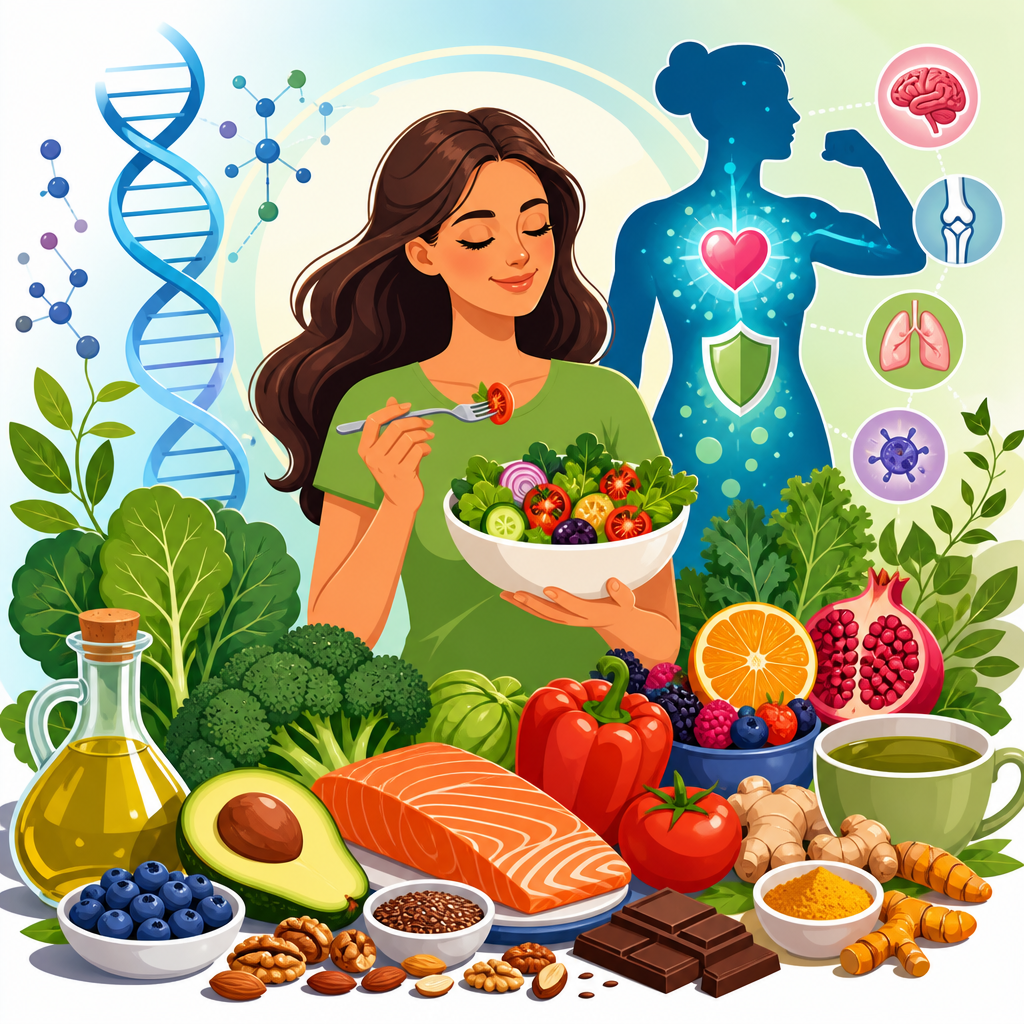
The link between anti-inflammatory diets and chronic disease is one of the clearest, most practical connections in nutrition for health and wellness. Inflammation is a normal biological response that helps the body fight infection and repair injury, but when low-grade inflammation persists for months or years, it can contribute to heart disease, type 2 diabetes, fatty liver disease, arthritis, some cancers, cognitive decline, and other long-term conditions. An anti-inflammatory diet is an eating pattern built around foods and habits that reduce inflammatory signaling, improve metabolic health, and support tissue repair rather than damage. In practice, that means prioritizing vegetables, fruit, legumes, whole grains, nuts, seeds, fish, olive oil, herbs, spices, and minimally processed foods while limiting refined carbohydrates, sugar-sweetened beverages, processed meats, excess alcohol, and ultra-processed snacks.
I have worked with clients who wanted one nutrition rule to solve everything, but chronic disease prevention rarely works that way. What consistently makes the difference is a pattern sustained over time. Anti-inflammatory eating matters because chronic inflammation often develops quietly, long before symptoms are obvious. Blood markers such as C-reactive protein, interleukin-6, fasting insulin, triglycerides, and liver enzymes can worsen while a person still feels mostly fine. Diet influences these markers every day through effects on blood sugar control, gut microbiome balance, body fat distribution, oxidative stress, endothelial function, and immune regulation. That is why anti-inflammatory diets are not a trend concept. They are a clinically useful framework for reducing risk and improving overall resilience.
This hub article explains how anti-inflammatory diets and chronic disease interact, which foods have the strongest evidence, how major dietary patterns compare, and what realistic implementation looks like. It also serves as a starting point for deeper exploration of related topics, including anti-inflammatory breakfasts, omega-3 fats, gut health, blood sugar balance, and meal planning for disease prevention. If you want a direct answer to the central question, it is this: an anti-inflammatory diet lowers chronic disease risk by improving the biological systems that drive inflammation, insulin resistance, vascular damage, and abnormal immune activity. The details matter, and understanding those details helps people make changes that are effective rather than superficial.
How chronic inflammation drives disease
Acute inflammation is protective. If you cut your finger or catch a virus, the immune system releases signaling molecules, increases blood flow, and activates repair pathways. Chronic inflammation is different. It is typically lower in intensity but longer in duration, and it often stems from excess visceral fat, poor sleep, smoking, physical inactivity, repeated blood sugar spikes, periodontal disease, environmental exposures, and diets high in refined starch, industrially formulated foods, and oxidized fats. Over time, inflammatory cytokines disrupt insulin signaling, damage the inner lining of blood vessels, alter appetite regulation, and interfere with normal immune tolerance.
This process helps explain why anti-inflammatory diets and chronic disease prevention are so closely linked. In cardiovascular disease, inflammation contributes to plaque formation and plaque instability. In type 2 diabetes, it worsens insulin resistance and beta-cell stress. In osteoarthritis and rheumatoid conditions, inflammatory mediators amplify pain and tissue breakdown. In nonalcoholic fatty liver disease, inflammation pushes simple fat accumulation toward steatohepatitis and fibrosis. Researchers also study inflammation in depression, Alzheimer’s disease, psoriasis, inflammatory bowel disease, and colorectal cancer. The common thread is not that diet cures every condition, but that diet influences the internal environment in which these conditions progress.
What an anti-inflammatory diet includes
An anti-inflammatory diet is better understood as a group of overlapping principles than a single branded plan. The strongest evidence supports emphasizing plant-forward, fiber-rich, nutrient-dense foods and healthy unsaturated fats. Vegetables provide carotenoids, vitamin C, folate, potassium, and polyphenols. Berries, citrus, cherries, and pomegranate supply flavonoids and anthocyanins that help reduce oxidative stress. Beans, lentils, and chickpeas improve glycemic control and feed beneficial gut bacteria. Whole grains such as oats, barley, brown rice, and quinoa provide fiber and support lower post-meal glucose excursions than refined grains. Extra-virgin olive oil contains monounsaturated fat and phenolic compounds associated with improved endothelial function.
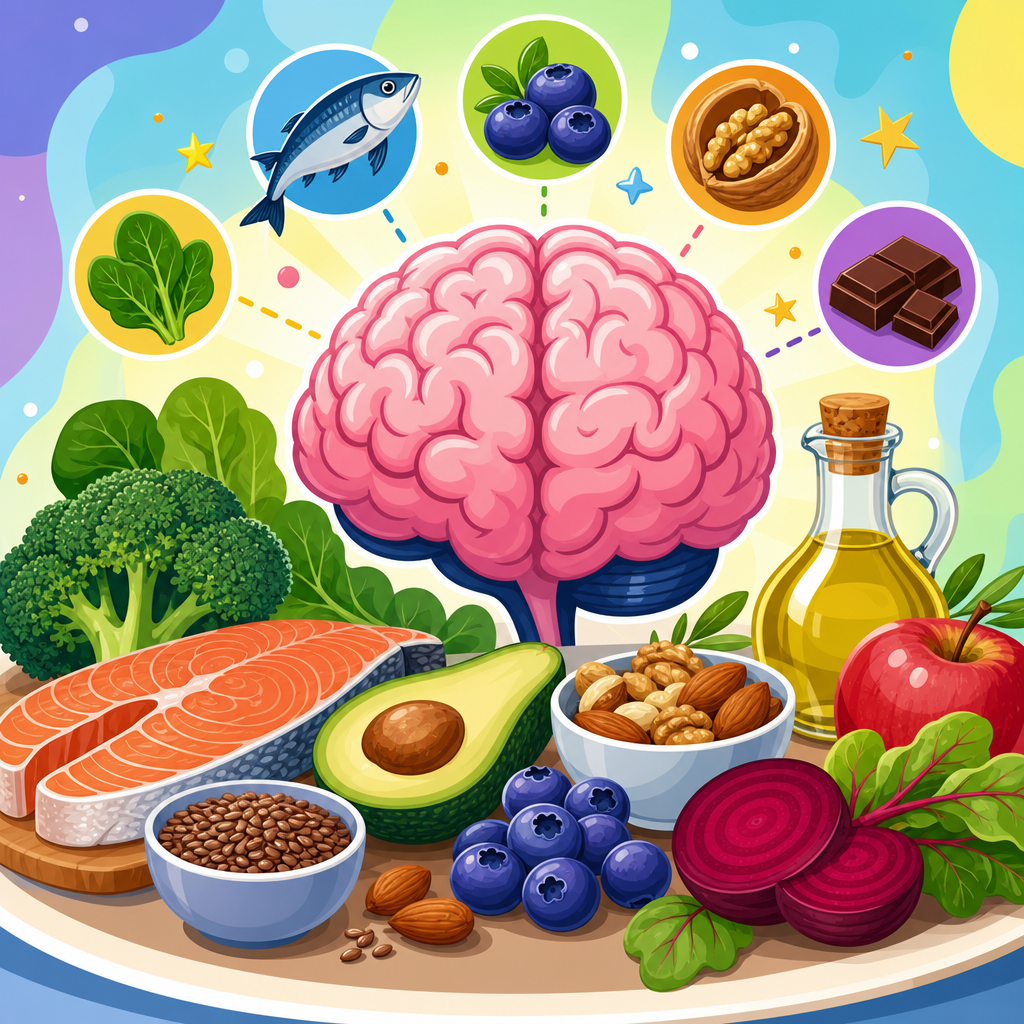
Fatty fish such as salmon, sardines, trout, and mackerel are especially important because eicosapentaenoic acid and docosahexaenoic acid help regulate inflammatory pathways. Nuts and seeds add magnesium, plant protein, and alpha-linolenic acid. Fermented foods like yogurt, kefir, kimchi, and sauerkraut can support gut microbial diversity, though the evidence is stronger for overall dietary pattern than for any single probiotic food. Herbs and spices matter too. Turmeric, ginger, garlic, cinnamon, rosemary, and oregano contribute bioactive compounds that can complement an overall anti-inflammatory eating pattern.
Just as important is what this diet reduces. Ultra-processed foods often combine refined flour, added sugar, sodium, emulsifiers, flavor enhancers, and poor-quality fats in ways that encourage overconsumption and metabolic dysfunction. Sugar-sweetened beverages raise glycemic load without improving satiety. Processed meats are consistently associated with higher cardiometabolic and cancer risk. Deep-fried foods and repeatedly heated oils can increase oxidation products. No single food creates or solves inflammation, but the cumulative pattern strongly shapes disease risk.
Diet patterns with the best evidence
Several established eating patterns align with anti-inflammatory principles, and the Mediterranean diet has the most consistent evidence. It emphasizes vegetables, fruit, legumes, fish, olive oil, nuts, herbs, and moderate dairy while limiting highly processed foods and red meat. Large studies, including the PREDIMED trial, found that a Mediterranean-style pattern supplemented with extra-virgin olive oil or nuts reduced major cardiovascular events in high-risk adults. In practice, I have seen this pattern work well because it is flexible, familiar, and realistic for long-term adherence.
The DASH diet, originally designed for blood pressure control, also lowers inflammatory burden through high intake of produce, low-fat dairy, legumes, and whole grains with lower sodium and fewer processed foods. A whole-food plant-forward diet can be highly effective when it includes adequate protein, omega-3 sources, vitamin B12 planning, and minimally processed staples. Traditional Okinawan and Nordic patterns also offer useful models, built around fish, legumes, root vegetables, whole grains, sea vegetables, berries, and modest energy density.
| Diet pattern | Core foods | Main anti-inflammatory strengths | Best fit |
|---|---|---|---|
| Mediterranean | Olive oil, fish, vegetables, legumes, nuts, whole grains | Strong evidence for heart and metabolic health | Most adults seeking prevention |
| DASH | Produce, whole grains, legumes, dairy, lean proteins | Excellent for blood pressure and vascular support | People with hypertension |
| Plant-forward whole food | Beans, lentils, tofu, grains, vegetables, seeds, fruit | High fiber and lower saturated fat | Those preferring less animal food |
| Nordic-style | Berries, oats, rye, fish, rapeseed oil, root vegetables | Supports lipid control and nutrient density | Cool-climate regional eating |
No pattern is automatically anti-inflammatory if it is dominated by refined products. A vegan diet based on fries, sweetened cereal, and meat substitutes is not equivalent to a whole-food plant-based approach. Likewise, a low-carbohydrate plan can reduce inflammation when it improves weight, blood sugar, and triglycerides, but it loses that benefit if it relies heavily on processed meats, butter, and minimal plant intake. The best diet is evidence-based and sustainable.
How food affects inflammation biologically
People often ask how anti-inflammatory diets work beyond the broad idea of eating better. There are several established mechanisms. First, fiber fermentation in the colon produces short-chain fatty acids such as butyrate, which help maintain gut barrier integrity and regulate immune activity. Second, unsaturated fats, especially omega-3 fatty acids, shift eicosanoid production toward less inflammatory signaling. Third, polyphenols from berries, cocoa, tea, olives, and colorful vegetables help neutralize reactive oxygen species and influence gene expression related to inflammation.
Fourth, improved glycemic control reduces repeated spikes in glucose and insulin, lowering oxidative stress and formation of advanced glycation end products. Fifth, body composition changes matter. When people adopt a high-quality dietary pattern and lose visceral fat, inflammatory signaling from adipose tissue often decreases. Sixth, sodium-potassium balance, nitric oxide production, and endothelial function improve when produce intake rises and ultra-processed food intake falls. These are measurable physiologic shifts, not vague wellness claims.
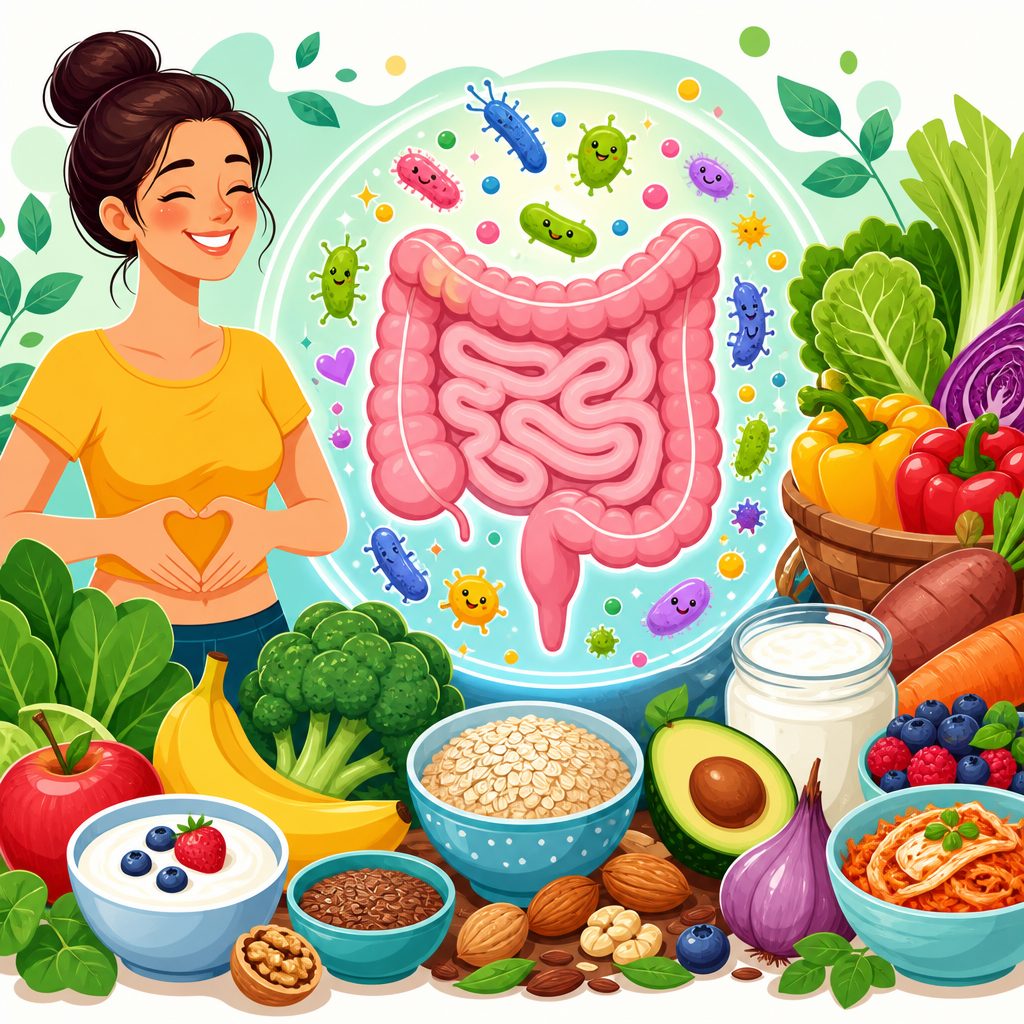
The gut microbiome is especially relevant. Diets rich in diverse fibers, resistant starch, legumes, nuts, and fermented foods tend to support greater microbial diversity and more beneficial metabolites. Diets low in fiber and high in emulsifiers, alcohol, and ultra-processed foods may worsen gut permeability and immune activation in susceptible individuals. The microbiome is not the only explanation for chronic disease, but it is one important pathway linking anti-inflammatory diets and chronic disease outcomes.
Chronic diseases most affected by anti-inflammatory eating
Cardiovascular disease is the leading example. Anti-inflammatory diets can lower LDL cholesterol, triglycerides, blood pressure, and vascular inflammation while improving insulin sensitivity. Replacing saturated fat from processed meat and commercial baked goods with olive oil, nuts, seeds, and fish improves lipid patterns and often reduces overall risk. Type 2 diabetes is another major area. Meals built around fiber, protein, and minimally processed carbohydrates generally produce steadier glucose responses and lower insulin demand. That reduces one of the main metabolic drivers of inflammation.
In fatty liver disease, reducing fructose-heavy beverages, excess calories, and refined carbohydrates while increasing fiber and unsaturated fats can improve liver enzymes and hepatic fat accumulation. In arthritis, diet does not replace medical care, but many patients experience reduced stiffness and pain when body weight falls and inflammatory food patterns improve. In inflammatory bowel disease, individual tolerance varies, yet many people benefit from less ultra-processed food and more tailored, nutrient-dense meals during remission phases. Cognitive health is another emerging area, with Mediterranean-style patterns associated with slower cognitive decline in many observational studies.
Cancer prevention is more nuanced. No diet guarantees protection, but anti-inflammatory eating supports healthy body weight, better insulin regulation, lower exposure to processed meat, and higher intake of fiber and phytochemicals, all of which are associated with lower risk for several cancers, especially colorectal cancer. The evidence is strongest when diet is viewed alongside physical activity, sleep, alcohol moderation, and smoking avoidance.
Common mistakes and practical implementation
The most common mistake is treating anti-inflammatory eating as a list of miracle foods. Turmeric shots, green powders, and expensive supplements do not compensate for a diet built on takeout, sugary drinks, and inadequate sleep. Another mistake is over-restriction. People cut gluten, dairy, legumes, grains, and nightshades all at once without a clear reason, then struggle with adherence and nutrient gaps. Unless there is celiac disease, allergy, or a medically guided elimination strategy, broad restriction is usually unnecessary.
A practical anti-inflammatory meal formula works better: half the plate vegetables, a quarter protein, a quarter high-fiber carbohydrate, plus a source of healthy fat. Breakfast could be plain Greek yogurt with berries, walnuts, and chia seeds or steel-cut oats with ground flax, cinnamon, and fruit. Lunch might be a lentil salad with olive oil, tomatoes, cucumbers, parsley, and salmon. Dinner could be roasted vegetables, quinoa, and grilled sardines or tofu with tahini sauce. Snacks should be simple and blood-sugar friendly, such as fruit with nuts, hummus with carrots, or kefir.
Food quality, consistency, and context matter more than perfection. Frozen vegetables are excellent. Canned beans are useful when rinsed. Tinned fish is often affordable and nutrient-dense. For families, one of the best strategies is upgrading defaults: olive oil instead of shortening, water instead of soda, fruit instead of dessert most nights, beans added to soups, and a weekly fish meal. Track progress through energy, satiety, blood pressure, glucose trends, lipid labs, and waist circumference, not just scale weight.
How this hub guides deeper learning
As a hub within Nutrition for Health and Wellness, this page connects the main ideas readers need before going deeper. The next useful topics usually include anti-inflammatory foods for beginners, the Mediterranean diet and disease prevention, omega-3 fats and inflammation, meal planning for blood sugar balance, gut health and fiber, anti-inflammatory snacks, and how ultra-processed foods affect chronic disease risk. Readers managing a diagnosis may also need focused guidance on hypertension nutrition, fatty liver diets, insulin resistance, arthritis-friendly meals, and weight management without extreme restriction.
The benefit of starting with the anti-inflammatory diets and chronic disease framework is that it prevents fragmented thinking. Instead of chasing single nutrients, you can evaluate any meal or plan by asking four questions: Does it support stable blood sugar, supply enough fiber, improve fat quality, and reduce reliance on ultra-processed foods? If the answer is yes most of the time, the diet is moving in the right direction. Use this article as your foundation, then build practical habits meal by meal. Start with one upgrade this week, repeat it daily, and let consistency create the health protection you want.
Frequently Asked Questions
What is an anti-inflammatory diet, and how does it help reduce chronic disease risk?
An anti-inflammatory diet is a long-term eating pattern built around foods that help regulate the body’s inflammatory response rather than overstimulate it. Inflammation itself is not always harmful. It is a normal process the immune system uses to respond to injury, infection, and stress. The problem develops when low-grade inflammation continues in the background for months or years. Over time, that ongoing inflammatory activity can damage blood vessels, disrupt blood sugar regulation, affect liver function, strain joints, and contribute to the development or progression of chronic diseases such as heart disease, type 2 diabetes, arthritis, fatty liver disease, and even cognitive decline.
This style of eating typically emphasizes vegetables, fruits, beans, lentils, whole grains, nuts, seeds, olive oil, herbs, spices, and healthy sources of protein such as fish. These foods provide fiber, antioxidants, polyphenols, vitamins, minerals, and healthy fats that help protect cells from oxidative stress and support a more balanced immune response. At the same time, an anti-inflammatory diet generally limits ultra-processed foods, refined carbohydrates, sugary drinks, processed meats, and excess saturated or trans fats, all of which are associated with higher levels of inflammation in many people.
What makes this approach especially important for disease prevention is that it works on several pathways at once. It can improve cholesterol levels, support better insulin sensitivity, help manage body weight, lower blood pressure, and nourish the gut microbiome, which also plays a role in inflammation. In other words, an anti-inflammatory diet does not target just one disease. It supports many systems throughout the body, which is why it is so often linked with lower long-term risk of chronic illness.
Which foods are considered most helpful in an anti-inflammatory eating pattern?
The most helpful foods are usually whole or minimally processed and rich in compounds that protect tissues and support normal immune function. Vegetables are a cornerstone, especially leafy greens, broccoli, Brussels sprouts, peppers, tomatoes, carrots, and other deeply colored produce. Fruits such as berries, cherries, oranges, apples, and grapes are also valuable because they contain antioxidants and plant compounds that may help reduce oxidative stress, which is closely connected to inflammation.
Healthy fats are another major part of an anti-inflammatory diet. Extra virgin olive oil is one of the best-known examples because it contains monounsaturated fat and beneficial polyphenols. Fatty fish such as salmon, sardines, trout, and mackerel provide omega-3 fatty acids, which are strongly associated with anti-inflammatory benefits. Nuts and seeds, including walnuts, almonds, chia seeds, and flaxseeds, also contribute healthy fats, fiber, and minerals.
Whole grains like oats, quinoa, barley, and brown rice can be useful choices because they offer fiber and steady energy compared with refined grains. Beans, lentils, and chickpeas support blood sugar balance and gut health while providing plant protein. Herbs and spices such as turmeric, ginger, garlic, cinnamon, and rosemary can also add meaningful anti-inflammatory compounds to everyday meals. Unsweetened yogurt or fermented foods may be beneficial for some people because they support the gut microbiome, which can influence inflammation levels throughout the body.
The key is not finding one “superfood,” but building meals consistently around these food groups. A pattern that includes a wide range of nutrient-dense foods tends to be more powerful than relying on a single ingredient or supplement.
What foods and habits tend to increase inflammation in the body?
Foods most often linked with increased inflammation are those that are highly processed and low in fiber, vitamins, and protective plant compounds. Common examples include sugary beverages, sweets, refined white breads and pastries, chips, fast food, and many packaged snack products. These foods can contribute to blood sugar spikes, excess calorie intake, and weight gain, all of which can promote inflammatory processes over time.
Processed meats such as bacon, sausage, hot dogs, and deli meats are also often associated with poorer long-term health outcomes when eaten frequently. Diets high in trans fats, and in some cases excessive amounts of saturated fat from heavily processed sources, may further contribute to inflammation and cardiovascular risk. Heavy alcohol intake can place stress on the liver and immune system as well.
Just as important as food choices are overall lifestyle habits. Chronic stress, poor sleep, smoking, physical inactivity, and carrying excess visceral fat around the abdomen are all strongly linked to higher inflammatory burden. This is why nutrition works best as part of a broader health strategy rather than in isolation. Someone can improve their diet significantly, but if they are also sleeping poorly, managing high stress, and getting little exercise, inflammation may still remain elevated.
That said, perfection is not required. The goal is to shift the overall pattern. Reducing the frequency of ultra-processed foods and replacing them with more whole foods can make a meaningful difference even before every habit is fully optimized.
Can an anti-inflammatory diet actually help with existing chronic conditions, or is it mainly for prevention?
An anti-inflammatory diet can play both roles. It is widely recommended as a prevention strategy because it supports better metabolic health and may lower the risk of developing several chronic diseases in the first place. But it can also be useful for people who already have conditions such as heart disease, type 2 diabetes, high blood pressure, fatty liver disease, arthritis, or digestive problems linked to inflammation.
For example, in people with cardiovascular disease risk, this kind of eating pattern may help improve cholesterol levels, lower triglycerides, and support blood vessel health. For those with insulin resistance or type 2 diabetes, emphasizing fiber-rich whole foods and limiting refined carbohydrates can improve blood sugar control and reduce strain on the body. In arthritis, some people notice less joint stiffness or discomfort when they consistently eat more omega-3-rich fish, fruits, vegetables, and less processed food. In fatty liver disease, weight management and reduced intake of added sugars and ultra-processed foods can be especially important.
It is important, however, to keep expectations realistic. Food is powerful, but it is not usually a stand-alone cure. Chronic conditions often require medical care, medication, physical activity, sleep improvement, and other targeted strategies. Think of an anti-inflammatory diet as a foundational tool that can improve the internal environment of the body and support other treatments. In many cases, it helps reduce risk factors, improve quality of life, and support better long-term outcomes, even if it does not completely eliminate the condition.
How can someone start an anti-inflammatory diet in a practical, sustainable way?
The most sustainable way to start is by making simple, repeatable changes rather than attempting a complete dietary overhaul overnight. Begin by looking at what you eat most often and identifying one or two upgrades. For example, replace sugary breakfast items with oatmeal topped with berries and nuts, swap refined grain products for whole grains, or add a serving of vegetables to lunch and dinner. These small shifts build momentum and are easier to maintain than rigid rules.
A helpful framework is to build meals around plants first. Fill at least half the plate with vegetables or fruit, add a quality protein source such as fish, beans, lentils, eggs, or yogurt, and include a healthy fat like olive oil, avocado, nuts, or seeds. Keep convenient anti-inflammatory staples on hand, such as frozen vegetables, canned beans, plain Greek yogurt, canned salmon, fruit, oats, and mixed nuts. This makes it easier to prepare balanced meals even when time is limited.
It is also smart to focus on what to add, not just what to remove. Many people do better when they think in terms of increasing colorful produce, fiber, and healthy fats rather than simply cutting out “bad” foods. Over time, naturally reducing highly processed foods becomes easier as nourishing options become the default. Hydration, regular movement, stress management, and adequate sleep can strengthen the effects of dietary changes as well.
If you have a medical condition, food allergies, digestive issues, or take medications that affect nutrition, it may be helpful to work with a registered dietitian or healthcare provider. They can help tailor an anti-inflammatory eating pattern to your needs so it is both effective and realistic for your lifestyle.