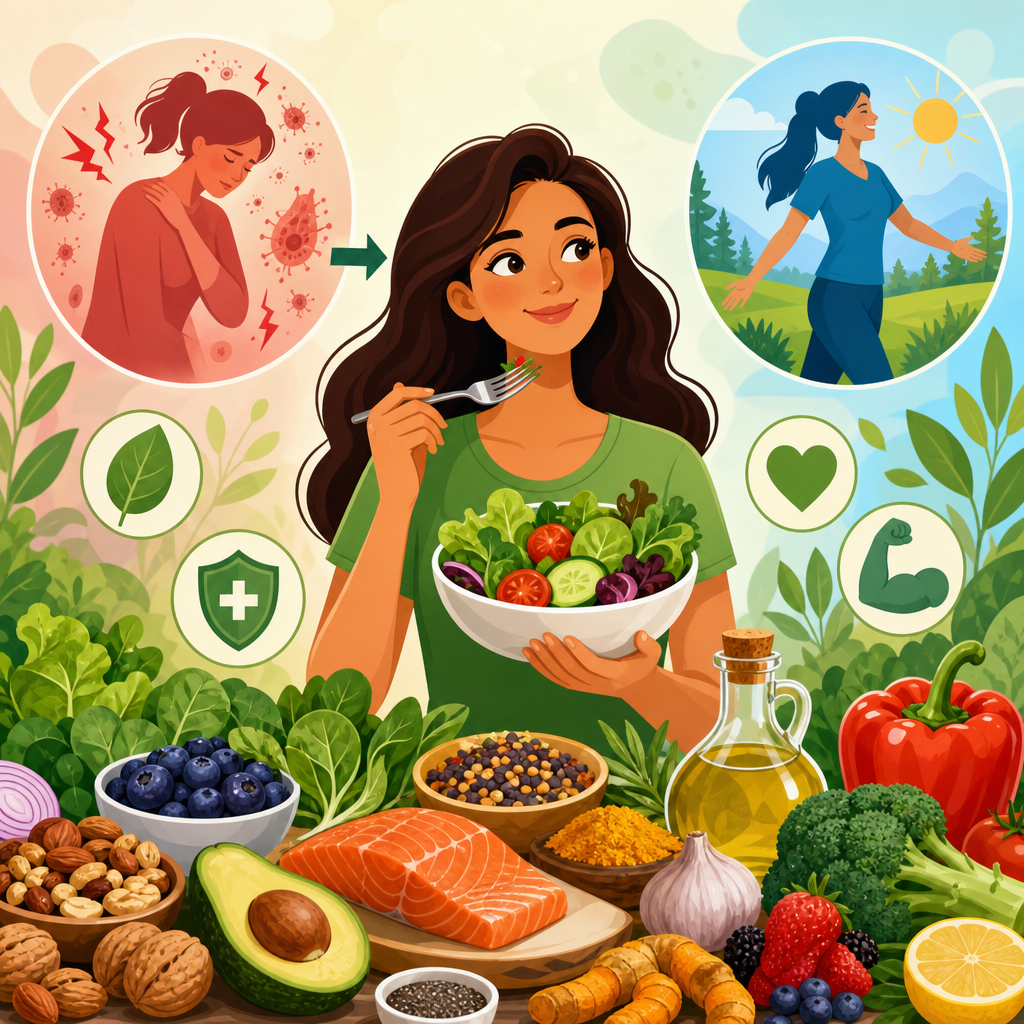
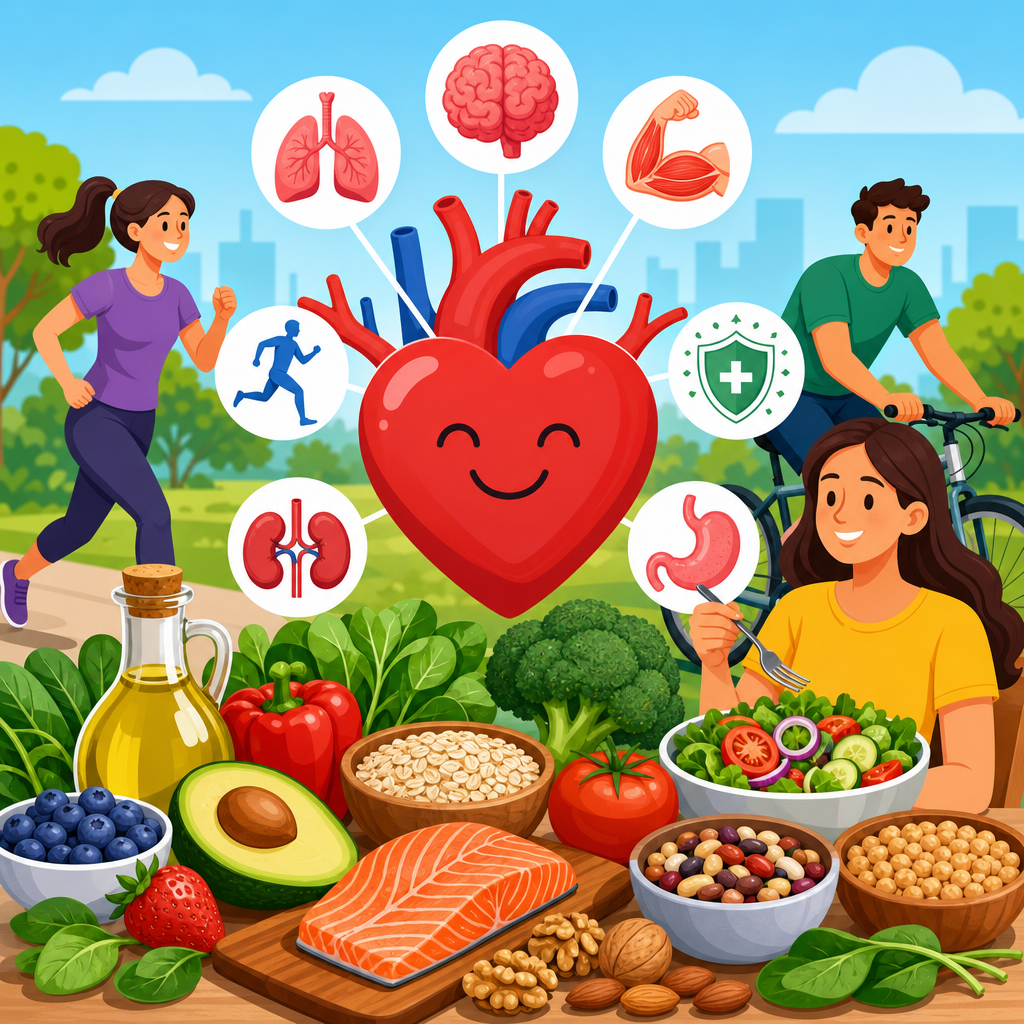
Managing blood sugar with diet is one of the most effective ways to protect energy, appetite control, metabolic health, and long-term disease risk. Blood sugar, or blood glucose, is the amount of glucose circulating in the bloodstream after food is digested and absorbed. The body relies on glucose for fuel, but it must stay within a healthy range. When blood sugar rises too high too often, the pancreas must release more insulin to move glucose into cells. Over time, repeated spikes can contribute to insulin resistance, weight gain, fatigue, cravings, prediabetes, and type 2 diabetes. I have worked with meal planning frameworks for clients trying to stabilize glucose, and the most consistent lesson is simple: food quality, food timing, and food combinations matter more than any single “superfood.”
The title topic points to foods rich in nutrients that support better glucose control, but the broader goal is understanding how managing blood sugar with diet works in daily life. Fiber slows digestion and reduces the speed at which glucose enters the bloodstream. Protein supports satiety and helps moderate the blood sugar impact of meals. Healthy fats delay gastric emptying and make meals more satisfying. Micronutrients such as magnesium, chromium, and potassium also play supporting roles in insulin function and carbohydrate metabolism. Choosing minimally processed carbohydrates over refined grains and added sugars can dramatically improve post-meal glucose patterns without requiring extreme restriction.
This matters far beyond diabetes prevention. Stable blood sugar supports steadier mood, clearer concentration, better workout recovery, fewer afternoon crashes, and more predictable hunger signals. It also affects cardiovascular health because high blood sugar and insulin resistance are linked with elevated triglycerides, inflammation, and fatty liver disease. A practical blood sugar diet is not about eliminating carbs; it is about selecting better carbs, controlling portions, and pairing them with foods that blunt glucose spikes. As a hub article, this guide explains which foods help most, how to build meals around them, and what common mistakes undermine progress even when intentions are good.
What Foods Help Manage Blood Sugar Best
The best foods for managing blood sugar with diet are those that digest slowly, contain fiber, provide protein, or improve meal balance. Nonstarchy vegetables sit at the top of the list because they deliver volume, vitamins, and fiber with a low glycemic load. Leafy greens, broccoli, cauliflower, zucchini, peppers, green beans, mushrooms, and Brussels sprouts can fill half a plate without pushing glucose sharply upward. In practice, replacing a large serving of white rice with roasted vegetables and a smaller portion of rice often produces a noticeably steadier post-meal response.
Legumes are another standout category. Beans, lentils, and chickpeas contain a rare combination of carbohydrate, plant protein, and soluble fiber. That mix slows digestion and often produces a lower glycemic effect than many grain-based side dishes. In clinical nutrition settings, legumes consistently perform well because they are affordable, versatile, and filling. A lentil soup with olive oil and vegetables or a black bean bowl with salsa, avocado, and grilled chicken usually keeps people full far longer than a bagel or a refined grain wrap with similar calories.
Whole fruits also deserve emphasis. Many people wrongly avoid fruit when trying to lower blood sugar, yet berries, apples, pears, citrus, kiwi, and cherries usually fit well into a balanced plan. Their fiber, water content, and polyphenols help moderate absorption. The key distinction is whole fruit versus juice. An orange is very different from orange juice because chewing and fiber change both the pace of intake and metabolic response. Among grains and starches, the strongest options are intact or less processed forms such as steel-cut oats, quinoa, barley, farro, sweet potatoes, and brown rice in measured portions.
High-Fiber Foods That Slow Glucose Release
Fiber is one of the most important dietary tools for blood sugar control because it changes how quickly food leaves the stomach and how rapidly carbohydrates are absorbed. Soluble fiber, found in oats, barley, beans, chia seeds, flaxseed, apples, and citrus, forms a gel-like consistency in the digestive tract. That slows glucose entry into the bloodstream and can also help lower LDL cholesterol. Insoluble fiber, found in vegetables, nuts, seeds, and whole grains, adds bulk and supports regular digestion, which indirectly helps appetite regulation and meal consistency.
In real meal planning, increasing fiber works best when it happens at every meal rather than through one high-fiber food. Breakfast can include steel-cut oats with chia and berries. Lunch can center on a bean salad, vegetable soup, or grain bowl with lentils. Dinner can pair salmon or tofu with broccoli, Brussels sprouts, and a modest serving of barley. Snacks can include an apple with peanut butter or plain Greek yogurt with raspberries. This pattern reduces the chance of sharp peaks followed by crashes, which often trigger sugar cravings later in the day.
Most adults still fall short of recommended fiber intake. General targets commonly land around 25 grams per day for women and 38 grams per day for men, though needs vary. Jumping too quickly can cause bloating, so a gradual increase matters, especially with low water intake. Fiber supplements can help in some cases, but whole foods are usually superior because they deliver minerals, phytonutrients, texture, and satiety at the same time. If someone asks what single change produces the fastest visible improvement in a glucose-friendly eating plan, adding more fiber-rich foods is often the answer.
Protein and Healthy Fats That Improve Meal Balance
Protein and fat are not replacements for carbohydrates, but they are essential for controlling how carbohydrate-rich meals behave in the body. Protein stimulates satiety hormones, helps preserve lean mass during weight loss, and usually reduces the urge to snack on fast-digesting foods. Strong protein choices include eggs, Greek yogurt, cottage cheese, fish, chicken, turkey, tofu, tempeh, edamame, and legumes. When clients build meals around protein first, their overall carbohydrate intake becomes more measured naturally, without the sense of dieting.
Healthy fats improve meal satisfaction and can help slow digestion when paired with carbohydrates. Extra-virgin olive oil, avocado, nuts, seeds, and fatty fish such as salmon or sardines are especially useful because they support heart health as well. That matters because people with insulin resistance or diabetes face higher cardiovascular risk. A simple example is the difference between plain toast and toast topped with eggs and avocado, or between a plain potato and a potato served with salmon and a salad dressed with olive oil. The carbohydrate amount may be similar, but the metabolic impact is not.
There are limits, however. Adding large amounts of fat to highly refined carbohydrates does not turn them into ideal glucose-friendly foods. A pastry remains a pastry even if it contains nuts or butter. The goal is balance, not nutritional justification. In practice, a useful rule is to include at least one meaningful protein source and one fiber source whenever eating carbohydrates. That approach works whether the meal is breakfast cereal improved with Greek yogurt and berries, or pasta improved with chicken, vegetables, and a smaller noodle portion.
Best and Worst Carbohydrate Choices for Blood Sugar
Not all carbohydrates affect the body the same way. The concepts of glycemic index and glycemic load help explain why. Glycemic index ranks how quickly a carbohydrate-containing food raises blood sugar compared with a reference food, while glycemic load also accounts for portion size. Watermelon, for example, has a relatively high glycemic index but a moderate glycemic load in typical servings because it contains a lot of water. This is why food context matters more than simplistic good-versus-bad lists.
The most reliable carbohydrate choices for managing blood sugar with diet are minimally processed and fiber-rich. Intact grains, beans, lentils, sweet potatoes, winter squash, and whole fruit outperform white bread, sugary cereal, pastries, soda, candy, and many snack foods. Processing is a major issue because it breaks down natural food structure, making starch easier to digest rapidly. Even foods marketed as healthy can be misleading. Granola bars, smoothies, flavored yogurt, dried fruit mixes, and whole grain crackers may contain enough added sugar or refined starch to produce substantial spikes if eaten alone.
| Choose More Often | Limit More Often | Why It Matters |
|---|---|---|
| Steel-cut oats | Sweetened instant oats | Less processing slows digestion |
| Beans and lentils | White bread | More fiber and protein reduce spikes |
| Whole fruit | Fruit juice | Fiber and chewing improve glucose response |
| Brown rice or barley | Refined rice products | Intact grains have lower glycemic impact |
| Plain yogurt | Sweetened yogurt desserts | Less added sugar, more protein |
Portion size remains critical even with better carbohydrates. Brown rice can still raise blood sugar significantly if served in very large amounts without protein or vegetables. This is where plate structure helps: half nonstarchy vegetables, one quarter protein, and one quarter starch is a useful starting point supported by diabetes education programs. For active individuals or athletes, carbohydrate needs may be higher, but timing around exercise and overall food quality still determine whether blood sugar remains stable.
How to Build Meals That Prevent Spikes
A blood sugar-friendly meal starts with sequencing and composition. I usually structure meals in this order: vegetables first, protein second, smart carbohydrates third, with healthy fat included for flavor and satiety. Some studies suggest eating vegetables and protein before starch can reduce post-meal glucose excursions, likely because digestion slows and insulin demand becomes more manageable. This is not a magic trick, but it is a useful tactic, especially for people who notice large readings after dinner.
Breakfast deserves special attention because many common breakfast foods are heavily refined. A muffin and juice, sweet coffee drink, or oversized bowl of low-fiber cereal can trigger a rapid rise followed by midmorning hunger. Better options include eggs with vegetables and whole grain toast, plain Greek yogurt with berries and walnuts, or oatmeal with chia seeds and a side of cottage cheese. These meals combine protein, fiber, and controlled carbohydrate portions, which usually improves energy and reduces cravings later in the day.
For lunch and dinner, think in repeatable templates rather than complicated recipes. A salad with grilled chicken, chickpeas, and olive oil vinaigrette works. So does a stir-fry with tofu, mixed vegetables, and a moderate scoop of brown rice. Chili made with beans and lean turkey, salmon with roasted Brussels sprouts and quinoa, or tacos on corn tortillas with cabbage slaw and black beans are all practical examples. Consistency matters more than perfection. If meals repeatedly include fiber, protein, and minimally processed carbs, blood sugar trends usually improve over time.
Common Mistakes, Special Considerations, and Daily Habits
The biggest mistake is focusing only on sugar while ignoring total carbohydrate quality and meal pattern. White bread, crackers, pretzels, and large portions of refined pasta may contain little obvious sugar but can still elevate blood glucose quickly. Another common problem is drinking calories. Regular soda, sweet tea, juice, energy drinks, and many café beverages deliver fast-absorbing carbohydrates with almost no satiety. Replacing them with water, sparkling water, unsweetened tea, or coffee can lower daily glucose exposure substantially.
Meal skipping can also backfire. Some people skip breakfast, get overly hungry, then overeat refined carbohydrates later. Others snack constantly, never allowing hunger cues to reset, which can make total intake hard to regulate. A balanced approach is usually better: regular meals, planned snacks when needed, and enough protein to avoid rebound eating. Sleep and stress also influence food choices and insulin sensitivity. Short sleep duration and chronic stress are both associated with poorer glucose control, which is why diet works best alongside broader lifestyle support.
Special considerations matter. People with diabetes who take insulin or sulfonylureas need individualized guidance because medication timing changes meal planning needs and raises hypoglycemia risk. Those with kidney disease may need to monitor potassium or protein differently. Continuous glucose monitors can provide useful feedback, but they should guide learning rather than create fear around every reading. Start by improving one week of meals: add vegetables, upgrade breakfast, swap refined snacks for protein-plus-fiber options, and make starch portions intentional. Those practical changes are the foundation of managing blood sugar with diet for the long term.
Managing blood sugar with diet does not require extreme restriction, expensive products, or a perfect eating record. It requires understanding the foods that reliably support steadier glucose: nonstarchy vegetables, legumes, whole fruits, intact grains, lean proteins, and healthy fats. These foods work because they slow digestion, reduce oversized spikes, improve fullness, and make portions easier to manage naturally. They also support broader health goals, including weight management, heart health, digestive health, and more stable daily energy.
The most important lesson is that food combinations matter as much as individual foods. Carbohydrates are not the enemy; refined, fast-digesting patterns are the problem. When meals include fiber, protein, and healthy fat, the body usually handles carbohydrates better. When meals rely on sugary drinks, refined snacks, and oversized starch portions eaten alone, blood sugar becomes much harder to control. Small structural changes, repeated consistently, often outperform dramatic short-term diets that are difficult to maintain.
If you want better glucose control, begin with your next plate. Build half from vegetables, include a solid protein source, choose a smarter carbohydrate, and limit liquid sugar. Then keep refining from there. This hub is the starting point for smarter nutrition decisions that make managing blood sugar with diet practical, sustainable, and effective.
Frequently Asked Questions
What are the best foods to eat for managing blood sugar with diet?
The best foods for blood sugar support are usually the ones that digest slowly, provide fiber, and help reduce sharp glucose swings after meals. Strong choices include non-starchy vegetables such as broccoli, spinach, cauliflower, zucchini, peppers, and leafy greens, because they add volume and nutrients without a heavy carbohydrate load. Beans, lentils, and chickpeas are also excellent because they combine complex carbohydrates with fiber and plant protein, which can help slow absorption. Whole grains such as steel-cut oats, quinoa, barley, and brown rice can fit well when portions are balanced and paired with protein or healthy fat. Nuts, seeds, plain Greek yogurt, eggs, fish, tofu, and skinless poultry are also helpful because protein supports satiety and can make meals more blood sugar friendly. Fruits like berries, apples, pears, and citrus are often better choices than highly processed sweets because they contain fiber and beneficial plant compounds. In general, the most effective blood sugar eating pattern focuses less on one “superfood” and more on building meals around fiber-rich carbohydrates, lean proteins, and healthy fats while limiting refined grains, sugary drinks, and heavily processed snack foods.
Why does fiber matter so much when trying to keep blood sugar stable?
Fiber is one of the most important nutrients for blood sugar management because it slows the rate at which food moves through the digestive system and reduces how quickly glucose enters the bloodstream. That slower absorption can help prevent the rapid rises and crashes that often lead to fatigue, hunger, and cravings later in the day. Soluble fiber, found in foods such as oats, beans, lentils, chia seeds, flaxseeds, and some fruits, is especially useful because it forms a gel-like substance in the gut that further slows digestion. Insoluble fiber, found in vegetables, whole grains, nuts, and seeds, also supports metabolic health by improving fullness and digestive function. A higher-fiber diet may make it easier to control appetite, reduce overeating, and support a healthier insulin response over time. Practically speaking, adding fiber means choosing whole fruits instead of juice, whole grains instead of refined grains, legumes more often, and vegetables at most meals. The key is consistency: regularly eating fiber-rich foods is often far more effective than looking for quick fixes or short-term diet trends.
Do I need to avoid carbohydrates completely if I want better blood sugar control?
No, most people do not need to eliminate carbohydrates completely to support healthy blood sugar. Carbohydrates are the body’s preferred energy source, and many carbohydrate-containing foods provide valuable fiber, vitamins, minerals, and antioxidants. The more important question is what type of carbohydrate you are eating, how much of it you eat at one time, and what you pair it with. Highly refined carbohydrates such as white bread, pastries, sweetened cereals, desserts, and sugary drinks tend to raise blood sugar more quickly because they are digested fast and usually contain little fiber. In contrast, minimally processed carbohydrates such as beans, lentils, oats, quinoa, sweet potatoes, and fruit are generally easier to fit into a blood sugar-conscious eating plan, especially when combined with protein and healthy fat. Portion balance also matters. Even nutritious carbohydrates can cause larger glucose increases if eaten in very large amounts without other nutrients. For many people, a better strategy than cutting carbs entirely is to choose higher-quality sources, spread them evenly through the day, and build balanced meals that include protein, fiber, and fat for steadier energy.
How do protein and healthy fats help with blood sugar management?
Protein and healthy fats help make meals more satisfying and can reduce how quickly carbohydrates affect blood sugar. When eaten with carbohydrate foods, they slow gastric emptying and digestion, which can lead to a more gradual rise in blood glucose rather than a rapid spike. Protein also supports muscle maintenance, and muscle tissue plays an important role in using glucose efficiently. Good protein choices include eggs, fish, chicken, turkey, tofu, tempeh, cottage cheese, plain Greek yogurt, beans, and lentils. Healthy fats from foods such as avocados, nuts, seeds, olives, and olive oil can also improve meal satisfaction and help reduce the urge to snack soon after eating. That said, balance still matters. Adding fat or protein to a meal does not cancel out the effects of very large portions of refined carbohydrates or sugary foods. The most practical approach is to combine foods thoughtfully—for example, pairing fruit with nuts, oatmeal with chia seeds and Greek yogurt, or brown rice with salmon and vegetables. These combinations often support more stable energy, better fullness, and a steadier blood sugar response across the day.
What simple diet habits can help prevent blood sugar spikes throughout the day?
Several everyday habits can make a meaningful difference in blood sugar control. First, prioritize balanced meals instead of eating mostly refined carbohydrates by themselves. A meal that includes vegetables, protein, fiber-rich carbohydrates, and healthy fat is usually more blood sugar friendly than toast, crackers, or sweet snacks alone. Second, avoid skipping meals if that pattern leads to overeating later, since large meals after long gaps can produce bigger glucose swings. Third, be mindful of liquid sugar, which is one of the fastest ways to raise blood glucose; soda, sweet tea, energy drinks, and even large amounts of fruit juice can contribute to rapid spikes. Fourth, aim for more minimally processed foods and fewer packaged items made with refined flour and added sugars. Fifth, watch portion sizes, especially for foods like rice, pasta, bread, chips, and sweets. Finally, consistency matters more than perfection. Eating regular meals, choosing high-fiber foods often, and building plates around vegetables, protein, and slower-digesting carbohydrates can protect energy, support appetite control, and reduce long-term stress on insulin regulation. If someone has diabetes, prediabetes, or is taking blood sugar-lowering medication, individualized guidance from a doctor or registered dietitian is especially important.