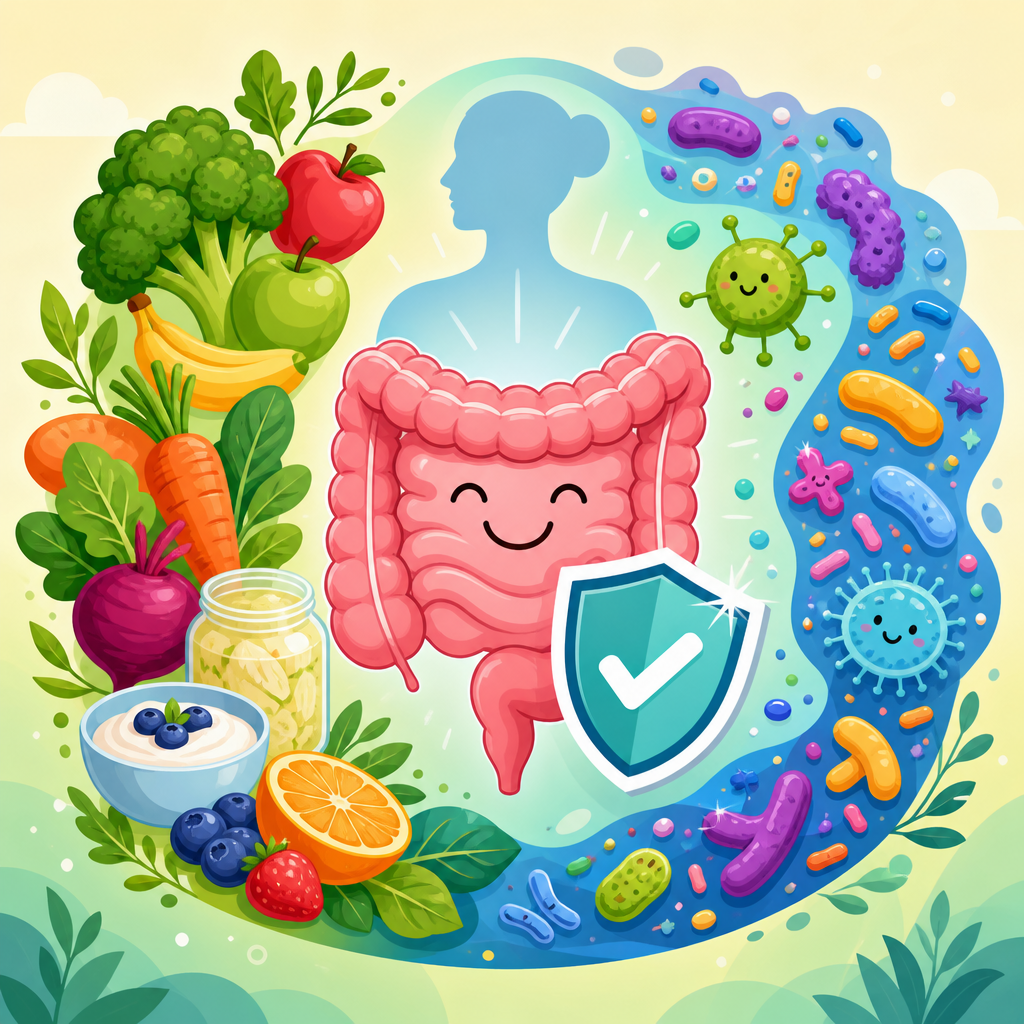
Gut health and the microbiome shape digestion, immunity, metabolism, and even mood, yet the subject is often reduced to trendy advice about probiotics or “healing the gut.” In practice, gut health refers to how well the gastrointestinal tract performs its core jobs: breaking down food, absorbing nutrients, maintaining a strong intestinal barrier, coordinating immune responses, and supporting a balanced community of microbes. The microbiome is the collection of bacteria, viruses, fungi, and other microorganisms that live in and on the body, with the largest and most studied population in the colon. These organisms are not passive passengers. They help ferment dietary fiber, produce metabolites such as short-chain fatty acids, interact with the immune system, influence bowel habits, and affect how the body handles energy.
When I explain this topic to clients, I start with one practical truth: a healthy gut is not defined by one “superfood,” one supplement, or one test result. It is the outcome of daily patterns, including dietary diversity, fiber intake, sleep, stress load, movement, medication exposure, and the presence or absence of digestive symptoms. People usually want a simple answer to questions like, “How do I improve gut health?” or “What foods fix the microbiome?” The evidence points instead to a systems approach. Better nutrition for gut health means feeding beneficial microbes, protecting the gut lining, managing irritants when symptoms are present, and matching strategies to the individual rather than chasing universal rules.
This matters because the gut is central to overall health. About 70 percent of the immune system is associated with the gut, the intestinal lining turns over rapidly, and the microbiome helps regulate inflammation and nutrient metabolism. Research has linked lower microbial diversity and altered microbial composition with conditions including inflammatory bowel disease, irritable bowel syndrome, obesity, type 2 diabetes, and colorectal cancer risk, although association does not always prove cause. For most people, the most effective path is not extreme restriction but a varied, minimally processed eating pattern built around plants, adequate protein, healthy fats, and symptom-aware choices. Understanding the microbiome helps translate broad nutrition advice into actions that improve digestion, resilience, and long-term health.
What the Gut Microbiome Actually Does
The gut microbiome performs several jobs that human cells cannot do alone. One of the most important is fermentation of nondigestible carbohydrates, especially dietary fiber and resistant starch. In the colon, microbes break these compounds down into short-chain fatty acids, mainly acetate, propionate, and butyrate. Butyrate is especially important because it serves as a primary fuel source for colon cells, supports the intestinal barrier, and helps regulate inflammation. This is why fiber is not simply about bowel regularity. It is a direct input into microbial metabolism and colon health.
The microbiome also contributes to vitamin synthesis, bile acid metabolism, and immune training. Certain gut bacteria produce vitamin K and some B vitamins, though amounts vary and do not replace a nutrient-dense diet. Microbes modify bile acids, which affects fat digestion and metabolic signaling. They also help the immune system distinguish between harmless and harmful signals. A balanced microbial ecosystem promotes tolerance and helps prevent overreaction. When this balance is disrupted, often described as dysbiosis, symptoms can include bloating, irregular bowel movements, diarrhea, constipation, excess gas, and food-related discomfort, though symptoms alone cannot diagnose a specific microbial problem.
Another key concept is the gut barrier. The intestines are designed to allow nutrients through while keeping pathogens and unwanted compounds out. Tight junction proteins, mucus layers, immune cells, and microbial metabolites all play a role. Alcohol excess, certain infections, chronic stress, sleep disruption, very low-fiber diets, and some medications can compromise this barrier. In clinical nutrition work, I have seen people focus on supplements while ignoring basics like meal quality, hydration, and medication review. Those basics usually matter more. Gut health improves when the barrier is supported through adequate nutrition, microbial diversity, and management of underlying digestive disorders.
How Diet Shapes Gut Health
Diet is the most consistent daily influence on the microbiome. The strongest evidence supports eating a wide range of plant foods, because diversity in the diet tends to support diversity in microbial species. A useful benchmark comes from the American Gut Project and related analyses: people who regularly eat more than 30 different plant foods per week often show greater microbial diversity than those eating fewer than 10. Plant foods include vegetables, fruits, legumes, whole grains, nuts, seeds, herbs, and spices. Diversity matters because different microbes prefer different substrates. If a diet relies on the same few foods, microbial nourishment becomes narrow.
Fiber is central, but type matters. Soluble fibers from oats, beans, barley, psyllium, apples, and citrus can help stool consistency and are often well tolerated. Insoluble fiber from wheat bran, many vegetables, and whole grains adds bulk and may speed transit, but some people with active gut symptoms tolerate it poorly at first. Resistant starch from cooked and cooled potatoes, green bananas, legumes, and some whole grains can also support beneficial fermentation. Most adults fall short of recommended fiber intake, which is about 25 grams per day for women and 38 grams per day for men under standard U.S. guidance, with many consuming closer to 15 grams. Increasing intake gradually is critical to reduce gas and discomfort.
Fermented foods can complement fiber. Yogurt with live cultures, kefir, kimchi, sauerkraut, miso, tempeh, and some aged cheeses may introduce live microbes and beneficial fermentation products. A 2021 Stanford study found that a diet high in fermented foods increased microbiome diversity and lowered several inflammatory markers over time. That does not mean fermented foods replace prebiotic fibers. In practice, they work best together. Protein and fat quality also matter. Diets very high in ultra-processed foods, low in fiber, and heavy in emulsifiers or excess alcohol may negatively affect microbial balance, while patterns such as the Mediterranean diet are associated with more favorable microbiome features.
Best Foods for a Healthy Microbiome
If someone asks for the best gut health foods, the answer is a category, not a single item. The most evidence-based choices are legumes, oats, barley, berries, leafy greens, cruciferous vegetables, nuts, seeds, plain yogurt, kefir, and extra virgin olive oil within an overall balanced diet. Beans and lentils deliver fiber, resistant starch, magnesium, and polyphenols. Oats and barley contain beta-glucan, a soluble fiber linked to improved cholesterol and microbial fermentation. Berries provide polyphenols that microbes transform into bioactive compounds. Garlic, onions, leeks, asparagus, Jerusalem artichokes, and chicory contain fructans, which can feed beneficial bacteria, although they may trigger symptoms in people with IBS.
Polyphenol-rich foods deserve special attention because they are underappreciated in gut health discussions. Cocoa, green tea, pomegranate, berries, olives, and colorful vegetables contain compounds that interact with microbes in both directions: microbes help break them down, and the resulting metabolites may support vascular and metabolic health. Extra virgin olive oil, a Mediterranean diet staple, brings both monounsaturated fats and polyphenols. Nuts and seeds add fiber, minerals, and healthy fats; walnuts in particular have been studied for favorable shifts in microbial composition and secondary bile acids. Whole grains generally outperform refined grains because the bran and germ provide fermentable substrates and phytochemicals.
Food tolerance still matters. A healthy gut diet is not helpful if it causes persistent pain, urgency, or significant bloating. During symptom flares, I often use a “reduce, stabilize, rebuild” approach: temporarily reduce trigger foods, stabilize meals around tolerated proteins and low-irritant carbohydrates, then rebuild diversity methodically. That may mean choosing lactose-free yogurt instead of regular milk, canned lentils instead of large servings of chickpeas, or cooked vegetables instead of raw salads. The goal is not permanent restriction. It is to maintain nutritional adequacy while making the microbiome-friendly diet livable enough to sustain.
Probiotics, Prebiotics, and Synbiotics: What Works
Probiotics are live microorganisms that, when administered in adequate amounts, confer a health benefit. Prebiotics are substrates selectively used by host microorganisms that confer a health benefit, and synbiotics combine both. These definitions matter because not every supplement sold for gut health meets them. Probiotics are strain specific. Lactobacillus rhamnosus GG is not interchangeable with Bifidobacterium infantis 35624 or Saccharomyces boulardii. Evidence also depends on the outcome measured. Some strains can reduce antibiotic-associated diarrhea, some may help certain IBS symptoms, and some have no proven effect for the problem a consumer wants to solve.
In practice, food first is usually the better starting point, and supplements should match a clear goal. For example, S. boulardii has evidence for reducing risk of antibiotic-associated diarrhea in some settings. Specific Bifidobacterium and Lactobacillus strains have shown modest benefit for IBS symptoms in some trials, but results are mixed, and response is individualized. Multi-strain products are not automatically superior. Dose, viability, storage, and clinical context matter. For people who are immunocompromised, critically ill, or have central venous catheters, probiotic use may require medical oversight because rare complications can occur.
| Approach | What it is | Common sources | Best use |
|---|---|---|---|
| Prebiotics | Fibers and compounds that feed beneficial microbes | Beans, oats, onions, garlic, asparagus, bananas | Foundation for long-term microbiome support |
| Probiotics | Live microorganisms with strain-specific benefits | Yogurt, kefir, fermented foods, targeted supplements | Useful for select conditions, not a universal fix |
| Synbiotics | Combined prebiotic and probiotic products or foods | Supplement blends, yogurt with added inulin | Potential added benefit when formulation is evidence based |
Prebiotic supplements such as inulin, fructooligosaccharides, and partially hydrolyzed guar gum can help some people, but dose tolerance varies. Too much too quickly often leads to gas and bloating. I usually recommend starting with foods and then considering a supplement if intake remains low or constipation persists. Precision matters more than marketing. The best probiotic for gut health is the one supported for a specific purpose, at an effective dose, used for an appropriate duration, with symptom tracking to determine whether it is helping.
Common Gut Problems and When Nutrition Needs Adjusting
Not all digestive symptoms reflect the same problem, and nutrition advice should change accordingly. IBS is a disorder of gut-brain interaction characterized by abdominal pain associated with changes in stool frequency or form. For IBS, a structured low-FODMAP diet can reduce symptoms in many people, but it should be done in phases and ideally with a trained dietitian because the elimination phase is temporary. The point is to identify personal triggers, not to avoid fermentable carbohydrates forever. For inflammatory bowel disease, including Crohn’s disease and ulcerative colitis, nutrition supports medical treatment, but it does not replace it. During flares, lower-fiber modifications may be needed, while remission often calls for rebuilding variety and addressing deficiencies.
Constipation, diarrhea, reflux, celiac disease, lactose intolerance, and small intestinal bacterial overgrowth each require different strategies. Constipation may improve with fluid, soluble fiber, kiwi, prunes, magnesium when appropriate, regular meals, and movement. Chronic diarrhea requires evaluation for infection, medication effects, bile acid issues, malabsorption, or inflammatory conditions. Celiac disease requires strict lifelong gluten avoidance because even small exposures can damage the intestinal lining. Lactose intolerance is often dose dependent; many people tolerate yogurt or hard cheese better than milk. Suspected SIBO should be evaluated carefully because symptoms overlap with IBS, and breath testing has limitations.
Red-flag symptoms should never be managed with internet advice alone. Blood in the stool, unexplained weight loss, anemia, persistent vomiting, nighttime diarrhea, fever, severe abdominal pain, or a strong family history of colorectal cancer or inflammatory bowel disease warrants prompt medical assessment. Colon cancer screening guidelines now generally begin at age 45 for average-risk adults in the United States. Good gut health advice is evidence based, but it is also honest about limits. Nutrition can meaningfully improve symptoms and support the microbiome, yet diagnosis matters because the same bloating complaint can reflect simple diet mismatch, celiac disease, or something more serious.
Daily Habits That Strengthen Gut Health Long Term
The habits that improve gut health are usually ordinary, but they work because they are repeated. Eat a wide range of plant foods each week. Aim to increase fiber gradually and drink enough fluid to support it. Include fermented foods if tolerated. Limit ultra-processed foods rather than expecting perfection. Chew thoroughly, eat at regular times, and avoid rushing meals, because swallowing excess air and eating erratically can worsen bloating and reflux. Physical activity supports bowel motility and metabolic health; even walking after meals can help. Sleep matters because circadian disruption affects digestion, appetite regulation, and microbial rhythms.
Stress management is not optional for digestive health. The gut and brain communicate continuously through neural, hormonal, and immune pathways. Many people notice looser stools, pain, or nausea during stress because the gut is highly responsive to the nervous system. Tools such as diaphragmatic breathing, cognitive behavioral therapy for IBS, mindfulness practice, and structured meal routines can reduce symptoms even when the food plan stays the same. Medication review is equally important. Frequent NSAID use, repeated antibiotic courses, acid-suppressing drugs, iron supplements, and metformin can all affect GI symptoms or microbial patterns. Never stop a prescribed medication without guidance, but always factor it into the gut-health picture.
The most useful mindset is progress over purity. Build meals around foods that nourish both you and your microbes, adjust for symptoms without drifting into unnecessary restriction, and seek professional help when symptoms persist or warning signs appear. Gut health and the microbiome are not separate from better nutrition; they are one of the clearest examples of how everyday food choices influence whole-body health. Start with one practical change this week: add a new fiber-rich plant food, swap one refined grain for a whole grain, or include a serving of yogurt or kefir. Small, consistent actions are what move the gut in the right direction.
Frequently Asked Questions
What is the difference between gut health and the microbiome?
Gut health and the microbiome are closely related, but they are not the same thing. Gut health is a broad term that describes how well the gastrointestinal system is functioning overall. That includes breaking down food, absorbing nutrients, moving waste through the intestines at an appropriate pace, maintaining the protective lining of the gut, and coordinating with the immune system. A healthy gut is not just about avoiding stomach discomfort. It also plays a central role in energy balance, inflammation control, and general well-being.
The microbiome, by contrast, refers specifically to the community of microorganisms that live in and on the body, especially in the digestive tract. These microbes include bacteria, viruses, fungi, and other organisms. In the gut, many of these microbes help digest certain fibers, produce beneficial compounds such as short-chain fatty acids, support the intestinal barrier, and interact with immune cells. The microbiome is one important part of gut health, but it is only one part. A person can have digestive symptoms for reasons beyond the microbiome, such as food intolerances, medication effects, gastrointestinal disease, or stress-related changes in digestion.
In simple terms, the microbiome is part of the gut ecosystem, while gut health refers to the performance and resilience of the whole digestive system. That is why improving gut health usually means looking beyond a single supplement or trend and focusing on diet quality, fiber intake, sleep, stress, movement, hydration, and medical care when needed.
Why does the gut microbiome matter for digestion, immunity, and mood?
The gut microbiome matters because it influences several systems at once. In digestion, gut microbes help break down substances that human enzymes cannot fully digest on their own, especially certain types of dietary fiber. When microbes ferment these fibers, they create compounds called short-chain fatty acids, including butyrate, acetate, and propionate. These compounds help nourish cells in the colon, support the gut barrier, and may contribute to healthy inflammatory responses and metabolic regulation.
The microbiome is also deeply connected to the immune system. A large share of immune activity is centered in the gut, where the body constantly decides what to tolerate and what to defend against. Beneficial microbes help train immune responses so they are better balanced and less likely to overreact. They also help maintain the integrity of the intestinal lining, which acts like a selective barrier that allows nutrients through while limiting unwanted substances from crossing into the bloodstream.
Interest in the microbiome and mood comes from what is often called the gut-brain axis, the communication network linking the digestive system, nervous system, hormones, and immune signals. Gut microbes can influence this system indirectly through metabolites, inflammation pathways, and signaling molecules. That does not mean gut bacteria single-handedly determine mental health, but it does mean gut health may affect how the body responds to stress and how a person feels overall. The key takeaway is that the microbiome is not just about digestion. It is part of a wider network that connects the gut to immune function, metabolism, and brain-related processes.
Are probiotics necessary for good gut health?
Probiotics can be helpful in some situations, but they are not automatically necessary for everyone, and they are not a shortcut to a healthy gut. Probiotics are live microorganisms that, when consumed in adequate amounts, may provide a health benefit. Some probiotic strains have evidence for specific uses, such as helping reduce the risk of antibiotic-associated diarrhea, supporting recovery after certain gastrointestinal infections, or easing symptoms in some people with irritable bowel syndrome. The important detail is that probiotic effects are strain-specific. One product may be useful for one purpose and ineffective for another.
For many people, the foundations of gut health matter more than taking a probiotic supplement. Regular intake of fiber-rich plant foods helps feed beneficial microbes already living in the gut. Foods such as beans, lentils, oats, vegetables, fruit, nuts, seeds, and whole grains often have a much more meaningful long-term impact on the microbiome than occasional use of a supplement. Fermented foods like yogurt with live cultures, kefir, kimchi, sauerkraut, miso, and tempeh may also add useful microbes and, in some cases, support microbial diversity.
It is also important to keep expectations realistic. Probiotics are not a cure-all for bloating, fatigue, skin problems, or vague symptoms blamed on the gut. Some people feel better with them, some notice no change, and others may experience temporary gas or discomfort. People with serious medical conditions, compromised immunity, or complex digestive disorders should talk with a healthcare professional before using them regularly. In most cases, probiotics are best viewed as a targeted tool rather than the main strategy for better gut health.
What foods and habits support a healthier gut microbiome?
The most consistently supported approach is to eat a varied, fiber-rich diet and maintain daily habits that support normal digestion. Diversity matters because different microbes thrive on different food components. A wide range of plant foods helps create a wider range of substrates for beneficial microbes to use. That includes vegetables, fruits, legumes, whole grains, nuts, seeds, herbs, and spices. Many experts encourage aiming for variety across the week rather than focusing on one “superfood.”
Fiber is especially important because it acts as fuel for many helpful gut microbes. Prebiotic fibers found in foods like onions, garlic, leeks, asparagus, oats, bananas, beans, and chicory root can encourage the growth of beneficial bacteria. Resistant starch, found in foods such as cooled potatoes, cooled rice, oats, legumes, and slightly green bananas, may also support the production of beneficial microbial metabolites. Fermented foods may offer additional support by introducing live microbes and fermentation byproducts, though their effects can vary by person and product.
Lifestyle habits matter too. Sleep disruption, chronic stress, low physical activity, smoking, and heavy alcohol use can all negatively affect digestion and potentially the microbiome. Regular exercise appears to support overall gut function and may be linked with greater microbial diversity. Avoiding unnecessary antibiotics is also important, since antibiotics can disrupt beneficial microbial communities along with harmful bacteria. None of this means gut health requires perfection. A practical pattern of eating more whole plant foods, staying active, managing stress, and using medications thoughtfully is often more effective than chasing trends or restrictive “gut reset” plans.
How can you tell if your gut health needs attention, and when should you seek medical advice?
Occasional bloating, gas, constipation, or changes in bowel habits can happen to almost anyone, especially after travel, illness, a major diet change, or increased stress. Those symptoms do not automatically mean there is a serious gut problem or a damaged microbiome. However, persistent digestive issues may be a sign that your gut health deserves closer attention. Common concerns include ongoing abdominal pain, frequent bloating, chronic constipation, chronic diarrhea, significant reflux, nausea, or feeling unwell after many types of meals. Sometimes the issue is linked to diet quality or eating patterns, but it can also involve food intolerances, irritable bowel syndrome, inflammatory bowel disease, celiac disease, infection, medication side effects, or other medical conditions.
A good first step is to look at patterns rather than isolated symptoms. Consider whether your meals are low in fiber, whether stress is high, whether you recently took antibiotics, or whether symptoms appear after specific foods. Keeping a simple food and symptom log can help identify useful patterns without jumping to conclusions. It is usually wise to avoid self-diagnosing serious issues based on social media terms such as “leaky gut” or broad claims that all symptoms come from microbiome imbalance. The gut is complex, and many symptoms overlap across very different conditions.
You should seek medical advice promptly if you have red-flag symptoms such as unexplained weight loss, blood in the stool, persistent vomiting, severe abdominal pain, difficulty swallowing, fever, nighttime diarrhea, anemia, or a major change in bowel habits that does not improve. A qualified healthcare professional can determine whether symptoms are likely functional, diet-related, or signs of an underlying disorder that needs testing or treatment. In other words, gut health is important, but it should be approached with evidence, context, and appropriate medical guidance when symptoms are ongoing or severe.