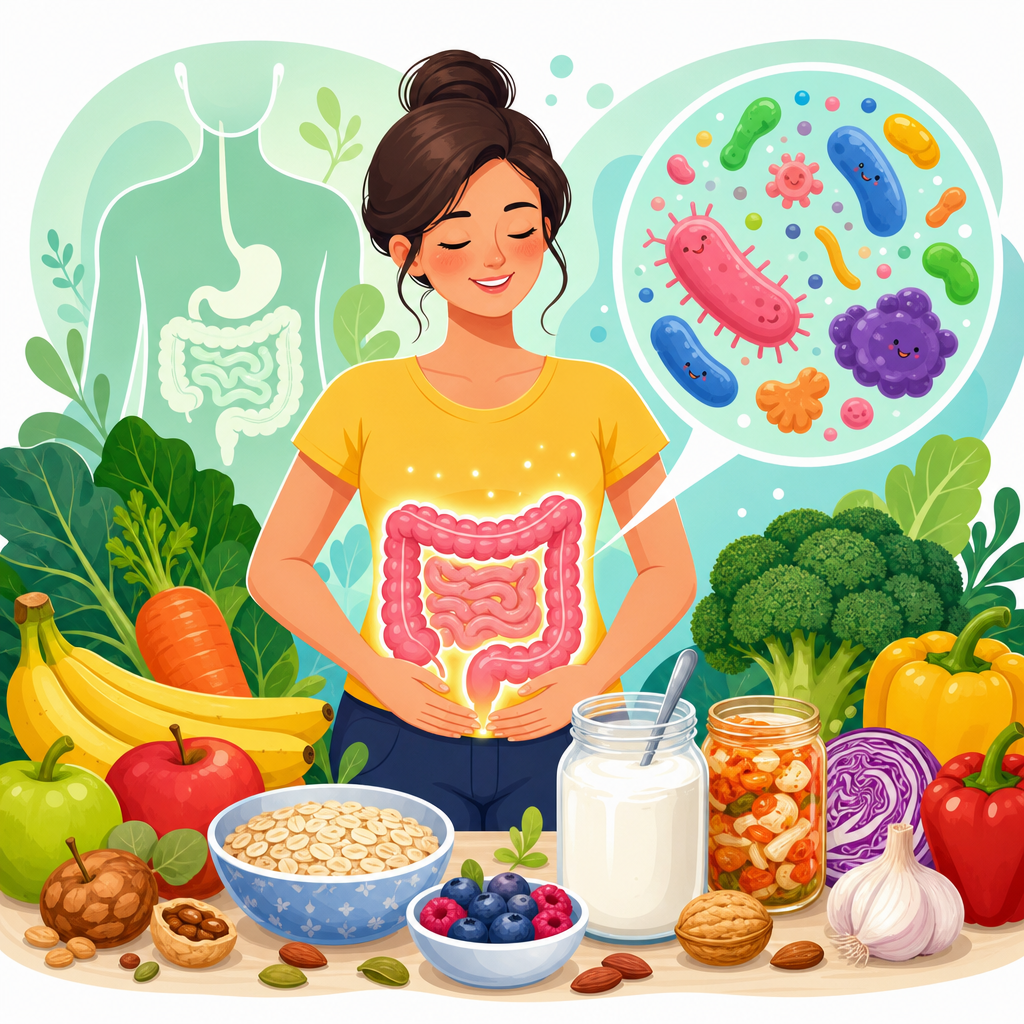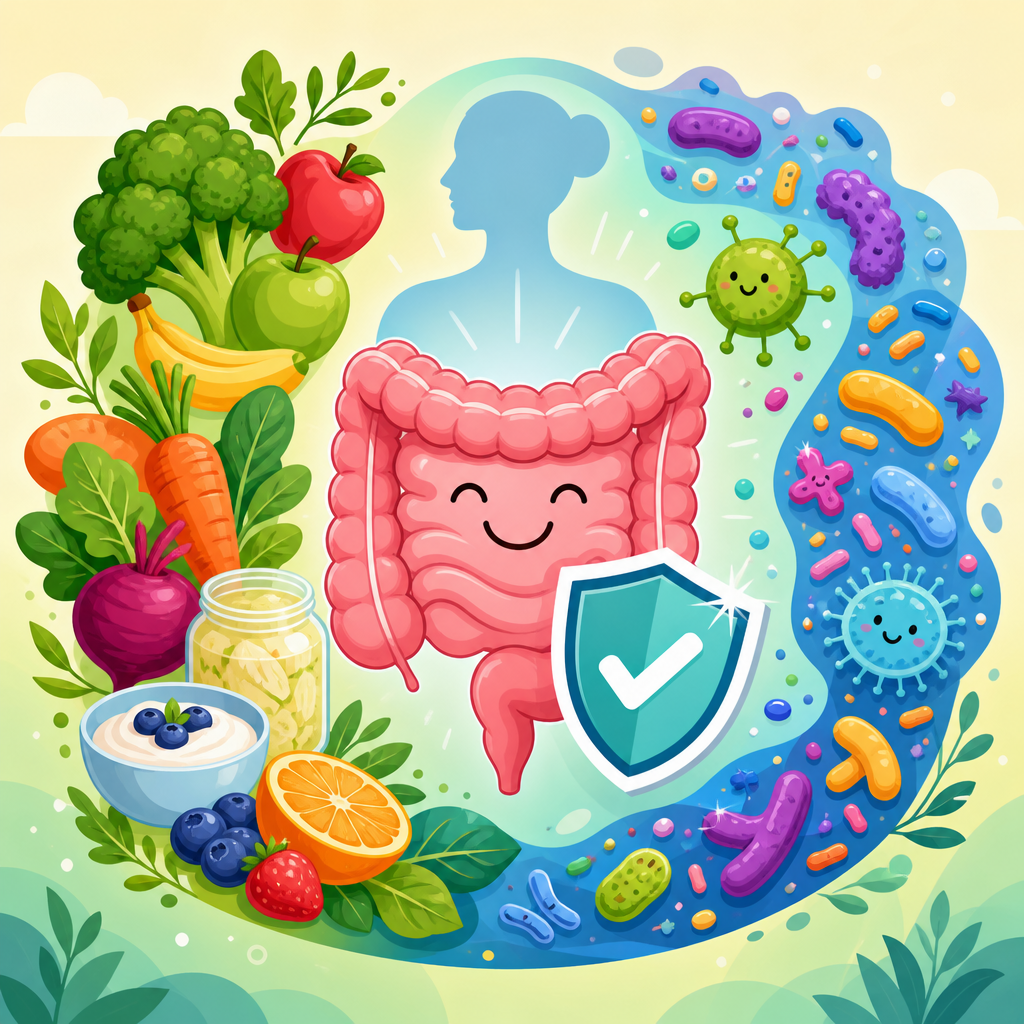
Gut health and the microbiome shape far more than digestion. They influence immunity, metabolism, inflammation, nutrient absorption, and even how the body responds to infection and chronic disease. In practice, when clinicians and dietitians talk about protecting long-term health through food and lifestyle, the gut is often the starting point because it acts as a control center where diet, microbes, and the immune system constantly interact.
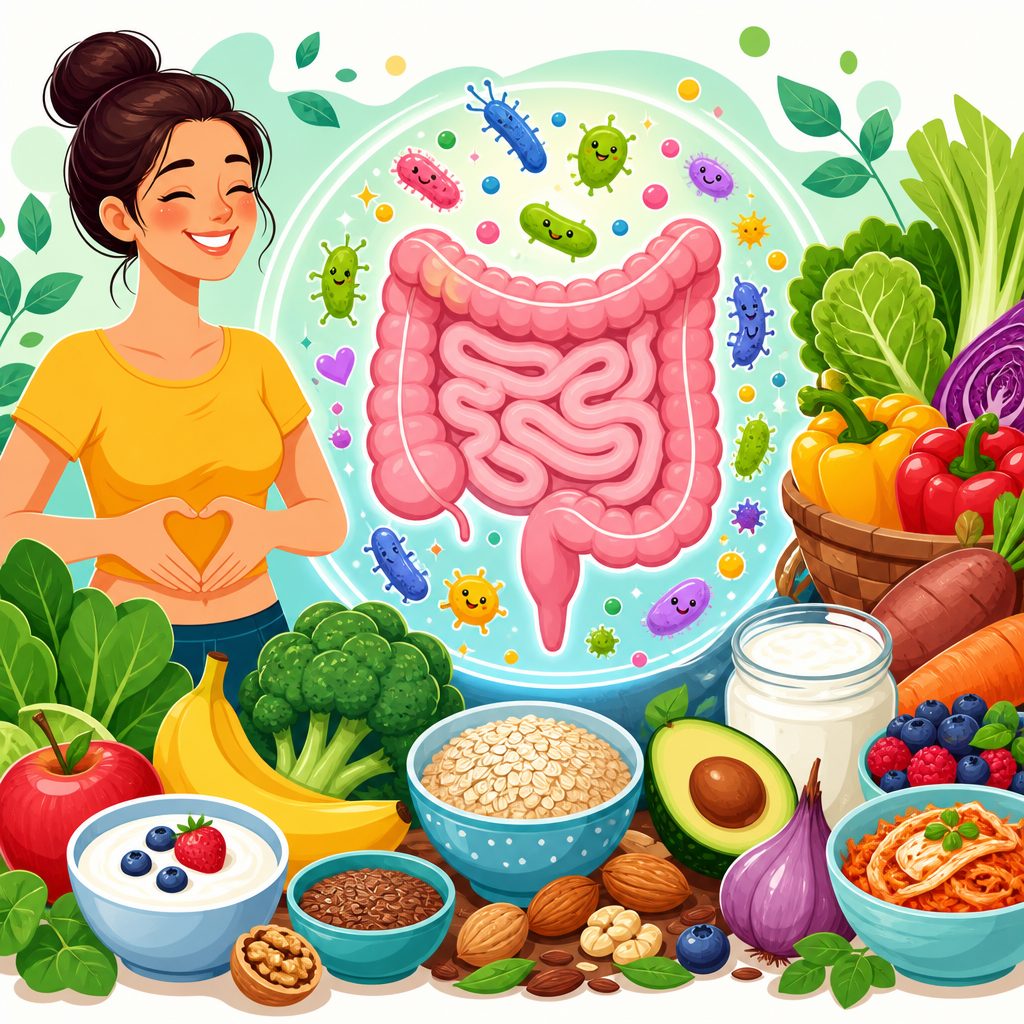
The term gut health usually refers to how well the gastrointestinal tract functions, including digestion, motility, barrier integrity, and immune balance. The microbiome refers to the community of bacteria, viruses, fungi, and other microorganisms that live primarily in the large intestine, along with their genes and metabolic products. A healthy microbiome is not defined by one perfect list of microbes. It is better understood as a resilient ecosystem with diversity, functional balance, and the ability to produce beneficial compounds such as short-chain fatty acids.
This topic matters because the links between gut health and disease prevention are no longer speculative. Large human studies, mechanistic laboratory research, and clinical observations connect dietary patterns, antibiotic exposure, sleep, stress, and physical activity with microbiome shifts that can alter disease risk. Researchers have identified associations between poor gut health and conditions including inflammatory bowel disease, colorectal cancer, obesity, type 2 diabetes, cardiovascular disease, allergies, and some mental health disorders. While association does not always prove causation, several pathways are well established.
One key pathway is intestinal permeability, sometimes described in popular language as a “leaky gut,” though the science is more precise than that phrase suggests. The intestinal lining is designed to let nutrients pass while limiting the movement of pathogens and inflammatory compounds. When that barrier is impaired, the immune system can become overstimulated. Another pathway involves microbial metabolites. Fiber-fermenting microbes generate short-chain fatty acids such as butyrate, acetate, and propionate, which help nourish colon cells, regulate inflammation, and support metabolic health.
As a hub page within Nutrition for Health & Wellness, this article explains the foundation: what the gut microbiome is, how it supports disease prevention, what disrupts it, and what evidence-based habits improve it. It also points naturally toward deeper subtopics such as probiotics, prebiotics, fermented foods, digestive disorders, and anti-inflammatory eating patterns. If you want a practical framework, start here: gut health is built less by quick fixes and more by daily inputs that shape the microbial environment over time.
What the Gut Microbiome Does Every Day
The gut microbiome performs tasks the human body cannot do alone. It helps break down fibers and resistant starches that human enzymes cannot digest, producing short-chain fatty acids that support the colon lining and influence immune signaling. It assists with bile acid metabolism, contributes to vitamin synthesis including vitamin K and some B vitamins, and helps defend against pathogens through colonization resistance, meaning beneficial microbes occupy space and resources that harmful organisms would otherwise use.
From years of reviewing nutrition logs and symptom patterns, one lesson stands out: people often notice gut effects first as bloating, irregular stool patterns, or food intolerance, but the deeper consequences are systemic. Roughly 70 percent of immune cells are associated with the gut. The microbiome also communicates with the nervous system through the gut-brain axis, involving the vagus nerve, immune mediators, and microbial metabolites. This is one reason gut disruption can coincide with fatigue, poor stress tolerance, and changes in mood.
Microbiome diversity is often used as a marker of resilience, although diversity alone is not the full story. What matters is whether the ecosystem contains organisms capable of useful functions, especially fiber fermentation and maintenance of the mucus layer. Akkermansia muciniphila, Bifidobacterium, Faecalibacterium prausnitzii, and Roseburia are frequently discussed because they are associated with favorable metabolic and anti-inflammatory activity. That does not mean they should be chased individually through supplements without context. Diet patterns matter more than single strains for most healthy adults.
How Gut Health Supports Disease Prevention
The strongest case for disease prevention comes from four mechanisms: barrier protection, immune regulation, metabolic control, and inflammation management. A healthy gut lining reduces the passage of endotoxins such as lipopolysaccharides into circulation. Balanced microbes train the immune system to respond appropriately rather than excessively. Microbial metabolites improve insulin sensitivity and may influence satiety hormones. Together, these effects lower the physiological conditions that contribute to chronic disease over time.
In cardiovascular health, the microbiome influences blood lipid metabolism, inflammation, and compounds derived from food. One example is trimethylamine N-oxide, or TMAO, produced through microbial processing of choline and carnitine, then converted in the liver. Elevated TMAO has been associated with higher cardiovascular risk, though the relationship is nuanced and depends on overall dietary patterns. A fiber-rich, plant-forward diet generally supports more favorable microbial outputs than a diet dominated by ultra-processed foods and low fiber intake.
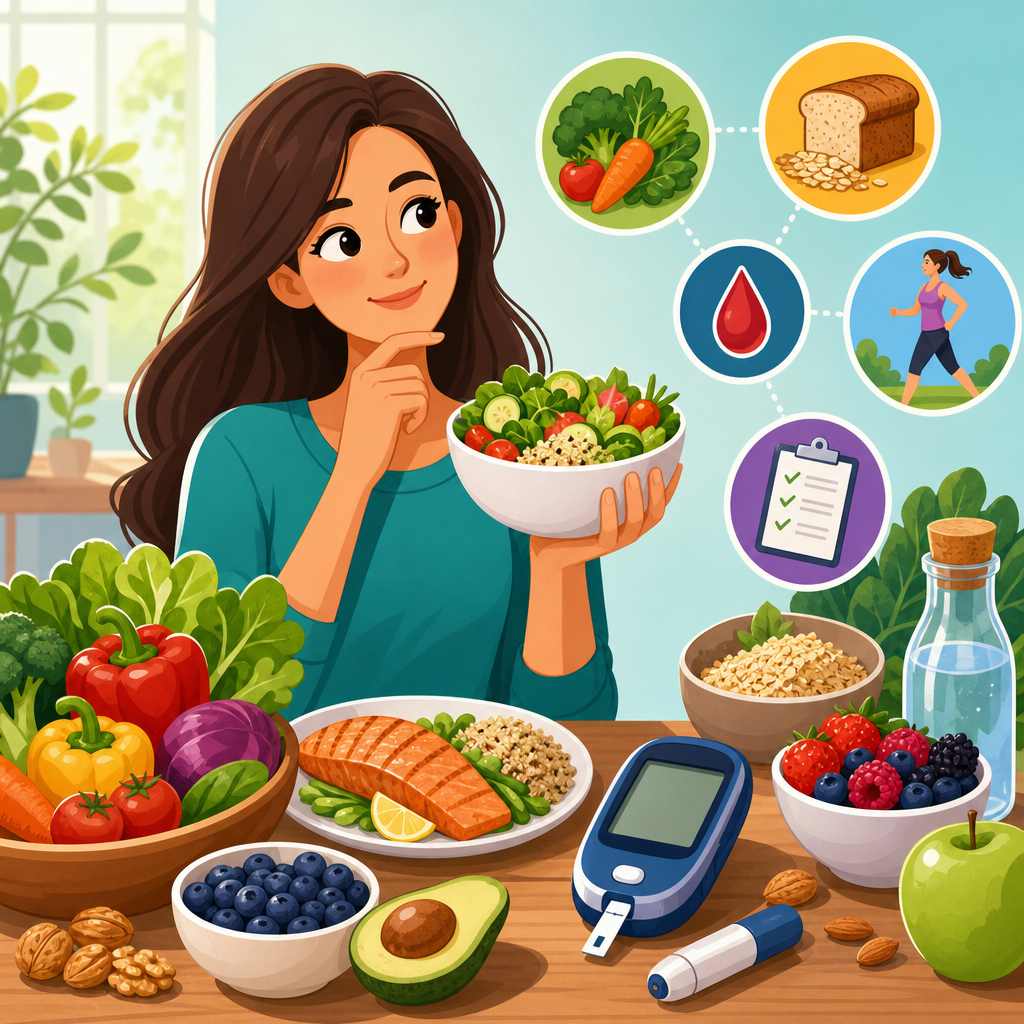
For metabolic disease, the evidence is especially compelling. People with obesity and type 2 diabetes often show reduced microbial diversity and altered short-chain fatty acid production. Interventions that increase fiber intake, improve body composition, and reduce excess sugar and refined starches frequently improve both glucose control and gut-related symptoms. In colorectal cancer prevention, higher intake of whole grains and dietary fiber is consistently linked with lower risk, partly because butyrate production supports healthy colon cells and may suppress tumor-promoting inflammation.
Gut health also matters in infection risk and recovery. Antibiotics can be lifesaving, but they can significantly disrupt microbial balance, lowering colonization resistance and increasing vulnerability to opportunistic organisms such as Clostridioides difficile. After necessary antibiotic treatment, recovery strategies often include gradual fiber reintroduction, diverse plant intake, and in selected cases targeted probiotic use. This is a realistic example of disease prevention in action: protecting the microbiome helps protect the host.
What Damages the Microbiome
The microbiome changes throughout life, but several modern patterns repeatedly weaken it. Low-fiber diets are the most common problem I see. Many adults eat far below recommended fiber targets, often under 15 grams per day, when general guidance is around 25 grams for women and 38 grams for men, with some variation by age and country. When fiber is chronically low, beneficial microbes lose substrate, short-chain fatty acid production falls, and the gut ecosystem becomes less stable.
Ultra-processed foods add to the problem because they often combine refined starches, added sugars, low fiber content, and emulsifiers or additives that may adversely affect the mucus barrier in animal models and some human data. Repeated antibiotic exposure, unnecessary acid-suppressing medication use, chronic sleep loss, heavy alcohol intake, smoking, and long-term unmanaged stress can also shift microbial composition unfavorably. Caesarean delivery, formula feeding, and limited microbial exposure in infancy may shape early colonization, though later diet and environment still matter greatly.
Another overlooked disruptor is dietary monotony. People can eat technically “healthy” foods yet still miss microbiome benefits if their plant intake lacks variety. Different fibers feed different organisms. A routine of the same lettuce salad and chicken every day does not provide the same microbial stimulation as rotating legumes, oats, berries, leafy greens, nuts, seeds, herbs, and fermented foods. Diversity on the plate tends to support diversity in the colon.
Foods and Habits That Improve Gut Health
The most effective strategy is consistent intake of microbiome-supportive foods rather than chasing a single superfood. Aim for a broad range of plant foods across the week. Legumes, oats, barley, onions, garlic, leeks, asparagus, apples, bananas, berries, flaxseeds, chia seeds, nuts, and cooked-and-cooled potatoes or rice provide fibers, resistant starches, and polyphenols that microbes use. Fermented foods such as yogurt with live cultures, kefir, kimchi, sauerkraut, and miso can add beneficial organisms or microbial metabolites, though products vary widely.
Protein quality matters too. Diets centered entirely on processed meats and low-fiber side dishes tend to produce less favorable microbial patterns than diets that balance animal foods with beans, lentils, vegetables, and whole grains. Hydration, regular exercise, and sleep are not secondary issues. Physical activity is associated with improved microbial diversity, while adequate sleep helps regulate circadian rhythms that affect digestion and microbial activity. Stress reduction is equally practical because chronic stress can alter motility, secretion, and gut-brain signaling.
| Gut-supportive factor | How it helps | Practical example |
|---|---|---|
| Diverse dietary fiber | Feeds beneficial microbes and increases short-chain fatty acid production | Beans, oats, berries, greens, nuts, seeds across the week |
| Fermented foods | Provides live cultures or beneficial fermentation compounds | Plain yogurt, kefir, kimchi, sauerkraut with meals |
| Regular exercise | Supports microbial diversity and metabolic health | 150 minutes of weekly moderate activity plus strength training |
| Sleep consistency | Helps regulate gut motility, hormones, and microbial rhythms | Same sleep and wake times most days |
| Judicious antibiotic use | Reduces unnecessary disruption of protective microbes | Use only when medically indicated and complete prescribed course |
When symptoms are present, changes should be individualized. Someone with irritable bowel syndrome may benefit from temporary modification of fermentable carbohydrates, but overly restrictive dieting can worsen microbiome diversity if continued too long. That is why structured reintroduction matters. The goal is almost never to eliminate all fermentable foods forever. The goal is to identify triggers, calm symptoms, and expand the diet as much as tolerated.
Probiotics, Prebiotics, and Testing: What Actually Helps
Probiotics are live microorganisms that confer a health benefit when administered in adequate amounts, but they are not interchangeable. Benefits are strain specific. Lactobacillus rhamnosus GG is not the same as Bifidobacterium infantis 35624, and neither should be expected to solve every digestive complaint. Evidence is strongest for selected uses, including antibiotic-associated diarrhea prevention, some cases of irritable bowel syndrome, and certain clinical settings. For generally healthy people, food-first strategies usually deliver more durable benefits than random probiotic shopping.
Prebiotics are substrates selectively used by host microorganisms that confer a health benefit. In plain language, they feed beneficial microbes. Inulin, fructooligosaccharides, galactooligosaccharides, and resistant starch are common examples. They can be helpful, but dosage matters because rapid increases can trigger bloating in sensitive people. A gradual approach works better: increase fiber by a few grams every several days, spread intake across meals, and pair it with adequate fluids.
Consumer microbiome testing is interesting but limited. Many tests can identify broad patterns, yet they are not currently strong diagnostic tools for most people. Results can vary by platform, stool sampling captures only part of the ecosystem, and there is no single ideal microbiome target for everyone. If testing motivates better habits, it may have value, but clinical decisions should rest more heavily on symptoms, medical history, dietary assessment, and established screening guidelines.
Building a Long-Term Gut Health Plan
Effective gut health planning is simple, but not simplistic. First, increase total plant diversity rather than focusing only on grams of fiber. Second, include fermented foods if tolerated. Third, limit ultra-processed foods that displace fiber-rich staples. Fourth, protect sleep and physical activity because the gut responds to whole-body habits. Fifth, address persistent symptoms with a qualified clinician, especially if there is bleeding, unexplained weight loss, severe pain, anemia, or family history of gastrointestinal disease. Prevention depends on knowing when self-care is appropriate and when evaluation is necessary.
This hub exists because gut health and the microbiome connect to nearly every major area of Nutrition for Health & Wellness. The science keeps evolving, yet the practical foundation is stable: nourish the microbes that protect you, avoid unnecessary disruptions, and treat gut symptoms as meaningful signals rather than background noise. Start with one week of more diverse plant foods, one fermented food you enjoy, and one habit that improves sleep or stress. Small changes, repeated consistently, are how the microbiome becomes an ally in disease prevention.
Frequently Asked Questions
What does gut health actually mean, and why is it so important for disease prevention?
Gut health refers to how well the gastrointestinal system functions and how balanced the microbial community living in the digestive tract is. That includes digestion, regular bowel function, the strength of the intestinal lining, communication with the immune system, and the diversity of bacteria and other microbes in the microbiome. A healthy gut is not simply one that avoids stomach discomfort. It is one that can break down food efficiently, absorb nutrients properly, help regulate inflammation, and maintain a protective barrier between the outside world and the bloodstream.
This matters for disease prevention because the gut is deeply involved in many of the body’s major control systems. A large portion of the immune system is closely associated with the intestines, where it constantly evaluates food particles, microbes, and potential threats. When the gut barrier is strong and the microbiome is diverse, this system tends to function more appropriately. When the microbiome is disrupted or the intestinal lining becomes more permeable, inflammatory signals can increase and immune regulation may weaken. Over time, that imbalance has been associated with a higher risk of conditions such as obesity, type 2 diabetes, inflammatory bowel disease, cardiovascular disease, and some autoimmune disorders.
In practical terms, gut health is often a foundation for broader health because it influences how the body handles nutrients, blood sugar, infections, and chronic inflammation. That is why clinicians and dietitians often focus on gut-supportive habits early in prevention strategies. Improving gut health does not guarantee that disease will never develop, but it can reduce stress on the body’s systems and support resilience over the long term.
How does the gut microbiome affect the immune system?
The gut microbiome plays a central role in training and regulating the immune system. The trillions of microbes in the digestive tract are in constant communication with immune cells located in and around the intestinal lining. This interaction helps the body learn the difference between harmless substances, such as food and beneficial bacteria, and genuine threats, such as harmful pathogens. In a well-balanced gut, the immune system becomes more efficient and better regulated rather than overly reactive.
Beneficial gut microbes also produce compounds called short-chain fatty acids, especially when they ferment dietary fiber. These compounds help support the integrity of the intestinal barrier, reduce unnecessary inflammation, and influence immune cell behavior in ways that are protective. A healthy microbiome can help prevent harmful bacteria from taking hold, compete for resources, and reinforce the body’s natural defenses. This is one reason the microbiome is often described as part of the body’s first line of protection.
When the microbiome becomes less diverse or is disrupted by poor diet, repeated antibiotic exposure, chronic stress, lack of sleep, or illness, immune balance can shift. That may contribute to increased inflammation, weaker barrier function, and altered immune responses. Researchers continue to study exactly how these changes influence disease risk, but the connection is already strong enough that supporting the microbiome is considered an important part of maintaining immune health and lowering long-term disease burden.
Can poor gut health increase the risk of chronic diseases?
Yes, poor gut health is increasingly linked with a higher risk of several chronic diseases. While it is rarely the only cause, gut dysfunction can contribute to the processes that drive disease over time. For example, an imbalanced microbiome may affect blood sugar regulation, appetite signaling, fat storage, cholesterol metabolism, and inflammatory pathways. These changes can influence the development or progression of obesity, insulin resistance, type 2 diabetes, and cardiovascular disease.
There is also strong interest in the gut’s role in inflammatory and immune-related conditions. When the intestinal barrier becomes compromised, substances that would normally stay inside the gut may interact more directly with the immune system. That can increase inflammatory activity and may be relevant in disorders such as irritable bowel syndrome, inflammatory bowel disease, certain autoimmune diseases, and even some skin conditions. In addition, the gut microbiome affects how nutrients are processed and how the body responds to environmental exposures, which can shape overall health in subtle but important ways.
It is important to keep the relationship in perspective. Chronic diseases are influenced by genetics, physical activity, sleep, stress, smoking, alcohol use, environmental factors, and overall dietary patterns. Gut health fits into that bigger picture as a powerful modifier rather than a single explanation. Supporting the gut is valuable because it addresses one of the body’s major hubs for metabolism, immunity, and inflammation, all of which are central to disease prevention.
What are the best foods and lifestyle habits to support a healthy gut microbiome?
The strongest evidence supports a pattern of eating and living that consistently feeds beneficial microbes and protects the intestinal environment. High-fiber plant foods are among the most important tools because they provide fuel for gut bacteria that produce beneficial short-chain fatty acids. Vegetables, fruits, beans, lentils, whole grains, nuts, seeds, and legumes all help build microbiome diversity. Variety matters as much as quantity, since different microbes thrive on different fibers and plant compounds.
Fermented foods may also be helpful for many people. Foods such as yogurt with live cultures, kefir, kimchi, sauerkraut, miso, and tempeh can introduce beneficial microbes or support a healthier microbial balance. In addition, limiting highly processed foods, excess added sugars, and frequent intake of heavily refined carbohydrates may help reduce pressures that favor less beneficial microbial patterns. Adequate hydration and regular meal patterns can further support digestion and bowel function.
Lifestyle habits are just as important as food. Regular physical activity is associated with a more favorable microbiome, and quality sleep helps regulate immune and metabolic health in ways that affect the gut. Chronic stress can alter digestion, gut motility, and microbial balance, so stress management is a meaningful part of gut care. Antibiotics should be used only when medically necessary, since they can disrupt beneficial bacteria along with harmful ones. The goal is not perfection or a quick fix. It is a consistent routine that creates the right conditions for the gut and microbiome to function well over time.
Are probiotics and prebiotics necessary for gut health and disease prevention?
Probiotics and prebiotics can be useful, but they are not a substitute for a strong overall diet and lifestyle foundation. Probiotics are live microorganisms that may provide health benefits when consumed in adequate amounts, while prebiotics are fibers and compounds that feed beneficial microbes already living in the gut. Both can play a role in supporting gut health, but their effects depend on the person, the specific product or food, and the health outcome being targeted.
Prebiotics are often easier to recommend broadly because they are naturally found in many whole foods, including onions, garlic, leeks, oats, bananas, asparagus, beans, and other fiber-rich plants. They encourage beneficial bacteria to grow and help those microbes produce compounds that support the intestinal lining and immune balance. Probiotic-rich foods such as yogurt, kefir, and fermented vegetables can also be helpful as part of a healthy diet. However, not every commercial probiotic supplement works the same way, and benefits seen for one strain may not apply to another.
For disease prevention, the best evidence still points to a diverse, fiber-rich dietary pattern rather than relying on a single supplement. Some people may benefit from targeted probiotic use, especially after antibiotic treatment or in certain digestive conditions, but it is wise to choose products based on evidence rather than marketing claims. Anyone with a chronic illness, a weakened immune system, or ongoing digestive symptoms should speak with a qualified healthcare professional before starting supplements. In most cases, the most reliable strategy is to prioritize whole foods, plant diversity, regular lifestyle habits, and medical guidance when needed.