Nutrition for strong bones and joints explained starts with a simple truth: your skeleton is living tissue, and your joints are active structures that constantly respond to what you eat, how you move, and how you age. Bone health refers to the strength, density, and quality of bone tissue, while joint health includes cartilage integrity, synovial fluid function, ligaments, tendons, and the muscles that stabilize movement. Good nutrition supports all of these systems. Poor nutrition, by contrast, increases the risk of osteoporosis, fractures, osteoarthritis progression, slow recovery, and chronic pain.
I have worked with adults trying to rebuild bone density after osteopenia, athletes managing overuse injuries, and older clients who assumed joint stiffness was just part of getting older. The pattern is consistent: food choices matter, but not in isolation. Strong bones and joints depend on enough energy intake, adequate protein, key minerals, vitamins that regulate mineral use, and anti-inflammatory eating patterns that reduce wear on connective tissue. This matters because bone loss can occur silently for years, and joint damage often becomes noticeable only after cartilage, muscle balance, or movement mechanics have already deteriorated.
For most people, the most important nutrition questions are direct. What nutrients build bones? Which foods support cartilage and reduce inflammation? Is calcium enough? Do supplements help? The evidence-based answer is that calcium is essential, but it is only one part of a larger system involving vitamin D, protein, magnesium, phosphorus, vitamin K, vitamin C, omega-3 fats, and overall dietary quality. Lifestyle factors such as resistance training, weight-bearing activity, smoking status, alcohol intake, and body weight strongly influence whether those nutrients can do their job. This hub article explains the key facts, practical food sources, and major tradeoffs so you can make better nutrition decisions for lifelong bone and joint health.
How Bones and Joints Actually Work
Bones are not inert calcium sticks. They are metabolically active organs that continuously remodel through the coordinated actions of osteoblasts, which build bone, and osteoclasts, which break it down. Peak bone mass is usually reached by the late twenties, and after that, maintenance becomes the priority. In women, estrogen loss after menopause accelerates bone resorption. In men, age-related bone loss is usually slower but still significant. This is why nutrition for strong bones and joints must be viewed across the lifespan, not only after a diagnosis.
Joints are equally dynamic. Cartilage cushions movement but has limited blood supply, so recovery is slow when it is damaged. Synovial fluid lubricates the joint, while ligaments and tendons provide stability and force transfer. Muscle mass matters because weak muscles shift stress directly onto the joint surface. In practice, I often see knee discomfort improve not only from weight loss or anti-inflammatory meals, but also from better protein intake that helps preserve muscle around the joint. Food does not replace physical therapy or medical care, but it creates the biological conditions that make those interventions work better.
Core Nutrients for Bone Strength
Calcium is the best-known bone mineral because about 99 percent of the body’s calcium is stored in bones and teeth. Adults generally need around 1,000 milligrams per day, with women over 50 and men over 70 often needing 1,200 milligrams. Dairy foods such as milk, yogurt, and cheese are efficient sources, but fortified plant milks, calcium-set tofu, canned salmon with bones, sardines, and some leafy greens also contribute. The practical issue is absorption. Large supplemental doses are absorbed less efficiently than moderate amounts from food spread across the day.
Vitamin D is essential because it increases calcium absorption in the gut and helps regulate bone remodeling. Without enough vitamin D, even a calcium-rich diet underperforms. Fatty fish, fortified dairy, fortified beverages, and egg yolks provide some vitamin D, but sunlight exposure remains a major source for many people. Deficiency is common in northern climates, among indoor workers, and in older adults. Blood testing for 25-hydroxyvitamin D can guide individualized decisions, especially when osteoporosis, fracture history, or low sun exposure is involved.
Protein is frequently underestimated in bone nutrition. Bone matrix contains collagen, and low protein intake is associated with lower bone mass and poorer recovery after fractures. Older adults are particularly vulnerable because appetite declines while protein needs rise. Magnesium and phosphorus also support mineralization, while vitamin K helps activate proteins involved in bone formation. In real diets, these nutrients tend to come packaged together in minimally processed foods: dairy, legumes, fish, nuts, seeds, whole grains, and green vegetables.
Joint-Supportive Nutrition and Inflammation Control
When people ask what to eat for joints, they are usually asking two things at once: how to protect cartilage and how to reduce inflammation that worsens pain. Cartilage relies on collagen-rich structural proteins and adequate vitamin C for collagen synthesis. Citrus fruit, kiwi, berries, peppers, broccoli, and tomatoes all help meet this need. Protein from fish, dairy, soy, beans, poultry, and eggs supports repair of the surrounding tissues, including tendons and muscle that protect joints from excessive load.
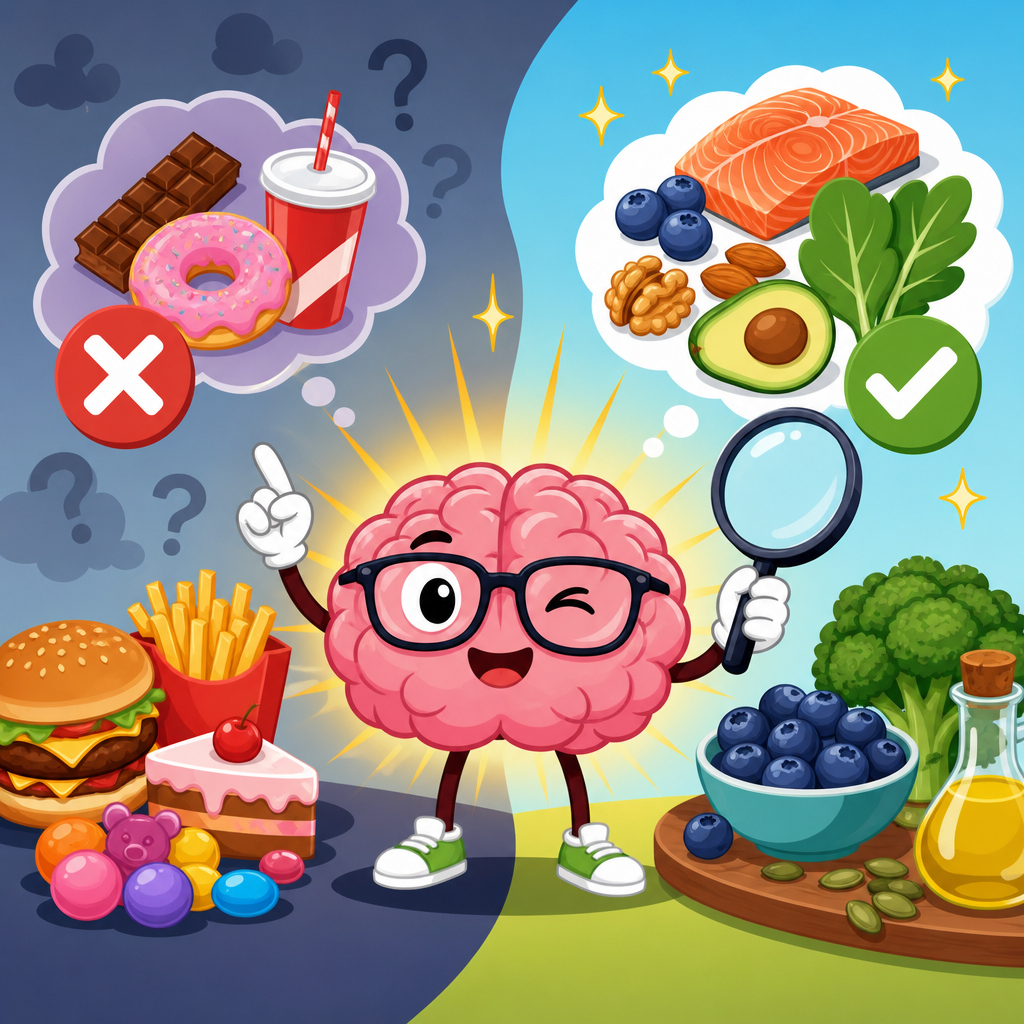
Omega-3 fatty acids, especially EPA and DHA from salmon, sardines, trout, and mackerel, help moderate inflammatory signaling. They are not a cure for arthritis, but they can be useful in a broader anti-inflammatory dietary pattern. Extra virgin olive oil, nuts, seeds, legumes, herbs, spices, and high-fiber plant foods also support a lower-inflammatory diet. By contrast, a pattern high in ultra-processed foods, refined grains, sugary drinks, and frequent excess alcohol is consistently associated with poorer cardiometabolic health and often worsens systemic inflammation that can amplify joint discomfort.
Body weight is another nutrition issue, not only a biomechanics issue. Each step places substantial force through hips, knees, ankles, and feet. Even modest weight reduction can lessen joint load and improve symptoms in people with osteoarthritis. That said, aggressive dieting can backfire if it reduces protein intake, lowers bone-supporting nutrients, or contributes to muscle loss. The best nutrition plan for joints reduces excess body fat while protecting lean mass and covering micronutrient needs.
Best Foods for Strong Bones and Joints
The strongest dietary pattern for bones and joints is not a single superfood plan. It is a repeatable mix of nutrient-dense foods eaten consistently. In clinic-style coaching, I usually organize it around daily anchors: a calcium source, a protein source at each meal, produce rich in vitamin C and potassium, and omega-3-rich fish several times per week. This structure is practical and easier to sustain than chasing supplements first.
| Food or Group | Key Nutrients | Main Benefit for Bones and Joints | Practical Example |
|---|---|---|---|
| Yogurt, milk, kefir | Calcium, protein, often vitamin D | Supports bone mineral density and muscle maintenance | Greek yogurt with berries at breakfast |
| Salmon, sardines | Protein, omega-3s, vitamin D, calcium in bones | Helps control inflammation and supports mineral absorption | Sardines on whole-grain toast with lemon |
| Tofu, beans, lentils | Protein, magnesium, phosphorus | Supports collagen matrix and overall skeletal maintenance | Calcium-set tofu stir-fry |
| Leafy greens | Vitamin K, magnesium, potassium | Supports bone metabolism and overall diet quality | Kale and chickpea salad |
| Citrus, berries, peppers | Vitamin C, antioxidants | Needed for collagen formation in cartilage and connective tissue | Bell peppers with hummus |
| Nuts, seeds, olive oil | Healthy fats, magnesium, polyphenols | Supports lower-inflammatory eating patterns | Walnuts added to oatmeal |
Fermented dairy can be especially useful for older adults because it combines calcium, protein, and convenience. Canned fish with edible bones is one of the most efficient whole-food options for calcium plus vitamin D. For people who avoid dairy, fortified soy milk and calcium-set tofu are often better choices than almond beverages with very low protein. Variety matters because no single food reliably covers every structural and anti-inflammatory need.
Supplements, Testing, and Common Gaps
Supplements can help, but they work best when they correct a clear shortfall. Calcium supplements may be appropriate when food intake is inadequate, yet more is not better. Many clinicians prefer filling most calcium needs from food, then using only the amount needed to close the gap. Vitamin D supplementation is common because deficiency is widespread and food sources are limited. The right dose depends on baseline blood levels, age, body size, medications, and sun exposure. This is one reason blanket advice is often unhelpful.
Collagen peptides and glucosamine are widely marketed for joint health. The evidence is mixed but not worthless. Some people report modest symptom relief, especially for osteoarthritis or activity-related joint discomfort, but these products do not rebuild severely damaged cartilage. They should be viewed as optional adjuncts, not foundations. Foundational care still means adequate total protein, enough vitamin C, a lower-inflammatory eating pattern, and professional assessment when pain persists.
Certain groups deserve closer monitoring: postmenopausal women, adults over 65, people with celiac disease or inflammatory bowel disease, long-term steroid users, vegans with limited fortified foods, and anyone with a history of stress fractures. Bone density scans, vitamin D testing, medication review, and diet assessment can identify risks early. I have seen people take calcium for years while remaining deficient in vitamin D or under-eating protein, which is why a full picture matters more than one nutrient.
Nutrition Strategies Across Life Stages and Activity Levels
Children and teenagers need enough calories, calcium, vitamin D, and protein to build peak bone mass before adulthood. Skipping meals, eliminating dairy without replacement, or overtraining in sport can undermine this critical window. Premenopausal adults benefit most from maintenance habits: resistance exercise, regular protein intake, and balanced meals that consistently include calcium-rich foods. During pregnancy and breastfeeding, maternal nutrient intake supports both mother and child, so meeting calcium and vitamin D needs becomes even more important.
For adults over 50, preserving muscle is as important as preserving mineral density. Falls cause many fractures, and muscle weakness increases fall risk. That is why bone nutrition and joint nutrition should be paired with strength training and adequate protein distribution through the day. Athletes need special attention to energy availability. Low energy intake can reduce sex hormones, impair bone formation, and increase stress fracture risk even when calcium intake looks acceptable on paper.
If you want better nutrition for strong bones and joints, start with your plate and your routine. Build meals around protein, include reliable calcium sources, prioritize vitamin D status, eat produce rich in vitamin C and potassium, and use fish, olive oil, nuts, seeds, and legumes to support lower-inflammatory eating. Limit smoking, heavy alcohol use, and highly restrictive dieting, all of which undermine the very tissues you are trying to protect. The main benefit is durability: stronger bones, more resilient joints, better mobility, and a lower risk of preventable decline. Use this hub as your starting point, then review your current diet, identify the weakest link, and improve one daily habit this week.
Frequently Asked Questions
What nutrients are most important for strong bones and healthy joints?
The most important nutrients for bone health usually begin with calcium, vitamin D, protein, magnesium, phosphorus, and vitamin K. Calcium is the primary mineral found in bones, so getting enough from foods such as dairy products, fortified plant milks, tofu made with calcium, leafy greens, and canned fish with bones helps support bone structure and density. Vitamin D is essential because it helps the body absorb calcium efficiently. Without enough vitamin D, even a calcium-rich diet may not fully benefit your bones. Protein is also critical because bone is not made of minerals alone; it contains a protein framework, mainly collagen, that gives bone flexibility and helps support repair.
For joints, nutrition matters in a slightly different but closely related way. Joint health depends on cartilage, synovial fluid, connective tissue, and the muscles that support movement. Protein remains essential because it helps maintain tendons, ligaments, and muscle mass, all of which protect joints from excess strain. Omega-3 fatty acids, found in fatty fish, walnuts, flaxseeds, and chia seeds, may help support a healthier inflammatory balance in the body, which can be useful for overall joint comfort. Vitamin C is also important because it supports collagen formation, and collagen is a key structural component of cartilage, tendons, and ligaments. Minerals such as zinc, copper, and manganese also play supporting roles in connective tissue maintenance.
Rather than focusing on one “super nutrient,” it is better to think in terms of a dietary pattern. A balanced eating plan that includes fruits, vegetables, legumes, nuts, seeds, dairy or fortified alternatives, whole grains, and quality protein sources gives your bones and joints a wider range of what they need to stay resilient over time. Strong bones and healthy joints are built by consistent daily nutrition, not by a single supplement or occasional healthy meal.
Can diet really affect bone density and joint function as I get older?
Yes, diet can absolutely influence both bone density and joint function as you age. Bones are living tissue that constantly undergoes remodeling, a process in which old bone is broken down and new bone is formed. During childhood, adolescence, and early adulthood, the body is especially efficient at building bone mass. Later in life, that balance can shift, making it easier to lose bone than gain it. Nutrition helps determine how well your body can maintain bone strength during these changes. If calcium, vitamin D, protein, and other supportive nutrients are consistently too low, the risk of weaker bones increases over time.
Joint tissues also change with age. Cartilage can gradually wear down, muscles may weaken, and connective tissues may lose some of their elasticity. Nutrition cannot stop aging, but it can strongly influence how well your body adapts to it. Eating enough protein helps preserve muscle, and that matters because muscles reduce stress on joints by improving stability and movement mechanics. Diets rich in colorful produce provide antioxidants and anti-inflammatory plant compounds that may help support tissue health. Staying hydrated also matters because fluid balance supports many normal body functions, including those involved in joint comfort and movement.
It is important to remember that diet works best alongside other habits. Weight-bearing exercise, resistance training, regular movement, sun exposure where appropriate, quality sleep, and avoiding smoking all play major roles in preserving bone and joint health. In other words, nutrition is not separate from the rest of your lifestyle. It is one of the main tools your body uses to maintain strong bones, stable joints, and comfortable movement as the years go by.
Is calcium alone enough to protect bones, or do I need more than that?
Calcium is essential, but it is not enough on its own. Many people think of calcium as the main answer to bone health, and while it is a cornerstone nutrient, bones rely on a much broader nutritional system. Vitamin D is one of the most important partners because it helps the body absorb and use calcium. If vitamin D levels are too low, calcium intake may not translate into stronger bones as effectively as it should. Magnesium and phosphorus also contribute to bone structure, while vitamin K helps support proteins involved in bone metabolism.
Protein is another often overlooked factor. Some people mistakenly assume that bone is mostly mineral and that calcium does nearly all the work. In reality, bone also has a strong protein matrix that gives it structure and resilience. Without enough protein, the body may struggle to maintain both bone and the muscle that protects the skeleton. Muscle health matters because stronger muscles improve balance, reduce fall risk, and place healthy stress on bones, which helps stimulate maintenance of bone tissue.
The same principle applies to joints. If your diet includes calcium but is otherwise poor in protein, vitamins, minerals, and healthy fats, your overall musculoskeletal health can still suffer. The most effective approach is to build meals around a combination of calcium-rich foods, adequate protein, fruits and vegetables, healthy fats, and fortified foods if needed. Calcium is a major piece of the puzzle, but it works best when the rest of the puzzle is in place.
What foods should I eat regularly to support both bones and joints?
A practical way to support both bones and joints is to build your meals around nutrient-dense whole foods from several categories. Dairy foods such as yogurt, milk, and cheese are well known for calcium and protein. If you do not eat dairy, fortified plant beverages, calcium-set tofu, tempeh, edamame, almonds, tahini, and certain greens can help fill the gap. Fatty fish such as salmon, sardines, and mackerel are especially helpful because they provide protein and omega-3 fats, and some options also provide calcium when the bones are eaten.
Fruits and vegetables deserve a major role as well. Leafy greens, broccoli, bok choy, bell peppers, berries, citrus fruits, tomatoes, and carrots provide vitamins, minerals, and beneficial plant compounds that support connective tissue and general musculoskeletal health. Beans, lentils, nuts, and seeds contribute magnesium, protein, and trace minerals that matter for bones and soft tissues. Eggs can also be useful as a source of protein and other nutrients, while whole grains add additional minerals and support overall dietary quality.
It also helps to limit foods and habits that may work against your goals. A pattern built heavily around ultra-processed foods, sugary drinks, excess alcohol, and consistently low protein intake can make it harder to maintain healthy body composition and strong musculoskeletal tissues. You do not need a perfect diet, but regular choices matter. Think of each meal as an opportunity to include a protein source, a calcium source, produce, and healthy fats. Over time, that kind of consistency gives bones and joints the raw materials they need to function well.
Are supplements necessary for bone and joint health, or can food be enough?
For many people, food can provide a strong foundation for bone and joint health, but supplements may be useful in some cases. Whether you need them depends on your diet, age, health status, medications, sun exposure, digestive health, and any diagnosed deficiencies. For example, vitamin D supplementation is common because many people do not get enough from sunlight or food alone. Calcium supplements may also be considered if dietary intake is consistently too low, but they are generally best used thoughtfully rather than automatically. It is usually preferable to meet nutrient needs through food when possible because whole foods provide a broader combination of nutrients that work together.
Joint supplements are often marketed heavily, but their usefulness can vary from person to person. Some products focus on collagen, glucosamine, chondroitin, turmeric, or omega-3s. These are not substitutes for a healthy diet, physical activity, or weight management. If your diet is poor, a supplement is unlikely to solve the underlying problem. On the other hand, targeted supplementation may make sense in specific situations, particularly if a healthcare professional identifies a clear need or if your food intake is limited by allergies, dietary restrictions, or medical conditions.
The most reliable approach is to start with food, then fill verified gaps when necessary. If you are concerned about bone density, fracture risk, joint pain, or chronic stiffness, it is wise to discuss your situation with a doctor or registered dietitian. They can help assess whether you are getting enough calcium, vitamin D, protein, and other important nutrients, and whether any supplement would be appropriate. Supplements can play a supporting role, but they work best when they are part of a larger plan centered on good nutrition, regular exercise, and long-term healthy habits.