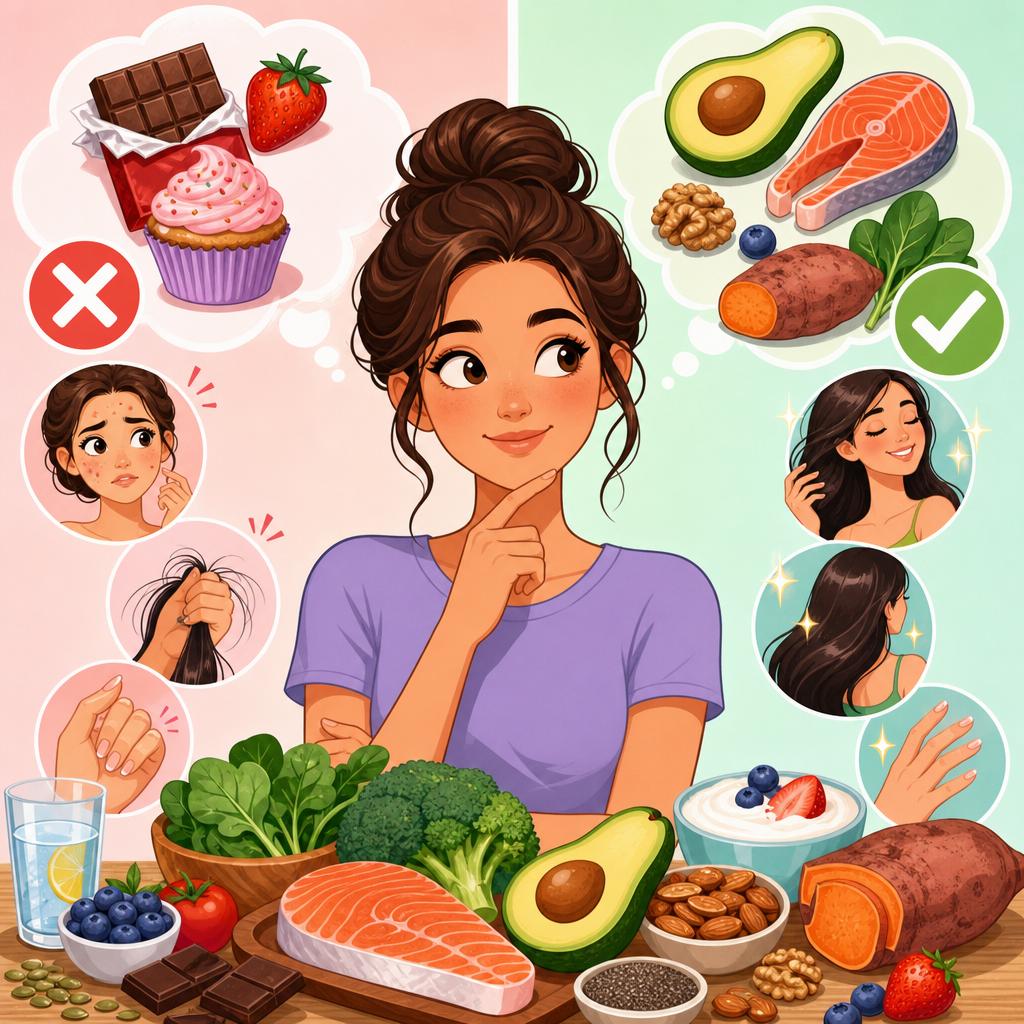
Foods for skin, hair, and nail health are surrounded by bold promises, simplistic social media advice, and half-true nutrition claims, which makes it hard to know what actually helps. In practice, healthy skin, strong nails, and resilient hair depend on a combination of genetics, hormones, overall diet quality, medical conditions, age, stress, sleep, and daily care habits. Food matters, but it does not work like a cosmetic filter. When people search for the best foods for skin, hair, and nail health, they are usually asking a few direct questions: Can collagen-rich foods erase wrinkles? Does biotin fix thinning hair? Are breakouts caused by chocolate? Can supplements replace meals? After years of reviewing dietary patterns, ingredient labels, and evidence from dermatology and nutrition guidance, I have found that the most useful approach is myth busting. It helps separate nutrients that truly support tissue structure from trendy claims that overpromise. This hub article explains what skin, hair, and nails are made of, why nutrition affects them, and which common beliefs deserve skepticism. It also highlights where focused articles on protein, omega-3 fats, antioxidants, zinc, iron, vitamin C, hydration, and dietary patterns fit into the broader conversation. The goal is not to sell a miracle food. It is to give you a reliable framework for choosing foods for skin, hair, and nail health based on physiology, evidence, and realistic expectations.
Why Nutrition Influences Skin, Hair, and Nails
Skin, hair, and nails are built from rapidly renewing cells, structural proteins, lipids, water, and micronutrients. Skin relies on collagen, elastin, ceramides, and an intact barrier to stay firm and retain moisture. Hair is composed mostly of keratin and depends on adequate protein, iron, zinc, essential fatty acids, and energy intake. Nails are also keratin based and reflect protein status, mineral adequacy, and systemic health. If the body is underfed, inflamed, dehydrated, or missing key nutrients, these tissues often show it early through dryness, brittleness, slower growth, shedding, or poor wound healing. That is why foods for skin, hair, and nail health are not a beauty niche; they are part of basic clinical nutrition. However, the body prioritizes survival over appearance. Nutrients are first directed to organs and essential functions. Hair shine and nail strength are secondary. This explains why severe restriction diets, eating disorders, gastrointestinal disease, iron deficiency, and chronic stress can noticeably affect appearance even before lab markers become dramatic.
A practical definition helps here. When professionals talk about foods for skin, hair, and nail health, they mean nutrient-dense foods that consistently provide amino acids, vitamins, minerals, essential fats, and hydration that support tissue maintenance over time. That includes eggs, fish, yogurt, beans, lentils, nuts, seeds, citrus, berries, tomatoes, leafy greens, sweet potatoes, oysters, lean meat, tofu, and whole grains. It does not mean a single superfood with guaranteed visible results. The effects of nutrition are cumulative, and they are often easier to see when a deficiency is corrected than when a healthy person adds one trendy ingredient to an already adequate diet.
Myth: One Superfood Can Transform Your Skin, Hair, and Nails
This is the most persistent myth. Avocados, salmon, bone broth, berries, chia seeds, and green juice are all presented as if one serving can produce dramatic cosmetic change. In reality, no single food supplies every nutrient required for skin elasticity, hair growth, and nail integrity. Salmon is useful because it offers protein, selenium, and omega-3 fats, which may support the skin barrier and reduce inflammation. But salmon is not rich in vitamin C, which is required for collagen synthesis. Citrus provides vitamin C but not meaningful protein. Eggs provide protein and biotin, yet they lack fiber and many polyphenols found in fruit and vegetables. The lesson is straightforward: tissue health responds to patterns, not isolated hero foods.
In clinic-style nutrition planning, I look for repeatable combinations rather than superfoods. A meal of grilled salmon, quinoa, and roasted peppers supports multiple pathways at once: protein for keratin and collagen building blocks, omega-3s for inflammation control, vitamin C for collagen formation, and minerals that assist cellular repair. The same logic applies to plant-forward meals. Lentil curry with spinach and tomatoes can contribute iron, folate, vitamin C, and protein together. People who chase individual miracle foods often miss the bigger issue, which is dietary consistency across weeks and months.
Myth: Collagen Foods and Drinks Directly Replace Lost Collagen
Collagen is a structural protein found in skin, bones, cartilage, and connective tissue, so the appeal is obvious. But it is misleading to say that eating collagen directly deposits collagen into the face, scalp, or nails. During digestion, collagen is broken down into peptides and amino acids. Those building blocks may support collagen synthesis, but the body decides where they are used. Adequate vitamin C, copper, zinc, and total protein also matter. Bone broth and collagen powders can contribute protein, yet they are not complete solutions and they should not displace balanced meals.
What actually supports collagen production? Sufficient protein intake, vitamin C-rich produce, and overall dietary adequacy. Strawberries, kiwi, citrus, red bell peppers, broccoli, and tomatoes help because vitamin C is required for hydroxylation steps in collagen formation. Protein sources such as Greek yogurt, chicken, tofu, beans, and fish provide amino acids. This is why the best foods for skin, hair, and nail health rarely come from one scoop or one cup. They come from a diet where the necessary pieces are present together. If someone has poor appetite or limited intake, a collagen supplement may be a practical add-on, but it is not nutritionally equivalent to improving the full diet.
Myth: Biotin Is the Default Fix for Hair Loss and Brittle Nails
Biotin is one of the most overmarketed nutrients in beauty nutrition. True biotin deficiency can cause hair thinning, skin rash, and brittle nails, but it is uncommon in otherwise healthy people eating a varied diet. Eggs, nuts, seeds, salmon, sweet potatoes, and legumes already provide biotin. In my experience, people often start biotin gummies before checking more likely causes of hair or nail problems, such as iron deficiency, thyroid disease, chronic stress, low protein intake, recent illness, postpartum hormonal changes, or traction from hair styling. That delays useful action.
There is another issue: high-dose biotin supplements can interfere with certain laboratory tests, including some thyroid and cardiac markers, which is why major medical centers advise patients to disclose use before testing. If hair loss is sudden, patchy, or prolonged, nutrition should be part of the review, but not the only lens. Ferritin, thyroid function, energy intake, and medication history often tell a clearer story than a beauty supplement aisle.
| Concern | Common Assumption | More Likely Nutrition or Health Factors | Helpful Foods |
|---|---|---|---|
| Hair shedding | Need more biotin | Low iron, low protein, illness, stress, hormones | Lean meat, beans, eggs, lentils, pumpkin seeds |
| Brittle nails | Need collagen gummies | Low protein, frequent water exposure, iron deficiency | Greek yogurt, tofu, fish, chickpeas, oysters |
| Dry skin | Need detox tea | Low fluid intake, harsh skincare, low fat intake | Salmon, walnuts, avocado, cucumber, soup |
| Breakouts | Chocolate is the only cause | Overall diet pattern, hormones, high glycemic load | Whole grains, berries, legumes, unsweetened yogurt |
Myth: Fat Is Bad for Skin, and Low-Fat Diets Look Cleaner
Very low-fat eating can work against skin comfort and barrier function. The outer layer of the skin depends on lipids, including ceramides and fatty acids, to reduce water loss. Essential fatty acids cannot be made by the body and must come from food. Omega-3 fats from salmon, sardines, trout, walnuts, chia seeds, and flaxseeds may help moderate inflammatory pathways and support the skin barrier. Monounsaturated fats from olive oil, avocado, and almonds also fit well in an eating pattern aimed at skin and hair support.
This does not mean more fat is always better. Fried foods and highly processed meals can crowd out nutrient-dense options. The useful principle is balance: include enough healthy fat to support absorption of fat-soluble vitamins like A, D, E, and K, while keeping the overall diet rich in whole foods. I often see dry, irritable skin improve when people stop fearing dietary fat and start eating regular meals with fish, nuts, seeds, and olive oil rather than relying on low-fat snack foods.
Myth: Chocolate and Greasy Foods Automatically Cause Acne
Acne is more complex than a single food trigger. Oil on the fingers from pizza does not travel directly into pores. Acne involves sebum production, clogged follicles, Cutibacterium acnes activity, inflammation, and hormonal signaling. Research suggests that high glycemic load diets may worsen acne in some people because they can increase insulin and insulin-like growth factor signaling, which influences oil production and keratinization. Some individuals also notice breakouts linked to certain dairy patterns, especially skim milk, though responses vary and the evidence is not absolute.
The more accurate message is that overall eating patterns matter more than demonizing one food. Meals based on refined grains, sugary drinks, and frequent desserts may affect acne-prone skin differently than meals centered on beans, vegetables, intact grains, nuts, and fish. If someone suspects a trigger food, a brief structured food-and-symptom log is more useful than random restriction. Elimination should be targeted and time limited, especially for teenagers and young adults who still need robust nutrition for growth.
Myth: Supplements Can Replace Foods for Skin, Hair, and Nail Health
Supplements can be appropriate when a deficiency is confirmed, intake is low, or medical circumstances limit absorption. Iron, zinc, vitamin D, or omega-3 supplementation can be genuinely helpful in the right context. But capsules do not replicate whole foods. A blueberry does not only provide vitamin C; it also contains water, fiber, and polyphenols. Oysters offer zinc, protein, copper, selenium, and iron together. Yogurt contributes protein, iodine, and often probiotics. Foods also shape satiety and dietary habits in a way supplements do not.
There are risks to assuming more is better. Excess vitamin A can contribute to hair loss. Too much selenium can also cause hair and nail problems. High-dose zinc can interfere with copper balance. That is why the best foods for skin, hair, and nail health form the foundation, while supplements remain targeted tools. For a hub page, this distinction matters because readers often arrive looking for the fastest fix. The sustainable answer is to build meals first, then use supplements with clinical reasoning.
What Actually Deserves Attention in a Skin, Hair, and Nail Nutrition Plan
The most reliable strategy is to cover the basics thoroughly. Prioritize adequate protein at each meal, because hair and nails are protein structures and skin repair depends on amino acid availability. Include vitamin C-rich produce daily to support collagen synthesis. Add iron-rich foods, especially for menstruating women, endurance athletes, and anyone with fatigue or diffuse hair shedding. Include zinc sources such as shellfish, meat, dairy, beans, and seeds. Eat colorful plants for carotenoids and polyphenols, and include healthy fats for barrier support and fat-soluble vitamin absorption. Hydration matters, although drinking more water will not erase underlying eczema, acne, or nutrient deficiency by itself.
This hub is the starting point for deeper reading on specific nutrients and food groups. Readers exploring foods for skin, hair, and nail health often benefit from focused guides on protein quality, iron-rich meals, omega-3 sources, antioxidant foods, probiotic-containing foods, hydration strategies, and meal planning for common concerns such as acne-prone skin, brittle nails, or postpartum hair shedding. The common thread across all those topics is consistency. Visible tissues respond slowly, but they do respond. Hair growth cycles take months. Nails grow gradually. Skin turnover takes time and is influenced by both diet and topical care. The evidence-backed path is less glamorous than a miracle claim, yet far more dependable.
Many myths about foods for skin, hair, and nail health persist because they contain a grain of truth wrapped in oversimplification. Collagen matters, but collagen products are not magic. Biotin is important, but deficiency is uncommon and not the default explanation for hair loss. Healthy fats support the skin barrier, while extreme low-fat dieting can backfire. Acne is influenced more by hormones and overall dietary pattern than by a single piece of chocolate. Supplements can help in selected cases, but they do not outperform a nutrient-dense eating pattern built on protein, produce, healthy fats, legumes, seafood, dairy or fortified alternatives, nuts, and seeds.
If you want better results, stop looking for a miracle food and start auditing the full pattern of what you eat most days. Build balanced meals, address likely deficiencies, and investigate persistent symptoms with a qualified clinician when needed. Use this hub as your foundation, then explore the related articles on key nutrients, food groups, and condition-specific strategies to create a practical plan for stronger nails, healthier hair, and more resilient skin.
Frequently Asked Questions
Can one “superfood” dramatically improve skin, hair, and nail health?
No single food can transform skin, hair, or nails on its own, even though that is one of the most common nutrition myths online. Foods rich in nutrients can absolutely support normal skin structure, hair growth, and nail strength, but these tissues respond to overall health patterns, not miracle ingredients. Skin, hair, and nails are influenced by genetics, hormone levels, age, stress, sleep, hydration, medical conditions, medications, and daily care habits, along with diet quality. That means a person can eat salmon, avocados, berries, or collagen-rich foods regularly and still deal with acne, shedding, or brittle nails if the bigger picture is being overlooked.
What matters most is a balanced eating pattern that consistently provides protein, healthy fats, vitamins, minerals, and enough total calories. Nutrients such as protein, iron, zinc, vitamin C, vitamin A, biotin, selenium, and omega-3 fats all play roles in maintaining normal tissue function, but they work together rather than in isolation. The better approach is to think in terms of a nutrient-dense diet that includes a variety of foods such as eggs, beans, fish, dairy or fortified alternatives, nuts, seeds, leafy greens, fruits, and whole grains. These support the body’s ability to maintain and repair tissues over time. In short, food can help, but there is no magic skin food, hair food, or nail food that overrides biology or instantly fixes underlying issues.
Does drinking more water automatically give you glowing skin and stronger nails?
Hydration is important, but the claim that simply drinking more water will automatically create glowing skin or noticeably stronger nails is overstated. If someone is dehydrated, improving fluid intake can help the body function better overall and may improve how the skin looks and feels. However, once basic hydration needs are met, drinking excessive amounts of water does not act like a beauty treatment. Skin moisture, elasticity, breakouts, and texture are affected by many other factors, including climate, sun exposure, skincare habits, barrier health, hormones, sleep, and nutrition status.
The same idea applies to nails. Nails can become dry, brittle, or prone to splitting for many reasons, including repeated handwashing, chemical exposure, low humidity, aging, or nutrient deficiencies. Water is necessary for health, but it is not a cure-all. A more realistic strategy is to stay normally hydrated, eat a well-rounded diet, protect the skin barrier, use moisturizers when needed, and address lifestyle factors such as poor sleep and chronic stress. If a person has persistently dry skin, unusual nail changes, or sudden hair thinning, it is worth looking beyond water intake and considering whether a medical or nutritional issue may be involved.
Are supplements like biotin or collagen always necessary for better hair, skin, and nails?
No, supplements are not always necessary, and they are often marketed far more aggressively than the evidence supports. Biotin and collagen are probably the best-known examples. Biotin is important for normal metabolism, but true biotin deficiency is relatively uncommon in healthy people eating a varied diet. Unless a deficiency exists, taking extra biotin may not produce dramatic improvements in hair growth, skin appearance, or nail durability. Collagen supplements may help some people, but they are not a guaranteed solution, and their effects tend to be modest rather than dramatic. They also do not replace the need for enough total protein, vitamin C, iron, zinc, and overall dietary quality.
Food should usually be the first foundation because it delivers a broader mix of nutrients that work together. Protein-rich foods, vitamin C sources, iron-containing foods, and healthy fats often provide more meaningful long-term support than chasing trendy powders or gummies. Supplements can be useful in specific cases, such as a diagnosed deficiency, restricted diet, increased nutrient needs, or certain medical conditions, but they should be targeted rather than automatic. It is also important to remember that some supplements can interfere with lab testing or interact with medications. If hair loss, nail breakage, or major skin changes are persistent, a healthcare professional can help determine whether the cause is nutritional, hormonal, dermatologic, or something else entirely.
Do greasy foods and chocolate directly cause acne and poor skin health?
This is one of the most repeated skin myths, but the reality is more nuanced. Greasy foods do not automatically make skin oily from the inside, and chocolate alone is not a guaranteed acne trigger for everyone. Acne is a complex condition influenced by hormones, genetics, inflammation, oil production, skin bacteria, stress, skincare products, and sometimes diet. Some research suggests that certain dietary patterns, especially those high in refined carbohydrates and high-glycemic foods, may worsen acne in some individuals. Dairy may also be a trigger for some people, particularly in certain forms, but responses vary widely from person to person.
That means it is usually not helpful to blame one food in isolation. A more evidence-based view is that overall eating patterns may affect skin inflammation and hormone signaling more than a single occasional treat. Someone who eats a generally balanced diet with plenty of fiber, protein, healthy fats, fruits, and vegetables may see better skin support than someone focused only on avoiding one “bad” food. If breakouts seem tied to specific foods, it can be useful to track patterns over time rather than making broad assumptions. In many cases, acne management also requires non-diet strategies such as gentle skincare, prescription treatments, stress management, and realistic expectations about how long skin takes to respond.
If my hair is thinning or my nails are brittle, does that always mean I have a nutrient deficiency?
Not always. Nutrient deficiencies can contribute to hair thinning, increased shedding, weak nails, or slower tissue repair, but these symptoms are not specific enough to diagnose the cause on their own. Iron deficiency, low protein intake, zinc deficiency, and inadequate intake of certain vitamins can play a role, especially in people with restrictive diets, recent illness, digestive disorders, or heavy menstrual blood loss. However, hair and nail changes can also be caused by thyroid disorders, hormonal shifts, chronic stress, rapid weight loss, aging, autoimmune conditions, infections, medications, and frequent cosmetic or mechanical damage.
For that reason, it is misleading to assume that every change in hair, skin, or nails can be fixed by eating more of one nutrient or buying a supplement. Sudden or significant hair loss, ridged or spoon-shaped nails, skin changes that do not heal, or symptoms that appear alongside fatigue, weight change, or menstrual changes deserve proper evaluation. Often, the best nutrition advice is to strengthen the whole diet: get enough calories, prioritize protein, include iron-rich foods, eat a wide range of plant foods, and avoid chronic under-eating. But if symptoms persist, it is smart to seek medical guidance rather than self-diagnosing. The most effective solution depends on identifying the real reason the body is sending those signals.