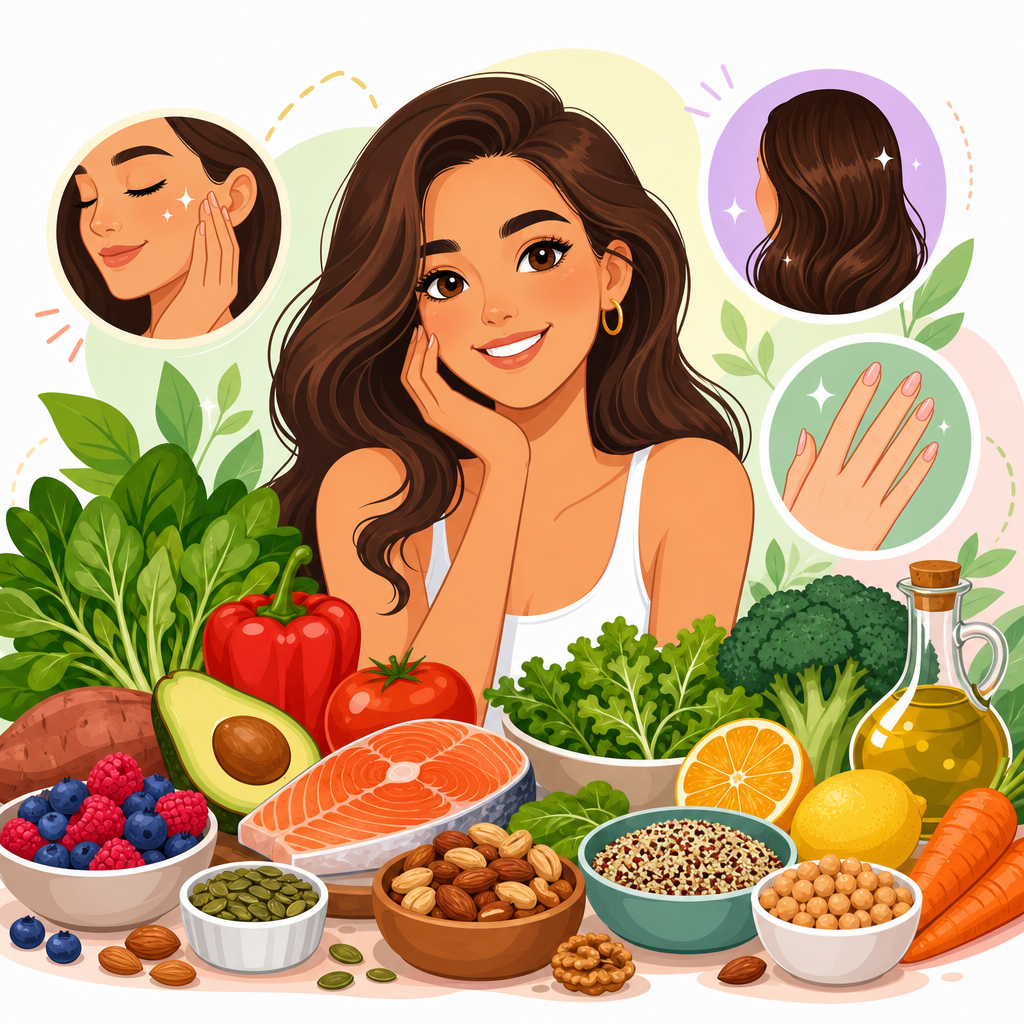
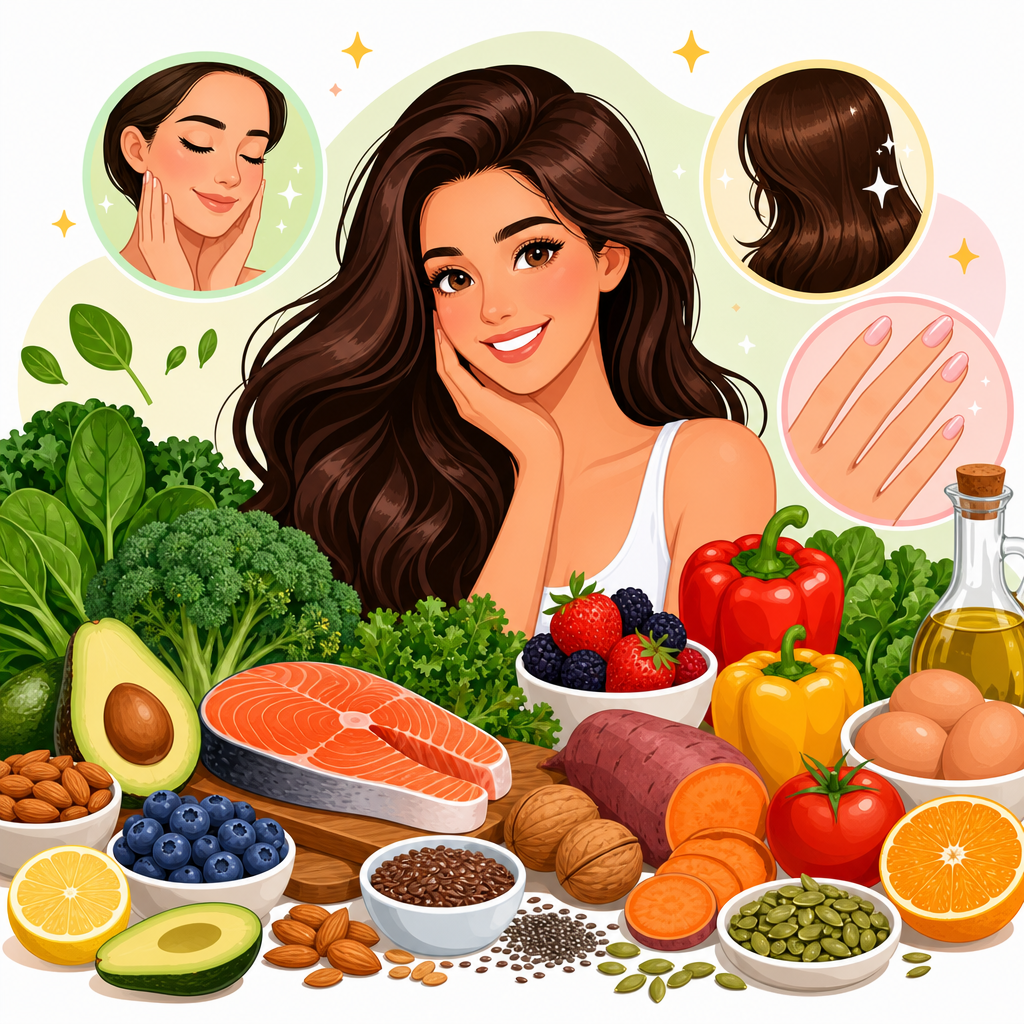
Foods for skin, hair, and nail health are not miracle cures, but nutrition does shape how these tissues grow, repair, and age. Skin is the body’s largest organ, hair is built mostly from the protein keratin, and nails are compact layers of hardened keratin that reflect both nutrient status and overall health. When people ask what to eat for glowing skin, stronger nails, or healthier hair, the most accurate answer is this: whole dietary patterns matter more than any single “beauty food.” In practice, I have seen the best results come from correcting protein gaps, improving essential fat intake, and adding nutrient-dense staples consistently rather than chasing powders, gummies, or expensive trend foods.
Science supports that approach. Skin structure depends on collagen, elastin, ceramides, water balance, and antioxidant defense. Hair follicles need steady energy, amino acids, iron, zinc, and several vitamins to support growth cycles. Nails grow slowly, roughly three millimeters per month for fingernails, and can become brittle when protein, iron, or certain micronutrients are low. Many common complaints, including dull skin, excess shedding, or splitting nails, are multifactorial. Diet can help, but so can sleep, sun protection, stress control, thyroid management, and treatment of dermatologic conditions such as acne, psoriasis, eczema, seborrheic dermatitis, and alopecia.
This makes food especially important because it addresses the foundation. Nutrient-rich foods provide building blocks for tissue formation, compounds that limit oxidative stress, and substrates that support the skin barrier and scalp environment. They also work in combinations the body recognizes: eggs provide protein plus biotin and selenium, salmon supplies protein plus omega-3 fats and vitamin D, and citrus fruits contribute vitamin C that supports collagen synthesis and improves nonheme iron absorption from beans and greens. For a hub page on nutrition for skin, hair, and nail health, the goal is to separate evidence-backed habits from marketing claims and show which foods, nutrients, and eating patterns are most consistently linked with visible, measurable benefits.
How nutrition affects skin, hair, and nails
Skin, hair, and nails are metabolically active tissues, but they are not nutritionally equal in the body’s priority system. During periods of inadequate intake, the body preferentially sends nutrients to essential organs and functions first. That is one reason visible changes can appear in hair and nails after illness, restrictive dieting, rapid weight loss, pregnancy, or severe stress. Hair shedding several months after a triggering event, called telogen effluvium, is a classic example. Nutrition is not the sole cause, yet inadequate intake often amplifies the problem.
Protein is the baseline requirement because keratin and collagen are protein-based structures. If total protein intake is chronically low, the body simply has fewer amino acids available for maintenance and growth. Beyond protein, iron supports oxygen transport and rapidly dividing cells in the hair matrix. Zinc participates in DNA synthesis, immune signaling, and wound healing. Vitamin C is required for collagen formation. Vitamin A helps regulate skin cell turnover, though more is not better because excess supplemental vitamin A can actually contribute to hair loss. Essential fatty acids influence inflammation, dryness, and barrier function. B vitamins help energy metabolism in growing tissues, and selenium contributes to antioxidant defense.
Hydration also matters, but it is commonly oversimplified. Drinking water will not erase wrinkles or replace moisturizer, yet inadequate fluid intake can worsen the look of dry skin in some people. More important is a dietary pattern that supports the epidermal barrier: adequate fat intake, enough protein, and foods rich in vitamins, minerals, and polyphenols. When clients improve these basics, their skin tends to look less reactive, their hair texture often improves, and nails usually become less brittle over time.
Protein-rich foods and collagen-supporting nutrients
If someone wants a practical starting point, I begin with protein quality and regularity. Hair follicles and nail beds do not benefit from sporadic “healthy” meals; they benefit from consistent intake. Eggs, Greek yogurt, cottage cheese, fish, poultry, tofu, tempeh, edamame, lentils, and beans are reliable staples. Animal proteins generally provide all essential amino acids in high amounts, while plant-based diets can absolutely support healthy skin, hair, and nails when total protein is sufficient and sources are varied.
Collagen supplements get attention, but foods that support collagen synthesis deserve equal focus. Vitamin C is indispensable because it acts as a cofactor in collagen formation. Citrus fruits, kiwifruit, strawberries, bell peppers, broccoli, and tomatoes are strong choices. Copper also plays a role in connective tissue formation and is found in nuts, seeds, legumes, whole grains, and shellfish. Bone broth is often promoted for collagen, but evidence that it improves appearance more than adequate total protein plus vitamin C remains limited. A balanced plate is still the stronger strategy.
In real meal planning, combinations matter. A lentil salad with bell peppers and lemon dressing supports both protein intake and iron absorption. Yogurt with berries provides protein plus vitamin C and polyphenols. Salmon with roasted broccoli supplies protein, omega-3 fats, and a collagen-supportive vegetable in one meal. These combinations are realistic, affordable, and easier to sustain than isolated beauty products.
Healthy fats, antioxidants, and the skin barrier
Dry, irritated, or inflamed skin often improves when dietary fat quality improves. The outermost skin layer relies on lipids, including ceramides and cholesterol, to reduce water loss and maintain barrier integrity. Omega-3 fatty acids, especially EPA and DHA from salmon, sardines, trout, herring, and mackerel, may help moderate inflammation and support scalp and skin comfort. Some studies suggest omega-3 intake can influence sensitivity to ultraviolet damage and inflammatory skin conditions, although it does not replace sunscreen.
Plant fats matter too. Avocados, extra-virgin olive oil, walnuts, chia seeds, flaxseeds, almonds, and sunflower seeds provide unsaturated fats along with vitamin E or polyphenols. Vitamin E is a lipid-soluble antioxidant that helps protect cell membranes from oxidative damage. Nuts and seeds also add selenium, copper, and zinc depending on the variety. This is why a Mediterranean-style eating pattern repeatedly shows up in discussions of healthy aging skin: it combines fish, olive oil, vegetables, legumes, fruits, nuts, and whole grains in a way that lowers inflammatory load and improves nutrient density.
Antioxidant-rich produce supports skin by helping counter oxidative stress generated by ultraviolet exposure, pollution, smoking, and normal metabolism. Berries, dark leafy greens, cocoa, green tea, tomatoes, carrots, and sweet potatoes contribute compounds such as carotenoids, flavonoids, and vitamin C. Carotenoids are especially interesting because higher intake can subtly influence skin tone and photoprotection. Tomatoes provide lycopene, carrots and sweet potatoes provide beta-carotene, and cooked vegetables sometimes improve carotenoid absorption when eaten with fat.
Key nutrients, top food sources, and what the evidence shows
People often search for the single best vitamin for hair growth or the best foods for glowing skin. The evidence does not support one superstar nutrient for everyone. Instead, the strongest benefits occur when a person corrects an actual insufficiency or consistently eats enough foods that provide the full set of growth and repair nutrients. The table below summarizes the nutrients with the clearest relevance and the foods most worth building into weekly meals.
| Nutrient | Main role | Best food sources | What science suggests |
|---|---|---|---|
| Protein | Builds keratin and collagen | Eggs, fish, dairy, poultry, tofu, beans | Low intake can worsen hair shedding and nail fragility |
| Iron | Supports oxygen delivery and follicle function | Red meat, lentils, beans, spinach, fortified cereals | Iron deficiency is linked with hair loss in some populations |
| Zinc | Cell growth, repair, immunity | Oysters, beef, pumpkin seeds, chickpeas | Deficiency can contribute to hair loss and delayed wound healing |
| Vitamin C | Collagen synthesis, antioxidant protection | Citrus, kiwi, berries, peppers | Adequate intake supports connective tissue and iron absorption |
| Omega-3 fats | Barrier support, inflammation regulation | Salmon, sardines, trout, walnuts, flax | May improve dryness and inflammatory skin symptoms |
| Biotin | Energy metabolism and keratin infrastructure | Eggs, nuts, seeds, legumes | Helps mainly when deficiency exists, which is uncommon |
| Selenium | Antioxidant defense | Brazil nuts, seafood, eggs | Both low and high intake can be harmful, so avoid megadoses |
One nuance matters here: supplementation is not automatically better than food. Biotin is a good example. It is widely marketed for hair and nails, but true deficiency is rare, and high-dose supplements can interfere with certain laboratory tests, including thyroid and cardiac biomarkers. Likewise, zinc and selenium are essential, yet overuse can cause problems. Food-first planning is safer, more balanced, and usually more effective for long-term appearance and tissue health.
Best foods to prioritize in a weekly routine
The most useful hub advice is not a list of fifty ingredients. It is a smaller set of foods you can rotate every week. Oily fish two times weekly is one of the highest-value habits because it covers protein, omega-3 fats, selenium, iodine, and often vitamin D. Eggs remain one of the most efficient foods for hair and nail support because they provide protein, biotin, selenium, choline, and lutein. Greek yogurt and kefir add protein and are easy breakfast anchors.
Among plant foods, berries, kiwifruit, and citrus are excellent for vitamin C and polyphenols. Sweet potatoes, carrots, and spinach add carotenoids, while beans and lentils provide plant protein, iron, zinc, and fiber that supports metabolic health. Nuts and seeds are practical for vitamin E, healthy fats, and trace minerals. Avocados and olive oil improve fat quality and help absorb carotenoids from vegetables. For people following vegetarian or vegan patterns, combining legumes, soy foods, whole grains, nuts, and seeds with vitamin C-rich produce is especially important.
There are also foods and patterns worth limiting. Highly restrictive diets, very low-calorie cleanses, and low-protein meal plans commonly precede hair shedding and brittle nails. Diets heavy in ultra-processed foods may increase inflammatory burden and displace more nutrient-dense choices. High-glycemic eating patterns can aggravate acne in some individuals, particularly when paired with excess energy intake. This does not mean perfect eating is required. It means visible tissues respond to consistency, not extremes.
Limits, myths, and when food is not enough
Nutrition can improve skin, hair, and nails, but it cannot correct every concern. Persistent acne may need dermatologic treatment. Sudden or patchy hair loss can signal alopecia areata, thyroid disease, iron deficiency, medication effects, or autoimmune conditions. Spoon-shaped nails, severe brittleness, or pigment changes warrant medical evaluation. In those cases, food supports recovery, but diagnosis drives results.
It is also a myth that more supplements always mean faster beauty benefits. Excess vitamin A can contribute to hair loss. Too much selenium can cause nail changes and shedding. Collagen powders may help some people meet protein goals, but they are not a substitute for balanced meals and they are incomplete proteins unless paired with other sources. The strongest evidence-based approach remains simple: eat adequate protein, include colorful produce daily, prioritize fish or other quality fats, correct documented deficiencies, and protect the skin with sunscreen.
For most people, the visible payoff comes gradually. Skin turnover takes weeks, fingernails take months to grow out, and hair changes are slow because follicles move through defined growth cycles. That timeline is normal. If you want foods for skin, hair, and nail health to deliver real benefits, build meals around protein, produce, legumes, nuts, seeds, and healthy fats, then stay consistent long enough for biology to catch up. Start with a weekly plan, repeat what works, and let food do its quiet, cumulative job.
Frequently Asked Questions
What foods are actually good for skin, hair, and nail health?
The best foods for skin, hair, and nail health are not exotic “beauty foods,” but nutrient-dense staples that support normal tissue growth, repair, and protection. Skin, hair, and nails all depend on an adequate intake of protein, vitamins, minerals, healthy fats, and antioxidants. Protein-rich foods such as eggs, fish, poultry, Greek yogurt, beans, lentils, tofu, and lean meats help provide the amino acids needed to build keratin, the structural protein found in hair and nails. For skin, healthy fats from salmon, sardines, walnuts, chia seeds, flaxseeds, and extra-virgin olive oil help support the skin barrier, which plays an important role in moisture retention and resilience.
Colorful fruits and vegetables are especially valuable because they provide vitamin C, carotenoids, polyphenols, and other antioxidants that help protect cells from oxidative stress. Citrus fruits, berries, kiwi, bell peppers, tomatoes, sweet potatoes, carrots, spinach, and kale are all useful examples. Vitamin C is particularly important because it helps the body produce collagen, a key structural component of skin. Minerals also matter. Zinc from seafood, meat, beans, pumpkin seeds, and dairy supports tissue repair and immune function, while iron from red meat, lentils, beans, spinach, and fortified foods helps deliver oxygen to actively growing cells, including those involved in hair growth.
In practice, the strongest evidence supports a balanced eating pattern rather than any one “glow-boosting” ingredient. A plate built around protein, produce, whole grains, nuts or seeds, and healthy fats will generally do more for long-term skin, hair, and nail health than chasing trendy supplements or single superfoods. If someone’s diet is highly restrictive or low in calories overall, that can affect these tissues more noticeably than the absence of any one specific food.
Can diet really improve skin, hair, and nails, or is that mostly marketing?
Diet can absolutely influence skin, hair, and nails, but it is often oversimplified in marketing. These tissues are biologically active and depend on a steady supply of nutrients to grow and maintain themselves. If the body is short on protein, essential fats, iron, zinc, or certain vitamins, it may show up over time as dry skin, slower wound healing, increased hair shedding, brittle nails, or nails that split easily. That said, nutrition is only one part of the picture. Genetics, hormones, age, stress, sleep, medical conditions, medications, smoking, sun exposure, and hair or nail care habits all matter too.
This is why food should be viewed as supportive, not magical. A healthy diet can help create the conditions for stronger tissue growth and better barrier function, but it will not erase every cosmetic concern. For example, eating well may support skin hydration and normal collagen production, but it will not completely prevent wrinkles caused by aging and sun damage. Similarly, a balanced diet can support healthy hair growth, but it may not reverse hair loss caused by thyroid disease, androgenetic alopecia, autoimmune conditions, or postpartum hormone shifts.
The most science-based message is that good nutrition helps these tissues function as they are designed to function. If someone improves their overall diet, they may notice benefits such as less nail breakage, improved skin texture, or reduced excessive shedding over time. But results are rarely overnight, and they are usually most noticeable when the person was undernourished, dieting aggressively, or lacking key nutrients to begin with.
Which nutrients matter most for glowing skin, stronger nails, and healthy hair growth?
Several nutrients stand out because they are directly involved in the structure and maintenance of skin, hair, and nails. Protein is foundational because hair and nails are made largely of keratin, and skin also depends on protein-rich structural components. Without enough protein, the body may prioritize more critical organs over visible tissues like hair and nails. Iron is another major player, especially for hair. Low iron status can contribute to hair shedding in some people, particularly menstruating women and those eating very little or following restrictive diets.
Zinc supports tissue repair, immune function, and normal cell turnover, all of which matter for skin and scalp health. Vitamin C is essential for collagen formation and also acts as an antioxidant. Vitamin A helps regulate skin cell turnover, although more is not better; excessive vitamin A from supplements can actually contribute to hair loss and other health problems. Omega-3 fats may help support the skin barrier and moderate inflammation. Biotin is often heavily advertised for hair and nails, but deficiency is uncommon in the general population. While severe biotin deficiency can affect hair and nails, high-dose supplements are not automatically useful for everyone and can interfere with certain lab tests.
Other nutrients that deserve attention include selenium, vitamin E, vitamin D, B vitamins, and copper, all of which play supporting roles in cell protection, growth, and repair. The key point is that these nutrients work together through whole foods. That is why dietary patterns rich in seafood, eggs, legumes, dairy or fortified alternatives, fruits, vegetables, nuts, seeds, and whole grains are more reliable than relying on one supplement or beauty blend. If there is concern about deficiency, testing and individualized medical guidance are more useful than guessing.
How long does it take to see results from eating better for skin, hair, and nails?
Nutrition-related changes in skin, hair, and nails usually take time because these tissues grow gradually. Skin may show changes first, especially if someone improves hydration, increases intake of healthy fats, or starts eating more fruits and vegetables consistently. Some people notice better skin texture or less dryness within a few weeks, but more structural changes are slower and depend heavily on other factors such as skincare, sun exposure, sleep, and stress levels.
Hair takes longer because it grows in cycles and only about a fraction of hair is actively growing at any moment. If someone increases protein intake or corrects an iron deficiency, it may still take several months to notice less shedding or improved thickness in new growth. Nails also require patience. Fingernails grow slowly, so visible improvement in brittleness or splitting may take a few months as healthier nail replaces older nail. Toenails take even longer.
This delayed timeline is one reason many people underestimate the impact of diet. They may expect dramatic changes in a week or two, when the biology simply does not work that way. Consistency matters more than intensity. A sustainable eating pattern followed for months is far more likely to support visible improvements than a short cleanse, detox, or trendy challenge. If symptoms are severe, sudden, or worsening despite a nutritious diet, that may point to an underlying health issue rather than a simple food gap.
Are supplements necessary for better skin, hair, and nails?
Supplements are not automatically necessary, and for many people they are not the best starting point. If someone eats a varied, adequate diet and has no known deficiencies, supplements may offer little visible benefit. Food provides a broader mix of nutrients, fiber, fats, and protective plant compounds that work together in ways isolated pills cannot fully replicate. In addition, some hair, skin, and nail supplements contain doses far above daily needs, which may be unnecessary or occasionally harmful.
There are situations where supplements can be useful. People with diagnosed deficiencies, limited diets, digestive disorders that impair absorption, heavy menstrual losses, recent illness, or increased nutritional needs may benefit from targeted supplementation under professional guidance. Iron, vitamin D, zinc, omega-3s, or other nutrients may help when there is a true need. But more is not always better. Too much selenium, vitamin A, or zinc can backfire and may even contribute to hair loss, nail changes, or other health problems. Biotin deserves special caution because high doses can interfere with laboratory testing, including some thyroid and heart-related tests.
The most evidence-based approach is to focus first on dietary quality, then investigate possible deficiencies if symptoms suggest them. Persistent hair thinning, brittle nails, or skin changes can sometimes reflect anemia, thyroid problems, autoimmune conditions, hormonal shifts, or other medical issues. In those cases, supplements alone are unlikely to fix the root cause. A food-first strategy, combined with medical evaluation when needed, is the most reliable path for supporting skin, hair, and nail health.