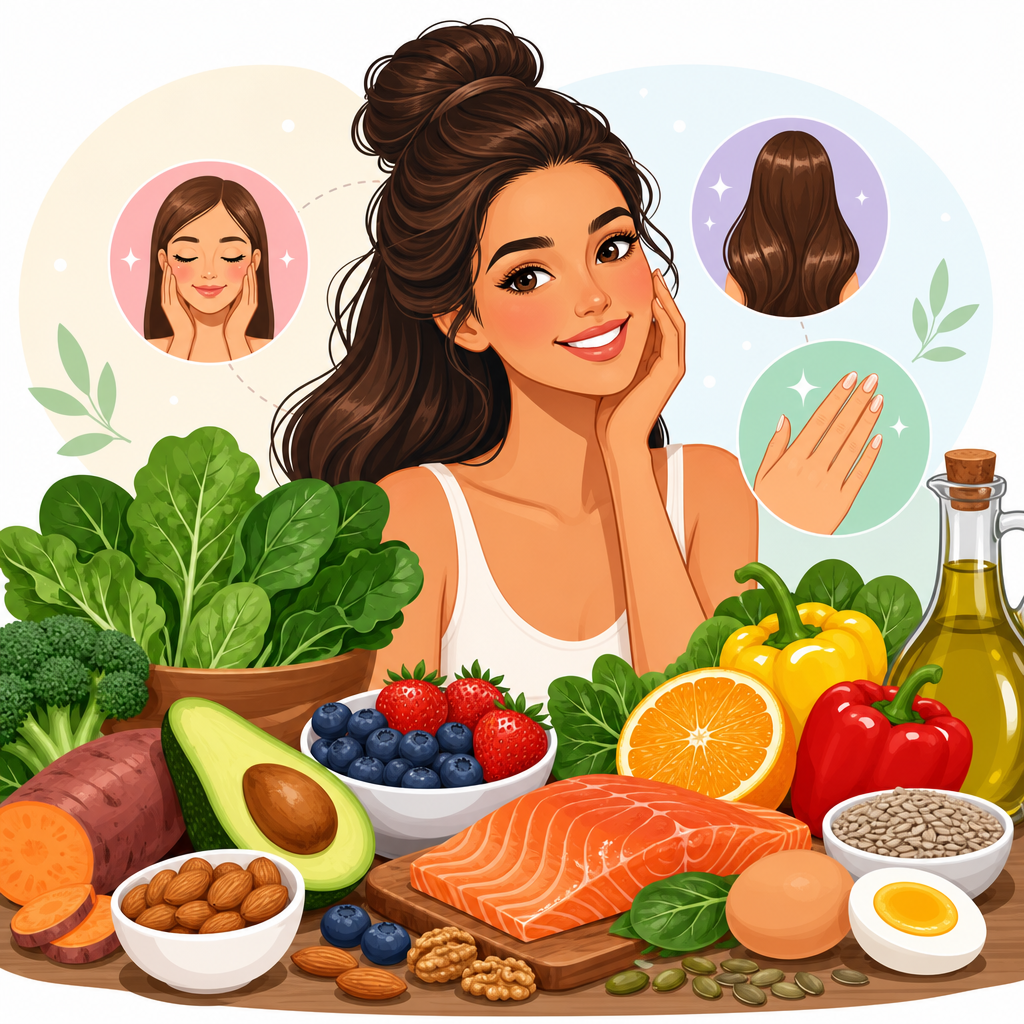
Choosing the best sources of foods for skin, hair, and nail health starts with a simple truth: these tissues reflect overall nutrition status more quickly than many people realize. Skin is the body’s largest organ, hair is built primarily from the protein keratin, and nails are hardened plates of the same structural family. When energy intake, protein quality, essential fats, vitamins, minerals, or hydration fall short, changes often appear first as dull skin, brittle nails, slow growth, shedding, poor wound healing, or dryness. I have seen this pattern repeatedly when reviewing food logs and lab work: people often search for a miracle supplement, yet the foundation is almost always dietary pattern, meal consistency, and nutrient density.
Foods for skin, hair, and nail health matter because these tissues are metabolically active and constantly renewing. The outer layer of skin turns over continuously, hair follicles cycle through growth and rest phases, and nails grow from a matrix that depends on adequate blood flow and nutrient supply. “Optimal health” in this context does not mean cosmetic perfection. It means supporting barrier function, collagen formation, antioxidant defense, sebum balance, scalp health, pigment maintenance, and normal tissue repair through food. The most useful approach is not one “beauty food” but a repeatable eating pattern built around protein-rich foods, colorful produce, healthy fats, mineral-dense staples, and adequate fluids.
Several nutrients deserve special attention. Protein supplies amino acids needed for keratin and collagen-related structures. Vitamin C supports collagen synthesis and helps regenerate antioxidants. Vitamin A helps regulate skin cell turnover, though too much from supplements can be harmful. Vitamin E protects cell membranes from oxidative stress. Zinc contributes to wound healing and normal hair follicle function. Iron supports oxygen delivery, and low iron is a common contributor to hair shedding, especially in menstruating women. Selenium, copper, iodine, biotin, omega-3 fatty acids, and B vitamins also play meaningful roles. A food-first strategy works best because whole foods package these nutrients together in physiologic amounts.
This hub article explains which foods deliver the strongest evidence-based benefits, how to combine them into practical meals, and where diet ends and medical evaluation begins. It also serves as a central guide within nutrition for health and wellness by connecting the major subtopics people ask about most: collagen support, hair growth nutrition, nail strength, acne-friendly eating, dry skin support, and nutrient deficiencies that affect appearance. If you want stronger nails, healthier-looking hair, and resilient skin, the right question is not “What supplement should I buy?” but “Which foods should show up on my plate every week?”
Protein-Rich Foods Build the Structural Foundation
The best foods for skin, hair, and nail health begin with protein because all three tissues rely on structural proteins. Hair and nails are largely made of keratin, while skin depends on collagen, elastin, and a well-maintained extracellular matrix. In practice, I look first at whether someone is eating enough total protein across the day, not just at dinner. Eggs, Greek yogurt, cottage cheese, fish, poultry, lean meat, tofu, tempeh, edamame, beans, lentils, and milk are dependable choices. Distributing protein across breakfast, lunch, and dinner improves access to amino acids such as lysine, proline, glycine, cysteine, and methionine, which support tissue maintenance.
Eggs are especially useful because they provide complete protein along with biotin, selenium, iodine, and vitamin B12. Fish and poultry add highly bioavailable protein, while dairy contributes leucine and other essential amino acids that help preserve lean mass during weight loss, a time when hair shedding can increase if intake drops too low. Plant proteins also work well when varied thoughtfully. Soy foods are particularly strong options because they are complete proteins, while beans and grains together broaden amino acid coverage. For people following vegetarian or vegan diets, consistent protein planning is not optional if the goal is healthy skin, hair, and nails.
Rapid dieting is one of the most overlooked threats to appearance-related health. Telogen effluvium, a form of diffuse hair shedding, often appears two to three months after major stress, illness, surgery, or severe calorie restriction. In these cases, the problem is not vanity; it is physiology. The body prioritizes essential systems over hair growth when energy or protein is limited. A practical benchmark for many adults is including a meaningful protein source at each meal and recovery snack. That habit alone often improves nail strength, satiety, and the consistency needed to support tissue repair.
Healthy Fats and Colorful Produce Protect Skin Function
Healthy fats and produce-rich meals do more than improve general wellness; they directly support the skin barrier, inflammation balance, and protection against oxidative damage. Fatty fish such as salmon, sardines, trout, herring, and mackerel provide omega-3 fats EPA and DHA, which help maintain cell membranes and may calm inflammatory pathways relevant to dry or reactive skin. Walnuts, chia seeds, flaxseeds, and hemp seeds contribute alpha-linolenic acid, a plant omega-3, though conversion to EPA and DHA is limited. Avocados, extra-virgin olive oil, nuts, and seeds also supply vitamin E and monounsaturated fats that support skin softness and membrane stability.
Colorful fruits and vegetables are essential because they provide vitamin C, carotenoids, polyphenols, potassium, and water. Citrus, strawberries, kiwi, bell peppers, broccoli, and Brussels sprouts are reliable vitamin C foods that support collagen formation. Carotenoid-rich foods such as carrots, sweet potatoes, pumpkin, spinach, kale, mango, and tomatoes help defend skin against oxidative stress. Tomatoes are notable for lycopene, especially when cooked with oil, which improves absorption. Berries contribute anthocyanins, and dark leafy greens provide folate, magnesium, and a broad antioxidant profile. These compounds do not replace sunscreen or dermatologic care, but they strengthen the internal side of skin resilience.
People often ask whether “glowing skin foods” are real. The accurate answer is yes, but not in the exaggerated way social media suggests. In clinical nutrition work, the clearest improvement usually comes from replacing ultra-processed snacks and sugar-sweetened drinks with meals built from fish, yogurt, eggs, vegetables, fruit, legumes, olive oil, nuts, and whole grains. That swap raises nutrient density, steadies blood sugar, and lowers the likelihood that hidden deficiencies or inflammatory eating patterns will affect the skin. Benefits are gradual, but they are real and more durable than any single topical trend.
Key Vitamins and Minerals That Influence Hair Growth and Nail Strength
Micronutrients often determine whether a generally healthy diet translates into visible tissue health. Iron is one of the first nutrients to review when hair shedding, fatigue, pallor, or poor exercise tolerance are present. Heme iron from red meat, clams, mussels, oysters, and dark poultry meat is absorbed more efficiently than nonheme iron from beans, lentils, tofu, spinach, pumpkin seeds, and fortified cereals. Pairing plant iron with vitamin C improves absorption. Zinc is another critical mineral for hair follicles, skin repair, and nail health; oysters are the richest source, followed by beef, poultry, yogurt, cheese, beans, nuts, and seeds.
Selenium supports antioxidant enzymes such as glutathione peroxidase, and Brazil nuts are famous for it, though portion control matters because too much selenium can cause hair loss and brittle nails. Iodine helps maintain thyroid function, which strongly influences skin texture, hair growth, and nail quality. Seafood, dairy, eggs, and iodized salt are practical sources. Copper contributes to connective tissue formation and pigment biology; it is found in shellfish, nuts, seeds, whole grains, and organ meats. Biotin deficiency is uncommon, but eggs, salmon, pork, legumes, seeds, and sweet potatoes still earn a place because they contribute to overall nutrient density.
Vitamin A deserves nuance. Adequate intake helps with normal epithelial function, but high-dose supplements can worsen hair loss and create toxicity risks. The safest routine strategy is obtaining most vitamin A from carotenoid-rich produce and normal food portions of dairy and eggs unless a clinician directs otherwise. B vitamins, particularly B12 and folate, matter for cell division. Vitamin D also influences hair follicle cycling and immune function, although food sources are limited mainly to fatty fish, eggs, and fortified dairy or plant milks. When symptoms suggest a deficiency, lab assessment is more useful than guessing.
| Nutrient | Primary Role | Top Food Sources | Common Signs of Low Intake |
|---|---|---|---|
| Protein | Keratin and tissue repair | Eggs, fish, Greek yogurt, tofu, lentils | Brittle nails, shedding, slow healing |
| Iron | Oxygen delivery to growing tissues | Clams, beef, lentils, tofu, fortified cereal | Hair shedding, fatigue, pale skin |
| Zinc | Follicle function and wound healing | Oysters, beef, yogurt, beans, pumpkin seeds | Hair loss, poor healing, rash |
| Vitamin C | Collagen synthesis and antioxidant support | Bell peppers, citrus, kiwi, berries, broccoli | Easy bruising, poor healing, dull skin |
| Omega-3 fats | Membrane integrity and inflammation balance | Salmon, sardines, trout, walnuts, chia | Dry skin, low seafood intake pattern |
Best Whole Foods by Goal: Skin Barrier, Hair Growth, and Stronger Nails
If the goal is a stronger skin barrier, prioritize salmon, sardines, avocados, extra-virgin olive oil, walnuts, chia seeds, yogurt, cucumbers, oranges, and leafy greens. This combination covers omega-3 fats, vitamin E, hydration, potassium, protein, and antioxidant compounds. For collagen support, build meals around vitamin C foods with protein: grilled chicken and peppers, Greek yogurt with berries and kiwi, or tofu stir-fry with broccoli. Bone broth is popular, but it is not nutritionally equivalent to a complete protein source unless the rest of the meal fills the amino acid gaps.
If the goal is hair growth support, focus on adequate calories first, then add iron-rich and zinc-rich foods. A useful weekly rotation includes eggs at breakfast, lentil soup with citrus-dressed greens, salmon with sweet potato, lean beef with beans, and yogurt with pumpkin seeds. For people with textured hair or hair damaged by heat and chemical processing, diet will not undo external damage, but it can improve the quality of new growth from the follicle. If the goal is stronger nails, regular protein intake, iron adequacy, hydration, and mineral-rich foods matter more than trendy powders. Cottage cheese, eggs, edamame, tuna, oats, almonds, and beans are practical staples.
Acne adds another layer. Not every breakout is food-related, but some people do better when they reduce high-glycemic diets built around sugary drinks, sweets, and refined snacks. Replacing those with high-fiber meals, legumes, intact grains, and protein can improve insulin signaling, which may help some acne patterns. Dairy is more complicated: yogurt and kefir often fit well, while some people notice flares with certain milk patterns. The evidence is mixed, so personalized observation matters. A hub approach works best here: identify the concern, match the likely nutrition drivers, and then build meals around whole foods rather than elimination without a reason.
How to Choose, Shop, and Build Meals That Work Every Week
The most effective diet for skin, hair, and nail health is the one you can repeat under real-life conditions. Start by shopping from five core categories: protein, produce, healthy fats, whole grains or legumes, and hydration-supporting staples. For protein, keep eggs, canned salmon, tuna, Greek yogurt, tofu, or rotisserie chicken on hand. For produce, buy berries, citrus, bell peppers, carrots, spinach, tomatoes, and sweet potatoes because they cover vitamin C and carotenoids efficiently. For fats, stock olive oil, walnuts, almonds, peanut butter, flax, or chia. Add beans, lentils, oats, quinoa, or brown rice for fiber and minerals.
Then build simple plates. Breakfast can be Greek yogurt with berries, chia, and pumpkin seeds, or eggs with spinach and whole-grain toast. Lunch can be a salmon grain bowl with tomatoes, cucumbers, olive oil, and lemon, or a lentil salad with peppers and feta. Dinner can be tofu stir-fry with broccoli and brown rice, or chicken with sweet potato and Brussels sprouts. Snacks that actually support appearance-related nutrition include cottage cheese with fruit, edamame, nuts, roasted chickpeas, and kefir. These combinations provide the repeated exposures to protein, vitamin C, iron, zinc, and healthy fats that tissues need over time.
Hydration matters, but it is often oversimplified. Drinking water does not instantly cure dry skin if the real issue is low fat intake, eczema, harsh cleansers, or a dry climate. Still, chronic underhydration can make skin feel less comfortable and may affect overall function. Water, milk, fortified soy milk, tea, soups, fruit, and vegetables all contribute. Alcohol excess works against skin quality by disrupting sleep, increasing dehydration, and sometimes worsening redness. Smoking is even more consequential because it damages blood vessels and collagen. Nutrition helps most when combined with these broader health behaviors.
When Food Is Not Enough: Red Flags, Testing, and Smart Supplement Use
Food should be the base, but some situations call for clinical evaluation. Sudden or heavy hair loss, patchy loss, scalp pain, deeply ridged nails, spoon-shaped nails, severe acne, cracking at the corners of the mouth, persistent rashes, or wounds that heal poorly warrant medical review. Iron deficiency, thyroid disease, autoimmune conditions, eating disorders, malabsorption, medication effects, and hormonal changes can all show up through skin, hair, and nails. In practice, I often recommend discussing ferritin, complete blood count, thyroid markers, vitamin B12, vitamin D, and zinc with a clinician when symptoms and diet history point in that direction.
Supplements can help when a deficiency is confirmed or intake is predictably inadequate, but “more” is not better. High doses of vitamin A, selenium, zinc, or biotin can backfire or interfere with testing. Biotin, in particular, can distort certain laboratory results, including some thyroid and cardiac assays. Collagen peptides are widely used and may help some people increase total protein intake, but they are supplements to a solid diet, not replacements for protein-rich meals. If you choose one, pair it with vitamin C foods and keep expectations realistic. The visible payoff from nutrition typically takes weeks to months because hair growth and nail growth are slow biological processes.
The core message is straightforward: the best foods for skin, hair, and nail health are the same foods that support overall health, just selected with more precision. Prioritize protein at every meal, include omega-3-rich seafood regularly, eat colorful fruits and vegetables daily, and cover key minerals with foods such as eggs, yogurt, beans, lentils, shellfish, nuts, and seeds. Build meals that you can sustain, not short detoxes that leave you underfed. When symptoms are pronounced, investigate possible deficiencies instead of guessing. Start by upgrading this week’s grocery list with a few proven staples, and let consistency do the visible work.
Frequently Asked Questions
What nutrients matter most when choosing foods for healthy skin, hair, and nails?
The most important place to start is with overall nutrition, not a single “beauty food” or trendy supplement. Skin, hair, and nails depend heavily on adequate protein, because hair and nails are made largely from keratin, a structural protein, and skin constantly repairs and renews itself. High-quality protein foods such as eggs, fish, poultry, Greek yogurt, beans, lentils, tofu, and lean meats help provide the amino acids needed for growth and maintenance. Essential fats are also critical, especially omega-3 fatty acids from salmon, sardines, trout, walnuts, chia seeds, and flaxseeds, because they help support the skin barrier, moisture balance, and inflammation control.
Micronutrients are just as important. Vitamin C supports collagen formation and helps the body absorb iron, so foods like citrus fruits, strawberries, kiwi, bell peppers, and broccoli are especially valuable. Vitamin A from sweet potatoes, carrots, spinach, and eggs supports normal skin turnover, while vitamin E from nuts, seeds, and avocado helps protect cells from oxidative stress. Zinc supports tissue repair and hair follicle function, and can be found in shellfish, beef, pumpkin seeds, beans, and dairy. Iron is another key nutrient, especially for people with fatigue, hair shedding, or restrictive diets, because low iron status can affect oxygen delivery to tissues. Biotin gets a lot of attention, but in most people it is best obtained from foods such as eggs, nuts, seeds, and legumes rather than relied on as a miracle solution. The big takeaway is that strong skin, hair, and nails usually reflect a balanced diet rich in protein, healthy fats, colorful produce, and mineral-dense whole foods.
Which foods are considered some of the best choices for improving skin, hair, and nail health naturally?
The best foods are those that deliver multiple nutrients at once. Fatty fish such as salmon, mackerel, and sardines are excellent because they provide protein, omega-3 fats, selenium, and in some cases vitamin D. Eggs are another standout food because they contain protein, biotin, selenium, and other nutrients involved in tissue growth. Greek yogurt and cottage cheese offer protein and minerals, while beans and lentils provide plant protein, iron, zinc, and fiber, making them especially useful in plant-forward eating patterns.
For skin support, colorful fruits and vegetables deserve a central role. Berries, oranges, kiwi, tomatoes, spinach, kale, red peppers, and sweet potatoes supply antioxidants and vitamins that help support collagen, protect against environmental stress, and promote healthy skin turnover. Nuts and seeds, including almonds, walnuts, sunflower seeds, chia seeds, and pumpkin seeds, add vitamin E, healthy fats, zinc, and trace minerals that support both skin moisture and nail strength. Avocados are often highlighted for good reason, since they contribute healthy fats, vitamin E, and a satisfying texture that makes balanced meals easier to maintain. Oysters are frequently discussed in conversations about hair and skin because they are rich in zinc, though other zinc-containing foods can also help. In practical terms, the best approach is not to rely on one “superfood,” but to build meals around a variety of protein-rich foods, healthy fats, and produce so your body consistently receives the materials it needs to maintain these tissues.
Can poor diet really cause dull skin, brittle nails, or hair shedding?
Yes, it can, and in many cases these external changes are among the earliest visible signs that nutrition needs attention. Because skin, hair, and nails are continuously growing or renewing, they are sensitive to low energy intake, poor protein intake, nutrient deficiencies, and rapid shifts in eating patterns. When the body does not get enough calories or protein, it prioritizes essential functions first. As a result, hair growth may slow, shedding may increase, skin may appear dry or less vibrant, and nails may become thin, weak, or prone to splitting.
Specific deficiencies can also play a role. Low iron intake or low iron stores are commonly associated with hair shedding in some individuals. Inadequate zinc can affect tissue repair and nail quality. Insufficient intake of essential fats may contribute to dry, irritated skin. Very restrictive diets, frequent meal skipping, or rapid weight loss plans can create a broad nutrient shortfall that shows up physically over time. Hydration also matters, although drinking more water alone will not fix poor overall nutrition. It is worth remembering that these symptoms are not always caused by diet alone. Hormonal changes, thyroid issues, stress, illness, genetics, medications, and skin conditions can all affect appearance and growth. Still, nutrition is one of the most important and most modifiable factors, so if skin, hair, or nails seem to be changing, reviewing diet quality is a smart first step.
Is it better to get nutrients for skin, hair, and nails from food or supplements?
For most people, food should be the first choice. Whole foods deliver nutrients in balanced combinations that work together naturally. For example, beans provide iron along with other minerals and fiber, citrus fruits provide vitamin C that helps iron absorption, and salmon provides protein plus omega-3 fats in one package. Foods also contain many beneficial compounds that supplements do not fully replicate, including phytonutrients and antioxidant compounds that support overall health. In addition, food-based nutrition tends to be safer because it is less likely to push intake into excessive ranges.
Supplements can be helpful in certain situations, but they work best when they address a confirmed gap or a clear increased need. Someone with low iron, a medically identified deficiency, a highly restricted diet, or a condition affecting absorption may benefit from targeted supplementation under professional guidance. Taking large amounts of biotin, zinc, vitamin A, or other nutrients without a true need is not automatically better and can sometimes be counterproductive. Excess intake of some nutrients may even worsen other imbalances or interfere with lab testing. If a person is concerned about persistent hair loss, brittle nails, or ongoing skin changes, it is more effective to evaluate the full picture, including diet pattern, medical history, and possible nutrient deficiencies, rather than assuming a beauty supplement will solve the problem. A strong foundation built on whole foods remains the most reliable strategy.
How can someone build meals that support healthier skin, hair, and nails on a daily basis?
A practical daily plan starts by including a quality protein source at each meal. That could mean eggs at breakfast, Greek yogurt with seeds, a lentil bowl at lunch, salmon or chicken at dinner, or tofu in a stir-fry. Pairing protein with colorful produce is one of the simplest ways to improve nutrient intake for skin, hair, and nails. For example, an omelet with spinach and peppers, yogurt with berries and walnuts, a grain bowl with beans, avocado, and tomatoes, or grilled fish with broccoli and sweet potatoes all deliver a useful mix of amino acids, vitamins, minerals, and healthy fats.
It also helps to think in terms of consistency rather than quick fixes. Include healthy fats regularly from fish, olive oil, avocado, nuts, and seeds. Rotate fruits and vegetables to widen nutrient coverage. Choose iron-rich foods such as lean meats, beans, lentils, spinach, or fortified foods, and pair plant-based iron sources with vitamin C-rich produce to improve absorption. Stay hydrated throughout the day, but remember that hydration works best alongside adequate nutrition. Limiting overly processed foods is reasonable, but there is no need for perfection; the goal is a steady pattern of nutrient-dense meals. If someone follows a vegetarian, vegan, or otherwise restrictive eating style, planning becomes even more important to ensure enough protein, iron, zinc, omega-3 fats, and vitamin B12 where needed. Over time, a balanced routine built around whole foods supports not just appearance, but the underlying health that skin, hair, and nails naturally reflect.