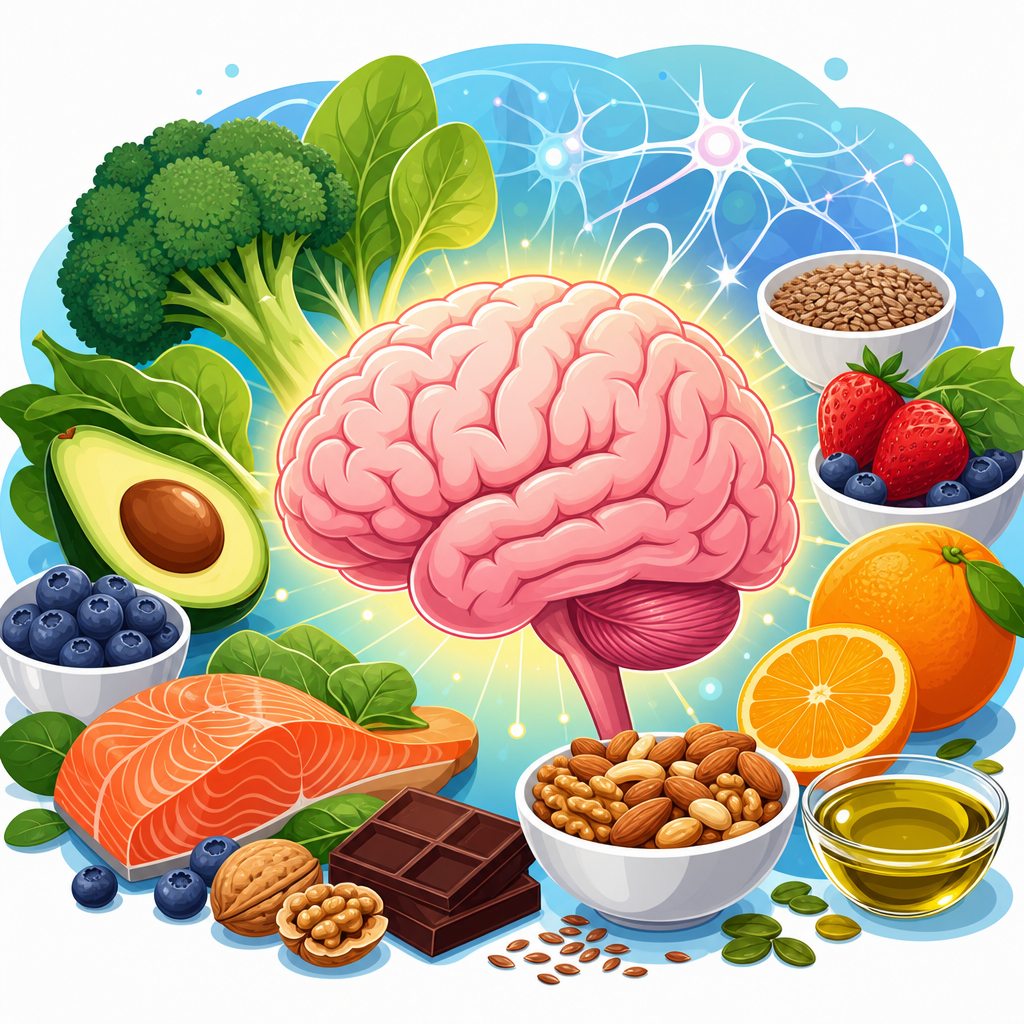
Brain-boosting foods for cognitive function influence memory, attention, processing speed, and long-term brain health more than most people realize. Cognitive function refers to the mental processes that let you learn, focus, solve problems, regulate emotions, and retrieve information. When people ask what to eat for a sharper brain, they usually mean foods that support neurotransmitter production, stable blood sugar, healthy blood flow, lower inflammation, and protection against oxidative stress. In practice, that means nutrition patterns matter more than any single “superfood,” although certain foods consistently stand out because their nutrient profiles align with how the brain actually works.
I have seen this repeatedly while building nutrition plans for adults dealing with brain fog, students under exam pressure, and older clients worried about memory changes. The biggest gains rarely come from exotic supplements. They come from correcting common dietary gaps: too little omega-3 fat, inconsistent protein intake, low fiber, excessive ultra-processed snacks, dehydration, and erratic meal timing. The brain uses roughly 20 percent of the body’s energy at rest, yet it is highly sensitive to nutrient quality. A lunch that spikes and crashes blood glucose can impair concentration within hours, while a balanced meal with protein, fiber, and unsaturated fats supports steadier mental performance.
This guide explains which brain-boosting foods for cognitive function deserve a central place in a healthy diet, why they work, and how to use them in real life. It also clarifies where evidence is strong, where claims are overstated, and how to think about food choices across the lifespan. If you want a practical hub for nutrition and brain health, start here: focus on whole foods, consistent eating patterns, and key nutrients with proven relevance to cognition.
How Food Supports Cognitive Function
The brain depends on a continuous supply of glucose, oxygen, amino acids, fatty acids, vitamins, minerals, and water. Unlike muscle, it cannot store much fuel, so meal quality and timing affect mental performance quickly. Four mechanisms matter most. First, blood sugar regulation: whole grains, legumes, vegetables, and protein slow digestion and help prevent the energy swings that disrupt attention. Second, circulation: foods rich in nitrates, flavanols, and healthy fats can support endothelial function, which helps blood vessels deliver oxygen and nutrients efficiently. Third, inflammation and oxidative stress: berries, leafy greens, olive oil, nuts, and fish provide compounds that help limit cellular damage linked with cognitive decline. Fourth, neurotransmitter synthesis: proteins supply amino acids such as tyrosine and tryptophan, while vitamins like B6, folate, and B12 act as cofactors in chemical signaling.
Research on dietary patterns is often more convincing than studies on isolated ingredients. The Mediterranean diet and the MIND diet are the two most consistently studied approaches for brain health. Both emphasize vegetables, berries, legumes, olive oil, nuts, whole grains, and fish while limiting refined sweets, fried foods, and heavily processed meats. Large observational studies have linked these patterns with slower cognitive decline and lower risk of dementia, though observational evidence cannot prove causation by itself. Still, the biological logic is strong, and intervention trials generally support benefits for cardiovascular markers and, in some cases, memory and executive function.
Top Brain-Boosting Foods and Their Key Benefits
Certain foods repeatedly appear in high-quality research because they deliver nutrients the brain uses directly. Fatty fish such as salmon, sardines, trout, and mackerel provide DHA and EPA, omega-3 fats that are structurally important in neuronal membranes. DHA is especially concentrated in the brain and retina. Berries, especially blueberries and strawberries, contain anthocyanins and other polyphenols associated with better neuronal signaling and reduced oxidative stress. Leafy greens like spinach, kale, and Swiss chard offer folate, vitamin K, lutein, and nitrates. Eggs contribute choline, which helps produce acetylcholine, a neurotransmitter involved in memory and learning. Nuts and seeds provide vitamin E, magnesium, selenium, and healthy fats.
Legumes deserve more attention in conversations about cognitive function. Beans, lentils, and chickpeas are rich in fiber and provide slow-release carbohydrate, which helps maintain stable glucose availability for the brain. Whole grains do something similar, especially oats, quinoa, brown rice, and minimally processed wheat products. Fermented dairy such as yogurt and kefir may support the gut-brain axis through probiotics and bioactive peptides, although not every product has clinically meaningful strains. Cocoa, green tea, and coffee can also support cognitive performance when used strategically. Their effects come from caffeine, flavanols, and L-theanine, but dose matters. Too much caffeine can increase anxiety, impair sleep, and worsen next-day focus.
| Food | Primary Brain-Relevant Nutrients | How It Helps Cognitive Function | Simple Use |
|---|---|---|---|
| Salmon | DHA, EPA, protein, vitamin D | Supports neuronal membranes and anti-inflammatory balance | Bake with olive oil twice weekly |
| Blueberries | Anthocyanins, vitamin C, fiber | May improve signaling, oxidative defense, and memory | Add to oatmeal or yogurt |
| Spinach | Folate, vitamin K, lutein, nitrates | Supports blood flow and healthy aging of the brain | Use in salads, soups, eggs |
| Eggs | Choline, B12, protein | Supports acetylcholine production and steady energy | Eat at breakfast or lunch |
| Walnuts | ALA, polyphenols, vitamin E | Provides antioxidant support and healthy fats | Snack on a small handful |
| Lentils | Fiber, iron, folate, protein | Promotes glucose stability and oxygen transport | Use in soups or grain bowls |
Key Nutrients Behind Brain-Boosting Foods
When choosing brain-boosting foods for cognitive function, think in terms of nutrient jobs. Omega-3 fats, particularly DHA, maintain membrane fluidity and influence cell signaling. Choline supports acetylcholine formation. B vitamins, especially folate, B6, and B12, help regulate homocysteine, an amino acid associated at high levels with vascular and cognitive risk. Iron helps deliver oxygen; low iron status can reduce concentration and increase fatigue, especially in menstruating women and adolescents. Magnesium participates in hundreds of enzymatic reactions and is relevant to nerve transmission and sleep quality. Zinc supports synaptic communication, while iodine is necessary for thyroid hormone production, which affects mental clarity and development.
Antioxidants and polyphenols matter because the brain is metabolically active and vulnerable to oxidative damage. Vitamin E from nuts and seeds protects cell membranes. Flavonoids from berries, cocoa, citrus, and tea may improve endothelial function and signaling pathways linked with learning. Lutein and zeaxanthin, found in leafy greens and egg yolks, are better known for eye health but also accumulate in neural tissue. Protein quality matters too. Neurotransmitters are built from amino acids, so under-eating protein can affect alertness and mood. I often find that clients chasing “clean eating” unintentionally eat too little protein at breakfast, then wonder why they feel mentally flat by midmorning.
Best Eating Patterns for Focus, Memory, and Long-Term Brain Health
A practical brain health diet is not built around one perfect food. It is a repeatable pattern. The most effective structure I use starts with three anchors: a protein source at each meal, plants in every eating occasion, and mostly unsaturated fats instead of trans fats or frequent deep-fried foods. Breakfast should combine protein and fiber, such as eggs with whole-grain toast and fruit, or Greek yogurt with oats, walnuts, and berries. Lunch works best when it avoids the common sandwich-and-chips trap that leaves people sleepy. A stronger option is a grain bowl with salmon, quinoa, greens, olive oil, and beans. Dinner should emphasize vegetables, legumes or whole grains, and fish or another protein source.
Meal timing influences cognitive function too. Some people do well with an early, balanced breakfast; others prefer a later first meal. What matters most is avoiding long stretches that lead to overhunger and reactive food choices. Hydration also deserves explicit attention. Mild dehydration can impair mood, short-term memory, and concentration. For many adults, keeping water visible on the desk improves intake more than any app. Alcohol is a tradeoff often ignored in wellness content. Even moderate intake can disrupt sleep architecture, and poor sleep undermines learning, emotional regulation, and memory consolidation. A brain-supportive diet therefore includes not just beneficial foods, but also fewer patterns that sabotage recovery.
Brain-Boosting Foods Across Life Stages
Nutritional needs shift with age, and brain-boosting foods for cognitive function should reflect that. In pregnancy and early childhood, DHA, iodine, iron, folate, and choline are especially critical because the brain is developing rapidly. Eggs, seafood choices lower in mercury, dairy, beans, and leafy greens become foundational. For school-age children and teenagers, breakfast quality strongly affects morning attention and classroom performance. A sugary pastry and juice can lead to a mid-class crash; oatmeal with milk, nut butter, and fruit is more stable. College students often rely on caffeine and convenience foods, yet this is exactly when sleep loss, stress, and nutrient gaps combine to impair memory and decision-making.
In adulthood, the priority often becomes maintaining focus under stress while reducing cardiometabolic risk. Since vascular health and brain health are tightly linked, blood pressure, insulin sensitivity, and cholesterol management matter for cognition. In older adults, preserving muscle mass, appetite, and adequate protein intake becomes more important, as does screening for B12 deficiency, medication interactions, and low overall energy intake. Chewing difficulty, isolation, or limited access to groceries can quietly erode diet quality. I have seen better outcomes when families simplify meals rather than chase novelty: canned sardines, frozen berries, prewashed greens, eggs, oatmeal, and low-sodium beans can deliver excellent nutrition with minimal preparation.
Common Mistakes, Myths, and Smart Food Choices
One of the biggest myths is that a single supplement or food can dramatically raise IQ or prevent dementia. No credible evidence supports that kind of claim. Another mistake is overvaluing stimulant effects and undervaluing fundamentals. Coffee can temporarily improve alertness, but it cannot compensate for chronic sleep deprivation, low iron, erratic meals, or an ultra-processed diet. A third problem is relying on “healthy” snack foods that are still mostly refined starch and added sugar. Granola bars, sweetened yogurt, and fruit smoothies can look nutritious while producing the same blood sugar volatility as dessert if they lack protein and fiber.
Smart choices are usually simple. Swap processed breakfast cereal for oats with chia seeds and berries. Replace deli meat lunches with lentil soup, tuna with olive oil, or hummus and eggs. Use extra-virgin olive oil as a primary fat. Choose fish two times per week if possible, and if not, include walnuts, chia, flax, and consider discussing an algae-based DHA supplement with a clinician. Keep leafy greens visible and ready to use. Build snacks around pairings such as apple plus peanut butter, kefir plus walnuts, or carrots plus hummus. These combinations support cognitive function because they blunt energy swings and supply multiple brain-relevant nutrients at once.
How to Build a Brain-Healthy Plate Every Day
The easiest way to apply this guide is to make each plate answer three questions: Where is the protein? Where is the fiber-rich plant food? Where is the healthy fat? If you can answer all three, you are usually close to a meal that supports sustained mental energy. A simple template is half vegetables or fruit, one quarter protein, and one quarter whole grains or legumes, with olive oil, avocado, nuts, or seeds added as appropriate. For breakfast, that might be eggs, sautéed spinach, and oats. For lunch, lentils, roasted vegetables, and brown rice with tahini. For dinner, salmon, broccoli, and quinoa with olive oil and lemon.
Consistency beats perfection. Brain-boosting foods for cognitive function work through cumulative effects on vascular health, inflammation, nutrient sufficiency, and daily energy regulation. You do not need expensive powders or a rigid meal plan. You need repeated exposure to foods the brain recognizes as useful fuel: fish, berries, greens, legumes, eggs, nuts, seeds, whole grains, fermented dairy, cocoa, tea, and plenty of water. Start with two upgrades this week, such as adding berries to breakfast and replacing one processed lunch with a bean- or fish-based meal. Small changes practiced consistently create the clearest mental benefits over time.
Frequently Asked Questions
What are brain-boosting foods, and how do they actually support cognitive function?
Brain-boosting foods are foods that provide the nutrients and protective compounds the brain needs to perform efficiently both in the short term and over the long term. Cognitive function depends on a steady supply of energy, healthy communication between brain cells, balanced neurotransmitters, strong blood flow, and protection from inflammation and oxidative stress. Because the brain is metabolically active, what you eat can affect how well you focus, remember information, regulate mood, and process complex tasks.
Some of the most useful brain-supportive nutrients include omega-3 fatty acids, B vitamins, choline, antioxidants, magnesium, zinc, iron, and polyphenols. Omega-3s, especially DHA, help maintain the structure of brain cell membranes and support communication between neurons. B vitamins help with energy production and the formation of neurotransmitters. Choline is important for acetylcholine, a neurotransmitter tied to memory and learning. Antioxidants from foods like berries, leafy greens, and colorful vegetables help protect brain tissue from oxidative damage, which can accumulate over time and affect cognitive performance.
Just as important, many brain-boosting foods help stabilize blood sugar and improve circulation. The brain relies heavily on glucose, but it functions best when blood sugar is steady rather than spiking and crashing. Foods rich in fiber, protein, and healthy fats can help maintain that stability, which often supports more consistent attention and energy. Better blood flow also means better delivery of oxygen and nutrients to brain tissue. In practical terms, brain-boosting foods are not miracle ingredients, but a pattern of nutrient-dense foods can create the conditions that help the brain work at its best.
Which foods are considered best for memory, focus, and long-term brain health?
The best foods for brain health are usually the ones that repeatedly show up in research on inflammation, cardiovascular health, and nutrient density. Fatty fish such as salmon, sardines, trout, and mackerel are often near the top because they provide omega-3 fatty acids that support brain cell structure and signaling. Eggs are another standout because they contain choline, protein, and several B vitamins that play roles in memory and mental clarity. Nuts and seeds, especially walnuts, flaxseeds, chia seeds, and pumpkin seeds, contribute healthy fats, vitamin E, and minerals that support nerve function and protection against oxidative stress.
Berries are widely recognized for their high polyphenol and antioxidant content, which may help protect the brain from age-related damage and support memory. Leafy greens such as spinach, kale, and arugula provide folate, vitamin K, and other compounds associated with healthy cognitive aging. Whole grains like oats, quinoa, and brown rice can help provide a steadier release of glucose than highly refined carbohydrates, which may support better concentration and mental endurance. Legumes, yogurt, fermented foods, olive oil, avocados, and colorful vegetables also fit well into a brain-supportive eating pattern.
For long-term brain health, the bigger picture matters more than any one “superfood.” A consistent diet built around minimally processed foods, healthy fats, lean proteins, fiber-rich carbohydrates, and a wide variety of plant foods tends to offer the strongest foundation. This is one reason eating patterns such as the Mediterranean-style diet and MIND diet are often discussed in relation to cognitive function. They combine several protective food groups at once, supporting blood vessels, reducing inflammation, and delivering nutrients the brain needs over time.
Can brain-boosting foods improve concentration and mental performance right away, or do the benefits take time?
Some food choices can support mental performance fairly quickly, while other benefits build gradually with consistent eating habits. In the short term, the biggest effects usually come from meals and snacks that support steady energy, hydration, and balanced blood sugar. For example, eating a meal with protein, fiber, and healthy fats can help prevent the mental sluggishness that sometimes follows a high-sugar or heavily refined meal. Staying hydrated also matters because even mild dehydration can affect attention, reaction time, and perceived mental fatigue.
Certain foods may be especially useful before mentally demanding work. A breakfast with eggs and whole-grain toast, Greek yogurt with berries and nuts, or oatmeal with seeds can provide a more stable fuel source than sugary pastries or energy drinks alone. Caffeine from coffee or tea can temporarily improve alertness and focus for many people, but it tends to work best when paired with enough food, sleep, and hydration rather than used as a substitute for them. Tea also contains compounds such as L-theanine that may promote a calmer type of alertness in some people.
Longer-term benefits, such as better memory support, reduced cognitive decline risk, or improved brain resilience, usually depend on regular dietary patterns rather than a single meal. The brain responds well to consistency. Repeated intake of omega-3s, antioxidants, minerals, and anti-inflammatory foods may help maintain healthier neurons, blood vessels, and signaling pathways over time. So yes, food can influence concentration today, but the most meaningful cognitive benefits typically come from sustained habits practiced over weeks, months, and years.
Are there foods that can hurt cognitive function or make brain fog worse?
Yes, certain foods and eating patterns can work against mental clarity, especially when they contribute to blood sugar swings, inflammation, poor cardiovascular health, or nutrient shortfalls. Highly refined carbohydrates and sugary foods are common examples. They may create a temporary burst of energy, but for many people they are followed by a crash that can leave them feeling tired, distracted, irritable, or foggy. Regular intake of ultra-processed foods may also displace more nutrient-dense choices that the brain relies on for optimal performance.
Foods high in trans fats, frequent fried foods, and heavily processed snack products may be problematic because they can promote inflammation and negatively affect vascular health. Since the brain depends on healthy blood flow, anything that undermines cardiovascular function can also indirectly affect cognition. Excess alcohol can impair memory, concentration, sleep quality, and mood regulation, particularly when consumed regularly or in large amounts. Skipping meals can also be an issue for some people, especially if it leads to low energy, irritability, and reduced attention.
That said, it helps to avoid thinking in extremes. A single dessert or convenience meal does not erase an otherwise strong diet. The real concern is the pattern. If most meals are built around sugary drinks, refined grains, and highly processed foods while foods rich in fiber, healthy fats, and micronutrients are limited, cognitive performance may suffer. Many people notice better focus and fewer energy crashes when they reduce ultra-processed foods and build meals around whole-food carbohydrates, protein, and healthy fats instead.
What is the best way to build a daily diet around brain-boosting foods for cognitive function?
The best approach is to make brain-supportive eating practical and repeatable rather than overly complicated. Start by building meals around a few core principles: include a source of protein, add fiber-rich carbohydrates, use healthy fats, and aim for color and variety from plant foods. This combination supports steadier blood sugar, provides amino acids for neurotransmitters, supplies essential fats for brain cell membranes, and delivers antioxidants that help protect the brain from oxidative stress.
A simple day might begin with eggs and sautéed greens, oatmeal topped with berries and walnuts, or plain Greek yogurt with chia seeds and fruit. Lunch could include salmon or beans with quinoa and vegetables, or a large salad with olive oil, avocado, seeds, and a lean protein source. For dinner, options like grilled fish, lentils, roasted vegetables, brown rice, and a side of leafy greens fit well. Smart snacks might include nuts, fruit with nut butter, hummus with vegetables, or yogurt. These choices help create a more stable energy pattern than relying on sugary snacks and refined convenience foods.
It is also important to think beyond food alone. Good cognitive function is supported by sleep, physical activity, stress management, hydration, and overall metabolic health. A strong diet works best as part of that broader foundation. If someone has specific concerns such as persistent brain fog, fatigue, poor concentration, or suspected nutrient deficiencies, it may be worth speaking with a healthcare professional or registered dietitian. In many cases, the most effective strategy is not chasing one perfect brain food, but consistently following a balanced dietary pattern that nourishes the brain every day.