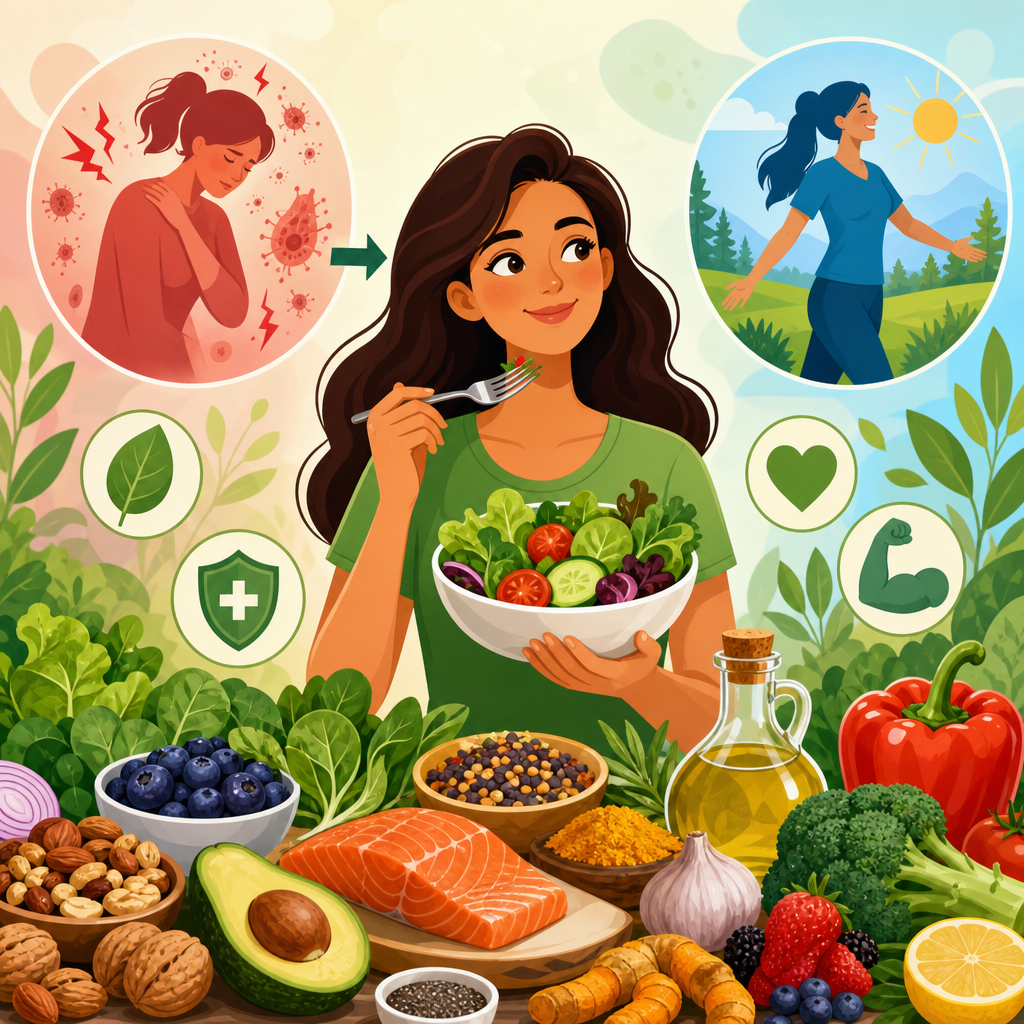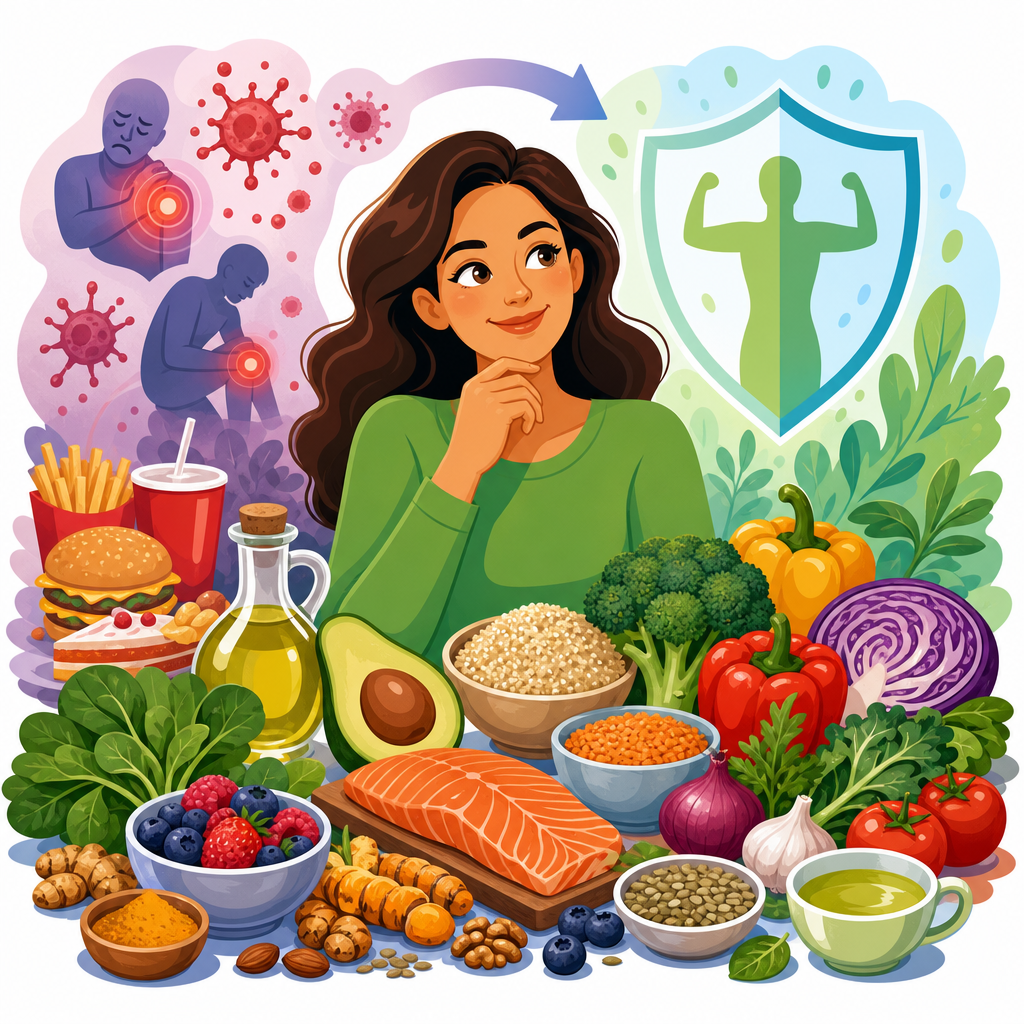
Inflammation is a normal biological response, but when it stays switched on for months or years, it becomes a driver of chronic disease rather than a tool for healing. An anti-inflammatory diet is an eating pattern built around foods, nutrients, and habits that reduce excessive immune activation, oxidative stress, and metabolic dysfunction. In practice, that means emphasizing vegetables, fruit, legumes, whole grains, nuts, seeds, olive oil, seafood, and minimally processed proteins while limiting ultra-processed foods, refined carbohydrates, trans fats, and excess alcohol. Chronic disease refers to long-lasting conditions such as cardiovascular disease, type 2 diabetes, obesity, arthritis, nonalcoholic fatty liver disease, and some cancers, all of which are influenced by inflammation to varying degrees.
I have worked with nutrition content and patient education long enough to see the same pattern repeatedly: people hear “inflammation” everywhere, but they rarely get a clear explanation of what it means at the dinner table. The science is more concrete than the trend language suggests. Researchers measure inflammatory activity using markers such as C-reactive protein, interleukin-6, and tumor necrosis factor-alpha, and dietary patterns consistently affect those markers. The Mediterranean diet, DASH diet, and high-fiber plant-forward approaches have shown benefits across clinical trials and population studies. This matters because food choices do not just change body weight; they influence insulin sensitivity, blood lipids, blood pressure, gut microbiome composition, endothelial function, and immune signaling. For anyone trying to prevent disease, manage symptoms, or understand how nutrition fits into long-term care, anti-inflammatory eating is not a fad category. It is a practical framework grounded in physiology and supported by evidence.
What inflammation does in the body and when it becomes harmful
Acute inflammation is useful. If you cut your finger or catch a virus, immune cells release chemical signals that increase blood flow, recruit defenders, and help repair tissue. Problems begin when low-grade inflammation persists without a clear endpoint. This chronic state can be triggered by excess visceral fat, smoking, poor sleep, inactivity, chronic stress, periodontal disease, environmental exposures, and diets dominated by highly processed foods. Over time, inflammatory signaling damages blood vessels, disrupts insulin pathways, and contributes to tissue breakdown. In atherosclerosis, for example, inflammation helps turn cholesterol-rich plaque into an unstable lesion that can rupture and cause a heart attack. In type 2 diabetes, inflammatory mediators interfere with insulin action, making blood glucose harder to control.
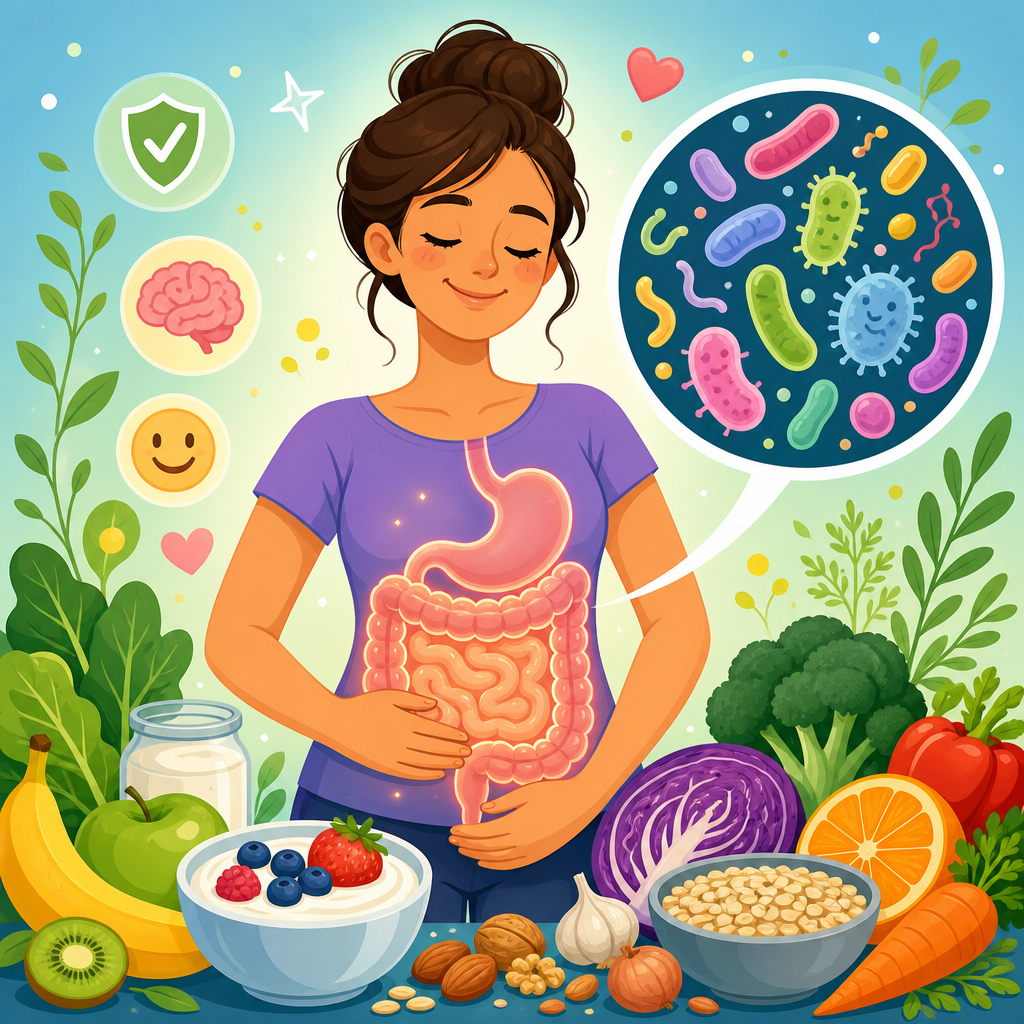
Diet influences this process through several mechanisms. Fiber is fermented by gut microbes into short-chain fatty acids such as butyrate, which support the gut barrier and help regulate immune responses. Polyphenols found in berries, tea, cocoa, and extra-virgin olive oil can reduce oxidative stress and modulate inflammatory pathways. Omega-3 fatty acids from salmon, sardines, trout, and mackerel are precursors to compounds that help resolve inflammation. In contrast, diets high in refined starches, sugary drinks, processed meats, and deep-fried foods often increase post-meal blood sugar spikes, lipid abnormalities, and oxidative stress. The result is not a single “bad” food causing disease overnight, but a pattern that pushes the body toward a more inflammatory state day after day.
What foods define an anti-inflammatory diet
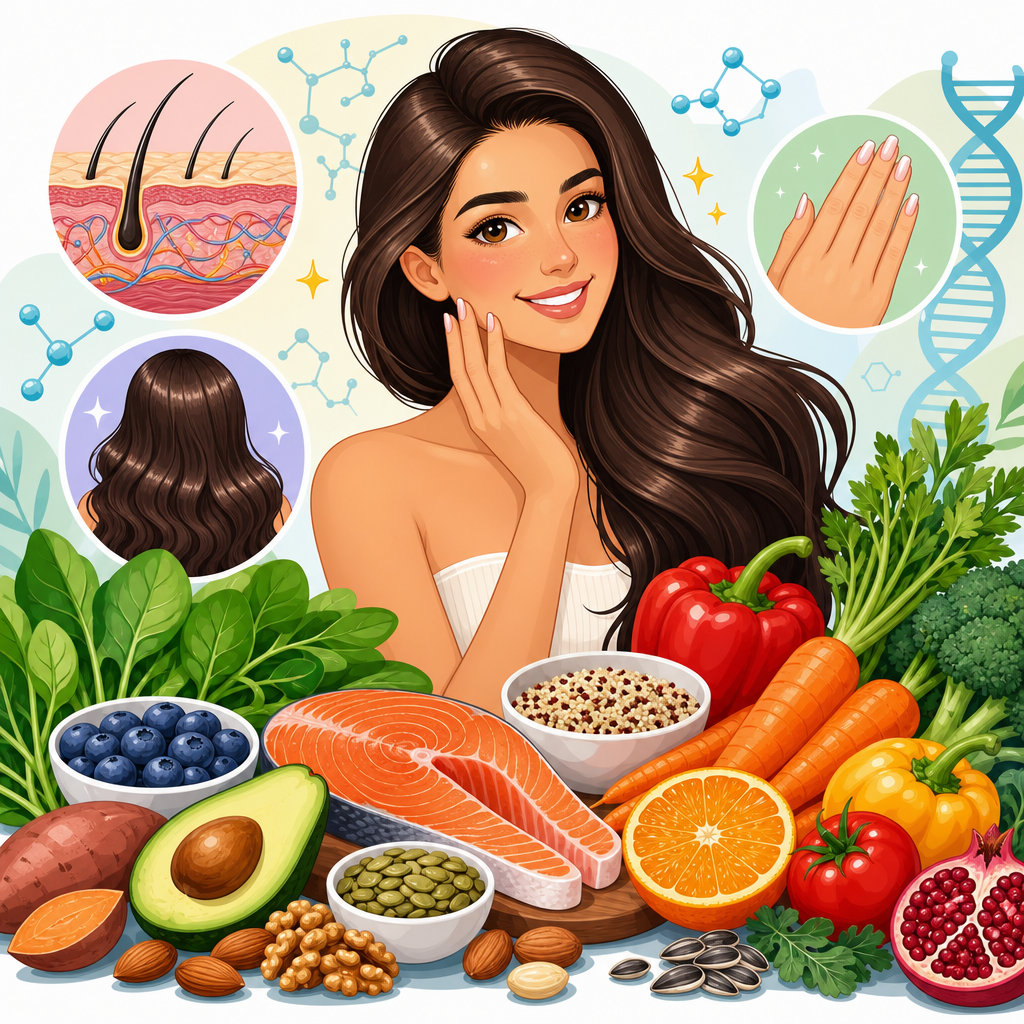
The most effective anti-inflammatory diets are patterns, not rigid food lists. They share a core structure: abundant plants, adequate protein, mostly unsaturated fats, and minimal ultra-processed products. Vegetables should anchor meals, especially leafy greens, cruciferous vegetables, tomatoes, peppers, onions, mushrooms, and colorful seasonal produce. Fruit contributes vitamin C, carotenoids, anthocyanins, and other phytochemicals; berries, citrus, cherries, apples, and pomegranates are strong examples. Legumes provide fiber, magnesium, potassium, and plant protein, making beans, lentils, and chickpeas foundational foods rather than side dishes.
Whole grains matter because intact or minimally processed grains retain fiber and micronutrients that refined grains lose. Oats, barley, quinoa, brown rice, and whole wheat can improve satiety and glycemic control when portioned appropriately. Healthy fats are equally important. Extra-virgin olive oil has one of the strongest evidence bases because it supplies monounsaturated fat and phenolic compounds linked to lower inflammatory markers and reduced cardiovascular risk. Nuts and seeds add alpha-linolenic acid, minerals, and plant compounds; walnuts, almonds, chia, and flax are especially useful. For animal protein, fish is the standout choice, particularly oily fish consumed at least twice weekly. Fermented dairy such as yogurt or kefir can fit well for many people, especially when unsweetened.
What gets reduced is just as important. Ultra-processed snacks, sugar-sweetened beverages, pastries, refined breakfast cereals, processed meats, and repeated fast-food meals create a dietary environment associated with higher inflammation and worse cardiometabolic outcomes. This does not require perfection. It requires changing the default pattern.
How anti-inflammatory eating affects major chronic diseases
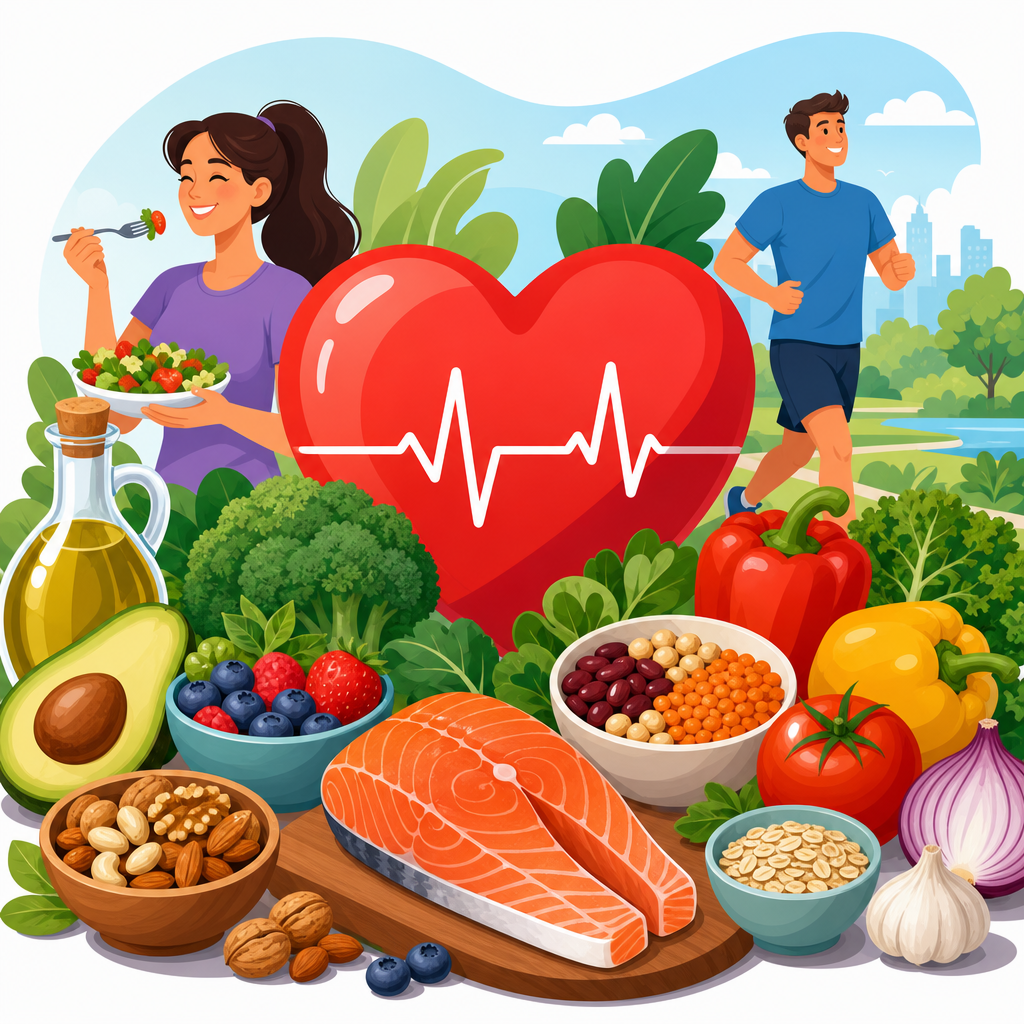
Cardiovascular disease is where the evidence is strongest. Anti-inflammatory eating lowers risk by improving LDL particle behavior, blood pressure, endothelial function, and thrombosis-related processes. The PREDIMED trial is frequently cited because a Mediterranean-style diet supplemented with extra-virgin olive oil or nuts reduced major cardiovascular events in high-risk adults. In clinic-friendly terms, that pattern helped people move the biology behind heart disease in a safer direction, even without a focus on calorie counting.
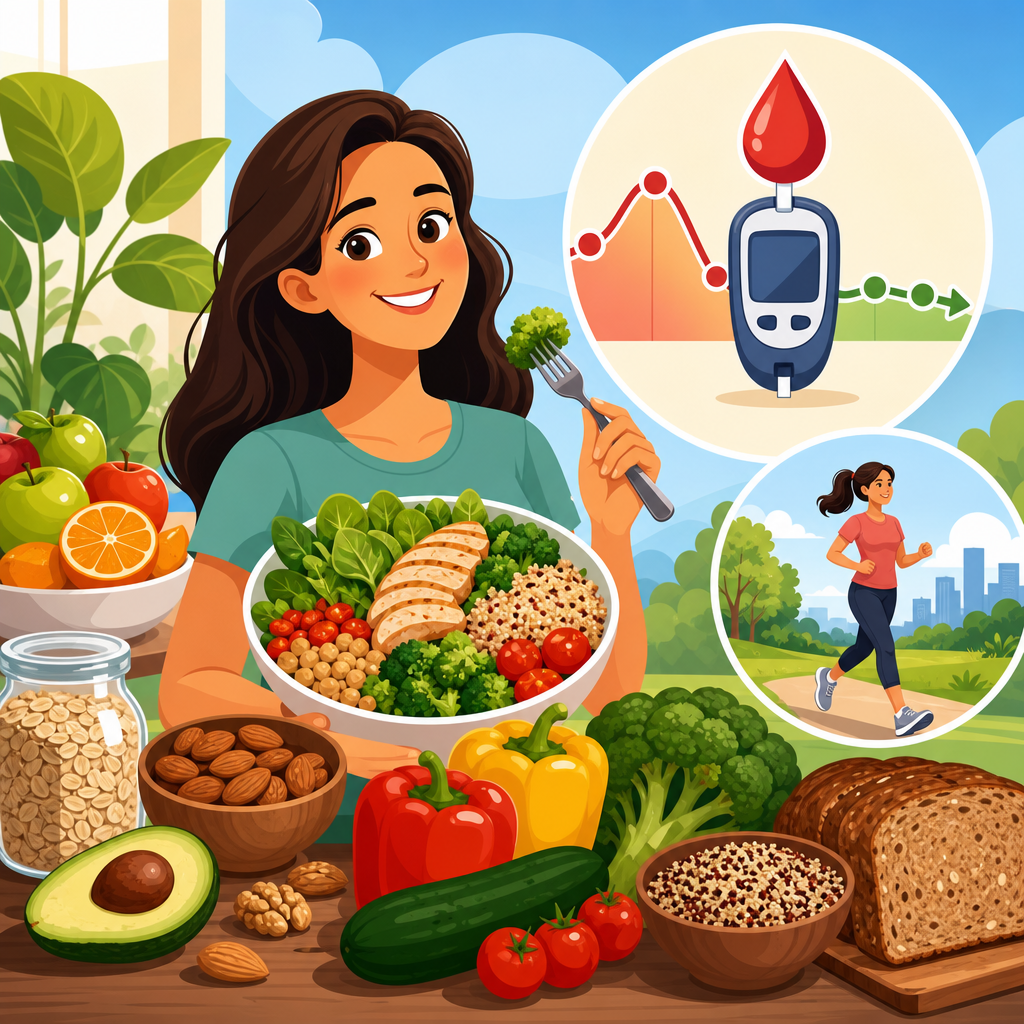
For type 2 diabetes and prediabetes, anti-inflammatory diets improve insulin sensitivity and reduce glucose volatility. Meals built around fiber-rich carbohydrates, protein, and unsaturated fat slow digestion and blunt sharp blood sugar rises. This is one reason lentil soup with a salad and olive oil dressing behaves differently in the body than white bread, fries, and soda. In obesity, reducing inflammation is closely tied to reducing visceral adiposity, but food quality still matters independent of weight loss. People can improve inflammatory markers before dramatic changes on the scale appear.
Arthritis provides another useful example. Rheumatoid arthritis is an autoimmune condition, while osteoarthritis involves joint degeneration with inflammatory features. Diet will not replace medication when disease activity is high, but many patients report fewer flares, less morning stiffness, or better function when they consistently eat more omega-3-rich fish, produce, and legumes while reducing highly processed foods. Nonalcoholic fatty liver disease also responds well to this approach because excess liver fat is linked to insulin resistance and inflammation. Even some cancer pathways are affected, especially where chronic inflammation, obesity, and metabolic dysfunction overlap.
| Condition | How inflammation contributes | Diet elements with strongest support |
|---|---|---|
| Heart disease | Plaque formation, endothelial damage, clotting risk | Extra-virgin olive oil, nuts, fish, legumes, vegetables |
| Type 2 diabetes | Insulin resistance, impaired glucose control | High fiber foods, whole grains, beans, unsaturated fats |
| Arthritis | Immune activation or inflammatory joint stress | Omega-3 fish, colorful produce, reduced processed foods |
| Fatty liver disease | Liver fat accumulation, oxidative stress | Mediterranean-style meals, weight management, less sugar |
| Obesity | Visceral fat releases inflammatory mediators | Minimally processed foods, protein balance, fiber density |
What the evidence really says about popular anti-inflammatory foods and supplements
Some foods earn their reputation. Fatty fish has strong support because EPA and DHA influence eicosanoid production and inflammation resolution. Extra-virgin olive oil is credible because both its fat profile and phenolic compounds appear beneficial. Berries, leafy greens, legumes, nuts, cocoa, tea, garlic, and spices such as turmeric and ginger are useful additions with plausible mechanisms and supportive studies. Fermented foods may help some people through microbiome effects, though outcomes vary by product and individual tolerance.
At the same time, no single ingredient can offset an otherwise poor diet. Turmeric lattes and green powders are often marketed as shortcuts, but they should be viewed as optional extras, not foundations. Curcumin supplements may help certain people with osteoarthritis symptoms, yet absorption issues, product quality, and medication interactions matter. Fish oil supplements can be appropriate when dietary fish intake is low, but dosing should be individualized, especially for people taking anticoagulants or managing high triglycerides under medical care. Probiotics are similar: some strains have evidence for specific conditions, but they are not interchangeable and they do not replace dietary fiber, which feeds beneficial gut bacteria more reliably than a capsule alone.
When reviewing products, I look for third-party testing, transparent labeling, and a clear reason for use. The strongest evidence still favors whole dietary patterns over isolated supplements. If a product claim sounds absolute, it usually ignores the complexity of chronic disease.
How to build an anti-inflammatory meal pattern that is realistic
The most sustainable plan starts with meal structure, not restriction. A practical template is half the plate vegetables, one quarter protein, one quarter high-fiber carbohydrate, plus a source of unsaturated fat. Breakfast might be plain Greek yogurt with berries, chia seeds, and oats. Lunch could be a grain bowl with farro, roasted vegetables, chickpeas, herbs, and olive oil. Dinner might be salmon, lentils, and sautéed greens. Snacks can be fruit with nuts, hummus with carrots, or kefir with cinnamon.
Cooking method matters more than many people realize. Grilling, roasting, steaming, stewing, and sautéing in reasonable amounts of olive oil generally support this pattern. Repeated deep frying and heavy charring can create compounds associated with oxidative stress. Flavor is important because adherence is everything. Herbs, spices, citrus, vinegar, garlic, tahini, yogurt sauces, and tomato-based dressings make anti-inflammatory meals appealing enough to repeat. Batch cooking helps: a pot of beans, washed greens, cooked grains, chopped vegetables, and a homemade vinaigrette can carry several meals through the week.
Budget is a common concern, but this style of eating can be cost-effective. Frozen vegetables and berries retain nutritional value, canned beans are inexpensive, sardines are cheaper than fresh salmon, and oats remain one of the best-value high-fiber foods available. The key is to spend less on packaged convenience foods and more on staple ingredients that can be combined flexibly.
Common mistakes, limitations, and who needs personalized guidance
The biggest mistake is turning anti-inflammatory eating into a rigid elimination plan without evidence. Unless there is celiac disease, confirmed food allergy, or a clear medically supervised reason, cutting entire food groups can create nutrient gaps and unnecessary stress. Another mistake is assuming “natural” equals beneficial. Coconut-oil-heavy desserts, gluten-free snack foods, and organic chips can still be highly processed and calorie-dense. Labels do not override nutritional reality.
There are also limits to what diet can do alone. Severe rheumatoid arthritis, inflammatory bowel disease flares, uncontrolled diabetes, and advanced cardiovascular disease require medical management. Nutrition supports treatment; it does not replace prescribed care. People with kidney disease may need tailored guidance on potassium, phosphorus, or protein. Those taking warfarin should keep vitamin K intake consistent rather than abruptly loading up on greens. Anyone with a history of disordered eating should approach dietary changes carefully to avoid slipping into obsessive behaviors under the banner of “clean eating.”
When symptoms are persistent, lab work and clinical context matter. Elevated inflammation can reflect infection, autoimmune disease, untreated sleep apnea, or other conditions that food alone cannot explain. A registered dietitian, especially one working alongside a physician, can turn broad anti-inflammatory advice into a plan that fits diagnoses, medications, cultural preferences, and daily routine.
Anti-inflammatory diets matter because they connect everyday food choices to the biological processes behind the world’s most common chronic diseases. The central idea is straightforward: build meals from vegetables, fruit, legumes, whole grains, nuts, seeds, olive oil, and fish or other minimally processed proteins, while reducing ultra-processed foods, excess added sugar, processed meat, and repeated fried meals. This pattern supports healthier blood vessels, steadier glucose control, better gut function, and lower overall inflammatory burden. It is not a miracle cure, but it is one of the most reliable nutrition strategies for long-term health.
The strongest takeaway is that consistency beats intensity. You do not need a perfect pantry, expensive powders, or extreme rules to lower inflammation through diet. You need repeatable meals, better defaults, and an honest understanding of your own health needs. Start with one week of simple changes: add beans twice, eat fish once or twice, swap refined snacks for fruit and nuts, and cook with extra-virgin olive oil more often. Then build from there. If you are managing a chronic condition, use this hub as your starting point and work with a qualified clinician or dietitian to create a plan you can maintain.
Frequently Asked Questions
What is an anti-inflammatory diet, and how is it different from a typical “healthy eating” plan?
An anti-inflammatory diet is an eating pattern designed to help calm chronic, low-grade inflammation in the body while supporting overall metabolic health. Inflammation itself is not always harmful. It is a normal immune response that helps the body repair tissue, fight infections, and recover from injury. The problem begins when inflammation remains active for long periods of time. At that point, it can contribute to conditions such as heart disease, type 2 diabetes, arthritis, fatty liver disease, and other chronic illnesses.
What makes an anti-inflammatory diet distinct is that it focuses not just on calorie quality or weight control, but on how food influences immune function, oxidative stress, blood sugar balance, and the gut microbiome. In practical terms, this means centering meals around vegetables, fruits, legumes, whole grains, nuts, seeds, olive oil, seafood, and minimally processed proteins. These foods provide fiber, antioxidants, polyphenols, unsaturated fats, vitamins, and minerals that help regulate inflammatory pathways.
It also means reducing foods and habits associated with excess inflammation, including highly processed snacks, sugary drinks, refined carbohydrates, trans fats, excessive alcohol, and frequent intake of processed meats. While many “healthy eating” plans may encourage portion control or low-fat choices, an anti-inflammatory approach is more focused on food quality, consistency, and long-term dietary patterns. It is less about a short-term fix and more about building a sustainable way of eating that supports the body’s ability to function and recover properly over time.
Which foods are most strongly linked to lowering inflammation?
The foods most commonly associated with lower inflammation are whole, minimally processed foods that deliver fiber, healthy fats, and protective plant compounds. Vegetables and fruits are at the top of the list, especially deeply colored varieties such as berries, leafy greens, broccoli, tomatoes, peppers, oranges, and cherries. These foods contain antioxidants and polyphenols that help neutralize oxidative stress, which is closely tied to chronic inflammation.
Legumes such as lentils, chickpeas, and beans are another major category because they provide fiber, plant protein, and minerals while helping stabilize blood sugar. Whole grains like oats, quinoa, barley, and brown rice can also support lower inflammation when they replace refined grains. Nuts and seeds, including walnuts, almonds, flaxseeds, and chia seeds, contribute unsaturated fats and anti-inflammatory compounds. Extra-virgin olive oil is especially well studied and is often a cornerstone of anti-inflammatory eating patterns due to its monounsaturated fats and polyphenol content.
Fatty fish such as salmon, sardines, trout, and mackerel are valuable because they contain omega-3 fatty acids, which have been shown to help regulate inflammatory responses. Fermented foods like yogurt with live cultures, kefir, kimchi, and sauerkraut may also be helpful for some people because they support gut health, and the gut plays a major role in immune regulation. Herbs and spices such as turmeric, ginger, garlic, cinnamon, and rosemary can add another layer of support. No single food works like a magic solution, but a consistent dietary pattern rich in these foods can make a meaningful difference over time.
Can an anti-inflammatory diet really help reduce the risk of chronic disease?
Yes, research strongly suggests that anti-inflammatory eating patterns can help reduce the risk of many chronic diseases and may also support better management of conditions that are already present. Chronic inflammation is involved in the development and progression of cardiovascular disease, insulin resistance, type 2 diabetes, obesity-related complications, joint disorders, and some digestive and autoimmune conditions. When a person regularly eats foods that improve blood sugar control, lower oxidative stress, support gut health, and improve lipid balance, the body is generally under less inflammatory strain.
For example, anti-inflammatory diets that resemble Mediterranean-style eating have been associated with better heart health, lower risk of metabolic syndrome, improved cholesterol patterns, and better blood pressure outcomes. Diets high in fiber and plant foods can also improve insulin sensitivity and reduce post-meal glucose spikes, both of which matter because unstable blood sugar can promote inflammation. In people with inflammatory joint issues or digestive concerns, some individuals report fewer flare-ups and better daily symptom control when they reduce ultra-processed foods and increase nutrient-dense whole foods.
That said, diet is only one part of the picture. Sleep quality, physical activity, stress levels, smoking, alcohol intake, body composition, and genetics all influence inflammation and disease risk. An anti-inflammatory diet is best understood as a foundational strategy rather than a standalone cure. It can be extremely effective when combined with a healthy lifestyle and appropriate medical care. The biggest benefit usually comes from steady, long-term habits rather than dramatic short-term restriction.
What foods and eating habits tend to make inflammation worse?
Foods most likely to worsen inflammation are typically those that are highly processed, rapidly digested, and low in fiber or protective nutrients. This includes sugar-sweetened beverages, candy, pastries, refined white breads, many packaged snack foods, and fast food items that are high in refined starches, poor-quality fats, sodium, and additives. Frequent intake of processed meats such as bacon, sausage, hot dogs, and deli meats has also been linked with poorer long-term health outcomes and may contribute to inflammatory burden in the body.
Excessive alcohol can increase inflammation as well, especially when consumed regularly or in large amounts. Repeated overeating, even with foods that seem harmless, can also create metabolic stress that drives inflammatory activity. Another important factor is blood sugar instability. Meals dominated by refined carbohydrates and lacking protein, fiber, or healthy fat can lead to sharp spikes and crashes in glucose, which may contribute to oxidative stress and inflammatory signaling over time.
Beyond food choices, certain eating habits matter too. Constant grazing on ultra-processed foods, skipping balanced meals and then overeating later, eating too few whole plant foods, and relying heavily on convenience foods can all work against an anti-inflammatory lifestyle. It is also worth noting that individual triggers vary. Some people may notice that certain foods worsen symptoms related to digestive disorders, migraines, or joint pain, while others do not experience the same response. The goal is not perfection, but reducing the dietary patterns that keep the body in a constant state of stress.
How can someone start an anti-inflammatory diet without feeling overwhelmed?
The best way to start is by making a few practical, repeatable changes rather than trying to overhaul everything at once. Begin by building meals around whole foods you already enjoy. A simple framework is to fill half the plate with vegetables, include a source of protein such as beans, fish, eggs, yogurt, tofu, or poultry, add a high-fiber carbohydrate like oats, brown rice, or sweet potato, and use healthy fats such as olive oil, avocado, nuts, or seeds. This approach improves nutrient density and naturally crowds out more inflammatory processed foods.
One effective step is to upgrade breakfast and snacks. For example, swap a sugary pastry for oatmeal with berries and walnuts, or replace chips with hummus and vegetables. Another helpful strategy is to focus on what to add before focusing on what to cut out. Adding more leafy greens, legumes, fruit, and omega-3-rich fish can make the transition feel more positive and sustainable. Cooking more meals at home also helps because it gives you better control over ingredients, portion sizes, and added sugars or oils.
Consistency matters more than intensity. You do not need a perfect diet to see benefits. Even moderate changes, such as replacing sugary drinks with water, eating beans a few times per week, using olive oil instead of heavily refined fats, and increasing vegetable intake, can support lower inflammation over time. If you have a chronic disease, digestive condition, food sensitivities, or take medications that interact with certain foods, it is smart to work with a physician or registered dietitian. A personalized approach is often the most effective way to make anti-inflammatory eating realistic, safe, and long-lasting.