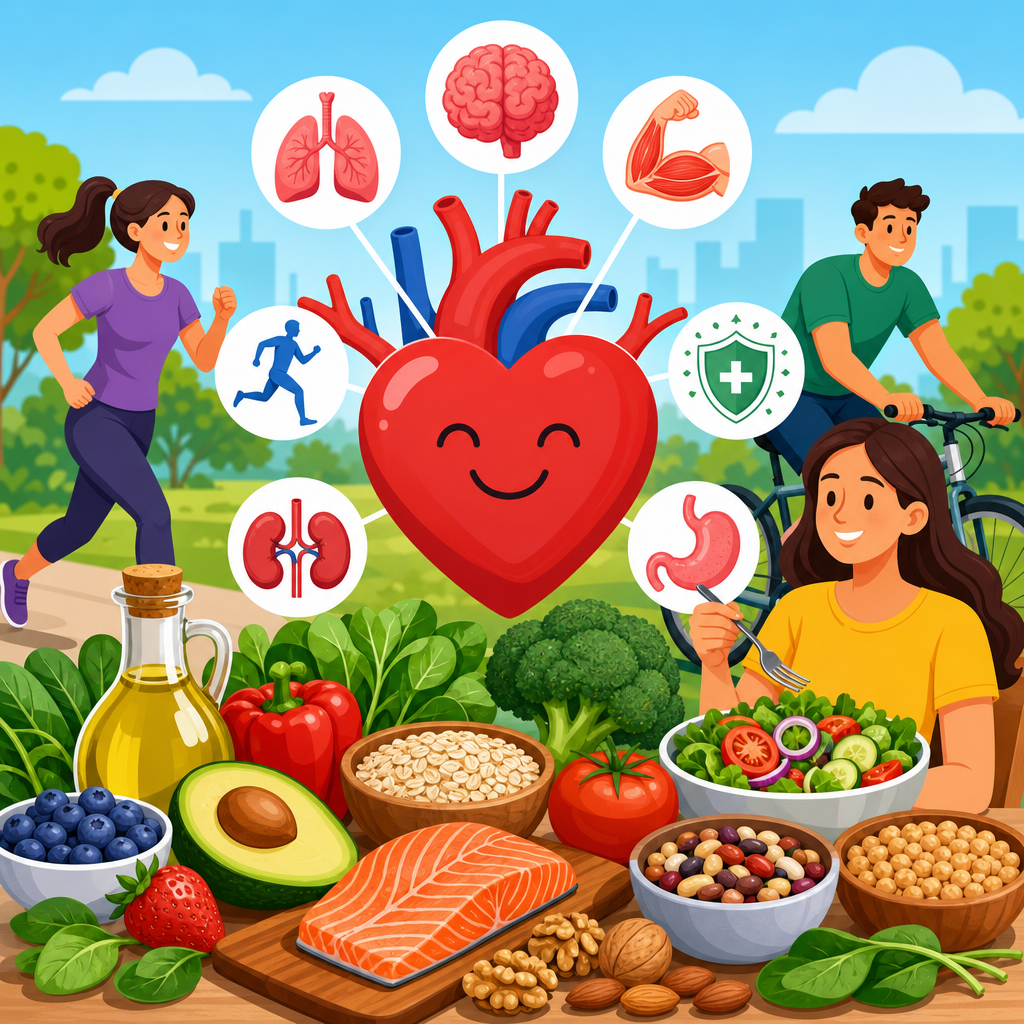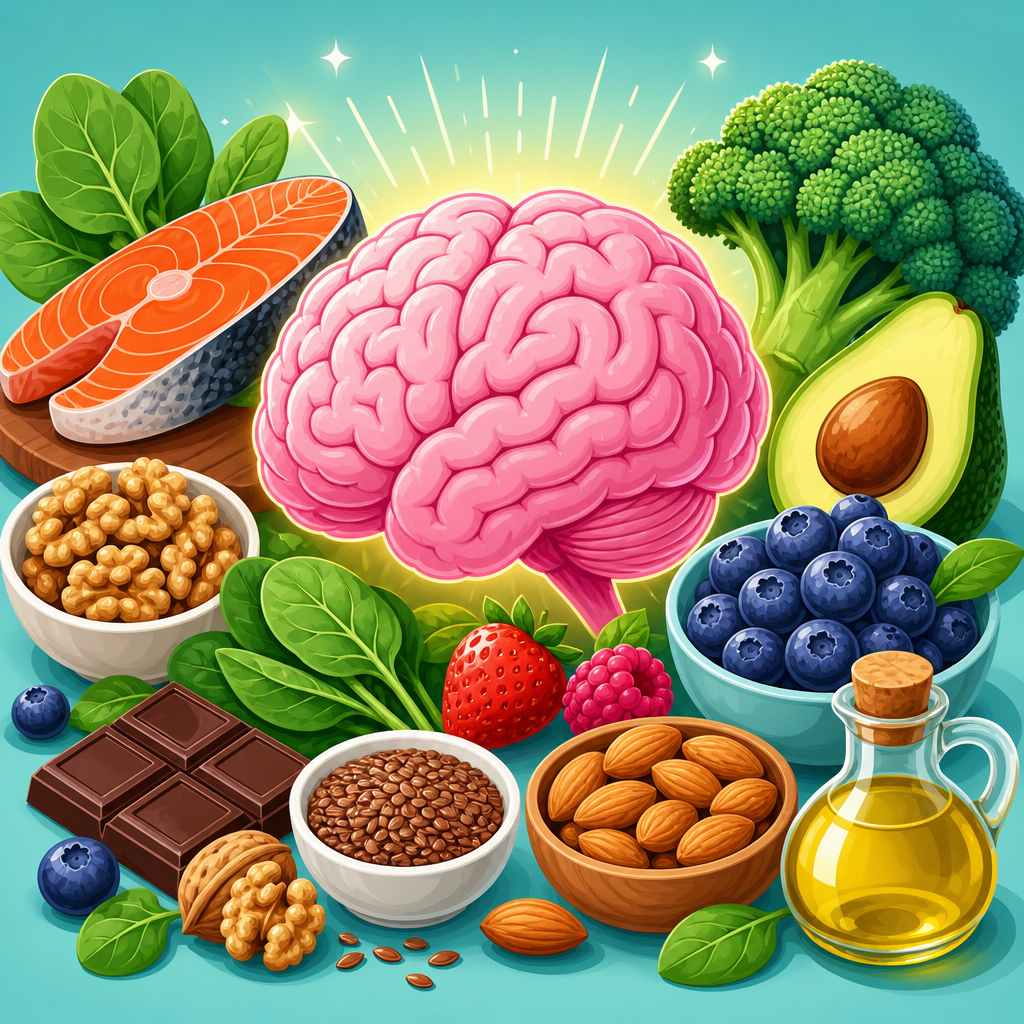
Brain-boosting foods for cognitive function deserve attention because the brain is metabolically demanding, sensitive to nutrient gaps, and central to memory, focus, mood, and long-term independence. When people search for the top foods rich in brain-boosting foods for cognitive function, they usually want a practical answer: what to eat, why it works, and how to build those choices into daily meals without guesswork. In nutrition practice, I have seen the same pattern repeatedly: people try to fix brain fog with caffeine alone, yet overlook the dietary pattern that supports neurotransmitter synthesis, blood flow, glucose control, and protection against oxidative stress. Cognitive function refers to the mental processes used to learn, remember, concentrate, solve problems, and make decisions. Brain-boosting foods are foods that provide nutrients linked to these processes, including omega-3 fatty acids, choline, B vitamins, polyphenols, magnesium, iron, zinc, and antioxidants. They matter because the brain consumes about 20 percent of the body’s energy at rest, and even modest deficiencies in key nutrients can affect attention, processing speed, and mental stamina. Just as important, eating for cognitive health is not only about short-term productivity. It is also about supporting healthy aging, lowering cardiometabolic risk that impairs circulation to the brain, and building a dietary foundation associated with better memory over time.
A useful way to think about brain-boosting foods for cognitive function is to separate immediate support from long-term protection. Immediate support comes from stable blood sugar, hydration, and adequate intake of nutrients used in nerve signaling and energy metabolism. Long-term protection comes from reducing chronic inflammation, improving vascular health, and limiting oxidative damage to neurons. This is why a single “superfood” will never outperform an overall dietary pattern rich in seafood, vegetables, berries, legumes, nuts, seeds, eggs, fermented dairy, and whole grains. Researchers often point to Mediterranean-style and MIND-style eating patterns because they consistently link higher intake of these foods with better cognitive outcomes. Still, individual foods matter because they make the pattern concrete. If you know which ingredients are doing the heavy lifting and why, it becomes much easier to shop, plan meals, and make targeted swaps. The sections below explain the most important food groups, the nutrients they supply, the benefits you can realistically expect, and the mistakes that commonly reduce results.
Fatty fish and seafood: the strongest food case for brain health
Among all brain-boosting foods for cognitive function, fatty fish has the strongest evidence base. Salmon, sardines, trout, mackerel, herring, and anchovies provide eicosapentaenoic acid and docosahexaenoic acid, the marine omega-3 fats known as EPA and DHA. DHA is especially important because it is a structural component of neuronal membranes and the retina. In plain terms, it helps brain cells stay flexible and communicate efficiently. EPA appears more involved in inflammatory signaling and may support mood regulation. I typically recommend two servings of oily fish per week because that aligns with guidance from organizations such as the American Heart Association and is achievable for most households. Sardines on whole-grain toast, canned salmon mixed with Greek yogurt and mustard, or trout with roasted vegetables are simple ways to make this consistent.
The reason fish works so well is not mystical. Better membrane fluidity supports neurotransmission, and improved omega-3 status is associated with cognitive resilience across the lifespan. Seafood also provides iodine, selenium, vitamin D, and high-quality protein, all relevant to thyroid function, antioxidant defense, and satiety. For people who do not eat fish, algae-based DHA supplements can help close one gap, but they do not replace the broader nutritional package of seafood. White fish still contributes useful protein and minerals, yet oily fish should be the priority when the goal is cognitive support. One caution matters: preparation can undo benefits. Deep-frying fish regularly adds excess refined oil and sodium while displacing vegetables and whole grains that should share the plate. Baked, grilled, poached, or canned options packed in water or olive oil are usually the better default.
Eggs, poultry, and dairy: choline, protein, and steady mental energy
Eggs are one of the most efficient foods for the brain because they supply choline, a nutrient required to make acetylcholine, a neurotransmitter involved in memory and learning. One large egg provides roughly 147 milligrams of choline, mostly in the yolk. Many adults fail to reach adequate choline intake, especially if they avoid eggs and organ meats. In practice, including eggs several times per week is an easy correction. I often suggest a vegetable omelet for breakfast because it combines choline with protein, B vitamins, lutein, and zeaxanthin. Lutein and zeaxanthin are better known for eye health, yet they also accumulate in brain tissue and are associated with cognitive performance in older adults.
Poultry and dairy contribute in a different way. Chicken and turkey provide protein, vitamin B6, and minerals needed for neurotransmitter production and oxygen transport. Yogurt, kefir, and milk offer protein, riboflavin, vitamin B12, and often iodine, depending on local food systems. Fermented dairy may add gut-related benefits, which matters because the gut-brain axis influences inflammation, mood, and stress responses. That does not mean dairy is essential for everyone, but when tolerated, plain Greek yogurt with berries and walnuts is one of the most practical cognitive-supportive snacks available. The main principle is this: meals centered on protein-rich whole foods tend to improve satiety and stabilize blood glucose, which can reduce the midmorning crash many people interpret as poor concentration.
Berries, leafy greens, and colorful vegetables: antioxidant protection that adds up
If fish is the anchor for structural brain support, berries and greens are the anchor for defense. Blueberries, blackberries, strawberries, spinach, kale, collards, broccoli, beets, and red cabbage provide polyphenols, folate, vitamin C, vitamin K, nitrates, and carotenoids that help protect neurons from oxidative stress and support healthy blood flow. The common question is whether any one vegetable is best. The answer is no. Diversity matters because different pigments signal different compounds. Blue and purple foods are rich in anthocyanins, orange foods tend to provide carotenoids, and leafy greens supply folate, lutein, and vitamin K. In practical meal planning, aiming for multiple colors across the day is more useful than obsessing over a single ingredient.
Berries deserve special mention because they are easy to use consistently and have been linked in observational research to slower cognitive decline. Frozen berries are nutritionally strong, often cheaper than fresh, and available year-round. Leafy greens matter because they pack a high nutrient density into a small volume. A handful of spinach added to eggs, soups, or smoothies is a simple habit that can materially improve diet quality. Beets and leafy greens also supply nitrates, which the body can convert into nitric oxide, a molecule that supports blood vessel dilation and circulation. Better circulation means better delivery of oxygen and nutrients to the brain. This mechanism is one reason vascular health and cognitive health are inseparable.
| Food group | Key nutrients | Primary cognitive role | Simple serving idea |
|---|---|---|---|
| Fatty fish | DHA, EPA, vitamin D, selenium | Neuronal membrane function, inflammation control | Salmon with quinoa and broccoli |
| Eggs | Choline, B12, lutein | Acetylcholine production, memory support | Vegetable omelet |
| Berries | Anthocyanins, vitamin C, fiber | Oxidative stress defense | Greek yogurt with blueberries |
| Leafy greens | Folate, vitamin K, nitrates, lutein | Blood flow and nutrient density | Spinach salad with olive oil |
| Nuts and seeds | Vitamin E, magnesium, ALA | Nerve function, antioxidant protection | Walnuts and pumpkin seeds |
Nuts, seeds, legumes, and whole grains: minerals, fiber, and fuel control
People often underestimate how much cognitive performance depends on metabolic stability. Nuts, seeds, legumes, and whole grains help because they deliver fiber, magnesium, vitamin E, zinc, iron, and slow-digesting carbohydrate that support steady energy release. Walnuts stand out because they provide alpha-linolenic acid, a plant omega-3 fat, along with polyphenols. Pumpkin seeds are rich in magnesium, zinc, iron, and copper, minerals involved in nerve transmission and oxygen handling. Lentils, chickpeas, black beans, oats, barley, and quinoa contribute B vitamins and fiber that support glucose control and gut health. Stable glucose matters because the brain relies heavily on circulating glucose, but it performs best when levels are steady rather than spiking and crashing.
Whole grains are especially useful for breakfast and lunch because they can improve staying power compared with refined grains alone. For example, oatmeal topped with walnuts and berries is more cognitively supportive than a pastry because it combines fiber, healthy fat, and micronutrients rather than delivering a rapid sugar surge. Legumes are equally valuable and frequently underused. A chickpea salad with olive oil, lemon, herbs, and chopped vegetables provides fiber, folate, and mineral density at low cost. This affordability matters. Brain-boosting foods for cognitive function should not be framed as luxury ingredients. Many of the most effective options, including oats, beans, canned fish, eggs, and frozen berries, are budget-friendly staples.
Healthy fats, hydration, and the dietary pattern that makes these foods work
Olive oil, avocado, cocoa, coffee, tea, and water may not always headline lists of brain-boosting foods for cognitive function, but they influence how the broader pattern performs. Extra-virgin olive oil provides monounsaturated fat and polyphenols associated with cardiovascular benefits, and what benefits the heart usually benefits the brain. Avocado supplies monounsaturated fat, potassium, and fiber that can support blood pressure control. Cocoa, especially in minimally processed dark chocolate with a high cocoa percentage, contains flavanols linked to vascular function. Coffee and tea can improve alertness and attention through caffeine, while tea also contributes catechins such as EGCG. The key is dose and timing. Too much caffeine, especially later in the day, disrupts sleep, and poor sleep will blunt any nutritional gains for cognition.
Hydration is equally nonnegotiable. Mild dehydration can impair attention, mood, and short-term memory, yet many adults mistake thirst or fatigue for hunger and chase it with snacks instead of fluids. In real meal planning, the winning pattern is straightforward: center meals on vegetables, include a quality protein source, use olive oil or nuts for healthy fat, choose intact or minimally processed carbohydrate, and keep water available throughout the day. This pattern is more reliable than isolated “brain foods” because it addresses the systems that drive cognition: blood flow, inflammation, nutrient status, gut signaling, and glycemic control. It also creates natural internal links between meals and outcomes. Breakfast supports attention, lunch protects energy, dinner supports recovery, and the snack strategy prevents overreliance on sugar and caffeine.
What to limit, who needs extra care, and how to build a practical brain-food routine
Knowing what to eat is only half the picture. You also need to know what commonly works against cognitive health. Diets high in ultra-processed foods, sugary beverages, refined grains, trans fats, and frequent alcohol tend to displace nutrient-dense choices and worsen cardiometabolic risk. Repeated blood sugar swings can leave people feeling mentally foggy, while excess sodium and poor potassium intake can impair blood pressure control, reducing vascular support for the brain. Skipping meals is another frequent problem, especially in students, shift workers, and busy professionals. In my experience, many complaints about poor focus improve when people stop relying on a coffee-and-muffin breakfast and start eating protein, fiber, and fluid earlier in the day.
Some groups need extra attention. Older adults may require more intentional protein, vitamin B12, and hydration support. People with heavy menstrual losses, pregnant women, vegetarians, and endurance athletes should be alert to iron status, because low iron can undermine concentration and energy. Vegans need reliable sources of vitamin B12 and may benefit from algae-based DHA. People with diabetes should prioritize carbohydrate quality and pairing foods to reduce spikes. A practical routine starts small: add one oily fish meal weekly, one egg-based breakfast, one serving of berries daily, and one serving of leafy greens at lunch or dinner. Keep walnuts, pumpkin seeds, yogurt, and beans in regular rotation. If you want better focus, memory, and long-term brain health, build your week around these brain-boosting foods for cognitive function and make the next grocery list reflect that decision.
Frequently Asked Questions
What are the best brain-boosting foods for cognitive function?
The best brain-boosting foods for cognitive function are the ones that consistently deliver nutrients the brain depends on for energy production, nerve signaling, circulation, and protection against oxidative stress. In practical terms, the strongest choices usually include fatty fish such as salmon, sardines, trout, and mackerel because they provide omega-3 fats, especially DHA, which is a structural component of brain cells. Eggs are another standout because they supply choline, a nutrient needed to make acetylcholine, a neurotransmitter tied to memory and learning. Berries, especially blueberries, are valued for their polyphenols and antioxidants, which may help protect brain tissue from stress and support healthy aging. Leafy greens such as spinach, kale, and arugula contribute folate, vitamin K, and other compounds associated with better cognitive support over time.
Other top foods include walnuts, pumpkin seeds, almonds, beans, lentils, oats, extra virgin olive oil, and fermented foods like yogurt or kefir. Walnuts and seeds provide healthy fats, vitamin E, magnesium, and minerals that support nerve and muscle function. Beans and lentils help stabilize blood sugar, which matters because the brain needs a steady fuel supply and tends to perform poorly when energy levels swing wildly. Oats and other high-fiber whole grains offer slow-burning carbohydrates that can support focus better than highly refined snacks. Olive oil adds anti-inflammatory compounds, while fermented foods may support the gut-brain connection, which is increasingly recognized as important for mood and cognitive performance. The key is not chasing one “superfood,” but building a pattern of meals that regularly includes these foods in realistic portions.
Why does nutrition matter so much for memory, focus, and long-term brain health?
Nutrition matters because the brain is one of the most metabolically active organs in the body. Even though it makes up only a small percentage of body weight, it uses a large share of available energy. That means the quality of your diet directly affects the raw materials your brain receives every day. Nutrients from food help build cell membranes, produce neurotransmitters, regulate inflammation, support blood flow, and protect brain tissue from oxidative damage. When those inputs are consistently strong, people often notice better concentration, steadier energy, and more reliable mental performance. When those inputs are poor, the effects may show up as brain fog, irritability, poor recall, mid-afternoon crashes, or difficulty staying focused.
Long-term brain health also depends on reducing wear and tear over time. Diets high in ultra-processed foods, excess sugar, and low-quality fats may contribute to inflammation, blood sugar volatility, and vascular strain, all of which can affect cognitive function. On the other hand, nutrient-dense foods rich in omega-3 fats, antioxidants, B vitamins, magnesium, and fiber may support healthy aging by nourishing both the brain and the blood vessels that feed it. This is especially important for preserving independence later in life, because memory, decision-making, mood regulation, and attention all influence how well a person can manage daily tasks. In real life, most people do not need a complicated protocol. They need a repeatable eating pattern that reduces nutrient gaps and makes brain-supportive choices easy to maintain.
Which nutrients are most important in foods that support cognitive function?
Several nutrients show up again and again in discussions of brain-supportive eating, and each one plays a different role. Omega-3 fatty acids, particularly DHA and EPA, are among the most important because they help maintain healthy brain cell membranes and support communication between cells. Choline is another major player because it helps the body produce acetylcholine, a neurotransmitter involved in memory and learning. B vitamins, including folate, B6, and B12, support methylation and homocysteine metabolism, processes linked to nerve function and brain health. Antioxidants such as vitamin C, vitamin E, flavonoids, and polyphenols help protect brain tissue from oxidative stress, which can accumulate with aging and daily metabolic activity.
Minerals matter as well. Magnesium supports nerve signaling and energy metabolism, while iron helps carry oxygen throughout the body, including to the brain. Zinc contributes to cell signaling and immune balance. Fiber is often overlooked in brain health conversations, but it helps regulate blood sugar and supports a healthier gut microbiome, both of which can influence mood, focus, and mental clarity. You also want enough protein overall because amino acids are used to build neurotransmitters. The most useful takeaway is that no single nutrient works in isolation. Brain-supportive foods tend to be valuable because they package several helpful compounds together. That is why a meal built around fish, greens, beans, olive oil, berries, and whole grains is often more powerful than trying to rely on one supplement or one “miracle” ingredient.
How can I add brain-boosting foods to my daily meals without overcomplicating things?
The easiest approach is to attach brain-healthy foods to meals you already eat rather than trying to redesign your entire routine overnight. For breakfast, you could make oatmeal topped with blueberries, walnuts, and pumpkin seeds, or have eggs with sautéed spinach and whole-grain toast. For lunch, a simple grain bowl with salmon or lentils, leafy greens, olive oil, and roasted vegetables covers a lot of nutritional ground with very little guesswork. For dinner, think in a formula: a protein rich in healthy fats or minerals, a colorful vegetable, a whole grain or bean, and a healthy fat. That might look like sardines on toast with a side salad, baked trout with quinoa and broccoli, or a bean-and-vegetable soup drizzled with olive oil.
Snacks are another easy place to improve cognitive nutrition. Swap chips or sugary bars for Greek yogurt with berries, a handful of walnuts, apple slices with nut butter, or hummus with carrots. Keep convenience in mind, because consistency matters more than perfection. Frozen berries, canned salmon, canned sardines, prewashed greens, microwavable brown rice, and canned beans can make brain-supportive eating much more realistic on busy days. It also helps to choose one or two habits to repeat until they feel automatic, such as eating fish twice a week, adding greens to one meal each day, or replacing one processed snack with nuts and fruit. Most people get better results from simple systems than from ambitious meal plans they cannot sustain.
Can brain-boosting foods really improve cognition, or is the effect overstated?
Brain-boosting foods can absolutely support cognition, but it is important to keep expectations grounded. No food will instantly transform memory or concentration overnight, especially if sleep, stress, physical activity, hydration, and medical issues are working against you. What nutrition can do is create the internal conditions that allow the brain to function better and age more favorably. A diet rich in omega-3 fats, antioxidants, fiber, vitamins, and minerals may help support attention, energy stability, mood balance, and long-term cognitive resilience. Many people notice practical benefits such as fewer energy crashes, steadier focus, or improved satiety when they replace ultra-processed meals with more nutrient-dense options. Those day-to-day improvements are meaningful, even if they are not dramatic.
The bigger impact often comes from the cumulative effect of dietary patterns over months and years. Brain health is closely tied to cardiovascular health, blood sugar control, and inflammation, which means food choices influence cognition both directly and indirectly. If your goal is to protect memory and mental sharpness long term, then regular intake of fish, eggs, greens, berries, legumes, nuts, seeds, olive oil, and whole grains is a smart strategy. It is also worth remembering that cognitive support works best as part of a bigger lifestyle picture. Nutritious food, restorative sleep, movement, social connection, and mental stimulation reinforce one another. So yes, brain-boosting foods matter, and they are worth prioritizing, not because they are magical, but because they provide the biological foundation your brain needs to perform well now and stay healthier over time.