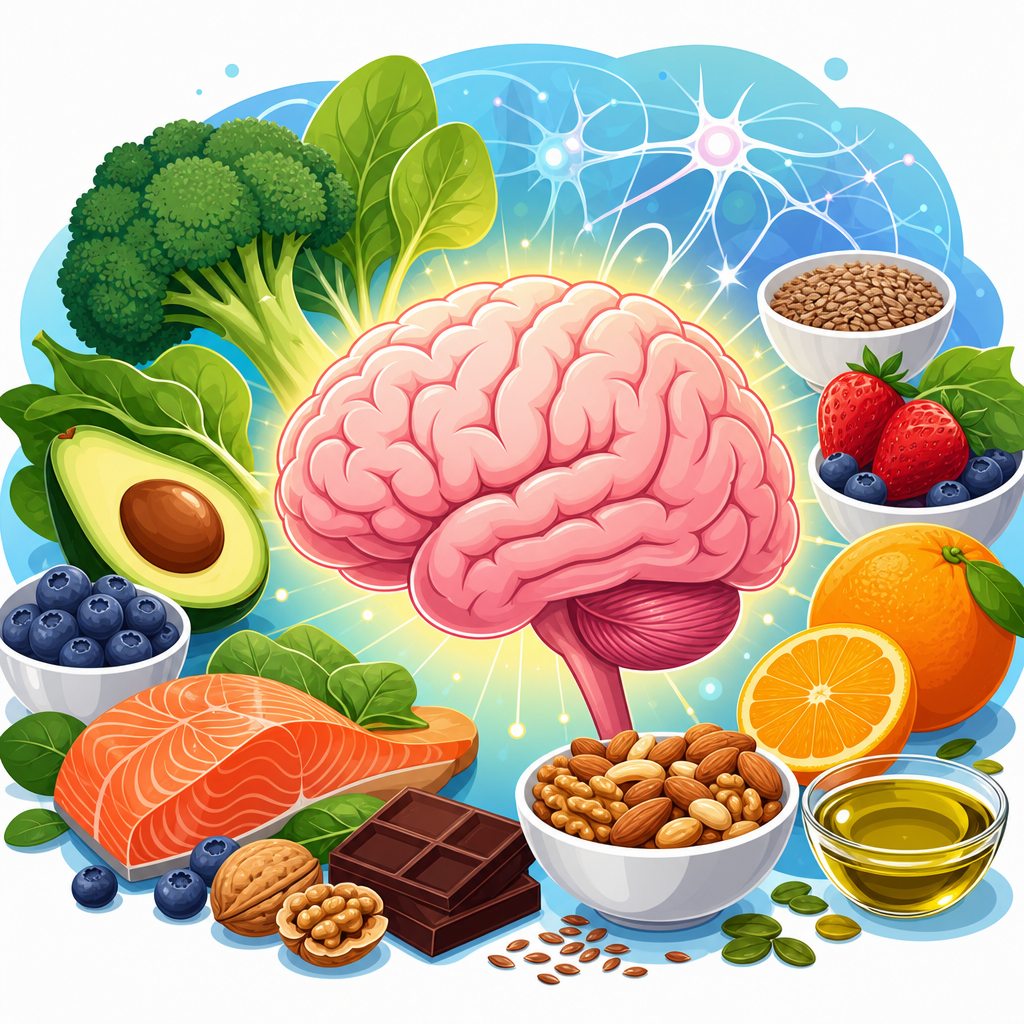
Choosing the best sources of brain-boosting foods for cognitive function starts with a practical truth: the brain is metabolically expensive tissue, and the quality of fuel, structural fats, vitamins, minerals, and protective plant compounds you eat directly affects how well it performs. Brain-boosting foods for cognitive function are foods that support attention, memory, processing speed, mood regulation, and long-term brain resilience through established nutritional mechanisms. In practice, that means foods rich in omega-3 fatty acids, choline, polyphenols, B vitamins, minerals such as magnesium and zinc, and steady-release carbohydrates paired with protein and fiber. This matters because cognitive decline is not only a late-life issue. Students, professionals, athletes, parents, and older adults all feel the effects of poor concentration, mental fatigue, blood sugar swings, and sleep-related brain fog, often long before disease appears.
When I build nutrition plans around cognitive performance, I do not chase exotic superfoods first. I start with dietary patterns repeatedly linked to better brain outcomes, especially Mediterranean-style eating, adequate protein distribution, high produce intake, regular fish consumption, and lower reliance on ultra-processed foods. Research consistently associates these habits with better executive function, slower age-related decline, and improved cardiovascular health, which matters because the brain depends on healthy blood flow. About 20 percent of the body’s energy use at rest supports the brain, and neurons are especially vulnerable to oxidative stress, inflammation, and vascular dysfunction. A food choice that improves insulin sensitivity, blood pressure, lipid balance, and micronutrient status often benefits cognitive function at the same time.
This hub article explains which foods deserve priority, how to choose the best sources, and how to combine them into a sustainable eating pattern. It also clarifies a key point many people miss: no single ingredient will compensate for a poor overall diet, chronic sleep loss, inactivity, or unmanaged stress. Brain nutrition works best as a system. The goal is not perfection. The goal is selecting foods with the strongest evidence, the highest nutrient density, and the most realistic fit for daily life, so cognitive support becomes routine rather than occasional.
What Brain-Boosting Foods Actually Do
Brain-supportive foods work through several core pathways. First, they provide structural components. DHA, an omega-3 fatty acid found in fatty fish, is concentrated in neuronal membranes and helps maintain membrane fluidity, signaling efficiency, and synaptic function. Choline, found in eggs and other foods, is required to make acetylcholine, a neurotransmitter involved in memory and attention. Second, these foods support energy regulation. The brain prefers a steady supply of glucose, not repeated spikes and crashes, so meals built from fiber-rich carbohydrates, protein, and healthy fat improve mental steadiness.
Third, many brain-boosting foods reduce oxidative stress and chronic inflammation. Berries, leafy greens, cocoa, extra-virgin olive oil, herbs, tea, and colorful vegetables contain polyphenols and carotenoids that help protect cells from damage. Fourth, nutrient-dense foods help maintain vascular health. Hypertension, insulin resistance, and dyslipidemia are strongly tied to poorer cognitive outcomes over time. Finally, certain foods correct common nutrient gaps that quietly impair cognition, including low intake of magnesium, folate, vitamin B12, iron, and iodine. In clinic-style meal reviews, these shortfalls are common, especially in highly restrictive diets or eating patterns dominated by convenience foods.
The Best Food Categories to Prioritize
If you want the highest return on effort, prioritize fatty fish, eggs, leafy greens, berries, legumes, nuts, seeds, extra-virgin olive oil, fermented dairy or fortified alternatives, and minimally processed whole grains. Fatty fish such as salmon, sardines, trout, herring, and mackerel are top-tier because they deliver preformed EPA and DHA, which the body uses more efficiently than the ALA found in flax or chia. Two servings per week is a practical baseline supported by major heart-health guidelines and aligns well with cognitive nutrition goals.
Eggs are another foundational food because they combine choline, high-quality protein, selenium, vitamin B12, and lutein. Leafy greens, especially spinach, kale, collards, and arugula, supply folate, vitamin K, nitrates, magnesium, and carotenoids. Berries contribute anthocyanins that have been studied for memory and vascular effects. Walnuts, pumpkin seeds, almonds, chia seeds, and flaxseeds add healthy fats, vitamin E, magnesium, and polyphenols. Beans and lentils support blood sugar control and provide folate, iron, and fiber that feed the gut microbiome, which increasingly appears relevant to mood and cognition through immune and signaling pathways.
| Food category | Key nutrients | Why it helps cognition | Best practical choices |
|---|---|---|---|
| Fatty fish | DHA, EPA, vitamin D, selenium | Supports neuronal membranes and anti-inflammatory balance | Salmon, sardines, trout, herring |
| Eggs | Choline, B12, protein, lutein | Supports neurotransmitter production and visual-cognitive function | Whole eggs, ideally with vegetables |
| Leafy greens | Folate, vitamin K, magnesium, nitrates | Supports methylation, blood flow, and antioxidant defense | Spinach, kale, collards, mixed greens |
| Berries | Anthocyanins, vitamin C, fiber | Helps protect against oxidative stress and supports vascular health | Blueberries, blackberries, strawberries |
| Nuts and seeds | Vitamin E, magnesium, ALA, polyphenols | Supports membrane protection and steady energy | Walnuts, pumpkin seeds, chia, flax |
| Legumes | Fiber, folate, iron, magnesium | Improves glucose stability and nutrient density | Lentils, chickpeas, black beans |
How to Choose the Best Sources, Not Just the Healthiest Labels
Choosing the best sources means evaluating bioavailability, freshness, contamination risk, processing level, and how likely you are to eat the food consistently. For omega-3 intake, sardines and salmon are often better buys than expensive supplements or trendy packaged foods with token amounts of DHA added. Sardines are especially useful because they are rich in omega-3s, lower on the food chain, and typically lower in mercury than large predatory fish. For produce, frozen berries and frozen spinach can be excellent choices. They are picked at peak ripeness, often retain nutrients well, reduce waste, and make daily intake easier.
For oils, extra-virgin olive oil beats refined blends because it retains more polyphenols. Look for harvest date transparency, dark bottles, and a peppery taste, which often signals phenolic compounds. For grains, choose intact or minimally processed forms such as oats, quinoa, brown rice, and barley instead of sugar-heavy cereals marketed as healthy. For dairy, unsweetened yogurt or kefir generally provides a better nutrient profile than flavored products with dessert-level sugar. For plant-based eaters, fortified soy foods stand out because they offer useful protein quality and can help fill calcium and B12 gaps when chosen carefully.
Cost and access matter. I have seen many people improve focus and energy with simple substitutions rather than premium products: canned salmon instead of deli meat, oats instead of pastries, peanuts and pumpkin seeds instead of chips, and beans added to soups, bowls, and salads. The best brain-boosting foods for cognitive function are the ones with strong evidence that also fit your budget, taste, schedule, and culture.
Key Nutrients That Deserve Special Attention
Several nutrients repeatedly appear in cognitive nutrition because deficiencies or low intake can undermine performance. Omega-3 fats are central, especially DHA. Choline is another priority because many adults do not meet recommended intake levels. Eggs are the most concentrated common source, though fish, poultry, soy foods, and some cruciferous vegetables contribute. B vitamins, particularly folate, vitamin B6, and vitamin B12, help regulate homocysteine metabolism. Elevated homocysteine is associated with cognitive decline and vascular risk, so adequate intake matters, especially for older adults and anyone limiting animal foods.
Magnesium supports nerve function, sleep quality, and glucose regulation; low intake is common. Iron is essential for oxygen transport and neurotransmitter synthesis, but more is not always better, so supplementation should be based on assessment rather than guesswork. Iodine supports thyroid function, and thyroid dysfunction can look like poor concentration, low mood, or brain fog. Zinc participates in synaptic signaling and immune regulation. Lutein and zeaxanthin, found in egg yolks and greens, are better known for eye health, but they are also present in brain tissue and are linked with aspects of cognitive performance. Vitamin D deserves mention as well, particularly in people with low sun exposure, darker skin living in northern latitudes, or documented deficiency.
Meal Patterns That Improve Cognitive Function All Day
The most effective brain nutrition strategy is not a single food but a meal pattern that stabilizes energy and supplies repeated doses of beneficial nutrients. Start the day with protein, fiber, and unsaturated fat. A breakfast of eggs with spinach and oats with berries outperforms a pastry and sweet coffee because it slows digestion, improves satiety, and limits midmorning crashes. For lunch, build around vegetables, legumes or lean protein, whole grains, and olive oil. A salmon grain bowl with quinoa, chickpeas, greens, cucumbers, and tahini is a strong example. For snacks, combine produce with protein or fat, such as yogurt with walnuts or an apple with peanut butter.
Hydration also affects cognition more than many people realize. Even mild dehydration can impair attention and perceived energy. Caffeine can help alertness, but dose matters. Moderate intake, often around 100 to 200 milligrams at a time, works better than repeated high-dose energy drinks, especially if sleep suffers. Timing matters too. Large evening caffeine intake can reduce sleep quality, and poor sleep quickly cancels out many dietary benefits. If mental performance is the goal, pair food choices with regular meal timing, adequate fluids, and a sleep-supportive routine.
Special Considerations by Life Stage and Diet Pattern
Children and adolescents need steady meals with enough iron, iodine, protein, and omega-3 fats to support learning and development. Older adults may need more attention to protein distribution, vitamin B12 absorption, hydration, and appetite changes. During pregnancy and lactation, DHA, choline, iodine, folate, and iron become especially important because fetal and infant brain development depends on them. In these stages, food safety matters too, so lower-mercury fish choices are preferable.
Vegetarian and vegan diets can support cognitive health well when planned carefully, but they require deliberate sourcing of vitamin B12, iron, zinc, iodine, and omega-3 fats. ALA from flax, chia, hemp, and walnuts is beneficial, yet conversion to DHA is limited, so some people use algae-based DHA supplements. People with diabetes should emphasize carbohydrate quality and meal composition because glucose variability strongly affects energy and concentration. Athletes and high-output professionals often benefit from more total calories and strategic carbohydrate intake around training or cognitively demanding work. There is no universal meal plan, but there are universal principles: nutrient density, blood sugar stability, adequate protein, and consistent intake of protective plant foods.
Common Mistakes and How to Build a Smarter Brain Food Routine
The biggest mistake is expecting one food to transform cognition while the rest of the diet remains poor. Another common error is overusing sugary snack bars, smoothies, and caffeinated drinks that look healthy but deliver erratic energy. Skipping meals, especially breakfast after poor sleep, can worsen attention for many people. So can under-eating during busy workdays and then relying on takeout late at night. I also see people focus on supplements before fixing low fish intake, minimal vegetable intake, or chronic dehydration.
A smarter routine is straightforward. Aim for fatty fish twice weekly, eggs or another choline source several times per week, leafy greens most days, berries regularly, nuts or seeds daily, legumes multiple times weekly, and extra-virgin olive oil as a main culinary fat. Keep shelf-stable staples on hand: canned sardines, beans, oats, walnuts, pumpkin seeds, and frozen produce. If you want to improve brain-boosting foods for cognitive function, audit one week of meals, identify the obvious gaps, and make three upgrades you can repeat. That is how sustainable cognitive nutrition works. Start with one breakfast, one lunch, and one shopping list, then build from there.
Choosing the best sources of brain-boosting foods for cognitive function is less about chasing novelty and more about consistently eating foods with proven nutritional value. The strongest options are clear: fatty fish for DHA and EPA, eggs for choline, leafy greens for folate and carotenoids, berries for polyphenols, legumes for glucose stability and fiber, and nuts and seeds for vitamin E, magnesium, and healthy fats. Extra-virgin olive oil, whole grains, and fermented dairy or fortified alternatives help round out a dietary pattern that supports both daily mental performance and long-term brain health.
The main benefit of this approach is reliability. Instead of depending on stimulants or restrictive rules, you create steady energy, better nutrient coverage, healthier blood flow, and less inflammation, all of which support concentration, memory, and resilience. It is also flexible enough for different budgets, cuisines, and life stages. Whether you are planning meals for school performance, workplace focus, healthy aging, or family wellness, the same principles apply. Review your current routine, choose the highest-value foods you can add this week, and make brain-supportive eating a standard part of your health strategy.
Frequently Asked Questions
What are the most effective brain-boosting foods for cognitive function?
The most effective brain-boosting foods for cognitive function are foods that deliver steady energy, essential fats, key micronutrients, and antioxidant protection to the brain. In practical terms, that usually means prioritizing fatty fish such as salmon, sardines, trout, and mackerel for omega-3 fats; eggs for choline; berries for polyphenols; leafy greens for folate, vitamin K, and carotenoids; nuts and seeds for vitamin E, magnesium, and healthy fats; legumes for stable carbohydrates and B vitamins; extra-virgin olive oil for anti-inflammatory compounds; and fermented foods for gut-brain support. These foods help support attention, memory, processing speed, and mood by contributing to neurotransmitter production, cell membrane integrity, blood flow, and protection against oxidative stress.
It is also important to understand that no single “superfood” does all the work on its own. The brain depends on a pattern of eating that supplies multiple nutrients consistently over time. For example, omega-3 fats help maintain neuronal membranes, while colorful fruits and vegetables help reduce damage from free radicals, and fiber-rich whole foods help keep blood sugar more stable, which can improve mental clarity and energy throughout the day. Choosing the best sources therefore means looking at overall dietary quality rather than chasing one trendy ingredient. A balanced, minimally processed, nutrient-dense eating pattern tends to produce the strongest and most sustainable cognitive benefits.
How do brain-boosting foods actually support memory, focus, and long-term cognitive health?
Brain-boosting foods support cognitive function through several well-established nutritional mechanisms. First, the brain requires a constant supply of energy, and foods that provide slow, steady glucose release—such as oats, beans, lentils, vegetables, and whole grains—can help support concentration and reduce the energy crashes that often follow highly refined meals. Second, the brain is rich in fat, especially within cell membranes, so healthy fats from fish, walnuts, flax, chia, and olive oil help maintain structural integrity and communication between brain cells. Third, many cognitive-supportive foods provide vitamins and minerals involved in neurotransmitter synthesis, including B vitamins, magnesium, zinc, iron, and choline, all of which play roles in memory, mental performance, and mood regulation.
Long-term brain health is also closely tied to inflammation, oxidative stress, and vascular health. Antioxidant-rich foods such as berries, cocoa, leafy greens, herbs, and brightly colored vegetables help protect brain tissue from oxidative damage. Anti-inflammatory foods, especially omega-3-rich seafood and olive oil, may help support brain resilience as people age. In addition, foods that promote healthy blood vessels support better circulation to the brain, which matters because the brain depends on a constant flow of oxygen and nutrients. That is why eating for cognitive health overlaps so strongly with eating for heart health: what supports the vascular system often supports the brain as well. Over time, these nutritional effects can influence not only day-to-day focus and recall, but also cognitive aging and overall neurological resilience.
What should I look for when choosing the best sources of brain-boosting foods?
When choosing the best sources of brain-boosting foods for cognitive function, start with nutrient density and food quality. Look for foods that provide meaningful amounts of beneficial nutrients without being overloaded with added sugar, refined starch, trans fats, or heavily processed ingredients. For fish, choose varieties known for omega-3 content, such as salmon, sardines, herring, and trout. For produce, select deeply colored fruits and vegetables because they often contain higher levels of protective plant compounds. For fats, favor extra-virgin olive oil, avocados, nuts, and seeds over highly refined oils and fried snack foods. For carbohydrates, choose fiber-rich whole foods that support stable energy rather than foods that cause rapid spikes and crashes in blood sugar.
It also helps to consider freshness, sourcing, and practicality. Fresh or frozen berries can both be excellent choices. Canned sardines or salmon can be highly effective and affordable. Dry or canned beans offer strong nutritional value and convenience. If possible, choose foods with short ingredient lists and minimal processing. Variety matters as well, because different foods contribute different cognitive-supportive compounds. For example, eggs provide choline, leafy greens provide folate and carotenoids, and pumpkin seeds offer magnesium and zinc. The best approach is to build a rotation of dependable foods you can realistically buy, store, prepare, and eat consistently. Sustainability and adherence matter more than perfection, so the best source is often the one that combines strong nutrition with affordability and regular use.
Are supplements better than food for improving cognitive function?
For most people, whole foods should be the foundation of a brain-supportive strategy, not supplements. Foods provide nutrients in naturally balanced combinations, along with fiber, water, and thousands of bioactive compounds that are difficult to replicate in a pill. For example, eating fatty fish provides omega-3 fats along with protein, selenium, vitamin D, and other compounds that work together in ways isolated supplements may not fully match. Similarly, berries provide a spectrum of polyphenols, not just one antioxidant. A food-first approach also tends to improve overall health markers that indirectly support cognition, including blood pressure, blood sugar control, inflammation, body composition, and cardiovascular function.
That said, supplements can be useful in specific cases, especially when there is a documented deficiency, dietary restriction, low intake, or increased need. Examples may include vitamin B12 for those following strict plant-based diets, vitamin D in people with low levels, algae-based omega-3s for those who do not eat fish, or iron when deficiency is confirmed by a healthcare professional. The key point is that supplements should target a real need rather than act as a shortcut for a poor diet. They are generally best used to fill gaps, not replace high-quality meals. If someone is experiencing major memory changes, trouble concentrating, fatigue, or mood shifts, it is also wise to consider broader contributors such as sleep, stress, medications, and medical conditions, because nutrition is powerful but not the only factor that affects cognitive function.
How can I add more brain-boosting foods to my diet in a realistic, everyday way?
The simplest way to add more brain-boosting foods is to attach them to meals and snacks you already eat. Add berries, walnuts, chia seeds, or pumpkin seeds to oatmeal or yogurt at breakfast. Swap a pastry or sugary cereal for eggs with spinach and whole-grain toast. At lunch, build meals around leafy greens, beans, olive oil, and a protein source such as salmon, tuna, lentils, or chicken. At dinner, include a colorful vegetable, a fiber-rich carbohydrate, and a healthy fat source. Snacks can be upgraded with a handful of nuts, sliced vegetables with hummus, fruit with plain yogurt, or a small portion of dark chocolate paired with berries. These small substitutions are often more sustainable than a dramatic diet overhaul.
Planning also makes a major difference. Keep frozen berries and vegetables on hand, stock canned fish and beans in the pantry, and choose a few repeatable meals that are easy to prepare during busy weeks. A salmon grain bowl, lentil soup with greens, egg-and-vegetable scramble, or Greek yogurt with fruit and seeds can all support cognitive health without being complicated. It is also helpful to reduce foods that work against stable mental energy, such as heavily processed snacks, frequent sugary drinks, and meals centered on refined carbohydrates alone. The goal is not dietary perfection. It is building a consistent eating pattern that provides steady fuel, healthy fats, micronutrients, and protective plant compounds day after day. That consistency is what gives brain-boosting foods the best chance to support focus, memory, mood, and long-term cognitive resilience.