Nutrition for strong bones and joints is not a narrow concern reserved for aging adults; it is a lifelong foundation for mobility, independence, athletic performance, and disease prevention. Bones are living tissue that constantly remodels through the opposing actions of osteoblasts, which build bone, and osteoclasts, which break it down. Joints are equally dynamic systems made of cartilage, synovial fluid, ligaments, tendons, and supporting muscle. When nutrition falls short, these tissues lose structural integrity, repair more slowly, and become more vulnerable to osteoporosis, osteopenia, osteoarthritis progression, fractures, inflammation, and disability.
In clinical nutrition work and health content strategy, I have seen one pattern repeatedly: people often think of bone health as a calcium issue and joint health as a supplement issue. That view is incomplete. The body needs a coordinated intake of protein, vitamin D, vitamin K, magnesium, phosphorus, potassium, omega-3 fats, vitamin C, and trace minerals such as zinc, copper, and manganese. It also needs adequate energy intake, regular resistance exercise, and habits that protect nutrient absorption. Nutrition for strong bones and joints matters because musculoskeletal decline rarely happens overnight. It usually develops gradually, then becomes obvious after pain, a scan result, or a fracture.
Disease prevention is the larger context. Poor bone density raises fracture risk, and hip fractures in older adults are associated with sharp declines in independence and increased mortality. Chronic joint deterioration limits physical activity, which then worsens cardiovascular health, insulin sensitivity, body composition, and mental well-being. Good nutrition helps preserve bone mineral density, supports cartilage maintenance, reduces unnecessary inflammation, and improves the body’s capacity to recover from everyday wear. As a hub topic within nutrition for health and wellness, this subject connects directly to healthy aging, exercise recovery, women’s health, digestive health, and chronic disease prevention.
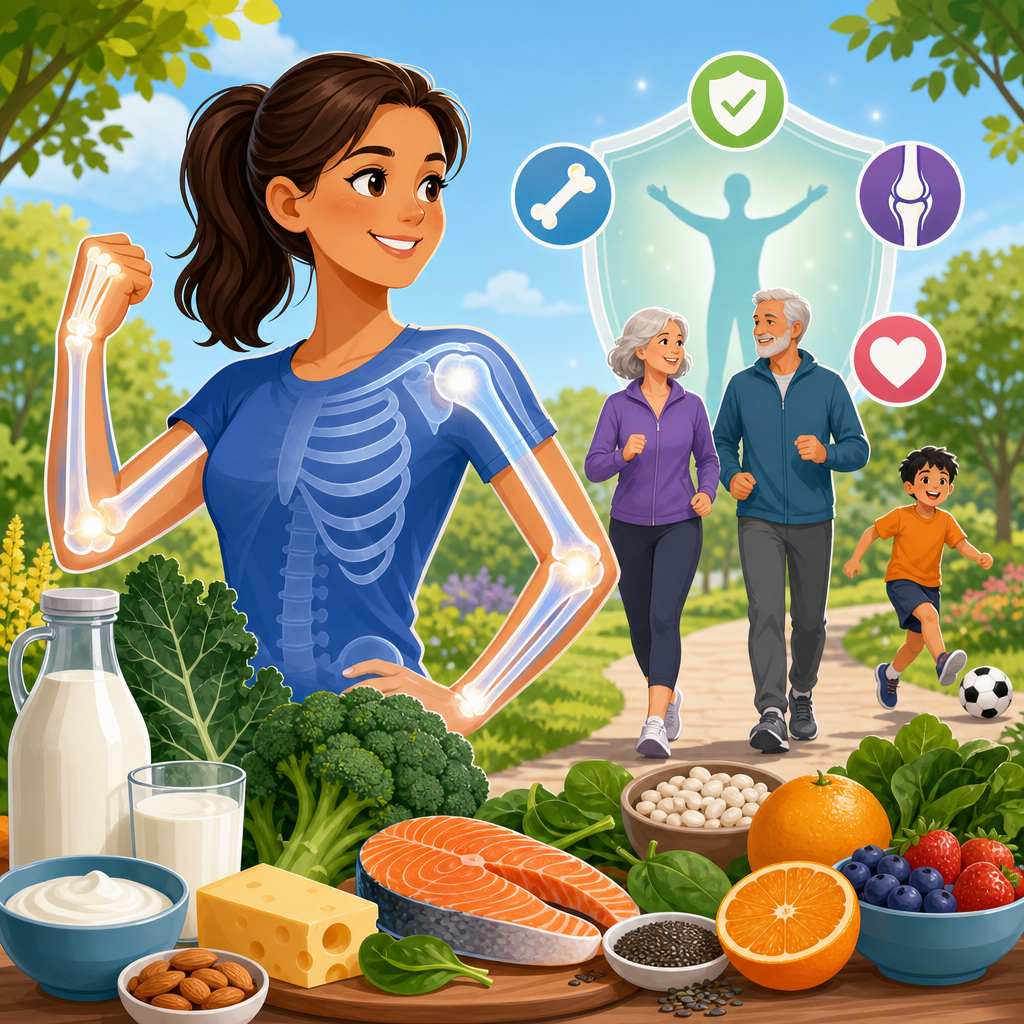
Strong bones and resilient joints are built through patterns, not single superfoods. Dairy foods, calcium-set tofu, sardines with bones, leafy greens, beans, eggs, fortified plant milks, nuts, seeds, fruit, and fatty fish all contribute different pieces of the puzzle. Sun exposure and vitamin D status influence calcium absorption. Protein supports collagen matrix formation and muscle strength that unloads joints. Vitamin C is essential for collagen synthesis. Magnesium and potassium help regulate bone metabolism. Omega-3 fats may help moderate inflammatory signaling linked to joint discomfort. The most protective approach is a consistent, nutrient-dense eating pattern aligned with age, activity level, medications, and medical history.
How nutrition supports bone strength across the lifespan
Bone is often described as a calcium bank, but that metaphor misses the biology. Peak bone mass is built primarily during childhood, adolescence, and early adulthood, then maintained or lost depending on hormones, activity, medications, and diet. The National Institutes of Health and major osteoporosis guidelines consistently emphasize calcium and vitamin D, yet bone tissue also depends on adequate total calories and protein. In practice, low-energy diets, restrictive eating, chronic dieting, and very low protein intake can undermine bone health even when calcium intake looks acceptable on paper.
Calcium provides the mineral framework that hardens bone, but vitamin D determines how efficiently calcium is absorbed in the gut. Magnesium participates in vitamin D metabolism and bone crystal formation. Vitamin K helps regulate proteins involved in bone mineralization, including osteocalcin. Phosphorus is another structural mineral in bone, though excessive reliance on highly processed foods without enough calcium-rich foods can create imbalance. Potassium-rich diets from fruits, vegetables, beans, and dairy are associated with better acid-base balance and may reduce calcium losses.
Life stage matters. Children and teens need enough energy, protein, calcium, and vitamin D to reach strong peak bone mass. Premenopausal adults benefit from maintaining these intakes while preserving muscle through resistance training. After menopause, estrogen decline accelerates bone loss, making calcium, vitamin D, protein, and exercise especially important. Older adults also face reduced appetite, lower stomach acid, less efficient absorption, and less time outdoors, which can further compromise nutrient status. Men are not exempt; they tend to fracture later in life but often suffer serious outcomes after fracture because bone loss goes unnoticed longer.
Key nutrients for healthy joints and connective tissue
Joint nutrition is broader than cartilage preservation. A healthy joint relies on collagen-rich connective tissue, stable surrounding muscle, controlled inflammation, and body weight that does not overload vulnerable structures. Protein is central because amino acids supply the raw materials for collagen, tendons, ligaments, and muscle repair. Inadequate protein intake is one of the most common gaps I see in adults who complain of persistent aches while trying to “eat healthy.” If total intake is too low, the body has fewer resources for tissue maintenance and recovery.
Vitamin C is essential for collagen synthesis, making citrus, kiwi, berries, peppers, broccoli, and potatoes more relevant to joint health than many people realize. Omega-3 fatty acids from salmon, sardines, trout, mackerel, flax, chia, and walnuts can help regulate inflammatory pathways. They do not cure arthritis, but diets rich in omega-3 fats are associated with better overall inflammatory balance and may reduce morning stiffness in some people with inflammatory joint conditions. Copper, manganese, and zinc support connective tissue enzymes and repair processes, though they are best obtained from foods rather than megadose supplements unless deficiency is confirmed.
Hydration also matters. Cartilage depends on water content for shock absorption, and synovial fluid helps joints glide smoothly. Dehydration will not directly cause arthritis, but it can worsen perceived stiffness and impair exercise performance, which then reduces the movement that joints need. Body weight is another major factor. Excess adipose tissue increases mechanical load on the knees, hips, and spine, while inflammatory chemicals produced by fat tissue may contribute to osteoarthritis progression. That is why joint-supportive nutrition is not only about nutrients; it is also about maintaining a sustainable body composition.
Best foods for nutrition for strong bones and joints
The best foods for nutrition for strong bones and joints are foods that supply multiple complementary nutrients at once. Dairy remains one of the most efficient examples because milk, yogurt, and cheese provide calcium, protein, phosphorus, and often vitamin D when fortified. Greek yogurt can be particularly useful for adults who need more protein. Fortified soy milk is the closest plant-based substitute nutritionally, especially when it provides calcium and vitamin D levels comparable to cow’s milk. Calcium-set tofu, edamame, and tempeh add protein plus bone-supportive minerals.
Fatty fish deserve priority because they combine protein, omega-3 fats, and, in some cases, vitamin D. Sardines and canned salmon with bones add highly absorbable calcium. Leafy greens such as kale, bok choy, and collards contribute calcium and vitamin K, though spinach is less efficient for calcium because oxalates reduce absorption. Beans, lentils, almonds, sesame, tahini, pumpkin seeds, and chia seeds add magnesium, protein, and trace minerals. Fruits and vegetables, especially citrus, berries, peppers, tomatoes, and cruciferous vegetables, support collagen formation and inflammatory control.
| Food | Main nutrients | Primary bone or joint benefit |
|---|---|---|
| Greek yogurt | Protein, calcium, phosphorus | Supports bone density and muscle that stabilizes joints |
| Sardines with bones | Calcium, vitamin D, omega-3s, protein | Builds bone mineral and helps regulate inflammation |
| Calcium-set tofu | Calcium, protein | Plant-based support for bone maintenance |
| Kale and collards | Calcium, vitamin K, potassium | Supports mineralization and bone metabolism |
| Salmon | Protein, omega-3s, vitamin D | Helps joint comfort and calcium absorption |
| Citrus and peppers | Vitamin C | Required for collagen formation in cartilage and ligaments |
Whole dietary patterns outperform isolated ingredients. A Mediterranean-style eating pattern, for example, consistently delivers vegetables, fruit, legumes, fish, olive oil, nuts, and fermented dairy, which together support bone density, healthy weight, and lower inflammatory burden. By contrast, a highly processed diet dominated by refined carbohydrates, excess sodium, and low-quality fats can displace nutrient-dense foods and worsen cardiometabolic risk, which indirectly harms joint health by promoting inactivity and weight gain.
Deficiencies, lifestyle risks, and disease prevention
Several common deficiencies and lifestyle habits weaken the musculoskeletal system long before symptoms become obvious. Low vitamin D status is widespread, especially in people with limited sun exposure, darker skin living in northern latitudes, older age, obesity, or malabsorption conditions. Without sufficient vitamin D, calcium absorption falls and parathyroid hormone can rise, increasing bone turnover. Calcium deficiency, chronically low protein intake, eating disorders, heavy alcohol use, smoking, and long-term inactivity further increase risk. Certain medications, including glucocorticoids, proton pump inhibitors in some contexts, aromatase inhibitors, and some anticonvulsants, can also compromise bone health.
The disease prevention link is concrete. Adequate bone nutrition reduces the likelihood of osteopenia progressing to osteoporosis and lowers fracture risk when paired with exercise. Joint-supportive eating patterns may not reverse structural arthritis, but they can reduce modifiable drivers such as obesity, poor recovery, and persistent low-grade inflammation. In rheumatoid arthritis and other autoimmune conditions, nutrition supports overall resilience and helps preserve muscle mass during flares or treatment. In athletes, better fueling lowers the risk of stress fractures and overuse injuries. In older adults, adequate protein and vitamin D reduce falls and functional decline when combined with strength and balance work.
Prevention is especially important because many bone and joint diseases are easier to slow than to reverse. Dual-energy X-ray absorptiometry scans can identify low bone density, but by the time a scan shows substantial loss, nutritional neglect may have been present for years. The same is true for joints: cartilage wears gradually, and people often respond only after pain limits activity. Building meals around protein, produce, calcium-rich foods, and healthy fats is a practical strategy that supports prevention far earlier than symptom-driven supplementation.
How to build a practical eating plan for lifelong musculoskeletal health
A practical eating plan for nutrition for strong bones and joints starts with meal structure. Aim to include a quality protein source at each meal, such as yogurt, eggs, fish, tofu, beans, chicken, or cottage cheese. Add a calcium source two to three times daily, especially if intake is otherwise low. Include at least five servings of fruits and vegetables across the day to cover vitamin C, potassium, magnesium, and phytonutrients. Use fatty fish two times weekly, or discuss omega-3 alternatives if seafood is not feasible. Fortified foods can help fill gaps, particularly for plant-based eaters.
For people who avoid dairy, the key is planning, not guessing. Choose fortified soy milk or yogurt, calcium-set tofu, beans, tahini, almonds, and low-oxalate greens, then verify totals against recommended intakes. For older adults with low appetite, concentrated foods matter: Greek yogurt, smoothies with fortified milk, canned salmon, eggs, soft tofu, and soups with beans are often easier than large meals. For active adults, pairing protein and carbohydrate after training improves recovery and can protect both joints and bone by supporting muscle and reducing repetitive strain from fatigue.
Supplements have a role, but they are secondary to diet quality and should be individualized. Calcium supplements may help when intake is low, but doses should be targeted rather than excessive. Vitamin D supplementation is common when blood levels are low or sun exposure is limited. Collagen peptides may modestly support joint comfort in some adults, yet results are mixed and they should not replace adequate protein. The most effective routine remains consistent nutrition, resistance training, weight-bearing exercise, sleep, and regular review of risk factors with a qualified clinician. Start by auditing one week of meals and improving the biggest gap.
Strong bones and healthy joints depend on a network of nutrients, behaviors, and life-stage decisions, not a single food or pill. Calcium and vitamin D matter, but so do protein, vitamin C, magnesium, vitamin K, omega-3 fats, and overall diet quality. The prevention payoff is substantial: lower risk of osteoporosis, fewer fractures, better mobility, improved exercise capacity, and reduced burden from weight-related joint stress. Because bone loss and joint decline often progress silently, the smartest strategy is early, consistent action rather than late correction.
As the central guide within nutrition for health and wellness, nutrition for strong bones and joints connects everyday food choices with long-term independence. Build meals around protein, calcium-rich foods, fruits, vegetables, legumes, nuts, seeds, and fish or fortified alternatives. Pair those choices with strength training, walking, and attention to vitamin D status. If you have a history of fractures, chronic joint pain, restrictive eating, or medication use that affects bone, speak with your clinician or a registered dietitian and make a targeted plan today.
Frequently Asked Questions
Why is nutrition for strong bones and joints important at every age, not just later in life?
Nutrition for bone and joint health matters throughout the entire lifespan because the body is constantly building, repairing, and remodeling these tissues. Bones are not static structures; they are living tissue that undergoes continuous turnover through the work of osteoblasts, which form new bone, and osteoclasts, which break down old bone. During childhood and adolescence, good nutrition helps build peak bone mass, which serves as a reserve that can protect against osteoporosis and fractures later in life. In adulthood, the goal shifts toward maintaining bone density, preserving joint function, and supporting the muscles, tendons, and ligaments that stabilize movement. As people age, these nutritional foundations become even more important because natural changes in hormone levels, activity patterns, and absorption can increase the risk of bone thinning, joint discomfort, and mobility loss.
Joints also depend on lifelong nutritional support. Cartilage, synovial fluid, connective tissues, and the surrounding muscles all require adequate protein, healthy fats, vitamins, minerals, and hydration to function properly. When nutrition is poor over time, the body may struggle to maintain these structures, increasing wear and tear and reducing resilience. That is one reason bone and joint nutrition is closely tied to disease prevention. A strong musculoskeletal system supports balance, physical activity, metabolic health, and independence, all of which can lower the risk of falls, fractures, disability, and chronic disease. In other words, eating for strong bones and joints is not just about avoiding problems in old age; it is about building a durable framework for lifelong movement and long-term health.
Which nutrients are most important for bone strength and joint support?
Several nutrients work together to protect bone density and joint integrity, and no single nutrient does the job alone. Calcium is one of the best-known because it provides much of the mineral structure that gives bones their strength. Vitamin D is essential because it helps the body absorb and use calcium effectively. Without enough vitamin D, even a calcium-rich diet may not fully support bone health. Vitamin K also plays an important role in bone metabolism by helping activate proteins involved in bone mineralization. Magnesium contributes to bone structure and supports many biochemical processes related to muscle and nerve function, while phosphorus is another key mineral found in bone tissue.
Protein is equally important, though it is sometimes overlooked. Bones contain a protein framework, and joints rely on protein-rich structures such as cartilage, tendons, ligaments, and muscle. Inadequate protein intake can weaken the body’s ability to maintain and repair these tissues. Omega-3 fatty acids may help support joint comfort by promoting a balanced inflammatory response, which is especially relevant because chronic low-grade inflammation can contribute to tissue breakdown over time. Vitamin C is also valuable because it is needed for collagen production, a major structural component of cartilage, ligaments, tendons, and bone matrix.
Other nutrients that support musculoskeletal health include zinc, manganese, potassium, and antioxidants from fruits and vegetables. Potassium-rich foods may help maintain a more favorable acid-base balance, which can indirectly support bone preservation. Antioxidants help protect cells from oxidative stress, which is associated with aging and chronic inflammation. The most effective strategy is to focus on dietary patterns rather than isolated nutrients. Dairy foods, fortified alternatives, leafy greens, beans, nuts, seeds, fish, eggs, fruits, vegetables, and lean proteins all contribute to a nutritional environment that supports strong bones, healthy joints, and disease prevention.
How does nutrition for bones and joints help with disease prevention?
Good nutrition for bones and joints contributes to disease prevention in both direct and indirect ways. Directly, it helps reduce the risk of skeletal disorders such as osteopenia, osteoporosis, and fractures by supplying the nutrients needed for bone maintenance and repair. It may also help support joint tissues and reduce the long-term strain associated with chronic inflammation, poor connective tissue health, and muscle weakness. Since joints depend heavily on the surrounding muscles for shock absorption and alignment, nutrition that preserves muscle mass can also reduce mechanical stress on the joints and support healthier movement patterns.
Indirectly, a strong musculoskeletal system makes regular physical activity more sustainable, and that is one of the most powerful tools for preventing chronic disease. People who maintain stronger bones, healthier joints, and better muscle function are often better able to walk, climb stairs, exercise, and remain independent. This supports cardiovascular health, blood sugar control, healthy body composition, and mental well-being. In contrast, pain, stiffness, fractures, and weakness can limit activity and create a cycle of deconditioning that raises the risk for diabetes, heart disease, obesity, and frailty.
Nutrition also influences inflammation and immune function, both of which are connected to chronic disease risk. Diets rich in whole foods, fiber, healthy fats, and micronutrients tend to support a healthier inflammatory balance than diets high in ultra-processed foods, added sugars, and excess sodium. That matters because chronic inflammation can affect joint comfort and is also linked to many major diseases. In this way, nutrition for strong bones and joints fits into a larger preventive health picture. It supports structure, movement, metabolism, and resilience all at once.
What foods should I eat regularly to support strong bones, flexible joints, and long-term mobility?
A practical approach is to build meals around nutrient-dense whole foods that consistently deliver calcium, vitamin D, protein, healthy fats, and a wide range of supportive vitamins and minerals. Dairy products such as yogurt, milk, and cheese are rich in calcium and often provide protein and vitamin D as well. If you do not consume dairy, fortified plant milks, calcium-set tofu, and fortified yogurts can help fill that gap. Fatty fish such as salmon, sardines, and mackerel are especially helpful because they provide protein, omega-3 fats, and, in some cases, vitamin D and calcium. Eggs can also contribute protein and some vitamin D.
Leafy greens like kale, bok choy, and collards offer calcium and other micronutrients, while beans, lentils, nuts, and seeds provide magnesium, protein, and minerals that support connective tissue and bone metabolism. Citrus fruits, berries, peppers, and tomatoes are excellent sources of vitamin C and antioxidants, which help with collagen formation and tissue protection. Whole grains, potatoes, bananas, avocados, and legumes can contribute potassium and other nutrients that support muscle and bone function. Lean meats, poultry, fish, soy foods, and legumes are all useful for meeting protein needs, which is important for maintaining muscle that stabilizes the joints and protects the skeleton.
Hydration should not be ignored either. Joint function depends in part on healthy synovial fluid and overall tissue hydration, so drinking enough fluids supports comfort and movement. At the same time, it helps to limit habits that can work against bone and joint health, such as excessive alcohol intake, chronically low-calorie dieting, and a heavy reliance on highly processed foods with little nutritional value. A balanced eating pattern, repeated consistently over time, is far more powerful than occasional “superfoods.” The goal is not perfection but regular intake of foods that nourish the tissues responsible for strength, flexibility, and mobility.
Can nutrition alone prevent osteoporosis, arthritis, or other bone and joint problems?
Nutrition is a major part of prevention, but it is not the only factor. Bone and joint health are influenced by a combination of diet, physical activity, genetics, hormones, body weight, sleep, medications, smoking status, sunlight exposure, and underlying medical conditions. For example, weight-bearing and resistance exercise are essential partners to nutrition because they stimulate bone remodeling and help maintain the muscle that supports and protects joints. Adequate protein and minerals provide the raw materials, but movement tells the body where strength is needed. Without physical activity, the full benefits of a healthy diet may not be realized.
Similarly, arthritis and other joint disorders can arise from many causes, including age-related wear, autoimmune conditions, prior injury, repetitive stress, and metabolic factors. Nutrition may help reduce risk, slow progression, or improve symptom management in some cases, especially when it supports a healthy weight and a balanced inflammatory response. However, it cannot guarantee prevention of every condition. The same is true for osteoporosis. Good nutrition can lower risk substantially, but screening, exercise, hormone changes, medication review, and medical guidance are also important, especially for people with a family history or other risk factors.
The most realistic and evidence-based message is that nutrition is foundational, not magical. It creates the internal conditions that help bones stay dense, joints stay supported, and the body stay active. When combined with regular exercise, healthy lifestyle habits, and appropriate medical care, it becomes one of the most effective long-term strategies for preserving mobility, reducing injury risk, and helping prevent the cascade of disease that can follow from weakness, pain, and loss of independence.