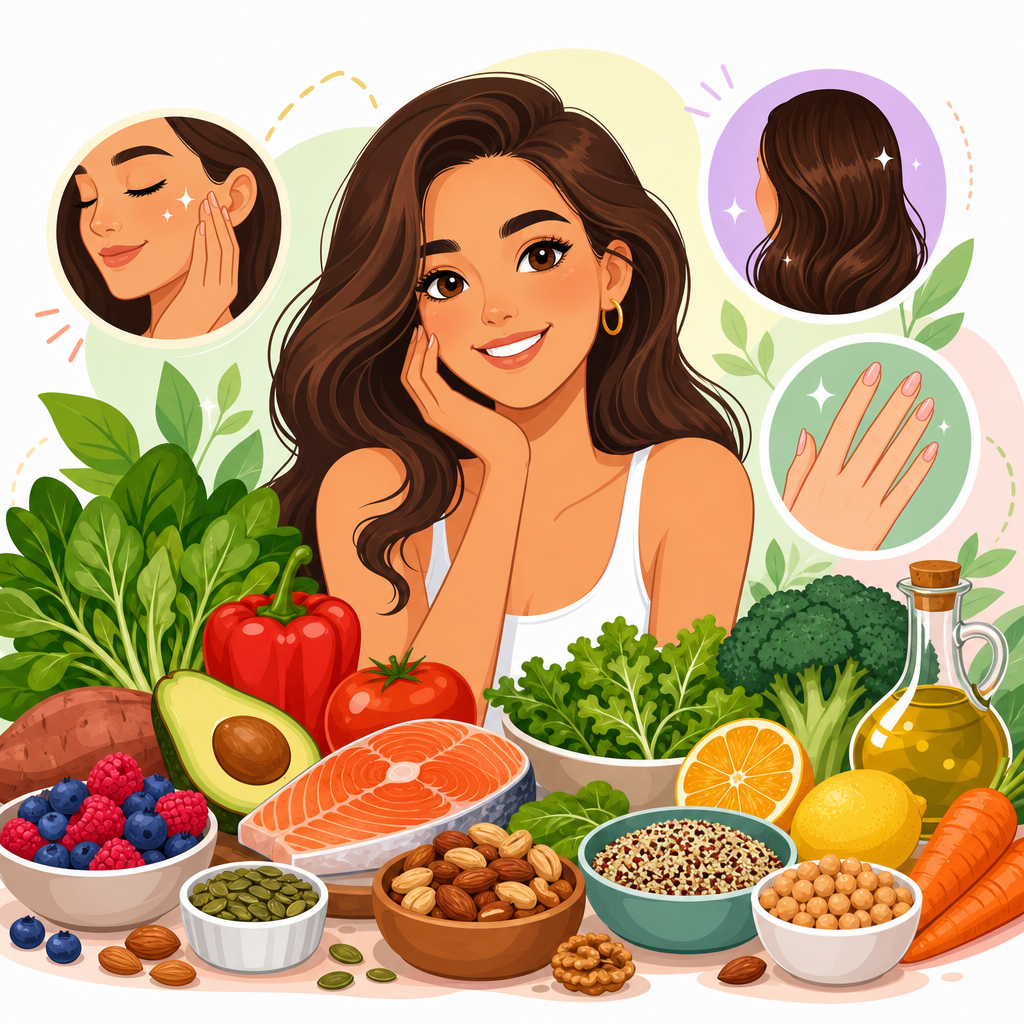
Foods for skin, hair, and nail health deserve a central place in any balanced diet because these tissues renew constantly and reveal nutritional status earlier than many internal systems. In practice, dull skin, brittle nails, excess shedding, slow wound healing, and a dry scalp often appear when protein intake slips, essential fats are low, or micronutrients such as zinc, iron, vitamin C, biotin, and vitamin A are out of balance. A balanced diet is not only about calories or weight management. It is the consistent intake of macronutrients, vitamins, minerals, water, and protective plant compounds that support normal structure and function across the entire body, including the visible tissues people notice every day.
When I build nutrition plans, this topic matters because people usually ask for cosmetic results, yet the underlying issue is physiology. Skin is the body’s largest organ and depends on collagen synthesis, hydration, barrier lipids, and antioxidant defenses. Hair is made primarily of keratin, a protein that requires adequate amino acids, iron-dependent oxygen delivery, and hormone-sensitive growth cycles. Nails also rely on keratin and reflect long-term intake more than overnight changes. No single “beauty food” can overcome a poor overall eating pattern, but the right foods can materially improve texture, resilience, and growth over time. That is why foods for skin, hair, and nail health are essential: they connect appearance to foundational nutrition, making them a practical gateway to a more balanced diet.
How nutrition shapes skin, hair, and nails
Skin, hair, and nails are metabolically active tissues, but they are not prioritized during nutritional stress. The body will direct nutrients toward vital organs first. That is why restrictive dieting, illness, digestive disorders, and chronic under-eating can show up quickly in the mirror. The skin barrier requires fats, ceramides, and fat-soluble vitamins to reduce water loss and irritation. Collagen formation depends on vitamin C, copper, and sufficient protein. Hair follicles move through growth, transition, and resting phases, and low energy intake or iron deficiency can push more hairs into shedding. Nails grow slowly, so ridging, peeling, and fragility often reflect intake patterns over several months rather than a single meal.
Inflammation and oxidative stress also matter. Ultraviolet exposure, smoking, poor sleep, heavy alcohol intake, and diets high in ultra-processed foods can increase oxidative damage that weakens collagen and worsens skin quality. By contrast, fruits, vegetables, legumes, nuts, seeds, fish, eggs, and dairy provide the nutrients needed for repair and protection. Dermatology research consistently links dietary patterns, not miracle ingredients, with healthier outcomes. A Mediterranean-style eating pattern, for example, supplies omega-3 fats, polyphenols, fiber, and minerals associated with better cardiovascular and metabolic health, and those same factors support circulation and nutrient delivery to skin and follicles.
Protein-rich foods: the structural foundation
If there is one nonnegotiable category for skin, hair, and nail health, it is protein. Keratin in hair and nails and collagen in skin are protein-based structures, so inadequate intake can undermine strength and growth. In clinical nutrition, I usually start by checking whether a person includes protein at each meal. Good options include eggs, Greek yogurt, cottage cheese, fish, chicken, turkey, tofu, tempeh, edamame, lentils, beans, and lean beef. Eggs are especially useful because they deliver complete protein plus biotin, selenium, and choline. Greek yogurt adds protein, iodine, and often vitamin B12, all relevant to tissue maintenance.
Plant-based eaters can support hair and nail health well, but they need variety and enough total intake. Pairing legumes with whole grains improves the amino acid profile across the day, and soy foods provide particularly high-quality protein. Collagen powders are popular, yet whole-food protein should come first. Collagen supplements may help some people with skin elasticity or nail brittleness, but they are not a substitute for adequate dietary protein, vitamin C, zinc, and copper. A practical benchmark for many adults is distributing protein evenly rather than saving most of it for dinner, because tissue repair depends on steady access to amino acids.
Healthy fats and hydration for barrier function and shine
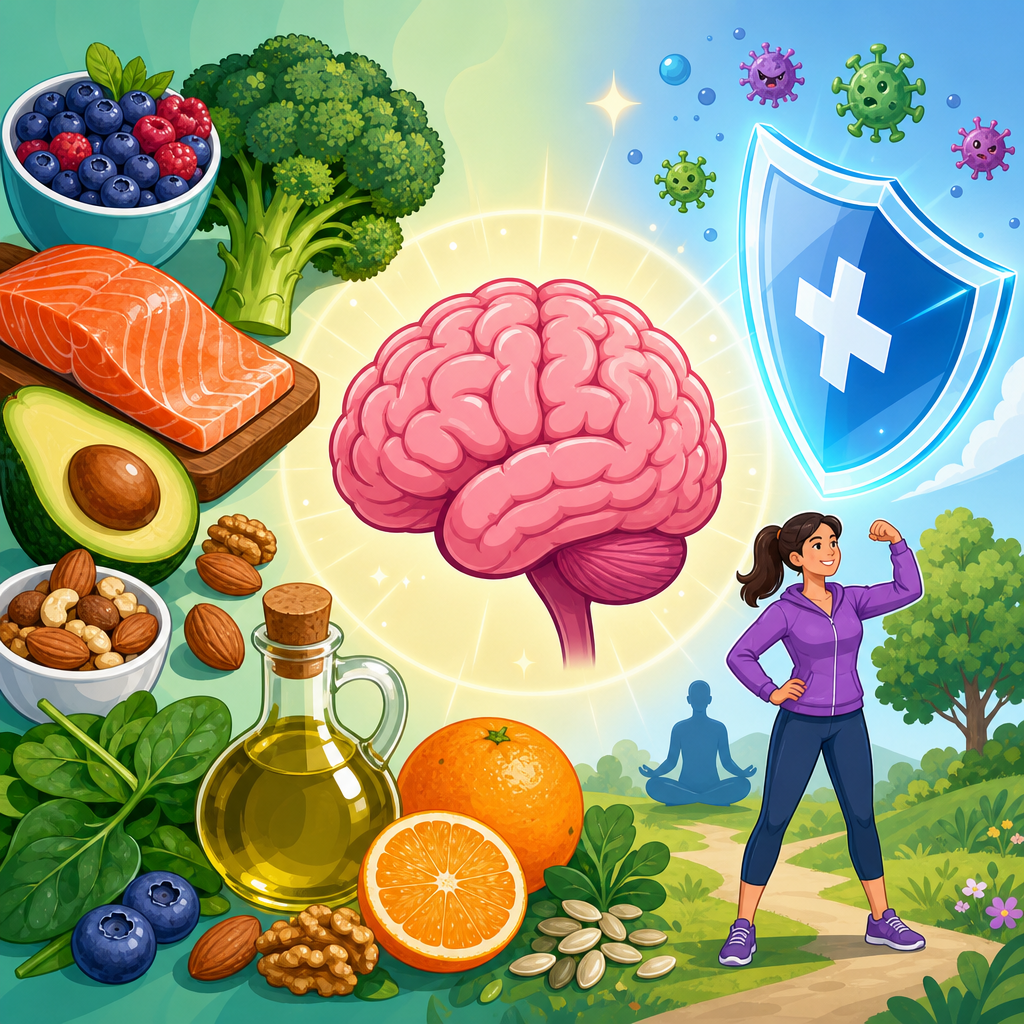
Dry skin and lackluster hair often improve when diets include enough unsaturated fat and total fluids. Fats are not cosmetic extras; they are part of the skin barrier and support absorption of vitamins A, D, E, and K. Omega-3 fatty acids from salmon, sardines, trout, mackerel, chia seeds, flaxseed, and walnuts help regulate inflammation and support scalp comfort. Avocados, extra-virgin olive oil, almonds, and sunflower seeds provide monounsaturated fats and vitamin E, a major antioxidant in cell membranes. In real meal planning, I see better consistency when people add these foods into lunches and snacks rather than relying on sporadic supplement use.
Hydration influences skin appearance, but the message should be precise. Drinking more water will not erase structural dryness caused by eczema, harsh cleansers, or nutrient deficiencies, yet inadequate fluid intake can contribute to a tired look and reduced resilience. Foods with high water content, such as oranges, cucumbers, tomatoes, melons, and soups, count toward hydration. Electrolytes matter too, especially for active people or those in hot climates. Balanced hydration works best alongside fats and protein, because a well-supported skin barrier retains moisture more effectively than water intake alone ever can.
Vitamins and minerals that make the biggest difference
The most important micronutrients for foods for skin, hair, and nail health are iron, zinc, vitamin C, vitamin A, vitamin E, biotin, selenium, iodine, and copper. Iron deficiency is one of the first issues I investigate when someone reports increased hair shedding, fatigue, and pale skin. Sources include lean red meat, lentils, beans, spinach, pumpkin seeds, and iron-fortified cereals, with vitamin C-rich foods such as kiwi or bell peppers improving non-heme iron absorption. Zinc supports wound healing and follicle function; oysters, beef, chickpeas, pumpkin seeds, and dairy are strong sources. Vitamin C from berries, citrus, broccoli, and peppers is essential for collagen synthesis and antioxidant defense.
Vitamin A helps regulate skin cell turnover, but more is not better. Sweet potatoes, carrots, spinach, kale, and eggs offer safe food sources, whereas excessive preformed vitamin A from supplements can actually contribute to hair loss. Biotin is widely marketed, yet true deficiency is uncommon except in specific medical situations. Foods such as eggs, salmon, nuts, seeds, and legumes usually provide enough. Selenium from Brazil nuts, seafood, eggs, and whole grains supports antioxidant systems, but Brazil nuts should be eaten carefully because very high selenium intake can cause hair and nail problems. Iodine from dairy, seafood, and iodized salt matters because thyroid dysfunction often affects hair growth and skin texture.
| Nutrient or food group | Key role | Best food examples | What low intake may look like |
|---|---|---|---|
| Protein | Builds keratin and collagen | Eggs, fish, yogurt, tofu, lentils | Brittle nails, weak hair, slow repair |
| Omega-3 fats | Supports barrier function and inflammation control | Salmon, sardines, chia, flax, walnuts | Dry skin, irritated scalp |
| Iron | Supports oxygen delivery to follicles | Lean beef, beans, spinach, fortified cereals | Hair shedding, fatigue, pallor |
| Vitamin C | Required for collagen synthesis | Citrus, berries, kiwi, peppers, broccoli | Poor wound healing, dull skin |
| Zinc | Supports healing and growth | Oysters, beef, dairy, pumpkin seeds | Slow healing, brittle nails |
Best whole foods to prioritize in a balanced diet
A practical way to eat for skin, hair, and nail health is to build meals around repeatable whole foods rather than chasing trends. Fatty fish twice weekly is a strong starting point because it supplies protein, omega-3 fats, selenium, and vitamin D. Eggs remain one of the most efficient breakfast foods for this topic. Berries and citrus support collagen production through vitamin C and polyphenols. Leafy greens provide carotenoids, folate, and magnesium. Orange vegetables such as carrots and sweet potatoes contribute provitamin A carotenoids. Nuts and seeds offer vitamin E, zinc, and healthy fats, while legumes add protein, iron, and fiber that supports gut health.
Fermented dairy foods like yogurt and kefir deserve mention because they combine protein with iodine and may support the gut microbiome, which is increasingly linked to inflammatory skin conditions. Shellfish, especially oysters, are exceptional for zinc, though they are not everyday foods for most households. For budget-conscious planning, canned salmon, canned sardines, eggs, beans, frozen spinach, oats, peanuts, and seasonal produce provide strong nutritional value. If a person eats a highly varied plate built from these staples, they usually cover the major nutrient bases without relying heavily on supplements.
Patterns that weaken results: restrictive diets, sugar, and supplement misuse
Several common habits work against skin, hair, and nail health even when “healthy foods” are added in. Very low-calorie diets are a frequent cause of increased shedding because the body interprets energy shortage as stress. Elimination diets without a medical reason can reduce protein, iron, calcium, iodine, or essential fats. High intakes of sugary drinks and heavily refined foods may worsen glycemic variability and inflammation, which can affect acne-prone skin and overall diet quality. Alcohol can impair hydration and nutrient absorption, and smoking degrades collagen through oxidative mechanisms that no smoothie can fully offset.
Supplement misuse is another issue. Biotin megadoses can interfere with certain laboratory tests, including thyroid and cardiac markers, and many hair gummies provide nutrients people already get from food. Iron should not be supplemented blindly because excess iron is harmful. Zinc in high doses can induce copper deficiency. Retinol-based vitamin A supplements can be risky in pregnancy and harmful in excess. The safer and more effective approach is food first, labs when indicated, and targeted supplementation guided by a clinician or registered dietitian. That approach respects the fact that visible tissues reflect overall health, not just topical care or one nutrient at a time.
How to build meals that support visible and long-term health
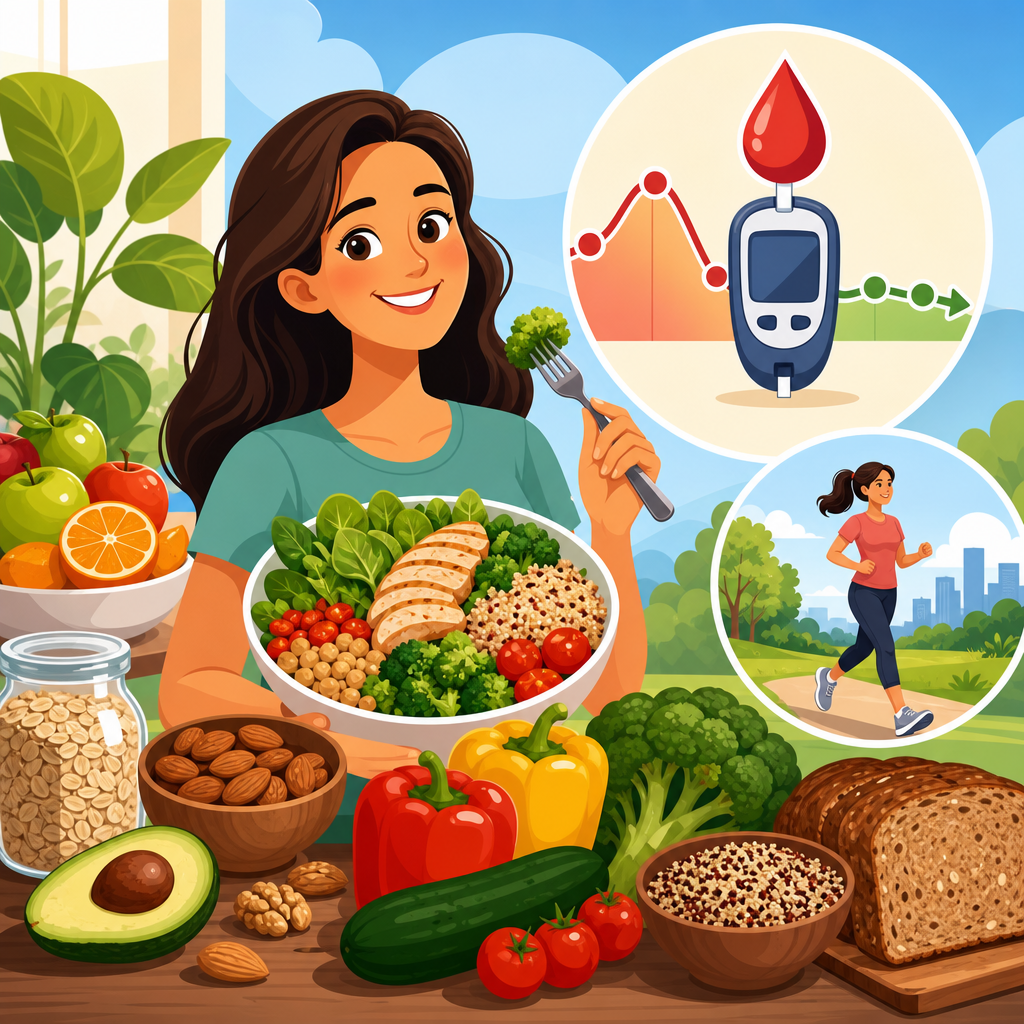
The simplest meal pattern is protein plus color plus healthy fat at each meal. Breakfast could be eggs with spinach and fruit, or Greek yogurt with berries, chia seeds, and oats. Lunch might be a salmon grain bowl with mixed greens, roasted vegetables, olive oil, and pumpkin seeds. Dinner could be lentil pasta with tomato sauce, sautéed kale, and grilled chicken or tofu. Snacks that fit this topic include cottage cheese with kiwi, hummus with peppers, edamame, almonds, or sardines on whole-grain crackers. These combinations support collagen, keratin, hydration, and antioxidant defense without becoming complicated.
Consistency matters more than perfection. Skin turnover takes weeks, nails take months, and hair growth is slower still, so visible changes require patience. It also helps to connect this hub topic with related areas of nutrition for health and wellness: anti-inflammatory eating, gut health, blood sugar balance, adequate sleep, and stress management all influence outcomes. Food cannot replace dermatologic treatment for eczema, psoriasis, severe acne, alopecia, or thyroid disease, but it does improve the baseline environment in which those treatments work. A balanced diet gives the body the raw materials to repair, protect, and regenerate from the inside out.
Foods for skin, hair, and nail health are essential for a balanced diet because they deliver far more than cosmetic benefits. Protein builds structure. Healthy fats support the skin barrier and help retain moisture. Iron, zinc, vitamin C, vitamin A, vitamin E, iodine, selenium, and biotin each play defined roles in growth, repair, collagen formation, and protection against damage. The strongest strategy is not an expensive supplement stack or a single superfood. It is a consistent eating pattern centered on fish, eggs, dairy or fortified alternatives, legumes, nuts, seeds, fruits, vegetables, and minimally processed staples that cover nutritional needs day after day.
The main benefit of this approach is that it improves visible tissues while strengthening overall wellness. When meals support circulation, inflammation control, thyroid function, hydration, and protein adequacy, skin often looks calmer, hair feels stronger, and nails become less brittle. Just as important, the same diet supports energy, immunity, bone health, and metabolic health. Use this page as your hub, then build outward into specific topics such as collagen-supporting foods, iron-rich meals, omega-3 sources, and nutrition for common skin concerns. Start by upgrading one meal today with protein, colorful produce, and healthy fat, then repeat it consistently. That is how balanced nutrition shows up on the outside.
Frequently Asked Questions
Why are foods for skin, hair, and nail health considered essential in a balanced diet?
Foods that support skin, hair, and nail health are essential because these tissues are constantly growing, repairing, and replacing themselves. That means they have a steady demand for high-quality protein, essential fatty acids, vitamins, and minerals. When the diet falls short, the body often prioritizes more critical internal functions first, so the skin, scalp, hair, and nails may show early warning signs of imbalance. Dull skin, brittle nails, increased hair shedding, dry scalp, and slower wound healing can all reflect nutritional gaps before other symptoms become obvious.
A truly balanced diet is not just about meeting calorie needs or managing body weight. It is also about supplying the raw materials the body needs to maintain structure, resilience, and repair. Skin relies on nutrients that support collagen formation, moisture balance, and protection from oxidative stress. Hair needs adequate protein, iron, zinc, and a range of vitamins to grow normally through its natural cycle. Nails depend on protein and minerals to remain strong rather than splitting or peeling. Including foods that nourish these tissues helps support overall health while also providing visible signs that the body is being well fueled.
Which nutrients matter most for healthy skin, hair, and nails?
Several nutrients play especially important roles. Protein is foundational because hair, skin, and nails are made largely from structural proteins. If protein intake is too low, the body may struggle to maintain normal growth and repair, leading to weakness, slow recovery, and changes in appearance. Essential fats are also critical, particularly omega-3 fats, because they help support the skin barrier, scalp comfort, and overall cell health. Without enough healthy fat, skin can become dry and less supple.
Micronutrients are equally important. Vitamin C supports collagen production and helps the body use iron effectively. Zinc contributes to tissue repair, immune defense, and normal hair and nail maintenance. Iron helps transport oxygen to tissues, including the hair follicles, and low iron status is commonly associated with fatigue and increased shedding. Biotin is often discussed in relation to hair and nails because it plays a role in energy metabolism and keratin infrastructure, although true biotin deficiency is uncommon. Vitamin A supports skin cell turnover and immune function, but balance matters because both too little and too much can create problems. Other supportive nutrients include vitamin E, selenium, B vitamins, and water, all of which contribute to normal tissue function, resilience, and appearance.
What are the best foods to eat for stronger hair, clearer skin, and healthier nails?
The best approach is to build meals around whole foods that provide a wide range of nutrients rather than relying on a single “beauty food.” Protein-rich foods such as eggs, fish, yogurt, poultry, beans, lentils, tofu, and lean meats help supply the amino acids needed for growth and repair. Fatty fish like salmon, sardines, and trout provide both protein and omega-3 fats, making them especially useful for supporting skin moisture and scalp health. Eggs also deliver protein along with biotin and other B vitamins.
Colorful fruits and vegetables are another major category. Citrus fruits, berries, kiwi, bell peppers, and tomatoes provide vitamin C, which supports collagen formation and antioxidant protection. Leafy greens, carrots, sweet potatoes, and squash contribute vitamin A precursors and other protective plant compounds. Nuts and seeds, including almonds, walnuts, chia seeds, flaxseeds, and pumpkin seeds, offer healthy fats, vitamin E, zinc, and selenium. Whole grains and legumes can add B vitamins, iron, and steady energy support, while foods such as oysters, red meat, beans, and fortified cereals may help support zinc and iron intake when needed. In practical terms, eating a varied diet with protein, healthy fats, produce, and mineral-rich staples at most meals is one of the most effective ways to nourish skin, hair, and nails consistently.
Can poor nutrition really cause brittle nails, dry skin, or hair shedding?
Yes, poor nutrition can absolutely contribute to these issues, although it is not the only possible cause. Because skin, hair, and nails renew regularly, they are sensitive to dietary quality and overall nutrient intake. When protein is consistently too low, the body may not have enough building material to support normal hair growth, nail strength, and tissue repair. Low intake of essential fats can weaken the skin barrier and contribute to dryness, while shortages of zinc, iron, vitamin C, and other nutrients may interfere with healing, cell turnover, and normal follicle function.
That said, it is important to take a balanced view. Brittle nails, excess shedding, acne, dry skin, or scalp changes can also be related to stress, hormones, medications, thyroid issues, genetics, seasonal changes, or underlying medical conditions. Nutrition is a major piece of the picture, but not always the only one. If symptoms are persistent, severe, or new, it is wise to look beyond diet alone and consider professional evaluation. In many cases, however, improving diet quality by restoring adequate protein, healthy fats, and key micronutrients can make a meaningful difference over time, especially when the issue developed alongside restrictive eating, skipped meals, or poor food variety.
Are supplements necessary, or can diet alone support skin, hair, and nail health?
For many people, diet alone can provide the nutrients needed to support healthy skin, hair, and nails, especially when meals are varied and consistently balanced. Whole foods offer a package of protein, fats, vitamins, minerals, fiber, and beneficial plant compounds that work together in ways supplements cannot fully replicate. If someone eats enough protein, includes healthy fat sources, and regularly consumes fruits, vegetables, legumes, nuts, seeds, and mineral-rich foods, they may be able to meet their needs without any special products.
Supplements may be helpful in certain situations, such as confirmed deficiencies, increased needs, restricted diets, absorption problems, or medical conditions that make it difficult to meet requirements through food alone. However, more is not always better. Taking high doses of certain nutrients, including vitamin A, iron, zinc, or even some hair-and-nail formulas, can sometimes create new imbalances or side effects. The most effective strategy is usually to start with food, pay attention to consistent intake, and use supplements selectively when there is a clear reason. If someone notices ongoing hair thinning, nail fragility, or skin changes despite eating well, testing and individualized advice from a qualified healthcare professional can help identify whether a supplement is truly necessary.