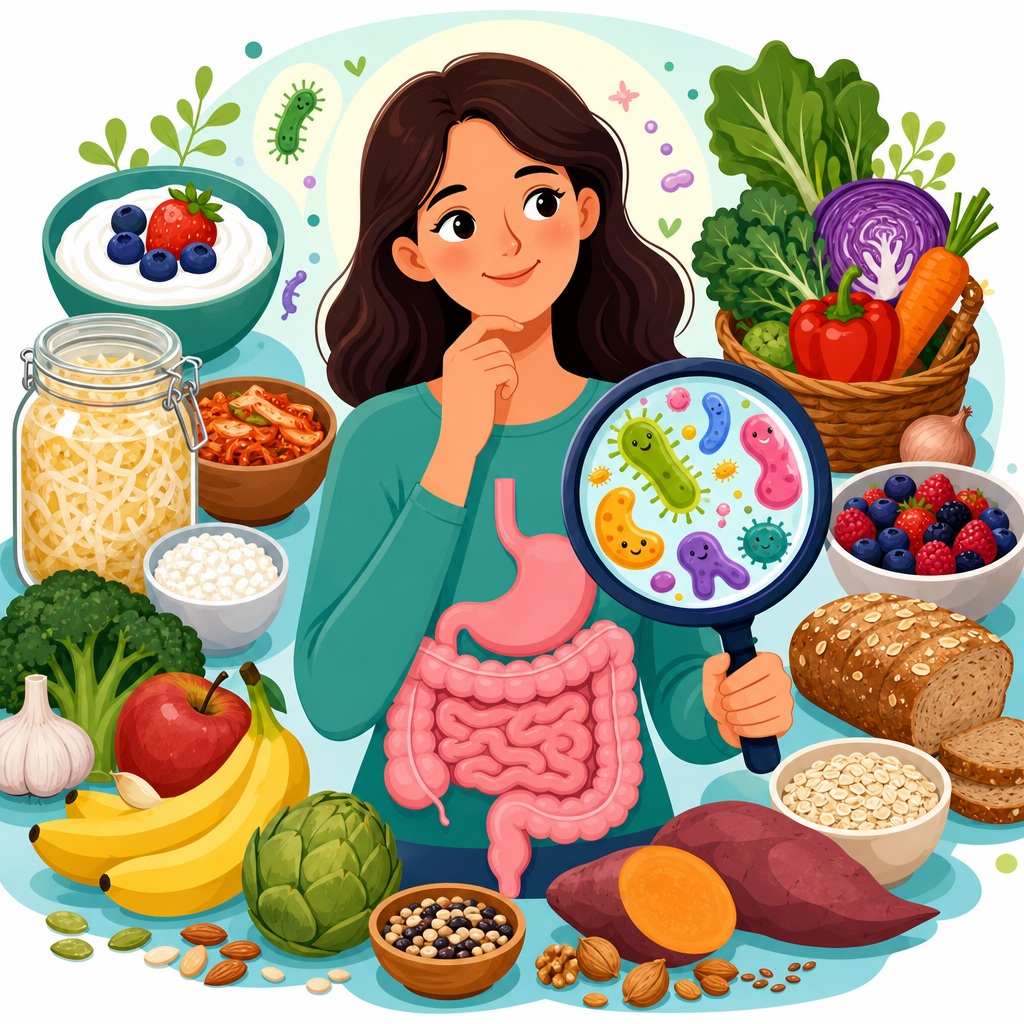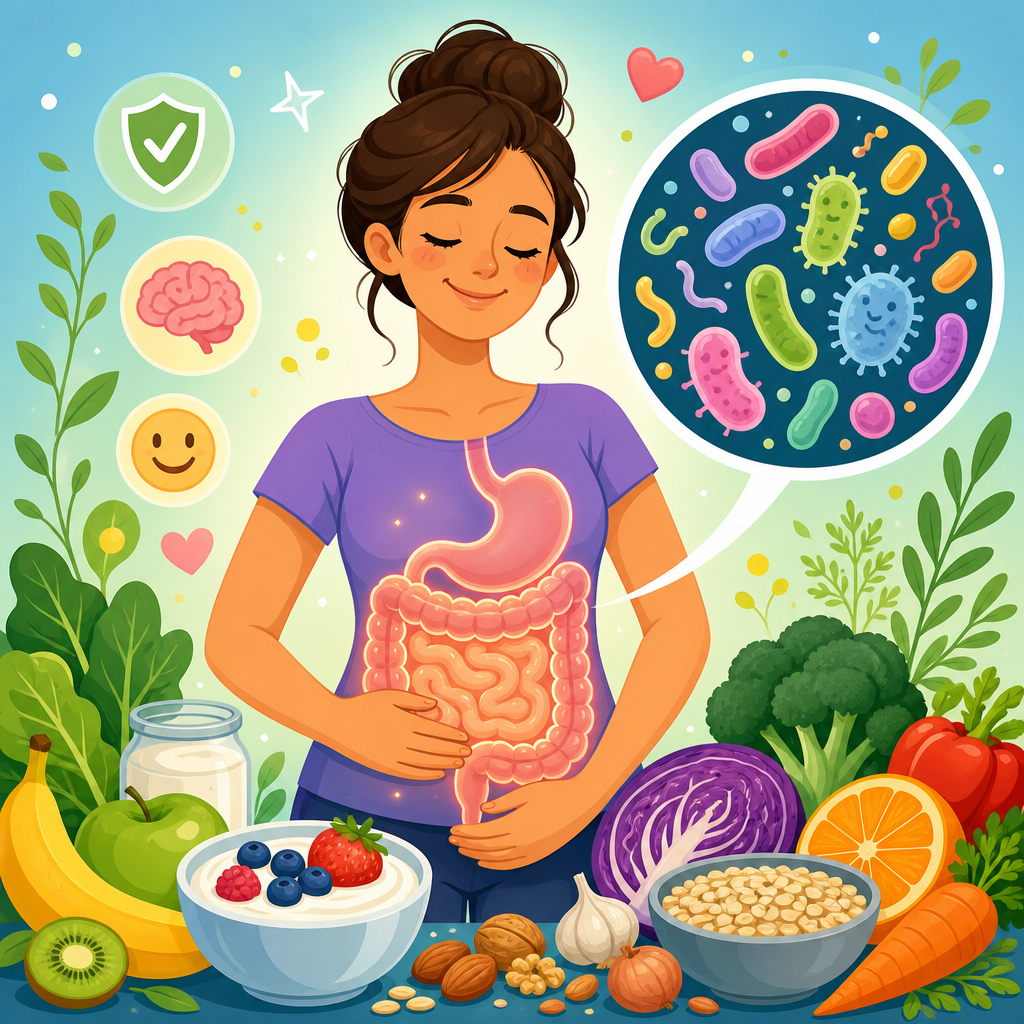
Gut health and the microbiome shape digestion, immunity, metabolism, and even mood, making them central to modern nutrition for health and wellness. Gut health usually refers to how well the gastrointestinal tract functions: efficient digestion, a resilient intestinal barrier, balanced immune activity, regular bowel habits, and minimal symptoms such as bloating, pain, reflux, constipation, or diarrhea. The microbiome refers to the community of bacteria, viruses, fungi, and other microbes living in and on the body, with the gut microbiome drawing the most attention because it is dense, metabolically active, and tightly connected to human physiology.
In practice, scientists are not asking whether microbes matter. That question is settled. The real questions are which microbial patterns support health, how diet and lifestyle shape them, and what changes lead to meaningful benefits. I have worked with nutrition plans that improved gastrointestinal symptoms without any dramatic intervention, and the common thread was rarely a single superfood or supplement. It was usually a steady shift toward dietary diversity, adequate fiber, symptom tracking, and targeted treatment when a medical condition was involved.
The gut is not just a food tube. It is an ecosystem and a signaling organ. The intestinal lining acts as a selective barrier that absorbs nutrients while keeping pathogens and toxins in check. Mucus layers, stomach acid, digestive enzymes, bile acids, immune cells, and trillions of microbes all interact continuously. When that system works well, people tend to digest food comfortably, maintain regular stools, and tolerate a wider range of meals. When it is disrupted, symptoms and disease risk can increase.
Why does this matter so much now? Research over the last two decades has linked the gut microbiome to inflammatory bowel disease, irritable bowel syndrome, obesity, type 2 diabetes, colorectal cancer risk, allergies, and aspects of mental health. Scientists have identified mechanisms, not just associations. Gut microbes ferment fiber into short-chain fatty acids such as butyrate, acetate, and propionate. These compounds nourish colon cells, help regulate inflammation, influence glucose metabolism, and support barrier integrity. That is one reason high-fiber diets consistently correlate with better gastrointestinal and cardiometabolic outcomes.
At the same time, gut health is a field crowded with exaggerated claims. A stool test sold directly to consumers cannot diagnose every problem. “Leaky gut” is often used loosely, even though intestinal permeability is a real measurable phenomenon in specific contexts. Probiotics can help in some situations, but they are strain specific rather than universally effective. A credible understanding of gut health starts with what evidence actually shows: the microbiome is important, but it responds to fundamentals more reliably than to marketing.
What the Gut Microbiome Does
The gut microbiome helps break down dietary components the human body cannot fully digest on its own, especially certain fibers and resistant starches. In the colon, microbes ferment these substrates and produce short-chain fatty acids, gases, vitamins, and bioactive metabolites. Butyrate is especially important because it serves as a primary fuel source for colonocytes, supports tight junction function, and has anti-inflammatory effects. Acetate and propionate also influence appetite signaling, lipid metabolism, and hepatic glucose production.
The microbiome also educates the immune system. A large share of immune tissue is associated with the gut, where the body must distinguish harmless food molecules and beneficial microbes from pathogens. Balanced microbial exposure helps train that discrimination. When the ecosystem loses diversity or shifts toward pro-inflammatory patterns, immune tolerance may weaken. That matters in conditions such as inflammatory bowel disease and may influence allergy risk as well.
Another key function is colonization resistance, meaning beneficial or neutral microbes help prevent harmful organisms from taking over. Antibiotic use illustrates this clearly. Broad-spectrum antibiotics can reduce microbial diversity and open ecological space for opportunists such as Clostridioides difficile, which can cause severe diarrhea and colitis. This is one of the clearest real-world examples of why microbial balance is clinically relevant.
What Science Says About Benefits
The strongest evidence for gut health benefits centers on digestive regularity, symptom control in selected disorders, immune support, and metabolic effects linked to fiber fermentation. Higher fiber intake is associated with lower risk of cardiovascular disease, type 2 diabetes, colorectal cancer, and all-cause mortality. Not all of that benefit is microbiome mediated, but the microbiome is one major pathway. Fermentation products affect inflammation, insulin sensitivity, and bowel transit time, while fiber itself increases stool bulk and supports laxation.
In irritable bowel syndrome, gut-directed nutrition strategies often improve symptoms, though responses vary. Some people benefit from increasing soluble fiber, especially psyllium. Others respond to a low-FODMAP diet, which reduces fermentable carbohydrates that can trigger gas, distension, and pain. In my experience, this works best when used as a structured elimination and reintroduction process rather than a permanent restrictive diet, because overrestriction can reduce dietary variety and make social eating difficult.
For inflammatory bowel diseases such as Crohn’s disease and ulcerative colitis, the microbiome is involved, but these are not conditions people should self-treat with yogurt or supplements. Medical therapy remains the core of management. Diet can support symptom control and nutritional status, but it does not replace gastroenterology care. That distinction is essential because public messaging often blurs wellness advice with disease treatment.
How Diet Shapes Gut Health
The most reliable way to support the microbiome is through diet quality and consistency. Microbes respond quickly to what people eat, sometimes within days, but durable benefits come from long-term patterns. Diets rich in legumes, vegetables, fruits, whole grains, nuts, seeds, and minimally processed plant foods generally provide the fermentable substrates that beneficial microbes use. Diversity matters because different microbes specialize in different compounds. A person eating oats, lentils, berries, greens, almonds, and brown rice is feeding a broader microbial community than someone rotating only a few low-fiber foods.
Fermented foods may also help, though the mechanism is not always simple colonization by the microbes in the food itself. Yogurt with live cultures, kefir, kimchi, sauerkraut, miso, and tempeh can contribute bioactive compounds and, in some studies, are associated with favorable microbial changes or reduced inflammation markers. A well-known Stanford study found that higher fermented food intake increased microbiome diversity and lowered multiple inflammatory markers over time. That does not mean fermented foods are mandatory, but they can be useful additions when tolerated.
| Diet factor | What it does in the gut | Practical example |
|---|---|---|
| Soluble fiber | Forms gels, slows digestion, supports fermentation | Oats, beans, chia seeds, apples |
| Resistant starch | Feeds colonic microbes and increases short-chain fatty acid production | Cooked and cooled potatoes, green bananas, lentils |
| Polyphenols | Interact with microbes and may favor beneficial species | Berries, cocoa, tea, extra virgin olive oil |
| Fermented foods | Provide live microbes or microbial metabolites | Kefir, yogurt, kimchi |
| Ultra-processed excess | Often displaces fiber-rich foods and may worsen diet quality | Replacing meals with packaged snack foods |
Dietary fat and protein also matter. High-fat intake does not automatically damage the microbiome, but overall pattern matters. Diets high in saturated fat and low in fiber often correlate with less favorable microbial profiles than Mediterranean-style patterns rich in olive oil, fish, legumes, vegetables, and whole grains. Protein that escapes digestion reaches the colon, where microbes metabolize it into various compounds. Some are harmless or useful; others can be problematic in excess, especially when low fiber means fermentation shifts away from carbohydrate substrates.
Probiotics, Prebiotics, and Supplements
Probiotics are live microorganisms that confer a health benefit when administered in adequate amounts, but effectiveness depends on the exact strain, dose, and clinical context. Lactobacillus rhamnosus GG is not interchangeable with Bifidobacterium infantis 35624, and a generic label saying “10 billion CFU” does not guarantee benefit. Evidence supports certain probiotics for antibiotic-associated diarrhea and some cases of IBS, but results are mixed across products. That is why clinicians look for strain-specific research rather than broad promises.
Prebiotics are substrates selectively used by host microorganisms that confer a health benefit. In practical nutrition, this usually means fermentable fibers such as inulin, fructooligosaccharides, galactooligosaccharides, and resistant starch. Unlike probiotics, prebiotics do not add organisms directly. They feed beneficial microbes already present. Many people can get prebiotics from food, including onions, garlic, asparagus, oats, beans, and bananas, though sensitive individuals may need slower titration.
Synbiotics combine probiotics and prebiotics, and postbiotics refer to inanimate microbial cells, components, or metabolites that have biological effects. These newer categories are promising, but the evidence base is still maturing. Supplements are not useless, yet they are rarely the first lever I would pull for someone whose baseline diet is low in fiber and highly repetitive. Food pattern changes usually provide more durable gains.
Common Gut Problems and When to Seek Care
Not every digestive symptom is a microbiome problem. Bloating can result from constipation, lactose intolerance, celiac disease, IBS, small intestinal bacterial overgrowth, inflammatory bowel disease, ovarian pathology, or simply eating very quickly. Chronic reflux may stem from gastroesophageal reflux disease rather than any specific microbial imbalance. That is why symptom pattern, duration, triggers, and red flags matter more than internet checklists.
Medical evaluation is important for alarm features: unintentional weight loss, blood in the stool, persistent vomiting, anemia, nighttime diarrhea, fever, severe pain, new symptoms after age fifty, or a family history of colorectal cancer, celiac disease, or inflammatory bowel disease. Evidence-based testing may include celiac serology, stool calprotectin, colonoscopy, breath tests, or assessment for infection depending on the presentation. Direct-to-consumer microbiome reports can be interesting, but they are not substitutes for diagnosis.
Constipation and diarrhea deserve special mention because they are common and often improve with targeted basics. For constipation, adequate fluid, gradual fiber increase, movement, and regular toilet timing can help. For diarrhea, especially after antibiotics, hydration and medical review are key. If symptoms persist, guessing with supplements can delay proper treatment.
Lifestyle Factors Beyond Food
Sleep, stress, exercise, medications, alcohol intake, and smoking all affect gut health. Psychological stress changes motility, pain perception, and gut-brain signaling, which is why stress management often matters in IBS. Regular physical activity is associated with better bowel motility and may support microbial diversity, though elite training under-fueling can create its own gastrointestinal issues. I have seen symptom improvement simply from pairing nutrition changes with more consistent sleep and meal timing.
Medications have major effects. Proton pump inhibitors can alter upper gastrointestinal conditions and microbial patterns. Nonsteroidal anti-inflammatory drugs may irritate the gut lining. Antibiotics are sometimes necessary and lifesaving, but unnecessary use clearly disrupts microbial ecology. Alcohol, particularly at higher intake, can impair barrier function and worsen inflammation. Smoking is linked to multiple gastrointestinal harms, including increased Crohn’s disease risk.
Early life exposures matter too. Vaginal delivery, breastfeeding, antibiotic exposure, household environment, and diet all influence microbiome development, although simplistic claims about “seeding” a perfect microbiome are not supported. The main message is that microbial health is shaped across the lifespan, not by one product purchased in adulthood.
What a Gut-Healthy Routine Looks Like
A gut-healthy routine is not glamorous, but it is effective. Eat a wide range of plant foods each week. Aim for adequate total fiber, often around twenty-five to thirty-eight grams daily depending on age and sex, while increasing gradually if intake has been low. Include fermented foods if tolerated. Stay hydrated. Move regularly. Sleep enough. Use antibiotics only when medically indicated. Track symptoms and note whether specific foods consistently trigger problems.
If you suspect a food intolerance, use a structured approach. For lactose intolerance, a temporary trial of lactose reduction is reasonable, and tolerance can vary by dose and food form. For IBS, consider clinician-guided low-FODMAP work rather than indefinite self-restriction. For persistent symptoms, seek a medical workup before assuming dysbiosis. That approach protects both health and quality of life.
Gut health and the microbiome deserve attention because they sit at the intersection of digestion, immunity, metabolism, and daily well-being. The science is clear on the main point: a resilient gut ecosystem is built more by long-term habits than by quick fixes. Fiber-rich, diverse diets support beneficial microbial activity, fermented foods can be helpful, targeted probiotics have specific uses, and lifestyle factors such as sleep, stress, exercise, and medication exposure meaningfully shape outcomes.
The practical takeaway is simple. Start with fundamentals that are backed by evidence and easy to sustain. Build meals around plants, increase fiber slowly, add tolerated fermented foods, and take persistent or severe symptoms seriously enough to get proper care. If you want to improve gut health and the microbiome, begin with your next week of eating and living, then adjust based on how your body responds.
Frequently Asked Questions
What is the difference between gut health and the microbiome?
Gut health and the microbiome are closely related, but they are not exactly the same thing. Gut health is a broad term that describes how well the gastrointestinal system is functioning overall. That includes efficient digestion and absorption of nutrients, comfortable and regular bowel movements, a strong intestinal lining that helps keep harmful substances out of the bloodstream, and balanced immune activity in the digestive tract. When gut health is in a good place, people often experience fewer symptoms such as bloating, abdominal pain, constipation, diarrhea, or reflux.
The microbiome, by contrast, refers specifically to the huge community of microorganisms that live in and on the body, especially in the intestines. These include bacteria, viruses, fungi, and other microbes. Science shows that these organisms are not just passive passengers. They help break down certain fibers the body cannot digest on its own, produce beneficial compounds such as short-chain fatty acids, interact with the immune system, and may even influence metabolism and brain signaling.
In simple terms, the microbiome is one of the major factors that shapes gut health, but gut health also depends on many other things, including diet, stress, sleep, medications, physical activity, infections, and underlying medical conditions. A healthy microbiome can support a healthy gut, but gut health is the bigger picture.
Why does the gut microbiome matter for digestion, immunity, and overall health?
The microbiome matters because it plays a central role in several body systems at once. In digestion, gut microbes help ferment fibers and resistant starches that reach the colon. This process creates short-chain fatty acids such as butyrate, acetate, and propionate, which help nourish cells lining the colon and support the intestinal barrier. A stronger gut barrier is important because it helps regulate what passes from the intestine into the body.
In immunity, the microbiome acts like a constant training partner for the immune system. A large share of the body’s immune activity is tied to the gut, and microbes help the immune system learn when to respond aggressively and when to stay calm. Research suggests that a balanced microbiome can support healthy immune regulation, while disruptions in the microbial community may be linked to increased inflammation or altered immune responses.
The microbiome may also influence metabolic health by affecting how the body processes nutrients, stores energy, and regulates blood sugar. Emerging science connects the gut microbiome to weight regulation, insulin sensitivity, and inflammation, although this is an active area of research and not every finding translates into a simple cause-and-effect rule.
There is also growing interest in the gut-brain axis, the communication network between the digestive tract and the nervous system. Microbes can produce or influence compounds involved in mood and signaling, and researchers are studying how gut health may relate to stress, mental well-being, and cognitive function. While the science is promising, it is still developing. The most evidence-supported conclusion is that the microbiome has meaningful effects far beyond digestion alone.
What are the signs of poor gut health or an imbalanced microbiome?
There is no single symptom that proves someone has an unhealthy microbiome, but certain patterns can suggest that gut health may need attention. Common digestive signs include frequent bloating, excess gas, abdominal discomfort, irregular bowel habits, constipation, diarrhea, reflux, or feeling like digestion is consistently “off.” These symptoms can stem from many causes, so they are signals to investigate rather than labels on their own.
Other clues may include difficulty tolerating certain foods, feeling unusually sluggish after meals, or ongoing digestive discomfort during periods of stress. In some cases, people also notice indirect issues such as poor sleep, low energy, or changes in mood, although these symptoms are not specific enough to diagnose a gut problem by themselves. Since the gut is connected to immune and metabolic function, chronic imbalances in health habits may affect the digestive system in subtle ways over time.
It is important to remember that digestive symptoms are common and do not automatically mean the microbiome is “bad.” They can also be related to conditions such as irritable bowel syndrome, food intolerances, reflux disease, celiac disease, inflammatory bowel disease, infection, or medication side effects. That is why self-diagnosing based on wellness trends can be misleading. Persistent, severe, or worsening symptoms should be evaluated by a qualified healthcare professional, especially if they are accompanied by red flags such as unexplained weight loss, blood in the stool, anemia, fever, or nighttime symptoms.
From a practical standpoint, healthy gut function usually looks like regular and comfortable digestion, consistent bowel habits, minimal ongoing symptoms, and the ability to tolerate a varied diet. Those signs are often more useful than chasing perfection or trying to interpret every symptom through the lens of the microbiome.
What does science say is the best way to support a healthy gut microbiome?
The strongest evidence points to diet and lifestyle habits rather than quick fixes. A diverse, fiber-rich diet is one of the most consistently supported strategies for nourishing a healthy microbiome. Plant foods such as vegetables, fruits, legumes, whole grains, nuts, seeds, herbs, and spices provide different types of fibers and plant compounds that beneficial microbes can use. Greater dietary variety appears to support greater microbial diversity, which is often considered a positive marker in microbiome research.
Fermented foods may also help. Foods such as yogurt with live cultures, kefir, kimchi, sauerkraut, miso, and tempeh can introduce live microbes or support a healthier microbial environment, depending on the food and the individual. Not everyone tolerates fermented foods equally well, but for many people they can be part of a gut-friendly eating pattern.
Limiting factors that disrupt gut balance is also important. Frequent use of unnecessary antibiotics can reduce microbial diversity, and diets very high in ultra-processed foods and low in fiber may not support the same beneficial microbial activity as a whole-food-focused pattern. Chronic stress, poor sleep, low physical activity, heavy alcohol use, and smoking may also negatively affect gut health through multiple pathways.
Regular exercise, adequate sleep, stress management, hydration, and consistent meals all contribute to the environment in which the gut and microbiome function. These habits may sound basic, but the science repeatedly shows that foundational behaviors matter more than trendy “gut reset” plans. For most people, building a steady routine around fiber-rich foods, movement, sleep, and stress control is a far more evidence-based approach than relying on expensive supplements or restrictive diets.
Do probiotics and prebiotics really work, and should everyone take them?
Probiotics and prebiotics can be helpful, but they are not universal solutions. Probiotics are live microorganisms that, when consumed in adequate amounts, may provide a health benefit. Prebiotics are compounds, often certain fibers, that feed beneficial microbes already living in the gut. Both have scientific support, but their effects depend heavily on the specific product, dose, strain, and the person taking them.
For example, some probiotic strains have evidence for specific situations, such as reducing the risk of antibiotic-associated diarrhea or helping with certain digestive symptoms in some people. However, not all probiotics do the same thing, and a product that works for one purpose may do little for another. “Probiotic” is a broad category, not a guarantee of benefit. The science is strain-specific, which means details matter.
Prebiotics are often easier to include through food. Ingredients and foods rich in prebiotic fibers, such as onions, garlic, leeks, asparagus, oats, legumes, bananas, and certain whole grains, can help support beneficial microbes by giving them fuel. Many experts consider this food-first approach a strong foundation because it supports the microbiome more naturally and broadly than a single supplement might.
Not everyone needs a probiotic supplement, and some people may notice no difference. Others, especially those with certain digestive concerns, may benefit from a targeted product under professional guidance. People with serious illnesses, compromised immune systems, or complex medical conditions should talk to a healthcare provider before taking probiotics. The bottom line is that probiotics and prebiotics can play a role, but they work best as part of a larger strategy that includes a high-quality diet and healthy daily habits.