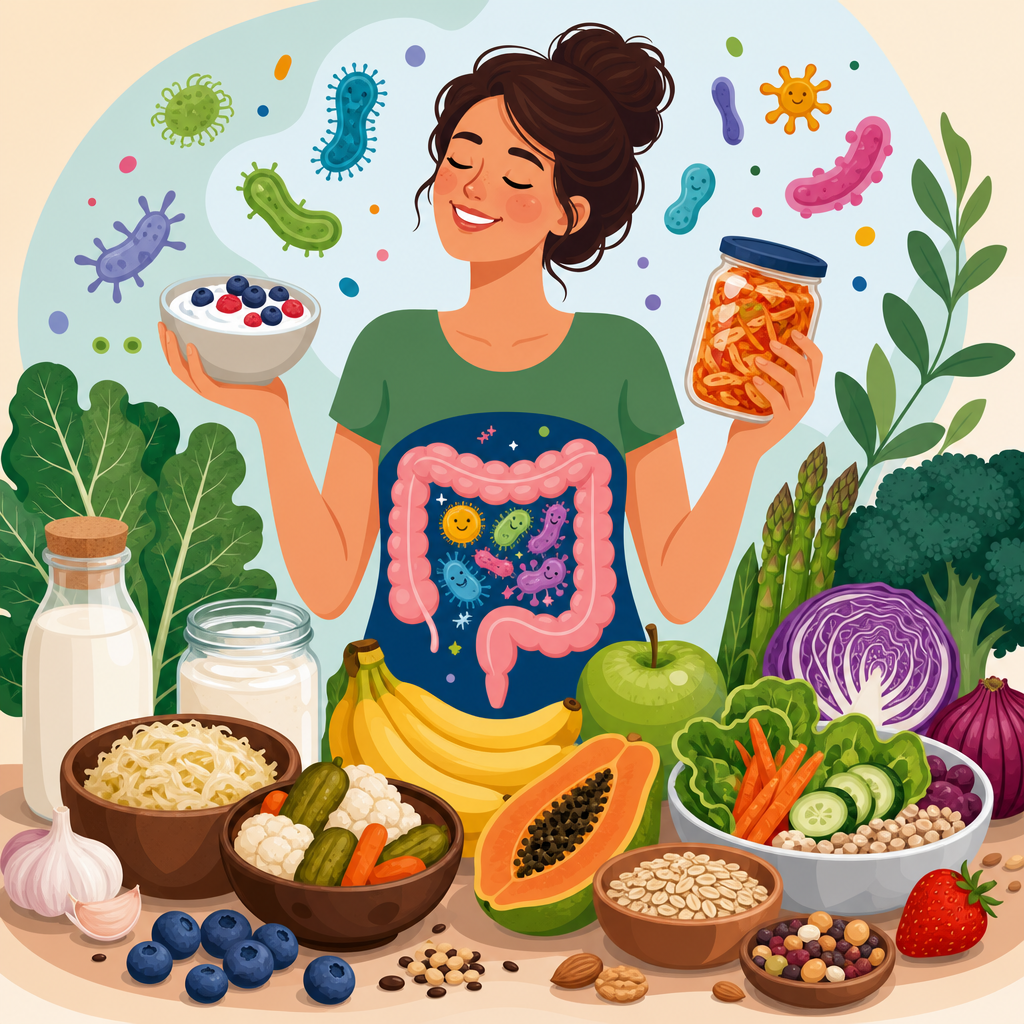
Gut health and the microbiome influence digestion, immunity, metabolism, mood, and even how the body responds to stress, making this topic central to any serious discussion of nutrition for health and wellness. Gut health refers to how well the gastrointestinal tract functions, including digestion, nutrient absorption, barrier integrity, and immune balance. The microbiome is the community of bacteria, viruses, fungi, and other microorganisms living in and on the body, with the largest and most studied population residing in the colon. In practice, when clinicians and dietitians discuss the gut microbiome, they usually mean the genetic and functional ecosystem of microbes that help process food, produce beneficial compounds, and interact with human cells.
I have worked on gut-focused nutrition plans for people dealing with bloating, antibiotic recovery, irregular bowel habits, food sensitivities, and inflammatory conditions, and one pattern is consistent: gut symptoms rarely stay limited to the gut. A disrupted microbiome can affect bowel regularity, skin clarity, energy, and tolerance to certain foods. A resilient microbiome, by contrast, supports more stable digestion and often improves day-to-day wellbeing in ways patients notice quickly, such as less abdominal discomfort, more predictable elimination, and fewer cravings for highly processed foods.
This matters because the gut is not just a digestive tube. Roughly 70 percent of immune tissue is associated with the gastrointestinal tract, the intestinal lining acts as a selective barrier between the external environment and the bloodstream, and gut microbes ferment fibers into short-chain fatty acids that help regulate inflammation and colon health. The microbiome also communicates with the brain through neural, immune, and hormonal pathways. Understanding how gut health works gives people a practical foundation for choosing foods, habits, and treatments that support the body’s key functions over time.
What the gut microbiome does every day
The gut microbiome performs several jobs that humans cannot do efficiently on their own. It helps break down dietary fibers and resistant starches that escape digestion in the small intestine. Through fermentation, microbes produce short-chain fatty acids such as butyrate, acetate, and propionate. Butyrate is especially important because it serves as the preferred fuel source for colon cells, supports intestinal barrier function, and helps regulate inflammatory signaling. A microbiome with enough fiber-fermenting species is one reason diets rich in legumes, oats, vegetables, nuts, and seeds are associated with better digestive and metabolic health.
Microbes also help synthesize certain vitamins, influence bile acid metabolism, and compete with pathogens for space and resources. This competitive effect is one reason a diverse microbiome can reduce the likelihood that harmful organisms dominate after illness, travel, or antibiotic use. In the clinic, I often explain the microbiome as an active organ system rather than a passive passenger. It changes what food components become after digestion. The same meal can produce different metabolic effects in different people partly because their microbial communities differ.
Another essential role is training the immune system. From infancy onward, microbial exposure helps the body distinguish between harmless substances and true threats. When this balance is disturbed, people may become more vulnerable to infections, inflammatory bowel symptoms, and exaggerated responses to certain foods. The microbiome is therefore not a niche subject. It is a core regulator of digestion, defense, and recovery.
How gut health supports digestion, absorption, and regularity
Healthy digestion depends on coordination between stomach acid, enzymes, bile, intestinal motility, the mucosal lining, and the microbiome. When these systems are working together, food is mechanically and chemically broken down, nutrients are absorbed efficiently, and waste moves through the colon at an appropriate pace. Gut microbes support this process by fermenting fibers, modulating stool consistency, and influencing transit time. People with low-fiber diets frequently report constipation, while those with sudden dietary shifts or infections may develop loose stools because microbial fermentation patterns and water balance change.
The integrity of the intestinal barrier is another key point. The lining of the gut is only one cell thick in many places, yet it must allow nutrients through while keeping toxins, undigested particles, and pathogens out. Tight junction proteins help regulate this barrier, and microbial metabolites such as butyrate help maintain it. When barrier function is impaired, inflammation can increase locally and systemically. That does not mean every person with bloating has severe barrier dysfunction, but it does explain why long-term diet quality matters for more than symptom control.
Common digestive complaints linked to microbiome disruption include gas, bloating, abdominal discomfort, constipation, diarrhea, and food intolerance after antibiotics or gastrointestinal infections. Conditions such as irritable bowel syndrome, small intestinal bacterial overgrowth, inflammatory bowel disease, and celiac disease all involve the gut environment, although each has distinct diagnostic criteria and management strategies. Good gut care supports standard treatment but does not replace proper diagnosis when red-flag symptoms such as bleeding, weight loss, fever, anemia, or persistent pain are present.
Why the gut is central to immunity and inflammation
The gastrointestinal tract is one of the body’s busiest immune interfaces because it is constantly exposed to food proteins, microbes, and environmental compounds. Immune cells in the gut learn from these exposures. A balanced microbiome encourages regulatory immune activity, while a disrupted one can contribute to chronic low-grade inflammation. Short-chain fatty acids, especially butyrate, play a meaningful role here by supporting regulatory T-cell activity and maintaining the mucus barrier that separates microbes from epithelial cells.
One practical example is antibiotic use. Antibiotics can be lifesaving, but they often reduce microbial diversity and allow opportunistic species to expand. After a course of broad-spectrum antibiotics, some people experience diarrhea, yeast overgrowth symptoms, or increased digestive sensitivity. Recovery usually depends on time, diet quality, and in some cases targeted probiotics. Another example is ultra-processed dietary patterns low in fiber and high in emulsifiers, added sugars, and refined starches. These patterns are consistently associated with reduced microbial diversity and less favorable metabolic signaling.
Inflammation is not always harmful; it is part of normal defense and healing. The issue is persistent, dysregulated inflammation. A gut-supportive diet cannot cure autoimmune disease or inflammatory bowel disease on its own, but it can influence the terrain in which those conditions operate. That is why many evidence-based care plans include food diversity, symptom tracking, and strategic use of prebiotic and probiotic foods alongside medical treatment.
The gut-brain connection, mood, and energy
The gut and brain communicate continuously through the vagus nerve, the immune system, microbial metabolites, and endocrine signaling. This network is often called the gut-brain axis. In practical terms, stress can alter motility, stomach acid, appetite, and bowel habits, while gut disruption can affect mood, concentration, and perceived energy. Many people have experienced this directly during periods of anxiety, travel, sleep disruption, or major dietary change.
Microbes do not simply create happiness chemicals in a simplistic way, but they do influence precursors and signaling pathways related to serotonin, gamma-aminobutyric acid, and other neuroactive compounds. They also affect inflammation, which can shape fatigue and cognitive function. In clinical nutrition work, I see the strongest improvements when people address both sides of the equation: food quality and stress load. A person eating well but sleeping five hours a night and living in constant sympathetic overdrive may continue to experience digestive symptoms despite a textbook meal plan.
Energy regulation also links back to the gut. Poor digestion can reduce iron, B12, magnesium, and other nutrient status over time. Irregular eating, frequent alcohol intake, and high-sugar diets can destabilize both the microbiome and blood glucose patterns. When gut function improves, people often describe steadier energy not because of a miracle supplement, but because they are absorbing nutrients better, tolerating meals more comfortably, and maintaining more consistent eating habits.
What strengthens or weakens the microbiome
Microbiome health is shaped by cumulative exposures. The strongest positive factor is dietary diversity, especially from plant foods rich in different fibers and polyphenols. Research repeatedly shows that people who eat a wider range of plants each week tend to have more diverse microbial communities. Diversity matters because different microbes specialize in different substrates. Beans feed one group, oats another, and berries or cocoa provide polyphenols that still others transform into bioactive compounds.
| Factor | How it affects the gut | Practical example |
|---|---|---|
| Fiber diversity | Feeds beneficial microbes and increases short-chain fatty acid production | Rotate beans, lentils, oats, barley, chia, flax, vegetables, and fruit weekly |
| Fermented foods | Can introduce live microbes and support microbial activity | Use yogurt, kefir, kimchi, sauerkraut, or miso if tolerated |
| Antibiotics | Reduce microbial diversity and may disrupt bowel habits | Rebuild with fiber-rich meals after medically necessary treatment |
| Chronic stress | Alters motility, secretion, and gut-brain signaling | Pair nutrition changes with sleep and stress management |
| Ultra-processed diets | Often lower fiber intake and reduce beneficial fermentation | Replace packaged snack calories with whole-food meals and snacks |
Other major influences include sleep, exercise, medication use, alcohol intake, infections, and age. Regular physical activity is associated with better motility and beneficial microbial shifts, while chronic sleep deprivation correlates with worse metabolic regulation and altered appetite. Not every microbiome change is under personal control, but daily habits still have a measurable effect.
Best foods and habits for better gut health
The best diet for gut health is not a single branded protocol. It is a pattern built around fiber, variety, and consistency. Start with legumes, whole grains, vegetables, fruit, nuts, seeds, herbs, and spices. Include resistant starch sources such as cooled potatoes, oats, greenish bananas, beans, and cooked-and-cooled rice when tolerated. Resistant starch reaches the colon where microbes ferment it, often improving stool quality and satiety.
Fermented foods can help, especially yogurt with live cultures, kefir, kimchi, sauerkraut, tempeh, and miso. A 2021 Stanford study found that a diet high in fermented foods increased microbiome diversity and decreased multiple inflammatory markers in healthy adults. Prebiotic foods such as onions, garlic, leeks, asparagus, Jerusalem artichokes, apples, chicory root, and legumes are especially valuable because they selectively feed beneficial microbes. Hydration also matters. Fiber without enough fluids can worsen constipation in some people.
Build changes gradually. I often advise patients to increase fiber over two to four weeks, not overnight, particularly if they have bloating or IBS. Chew thoroughly, eat at regular intervals, walk after meals, and limit unnecessary use of antimicrobial mouthwashes or supplements that may disturb microbial balance. For people with diagnosed IBS, a temporary low-FODMAP diet can reduce symptoms, but it should be structured and reintroduced carefully because long-term restriction may reduce microbial diversity.
Supplements, testing, and when to get medical help
Probiotic supplements can be useful, but they are not interchangeable and they are not required for everyone. Benefits are strain specific. Saccharomyces boulardii has evidence for some antibiotic-associated diarrhea scenarios, while certain Lactobacillus and Bifidobacterium strains may help specific digestive symptoms. Quality matters, and products should list full strain names, not just genus and species. Prebiotic supplements such as partially hydrolyzed guar gum, psyllium, or inulin may also help, although tolerance varies by person and condition.
Microbiome testing is popular, but most direct-to-consumer stool tests still have limited clinical usefulness for the average person. They can describe microbial composition, yet they often overstate what results mean for treatment. In real practice, symptom history, medication review, diet pattern, bowel habits, and standard medical workup remain more actionable. Testing becomes more relevant when guided by a gastroenterologist or knowledgeable clinician evaluating inflammatory bowel disease, infection, celiac disease, pancreatic insufficiency, or other specific concerns.
Seek medical care for blood in stool, black stool, unexplained weight loss, persistent vomiting, severe abdominal pain, nighttime diarrhea, anemia, fever, family history of colorectal cancer, or symptoms lasting more than a few weeks without improvement. Gut health advice works best when it supports, rather than delays, appropriate diagnosis and treatment.
Gut health and the microbiome support the body’s key functions by improving digestion, strengthening barrier integrity, guiding immune balance, shaping inflammation, and influencing mood and energy through the gut-brain connection. The most important takeaway is that the microbiome responds to repeated habits, not quick fixes. Diverse fiber intake, fermented foods, hydration, movement, sleep, and stress management consistently do more for long-term gut resilience than expensive wellness trends.
As a hub within nutrition for health and wellness, this topic connects naturally to deeper discussions on probiotics, prebiotics, IBS, leaky gut claims, anti-inflammatory eating, food intolerances, and digestive testing. If you want to improve gut health, begin with the fundamentals: add more plant variety, increase fiber gradually, track symptoms honestly, and get medical guidance when warning signs appear. Small, steady changes are what restore digestive function and support whole-body health.
Frequently Asked Questions
1. What is the difference between gut health and the microbiome?
Gut health refers to how well the digestive system functions as a whole. That includes how effectively you break down food, absorb nutrients, maintain a strong intestinal lining, move waste through the body, and regulate inflammation and immune activity in the gastrointestinal tract. When gut health is in good shape, the digestive system is better able to support comfort, regularity, energy production, and overall wellness.
The microbiome, by contrast, is the vast community of microorganisms that live in and on the human body, especially in the intestines. These microbes include bacteria, fungi, viruses, and other microscopic organisms. Many of them play beneficial roles, such as helping digest certain fibers, producing compounds that nourish the gut lining, training the immune system, and influencing metabolism and brain signaling. In simple terms, the microbiome is one major factor that helps determine gut health, but gut health also depends on things like stomach acid levels, digestive enzyme activity, intestinal barrier integrity, food choices, medications, sleep, stress, and underlying medical conditions.
So while the terms are closely related, they are not interchangeable. You can think of gut health as the overall condition and performance of the digestive system, while the microbiome is one of its most important internal ecosystems. A balanced microbiome often supports better gut health, and better gut health helps create an environment where beneficial microbes can thrive.
2. How does the gut microbiome support digestion and nutrient absorption?
The gut microbiome plays a direct and highly practical role in digestion. Although the body produces its own digestive juices and enzymes, gut microbes help break down components of food that human enzymes cannot fully digest on their own, especially certain fibers and resistant starches. When these substances are fermented by beneficial microbes in the colon, they produce short-chain fatty acids such as butyrate, acetate, and propionate. These compounds help fuel colon cells, support the intestinal lining, and contribute to a healthy digestive environment.
The microbiome also assists with nutrient availability. Certain gut bacteria can help synthesize vitamins, including some B vitamins and vitamin K, and they influence how the body handles minerals and other nutrients. A healthy microbiome may also improve the efficiency of nutrient extraction from food by supporting a balanced intestinal environment and promoting normal gut motility. At the same time, a disrupted microbiome can contribute to bloating, irregular bowel habits, gas, and impaired tolerance to certain foods.
Another key function is protection. Beneficial microbes help maintain balance by competing with potentially harmful organisms and supporting the integrity of the gut barrier. This matters because digestion is not just about breaking down food; it is also about deciding what gets absorbed into the bloodstream and what stays in the gut for elimination. When the microbiome is diverse and well-supported, it helps create conditions that favor smoother digestion, more reliable nutrient uptake, and better overall gastrointestinal function.
3. What is the connection between gut health and the immune system?
The connection is extremely strong. A large portion of the body’s immune system is closely associated with the gut, which makes sense because the digestive tract is one of the main places where the body encounters outside substances, including food particles, microbes, and potential pathogens. The immune system must constantly decide what is harmless, what is helpful, and what may be a threat. A healthy gut helps the body make these distinctions more effectively.
The microbiome plays a major role in this immune education process. Beneficial microbes help train immune cells, support normal inflammatory responses, and encourage tolerance to everyday exposures. They also help reinforce the intestinal barrier, which acts like a selective filter. When this barrier is functioning well, it allows nutrients to pass through while helping keep unwanted substances from crossing into the bloodstream. That reduces unnecessary immune activation and helps maintain balance.
When gut health is compromised, immune regulation can become less efficient. Factors such as chronic stress, poor diet quality, infections, lack of sleep, and frequent antibiotic use may disrupt the microbiome and weaken barrier function. In some people, this may contribute to increased inflammation, heightened sensitivity, or more frequent digestive and immune-related complaints. While gut health is not the only factor involved in immunity, it is one of the most foundational. Supporting the gut through a fiber-rich diet, diverse plant foods, fermented foods when tolerated, stress management, and appropriate medical care can help strengthen this important immune partnership.
4. Can gut health really affect mood, brain function, and stress response?
Yes, and this is one of the most fascinating areas of health research. The gut and brain are in constant communication through what is often called the gut-brain axis. This communication network involves nerves, hormones, immune signals, and microbial metabolites. In other words, the digestive system is not working in isolation. What happens in the gut can influence the brain, and what happens in the brain can influence the gut.
Gut microbes help produce or influence compounds involved in brain and nervous system function, including substances related to serotonin, dopamine, and gamma-aminobutyric acid, as well as short-chain fatty acids that may affect inflammation and signaling pathways. The vagus nerve also helps carry information between the gut and the brain. This helps explain why stress can trigger digestive symptoms like nausea, cramping, or changes in bowel habits, and why ongoing digestive imbalance may sometimes be associated with shifts in mood, mental clarity, or resilience.
That does not mean gut health is the sole cause of anxiety, depression, or stress-related symptoms, and it should never replace appropriate mental health care. However, it is increasingly clear that a healthy gut environment can be an important part of supporting emotional well-being and stress regulation. Many people notice that when they improve sleep, reduce highly processed foods, eat more fiber and fermented foods, and manage stress more consistently, both digestive comfort and mental steadiness improve. The gut-brain connection is real, and it highlights how deeply integrated nutrition, digestion, and mental wellness truly are.
5. What are the best ways to improve gut health and support a healthy microbiome?
The best strategy is to support the gut consistently through everyday habits rather than looking for a single “quick fix.” One of the most effective steps is eating a diverse, fiber-rich diet centered on whole plant foods such as vegetables, fruits, legumes, whole grains, nuts, and seeds. Different microbes thrive on different types of fiber, so variety matters. Feeding the microbiome this way encourages microbial diversity, which is generally associated with greater resilience and better overall gut function.
Fermented foods can also be helpful for many people. Foods like yogurt with live cultures, kefir, sauerkraut, kimchi, miso, and other traditionally fermented foods may introduce beneficial microbes and support balance in the intestinal environment. Prebiotic foods such as onions, garlic, leeks, asparagus, oats, bananas, and beans help nourish beneficial bacteria already living in the gut. Hydration, regular physical activity, adequate sleep, and stress management are also essential because the microbiome responds to the body’s overall lifestyle patterns, not just food alone.
It is also wise to reduce factors that commonly disrupt gut balance. These can include a highly processed diet low in fiber, excessive alcohol intake, chronic unmanaged stress, poor sleep, and unnecessary antibiotic use. That said, antibiotics are sometimes medically necessary and can be life-saving, so the goal is appropriate use, not avoidance at all costs. If symptoms such as persistent bloating, pain, reflux, diarrhea, constipation, food intolerance, or unexplained fatigue continue, it is important to speak with a qualified healthcare professional. Improving gut health is often very achievable, but the most effective approach depends on the individual, their symptoms, and the bigger picture of their health.