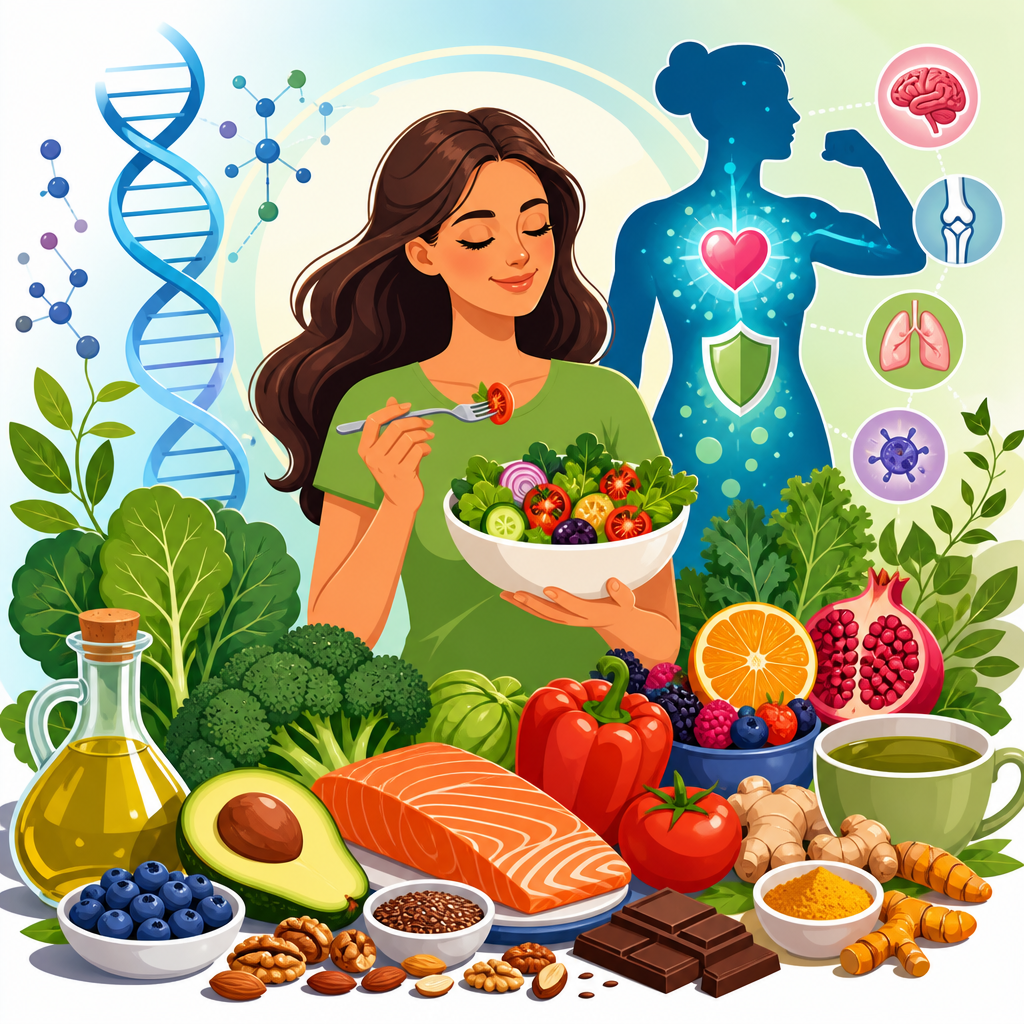
Heart health depends heavily on daily food choices, and nutrition for heart health is one of the most effective tools for reducing cardiovascular risk across the lifespan. When I work through meal patterns with clients and review typical food logs, the biggest improvements rarely come from extreme diets; they come from consistent changes in fats, fiber, sodium, calorie balance, and food quality. Heart disease remains a leading cause of death worldwide, yet many of its dietary risk factors are modifiable. That makes this topic both urgent and practical for anyone building a long-term wellness plan.
Nutrition for heart health means eating in ways that support healthy blood pressure, cholesterol levels, blood sugar control, body weight, and inflammation status. In plain terms, the goal is to help the heart pump efficiently while protecting blood vessels from damage that leads to atherosclerosis, heart attack, stroke, and heart failure. Key terms matter here. LDL cholesterol is the lipoprotein most associated with plaque buildup in arteries. HDL cholesterol helps transport cholesterol back to the liver. Triglycerides are blood fats that rise with excess calories, refined carbohydrates, and alcohol in some people. Blood pressure measures the force of blood against artery walls, and sodium intake strongly influences it.
Cardiovascular nutrition is not just about avoiding one harmful nutrient. It is about the pattern created by meals over time. A heart-supportive dietary pattern usually emphasizes vegetables, fruit, beans, lentils, nuts, seeds, whole grains, seafood, and unsaturated fats while limiting excess sodium, added sugar, trans fat, and large amounts of saturated fat. This approach aligns with guidance from the American Heart Association, Dietary Guidelines for Americans, and long-studied patterns such as Mediterranean-style eating and DASH. These are not trends. They are durable frameworks supported by decades of epidemiology, clinical trials, and metabolic research.
This guide serves as a central reference for nutrition for heart health within a broader wellness strategy. It explains what to eat, what to limit, how major nutrients affect cardiovascular markers, and how to translate research into shopping, cooking, and dining decisions. It also addresses common questions directly: Which fats are best? Is cholesterol in food still a concern? Can carbohydrates fit in a heart healthy diet? How much sodium is too much? The answers depend on the whole diet, personal risk factors, and consistency. A complete heart health nutrition plan is realistic, evidence-based, and designed for ordinary life, not just ideal conditions.
How Nutrition Affects the Heart and Blood Vessels
Food affects cardiovascular health through several mechanisms at once. The first is blood lipids. Diets high in saturated fat can raise LDL cholesterol in many people, especially when they replace unsaturated fats. Soluble fiber from oats, barley, beans, and psyllium helps lower LDL by binding bile acids and increasing cholesterol excretion. Plant sterols and stanols, found in fortified foods and naturally in small amounts in nuts and seeds, can further reduce LDL when used consistently. In practice, I see the strongest lipid improvements when people swap fatty processed meats, butter, and pastries for olive oil, nuts, fish, beans, and higher-fiber staples.
The second mechanism is blood pressure. High sodium intake contributes to hypertension, particularly in salt-sensitive individuals, older adults, and many people with kidney disease, diabetes, or existing cardiovascular disease. Potassium works in the opposite direction by helping regulate fluid balance and vascular tone. Foods rich in potassium include beans, potatoes, yogurt, bananas, spinach, and avocados. The DASH eating pattern was specifically designed to lower blood pressure and remains one of the best-documented dietary approaches in clinical nutrition. Its effectiveness comes from more than sodium reduction alone; it also increases potassium, calcium, magnesium, and overall diet quality.
Nutrition also influences blood sugar regulation, insulin resistance, body composition, and inflammation, all of which affect the heart. Frequent intake of highly refined carbohydrates, sugar-sweetened beverages, and calorie-dense ultra-processed foods can increase triglycerides, worsen glycemic control, and promote weight gain. By contrast, meals built around minimally processed foods tend to improve satiety and reduce energy intake without rigid restriction. This matters because excess visceral fat is strongly associated with cardiometabolic disease. In real-world counseling, many people focus on a single target such as cholesterol, but the better approach is to choose foods that improve multiple markers together.
The Best Eating Patterns for Heart Health
No single menu fits everyone, but the most effective heart healthy diets share common traits. Mediterranean-style eating centers on vegetables, legumes, fruit, whole grains, extra-virgin olive oil, herbs, seafood, and moderate portions of dairy and poultry. Red meat and sweets are limited rather than banned. This pattern has a strong evidence base, including the well-known PREDIMED trial, which found that a Mediterranean diet supplemented with extra-virgin olive oil or nuts lowered major cardiovascular events in high-risk adults compared with a lower-fat control approach. The core lesson was not that one miracle food prevented disease; it was that a coherent dietary pattern changed outcomes.
DASH, or Dietary Approaches to Stop Hypertension, is another cornerstone model. It emphasizes fruit, vegetables, low-fat dairy, whole grains, nuts, seeds, beans, and lean protein, while reducing sodium, sweets, and high-saturated-fat foods. DASH consistently lowers blood pressure, sometimes within weeks, and often complements medication therapy. For people with elevated blood pressure, this is one of the most actionable starting points because the food categories are familiar and measurable. A person can look at one plate and ask whether it contains produce, a high-fiber carbohydrate, and a lean or plant protein source. If not, the meal can usually be improved quickly.
Plant-forward eating also deserves attention. A fully vegetarian or vegan pattern can be excellent for heart health when it is built around whole foods rather than refined starches and meat substitutes alone. Beans, soy foods, nuts, seeds, and whole grains provide protein and beneficial fats, while vegetables and fruit supply fiber and phytonutrients. However, a plant-based label is not enough. I have reviewed diets that are technically vegetarian yet heavy in cheese, fried foods, desserts, and sodium. The heart benefits come from nutrient density, not branding. The strongest pattern is one a person can sustain, measure, and enjoy over years.
| Dietary pattern | Main foods | Primary heart benefit | Best fit |
|---|---|---|---|
| Mediterranean-style | Olive oil, fish, beans, vegetables, nuts, whole grains | Improves lipid profile and lowers cardiovascular event risk | People wanting flexibility and long-term adherence |
| DASH | Fruit, vegetables, low-fat dairy, beans, whole grains | Lowers blood pressure effectively | People with hypertension or high sodium intake |
| Whole-food plant-forward | Legumes, soy, nuts, seeds, vegetables, intact grains | Can reduce LDL, improve weight control, raise fiber intake | People preferring minimal animal foods |
Key Nutrients and Foods That Protect the Heart
Fats deserve careful attention because quality matters more than total amount for most people. Unsaturated fats, especially monounsaturated and polyunsaturated fats, support healthier cholesterol patterns when they replace saturated fats. Practical sources include olive oil, canola oil, walnuts, almonds, peanuts, sunflower seeds, sesame, avocado, and fatty fish such as salmon, sardines, trout, and mackerel. Omega-3 fats from seafood help lower triglycerides and support vascular health. Most adults benefit from eating fish at least twice weekly. By contrast, trans fats should be avoided because they raise LDL and lower HDL. Although regulations have reduced industrial trans fat in many countries, small amounts can still appear in some baked and fried products.
Fiber is one of the most underused tools in nutrition for heart health. Soluble fiber, found in oats, barley, beans, lentils, apples, and citrus, helps lower LDL cholesterol. Insoluble fiber supports digestive health and overall dietary quality. Higher-fiber diets are associated with lower cardiovascular risk, partly because they improve satiety and displace more refined foods. A simple benchmark is to choose whole grains over refined grains most of the time and to include beans several times each week. Clients who move from a breakfast pastry to oatmeal with berries and nuts often improve both hunger control and lipid intake in one step.
Micronutrients also matter. Potassium-rich foods help counter sodium’s effect on blood pressure. Magnesium supports vascular function and is abundant in legumes, nuts, seeds, and whole grains. Calcium is relevant as part of an overall eating pattern, especially through dairy foods or fortified alternatives within sodium-conscious choices. Antioxidant compounds in berries, cocoa, tomatoes, leafy greens, tea, and extra-virgin olive oil may help reduce oxidative stress, although isolated supplements generally do not outperform whole foods. The food matrix matters. Nutrients work together inside real meals, which is why a bowl of lentil soup and a salad usually outperforms a handful of pills for long-term outcomes.
What to Limit: Sodium, Added Sugar, Saturated Fat, and Ultra-Processed Foods
The foods most damaging to heart health are rarely harmful because of one ingredient alone. They typically combine excess sodium, refined starch, added sugar, unhealthy fats, and calories in portions that are easy to overeat. Processed meats are a prime example. Bacon, sausage, deli meats, and many packaged meat snacks contribute sodium and often saturated fat, while observational research consistently links them with higher cardiovascular risk. Fast food meals can do the same, especially when they pair salty fried items with sugary drinks. Even foods marketed as healthy, such as flavored yogurt, granola bars, and bottled smoothies, may carry surprising amounts of added sugar.
Sodium is especially important because most intake comes from packaged and restaurant foods, not the salt shaker. Bread, soups, sauces, pizza, frozen meals, deli meat, and savory snacks are major contributors. For people with high blood pressure, reducing sodium can produce measurable improvements quickly. Reading labels helps: compare products within the same category and choose the lower-sodium option rather than assuming all versions are equal. Saturated fat should also be moderated, especially from fatty cuts of beef, butter, cream, full-fat cheese, coconut-based desserts, and many baked goods. The clearest benefit comes when these foods are replaced with unsaturated alternatives, not with refined carbohydrates.
Ultra-processed foods deserve mention because they shape overall intake patterns. These products often contain ingredients uncommon in home kitchens, but the bigger issue is their effect on appetite, convenience, and dietary displacement. When most meals come from wrappers, it becomes harder to reach fiber, potassium, and omega-3 targets while keeping sodium and calories in check. That does not mean every packaged item is problematic. Plain frozen vegetables, canned beans, tuna, whole grain bread, and unsweetened yogurt can support a heart healthy routine. The practical rule is to use packaged foods strategically while keeping the diet anchored in recognizable, minimally processed staples.
Building Heart Healthy Meals in Everyday Life
A heart healthy diet becomes sustainable when it is translated into repeatable meal structure. The simplest template is this: half the plate from vegetables or fruit, one quarter from whole grains or high-fiber starches, and one quarter from lean or plant protein, with unsaturated fat used intentionally. For breakfast, that might mean oatmeal topped with berries, walnuts, and yogurt. For lunch, a grain bowl with quinoa, chickpeas, roasted vegetables, olive-oil dressing, and pumpkin seeds works well. For dinner, salmon with a baked potato, green beans, and a side salad is balanced, filling, and cardioprotective. These meals are ordinary, affordable, and realistic.
Shopping strategy matters as much as nutrition knowledge. I encourage people to build carts around categories rather than recipes alone: two to three proteins, several vegetables, fruit for snacks, one or two whole grains, one bean or lentil option, and a healthy fat source. Canned beans with no-salt-added labels, frozen spinach, rolled oats, brown rice, extra-virgin olive oil, canned salmon, and unsalted nuts are excellent staples. Cooking methods also influence outcomes. Roasting, grilling, steaming, pressure cooking, and sautéing with modest oil beat deep frying. Flavor does not require excess salt when meals use garlic, citrus, vinegar, herbs, spices, tomatoes, and fermented condiments in controlled portions.
Eating out requires a different skill set. Restaurant portions are often large, and many dishes contain more sodium and fat than home-cooked versions. Good default choices include grilled fish or chicken, bean-based dishes, salads with dressing on the side, vegetable-forward sides, broth-based soups, and plain baked potatoes. Asking for sauces separately and splitting entrees are practical tools, not signs of restriction. For labels, prioritize fiber, sodium, added sugar, and saturated fat instead of chasing every number at once. Small, consistent substitutions add up. Start by upgrading one meal a day this week, then build from there for lasting heart protection.
Nutrition for heart health is not a short-term reset. It is a durable pattern built from better fats, more fiber, smarter sodium intake, balanced energy intake, and meals centered on real food. The most reliable approaches, including Mediterranean-style, DASH, and whole-food plant-forward eating, work because they improve several cardiovascular risk factors at the same time. They can lower LDL cholesterol, support healthy blood pressure, improve blood sugar control, and make weight management easier without requiring extreme rules. That is why they continue to outperform fad diets in both research and day-to-day practice.
The main takeaway is straightforward: replace, do not just remove. Replace butter with olive oil, processed meat with beans or fish, refined grains with oats or brown rice, sugary drinks with water or unsweetened tea, and salty convenience foods with simpler staples. Those swaps create measurable benefits over months and years. If you already eat fairly well, focus on the next limiting factor, whether that is sodium, low fiber, portion size, or inconsistent meal planning. If you are starting from scratch, begin with one repeatable breakfast, one reliable lunch, and a grocery list that supports both.
Use this guide as your hub for nutrition for heart health and apply it meal by meal. Review your current pattern honestly, choose two changes you can sustain, and track how you feel and what your lab markers show. Consistent nutrition is one of the strongest investments you can make in lifelong cardiovascular health.
Frequently Asked Questions
1. What does “nutrition for heart health” really mean in everyday life?
Nutrition for heart health means building a consistent way of eating that supports healthy blood pressure, cholesterol levels, blood sugar control, body weight, and overall cardiovascular function. In daily life, that usually looks much less like a strict or trendy diet and much more like a practical pattern: eating more vegetables, fruit, beans, whole grains, nuts, seeds, and fish; choosing healthier fats more often; limiting highly processed foods; and keeping sodium, added sugars, and excess calories in check. The goal is not perfection at every meal. It is creating a food routine that lowers strain on the heart and blood vessels over time.
For most people, the strongest improvements come from a few repeatable habits. These include replacing some saturated fats with unsaturated fats, increasing fiber intake, watching portion sizes, and reducing reliance on packaged foods that are high in sodium and refined carbohydrates. For example, swapping fatty processed meats for beans, fish, or skinless poultry, choosing oatmeal instead of sugary pastries, and flavoring meals with herbs instead of heavy salt can make a meaningful difference. These choices help improve LDL cholesterol, support healthier blood pressure, and reduce inflammation-related stress on the cardiovascular system.
It is also important to remember that heart-healthy nutrition is not only about avoiding “bad” foods. It is about actively including foods that protect the heart. Soluble fiber from oats, beans, lentils, apples, and barley can help lower cholesterol. Potassium-rich foods like bananas, potatoes, beans, yogurt, and leafy greens can help support blood pressure balance, especially when sodium intake is also managed. Omega-3 fats from fatty fish such as salmon, sardines, and trout may help support triglyceride levels and overall heart function. Over time, these additions matter just as much as the foods you cut back on.
2. Which foods are best for improving heart health and lowering cardiovascular risk?
The foods most consistently linked with better heart health are minimally processed, nutrient-dense foods that provide fiber, healthy fats, vitamins, minerals, and antioxidants. Vegetables and fruits are foundational because they supply potassium, fiber, and plant compounds that support blood vessel health. Whole grains such as oats, brown rice, quinoa, barley, and whole wheat are valuable because they tend to be higher in fiber and more filling than refined grains. Beans, lentils, and peas are especially useful because they combine plant protein, fiber, and minerals while being naturally low in saturated fat.
Healthy fat sources are another major part of a heart-supportive eating pattern. Foods like extra-virgin olive oil, avocados, nuts, seeds, and fatty fish provide unsaturated fats that can help improve cholesterol balance when they replace foods rich in saturated fat. Fatty fish, in particular, provide omega-3 fatty acids that are associated with cardiovascular benefits. If someone does not eat fish, foods like walnuts, chia seeds, flaxseeds, and hemp seeds can still contribute beneficial fats, though marine omega-3 sources remain especially well studied for heart health.
In addition, lower-fat or unsweetened dairy products, fermented dairy like yogurt, and lean proteins can fit well depending on individual needs and preferences. What matters most is the overall pattern. A meal built around grilled salmon, roasted vegetables, and quinoa is generally more heart-supportive than one built around fried meat, white bread, and salty sides. Likewise, a snack of fruit and nuts will usually do more for long-term cardiovascular health than chips or pastries. The best heart-healthy foods are not single miracle items; they work together as part of a balanced eating pattern that is realistic enough to maintain for years.
3. How do fat, fiber, and sodium affect heart health?
Fat, fiber, and sodium are three of the most important nutrition factors in cardiovascular health because they directly influence cholesterol levels, blood pressure, and overall vascular stress. Fat often gets oversimplified, but the type of fat matters more than fat alone. Saturated fats, found in foods like fatty cuts of meat, butter, high-fat cheese, cream, and many packaged baked goods, can raise LDL cholesterol in many people when eaten in excess. Trans fats are even more concerning and should be avoided whenever possible. By contrast, unsaturated fats from olive oil, nuts, seeds, avocado, and fish can support a healthier cholesterol profile when used in place of less healthy fats.
Fiber is one of the most overlooked tools for heart protection. Soluble fiber, in particular, can bind with cholesterol in the digestive system and help lower LDL levels. High-fiber foods also tend to improve fullness, stabilize energy intake, and support blood sugar control, all of which matter for long-term cardiovascular risk. People who increase fiber gradually through foods such as oats, beans, lentils, berries, vegetables, and whole grains often see benefits beyond cholesterol, including improved digestion and easier appetite regulation. In practical terms, fiber helps make a heart-healthy diet more satisfying and sustainable.
Sodium plays a central role in blood pressure management. Many people consume far more sodium than they realize, mostly from restaurant meals, deli meats, canned soups, packaged snacks, sauces, frozen meals, and processed convenience foods rather than from the salt shaker alone. Too much sodium can contribute to elevated blood pressure, which increases strain on the heart and arteries over time. Reducing sodium does not mean food has to be bland. Cooking more meals at home, rinsing canned beans, choosing lower-sodium products, and using garlic, citrus, vinegar, and herbs for flavor can lower sodium intake significantly while keeping meals enjoyable. When fat quality, fiber intake, and sodium awareness improve together, the combined heart benefit is often substantial.
4. Is there a single best diet for heart health, or do several eating patterns work?
There is no single perfect diet that works best for every person, but several eating patterns have strong evidence for supporting heart health. The common thread is that they emphasize whole or minimally processed foods, plenty of plant foods, healthier fats, and reasonable portions while limiting excess sodium, added sugars, and heavily processed items. Two of the most widely recommended approaches are the Mediterranean-style eating pattern and the DASH eating plan. Both are associated with better cardiovascular outcomes and are practical because they focus on food quality rather than extreme restriction.
A Mediterranean-style pattern typically includes vegetables, fruits, legumes, whole grains, nuts, seeds, olive oil, fish, and moderate amounts of dairy, with less emphasis on red and processed meats. The DASH diet, which stands for Dietary Approaches to Stop Hypertension, is especially known for helping lower blood pressure and includes fruits, vegetables, low-fat dairy, whole grains, lean proteins, beans, and nuts while limiting sodium and foods high in saturated fat. Plant-forward diets can also be excellent for heart health when they are thoughtfully planned to include enough protein, iron, vitamin B12, omega-3 fats, and other key nutrients.
The best plan is the one that fits a person’s culture, schedule, budget, cooking ability, and health needs. A highly effective heart-healthy diet does not need to be trendy or rigid. If someone can consistently eat more vegetables, choose whole grains more often, rely less on fast food, use olive oil instead of butter in some meals, and keep portions aligned with their energy needs, that pattern can produce meaningful benefits. Sustainability matters because heart disease risk develops over years. An eating style that a person can maintain comfortably is far more valuable than a strict plan they follow for only a few weeks.
5. What are the most effective nutrition changes someone can start with for better heart health?
The most effective first steps are usually simple, repeatable changes that improve food quality without making life feel overly restrictive. One of the best places to start is by increasing vegetables and fruit at most meals. This naturally raises fiber, potassium, and antioxidant intake while often displacing more processed foods. Another high-impact change is upgrading carbohydrate quality by choosing oats, brown rice, whole grain bread, beans, lentils, and other higher-fiber options instead of refined grains and sugary snacks. These swaps support cholesterol management, blood sugar control, and fullness.
A second major step is improving fat choices. Replacing some butter, cream-based sauces, processed meats, and fried foods with olive oil, nuts, seeds, avocado, fish, or lean proteins can improve the overall balance of fats in the diet. It is also helpful to identify the biggest sodium sources in a normal week. For many people, these include takeout meals, deli meats, canned soups, pizza, frozen entrees, and salty snack foods. Simply cooking at home more often, reading labels, and choosing lower-sodium alternatives can have a measurable impact on blood pressure over time.
Finally, pay attention to consistency rather than chasing dramatic overhauls. A person does not need a “perfect” pantry or a total lifestyle reset to support cardiovascular health. Building a few dependable routines, such as eating a high-fiber breakfast, planning two or three simple home-cooked dinners each week, keeping healthy snacks available, and watching portion sizes, can lead to steady progress. If there are existing conditions such as high blood pressure, high cholesterol, diabetes, kidney disease, or a history of heart disease, more individualized guidance from a registered dietitian or physician can make these changes even more effective. Small choices repeated daily are often the most powerful nutrition strategy for protecting