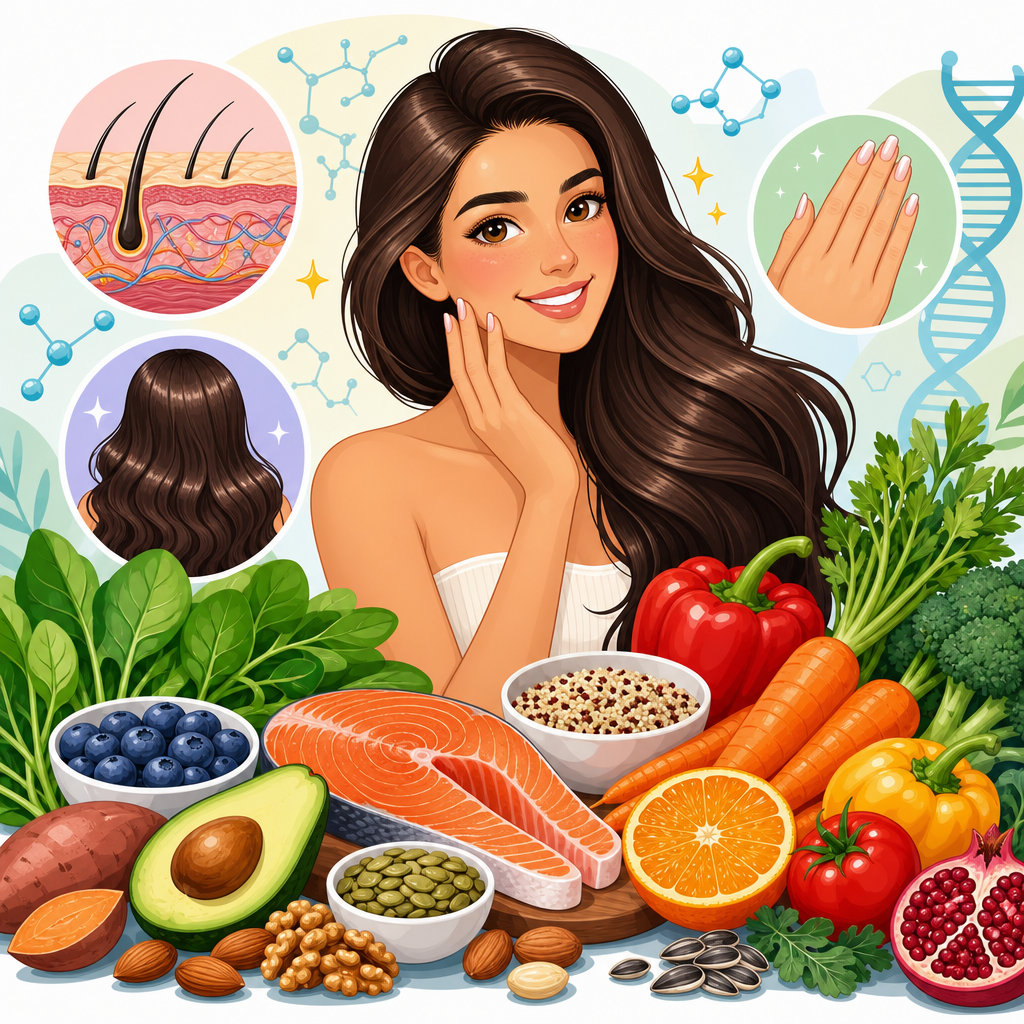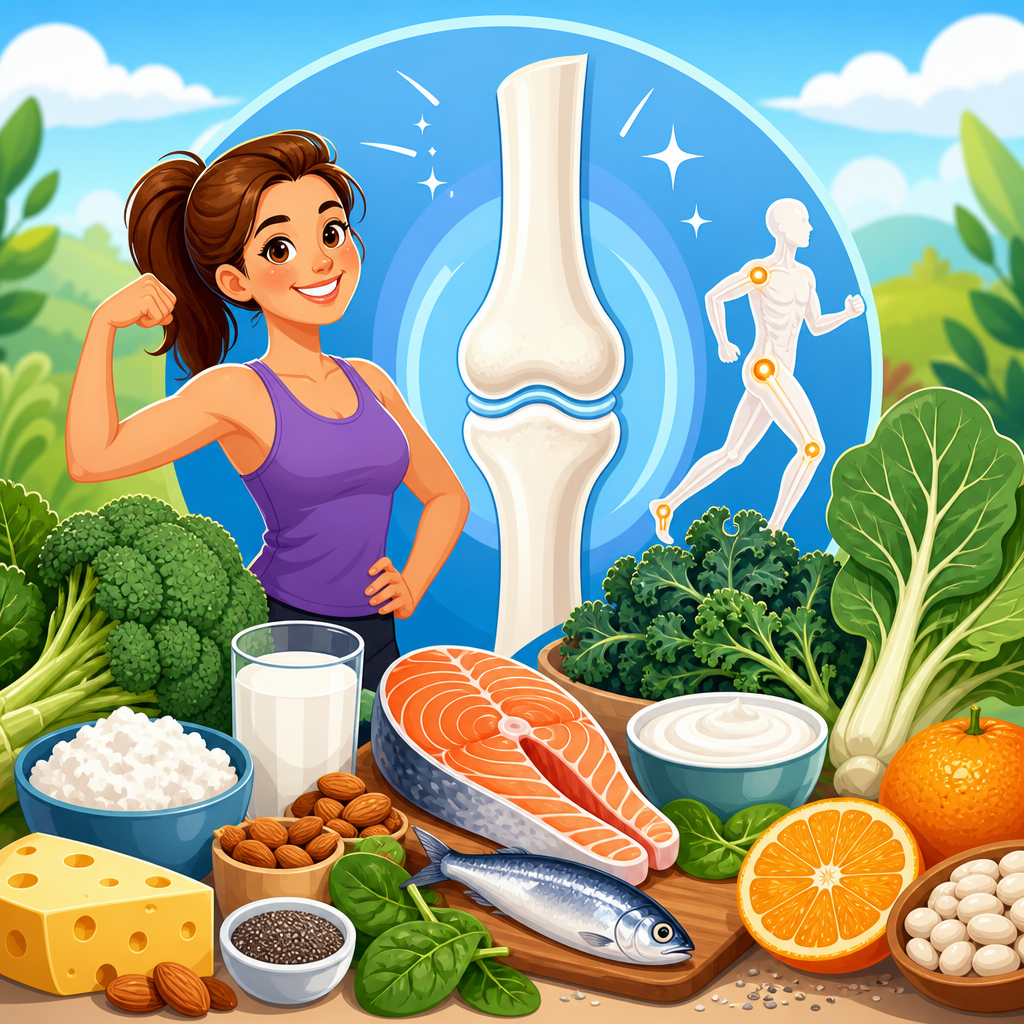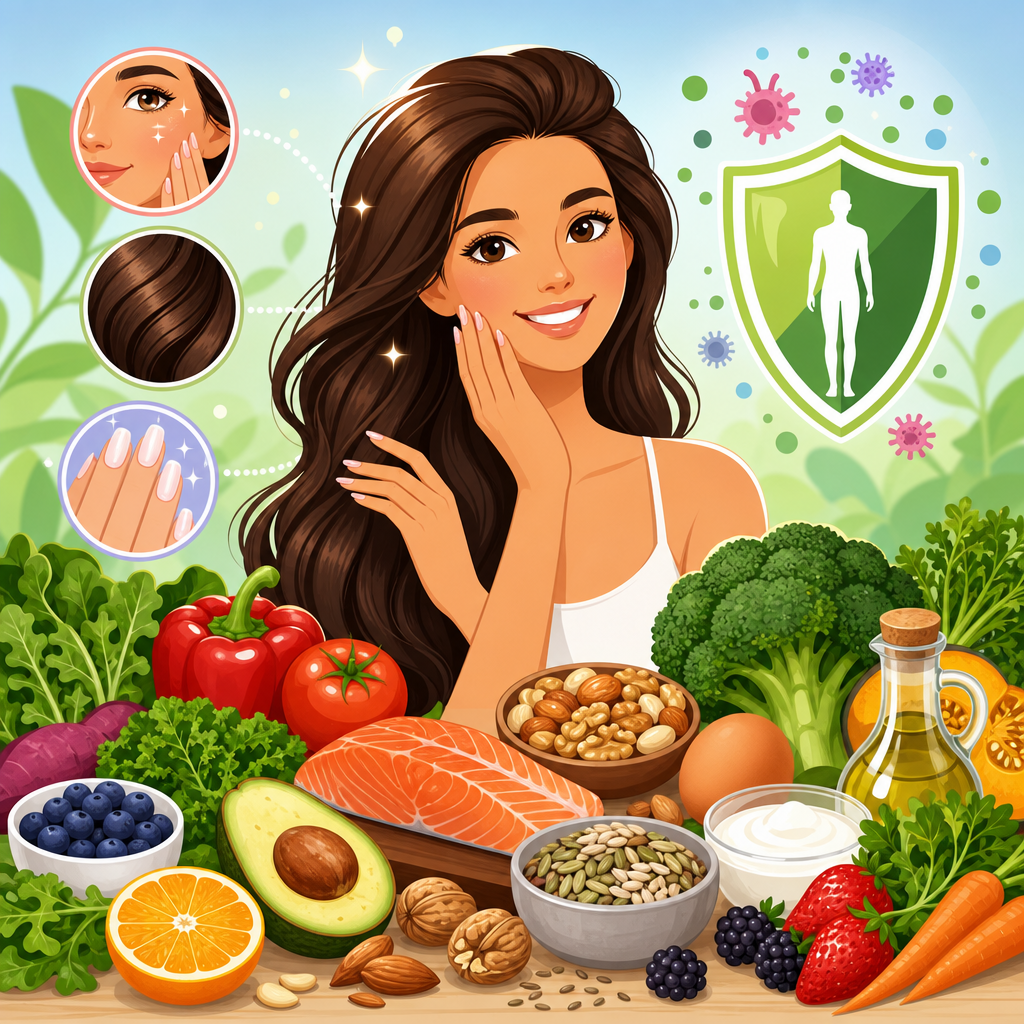
Foods for skin, hair, and nail health do more than support appearance; they also reflect and influence whole-body physiology, including immune defense, metabolic balance, and chronic disease risk. In clinical nutrition work, I have seen brittle nails reveal iron deficiency before a lab panel was ordered, diffuse hair shedding follow rapid weight loss, and persistently dry skin improve only after a patient corrected both essential fatty acid intake and overall protein status. Skin, hair, and nails are often treated as cosmetic concerns, yet they are biologically active tissues that depend on adequate energy, amino acids, vitamins, minerals, hydration, and healthy circulation. When nutrition falls short, these structures frequently show early warning signs.
Skin is the body’s largest organ and acts as a barrier against pathogens, ultraviolet damage, and water loss. Hair is built largely from keratin, a structural protein that also contributes to nails. Nail plates, meanwhile, grow from a nutrient-sensitive matrix and can reflect deficits in iron, zinc, protein, or B vitamins. Because these tissues turn over continuously, they require a reliable supply of nutrients from food. That is why foods for skin, hair, and nail health matter beyond beauty: they help maintain barrier integrity, wound healing, antioxidant protection, hormone balance, and connective tissue strength, all of which tie directly to disease prevention.
A useful way to define this topic is to separate nutrient-rich foods into functional groups. Protein foods provide amino acids for keratin, collagen, and tissue repair. Colorful produce supplies vitamin C, carotenoids, and polyphenols that help limit oxidative stress. Nuts, seeds, avocado, and fatty fish deliver vitamin E and essential fats that support skin moisture and inflammation control. Legumes, whole grains, shellfish, eggs, dairy, and leafy greens contribute zinc, iron, selenium, biotin, and other micronutrients needed for growth and maintenance. No single superfood can transform skin, hair, and nails in isolation; the visible result comes from overall dietary patterns sustained over time.
This matters for public health because the same eating pattern that supports strong nails, resilient skin, and healthy hair often lowers the risk of cardiovascular disease, type 2 diabetes, fatty liver disease, and some inflammatory conditions. Diets rich in minimally processed plants, seafood, beans, and quality proteins tend to provide fiber, omega-3 fats, antioxidants, and minerals while limiting excess added sugar, sodium, and trans fats. By contrast, heavily processed diets may fuel glycation, oxidative stress, and chronic inflammation that can impair skin aging and worsen long-term health. A practical, food-first approach gives readers a framework for looking better while protecting health from the inside out.
Why skin, hair, and nails reveal nutritional status
Skin, hair, and nails are metabolically active but not essential for short-term survival, so the body deprioritizes them when nutrients are scarce. In practice, that means low protein intake, iron deficiency, poor zinc status, or inadequate essential fats may show up first as shedding hair, rough skin, slow wound healing, or splitting nails. Dermatologists and dietitians both recognize this pattern. Telogen effluvium, a common form of diffuse hair shedding, often follows illness, restrictive dieting, childbirth, or major stress because follicles shift prematurely into a resting phase. Nutrition is not the only cause, but it is one of the first places to investigate.
Skin integrity depends on a complex architecture of collagen, elastin, ceramides, and lipids. Vitamin C is required for collagen synthesis, vitamin A supports epithelial turnover, zinc assists repair, and omega-3 fats help modulate inflammatory signaling. Hair growth relies on enough calories and protein to sustain the follicle, while iron helps oxygen delivery and DNA synthesis in rapidly dividing cells. Nails need sulfur-containing amino acids, iron, zinc, and adequate overall nutrition for normal growth. Deficiency does not always produce dramatic symptoms, but marginal intake over months can reduce tissue quality and resilience.
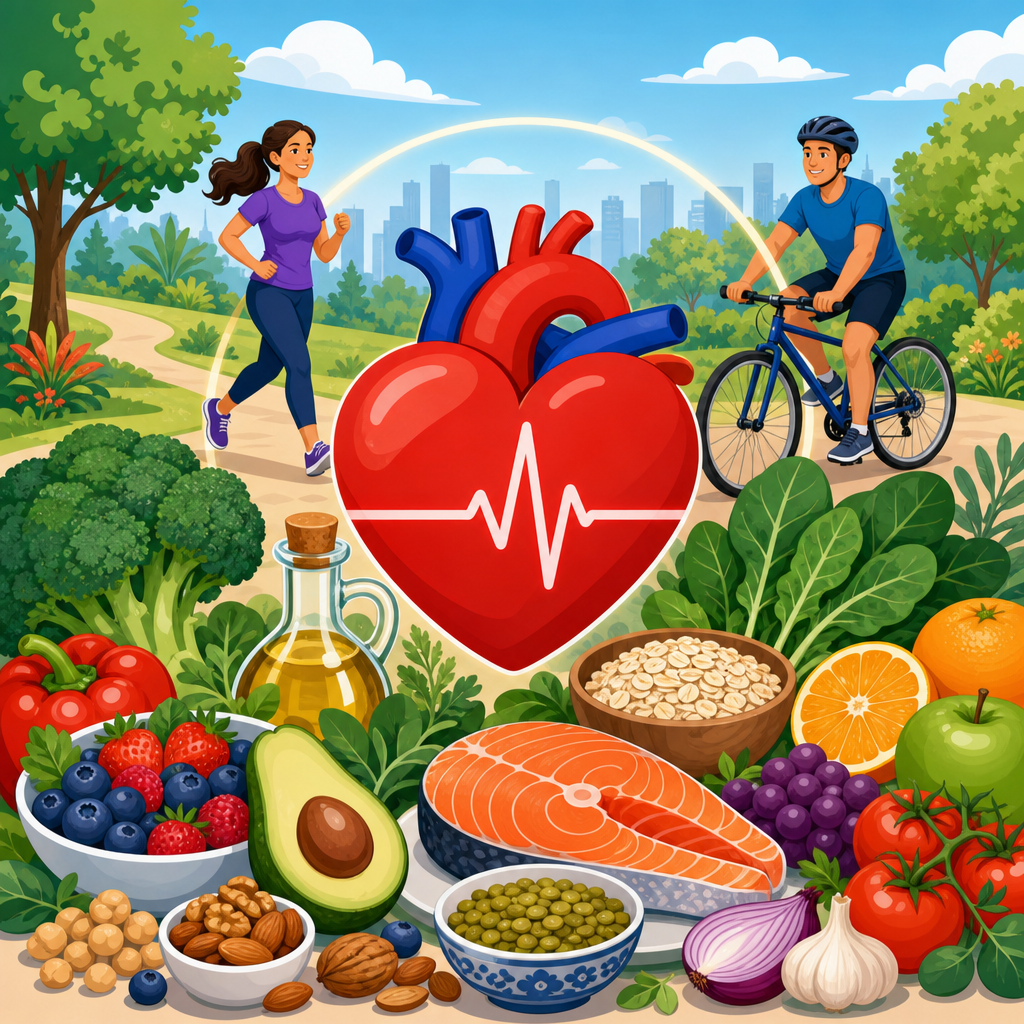
The disease-prevention link is straightforward. When someone improves diet quality to support these tissues, they usually increase fruits, vegetables, legumes, seafood, nuts, seeds, and whole grains while reducing ultra-processed foods. That shift improves blood pressure, lipid profiles, glycemic control, microbiome diversity, and inflammatory markers. In other words, the foods that help maintain a strong skin barrier and healthy nail matrix are frequently the same foods associated with lower chronic disease burden. That overlap makes this topic especially valuable as a practical entry point for broader nutrition change.
Core nutrients and the foods that deliver them
Protein is foundational. Hair and nails are composed largely of keratin, and skin requires amino acids for collagen and repair. Eggs, Greek yogurt, cottage cheese, fish, poultry, tofu, tempeh, lentils, edamame, and lean meats are dependable choices. Inadequate protein intake is one of the fastest ways to undermine hair growth after illness or dieting. Vitamin C, found in citrus, kiwi, strawberries, bell peppers, broccoli, and potatoes, supports collagen formation and also enhances non-heme iron absorption from plant foods. Pairing lentils with peppers or spinach with strawberries is a small move that improves nutrient efficiency.
Iron, zinc, selenium, biotin, and iodine deserve special attention because suboptimal intake is common. Iron-rich foods include lean red meat, clams, mussels, lentils, beans, spinach, and fortified cereals. Zinc is abundant in oysters, beef, pumpkin seeds, chickpeas, and dairy. Selenium comes from seafood, eggs, dairy, and Brazil nuts, though portions of Brazil nuts should stay modest because selenium excess is harmful. Biotin deficiency is uncommon, but eggs, salmon, sweet potatoes, legumes, and nuts help cover needs. Iodine from dairy, seafood, eggs, and iodized salt matters because thyroid dysfunction can contribute to hair thinning and dry skin.
Healthy fats are equally important. Fatty fish such as salmon, sardines, trout, and mackerel provide EPA and DHA, omega-3 fats linked with reduced inflammation and support for skin function. Avocado, walnuts, chia seeds, flaxseed, almonds, and olive oil supply unsaturated fats and vitamin E, which helps protect cell membranes from oxidative damage. Carotenoid-rich foods like carrots, sweet potatoes, pumpkin, spinach, kale, and mango provide precursors to vitamin A, while tomatoes and watermelon offer lycopene, a carotenoid associated with photoprotection. These foods do not replace sunscreen, but they contribute to a more resilient antioxidant network.
| Nutrient | Best food sources | Visible role | Disease-prevention link |
|---|---|---|---|
| Protein | Eggs, fish, yogurt, tofu, beans | Keratin, collagen, repair | Supports muscle, metabolism, recovery |
| Vitamin C | Bell peppers, citrus, kiwi, berries | Collagen synthesis | Antioxidant defense, vascular health |
| Iron | Clams, beef, lentils, spinach | Hair growth, nail strength | Prevents anemia and fatigue |
| Omega-3 fats | Salmon, sardines, trout, chia | Skin moisture, inflammation balance | Heart and brain health |
| Zinc | Oysters, beef, pumpkin seeds | Wound healing, tissue turnover | Immune function and repair |
Best foods for skin health and healthy aging
The best foods for skin health combine antioxidant capacity, anti-inflammatory fats, hydration-supportive minerals, and enough protein for repair. Fatty fish stands out because it supplies omega-3 fats plus protein and selenium. Regular intake has been associated with improved inflammatory balance, which matters for conditions such as acne and psoriasis, though food is not a stand-alone treatment. Berries, citrus, and peppers provide vitamin C and polyphenols that help counter oxidative stress created by UV exposure and pollution. Leafy greens and orange vegetables supply carotenoids that become part of the skin’s antioxidant defense system.
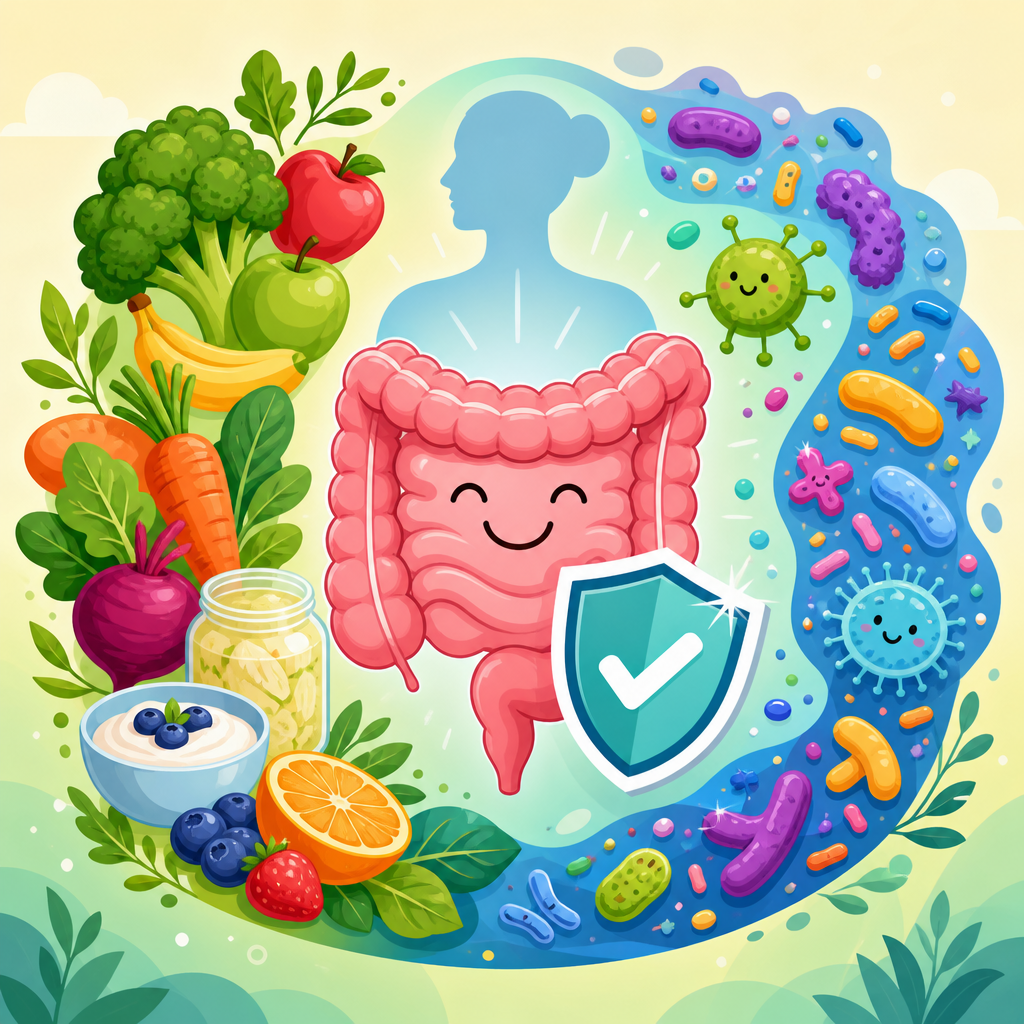
Tomatoes are especially useful because cooked tomato products concentrate lycopene, which has been studied for modest support against photoaging. Olive oil contributes monounsaturated fat and phenolic compounds and is a consistent feature of Mediterranean-style eating patterns linked to lower cardiometabolic disease risk. Fermented dairy such as yogurt and kefir can support the gut microbiome, and the gut-skin axis is increasingly relevant in eczema, acne, and inflammatory skin conditions. In real meal planning, I often combine salmon, roasted vegetables, olive oil, and yogurt-based sauces because one plate covers protein, healthy fat, antioxidants, and probiotics without relying on supplements.
Hydration matters, but the advice should be practical rather than exaggerated. Water intake supports normal skin function, yet drinking extreme amounts does not erase dryness caused by low humidity, eczema, or inadequate fats. Foods with high water content, such as cucumbers, oranges, melons, lettuce, tomatoes, and soups, can help meet fluid needs while adding vitamins and minerals. Limiting excess alcohol also supports skin appearance because alcohol can worsen dehydration, vasodilation, and sleep quality. For aging skin, the strongest dietary pattern is consistent: more produce, legumes, nuts, fish, and olive oil, with less sugar-heavy, highly processed food.
Best foods for hair growth and reduced shedding
When readers ask for the best foods for hair growth, the most evidence-based answer starts with adequate calories, protein, iron, zinc, vitamin D, B vitamins, iodine, and omega-3 fats. Hair follicles are highly sensitive to stress and deficiency. A person can have normal basic labs yet still lose hair after severe caloric restriction or a high-protein plan that crowds out micronutrient-rich foods. Eggs offer protein and biotin, salmon provides protein and omega-3 fats, and Greek yogurt adds protein plus iodine. Lentils, beans, tofu, and pumpkin seeds help plant-based eaters cover iron and zinc, especially when paired with vitamin C-rich produce.
Seafood is often underused in hair-focused nutrition. Oysters supply zinc in amounts difficult to match elsewhere, while sardines provide protein, selenium, and omega-3 fats in a shelf-stable format. Red meat can help some individuals with low ferritin, but portion size and overall pattern matter because disease prevention still requires balance. Including lean beef occasionally alongside beans, greens, berries, and whole grains is a different pattern from relying on processed meats. For clients with hair shedding, I also look at meal regularity. Long gaps without eating, very low-carb dieting, and insufficient total energy frequently worsen shedding even when supplement use is high.
It is equally important to set limits on claims. No food can reverse androgenetic alopecia, scarring alopecia, thyroid disease, or autoimmune conditions by itself. Food supports the hair growth environment; it does not replace diagnosis. Sudden patchy loss, scalp inflammation, or shedding lasting months deserves medical evaluation, ferritin testing, thyroid assessment, and sometimes dermatology referral. Still, diet remains central because regrowth requires raw materials. A simple hair-supportive week includes eggs at breakfast, beans or lentils at lunch, salmon or tofu at dinner, fruit daily, leafy greens several times weekly, and nuts or seeds as snacks.
Best foods for stronger nails and what brittle nails can mean
Brittle, peeling, or slow-growing nails are common, and food can help when the cause is nutritional. Protein remains the base because the nail plate is built from keratin. Eggs, fish, poultry, beans, lentils, tofu, yogurt, and cottage cheese are practical anchors. Iron deficiency is one of the most relevant concerns, especially in menstruating women, endurance athletes, and people with restrictive diets. Spoon-shaped nails are a classic but not universal sign. Zinc also matters for nail growth and repair, while selenium and B vitamins support normal tissue development. Whole grains, legumes, shellfish, dairy, and seeds provide a useful mix.
Biotin is widely marketed for nails, and there is some evidence that supplementation may help certain people with brittle nails, but food-first guidance remains stronger for most readers. Eggs, nuts, seeds, sweet potatoes, and salmon contribute biotin alongside many other nutrients. Nail health also depends on repeated exposure. Someone cannot eat one spinach salad and expect visible improvement; fingernails grow roughly three millimeters per month, so changes take time. In counseling, I usually frame nail nutrition in eight- to twelve-week windows so expectations are realistic and adherence stays high.
Not every nail problem is a nutrition problem. Frequent handwashing, solvents, acetone, detergents, trauma, psoriasis, eczema, fungal infection, and aging all affect nail quality. That nuance matters because people often overuse supplements when a protective glove routine and balanced meals would do more. If nails become suddenly discolored, thickened, painful, or distorted, assessment is warranted. For prevention, combine protein-rich foods with iron, zinc, and colorful plants, and avoid chronically undereating. The same pattern supports energy, immunity, and metabolic health, making stronger nails a visible bonus rather than the only goal.
Diet patterns, common mistakes, and building a practical hub strategy
The most effective approach to foods for skin, hair, and nail health is a dietary pattern, not a short list of trendy ingredients. Mediterranean-style eating has the best overall fit because it emphasizes fish, legumes, extra-virgin olive oil, vegetables, fruit, nuts, seeds, whole grains, and moderate fermented dairy. That pattern delivers antioxidants, fiber, unsaturated fats, minerals, and protein while supporting heart health and lower inflammation. A well-planned vegetarian pattern can do the same, but it requires attention to iron, zinc, omega-3 fats, vitamin B12, and sometimes iodine. The goal is adequacy, variety, and consistency rather than perfection.
The most common mistakes are severe calorie restriction, overreliance on supplements, and underestimating ultra-processed foods. Rapid weight-loss plans often trigger hair shedding because the body interprets the deficit as stress. High-sugar diets may worsen acne in susceptible people by driving insulin and insulin-like growth factor signaling. Heavy alcohol use can impair nutrient absorption and recovery. Smoking increases oxidative stress and accelerates skin aging. These factors explain why visible tissue health cannot be separated from disease prevention. Better food choices work best when they sit alongside sleep, exercise, sun protection, and smoking cessation.
As a hub topic, this subject naturally branches into deeper guides on foods for glowing skin, best foods for hair growth, nutrients for strong nails, anti-inflammatory diets for acne, collagen-supporting foods, omega-3 benefits, iron-rich foods, zinc-rich foods, gut-skin nutrition, and meal plans for healthy aging. Start by auditing one week of meals. Add a protein source to every meal, include at least one vitamin C-rich produce item daily, eat fatty fish twice weekly or use plant omega-3 foods regularly, rotate legumes and leafy greens, and swap some processed snacks for nuts, yogurt, or fruit. Small, repeatable changes are what build healthier skin, hair, nails, and a healthier future.
Foods for skin, hair, and nail health are best understood as a visible expression of overall nutrition quality, not a beauty shortcut. Strong nails, resilient skin, and healthier hair depend on enough protein, iron, zinc, vitamin C, carotenoids, selenium, iodine, and healthy fats delivered through consistent eating patterns. The most useful foods are familiar ones: salmon, sardines, eggs, yogurt, beans, lentils, berries, citrus, peppers, leafy greens, tomatoes, nuts, seeds, avocado, and olive oil. These foods support collagen formation, keratin production, antioxidant defense, wound healing, moisture balance, and healthy inflammatory signaling.
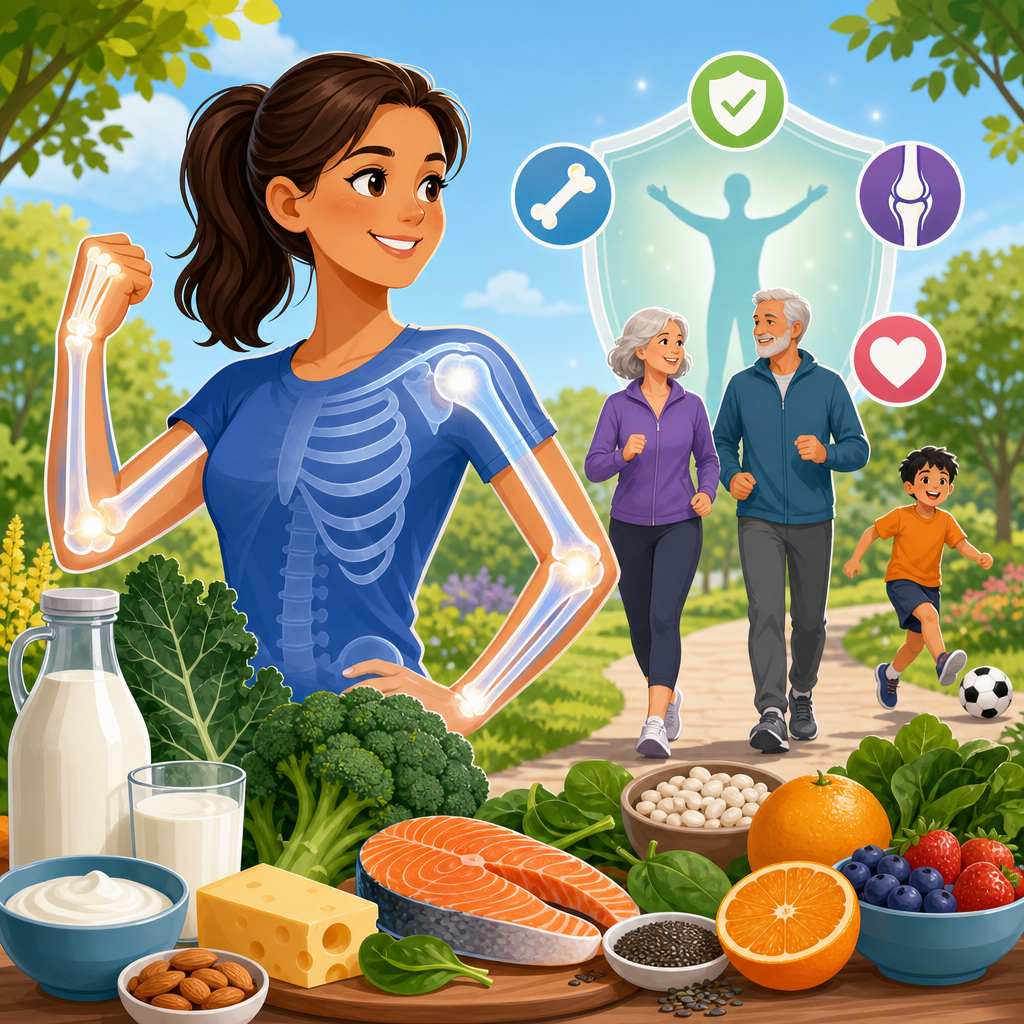
The larger benefit is disease prevention. The same diet that protects the skin barrier and nourishes hair follicles usually improves cardiometabolic health, immune function, and long-term resilience. That makes this topic more important than appearance alone. It gives people a tangible, motivating way to improve everyday food choices while reducing the risk of deficiency, fatigue, poor recovery, and chronic disease. Results do require patience because skin turnover, nail growth, and hair cycling happen over weeks to months, not overnight. Consistency matters more than novelty, and overall diet matters more than any single supplement or “superfood.”
Use this page as your starting point for the broader nutrition for health and wellness journey. Build meals around protein, colorful produce, healthy fats, and mineral-rich staples, then explore related guides on iron, omega-3s, gut health, and anti-inflammatory eating to personalize your plan. If persistent hair loss, nail changes, or skin problems continue, pair nutrition improvements with medical evaluation so underlying conditions are not missed. Start with your next grocery list, choose a few core foods from this article, and make them part of your weekly routine.
Frequently Asked Questions
How do foods for skin, hair, and nail health also support disease prevention?
Foods that strengthen skin, hair, and nails often overlap with the same nutrient-dense foods that protect long-term health. That is because these tissues are highly responsive to what is happening elsewhere in the body. When a person eats enough protein, essential fats, vitamins, minerals, and antioxidants, the benefits are not limited to appearance. Those nutrients also help regulate immune function, blood sugar control, inflammation, tissue repair, and cellular defense against oxidative stress. In practice, healthy skin, steady hair growth, and stronger nails can reflect better overall nutritional status, while changes in these tissues may be early signs of deeper imbalance.
For example, fatty fish, nuts, seeds, legumes, eggs, leafy greens, berries, citrus, and colorful vegetables provide nutrients such as omega-3 fats, zinc, iron, vitamin C, vitamin A precursors, biotin, selenium, and high-quality amino acids. These are involved in collagen formation, keratin production, barrier integrity, wound healing, and protection from inflammation. At the same time, they support cardiovascular health, immune resilience, metabolic health, and lower chronic disease risk when included as part of a balanced eating pattern. In other words, a diet that helps reduce brittle nails, dry skin, or excessive shedding is often the same kind of diet that supports healthy aging and disease prevention.
Which nutrients matter most for healthy skin, hair, and nails, and what foods provide them?
Several nutrients consistently stand out. Protein is foundational because hair and nails are largely made of keratin, and skin structure depends on amino acids for repair and collagen support. Good sources include fish, poultry, eggs, Greek yogurt, tofu, tempeh, beans, lentils, and lean meats. Iron is also critical, especially for hair growth and nail health, because low iron can contribute to fatigue, brittle nails, and diffuse hair shedding. Iron-rich foods include red meat, lentils, beans, spinach, pumpkin seeds, and fortified grains, and pairing plant iron sources with vitamin C foods such as peppers, strawberries, or citrus improves absorption.
Essential fatty acids, especially omega-3 fats, help support the skin barrier and may reduce dryness and inflammation. Salmon, sardines, trout, chia seeds, flaxseeds, and walnuts are excellent options. Zinc helps with tissue repair, immune function, and hair follicle health; it is found in shellfish, beef, pumpkin seeds, chickpeas, and dairy. Vitamin C supports collagen synthesis and antioxidant protection, with rich sources including oranges, kiwi, berries, broccoli, and bell peppers. Vitamin A from foods such as carrots, sweet potatoes, spinach, and eggs supports normal skin turnover, while selenium from Brazil nuts, seafood, eggs, and whole grains contributes to antioxidant defense. Biotin gets a lot of attention, but true deficiency is uncommon; foods like eggs, nuts, seeds, and legumes can help meet needs without relying on supplements unless a deficiency is identified.
Can changes in skin, hair, and nails signal nutrient deficiencies or underlying health problems?
Yes, and this is one reason these tissues are so clinically useful. Brittle or spoon-shaped nails may point toward iron deficiency, while diffuse hair shedding can occur after rapid weight loss, illness, major stress, surgery, or inadequate protein intake. Persistently dry or flaky skin may reflect low intake of essential fatty acids, inadequate overall calories, poor hydration habits, or broader nutrient insufficiency. Slow wound healing, cracking at the corners of the mouth, mouth sores, unexplained rashes, or sudden changes in hair texture can also be signs that nutrient intake, absorption, or overall health deserves closer evaluation.
That said, these signs are not diagnostic by themselves. Hair loss can also relate to thyroid disorders, hormonal shifts, autoimmune conditions, medications, and postpartum changes. Nail abnormalities may be linked to trauma, infections, or dermatologic disease. Skin changes can stem from eczema, psoriasis, allergies, environmental exposure, or metabolic issues. If symptoms are persistent, worsening, or occur alongside fatigue, weight changes, digestive issues, or menstrual irregularities, it is wise to speak with a physician or registered dietitian. Visible changes in skin, hair, and nails can offer important clues, but the best approach is to connect those clues with the full medical picture rather than assuming a single nutrient is the cause.
Are supplements necessary for improving skin, hair, and nail health, or can food be enough?
For many people, food can be enough, especially when intake is consistent and balanced. Whole foods provide a package of nutrients that work together rather than in isolation. A meal with salmon, quinoa, spinach, olive oil, and berries delivers protein, iron, omega-3 fats, antioxidants, vitamin C, and other supportive compounds in one sitting. That combination is generally more useful than taking a single trendy supplement without addressing gaps in overall diet quality. If someone is under-eating, following a very restrictive diet, recovering from illness, or experiencing malabsorption, then improving total nutrient intake often matters more than focusing on one “beauty nutrient.”
Supplements can be appropriate in specific cases, such as confirmed iron deficiency, low vitamin D, inadequate B12 intake in some vegetarian or vegan patterns, or clinically assessed deficiencies related to absorption disorders. But more is not always better. High-dose supplements can be unnecessary or even harmful; too much selenium, for example, can worsen hair and nail problems, and excess vitamin A can be toxic. Biotin supplements can also interfere with some lab tests. The most effective strategy is usually to start with food, identify likely dietary gaps, and use targeted supplementation only when there is a clear reason. If symptoms are significant or persistent, a personalized evaluation is more helpful than self-prescribing a stack of hair, skin, and nail products.
What is the best eating pattern for supporting skin, hair, nail health, and long-term wellness?
The best pattern is one that is nutrient-dense, sustainable, and broad enough to support both visible tissue health and disease prevention. In practical terms, that means regular meals that include quality protein, colorful produce, healthy fats, high-fiber carbohydrates, and key minerals. A Mediterranean-style pattern is a strong example because it emphasizes fish, legumes, nuts, seeds, olive oil, vegetables, fruit, whole grains, and moderate intake of dairy and eggs. This approach supports collagen maintenance, keratin production, antioxidant defense, and healthy circulation while also helping lower risk for heart disease, type 2 diabetes, and chronic inflammation.
Consistency matters more than any single “superfood.” Skipping meals, chronically dieting, or relying heavily on ultra-processed foods can make it harder to meet needs for protein, iron, zinc, and essential fats, which may show up over time as shedding, dryness, poor healing, or nail fragility. A practical routine might include eggs with fruit at breakfast, beans or chicken with vegetables and whole grains at lunch, yogurt or nuts as a snack, and fish or tofu with roasted vegetables at dinner. Hydration, adequate calorie intake, and not cutting entire food groups without a plan are also important. When the diet supports the whole body, the skin, hair, and nails often reflect that internal stability in a very visible way.