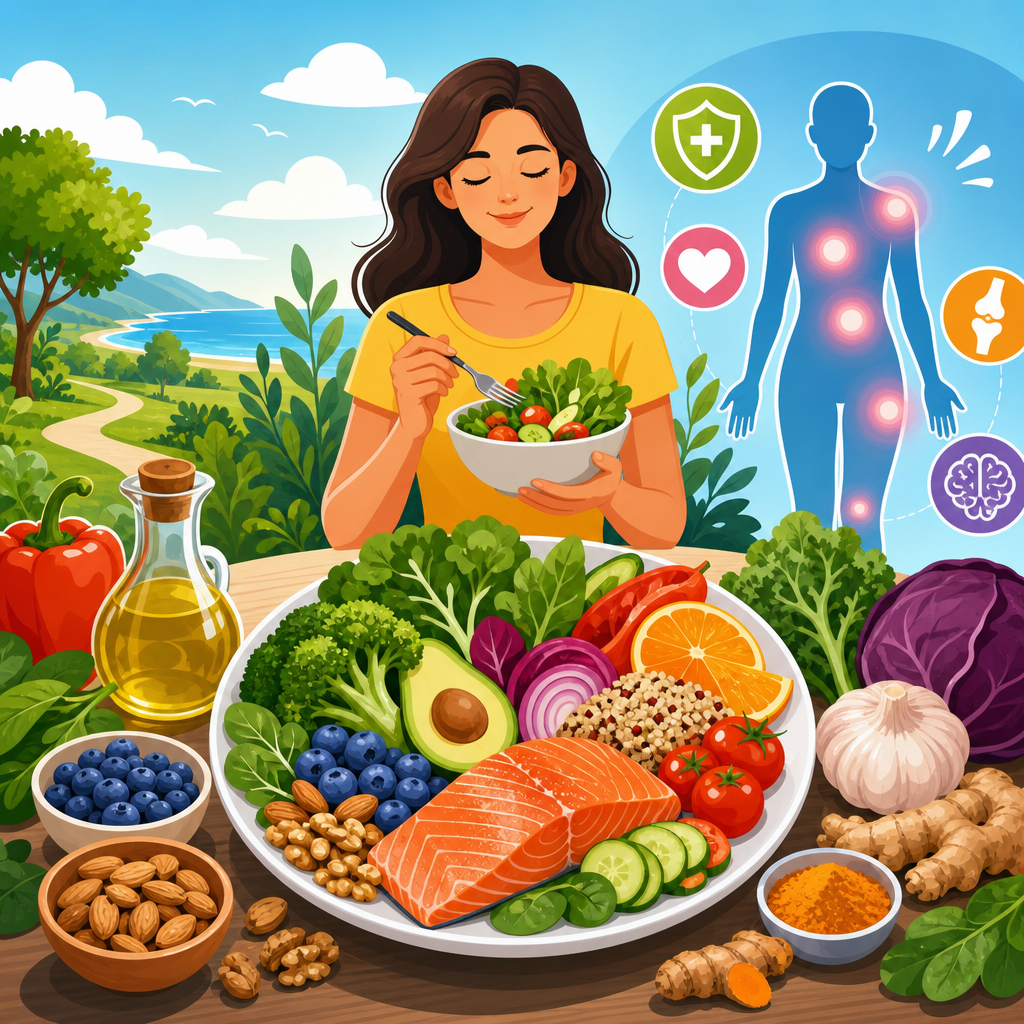
Anti-inflammatory diets are eating patterns designed to reduce chronic, low-grade inflammation, a biological process linked to heart disease, type 2 diabetes, arthritis, fatty liver disease, some cancers, and cognitive decline. In clinical practice and nutrition reporting, the term does not mean a short cleanse or a list of miracle foods. It refers to a consistent pattern built around vegetables, fruit, legumes, whole grains, nuts, seeds, olive oil, seafood, herbs, spices, and minimally processed proteins, while limiting ultra-processed foods, excess refined carbohydrates, processed meats, trans fats, and added sugars. Understanding anti-inflammatory diets and chronic disease matters because inflammation sits at the center of many modern health problems, often years before symptoms appear.
Inflammation itself is not the enemy. Acute inflammation is protective: it helps the body respond to injury and infection. Chronic inflammation is different. It can persist when the immune system is repeatedly stimulated by poor diet, abdominal obesity, smoking, chronic stress, disrupted sleep, environmental exposures, insulin resistance, or inactive lifestyles. Over time, inflammatory signaling can damage blood vessels, worsen blood sugar control, alter gut barrier function, and accelerate tissue breakdown. Biomarkers such as C-reactive protein, interleukin-6, and tumor necrosis factor-alpha are commonly studied in relation to diet quality. A practical anti-inflammatory diet aims to influence these pathways through fiber, polyphenols, omega-3 fats, micronutrients, and overall dietary balance.
This guide serves as a complete hub for the topic. It explains how anti-inflammatory diets work, which foods have the strongest evidence, how major dietary patterns compare, and where anti-inflammatory eating can help in chronic disease management. It also addresses limitations, because no diet can replace medical care, reverse every condition, or work identically for every person. Still, after reviewing dietary trials, counseling patients, and seeing how food patterns affect energy, blood lipids, glucose, digestive symptoms, and adherence in real life, one conclusion remains consistent: anti-inflammatory eating is less about restriction and more about building a repeatable pattern that lowers disease risk while supporting daily health.
How Anti-Inflammatory Diets Work in the Body
An anti-inflammatory diet works through several mechanisms at once. First, it improves dietary fat quality. Replacing saturated fat from heavily processed foods with monounsaturated fats from extra-virgin olive oil, avocado, and nuts, plus omega-3 fatty acids from salmon, sardines, trout, and mackerel, can shift the balance of signaling molecules involved in inflammation. Second, it increases fiber intake. Soluble and fermentable fibers from beans, oats, barley, lentils, berries, apples, onions, and many vegetables feed beneficial gut bacteria, which produce short-chain fatty acids such as butyrate. These compounds help maintain the intestinal lining and modulate immune responses.
Third, anti-inflammatory diets are rich in phytochemicals. Polyphenols in berries, cocoa, green tea, coffee, extra-virgin olive oil, turmeric, ginger, and leafy greens act as antioxidants and influence gene expression related to inflammatory pathways. Fourth, these diets often reduce glycemic volatility. Meals centered on intact grains, legumes, protein, and healthy fats generally produce slower rises in blood glucose than meals based on sugary drinks, white flour products, or desserts. Lower post-meal glucose swings can reduce oxidative stress and endothelial dysfunction. Finally, anti-inflammatory eating usually displaces ultra-processed foods, which are associated with poorer cardiometabolic health through multiple pathways including excess sodium, refined starches, additives, lower satiety, and calorie overconsumption.
Weight change also matters, but it is not the whole story. In people with overweight or obesity, losing even 5 to 10 percent of body weight can reduce inflammatory markers and improve insulin sensitivity. However, I have seen inflammatory symptoms improve even before significant weight loss when diet quality changes rapidly. A breakfast of steel-cut oats, walnuts, berries, and plain yogurt affects hunger, blood sugar, and nutrient intake very differently from a breakfast pastry and sweetened coffee. The anti-inflammatory effect comes from the pattern: more fiber, more unsaturated fat, more micronutrients, and less metabolic stress over repeated meals and weeks.
Foods, Nutrients, and Habits That Matter Most
The strongest anti-inflammatory diet is not built around one superfood. It is built around categories of foods with consistent evidence. Vegetables and fruit provide fiber, vitamin C, folate, potassium, carotenoids, and polyphenols. Legumes add fiber, plant protein, magnesium, and slowly digested carbohydrate. Nuts and seeds provide unsaturated fats, vitamin E, selenium, and plant sterols. Whole grains such as oats, quinoa, brown rice, barley, and whole wheat contribute fiber and B vitamins. Fatty fish delivers EPA and DHA, the marine omega-3s most directly linked to lower inflammatory signaling. Fermented foods such as yogurt and kefir may support gut health, though benefits vary by product and strain.
What should be limited is equally important. Sugar-sweetened beverages add calories without satiety and are associated with weight gain and poor glycemic control. Processed meats contribute sodium, preservatives, and compounds linked with higher chronic disease risk. Deep-fried foods, commercial baked goods containing poor-quality fats, heavily refined snacks, and oversized restaurant meals tend to combine high energy density with low fiber and low micronutrient value. Alcohol is a gray area. Small amounts may fit some eating patterns, but alcohol can worsen sleep, triglycerides, liver health, and inflammation for many people, especially those with fatty liver, reflux, migraine, or certain cancers.
| Food or habit | Why it helps or harms | Practical example |
|---|---|---|
| Extra-virgin olive oil | Provides monounsaturated fats and polyphenols | Use for salad dressing and cooked vegetables |
| Fatty fish | Supplies EPA and DHA linked to lower inflammation | Eat salmon or sardines twice weekly |
| Legumes | High fiber improves gut health and glucose control | Swap half the meat in chili for beans |
| Berries and leafy greens | Dense in polyphenols, vitamins, and potassium | Add berries to breakfast and greens to lunch |
| Sugary drinks | Raise glucose load without fiber or satiety | Replace soda with sparkling water or unsweetened tea |
| Ultra-processed snacks | Often high in sodium, refined starch, and poor-quality fats | Choose nuts, fruit, or hummus instead |
Meal timing and lifestyle habits influence results. Regular meals can prevent the intense hunger that drives overeating later. Sleep duration and quality affect inflammatory balance, appetite hormones, and insulin sensitivity; poor sleep can undermine an otherwise excellent diet. Physical activity helps independently by improving circulation, muscle glucose uptake, and inflammatory regulation. Stress management matters as well. I have watched people blame a healthy meal plan for limited progress when the larger issue was five hours of sleep, a sedentary week, and sustained psychological stress. Anti-inflammatory nutrition works best when paired with realistic lifestyle support.
Major Anti-Inflammatory Dietary Patterns
Several eating patterns qualify as anti-inflammatory, but the Mediterranean diet has the strongest and broadest evidence base. It emphasizes extra-virgin olive oil, vegetables, legumes, fruit, nuts, whole grains, herbs, seafood, and moderate dairy, with less red meat and fewer sweets. The landmark PREDIMED trial helped establish its cardiometabolic value, showing reduced major cardiovascular events among high-risk adults assigned to Mediterranean-style patterns supplemented with nuts or olive oil. That does not mean every Mediterranean meal is automatically healthy; portions, food quality, and overall pattern still matter. But as a template, it is practical, culturally adaptable, and strongly supported by research.
The DASH diet is another excellent option, especially for people with hypertension. It prioritizes vegetables, fruit, low-fat dairy, whole grains, beans, nuts, and lean protein while controlling sodium and limiting sweets and processed foods. Although originally designed to lower blood pressure, DASH also improves overall dietary quality and can reduce inflammatory burden indirectly through better vascular function and weight control. Plant-forward diets, including vegetarian and flexitarian patterns, can also be anti-inflammatory when they rely on whole foods rather than refined grains and meat substitutes alone. A plant-based diet of lentils, tofu, vegetables, oats, seeds, and olive oil is very different from one centered on fries, white bread, and sugary cereal.
Lower-carbohydrate plans can reduce inflammation in some people, particularly those with insulin resistance or type 2 diabetes, if they emphasize nonstarchy vegetables, nuts, seeds, olive oil, fish, eggs, yogurt, and minimally processed proteins. Problems arise when low-carb becomes an excuse for large amounts of processed meats, butter-heavy convenience foods, and very low fiber intake. Elimination protocols may help specific symptoms, such as in irritable bowel syndrome or suspected food sensitivities, but they should be targeted and time-limited. Broad restriction without a clear reason often harms adherence, nutrient adequacy, and quality of life. The best anti-inflammatory diet is the one with proven principles that a person can sustain.
Anti-Inflammatory Diets and Chronic Disease Management
Anti-inflammatory diets are especially relevant to cardiovascular disease because inflammation contributes to atherosclerosis at every stage, from endothelial injury to plaque instability. Diets rich in olive oil, nuts, fiber, and fish can improve LDL particle behavior, triglycerides, blood pressure, and vascular function. In type 2 diabetes and prediabetes, the same dietary pattern supports better insulin sensitivity and steadier glucose levels. For nonalcoholic fatty liver disease, reducing added sugars, refined carbohydrates, and excess calories while emphasizing whole foods can lower liver fat and improve liver enzymes. In osteoarthritis and rheumatoid arthritis, diet cannot replace rheumatologic treatment, but many patients report less stiffness and better energy when ultra-processed foods decline and omega-3 intake rises.
Gut health is another major pathway. Inflammatory bowel disease, irritable bowel syndrome, and functional digestive complaints do not respond to one universal meal plan, yet gut-friendly anti-inflammatory principles still matter. Higher-fiber foods, fermented dairy when tolerated, and diverse plant intake may support a healthier microbiome, though flare-specific adjustments are often necessary. In brain health, diets emphasizing fish, berries, leafy greens, olive oil, and beans are associated with better cognitive outcomes over time. Depression also shows links to diet quality; while nutrition is not a stand-alone treatment, improving dietary pattern can support broader mental health care. The common thread is that anti-inflammatory eating helps create a metabolic environment less likely to aggravate disease processes.
Expectations should stay grounded. Biomarkers may improve within weeks, but long-term disease outcomes depend on consistency, medication adherence, sleep, movement, smoking status, and social factors such as food access. Some people need more individualized approaches due to kidney disease, gastrointestinal disorders, food allergies, celiac disease, or religious and cultural needs. This is why hub-level guidance matters: the principles are stable, but application changes by condition. As you build an anti-inflammatory diet for chronic disease, focus on dietary pattern, not perfection. Start with one upgrade per meal, track symptoms and labs with a clinician when appropriate, and use this topic as a foundation for deeper reading on heart health, blood sugar, gut health, arthritis nutrition, and sustainable meal planning.
How to Build an Anti-Inflammatory Diet That Lasts
The most effective anti-inflammatory diet is the one you can repeat on ordinary weekdays, during travel, and under stress. Start with plate structure. At lunch and dinner, fill roughly half the plate with nonstarchy vegetables, one quarter with protein, and one quarter with high-fiber carbohydrates such as beans, quinoa, brown rice, or sweet potato. Add a source of healthy fat, usually olive oil, avocado, tahini, nuts, or seeds. At breakfast, prioritize protein and fiber rather than sugar. Greek yogurt with berries and chia seeds, eggs with vegetables and whole-grain toast, or overnight oats with walnuts are practical options. These meals reduce hunger later and make blood sugar easier to manage.
Shopping and cooking systems determine success more than motivation alone. Keep staples on hand: canned beans, frozen vegetables, oats, olive oil, plain yogurt, canned salmon, nuts, spices, and whole grains. Batch-cook one protein, one grain, and one bean each week, then rotate sauces and produce to avoid boredom. Read labels on breads, cereals, sauces, and snack foods; products marketed as natural or gluten-free are not automatically anti-inflammatory. If you eat out often, choose grilled or baked proteins, vegetables, bean-based sides, olive oil dressings, and fruit-forward desserts less often. Most important, make the pattern enjoyable. A sustainable anti-inflammatory diet should taste good, fit your culture, and support long-term health. Use this guide as your starting point, then build one better meal at a time.
Frequently Asked Questions
What is an anti-inflammatory diet, and how is it different from a fad diet or cleanse?
An anti-inflammatory diet is not a quick fix, detox, or rigid meal plan built around a few “superfoods.” It is a long-term eating pattern designed to help reduce chronic, low-grade inflammation, which is a persistent immune response associated with many common diseases, including heart disease, type 2 diabetes, arthritis, fatty liver disease, some cancers, and cognitive decline. Rather than relying on supplements, juice cleanses, or extreme restriction, this approach emphasizes overall dietary pattern and consistency over time.
In practice, an anti-inflammatory diet centers on vegetables, fruit, legumes, whole grains, nuts, seeds, olive oil, seafood, herbs, spices, and minimally processed foods. These foods provide fiber, unsaturated fats, antioxidants, vitamins, minerals, and plant compounds that support metabolic health and help the body regulate inflammatory pathways. At the same time, the diet generally limits highly processed foods, refined carbohydrates, sugary drinks, excessive alcohol, and frequent intake of processed meats and foods high in trans fats or heavily refined oils.
What makes it different from a fad diet is that it is evidence-based, flexible, and sustainable. It does not require eliminating entire food groups without medical reason, and it does not promise to “cure” inflammation overnight. Instead, it supports better health through a balanced pattern that can be adapted to different cultures, budgets, and preferences. Many of its principles overlap with well-studied eating patterns such as the Mediterranean diet, which has strong research backing for cardiovascular and metabolic health.
How does chronic inflammation affect the body, and why does diet matter so much?
Inflammation itself is not always harmful. Acute inflammation is part of the body’s normal defense system and helps fight infections or heal injuries. The problem is chronic, low-grade inflammation, which can persist for years without obvious symptoms while gradually contributing to tissue damage and disease progression. This type of inflammation is influenced by many factors, including body weight, sleep, physical activity, stress, smoking, environmental exposures, and diet.
Diet matters because food affects several biological systems tied to inflammation. Meals high in refined starches, added sugars, and ultra-processed ingredients can contribute to blood sugar spikes, insulin resistance, oxidative stress, and disruptions in gut microbiome balance. Over time, those changes may encourage inflammatory signaling. On the other hand, diets rich in fiber, polyphenols, omega-3 fats, and unsaturated fats can support healthier blood lipids, better glucose control, improved gut health, and more balanced immune function.
It is important to understand that no single meal causes or fixes chronic inflammation by itself. What matters most is the cumulative effect of eating patterns over weeks, months, and years. A consistently nutrient-dense, minimally processed diet can help lower disease risk and improve markers associated with inflammation, especially when combined with regular movement, adequate sleep, stress management, and appropriate medical care. That is why diet is considered one of the most practical and powerful tools for addressing inflammation-related health risk.
Which foods are considered most helpful on an anti-inflammatory diet?
The most helpful foods are those that repeatedly show up in high-quality dietary patterns linked to lower chronic disease risk. Vegetables and fruits are foundational because they provide fiber, antioxidants, and phytochemicals that help protect cells from oxidative stress. Legumes such as beans, lentils, and chickpeas are especially valuable because they combine plant protein, fiber, and minerals while supporting blood sugar control and fullness. Whole grains like oats, barley, brown rice, and quinoa can also play an important role when they replace refined grains.
Healthy fat sources are another major focus. Extra-virgin olive oil is a hallmark of anti-inflammatory eating because it provides monounsaturated fats and beneficial plant compounds. Nuts and seeds contribute healthy fats, fiber, magnesium, and other nutrients, while fatty fish such as salmon, sardines, trout, and mackerel provide omega-3 fatty acids that are well known for supporting heart and inflammatory health. Herbs and spices, including turmeric, ginger, garlic, cinnamon, oregano, and rosemary, can add both flavor and bioactive compounds without relying on excess salt or sugar.
Just as important is the overall balance of the plate. Helpful foods work best when they are part of a consistent pattern that includes variety, adequate protein, and minimal reliance on highly processed products. You do not need an exotic shopping list to eat this way. Everyday foods like frozen vegetables, canned beans, plain yogurt, oatmeal, fruit, olive oil, and canned fish can all fit well. The goal is not perfection but a steady shift toward more whole and minimally processed choices.
What foods should be limited if you are trying to reduce inflammation?
Most experts recommend limiting foods that are heavily processed and those that are easy to overconsume while offering little nutritional value. This includes sugary beverages, desserts high in added sugar, refined grains, packaged snack foods, fast food, and many ultra-processed meals. These foods are often low in fiber and high in refined starches, sodium, unhealthy fats, or additives that can crowd out more nutrient-dense choices and contribute to poor metabolic health over time.
Processed meats such as bacon, sausage, hot dogs, and deli meats are also commonly limited because higher intakes are associated with increased risk of cardiovascular disease and other chronic conditions. Deep-fried foods and products containing trans fats should be minimized as well. Alcohol deserves attention too. While some eating patterns allow moderate intake, regular heavy drinking can increase inflammation, impair liver health, and worsen sleep and metabolic function.
That said, “limit” does not always mean “never.” A practical anti-inflammatory diet is not built on fear or guilt. It is built on proportion. If most of your meals are centered on vegetables, legumes, whole grains, healthy fats, and minimally processed proteins, occasional treats are unlikely to define your overall health pattern. For people with specific conditions such as diabetes, fatty liver disease, celiac disease, or food allergies, the ideal approach may need to be more individualized with guidance from a registered dietitian or physician.
Can an anti-inflammatory diet help with chronic disease management, and how quickly will results happen?
An anti-inflammatory diet can be a meaningful part of chronic disease management, but it should be viewed as one component of a broader care plan rather than a stand-alone cure. Research supports anti-inflammatory-style eating patterns for improving cardiovascular risk factors, supporting blood sugar control, helping with weight management, and potentially reducing symptom burden in some inflammatory conditions. People with high blood pressure, type 2 diabetes, high cholesterol, arthritis, nonalcoholic fatty liver disease, or elevated cardiovascular risk may benefit when this type of diet is combined with medical treatment, exercise, sleep improvement, and other lifestyle changes.
The timeline for results varies. Some people notice early benefits such as improved energy, better digestion, steadier appetite, or fewer blood sugar swings within a few weeks. Measurable changes in cholesterol, blood pressure, glucose control, liver enzymes, or body weight often take longer and depend on how consistently the diet is followed, what the starting health status is, and whether other habits are also changing. Inflammatory symptoms related to conditions like arthritis may improve gradually rather than immediately.
It is also important to set realistic expectations. You cannot usually “feel” inflammation directly, and online claims about dramatic overnight effects are often exaggerated. The strongest benefits come from steady, repeatable choices that are sustainable for the long term. If someone is taking medications for diabetes, blood pressure, blood thinning, or autoimmune disease, dietary changes should be coordinated with a healthcare professional because needs may shift over time. In that sense, an anti-inflammatory diet is best understood as a powerful foundation for long-term health, not a short-term intervention.