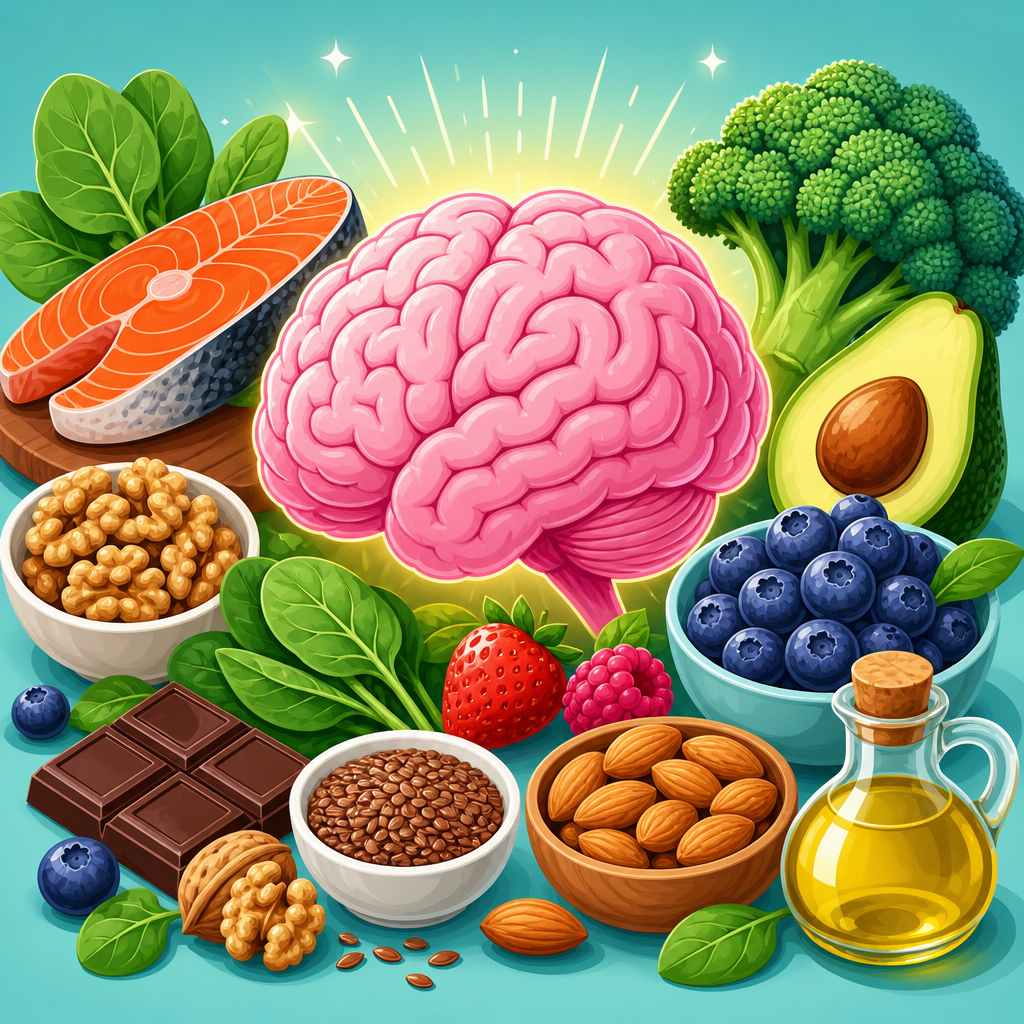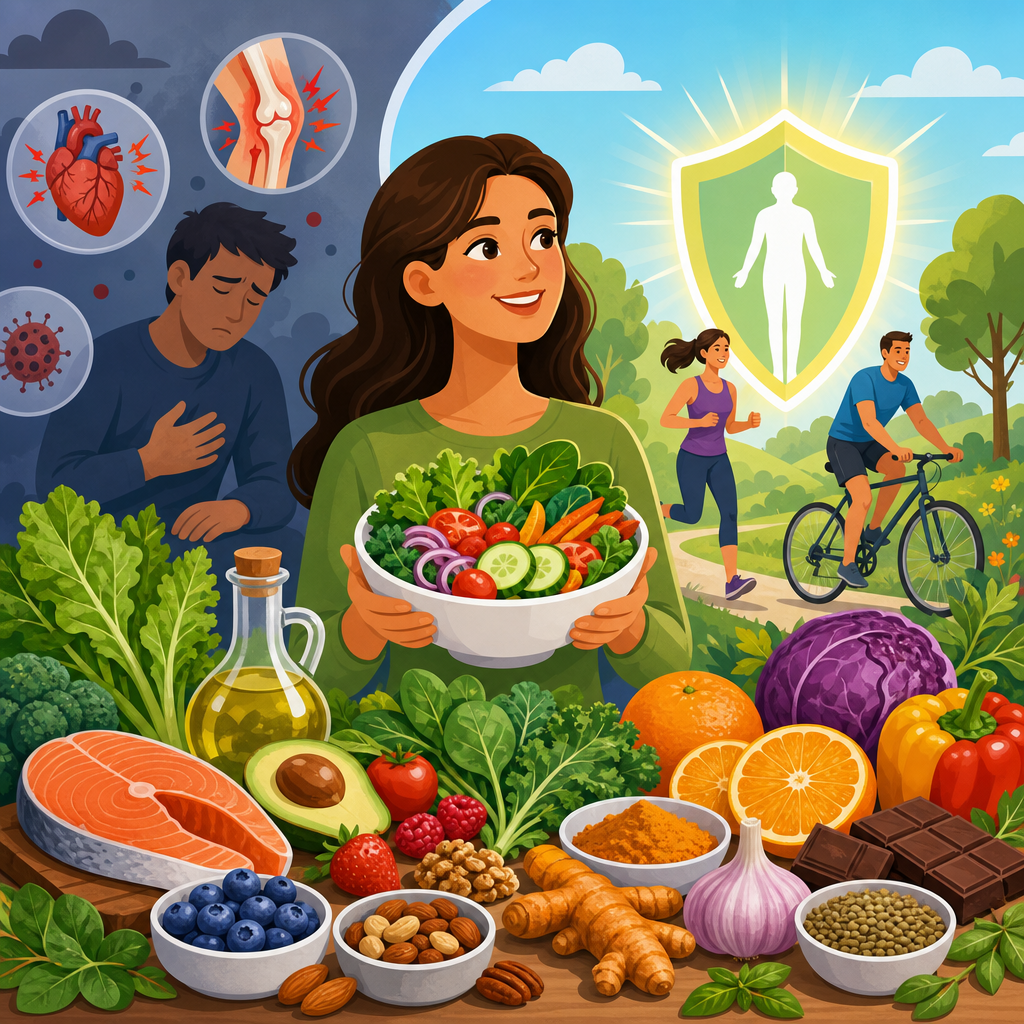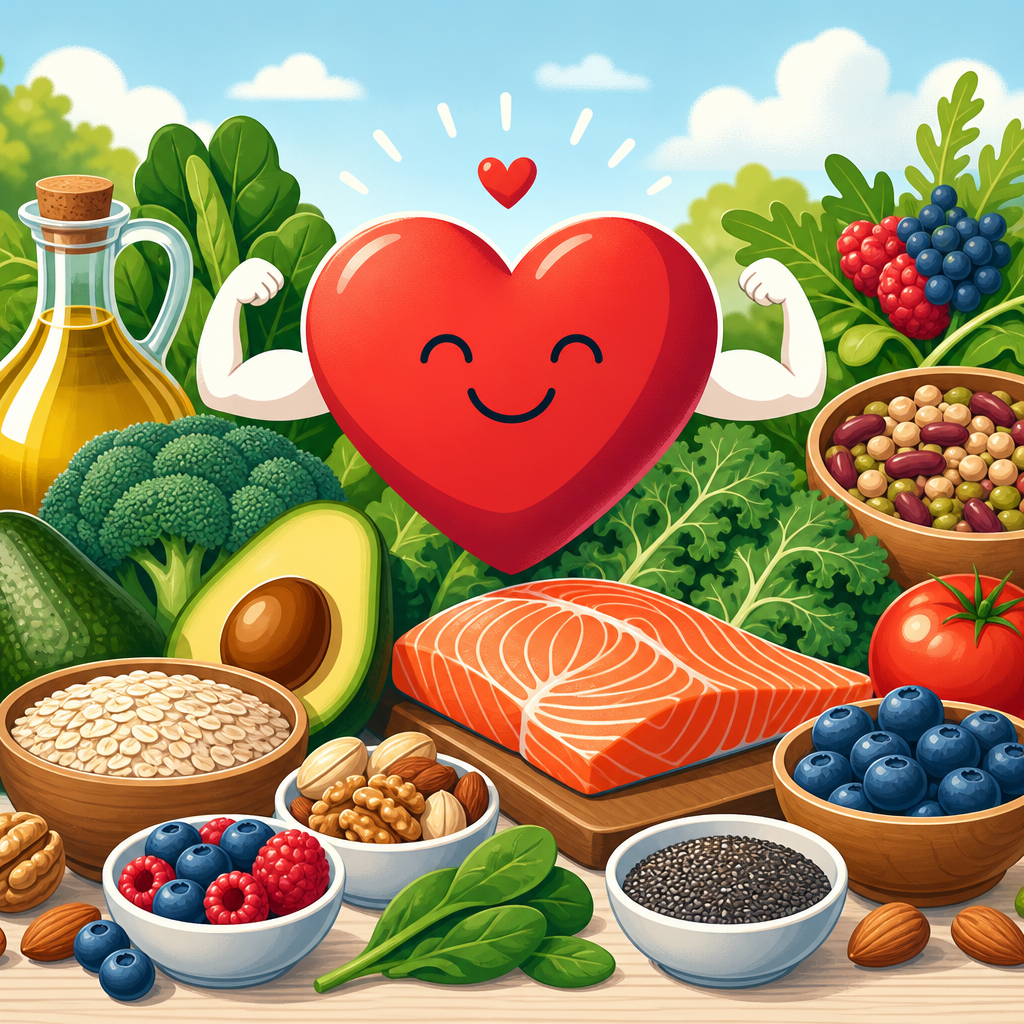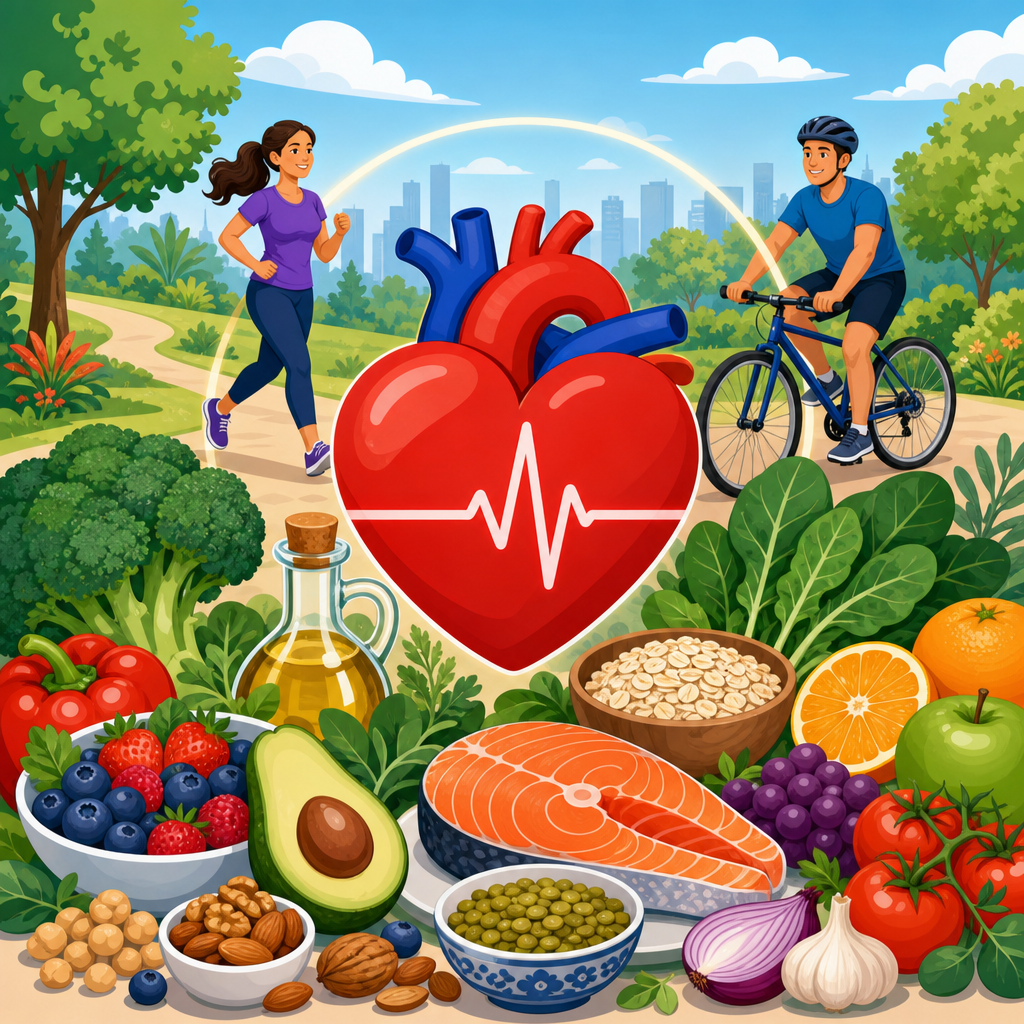

Chronic inflammation sits at the center of many modern health problems, and the foods you eat every day can either calm that process or keep it active. An anti-inflammatory diet is a pattern of eating built around foods that reduce inflammatory signaling, support immune balance, and protect tissues from long-term damage. When I have helped clients and editorial teams build practical nutrition guidance, this is the point I start with: inflammation is not always bad. Acute inflammation helps the body fight infection and heal injuries. The problem is persistent, low-grade inflammation that continues for months or years and quietly contributes to chronic disease.
Researchers consistently link chronic inflammation with cardiovascular disease, type 2 diabetes, obesity, arthritis, nonalcoholic fatty liver disease, inflammatory bowel conditions, and some cancers. Elevated markers such as C-reactive protein, interleukin-6, and tumor necrosis factor-alpha often appear alongside poor dietary patterns heavy in ultra-processed foods, refined carbohydrates, excess sodium, and industrial trans fats. By contrast, diets rich in plants, fiber, unsaturated fats, and marine omega-3s are associated with lower inflammatory markers and better long-term outcomes. This makes food selection more than a wellness trend; it is a credible disease-prevention strategy.
The phrase anti-inflammatory foods refers to ingredients that provide compounds known to regulate oxidative stress, support the gut microbiome, improve insulin sensitivity, and influence pathways such as NF-kB and cyclooxygenase activity. In plain terms, these foods help reduce the biochemical noise that keeps the body in a constant state of irritation. Common examples include berries, leafy greens, extra-virgin olive oil, nuts, legumes, fatty fish, herbs, spices, and fermented foods. These are not exotic add-ons. They are ordinary staples with strong nutritional value and substantial clinical relevance.
This hub article explains the top foods rich in anti-inflammatory diets and chronic disease prevention, why they matter, and how to use them in real life. It also clarifies an important point many readers ask: there is no single miracle food. The benefit comes from a consistent pattern. A bowl of berries cannot undo a steady diet of sugary drinks and processed meat, but a daily eating pattern centered on whole foods can significantly shift risk over time. If you want a practical foundation for healthier eating, this is the place to begin.
Why anti-inflammatory eating matters for chronic disease
Anti-inflammatory eating matters because chronic disease develops through repeated metabolic stress, not one isolated meal. When blood sugar swings sharply, when LDL particles oxidize, when excess visceral fat releases inflammatory cytokines, and when the gut barrier becomes less resilient, the body receives signals that keep immune defenses activated. Over time, that can damage blood vessels, joints, liver cells, and pancreatic function. In clinic-informed nutrition work, I have seen the clearest improvements come from boring consistency: better breakfasts, more vegetables, fewer packaged snacks, and a more reliable intake of fiber and healthy fats.
The strongest dietary pattern evidence comes from Mediterranean-style eating, DASH principles, and plant-forward models that emphasize minimally processed foods. These approaches repeatedly show benefits for blood pressure, HbA1c, lipid levels, and inflammatory markers. For example, extra-virgin olive oil and nuts were central components of the PREDIMED trial, a major study that found a Mediterranean pattern reduced cardiovascular events in high-risk adults. The mechanism was not one nutrient alone. It was the combined effect of monounsaturated fats, polyphenols, fiber, magnesium, and a lower reliance on refined foods.
People often ask whether anti-inflammatory diets help if they already have disease. The answer is yes, though food is one part of treatment. In rheumatoid arthritis, omega-3 fats may help reduce joint tenderness and morning stiffness. In type 2 diabetes, higher-fiber diets can improve glycemic control and satiety. In heart disease, replacing saturated fat from processed meats with unsaturated fat from fish, nuts, seeds, and olive oil can improve lipid profiles. In fatty liver disease, weight loss supported by whole-food eating reduces liver fat and inflammation. The dietary pattern is both preventive and therapeutic.
Top foods that form the core of an anti-inflammatory diet
The most useful anti-inflammatory foods are the ones you can eat repeatedly without complication. Berries supply anthocyanins, compounds linked with reduced oxidative stress and improved vascular function. Leafy greens such as spinach, kale, arugula, and Swiss chard provide folate, vitamin K, magnesium, carotenoids, and nitrate precursors that support endothelial health. Cruciferous vegetables including broccoli, Brussels sprouts, and cauliflower contain glucosinolates, which break down into biologically active compounds such as sulforaphane. These vegetables appear again and again in research for a reason: they deliver high nutrient density with relatively low energy load.
Legumes deserve equal attention. Beans, lentils, chickpeas, and peas provide fiber, plant protein, potassium, magnesium, and polyphenols that help regulate blood sugar and support beneficial gut bacteria. In practical meal planning, they are one of the easiest substitutes for processed meat and refined starches. Whole grains such as oats, barley, quinoa, brown rice, and farro add beta-glucan and resistant starch, both of which contribute to improved satiety and gut health. When people increase fiber too quickly, they may feel bloated, so a gradual increase with adequate fluids is the most reliable strategy.
Fat quality matters as much as carbohydrate quality. Extra-virgin olive oil is one of the best studied anti-inflammatory staples because it provides oleic acid and phenolic compounds, including oleocanthal, which has actions similar to mild cyclooxygenase inhibition. Avocados, almonds, walnuts, pistachios, chia seeds, flaxseed, and pumpkin seeds add unsaturated fats, fiber, and micronutrients. Walnuts are especially useful because they provide alpha-linolenic acid, a plant omega-3 fat. Ground flaxseed works well in oatmeal, yogurt, or smoothies and offers lignans with potential cardiometabolic benefits.
Fatty fish remains a leading food for chronic inflammation because salmon, sardines, trout, herring, and mackerel provide EPA and DHA, the long-chain omega-3 fats most strongly associated with reduced inflammatory activity. The American Heart Association recommends fish, particularly fatty fish, at least twice weekly for general cardiovascular health. For people who do not eat fish, algae-based omega-3 products can help, but food still brings protein, selenium, vitamin D, and meal structure that a capsule does not. Spices and beverages also contribute: turmeric, ginger, garlic, cinnamon, green tea, and coffee all contain bioactive compounds with meaningful evidence behind them.
| Food group | Key compounds | How it helps | Simple use |
|---|---|---|---|
| Berries | Anthocyanins, vitamin C, fiber | Supports vascular health and lowers oxidative stress | Add to yogurt or oats |
| Leafy greens | Folate, magnesium, carotenoids | Supports endothelial and metabolic function | Use in salads and soups |
| Legumes | Fiber, plant protein, polyphenols | Improves satiety, glycemic control, and gut health | Swap for processed meat |
| Fatty fish | EPA, DHA, selenium | Helps reduce inflammatory signaling | Eat twice weekly |
| Olive oil | Oleic acid, polyphenols | Supports heart health and lowers inflammatory activity | Use as main cooking fat |
How these foods work inside the body
Anti-inflammatory foods work through several overlapping mechanisms. First, they reduce oxidative stress. Oxidative stress occurs when reactive oxygen species overwhelm the body’s antioxidant defenses and damage lipids, proteins, and DNA. Colorful produce, herbs, tea, cocoa, and olive oil provide polyphenols and carotenoids that help counter this process. Second, these foods improve insulin sensitivity. Diets high in refined grains and sugary beverages tend to increase post-meal glucose spikes, while fiber-rich foods slow digestion and help stabilize blood sugar. Lower glycemic volatility generally means less inflammatory pressure on tissues.
Third, anti-inflammatory foods nourish the gut microbiome. Fiber from beans, oats, vegetables, fruit, and seeds is fermented by gut bacteria into short-chain fatty acids such as butyrate, acetate, and propionate. Butyrate is especially important because it supports colon cell health and helps maintain gut barrier integrity. A more resilient gut barrier lowers the chance that bacterial fragments such as lipopolysaccharides enter circulation and trigger immune activation. This is one reason a plant-rich diet often improves more than digestion; it affects systemic inflammation throughout the body.
Fourth, these foods improve lipid metabolism and vascular function. Omega-3 fats can reduce triglycerides and influence the production of specialized pro-resolving mediators, molecules involved in ending inflammatory responses appropriately. Olive oil, nuts, and seeds improve the overall fat profile of the diet and help replace sources of saturated fat that may worsen LDL-related risk in susceptible individuals. Nitrates from leafy greens can support nitric oxide production, which helps blood vessels relax. Together, these actions improve circulation, reduce endothelial stress, and support organs that are vulnerable in chronic disease.
Best ways to build meals around anti-inflammatory foods
The easiest way to use anti-inflammatory foods is to stop thinking in terms of individual superfoods and start building repeatable meal patterns. A balanced plate is the most practical framework: half vegetables or fruit, a quarter protein, and a quarter high-quality starch or whole grain, with healthy fat added intentionally. Breakfast might be steel-cut oats with berries, ground flaxseed, plain yogurt, and walnuts. Lunch could be a lentil and vegetable soup with a side salad dressed in extra-virgin olive oil. Dinner might be salmon, roasted broccoli, and quinoa with garlic and herbs.
Snacks also matter because many people undermine good meals with ultra-processed fillers between them. Replace chips, pastries, and sweetened bars with options that support the same anti-inflammatory pattern: fruit with nuts, hummus with carrots, plain kefir, edamame, or whole-grain crackers with sardines. Batch cooking helps more than motivation. Cook a pot of beans, wash greens in advance, roast a tray of vegetables, and keep canned fish, frozen berries, and rolled oats on hand. These habits lower friction, which is often the real barrier to better nutrition.
Preparation methods influence health value. Deep frying adds oxidized oils and excess calories, while roasting, steaming, sautéing, grilling, and pressure cooking generally preserve quality better. Choose extra-virgin olive oil for dressings and moderate-heat cooking, and use avocado oil if you need a neutral option for higher heat. Keep sodium in perspective: canned beans and fish are still useful, but rinsing beans and comparing labels can help. The goal is not perfection. The goal is a dependable pattern where beneficial foods show up often enough to change biomarkers and daily energy.
Foods and habits that can keep inflammation elevated
An anti-inflammatory diet is defined as much by what it limits as by what it includes. The main dietary contributors to chronic inflammation are ultra-processed foods high in refined starch, added sugar, sodium, and low-quality fats. Sugar-sweetened beverages are a major example because they deliver large amounts of rapidly absorbed carbohydrate with little satiety. Frequent intake is associated with weight gain, insulin resistance, and fatty liver risk. Processed meats such as bacon, sausages, and deli meats also deserve caution due to sodium, preservatives, and links with cardiovascular and colorectal risk.
Excess alcohol, chronic sleep loss, smoking, and a sedentary lifestyle amplify the same inflammatory pathways. That matters because many people look for a perfect grocery list while overlooking the rest of the picture. Food works best when paired with movement, stress management, and adequate sleep. There are also tradeoffs to acknowledge. Some healthy foods can be hard on specific conditions. High-fiber legumes may aggravate symptoms during an inflammatory bowel flare. Grapefruit can interact with medications. People on anticoagulants may need consistent, not erratic, vitamin K intake. Personalization is part of effective nutrition, not a contradiction of it.
Who benefits most and how to start safely
Nearly everyone benefits from eating more anti-inflammatory foods, but the impact is especially important for people with prediabetes, type 2 diabetes, hypertension, high LDL cholesterol, central obesity, arthritis, fatty liver disease, polycystic ovary syndrome, and family histories of heart disease. The safest approach is gradual. Add one serving of vegetables at lunch, switch one refined grain to a whole grain, replace one processed snack with fruit and nuts, and aim for fish twice weekly. If you have kidney disease, severe gastrointestinal symptoms, food allergies, or take medications affected by diet, consult a registered dietitian or physician before making large changes.
This hub on anti-inflammatory diets and chronic disease should guide your next steps: learn the key foods, understand how they work, and build meals around them consistently. The benefit is not abstract. Lower inflammation supports better energy, steadier blood sugar, healthier blood vessels, and reduced long-term disease risk. Start with your next grocery list: berries, greens, beans, oats, olive oil, nuts, and fish. Then keep going.
Frequently Asked Questions
What is an anti-inflammatory diet, and how does it help with chronic disease?
An anti-inflammatory diet is a long-term eating pattern built around whole, nutrient-dense foods that help lower persistent, low-grade inflammation in the body. That matters because chronic inflammation is linked to many common health problems, including heart disease, type 2 diabetes, arthritis, metabolic syndrome, digestive disorders, and some forms of cognitive decline. Unlike acute inflammation, which is the body’s normal short-term response to injury or infection, chronic inflammation can remain active for months or years and gradually damage tissues, blood vessels, and organs.
In practical terms, an anti-inflammatory diet emphasizes foods rich in antioxidants, fiber, healthy fats, vitamins, minerals, and plant compounds such as polyphenols. These nutrients help reduce oxidative stress, support a healthy immune response, improve gut health, and influence inflammatory signaling pathways. Foods commonly included are fatty fish, berries, leafy greens, extra virgin olive oil, nuts, seeds, beans, whole grains, tomatoes, and spices such as turmeric and ginger.
Just as important, this way of eating usually limits ultra-processed foods, refined carbohydrates, sugary drinks, trans fats, and excessive processed meats, all of which may contribute to ongoing inflammation in susceptible individuals. The goal is not a quick fix but a steady shift toward a dietary pattern that supports the body’s ability to repair, regulate, and protect itself over time.
Which foods are considered the most powerful anti-inflammatory choices?
Several foods stand out because they consistently appear in research on dietary patterns associated with lower inflammation and better long-term health outcomes. Fatty fish such as salmon, sardines, mackerel, and trout are among the most important because they provide omega-3 fatty acids, especially EPA and DHA, which help regulate inflammatory processes. These fats are often a cornerstone of anti-inflammatory eating because they support heart, brain, and joint health at the same time.
Berries, cherries, oranges, and other colorful fruits are also valuable because they contain antioxidants and polyphenols that help protect cells from oxidative damage. Leafy greens such as spinach, kale, arugula, and Swiss chard provide carotenoids, vitamin K, folate, and other compounds that support immune balance. Extra virgin olive oil deserves special mention as well, since it contains monounsaturated fats and polyphenols that are strongly associated with the benefits of Mediterranean-style eating patterns.
Nuts and seeds, especially walnuts, almonds, chia seeds, and flaxseeds, add healthy fats, magnesium, fiber, and plant compounds that support lower inflammatory stress. Legumes such as lentils, chickpeas, and black beans help by improving fiber intake and supporting a healthier gut microbiome, which plays a major role in immune regulation. Finally, herbs and spices like turmeric, ginger, garlic, and cinnamon can make meals more flavorful while also contributing compounds with anti-inflammatory potential. The strongest approach is not relying on one “superfood,” but combining many of these foods regularly across the week.
Why does gut health matter so much in an anti-inflammatory diet?
Gut health matters because the digestive system is deeply connected to immune function and inflammation. A large portion of the immune system is associated with the gut, and the trillions of microbes living there help influence how the body responds to food, stress, toxins, and infection. When the gut microbiome is well supported, it can help maintain a healthier inflammatory balance. When it is disrupted, inflammatory signaling may become more active.
Foods in an anti-inflammatory diet often improve gut health because they provide fiber, resistant starch, and polyphenols that nourish beneficial bacteria. Beans, lentils, oats, barley, vegetables, fruits, nuts, and seeds all contribute to this process. As these bacteria ferment certain fibers, they produce short-chain fatty acids such as butyrate, which help support the gut lining and may reduce inflammation. This is one reason plant-rich eating patterns are repeatedly associated with better metabolic and immune health.
Fermented foods can also be useful for some people. Yogurt with live cultures, kefir, sauerkraut, kimchi, and similar foods may support microbial diversity, although individual tolerance varies. At the same time, a diet high in heavily processed foods, excess sugar, and low-quality fats may work against gut balance. If someone wants to calm chronic inflammation, improving gut health is often one of the most effective foundational steps, not a side issue.
Can an anti-inflammatory diet really make a noticeable difference in everyday symptoms?
Yes, many people notice meaningful changes when they consistently follow an anti-inflammatory eating pattern, although results depend on the person, the underlying condition, and how sustainable the changes are. For some, the first improvements show up as steadier energy, fewer blood sugar swings, improved digestion, or reduced bloating. Others may notice less joint stiffness, fewer headaches, better recovery after exercise, improved skin clarity, or more stable mood and focus. These changes often happen because the diet reduces inflammatory triggers while improving nutrient quality and metabolic stability.
That said, it is important to set realistic expectations. An anti-inflammatory diet is not a substitute for medical care, and it does not “cure” every chronic disease. Instead, it works as a powerful support strategy that can complement treatment plans and improve overall resilience. It tends to be most effective when combined with other lifestyle factors that influence inflammation, such as adequate sleep, regular movement, stress management, smoking cessation, and maintaining a healthy weight.
Consistency matters more than perfection. A single meal does not create or erase chronic inflammation, but repeated food choices shape long-term patterns in the body. That is why simple daily habits, such as adding vegetables to lunch and dinner, choosing olive oil instead of highly refined fats, eating fish a few times a week, and replacing sugary snacks with fruit and nuts, can add up to real benefits over time.
What are the best ways to start eating more anti-inflammatory foods without making the diet overly complicated?
The best place to start is with simple upgrades, not a total overhaul. One effective method is to build meals around a few core anti-inflammatory anchors: vegetables, a high-quality protein, healthy fats, and a fiber-rich carbohydrate. For example, you might pair salmon with roasted vegetables and quinoa, or make a bowl with leafy greens, chickpeas, olive oil, avocado, and colorful vegetables. This keeps the diet practical while naturally increasing intake of nutrients that help reduce inflammatory stress.
Another smart strategy is to focus on what to add before worrying only about what to remove. Add berries or walnuts to breakfast, include beans in soups or salads, cook with extra virgin olive oil, keep frozen vegetables on hand, and use spices such as turmeric, ginger, and garlic more often. Small shifts like replacing refined snack foods with fruit, nuts, or yogurt can improve diet quality quickly without feeling restrictive. If fish is not eaten regularly, consider building meals around plant anti-inflammatory staples such as lentils, flaxseeds, chia seeds, and walnuts.
Planning also helps. Stocking the kitchen with anti-inflammatory basics makes healthy choices easier during busy weeks. Good staples include canned beans, oats, brown rice, olive oil, nuts, seeds, frozen berries, plain yogurt, leafy greens, garlic, onions, and herbs and spices. The overall goal is to create a repeatable pattern you can maintain. The most effective anti-inflammatory diet is not the most extreme one. It is the one you can follow consistently, enjoy daily, and use to support long-term health.