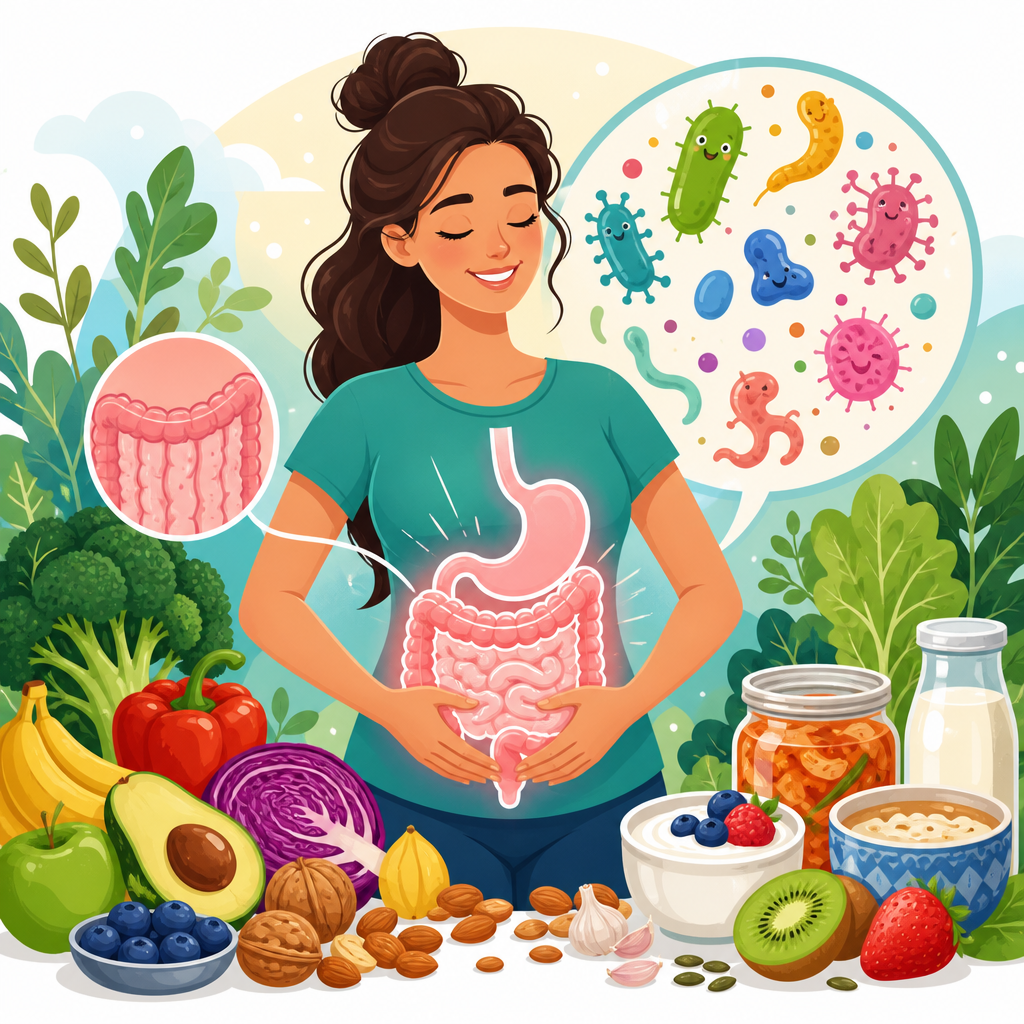
Gut health and the microbiome influence digestion, immunity, metabolism, and even mood, making them central to any serious approach to nutrition for health and wellness. Gut health refers to how well the gastrointestinal tract digests food, absorbs nutrients, maintains a strong intestinal barrier, and supports balanced immune activity. The microbiome is the vast community of bacteria, fungi, viruses, and other microbes that live primarily in the colon and interact constantly with the body. When this ecosystem is diverse and stable, it helps produce beneficial compounds, crowd out pathogens, and regulate inflammation. When it is disrupted, symptoms can include bloating, irregular bowel movements, food intolerance, fatigue, and broader metabolic or immune problems.
In practice, gut health is not a trend topic. It is a foundational issue that affects how well every other nutrition strategy works. I have seen clients improve energy, digestion, and blood sugar control only after we addressed fiber intake, meal patterns, antibiotic history, and chronic stress together instead of chasing single supplements. Research supports that wider view. The gut microbiome helps ferment dietary fiber into short-chain fatty acids such as butyrate, acetate, and propionate. These compounds nourish colon cells, help maintain the gut lining, and influence inflammation and insulin sensitivity. The gut also houses a large share of the body’s immune tissue, which explains why disturbances in gut function can have effects far beyond the stomach.
This hub article explains the essential concepts, the main signs of imbalance, the foods and habits that shape the microbiome, and the practical strategies that deliver measurable results. It also clarifies where evidence is strong, where claims are overstated, and how to build a realistic plan. If you want better digestion, stronger resilience, and a nutrition approach that supports the whole body, understanding gut health and the microbiome is one of the highest value places to start.
What the gut microbiome does and why diversity matters
The gut microbiome acts like a metabolic organ. Trillions of microbes help break down carbohydrates the human body cannot digest on its own, synthesize certain vitamins, influence bile acid metabolism, and produce signaling molecules that affect appetite, immunity, and brain function. One of the most important markers of a resilient microbiome is diversity, meaning a broad range of microbial species with different jobs. In general, low diversity is associated with poorer diet quality, repeated antibiotic exposure, highly processed food patterns, and some chronic diseases.
Balance matters more than any single bacterial strain. Many people look for a miracle microbe, but the better goal is an environment that supports helpful organisms consistently. Fiber from legumes, oats, vegetables, fruit, nuts, seeds, and whole grains feeds beneficial bacteria. Fermented foods can introduce live microbes and fermentation byproducts. Polyphenols from berries, cocoa, tea, coffee, and extra virgin olive oil appear to support microbial richness as well. By contrast, a pattern low in plant variety and high in refined foods tends to reduce the raw material these microbes need.
The intestinal barrier is another key concept. The gut lining is designed to allow nutrients through while keeping harmful substances out. When that barrier is compromised, immune activation and inflammation can increase. This does not mean every vague symptom is caused by a “leaky gut,” a phrase often used carelessly online. It does mean that sleep loss, excessive alcohol, certain infections, some medications, and poor diet quality can negatively affect barrier integrity. Protecting gut health therefore involves both feeding the microbiome and reducing routine stressors that wear down the gut environment.
Common signs of poor gut health and what they may mean
Symptoms linked to gut dysfunction are common but nonspecific, so pattern recognition matters. Bloating after meals, constipation, diarrhea, reflux, excessive gas, abdominal discomfort, and irregular appetite are obvious digestive clues. Less obvious signs can include low energy, frequent illness, skin flare-ups, and increased sensitivity to certain foods. These symptoms do not automatically point to a microbiome problem alone. Lactose intolerance, celiac disease, irritable bowel syndrome, inflammatory bowel disease, gallbladder issues, thyroid dysfunction, pelvic floor disorders, and medication side effects can all look similar at first.
That is why a structured assessment is more useful than guesswork. In clinical nutrition work, I start with stool pattern, meal timing, hydration, fiber intake, stress load, sleep quality, travel history, and recent medication use, especially antibiotics, proton pump inhibitors, metformin, and nonsteroidal anti-inflammatory drugs. A person who eats quickly, gets five hours of sleep, relies on takeout, and has taken three antibiotic courses in a year will need a different plan from someone whose symptoms stem mainly from fructose intolerance or unmanaged celiac disease. Serious warning signs such as blood in the stool, fever, persistent vomiting, unintentional weight loss, iron deficiency, severe pain, or waking at night with diarrhea require medical evaluation.
Testing can help in selected cases, but not every consumer microbiome test changes care. Standard medical workups often provide more actionable information, including celiac screening, inflammatory markers, stool testing for infection when appropriate, and evaluation for inflammatory bowel disease or colorectal issues based on risk. Breath tests for lactose intolerance or small intestinal bacterial overgrowth may be useful in the right context, but false positives and overdiagnosis are real concerns. Good gut care starts with symptoms, history, and food patterns before advanced testing.
Food patterns that build a healthier microbiome
The strongest evidence supports a varied, plant-forward eating pattern. People who consume more than thirty different plant foods per week often show greater microbiome diversity than those eating fewer types. Variety matters because different microbes prefer different fibers and phytochemicals. A practical target is to rotate legumes, whole grains, vegetables, fruits, nuts, seeds, herbs, and spices rather than repeating the same five foods. Beans and lentils provide fermentable fiber and resistant starch. Oats and barley provide beta-glucan. Apples, citrus, onions, garlic, asparagus, artichokes, flaxseed, and chickpeas each contribute distinct compounds that beneficial microbes can use.
Fermented foods deserve a place in the conversation, though they are not a substitute for fiber. Yogurt with live cultures, kefir, kimchi, sauerkraut, miso, tempeh, and traditionally fermented vegetables can support gut health, and some studies suggest they may increase microbial diversity or reduce inflammatory markers. The response is individual. For someone with active bloating, large amounts of kimchi or kefir may worsen symptoms initially. Start small and assess tolerance. Prebiotic foods, meaning foods that selectively feed beneficial microbes, are often more consistently helpful over time than buying expensive probiotic blends without a clear reason.
| Food category | Examples | Main gut health benefit | Practical use |
|---|---|---|---|
| Fermentable fibers | Beans, lentils, oats, barley | Promote short-chain fatty acid production | Add one serving daily and increase gradually |
| Prebiotic-rich plants | Onions, garlic, asparagus, apples | Feed beneficial bacteria | Include across meals in tolerated amounts |
| Fermented foods | Yogurt, kefir, kimchi, miso | Provide live cultures and fermentation compounds | Use several times weekly if tolerated |
| Polyphenol-rich foods | Berries, cocoa, tea, olive oil | Support microbial richness and lower oxidative stress | Swap desserts and snacks strategically |
At the same time, it helps to reduce the inputs most associated with disruption. Diets dominated by ultra-processed foods, excess alcohol, and very low fiber intake tend to work against microbiome resilience. Artificial sweeteners remain a nuanced topic; they can be useful for reducing sugar intake, but some data suggest certain sweeteners may alter microbial composition in susceptible people. The best approach is moderation and attention to overall diet quality rather than panic about any single ingredient.
How lifestyle, medication, and age shape the gut ecosystem
Food is the main driver, but it is not the only one. Chronic stress changes gut motility, digestive secretions, and the gut-brain axis. Poor sleep can alter glucose regulation and inflammatory signaling, which then influences the gut environment. Physical activity is associated with better bowel function and, in many studies, healthier microbial diversity independent of diet quality. Even chewing thoroughly and eating in a calmer state can reduce air swallowing and improve digestive comfort.
Medication history is one of the biggest overlooked factors. Antibiotics can be lifesaving, but they can also reduce beneficial microbes and allow opportunistic overgrowth, especially with repeated use. Proton pump inhibitors may change stomach acidity in ways that affect downstream microbial populations. Metformin can improve glucose control yet also cause gastrointestinal side effects, partly through gut-related mechanisms. None of this means people should stop prescribed medication on their own. It means gut health planning should account for medication effects and support recovery with consistent diet and follow-up.
The microbiome also changes across the lifespan. Birth mode, breastfeeding, early feeding practices, infections, and antibiotic exposure all shape early microbial development. In older adults, reduced appetite, lower food variety, medication use, dentition problems, and social isolation can narrow diet quality and weaken gut resilience. I often see older clients improve constipation and appetite simply by increasing fluids, adding cooked vegetables, using oats or kiwi regularly, and walking after meals. Small, steady habits usually outperform aggressive detoxes or restrictive cleanses.
Supplements, probiotics, and when targeted strategies make sense
Supplements can help, but they work best when matched to a clear purpose. Probiotics are strain specific, not category specific. Lactobacillus rhamnosus GG is different from Bifidobacterium infantis 35624, and benefits seen with one cannot be assumed for another. Some probiotic strains have evidence for reducing antibiotic-associated diarrhea, supporting certain irritable bowel syndrome symptoms, or helping in specific clinical settings. Many products on store shelves, however, have weak documentation, unclear viability, or marketing claims far ahead of the evidence.
Prebiotic supplements such as psyllium, partially hydrolyzed guar gum, inulin, or galactooligosaccharides may be useful when dietary intake is low or symptom targets are specific. Psyllium is particularly practical because it can improve stool consistency in both constipation and diarrhea-predominant patterns. Resistant starch from cooked and cooled potatoes, rice, or oats can also be a useful food-based strategy. For people with significant bloating, dose and pace matter. Increasing fiber too quickly can worsen discomfort, especially if fluid intake is poor.
Elimination strategies should be used carefully. A low FODMAP diet can reduce symptoms in many people with irritable bowel syndrome, but it is not meant to be permanent because it restricts many fermentable foods that support the microbiome. The evidence-based approach is short-term reduction, guided reintroduction, and personalization. The goal is the least restrictive diet that controls symptoms while preserving nutritional adequacy and microbial diversity. That principle applies broadly: use targeted tools, then expand the diet as much as possible.
A practical gut health plan you can sustain
The best gut health plan is not glamorous. It is consistent, measurable, and adaptable. Start by increasing plant diversity over two to four weeks. Aim for legumes several times weekly, one whole grain daily, fruit every day, and vegetables at lunch and dinner. Add one fermented food in a small portion if tolerated. Hydrate enough to support fiber intake. Keep alcohol moderate. Walk after meals. Protect sleep. If symptoms are active, simplify meals temporarily rather than fasting or over-restricting. Soups, oats, rice, yogurt, eggs, cooked vegetables, and soft fruits often work well during a reset period.
Track outcomes that matter: stool frequency, stool form, bloating severity, reflux, energy, and meal tolerance. If constipation persists despite adequate fiber and fluids, assess pelvic floor issues, medication effects, thyroid status, and activity level. If diarrhea continues, consider infection, inflammatory conditions, bile acid issues, celiac disease, and medication causes. If symptoms flare with otherwise healthy foods, that is a clue to investigate tolerance, not proof that healthy eating does not work for you.
Gut health and the microbiome reward patience. Most people do not need a dramatic cleanse, a stack of supplements, or a lab report full of obscure bacterial names. They need a better daily pattern: diverse fiber, strategic fermented foods, smart symptom tracking, stress reduction, sleep, and appropriate medical evaluation when red flags appear. Build from basics, adjust with evidence, and let your gut respond over time. If you are ready to improve digestion and overall wellness, start with one week of higher plant variety and a simple symptom log, then build from there.
Frequently Asked Questions
What is the difference between gut health and the microbiome?
Gut health is the broader concept. It describes how well your digestive system functions day to day, including how effectively you break down food, absorb nutrients, maintain regular bowel movements, protect the intestinal lining, and regulate inflammation and immune responses in the digestive tract. The microbiome, by contrast, refers specifically to the enormous community of microorganisms living in and on the body, especially in the colon. These microbes include bacteria, fungi, viruses, and other organisms that interact with your food, your immune system, and your metabolism.
Think of it this way: the microbiome is one of the most important drivers of gut health, but gut health also depends on factors such as stomach acid, digestive enzymes, intestinal motility, the strength of the gut barrier, stress levels, sleep quality, medications, and overall diet. A healthy microbiome helps produce beneficial compounds like short-chain fatty acids, supports immune balance, helps crowd out harmful microbes, and may even influence mood and brain function through the gut-brain axis. When people talk about improving gut health, they are usually talking about supporting both the function of the digestive tract and the balance and diversity of the microbiome.
Why is gut health so important for overall health and wellness?
Gut health affects much more than digestion. The gastrointestinal tract is deeply connected to the immune system, metabolism, hormone signaling, and communication with the brain. A well-functioning gut helps your body extract nutrients from food, maintain a strong barrier between the intestines and the bloodstream, and regulate inflammatory responses. Because a large portion of the immune system is associated with the gut, disturbances in gut health can influence how the body reacts to infections, food components, and everyday environmental exposures.
The microbiome adds another layer of importance. Gut microbes help ferment dietary fiber, produce vitamins and beneficial metabolites, and shape how the body stores energy and manages blood sugar. They also interact with the nervous system through what is often called the gut-brain connection, which helps explain why digestive issues can sometimes coincide with changes in stress, mood, or mental clarity. When the gut is functioning well, people often notice better energy, more stable digestion, improved bowel habits, and a stronger sense of overall well-being. That is why gut health has become such a central topic in nutrition for health and wellness rather than just a narrow digestive concern.
What are the signs that your gut health or microbiome may be out of balance?
Common signs can include bloating, gas, constipation, diarrhea, heartburn, abdominal discomfort, irregular bowel movements, and feeling unusually heavy or fatigued after meals. Some people also notice food sensitivities, a sense that certain foods suddenly do not agree with them, or inconsistent appetite and cravings. While these symptoms do not automatically point to a microbiome issue, they can suggest that digestion, absorption, motility, or microbial balance may need attention.
There can also be less obvious signs. Because the gut is tied to immunity and inflammation, imbalances may show up as frequent illness, skin flare-ups, poor recovery, or generalized low energy. Some individuals report brain fog, stress sensitivity, or mood changes alongside digestive symptoms, which may reflect the close relationship between the gut and nervous system. It is important to remember that these signs are not diagnostic on their own. Persistent, severe, or unexplained symptoms should be evaluated by a qualified healthcare professional, especially if they include blood in the stool, unintentional weight loss, ongoing pain, fever, or major changes in bowel habits. Gut health is important, but it also needs to be approached responsibly and with proper medical guidance when symptoms are significant.
How can you improve gut health and support a healthier microbiome naturally?
The most effective place to start is with diet quality and consistency. A diverse, fiber-rich eating pattern helps feed beneficial gut microbes and supports regular digestion. Vegetables, fruits, legumes, nuts, seeds, and whole grains provide different types of fiber and plant compounds that the microbiome can use to produce beneficial substances such as short-chain fatty acids. These compounds help nourish the cells lining the colon and support healthy immune and inflammatory responses. Eating a wider variety of plant foods over time is often more helpful than focusing on a single “superfood.”
Fermented foods can also play a useful role. Options like yogurt with live cultures, kefir, sauerkraut, kimchi, miso, and other traditionally fermented foods may help introduce beneficial microbes or support a healthier microbial environment. Hydration matters as well, because adequate fluid intake helps support digestion and bowel regularity. Beyond food, sleep, stress management, and physical activity all influence the gut. Chronic stress can alter gut motility and affect the microbiome, while regular movement may support digestive function and metabolic health. It is also wise to be cautious with unnecessary antibiotics and to review medications with a healthcare professional when digestive changes occur, since some drugs can affect the microbiome. Natural improvement usually comes from steady habits rather than quick fixes, and it often takes time before the gut responds in a noticeable way.
Do probiotics and prebiotics really work for gut health?
They can, but the answer is more nuanced than marketing often suggests. Prebiotics are substances, usually certain types of fiber, that feed beneficial microbes already living in the gut. They are found naturally in foods such as onions, garlic, leeks, asparagus, oats, bananas, beans, and many other plant foods. For many people, increasing prebiotic-rich foods is one of the most practical ways to support the microbiome because it helps beneficial organisms grow and produce health-promoting compounds. Probiotics are live microorganisms found in some foods and supplements. Depending on the strain, dose, and the person taking them, probiotics may help with certain digestive issues or support recovery after disruptions such as antibiotic use.
That said, probiotics are not all the same, and not every product is effective for every goal. Benefits tend to be strain-specific, which means one probiotic may help with a particular issue while another may do very little. Quality, storage, and dosage also matter. For many people, food-first strategies such as eating more fiber and including fermented foods offer a strong foundation before supplements are considered. If you are thinking about using a probiotic supplement, it is best to match the product to a specific need and, when possible, discuss it with a healthcare professional. In short, prebiotics and probiotics can absolutely be useful tools, but they work best as part of a broader gut health strategy built on diet, lifestyle, and individualized care.