Gut health and the microbiome shape how the body digests food, absorbs nutrients, regulates immunity, and even influences mood, making them central to any truly balanced diet. Gut health refers to the proper function and resilience of the gastrointestinal tract, from the stomach to the colon, while the microbiome describes the vast community of bacteria, fungi, viruses, and other microbes living primarily in the large intestine. In practice, these two ideas are tightly linked: a healthy gut supports a diverse, stable microbiome, and a thriving microbiome helps maintain the gut lining, control inflammation, and extract useful compounds from food.
This matters because diet is not only about calories, protein, carbohydrates, fats, vitamins, and minerals. It is also about what your gut microbes do with the food you eat. I have seen this firsthand when reviewing food logs with clients who ate technically similar diets but had very different digestive symptoms, appetite patterns, and blood sugar responses. Often, the difference came down to fiber variety, fermented foods, meal consistency, medication history, and overall microbiome resilience. A balanced diet supports the person and the microbial ecosystem inside that person.
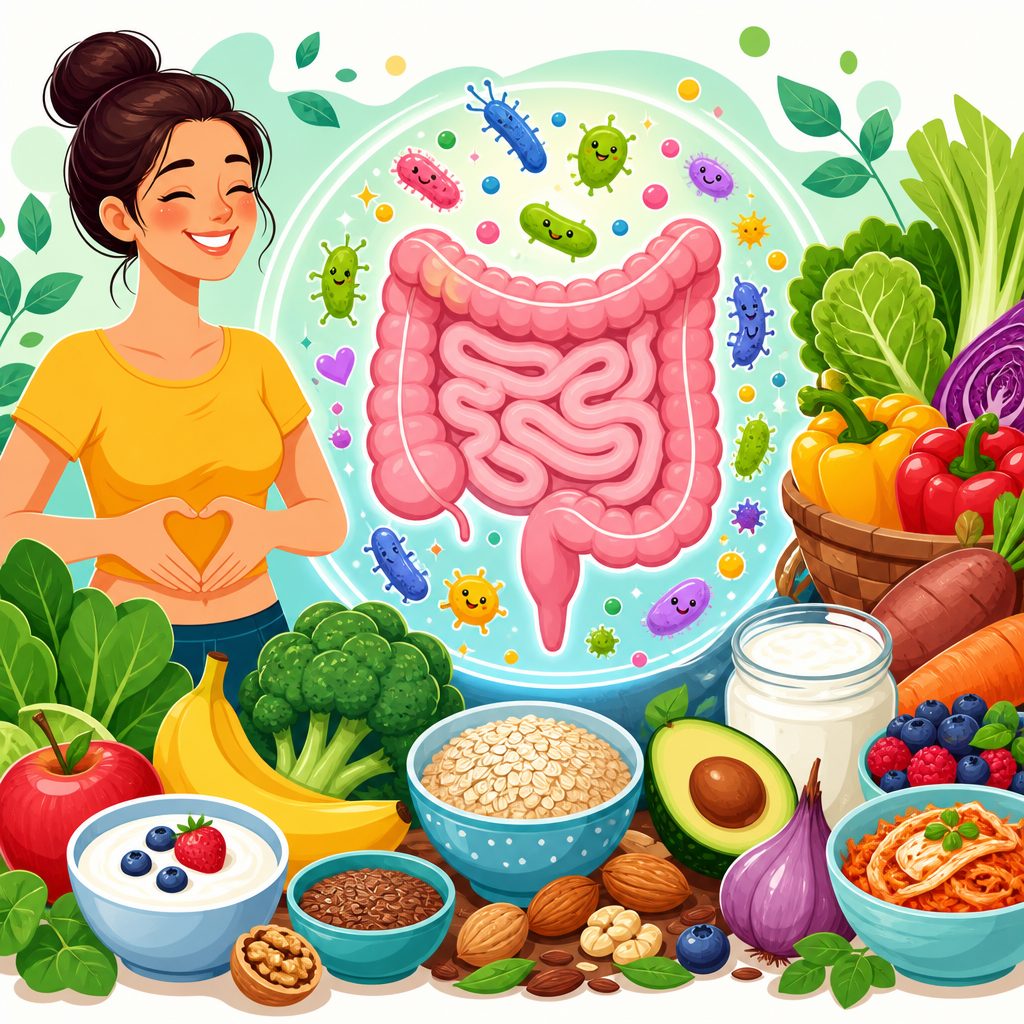
The human gut contains trillions of microorganisms, with the colon acting as the main fermentation chamber. Many of these microbes help break down dietary fibers and resistant starches that human enzymes cannot digest on their own. In the process, they produce short-chain fatty acids such as butyrate, acetate, and propionate. These compounds nourish colon cells, help maintain the intestinal barrier, and influence metabolism and immune signaling throughout the body. When the microbiome loses diversity or when potentially harmful species dominate, digestion, tolerance, and long-term health often suffer.
Understanding gut health also helps explain why two people can react differently to the same eating pattern. One person may thrive on legumes, whole grains, vegetables, and yogurt, while another initially struggles with bloating or irregularity because of low fiber adaptation, stress, or previous antibiotic exposure. The solution is not to fear healthy foods. It is to build the microbiome gradually and intelligently. That is why this article serves as a hub for gut health and the microbiome within Nutrition for Health & Wellness: it connects digestion, immunity, metabolism, and dietary quality into one practical framework.
What the Gut Microbiome Does in a Balanced Diet
The gut microbiome acts like a metabolic partner. It helps process complex carbohydrates, synthesizes certain vitamins, competes with pathogens, and communicates with the immune and nervous systems. A balanced diet is therefore not just a list of nutrients on paper. It is a pattern of eating that feeds beneficial microbes while supporting the tissues and functions of the digestive tract. This includes adequate fiber, enough fluids, consistent meals, and a range of plant foods that deliver different fermentable substrates.
One of the microbiome’s most important jobs is fiber fermentation. Soluble fibers in foods like oats, beans, apples, and barley can be fermented by gut microbes into short-chain fatty acids. Butyrate is especially important because it serves as a preferred fuel source for colonocytes, the cells lining the colon. It also helps reinforce tight junctions in the intestinal barrier and may reduce inflammatory activity. When people underconsume fiber, they often miss these downstream benefits, even if their basic calorie intake appears adequate.
The microbiome also influences nutrient bioavailability. Certain bacteria assist in producing vitamin K and some B vitamins, and microbial activity can affect mineral absorption indirectly by shaping gut acidity and barrier health. While microbes do not replace a nutrient-dense diet, they clearly affect how efficiently the body uses food. This is one reason why chronic digestive disruption can coincide with fatigue, irregular bowel habits, and poor food tolerance. In clinical nutrition practice, improving gut conditions often improves dietary adherence because people simply feel better eating a broader range of foods.
Immune regulation is another core function. Roughly 70 percent of immune tissue is associated with the gut, and the microbiome helps train immune responses so the body can distinguish between harmless dietary components, beneficial microbes, and true threats. A balanced diet rich in diverse plant foods appears to support this process. Diets high in ultra-processed foods, low in fiber, and inconsistent in meal quality are commonly associated with poorer microbial diversity and higher inflammatory burden, although lifestyle factors such as sleep, exercise, and stress also contribute.
How Diet Shapes the Microbiome
Diet can change the microbiome quickly, but meaningful improvement depends on consistency. Short-term shifts can occur within days when people increase fiber intake or switch from a low-plant diet to one rich in legumes, vegetables, fruit, nuts, seeds, and whole grains. However, stable benefits usually come from repeated exposure to microbiome-supportive foods over weeks and months. In my experience, the people who improve most are not those chasing a detox or restrictive reset. They are the ones building repeatable routines.
The strongest dietary lever is diversity of plant intake. Different microbes prefer different fibers and polyphenols, so eating a wide range of plants creates a wider range of substrates. A simple and evidence-aligned target is aiming for around 30 different plant foods per week, counting vegetables, fruits, whole grains, legumes, nuts, seeds, herbs, and spices. This approach comes from observational work popularized through the American Gut Project and aligns with what dietitians often see in practice: variety tends to support resilience better than relying on a few “superfoods.”
Fermented foods can also play a useful role. Yogurt with live cultures, kefir, kimchi, sauerkraut, miso, and some fermented cheeses provide beneficial microbes or fermentation products that may support gut ecology. Not every fermented food works the same way, and not all products contain live active cultures by the time they are eaten. Label reading matters. For example, shelf-stable pickles are often vinegar-brined rather than naturally fermented, so they do not necessarily provide the same microbial value as refrigerated fermented vegetables.
Prebiotic foods deserve special attention because they selectively feed beneficial microbes. Common prebiotic-rich foods include onions, garlic, leeks, asparagus, chicory root, Jerusalem artichokes, green bananas, oats, and legumes. Resistant starch is another important substrate, found in cooked and cooled potatoes, rice, and pasta, as well as in beans and under-ripe bananas. Many people tolerate these foods better when portions increase gradually. The microbiome adapts over time, and sudden large jumps in fermentable fiber can cause gas or bloating before the system adjusts.
| Dietary factor | How it supports gut health | Food examples |
|---|---|---|
| Fiber diversity | Feeds different microbial species and increases fermentation products | Beans, oats, berries, broccoli, nuts, seeds |
| Prebiotics | Selective fuel for beneficial bacteria | Garlic, onions, asparagus, green bananas, chicory |
| Fermented foods | Add live cultures or helpful fermentation compounds | Yogurt, kefir, kimchi, sauerkraut, miso |
| Resistant starch | Reaches the colon for fermentation and short-chain fatty acid production | Beans, lentils, cooled potatoes, cooled rice |
| Polyphenol-rich foods | Support beneficial microbes and antioxidant activity | Cocoa, tea, berries, olives, pomegranate |
Signs of an Unhealthy Gut and Common Causes
Poor gut health does not look the same in everyone, but common signs include bloating, constipation, diarrhea, excessive gas, abdominal discomfort, reflux, erratic appetite, and intolerance to foods that were previously manageable. Other clues can be less obvious, such as low energy, poor sleep, skin flares, and repeated illness. These symptoms do not automatically prove a microbiome problem, but they often justify a closer look at digestive habits, medical history, medication use, and overall diet quality.
Several common causes can disrupt the microbiome. Repeated antibiotic use is a major one because antibiotics can reduce beneficial bacteria along with harmful ones. Recovery varies depending on the medication, duration, and the person’s baseline diet. A low-fiber Western-style eating pattern is another frequent contributor. When microbes do not receive enough fermentable substrate, diversity may decline and microbes may turn to mucus-layer carbohydrates for fuel, which may weaken barrier integrity over time. This is one reason sustained low-fiber diets can create digestive fragility.
Stress also matters more than many people realize. Through the gut-brain axis, chronic stress can affect motility, secretion, visceral sensitivity, and microbial composition. I regularly see people improve bowel regularity not only by changing food, but also by fixing meal timing, chewing more slowly, sleeping adequately, and lowering stress load. The gut is responsive to behavior. Alcohol excess, smoking, highly processed diets, infection, and gastrointestinal conditions such as irritable bowel syndrome or inflammatory bowel disease can also disrupt gut function and microbial balance.
It is important to separate common digestive discomfort from red-flag symptoms. Blood in stool, unexplained weight loss, persistent vomiting, fever, severe abdominal pain, anemia, or new bowel changes lasting several weeks warrant prompt medical evaluation. Gut health advice should not replace diagnosis. Balanced nutrition supports the digestive system, but symptoms can stem from celiac disease, inflammatory bowel disease, pancreatic insufficiency, gallbladder issues, colorectal disease, or food allergies. Good gut health guidance always includes knowing when to refer out and investigate further.
How to Build a Gut-Friendly Eating Pattern
The most effective gut health diet is usually not extreme. It is a balanced pattern built on whole and minimally processed foods, enough total calories, regular meals, and gradual fiber progression. Start with a base of vegetables, fruit, legumes, whole grains, nuts, seeds, and quality protein sources, then layer in fermented foods if tolerated. Aim to include fiber at most meals rather than loading it all at once. Spreading intake across the day often improves tolerance and helps bowel regularity.
Hydration is essential because fiber works best when fluid intake is adequate. When someone increases whole grains, beans, chia seeds, or vegetables without drinking enough water, constipation and bloating can worsen. Physical activity also supports gut function by promoting motility. Even consistent walking helps. In practical terms, one of the best routines for many adults is a breakfast with oats and berries, a lunch built around beans or whole grains, a dinner with multiple vegetables, and a fermented food like yogurt or kefir during the day.
Individualization matters. Some people with IBS, post-infectious gut issues, or active gastrointestinal inflammation need a temporary lower-fiber or lower-FODMAP approach before expanding food variety. That does not mean plant foods are bad. It means timing, dose, and symptom context matter. I often explain this as capacity building: first calm the gut, then broaden the diet strategically. The end goal is usually the same, a more diverse, nutrient-dense pattern that the person can tolerate consistently. Restriction is a tool, not the destination.
Supplements, Testing, and Practical Limits
Probiotic supplements can help in specific situations, but they are not a cure-all. Evidence is strain specific, not category wide. For example, certain Lactobacillus or Bifidobacterium strains may help with antibiotic-associated diarrhea or some IBS symptoms, but one product’s effect cannot be assumed for another. Prebiotic supplements such as inulin or partially hydrolyzed guar gum may also help, yet they can worsen symptoms if introduced too quickly. Food-first strategies usually provide a stronger long-term foundation unless a clinician recommends otherwise.
At-home microbiome tests are interesting but limited. They may identify broad patterns, yet they rarely provide clinical certainty or a complete picture of gut function. Different companies use different databases and interpretation models, so recommendations can vary widely. Stool testing can be useful in medical settings when investigating infection, inflammation, pancreatic function, or specific gastrointestinal symptoms, but most healthy people will benefit more from improving dietary pattern, stress management, sleep, and exercise than from chasing microbiome scores. The basics remain the most powerful intervention.
Gut health and the microbiome are essential for a balanced diet because they determine how food is processed, how well nutrients are used, and how effectively the body maintains immune and digestive stability. A diet can look balanced on paper yet fail in practice if it ignores fiber diversity, fermentation, meal consistency, hydration, and tolerance. The most reliable path is not a trendy cleanse or an expensive supplement stack. It is a sustainable eating pattern that supports both the human body and the microbial community working alongside it every day.
The main takeaway is simple: feed your gut consistently, and it will support nearly every aspect of nutrition more effectively. Prioritize a variety of plant foods, add fermented foods when tolerated, increase fiber gradually, stay hydrated, and address symptoms with context rather than guesswork. If digestive issues are persistent or severe, get medical guidance and rule out underlying disease. Use this hub as your starting point for deeper articles on fiber, fermented foods, probiotics, digestive symptoms, and microbiome-friendly meal planning, then put one practical change into action this week.
Frequently Asked Questions
Why is gut health so important for a balanced diet?
Gut health is essential to a balanced diet because nutrition is not just about what you eat, but also about how well your body breaks food down, absorbs nutrients, and responds to what enters the digestive system. A healthy gastrointestinal tract helps process carbohydrates, proteins, fats, vitamins, minerals, and fluids efficiently, while also acting as a protective barrier between the outside world and the rest of the body. If the gut is irritated, inflamed, or out of balance, even a nutrient-rich diet may not deliver its full benefits because digestion and absorption can be compromised.
The gut also works closely with the microbiome, the enormous community of microbes that live mainly in the large intestine. These microbes help ferment fiber, produce beneficial compounds such as short-chain fatty acids, support the lining of the gut, and influence metabolism, immunity, and inflammation. In other words, a balanced diet is not only about meeting calorie or nutrient targets. It is also about feeding the digestive system and the microbes that help the body use those nutrients properly. When gut health is strong, the body is generally better equipped to maintain energy, regular digestion, immune resilience, and overall well-being.
What exactly is the gut microbiome, and how does it affect digestion?
The gut microbiome refers to the vast ecosystem of bacteria, fungi, viruses, and other microorganisms that live in the digestive tract, especially in the colon. While the word “microbes” can sound negative, many of these organisms play beneficial and necessary roles in human health. A healthy microbiome helps the body digest certain food components that human enzymes cannot fully break down on their own, particularly dietary fiber and resistant starches. During this process, microbes create substances that support the intestinal lining, help regulate inflammation, and contribute to a more stable digestive environment.
The microbiome also affects how efficiently nutrients are processed and how the digestive tract functions day to day. It can influence bowel regularity, gas production, bloating, and overall digestive comfort. When the microbiome is diverse and well-supported, it tends to be more resilient and better able to help maintain balance in the gut. When it becomes disrupted by poor diet, chronic stress, illness, lack of sleep, or repeated antibiotic use, digestion may feel less predictable. This is one reason nutrition experts increasingly view the microbiome as a major factor in digestive health rather than a separate issue.
Can gut health really influence the immune system and mood?
Yes, gut health has a meaningful influence on both the immune system and mood. A large portion of the body’s immune activity is connected to the gut, where the immune system constantly evaluates food particles, microbes, and potential threats. The gut lining acts as a selective barrier, allowing nutrients to pass into the bloodstream while helping block harmful substances. Beneficial gut microbes support this barrier and help train the immune system to respond appropriately, rather than overreacting or staying chronically activated. When gut balance is disrupted, immune regulation may become less efficient, which can contribute to inflammation and a higher likelihood of digestive and systemic issues.
The connection to mood comes from what is often called the gut-brain axis, a two-way communication network linking the digestive system and the brain. Gut microbes are involved in producing and influencing compounds related to mood and nervous system function, and they also interact with stress pathways in the body. That does not mean gut health is the only factor behind emotional well-being, but it does mean the digestive system can play a significant supporting role. People often notice that stress affects digestion, but the relationship works in both directions: the state of the gut can also affect how a person feels mentally and emotionally.
What foods help support a healthy gut microbiome?
The most helpful foods for gut health are generally those that nourish beneficial microbes and support the digestive tract itself. Fiber-rich plant foods are especially important because they provide fuel for many gut bacteria. This includes vegetables, fruits, legumes, whole grains, nuts, seeds, and other minimally processed plant foods. Different microbes prefer different fibers, so variety matters. Eating a wide range of plant foods can encourage a more diverse microbiome, and diversity is often associated with greater resilience and better gut function.
Fermented foods may also be useful for some people. Foods such as yogurt with live cultures, kefir, sauerkraut, kimchi, miso, and other traditionally fermented products can introduce beneficial microbes or microbial byproducts that support the gut environment. In addition, foods rich in prebiotics, such as onions, garlic, leeks, asparagus, oats, bananas, and beans, can help feed existing beneficial bacteria. At the same time, it helps to limit patterns of eating that may strain gut balance, such as diets very low in fiber and very high in ultra-processed foods. A gut-supportive diet is usually less about one “superfood” and more about consistent, varied, fiber-forward eating over time.
How can someone improve gut health as part of building a more balanced diet?
Improving gut health usually starts with steady, practical dietary habits rather than extreme changes. One of the best steps is to increase fiber gradually through a wider variety of plant foods, since sudden large increases can cause discomfort in some people. Focusing on vegetables, fruits, legumes, whole grains, nuts, and seeds gives the microbiome more of the material it needs to thrive. Including fermented foods regularly, if tolerated, may also be helpful. Hydration matters as well, because fluid supports digestion and works together with fiber to promote healthy bowel function.
It is also important to remember that gut health is shaped by more than food alone. Sleep quality, physical activity, stress management, and medication use can all affect the microbiome and the digestive tract. Chronic stress, for example, can alter gut motility and microbial balance, while poor sleep can influence inflammation and metabolism. Building a balanced diet that supports the gut therefore means taking a whole-lifestyle approach. Small, sustainable changes tend to work better than restrictive plans: eat a broader range of plant foods, reduce overreliance on heavily processed meals, stay active, manage stress where possible, and give the gut time to adapt. Over time, these habits can create a stronger foundation for digestion, nutrient absorption, immune support, and overall health.