Strong bones and flexible joints depend on nutrition, but much of the advice people hear is incomplete, outdated, or simply wrong. I have worked with wellness content, clinical guidelines, and patient education materials long enough to see the same myths repeated: drink more milk and your skeleton is covered, supplements fix everything, joint pain is just about aging, and exercise matters more than food. The reality is broader and more useful. Nutrition for strong bones and joints involves a network of nutrients, eating patterns, lifestyle factors, and medical context that shape bone mineral density, cartilage integrity, collagen turnover, inflammation, muscle support, and fall risk over time.
Bone health refers to the strength, density, and structural quality of the skeleton. Joint health includes the condition of cartilage, synovial fluid, ligaments, tendons, surrounding muscle, and the inflammatory environment that affects movement and pain. These systems are connected. Bones anchor muscles and absorb force. Joints rely on strong bones for alignment and stability. Nutrition influences both through mineral balance, protein synthesis, vitamin-dependent metabolism, and body weight regulation. Poor diet can increase fracture risk, reduce healing capacity, and worsen chronic joint symptoms, while smart nutrition can support prevention, mobility, and healthy aging.
This matters because musculoskeletal problems are common and costly. Osteoporosis increases fracture risk, especially in older adults and postmenopausal women. Osteoarthritis affects daily function in knees, hips, hands, and spine. Athletes and active adults also face bone stress injuries and joint overuse issues when energy intake, calcium, vitamin D, or protein fall short. A practical nutrition strategy can lower risk, support treatment plans, and improve quality of life. This hub article explains the most common myths about nutrition for strong bones and joints, then replaces them with evidence-based guidance you can use as a foundation for deeper reading across this topic.
Myth 1: Calcium alone is all you need for bone strength
Calcium is essential, but treating it as the entire bone health plan is one of the most persistent mistakes. Bone is living tissue made of a mineral matrix and protein framework, and calcium only works properly within that larger system. Vitamin D helps the gut absorb calcium efficiently. Protein provides amino acids needed for bone matrix and muscle that protects against falls. Magnesium participates in bone formation and vitamin D metabolism. Vitamin K is involved in proteins that help direct calcium into bone. Phosphorus is also part of bone structure, though it is usually abundant in the diet.
In practice, I see people focus on one number, such as 1,000 or 1,200 milligrams of calcium per day, while ignoring the pattern around it. Someone might take a calcium supplement but have low vitamin D, minimal protein, limited strength training, and high alcohol intake. That is not a complete bone-support plan. Good food sources of calcium include yogurt, milk, kefir, calcium-set tofu, sardines with bones, canned salmon with bones, fortified plant milks, and some leafy greens. Yet even excellent calcium intake cannot fully compensate for severe vitamin D deficiency or long-term inactivity.
Calcium is necessary, not sufficient. The stronger message is to build meals that pair calcium-rich foods with adequate protein, regular resistance exercise, and vitamin D status appropriate for your age, skin tone, sun exposure, and medical history. That combination is what supports bone mineral density over time.
Myth 2: Dairy is the only effective food for bones and joints
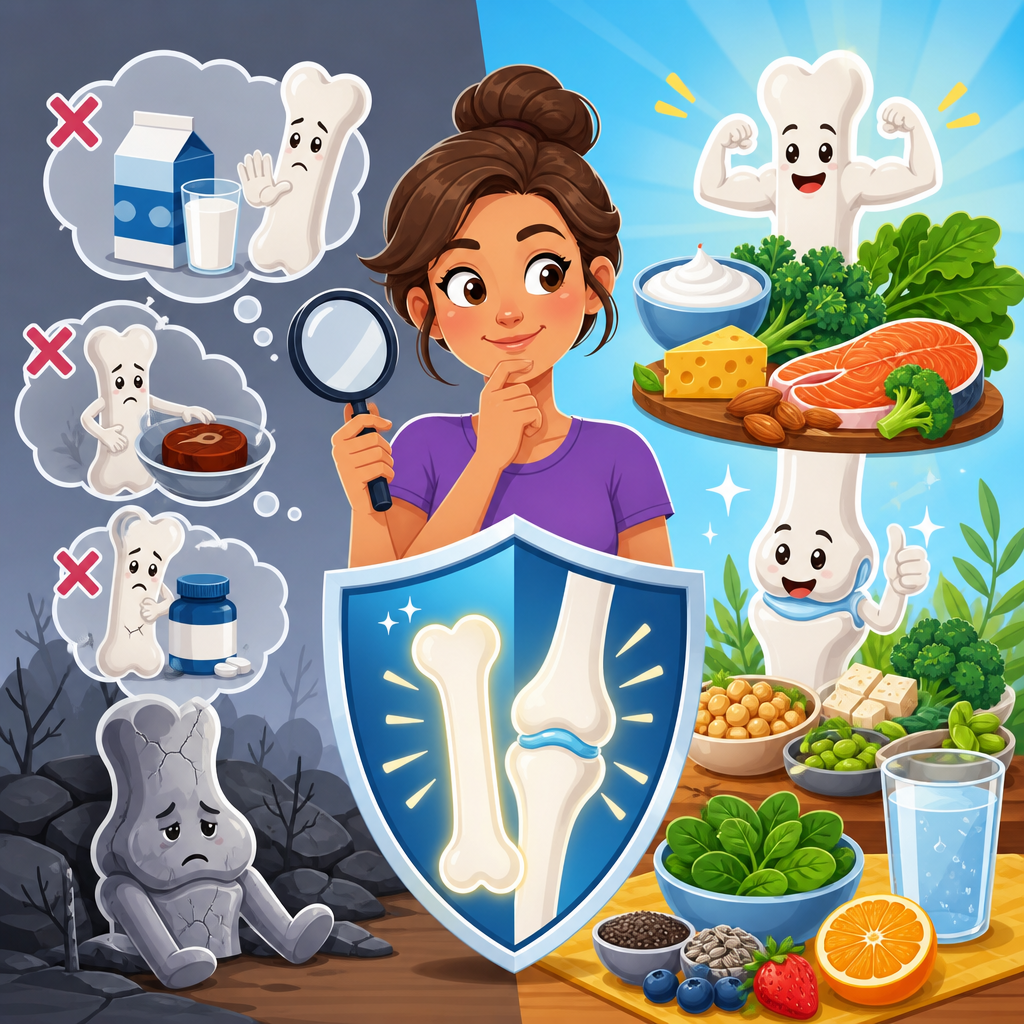
Dairy can be helpful, but it is not the only path to strong bones and joints. This myth discourages people who are lactose intolerant, vegan, allergic to milk proteins, or simply prefer other foods. Bone-supportive diets can be built with or without dairy as long as nutrient needs are met consistently. Calcium-fortified soy milk often matches dairy milk for calcium and may also provide useful protein. Tofu made with calcium sulfate, edamame, tahini, almonds, canned fish with edible bones, chia seeds, and fortified yogurts or cereals can all contribute.
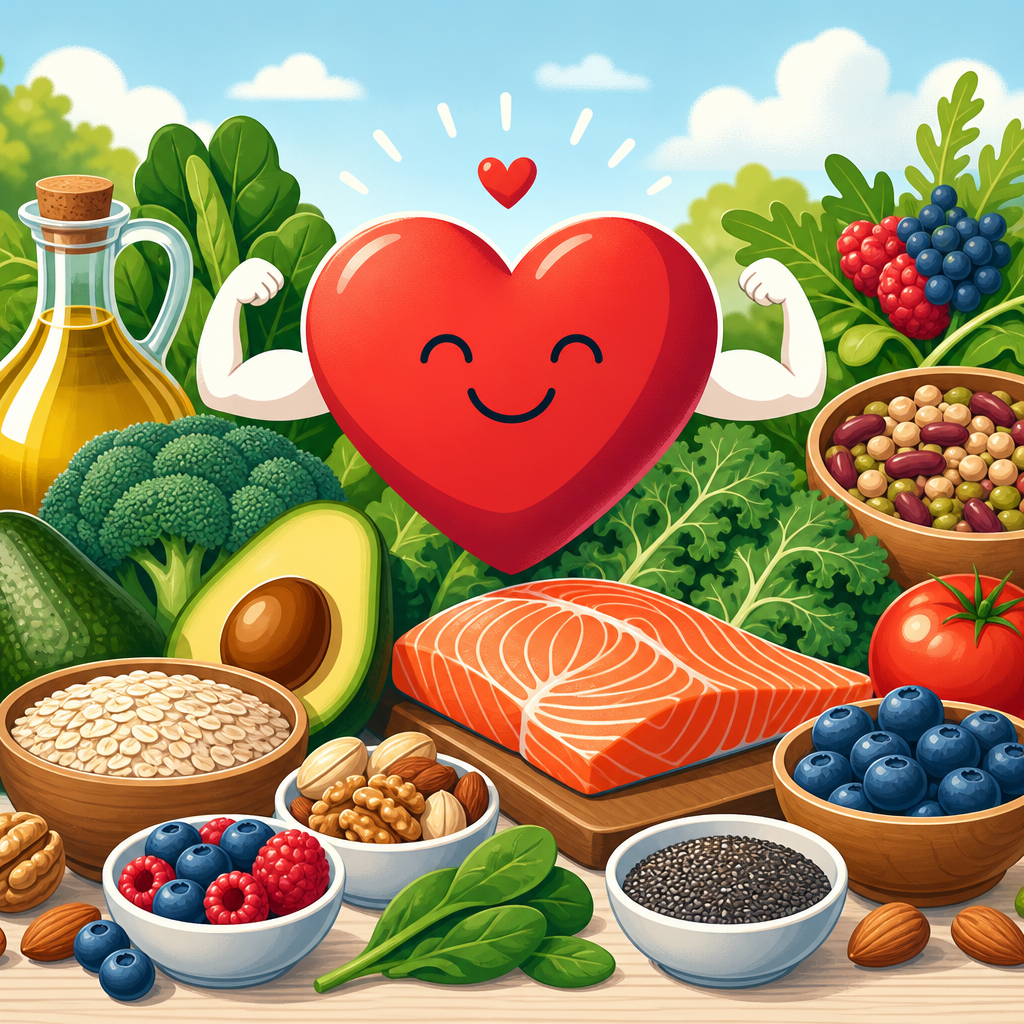
For joints, dairy is not uniquely protective either. Joint health depends heavily on overall diet quality, weight management, omega-3 intake, adequate protein, and micronutrients that support connective tissue. Mediterranean-style eating patterns rich in fish, legumes, olive oil, vegetables, fruit, whole grains, nuts, and fermented dairy when tolerated are associated with lower inflammatory burden and better long-term health. If dairy fits your diet, it can be convenient. If it does not, a thoughtful non-dairy plan works well.
| Nutrient | Why It Matters | Food Examples |
|---|---|---|
| Calcium | Supports bone mineralization and nerve-muscle function | Yogurt, fortified soy milk, tofu, sardines, kale |
| Vitamin D | Improves calcium absorption and bone remodeling | Salmon, fortified milk, fortified plant beverages, egg yolks |
| Protein | Builds bone matrix, cartilage, tendons, and muscle | Greek yogurt, beans, fish, eggs, poultry, tempeh |
| Omega-3 fats | Help modulate inflammation linked to joint discomfort | Salmon, trout, sardines, walnuts, flaxseed |
| Vitamin K | Supports bone-related proteins | Spinach, broccoli, kale, natto |
| Magnesium | Assists bone formation and vitamin D activity | Pumpkin seeds, beans, cashews, whole grains |
The practical takeaway is simple: focus on nutrient coverage, not on a single food category. People who avoid dairy should plan intentionally rather than assume a multivitamin will close every gap.
Myth 3: Joint pain is purely a wear-and-tear issue, so nutrition cannot help
This myth misses how strongly metabolism and inflammation affect joint symptoms. Osteoarthritis does involve mechanical stress and cartilage changes, but it is not just an inevitable rubbing down of parts. Excess body weight raises force through weight-bearing joints, especially knees and hips. Adipose tissue is also metabolically active and can increase inflammatory signaling. Diet influences both body weight and inflammatory tone, which is why nutrition has a real role in joint health even when it cannot reverse advanced structural damage.
Weight loss, when appropriate, can meaningfully reduce knee joint load. Research often cites that each pound of body weight lost reduces pressure on the knee by several pounds during movement. That mechanical benefit matters. At the same time, dietary patterns rich in oily fish, colorful produce, legumes, nuts, and olive oil can support a lower-inflammatory environment than patterns dominated by ultra-processed foods, sugary drinks, and excess refined carbohydrates. This does not mean food cures arthritis. It means nutrition can influence pain, stiffness, function, and disease burden alongside exercise, physical therapy, sleep, and medical care.
There is also a major difference between managing symptoms and preserving function. Adequate protein helps maintain muscle around vulnerable joints. Vitamin C supports collagen formation. Minerals and calories matter for tissue repair after injury or surgery. People who assume nutrition has no role often miss easy improvements that make movement more comfortable and consistent.
Myth 4: More supplements always mean better protection
Supplements can be useful, but more is not better, and in some cases it is risky. I routinely advise people to think food first, then add targeted supplementation only when intake, labs, age, medication use, or diagnosis justify it. Calcium supplements, for example, may help those who cannot meet needs through diet, yet large doses are unnecessary for many adults and can cause constipation or interfere with absorption of iron, zinc, or certain medications. It is generally better to divide doses because absorption declines when very large amounts are taken at once.
Vitamin D is another example. Deficiency is common, and supplementation is often appropriate, especially with limited sun exposure or documented low blood levels. But megadoses without monitoring are not a universal bone health strategy. The same caution applies to collagen powders, glucosamine, chondroitin, turmeric blends, and broad “bone support” formulas. Some people report benefit, and certain products have modest evidence in selected groups, but results are mixed and quality varies. Supplements can also interact with anticoagulants, thyroid medication, and other prescriptions.
The best use of supplements is precise and contextual. Confirm what problem you are trying to solve. Assess diet, symptoms, risk factors, medications, and lab data when available. Then choose dosage, timing, and duration accordingly. That approach is safer and more effective than buying a long list of products based on marketing claims.
Myth 5: Protein harms bones by leaching calcium
This idea has circulated for years, yet current evidence does not support avoiding protein for bone health. Higher protein intake can increase urinary calcium, but that does not automatically mean protein weakens bones. Protein also improves calcium absorption, supports insulin-like growth factor 1 activity, builds the collagen-rich framework of bone, preserves muscle mass, and aids recovery after illness or injury. In older adults especially, low protein intake is more concerning than adequate intake because it contributes to frailty, falls, and loss of lean tissue that protects the skeleton.
In real meal planning, protein quality and distribution matter. A breakfast of toast and coffee, a light salad at lunch, and most protein only at dinner is not ideal for muscle maintenance. Better options include Greek yogurt at breakfast, beans or chicken at lunch, and fish, tofu, eggs, or lentils at dinner. People recovering from fractures, surgery, or intense training often need even more attention to total energy and protein intake. If kidney disease is present, protein targets should be individualized with a clinician. For most healthy adults, though, adequate protein supports, not sabotages, strong bones and joints.
Myth 6: If you take vitamin D, sun exposure and lifestyle no longer matter
Vitamin D supplements are valuable, but they do not erase the importance of broader lifestyle patterns. Bone remodeling responds to mechanical loading, so walking, resistance training, and impact activity within your ability level remain critical. Balance training reduces fall risk. Sleep supports recovery and hormonal regulation. Smoking impairs bone health, and heavy alcohol use raises fracture risk. Medications such as glucocorticoids, proton pump inhibitors, aromatase inhibitors, and some anticonvulsants may also affect bones, which means nutrition should be coordinated with medical care.
Sun exposure adds complexity because vitamin D synthesis depends on latitude, season, time of day, skin pigmentation, age, sunscreen use, and time spent outdoors. Some people make enough seasonally; many do not. Blood testing can help guide decisions in high-risk groups. The important correction to the myth is that vitamin D is one lever among many. No capsule replaces regular movement, adequate calories, smoking cessation, or attention to medication-related risk.
Myth 7: Bone and joint nutrition only matters for older adults
Bone health begins much earlier than most people think. Peak bone mass is built during childhood, adolescence, and early adulthood, so inadequate calcium, vitamin D, protein, or total energy during these years can have long-term consequences. Teen athletes with low energy availability, menstrual dysfunction, and stress fractures are a clear example. Young adults who diet aggressively, avoid entire food groups, or spend little time outdoors can also undermine future bone strength before any symptoms appear.
Joint nutrition is not just an aging issue either. Active people need enough calories, carbohydrates, protein, and micronutrients to repair connective tissue and support training. People in desk-based jobs may not have visible joint damage, but low-grade inflammation, excess weight, and poor muscle support often begin years before pain becomes chronic. Pregnancy, menopause, gastrointestinal disorders, celiac disease, inflammatory bowel disease, and long-term medication use can also change bone and joint risk well before old age.
The smartest approach is preventive. Build nutrient-dense eating habits early, maintain them through life stages, and adjust when health status changes. Waiting for a fracture, scan result, or disabling knee pain is late intervention.
Building a practical eating pattern for strong bones and joints
A strong nutrition plan for bones and joints is not complicated, but it does require consistency. Aim to include a calcium-rich food two or three times daily, especially if your baseline intake is low. Pair that with adequate protein at each meal, not just dinner. Include fatty fish such as salmon, sardines, or trout regularly for vitamin D and omega-3 fats, or use fortified foods and targeted supplements when fish is not an option. Eat leafy greens, beans, nuts, seeds, fruit, and whole grains for magnesium, vitamin K, vitamin C, and other supportive compounds.
Keep ultra-processed foods, excess sodium, and sugary drinks in proportion rather than at the center of your diet. High sodium intake can increase urinary calcium losses, and calorie-dense low-nutrient foods make weight management harder. Hydration supports overall function, though it is not a direct fix for joint cartilage. If you have lactose intolerance, choose lactose-free dairy or fortified alternatives. If you follow a vegan diet, pay closer attention to calcium, vitamin D, protein, vitamin B12, zinc, and omega-3 intake. If you have osteoporosis, osteopenia, arthritis, or a history of fractures, it is worth discussing personalized targets with a clinician or registered dietitian.
This hub article should serve as your starting point: evaluate the whole pattern, not one nutrient; use food as the foundation; add supplements thoughtfully; and connect nutrition with exercise, weight management, and medical care. Those principles are what consistently support nutrition for strong bones and joints.
Many myths about bone and joint nutrition survive because they contain a grain of truth. Calcium matters, but it is not enough by itself. Dairy is useful, but it is not mandatory. Supplements can help, but they are not a shortcut. Protein supports bone and muscle rather than damaging them in most healthy adults. Joint discomfort is not only about age or wear; inflammation, body weight, and muscle quality all matter. And none of this is only for seniors. The choices made in teens, adulthood, pregnancy, menopause, and recovery periods all shape long-term musculoskeletal health.
The biggest benefit of understanding these myths is clarity. Instead of chasing isolated claims, you can build a realistic plan around proven essentials: enough calcium, sufficient vitamin D, adequate protein, nutrient-dense whole foods, healthy body weight, and regular weight-bearing and strengthening activity. If symptoms, restricted diets, digestive conditions, or medications complicate the picture, personalization becomes even more important. Use this page as your central guide to nutrition for strong bones and joints, then review related articles on calcium, vitamin D, protein, anti-inflammatory eating, and osteoporosis prevention to turn these principles into daily habits.
Frequently Asked Questions
Is drinking milk enough to keep bones strong and joints healthy?
No. Milk can be a helpful source of calcium, protein, and sometimes vitamin D when fortified, but it is not a complete strategy for bone strength or joint health. Bones rely on a broader nutrient pattern that includes calcium, vitamin D, vitamin K, magnesium, phosphorus, potassium, and adequate protein. Joints also depend on overall dietary quality because cartilage, connective tissues, and inflammation pathways are influenced by what you eat over time. Someone can drink milk every day and still fall short if their diet is low in vegetables, legumes, nuts, seeds, fish, or other nutrient-dense foods. Bone health is also affected by physical activity, especially resistance training and weight-bearing movement, plus sleep, smoking status, alcohol intake, hormonal factors, and certain medications. In other words, milk is one piece of the puzzle, not the whole picture. If a person does not consume dairy, they can still support strong bones and joints through fortified plant beverages, calcium-set tofu, leafy greens, beans, yogurt alternatives with added calcium, fatty fish, and a balanced eating pattern that covers the full range of supportive nutrients.
Do calcium supplements fix weak bones or prevent bone and joint problems on their own?
Not by themselves. Calcium supplements are often treated like a shortcut, but strong bones are built and maintained through a combination of nutrients, movement, and long-term habits. If calcium intake is low, a supplement may help fill a gap, but it does not replace the need for vitamin D to support calcium absorption, protein to maintain bone matrix and muscle mass, magnesium and vitamin K for bone metabolism, and regular exercise to stimulate bone remodeling. Supplements also do not directly “repair” joint wear and tear or automatically reduce stiffness and pain. Joint comfort is influenced by body weight, inflammation, muscle support, prior injuries, activity patterns, and overall diet quality. In fact, taking high-dose supplements without a real need can be unhelpful or, in some situations, risky. The most sensible approach is food first, with supplements used to correct a documented deficiency, meet an increased need, or cover a shortfall when diet alone is not enough. That decision is best guided by a clinician, especially for older adults, people with osteoporosis risk, digestive disorders, kidney issues, or those taking medications that affect nutrient balance.
Is joint pain just a normal part of aging, no matter how well you eat?
That is one of the most persistent myths, and it oversimplifies what is actually happening. Aging can increase the likelihood of joint changes, but joint pain is not something people should automatically accept as inevitable or untreatable. Nutrition plays an important role because chronic low-grade inflammation, excess body weight, poor blood sugar control, and inadequate intake of protective nutrients can all affect joint comfort and function. A diet rich in vegetables, fruits, legumes, whole grains, nuts, seeds, olive oil, and omega-3-rich foods such as salmon, sardines, or trout may help support a healthier inflammatory balance. Adequate protein also matters because muscles help stabilize joints and reduce mechanical strain. At the same time, recurring or worsening joint pain should not be brushed off as “just age.” It can reflect osteoarthritis, autoimmune disease, injury history, gout, infection, or other conditions that deserve proper evaluation. The practical takeaway is that food cannot guarantee pain-free joints forever, but it can absolutely influence symptoms, mobility, tissue support, and quality of life. Aging matters, but it is not the whole story.
Does exercise matter more than nutrition when it comes to bones and joints?
Exercise and nutrition work together, and separating them creates a false choice. Weight-bearing activity, resistance training, balance work, and regular movement are essential because they give bones the mechanical stimulus they need to stay stronger and help maintain the muscles that protect joints. But exercise without good nutrition is like trying to build a house with too few materials. Bone tissue needs enough calcium, vitamin D, protein, and supporting minerals to respond well to training. Joints benefit when diet helps manage inflammation, supports connective tissue repair, and makes it easier to maintain a healthy body weight. On the other hand, excellent nutrition without movement is also incomplete, because bones become weaker when they are not challenged and joints often get stiffer with inactivity. The most effective strategy is pairing consistent movement with an eating pattern that supports recovery, strength, and tissue maintenance. For most people, that means regular resistance exercise, walking or other weight-bearing activity, enough protein across the day, and meals built around whole foods rather than a narrow focus on one “bone food” or “joint supplement.”
Are all bone and joint nutrition recommendations basically about calcium and vitamin D?
No. Calcium and vitamin D are important, but reducing bone and joint nutrition to those two nutrients leaves out many of the factors that truly shape long-term outcomes. Protein is crucial for bone structure, muscle maintenance, and recovery. Magnesium, potassium, phosphorus, and vitamin K also support bone metabolism. Omega-3 fats may help with inflammatory balance relevant to joint comfort. Vitamin C helps with collagen formation, which matters for connective tissues. Even hydration can influence how people feel physically and how well they maintain activity habits. Beyond individual nutrients, overall dietary pattern matters more than many people realize. Diets centered on minimally processed foods tend to deliver a wider range of supportive compounds and are easier to sustain over time. It is also important to avoid the misconception that “healthy” automatically means restrictive. Eating too little, cutting entire food groups without planning, or following trendy detox-style diets can backfire by reducing intake of the very nutrients bones and joints need. A more accurate message is that bone and joint health depends on a net positive pattern: enough nourishment, consistent movement, smart lifestyle habits, and medical guidance when symptoms or risk factors are present.