Heart disease remains the leading cause of death worldwide, yet nutrition for heart health is one of the most powerful tools for prevention, risk reduction, and long-term vitality. In practice, heart-healthy eating means choosing foods and eating patterns that support healthy blood pressure, blood lipids, blood sugar, body weight, and vascular function. It is not a single diet, supplement, or trend. It is a structured approach to fueling the cardiovascular system with nutrients that reduce strain on the heart and help arteries stay flexible and clear. For most adults, the core priorities are well established: more vegetables, fruits, legumes, whole grains, nuts, seeds, and fish; fewer ultra-processed foods, trans fats, excess sodium, and added sugars.
When I work through heart-focused nutrition plans, I begin by defining the markers that matter. LDL cholesterol contributes to plaque buildup in arteries. HDL cholesterol helps transport cholesterol away from tissues. Triglycerides reflect circulating fats influenced by diet, alcohol, weight, and insulin resistance. Blood pressure measures the force of blood against artery walls, and chronically elevated levels increase the risk of heart attack, stroke, kidney disease, and heart failure. Inflammation and endothelial dysfunction, though less visible to patients, also play critical roles in cardiovascular disease progression. Nutrition affects every one of these pathways, often simultaneously, which is why food choices can produce broad cardiovascular benefits rather than isolated changes.
This topic matters because cardiovascular risk accumulates gradually, often years before symptoms appear. A person may feel fine while carrying high LDL, elevated blood pressure, or prediabetes that steadily damages blood vessels. The good news is that dietary changes work at every stage. They can help a healthy adult preserve heart function, support someone with a family history of heart disease, and improve outcomes after a diagnosis such as hypertension, coronary artery disease, or high cholesterol. This hub article covers the foundational principles of nutrition for heart health, the foods and nutrients that deserve attention, practical meal-building strategies, and the common mistakes that limit results.
What Heart-Healthy Nutrition Actually Looks Like
Heart-healthy nutrition is best understood as a pattern rather than a list of forbidden foods. The strongest evidence supports eating styles similar to the Mediterranean diet and the DASH eating plan. Both emphasize produce, beans, intact grains, lean proteins, and unsaturated fats, and both consistently improve cardiovascular markers. The American Heart Association recommends limiting saturated fat to less than 6 percent of daily calories for people who need to lower LDL cholesterol, avoiding trans fats, reducing sodium, and prioritizing minimally processed foods. These are not abstract guidelines. They translate into routine decisions such as replacing butter with olive oil, choosing oats instead of sugary cereal, and building dinners around vegetables, fish, or beans rather than processed meats.
Quality matters as much as quantity. Carbohydrates from lentils, berries, and steel-cut oats behave very differently in the body than carbohydrates from soda, pastries, and refined snack foods. Fats from walnuts, avocados, and extra-virgin olive oil support lipid balance and vascular health, while repeated intake of fried foods and heavily processed meats pushes risk upward. Protein also requires nuance. Many people assume all protein is beneficial, but heart outcomes depend on the source. Fish, legumes, soy foods, and nuts are consistently associated with better cardiovascular health than bacon, sausage, and fatty cuts of red meat. A heart-supportive plate is not restrictive; it is intentional.
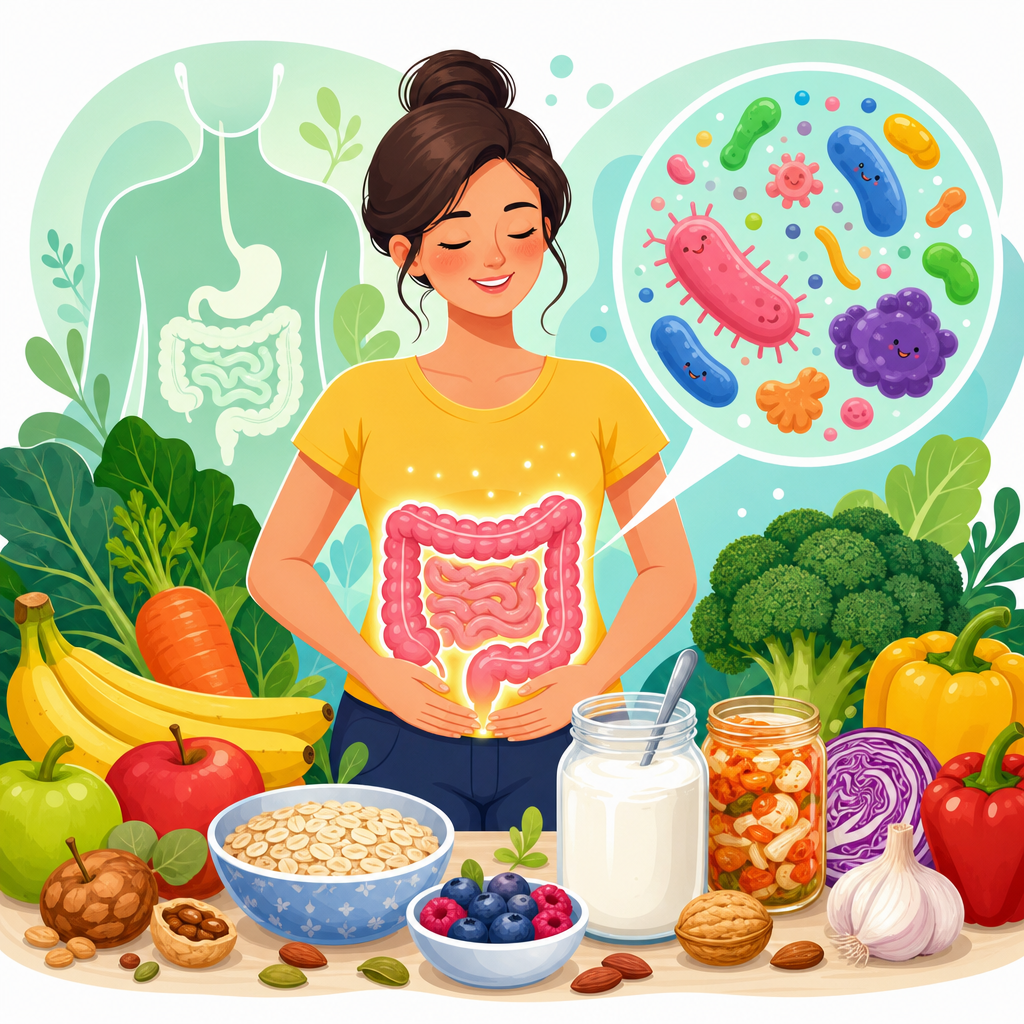
Fiber deserves special emphasis because it is one of the most reliable nutritional tools for improving heart health. Soluble fiber, found in oats, barley, beans, apples, and psyllium, binds bile acids and can help lower LDL cholesterol. Higher fiber diets also support fullness, gut health, blood sugar control, and weight management, all of which indirectly help the heart. Adults should generally aim for about 25 to 38 grams of fiber daily, yet average intake is far lower. In real-world meal planning, hitting that target often means adding beans to salads, swapping white bread for whole grain options, and including fruit or nuts in place of packaged desserts.
Key Nutrients and Food Groups That Protect the Heart
Several nutrients have direct, measurable cardiovascular effects. Potassium helps counterbalance sodium and supports healthy blood pressure. Good sources include potatoes, beans, yogurt, leafy greens, bananas, and squash. Magnesium contributes to normal muscle and nerve function, including heartbeat regulation, and is found in nuts, seeds, legumes, and whole grains. Omega-3 fatty acids, especially EPA and DHA from fatty fish such as salmon, sardines, trout, and mackerel, reduce triglycerides and are linked with lower risk of cardiac events. Plant omega-3s from flaxseed, chia seeds, and walnuts are beneficial too, though conversion to EPA and DHA is limited.
Unsaturated fats are central to nutrition for heart health. Monounsaturated fats from olive oil, avocado, and many nuts can help improve cholesterol profiles when they replace saturated fat. Polyunsaturated fats, including omega-3 and omega-6 fats, are also beneficial when consumed in whole foods and balanced diets. Saturated fat is more complex than headlines suggest, but for people with elevated LDL cholesterol, replacing foods high in saturated fat with unsaturated alternatives remains a proven strategy. In counseling sessions, this often means shifting from full-fat cheese and fatty meats toward fish, legumes, tofu, olive oil, and nuts without assuming that low-fat processed products are automatically healthier.
Sodium and added sugar deserve equal attention because both are easy to underestimate. Excess sodium is strongly linked to high blood pressure, especially in salt-sensitive individuals, older adults, and many people with kidney disease or hypertension. Most sodium comes from packaged foods, restaurant meals, canned soups, breads, sauces, and deli meats rather than the salt shaker. Added sugar does not directly clog arteries, but high intake raises triglycerides, promotes excess calorie intake, and worsens insulin resistance. Sweetened beverages are particularly harmful because they deliver large amounts of sugar without satiety. Replacing soda or sweet tea with water, sparkling water, or unsweetened tea is one of the fastest upgrades for cardiovascular nutrition.
| Food group or nutrient | Primary heart benefit | Practical examples |
|---|---|---|
| Soluble fiber | Helps lower LDL cholesterol | Oats, barley, beans, lentils, apples, psyllium |
| Omega-3 fats | Lower triglycerides, support rhythm and vascular health | Salmon, sardines, trout, chia, flax, walnuts |
| Potassium-rich foods | Supports healthy blood pressure | Beans, potatoes, yogurt, spinach, bananas |
| Unsaturated fats | Improve lipid quality when replacing saturated fat | Olive oil, avocado, almonds, peanuts, seeds |
| Whole grains | Support fiber intake, glycemic control, satiety | Oats, quinoa, brown rice, whole wheat, barley |
Building Daily Meals That Support Cardiovascular Health
The simplest way to apply heart-healthy nutrition is to structure meals around proportions. A useful template is half the plate from vegetables and fruit, one quarter from high-fiber starches or whole grains, and one quarter from lean or plant-based protein, with a source of healthy fat included naturally or added in moderation. Breakfast might be oatmeal topped with berries, walnuts, and ground flaxseed. Lunch could be a grain bowl with quinoa, chickpeas, cucumber, tomatoes, greens, and olive oil vinaigrette. Dinner might be baked salmon, roasted Brussels sprouts, and a side of lentils. These meals are nutrient dense, satisfying, and directly aligned with cardiovascular goals.
Planning matters because convenience often determines outcomes. In my experience, people rarely struggle because they do not know vegetables are healthy. They struggle because a long workday makes takeout and packaged snacks easier than balanced meals. Batch-cooking beans, washing produce in advance, roasting a tray of vegetables, and keeping staples like canned no-salt-added beans, frozen berries, plain yogurt, tuna, oats, and brown rice on hand can prevent that slide. Restaurant meals can also fit a heart-healthy pattern when chosen carefully: grilled fish, bean-based soups, salads with dressing on the side, steamed vegetables, and side swaps from fries to fruit or salad.
Portion awareness still matters, particularly for energy-dense foods. Nuts, olive oil, dark chocolate, and avocado are nutritious, but large portions can quietly push calorie intake above needs, which may contribute to weight gain over time. Weight is not the sole measure of heart health, yet excess visceral fat is associated with insulin resistance, inflammation, and abnormal lipids. A balanced approach avoids both extremes: not fearing nutrient-rich fats, and not assuming that any food labeled healthy can be eaten without limit. The most sustainable plans are enjoyable, realistic, and consistent enough to follow for years rather than weeks.
Dietary Patterns for High Blood Pressure, High Cholesterol, and Triglycerides
Specific heart concerns call for specific nutritional adjustments. For high blood pressure, the most effective strategy combines sodium reduction with higher intake of potassium-rich whole foods. The DASH pattern has repeatedly lowered blood pressure in clinical studies, often within weeks. That means emphasizing vegetables, fruits, beans, low-fat dairy or fortified alternatives, nuts, and whole grains while reducing processed meats, salty snacks, packaged meals, and restaurant foods. People often focus only on removing salt, but adding protective foods is equally important. A bowl of lentil soup made at home with vegetables and herbs helps more than simply buying a low-sodium frozen dinner.
For high LDL cholesterol, the top priorities are replacing saturated fats with unsaturated fats, increasing soluble fiber, and reducing reliance on processed meats and high-fat dairy. Oats at breakfast, beans several times per week, nuts in moderate portions, and olive oil instead of butter can create meaningful change. Some people also benefit from plant sterols and stanols, which can lower LDL when consumed regularly through fortified foods or supplements. If triglycerides are elevated, the strategy shifts slightly. Reducing added sugars, refined carbohydrates, and excess alcohol becomes critical, while weight loss when appropriate and increased omega-3 intake can produce substantial improvements. These distinctions matter because not all heart nutrition advice targets the same biomarker.
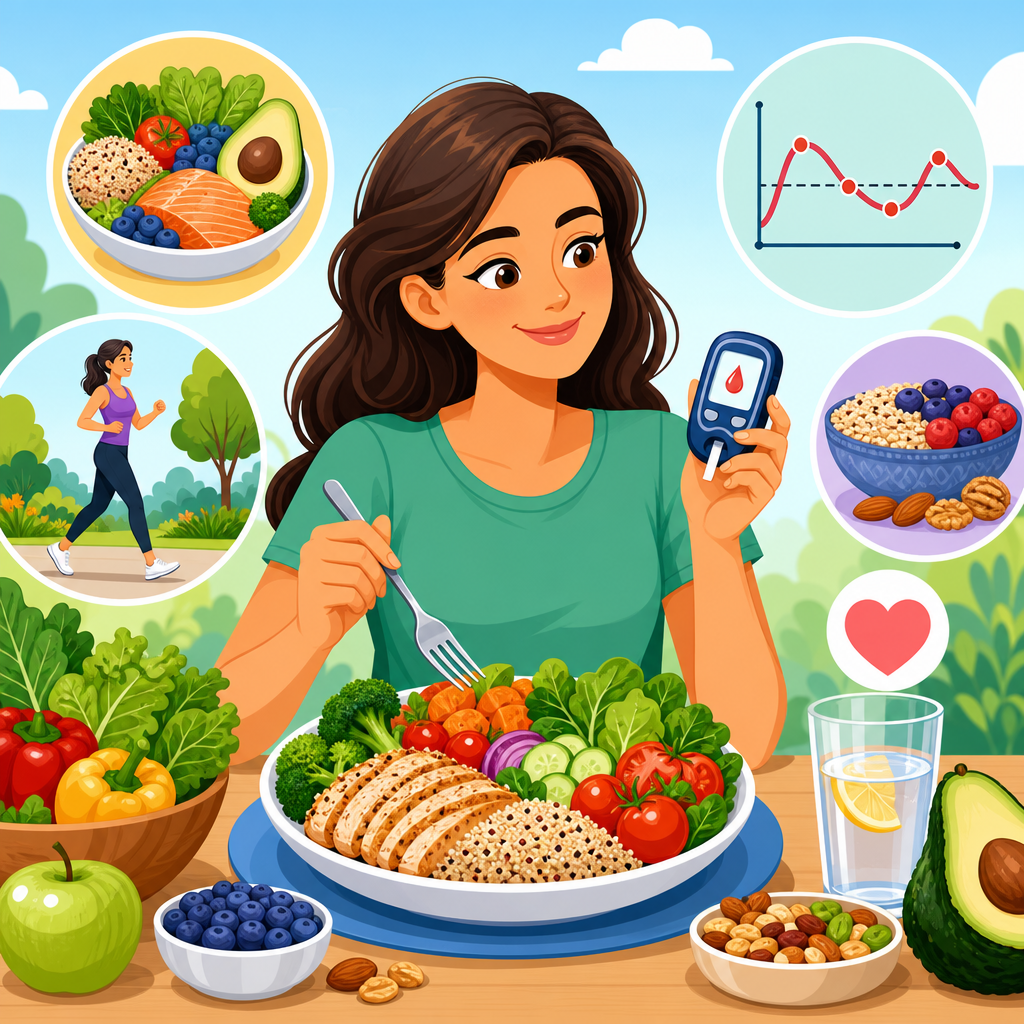
Diabetes and prediabetes add another layer because uncontrolled blood sugar accelerates vascular damage. In these cases, carbohydrate quality, meal timing, and overall energy balance deserve close attention. Whole grains, legumes, nonstarchy vegetables, and protein-rich meals tend to support steadier glucose levels than sweet drinks, white bread, and desserts. This is one reason heart health cannot be separated from metabolic health. A nutrition plan that lowers LDL but ignores blood sugar is incomplete for many adults. The best cardiovascular diet is usually one that improves several risk factors at once and can be maintained without excessive complexity.
Common Pitfalls, Supplements, and How to Make Progress Last
Several common mistakes undermine good intentions. The first is overreliance on labels such as low-fat, gluten-free, organic, or natural, none of which guarantee cardiovascular benefit. A low-fat muffin can still be high in sugar and refined flour. The second is treating supplements as substitutes for dietary change. Fish oil, fiber supplements, magnesium, red yeast rice, or plant sterols may have a role in specific cases, but they do not cancel out a diet built around fast food and sugary drinks. The third is making overly strict plans that collapse within days. Sustainable progress comes from repeatable habits, not short bursts of perfection.
Supplements should be personalized and, when medications are involved, reviewed with a qualified clinician. For example, high-dose omega-3 products may affect bleeding risk in some contexts, and red yeast rice can act similarly to statins while varying widely in potency and purity. Psyllium can be genuinely useful for LDL reduction and bowel regularity, but it works best as an addition to, not a replacement for, fiber-rich meals. Alcohol deserves mention too. Moderate intake has long been framed as heart friendly, but current evidence is more cautious. For many people, especially those with high triglycerides, hypertension, liver concerns, sleep problems, or a history of addiction, less is better.
Long-term success depends on turning principles into routines. Start with one or two high-impact changes: replace sugary beverages, eat fish twice weekly or choose beans more often, add oatmeal or legumes for soluble fiber, and cook more meals at home with olive oil, herbs, and vegetables. Track objective markers such as blood pressure, lipid panels, waist circumference, and energy levels rather than judging progress only by the scale. Nutrition for heart health works best when it is consistent, enjoyable, and connected to everyday life. Use this hub as your foundation, then build deeper knowledge around cholesterol-lowering foods, blood pressure nutrition, anti-inflammatory eating, meal planning, and label reading. Your heart responds to what you do repeatedly, so begin with the next meal and make it count.
Frequently Asked Questions
What does nutrition for heart health actually mean in everyday life?
Nutrition for heart health means building a consistent eating pattern that protects the cardiovascular system rather than relying on a single “superfood,” supplement, or short-term diet. In everyday life, that usually looks like filling most meals with vegetables, fruits, whole grains, beans, nuts, seeds, and lean or minimally processed protein sources, while limiting foods that are high in sodium, added sugars, refined carbohydrates, and unhealthy fats. The goal is to support the key markers tied to heart disease risk, including blood pressure, LDL cholesterol, triglycerides, blood sugar control, inflammation, and body weight.
Practically speaking, heart-healthy nutrition often includes choosing oatmeal instead of sugary cereal, swapping white bread for whole grain options, using olive oil in place of heavily processed fats, eating fish or legumes more often than processed meats, and making water the default beverage instead of soda. It also means paying attention to portion sizes, cooking methods, and frequency of highly processed convenience foods. Grilled, baked, steamed, and roasted foods generally support heart health better than deep-fried choices.
Just as important, a heart-healthy approach is sustainable. It should fit your culture, budget, schedule, and medical needs. The most effective nutrition plan is one you can follow consistently for years, not one that feels extreme for a few weeks. When done well, nutrition for heart health becomes less about restriction and more about regularly choosing foods that nourish blood vessels, stabilize energy, and reduce long-term cardiovascular strain.
Which foods are best for supporting heart health and lowering cardiovascular risk?
The strongest evidence supports a dietary pattern centered on whole, minimally processed foods. Vegetables and fruits are foundational because they provide fiber, potassium, antioxidants, and plant compounds that help protect blood vessels and reduce oxidative stress. Leafy greens, berries, tomatoes, citrus fruits, broccoli, carrots, and peppers are especially valuable, but variety matters more than perfection. Whole grains such as oats, brown rice, quinoa, barley, and whole wheat also play an important role by supporting cholesterol management, digestion, and blood sugar balance.
Beans, lentils, chickpeas, and peas are excellent heart-healthy staples because they deliver fiber, plant protein, and minerals with very little saturated fat. Nuts and seeds, including almonds, walnuts, chia seeds, flaxseeds, and pumpkin seeds, provide healthy unsaturated fats that can support healthier cholesterol levels when eaten in appropriate portions. Fatty fish such as salmon, sardines, trout, and mackerel are also beneficial because they contain omega-3 fats, which are associated with improved triglyceride levels and overall cardiovascular support.
Healthy fats are another key piece of the picture. Extra virgin olive oil, avocado, nuts, and seeds can be useful replacements for butter, shortening, and heavily processed fats. Low-fat or unsweetened dairy foods may fit into a heart-healthy plan for many people, though individual needs vary. At the same time, it is wise to limit processed meats, fast food, packaged snacks, sugar-sweetened beverages, desserts, and meals that are heavily loaded with sodium. The overall pattern matters most: more fiber-rich plant foods, more unsaturated fats, and fewer ultra-processed products generally leads to better heart-health outcomes.
How do sodium, sugar, and unhealthy fats affect the heart?
Sodium, added sugar, and unhealthy fats can influence heart health in different but connected ways. Too much sodium can contribute to elevated blood pressure, which places extra strain on the heart and blood vessels over time. One of the biggest challenges is that sodium is often hidden in packaged foods, canned soups, deli meats, sauces, frozen meals, restaurant dishes, and snack foods, not just in the salt shaker. Reducing sodium intake often means reading labels, cooking more at home, choosing low-sodium products, and flavoring meals with herbs, spices, citrus, garlic, or vinegar instead of relying heavily on salt.
Added sugar can also be a problem, especially when it comes from sweetened beverages, desserts, flavored coffees, and highly processed snack foods. Regular excess sugar intake can contribute to weight gain, insulin resistance, higher triglycerides, and poor blood sugar control, all of which increase cardiovascular risk. Even foods marketed as “low fat” or “healthy” can sometimes contain large amounts of added sugar, so it helps to look beyond front-label claims and review ingredient lists and nutrition facts carefully.
Unhealthy fats deserve special attention as well. Trans fats are widely recognized as harmful because they raise LDL cholesterol and lower HDL cholesterol, creating a dangerous combination for the heart. While trans fats have been reduced in many food products, they can still appear in some processed baked goods and fried foods. Saturated fat, found in higher amounts in fatty cuts of meat, full-fat dairy, butter, and many commercially prepared foods, may also raise LDL cholesterol in some individuals when consumed in excess. Replacing these fats with unsaturated fats from foods like olive oil, nuts, seeds, and fish is generally a smarter strategy for long-term cardiovascular protection.
Can heart-healthy eating help if I already have high blood pressure or high cholesterol?
Yes, nutrition can make a meaningful difference even if high blood pressure, high cholesterol, prediabetes, type 2 diabetes, or excess body weight are already present. In fact, dietary change is often one of the first and most effective lifestyle interventions recommended alongside physical activity, sleep improvement, stress management, and, when needed, medication. A well-structured heart-healthy eating plan can help lower LDL cholesterol, reduce blood pressure, improve triglycerides, support blood sugar control, and promote healthy weight management. These improvements can reduce overall cardiovascular risk and help protect against future complications.
For high blood pressure, approaches that emphasize vegetables, fruits, whole grains, legumes, low-fat dairy, and lower sodium intake are especially effective. For high cholesterol, increasing soluble fiber from foods such as oats, beans, lentils, apples, and barley can help lower LDL cholesterol, while replacing saturated fats with unsaturated fats can further improve lipid levels. If blood sugar is also a concern, balancing carbohydrates with protein, fiber, and healthy fats can help prevent large glucose spikes and support metabolic health, which is closely tied to heart health.
It is important to recognize that nutrition is powerful, but it is not always a substitute for medical treatment. Some people need medication because of genetics, the severity of their condition, or existing cardiovascular disease. However, even when medication is necessary, heart-healthy eating still matters. In many cases, it improves results, supports better long-term outcomes, and may reduce progression of disease. Anyone with existing heart conditions or risk factors should work with a healthcare professional or registered dietitian to tailor recommendations to their specific needs, medications, and lab values.
What are the best ways to start a heart-healthy diet without feeling overwhelmed?
The best way to start is by making a few high-impact changes and building from there. Trying to overhaul everything at once often leads to frustration, while steady improvements are much more likely to last. A practical first step is to improve what is on the plate: aim to make half of it vegetables and fruits, add a source of lean protein or plant protein, and choose a whole grain or high-fiber carbohydrate when possible. If meals are often built around takeout, convenience foods, or refined snacks, even one homemade meal per day can create momentum.
Another effective strategy is to focus on smart substitutions instead of strict elimination. Replace processed meats with beans, fish, or grilled chicken. Swap chips or pastries for fruit, yogurt, or a handful of nuts. Use olive oil-based dressings instead of heavy creamy sauces. Choose plain water, sparkling water, or unsweetened tea instead of sugary drinks. Buy low-sodium broth, canned beans, and tomato products when available, and rinse canned foods to reduce sodium further. Small changes like these can significantly improve overall dietary quality without making eating feel joyless or rigid.
Planning ahead also makes a major difference. Keep simple staples on hand, such as frozen vegetables, canned beans, oats, brown rice, whole grain bread, nuts, olive oil, and easy protein sources. Read nutrition labels more often, especially for sodium, added sugar, saturated fat, and fiber. Most importantly, think in terms of patterns, not perfection. A single indulgent meal does not undo good habits, and a healthy eating pattern does not require every choice to be flawless. The real goal is consistency over time, because that is what produces meaningful heart-health benefits.