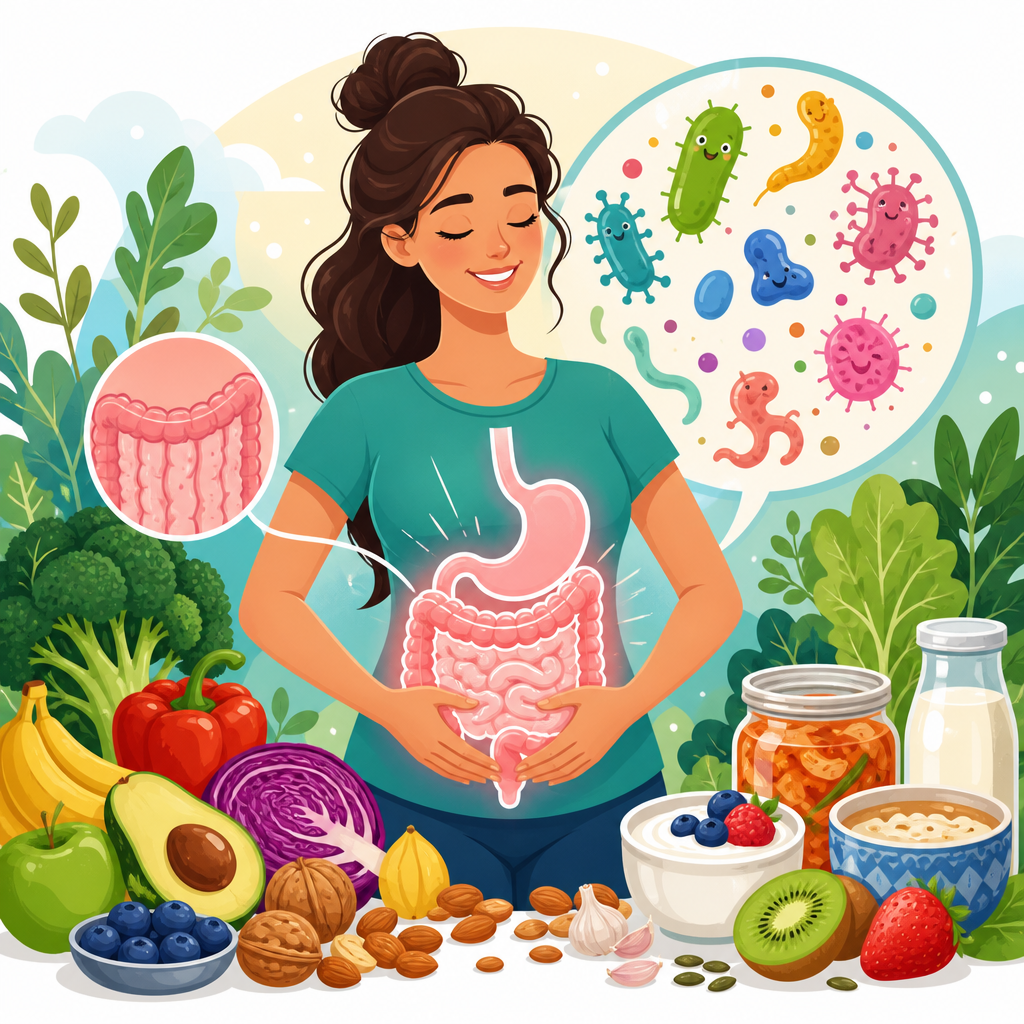
Nutrition for heart health is the practical use of food choices, meal patterns, and nutrient balance to support normal blood pressure, healthy cholesterol levels, stable blood sugar, lower inflammation, and proper blood vessel function. When people ask what diet is best for the heart, they are usually asking a broader question: which daily eating habits measurably reduce cardiovascular risk over years and decades. In my work reviewing nutrition plans and public health guidance, the clearest lesson is that heart-protective eating is not built around a single superfood. It is built around repeatable patterns grounded in evidence from cardiology, epidemiology, and clinical nutrition.
Heart disease remains the leading cause of death globally, and diet is one of the most modifiable drivers. Foods influence low-density lipoprotein cholesterol, triglycerides, blood pressure, body weight, insulin sensitivity, endothelial function, and even the gut-derived compounds linked to vascular damage. Key terms matter here. Saturated fat can raise LDL cholesterol in many people, while unsaturated fats, especially polyunsaturated and monounsaturated fats, generally improve lipid profiles when they replace saturated fat. Fiber, particularly soluble fiber, helps lower LDL. Sodium affects fluid balance and blood pressure. Potassium supports blood pressure control. Omega-3 fatty acids help regulate inflammation and triglycerides. These are not abstract concepts; they are mechanisms that show up in lab work, blood pressure logs, and long-term outcomes.
Why does nutrition for heart health matter so much? Because medication alone rarely solves the whole problem. A statin may lower LDL, but it does not replace the benefits of eating more legumes, vegetables, nuts, and fish. Blood pressure medicine helps, but a sodium-heavy, ultra-processed diet still works against treatment. The good news is that a heart-healthy diet is not extreme. Most effective plans share the same foundations: more minimally processed plant foods, smarter fat choices, enough protein from balanced sources, fewer refined carbohydrates, and tighter control over sodium, added sugar, and excess calories. This hub article explains the major components, common questions, and practical choices that help build better nutrition for long-term heart health.
Core principles of a heart-healthy eating pattern
The best nutrition for heart health follows a recognizable pattern rather than a rigid menu. Strong evidence supports Mediterranean-style eating patterns, the DASH approach, and plant-forward diets that emphasize vegetables, fruits, whole grains, beans, lentils, nuts, seeds, olive oil, and seafood. These patterns consistently align with lower rates of cardiovascular events because they improve several risk markers at once. They tend to be higher in fiber, potassium, magnesium, antioxidants, and unsaturated fats, while being lower in sodium, added sugars, and highly processed foods. In practice, that means oatmeal instead of sugary cereal, beans instead of processed deli meat, olive oil instead of butter for many meals, and fruit or yogurt instead of pastries for snacks.
One question people often ask is whether they need to avoid all fat. The answer is no. Quality matters more than total quantity for most adults. Replacing saturated fats from fatty red meat, butter, cream, and many packaged desserts with unsaturated fats from olive oil, avocado, nuts, seeds, and fish generally supports healthier cholesterol levels. Another common question is whether carbohydrates are bad for the heart. Refined carbohydrates can worsen triglycerides and blood sugar control, but high-quality carbohydrates such as oats, barley, beans, berries, and intact whole grains are consistently associated with better cardiovascular outcomes. The practical principle is replacement, not subtraction. When one less-helpful food is removed, it should be replaced with a demonstrably better option.
Key nutrients and food groups that protect the heart
Several nutrients and food groups deserve special attention because their effects are well established. Soluble fiber, found in oats, barley, beans, lentils, apples, and citrus, binds bile acids and helps reduce LDL cholesterol. Adults should aim for substantial daily fiber intake, yet many fall far short. Potassium-rich foods such as beans, potatoes, yogurt, leafy greens, bananas, and squash can support blood pressure, especially when they replace high-sodium processed items. Omega-3 fats from salmon, sardines, trout, herring, walnuts, chia seeds, and flaxseeds are linked to lower triglycerides and broader anti-inflammatory benefits. Plant sterols and stanols, available in fortified foods and naturally in smaller amounts in nuts, seeds, legumes, and whole grains, can also help lower LDL.
Food groups matter as much as isolated nutrients. Legumes are one of the most underrated heart foods because they provide fiber, plant protein, potassium, magnesium, and slow-digesting carbohydrates with little saturated fat. Nuts offer unsaturated fats and have been associated with lower cardiovascular risk when eaten in modest portions. Fermented dairy, especially unsweetened yogurt, can fit well in many heart-conscious plans, though full-fat and flavored versions require more scrutiny. Fish is valuable not because every person must eat it, but because it often replaces more processed or fattier meats. Vegetables and fruit support heart health through fiber, micronutrients, and phytochemicals, and their benefits are strongest when they displace snack foods, sugary drinks, and oversized starch portions.
| Heart-health priority | Better choice | What it helps | Simple example |
|---|---|---|---|
| Lower LDL cholesterol | Oats, beans, barley, nuts, olive oil | More soluble fiber and unsaturated fat | Swap sausage biscuit for oatmeal with walnuts |
| Reduce blood pressure | Leafy greens, beans, yogurt, potatoes | More potassium, magnesium, less sodium | Choose baked potato and chili over fries |
| Improve triglycerides | Fish, high-fiber carbs, fewer sugary drinks | Better fat quality and glycemic control | Replace soda with water and add salmon dinner |
| Manage weight | Vegetables, fruit, legumes, lean proteins | Higher satiety per calorie | Build half the plate from vegetables |
Foods and dietary patterns that raise cardiovascular risk
Not every food affects the heart equally, and risk usually comes from patterns rather than one indulgence. Diets high in ultra-processed foods are consistently associated with poorer cardiovascular outcomes. These foods often combine refined starches, added sugars, sodium, industrial fats, and calorie density in ways that promote overeating and worsen blood pressure and lipids. Common examples include packaged snack cakes, fast-food combo meals, many frozen entrees, processed meats, sweetened cereals, and sugary beverages. Processed meats deserve direct attention because they are associated with higher cardiovascular risk, likely due to sodium, preservatives, and overall dietary pattern effects. In real meal planning, replacing bacon or sausage with eggs, beans, yogurt, or leftover salmon is usually a meaningful upgrade.
Sodium is another major issue. For many adults, especially those with hypertension, kidney disease, diabetes, or older age, excess sodium materially raises blood pressure. The primary source is not the salt shaker but packaged breads, soups, sauces, restaurant foods, pizzas, deli meats, and savory snacks. Added sugar also matters, particularly from beverages. Liquid sugar contributes calories without satiety and can increase triglycerides and insulin resistance. Alcohol is more nuanced. Small amounts may fit some adults, but it is not necessary for heart health, and higher intake can raise blood pressure, triglycerides, atrial fibrillation risk, and calorie load. If a person does not drink, there is no cardiovascular reason to start. If they do drink, moderation and medical context matter.
Meal planning strategies that work in real life
People succeed with heart-healthy nutrition when meals are easy to repeat. A useful formula is half the plate vegetables, one quarter protein, and one quarter high-quality carbohydrate, with unsaturated fat added thoughtfully. For breakfast, that could mean plain Greek yogurt with berries, ground flaxseed, and oats. Lunch might be a grain bowl with farro, chickpeas, cucumbers, tomatoes, olive oil, and lemon. Dinner could be baked salmon, roasted Brussels sprouts, and quinoa. Snacks should solve hunger without becoming a stealth source of sodium or sugar; good examples include fruit with nuts, hummus with carrots, or edamame. This style of eating works because it improves nutrition density while controlling portions almost automatically.
Planning around specific goals helps. If LDL cholesterol is high, center more meals on oats, beans, lentils, soy foods, nuts, and olive oil, while reducing butter, cheese-heavy meals, and fatty cuts of beef. If blood pressure is the main concern, prioritize lower-sodium staples, cook more at home, rinse canned beans, compare labels, and increase potassium-rich produce and dairy or fortified alternatives. If weight loss is part of the picture, focus on satiety: more protein at breakfast, more vegetables at lunch and dinner, fewer liquid calories, and structured snacks instead of grazing. I have found that the most sustainable approach is not perfection. It is identifying three or four meals a household can repeat weekly, then upgrading those meals until they consistently support heart health.
How to read labels, shop smarter, and eat out well
Label reading is one of the fastest ways to improve nutrition for heart health. Start with sodium, saturated fat, fiber, and added sugar. A bread with more fiber and less sodium is usually the better base for sandwiches and toast. A pasta sauce with lower sodium and no heavy cream is easier to fit into a heart-conscious meal. Cereals should offer meaningful fiber without turning breakfast into dessert. Ingredient lists also help identify ultra-processed foods; if sugar, refined flour, sodium-heavy additives, and multiple fats dominate the first several ingredients, the product likely should not be a daily staple. Shoppers often underestimate how much improvement comes from choosing plain staples such as oats, brown rice, beans, frozen vegetables, canned fish, yogurt, and nuts.
Eating out requires a different skill set. Restaurant portions are usually large, and menu items often contain hidden sodium, butter, and sugars. Better choices include grilled fish or chicken, bean-based dishes, vegetable-forward entrees, salads with dressing on the side, and sides such as steamed vegetables, baked potatoes, or fruit. Watch sauces, soups, cured meats, fried appetizers, and oversized desserts. At fast-casual restaurants, a bowl with greens, beans, vegetables, salsa, and lean protein is often better than a burrito loaded with cheese and creamy sauces. When dining socially, it helps to decide in advance what matters most: lower sodium, a better protein choice, or portion control. Heart-healthy eating is much easier when choices are intentional rather than improvised.
Special considerations: cholesterol, blood pressure, diabetes, and supplements
Nutrition advice should always match the person’s clinical picture. Someone with elevated LDL cholesterol benefits most from reducing saturated fat, adding soluble fiber, and improving overall diet quality. Someone with hypertension may see the strongest response from sodium reduction, weight loss, and a DASH-style pattern rich in potassium, magnesium, and calcium. For people with diabetes or prediabetes, heart health and glucose management overlap heavily; refined carbs and sugary drinks should drop, while fiber, protein balance, and carbohydrate quality should rise. Chronic kidney disease adds complexity because potassium, phosphorus, and protein targets may need adjustment. That is why individualized guidance from a registered dietitian can be especially valuable when multiple conditions coexist.
Supplements play a smaller role than marketing suggests. Fish oil may be useful in targeted situations, especially for high triglycerides under medical supervision, but it does not replace eating well. Fiber supplements can help people who struggle to meet goals through food, though whole-food sources bring broader benefits. Red yeast rice, garlic pills, detox teas, and other popular products often have inconsistent evidence, variable quality, or safety concerns. Plant sterol spreads and fortified products can help certain people lower LDL, but they work best as part of a broader plan. The clearest principle is this: build the foundation with meals first, then use supplements selectively, based on documented need, lab markers, medications, and clinician guidance.
Better heart nutrition is not mysterious. Build meals around vegetables, beans, whole grains, fruit, nuts, seeds, fish, and healthy oils; limit ultra-processed foods, processed meats, excess sodium, sugary drinks, and routine large portions of saturated fat. Focus on patterns you can sustain, not short resets that collapse after two weeks. The strongest heart-healthy diets improve cholesterol, blood pressure, blood sugar, weight, and inflammation at the same time because they are structured around food quality and consistency.
As a hub for nutrition for heart health, this guide points to the central questions every reader should ask: What fats am I eating most often? How much fiber and sodium are in my usual day? Which meals are helping my lab numbers, and which ones are not? Start with one week of observation, then make targeted swaps you can repeat. Choose one breakfast, one lunch, and two dinners that clearly support your heart, and make them routine. Small, evidence-based changes practiced daily deliver the biggest long-term payoff.
Frequently Asked Questions
What does nutrition for heart health actually mean?
Nutrition for heart health means using everyday food choices to support the systems that most strongly influence cardiovascular risk over time. In practical terms, that includes eating in ways that help maintain normal blood pressure, healthy cholesterol levels, steady blood sugar, lower chronic inflammation, and proper blood vessel function. It is not just about avoiding one “bad” food or adding one “superfood.” Instead, it is the overall pattern of eating—day after day and year after year—that matters most.
A heart-healthy eating pattern usually emphasizes vegetables, fruits, beans, lentils, whole grains, nuts, seeds, and minimally processed proteins such as fish or poultry. It also tends to include healthier fats from foods like olive oil, avocados, and nuts while limiting excessive sodium, added sugars, refined carbohydrates, and heavily processed foods. These habits can help improve LDL cholesterol, triglycerides, blood pressure, insulin response, and weight management, all of which are closely tied to heart disease risk.
Just as important, heart-healthy nutrition is meant to be sustainable. The best approach is not the most restrictive plan, but the one a person can realistically follow long term. A balanced eating pattern that fits cultural preferences, budget, cooking skills, and health needs is usually far more effective than a short-term diet that feels impossible to maintain.
What diet is considered best for heart health?
There is no single perfect diet for every person, but the strongest evidence consistently supports eating patterns built around whole, minimally processed foods. Mediterranean-style eating is one of the most widely recommended approaches because it combines many of the habits linked to lower cardiovascular risk: high intake of vegetables, fruits, legumes, whole grains, nuts, seeds, and olive oil; moderate amounts of fish and dairy; and lower intake of processed meats, refined snacks, and sugary foods. This style of eating has been associated with better cholesterol levels, improved blood vessel function, and reduced risk of major cardiovascular events.
The DASH eating pattern is another well-supported option, especially for people focused on blood pressure. DASH emphasizes fruits, vegetables, low-fat dairy, beans, nuts, and whole grains while keeping sodium, saturated fat, and added sugars in check. For many people, both Mediterranean and DASH principles overlap enough that the best plan is simply a flexible blend of the two.
What matters most is not the label of the diet but the habits it promotes. A heart-supportive plan usually includes more fiber-rich plant foods, less sodium, fewer ultra-processed products, better fat quality, and more consistent meal structure. If a person can follow those principles using Mediterranean, DASH, plant-forward, or another balanced approach, they are likely moving in the right direction for long-term heart health.
Which nutrients and foods have the biggest impact on heart health?
Several nutrition factors stand out because they directly affect major cardiovascular markers. Fiber is one of the most important. Soluble fiber found in foods like oats, beans, lentils, apples, and barley can help lower LDL cholesterol, while overall fiber intake supports blood sugar control, fullness, and digestive health. Healthy fats also matter. Replacing some saturated fats from fatty meats, butter, and full-fat processed foods with unsaturated fats from olive oil, nuts, seeds, and fish can improve cholesterol balance and support blood vessel health.
Sodium is another major factor, especially for blood pressure. Many people think sodium comes mostly from the salt shaker, but a large share comes from packaged breads, canned soups, deli meats, restaurant meals, sauces, and snack foods. Reducing these sources can make a meaningful difference. Potassium-rich foods such as beans, potatoes, leafy greens, bananas, oranges, and yogurt can also help support healthy blood pressure when kidney function is normal and a clinician has not advised restriction.
Added sugars and refined carbohydrates deserve attention because they can contribute to higher triglycerides, blood sugar instability, and excess calorie intake. On the other hand, foods rich in antioxidants and anti-inflammatory compounds—such as berries, leafy greens, tomatoes, extra-virgin olive oil, nuts, and fatty fish—can support overall cardiovascular function. Rather than chasing individual nutrients in isolation, it is usually smarter to build meals around whole foods that naturally deliver these benefits together.
Are fats and cholesterol in food still something to worry about?
Yes, but the conversation is more nuanced than it used to be. The most important issue is often the type of fat in the diet rather than total fat alone. Diets high in saturated fat—especially from processed meats, high-fat red meat, butter, and many commercial baked goods—can raise LDL cholesterol in many people, which is a major risk factor for heart disease. Trans fats are even more harmful and should be avoided as much as possible, although they are now less common than in the past.
By contrast, unsaturated fats from foods like olive oil, nuts, seeds, avocados, and fish are generally beneficial when they replace less healthy fats. These foods can help improve cholesterol patterns and are commonly found in heart-supportive dietary patterns. This is one reason why people can eat a diet that includes fat and still improve cardiovascular health, provided the overall food quality is strong.
Dietary cholesterol from foods such as eggs and shellfish has a smaller effect on blood cholesterol for many people than saturated fat does, although individual responses vary. Someone with high LDL cholesterol, diabetes, or established heart disease may still need more personalized guidance. The bigger takeaway is that focusing on the whole plate works better than fearing all fat. Choosing more plant-based fats and fewer heavily processed, high-saturated-fat foods is usually the more useful and evidence-based strategy.
What are the most practical daily eating habits to lower long-term cardiovascular risk?
The most effective daily habits are usually the simplest and most repeatable. Start by building meals around plants: aim to include vegetables or fruit at most meals, choose beans or lentils regularly, and make whole grains the default when possible. These choices increase fiber, improve nutrient density, and often naturally reduce intake of sodium, added sugars, and refined starches. A practical plate might include half vegetables, a quarter whole grains or beans, and a quarter protein such as fish, tofu, yogurt, eggs, or lean poultry.
Another high-impact habit is improving the quality of convenience foods. Reading labels for sodium, added sugar, and saturated fat can help identify better options. Swapping sugary drinks for water or unsweetened beverages, replacing processed snacks with nuts or fruit, and choosing plain yogurt instead of sweetened desserts are small steps that become meaningful over time. Cooking more often at home also gives better control over ingredients, portions, and cooking fats.
Consistency matters more than perfection. Heart-healthy nutrition does not require never eating dessert, never ordering takeout, or following rigid rules. It means that most days, most meals support healthier blood pressure, cholesterol, blood sugar, and body weight. For people with high blood pressure, high cholesterol, diabetes, kidney disease, or a history of cardiovascular problems, working with a doctor or registered dietitian can make these habits more targeted and effective. Over the long term, the best results usually come from steady, realistic changes that can be maintained for years—not from extreme short-term dieting.