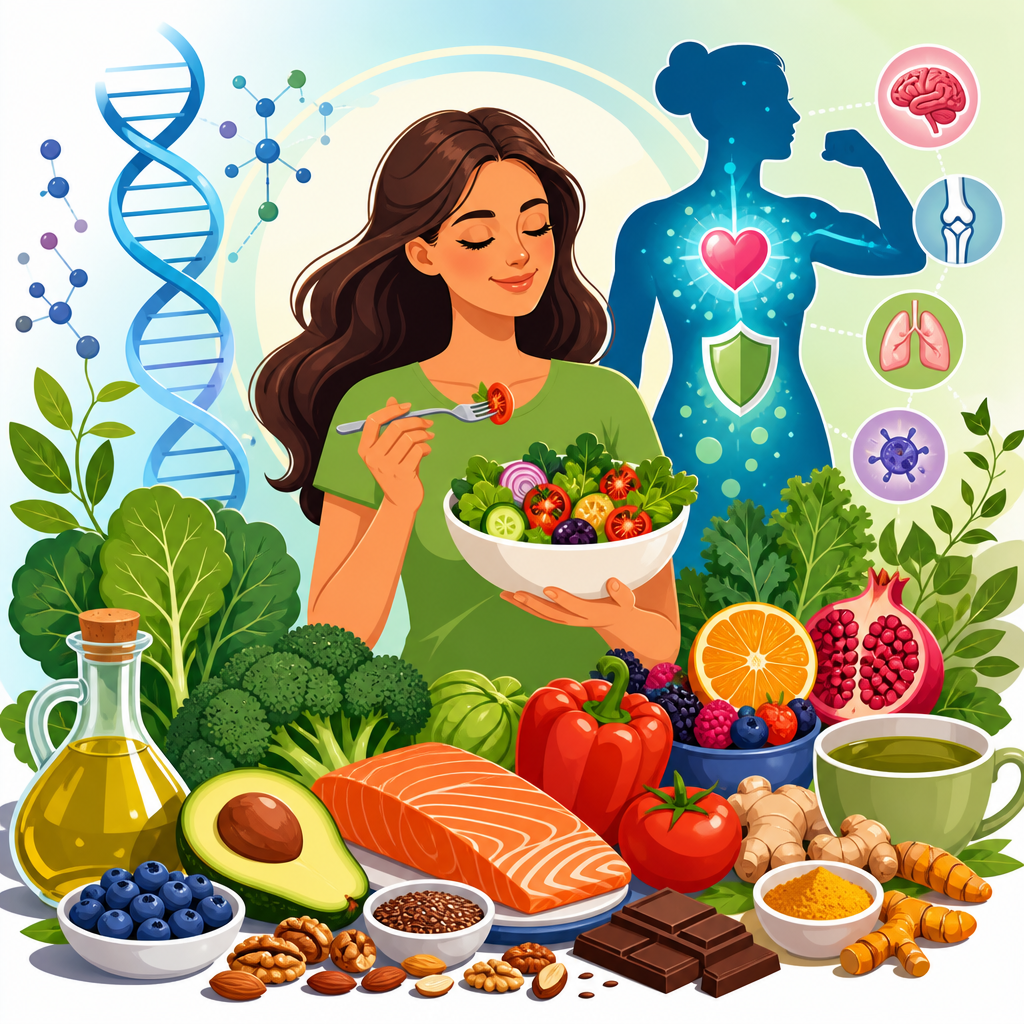
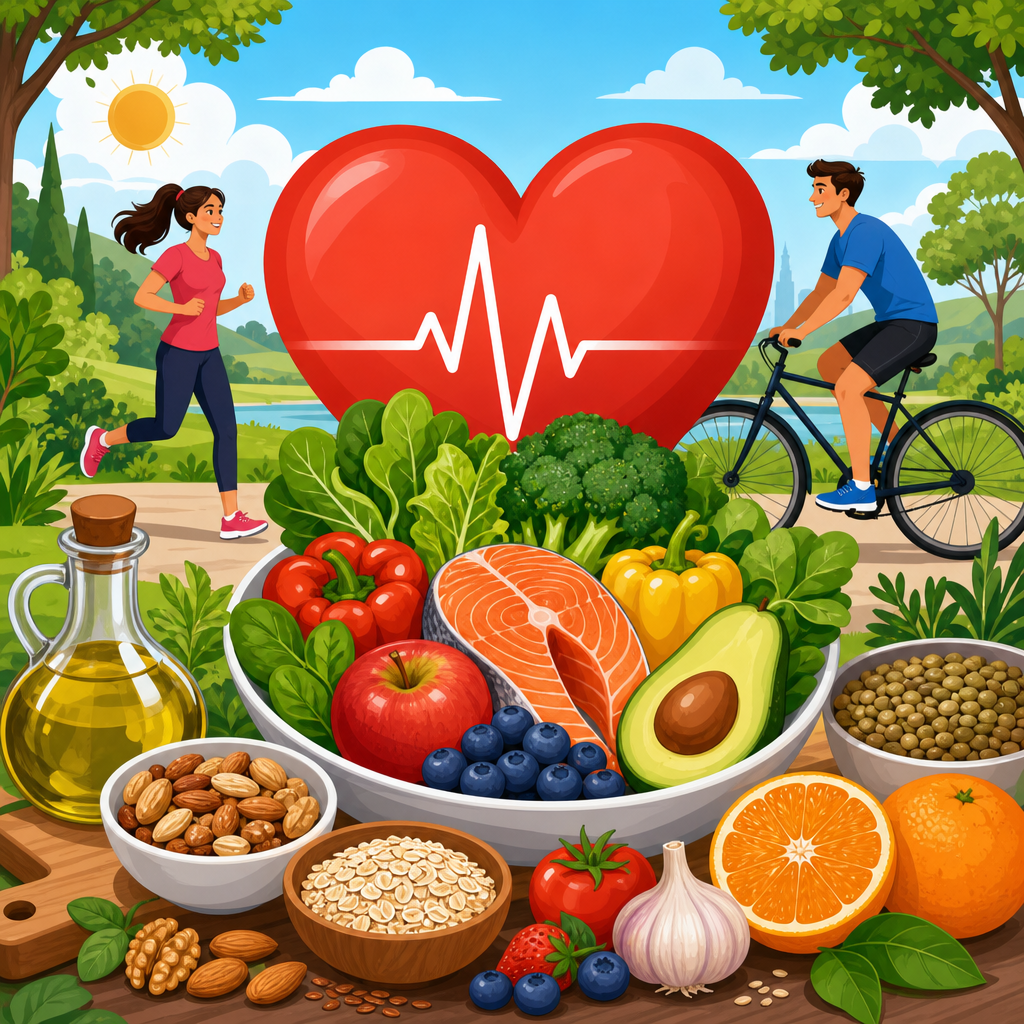
Strong bones and flexible joints depend on more than aging well or staying active; they depend on daily nutrition choices that shape bone density, cartilage integrity, muscle support, and inflammation levels across the entire body. Nutrition for strong bones and joints refers to the intake of nutrients, foods, and eating patterns that help build skeletal tissue, preserve mineral balance, support connective tissue, and reduce factors that accelerate breakdown. This matters at every age. In childhood and adolescence, nutrition determines peak bone mass. In adulthood, it helps maintain structural strength and joint function. In later years, it can reduce the risk of osteoporosis, fractures, stiffness, and mobility loss. After years of working with clients focused on health and wellness, I have seen the same pattern repeatedly: people often think calcium alone solves bone health, while overlooking vitamin D, protein, magnesium, vitamin K, omega-3 fats, and total dietary quality. Bones are living tissue, constantly remodeled by osteoblasts that build bone and osteoclasts that break it down. Joints rely on cartilage, synovial fluid, ligaments, tendons, and surrounding muscle, all of which need adequate nutrients to function properly. A complete guide must look beyond single supplements and focus on the full nutrition strategy that supports strength, resilience, and long-term movement.
Key Nutrients That Build and Protect Bones
The foundation of nutrition for strong bones starts with calcium, but calcium works only as part of a coordinated system. Adults generally need around 1,000 milligrams per day, rising to 1,200 milligrams for many older adults, especially women over fifty. Dairy foods such as yogurt, milk, and cheese are concentrated sources, but fortified plant milks, calcium-set tofu, canned sardines with bones, kale, bok choy, and fortified orange juice can also contribute meaningfully. In practice, I often find that people underconsume calcium because they skip breakfast, avoid dairy without replacing it, or rely on salads that contain vegetables low in absorbable calcium. Bioavailability matters. Spinach contains calcium, yet its oxalate content reduces absorption, while low-oxalate greens like bok choy are more efficient sources.
Vitamin D is equally critical because it regulates calcium absorption and supports bone mineralization. Without enough vitamin D, even a calcium-rich diet is less effective. The body can synthesize vitamin D through sunlight exposure, but geography, season, sunscreen use, skin pigmentation, age, and indoor lifestyles all affect production. Food sources include salmon, trout, egg yolks, fortified milk, and fortified cereals, though many adults still fall short. Clinically, serum 25-hydroxyvitamin D is the standard measure used to assess status. Magnesium supports vitamin D metabolism and contributes directly to bone structure. Good sources include pumpkin seeds, almonds, black beans, cashews, spinach, and whole grains. Vitamin K, especially K1 from leafy greens and K2 from foods such as natto and some cheeses, helps activate proteins involved in bone mineralization. Protein also deserves emphasis. Bone is not just mineral; roughly half of bone volume and about one-third of bone mass are made up of protein matrix, largely collagen. Insufficient protein intake can compromise repair, muscle retention, and fracture recovery, particularly in older adults.
Nutrition That Supports Joint Health and Cartilage
Joint health depends on preserving cartilage, controlling inflammation, and maintaining the tissues around the joint. Cartilage is a tough yet flexible connective tissue rich in collagen, proteoglycans, and water. Nutrients that support collagen formation include protein, vitamin C, copper, manganese, and zinc. Vitamin C is essential because it helps synthesize collagen, the structural protein found in cartilage, tendons, ligaments, and bone matrix. Citrus fruit, kiwi, strawberries, bell peppers, broccoli, and Brussels sprouts are practical sources. If someone eats very little produce, I typically see weaker overall connective tissue support and poorer recovery from training or overuse.
Omega-3 fatty acids can help joints by modulating inflammatory pathways. EPA and DHA, found in salmon, sardines, mackerel, herring, and trout, are the most studied forms. Research on osteoarthritis and rheumatoid arthritis suggests omega-3 intake may help reduce morning stiffness or joint discomfort in some people, especially when fish intake replaces highly processed foods rich in refined oils and excess sodium. Extra virgin olive oil, nuts, seeds, avocados, and legumes also contribute to an anti-inflammatory dietary pattern that benefits joints over time. Hydration matters as well. Cartilage contains a high percentage of water, and while drinking more water does not rebuild damaged cartilage, chronic underhydration can affect physical performance and tissue resilience. Body weight is another nutritional issue with direct joint consequences. Excess body mass increases mechanical load on weight-bearing joints such as knees and hips, while adipose tissue also produces inflammatory cytokines that may worsen joint symptoms. In real-world counseling, modest weight loss often improves knee comfort more than people expect, particularly when combined with strength training and adequate protein intake.
Best Foods and Eating Patterns for Strong Bones and Joints
The most effective eating pattern for bones and joints is not built around one superfood. It is a consistent diet that combines mineral-rich foods, quality protein, healthy fats, fruits, vegetables, and minimally processed carbohydrates. Mediterranean-style eating stands out because it supplies fish, olive oil, legumes, nuts, seeds, whole grains, herbs, and abundant produce. DASH-style eating is also useful because it emphasizes potassium, magnesium, calcium, and lower sodium intake, all of which support bone and cardiovascular health. In contrast, diets built around sugary drinks, ultra-processed snacks, high sodium packaged meals, and frequent alcohol tend to displace the foods that bones and joints actually need.
For practical meal planning, I advise building each day around three anchors: a calcium source, a protein source, and colorful produce at every main meal. Breakfast could be Greek yogurt with berries and chia seeds, or fortified soy milk blended into oatmeal with almonds. Lunch might include salmon, quinoa, kale, and roasted vegetables. Dinner could pair tofu or chicken with broccoli, beans, and brown rice, finished with olive oil and herbs. Snacks such as kefir, cottage cheese, edamame, walnuts, or an orange add value beyond calories. The table below summarizes foods that consistently support bone and joint nutrition.
| Nutrient focus | Best food sources | Primary benefit |
|---|---|---|
| Calcium | Yogurt, milk, fortified soy milk, tofu, sardines, bok choy | Bone mineralization and maintenance |
| Vitamin D | Salmon, trout, egg yolks, fortified dairy, fortified cereals | Calcium absorption and bone strength |
| Protein | Greek yogurt, eggs, beans, lentils, poultry, fish, tofu | Collagen matrix, muscle support, recovery |
| Vitamin C | Bell peppers, citrus, kiwi, berries, broccoli | Collagen synthesis for cartilage and connective tissue |
| Omega-3 fats | Salmon, sardines, mackerel, walnuts, flax | Inflammation regulation and joint comfort |
| Magnesium and potassium | Beans, nuts, seeds, leafy greens, potatoes, whole grains | Bone metabolism, muscle and nerve function |
Life Stage Needs, Risk Factors, and Common Deficiencies
Bone and joint nutrition changes with age, sex, hormones, activity level, and medical history. During childhood and adolescence, the priority is achieving peak bone mass through adequate energy intake, protein, calcium, vitamin D, and regular weight-bearing activity. Young adults often miss this window by following restrictive diets or replacing meals with convenience foods. Women after menopause face accelerated bone loss due to lower estrogen levels, making calcium, vitamin D, resistance training, and medical screening especially important. Older adults are at higher risk for low appetite, poor protein intake, reduced vitamin D synthesis, dental issues that limit food choices, and medications that affect bone metabolism.
Several risk factors increase the need for closer attention. These include low body weight, smoking, heavy alcohol intake, celiac disease, inflammatory bowel disease, long-term corticosteroid use, eating disorders, sedentary lifestyle, low sunlight exposure, and lactose intolerance without calcium replacement. Athletes can also be at risk, especially if low energy availability leads to hormonal disruption and reduced bone formation. In women, the Female Athlete Triad and the broader concept of Relative Energy Deficiency in Sport are well-established concerns. For joint health, repetitive strain, prior injury, obesity, inadequate recovery, and poor muscle support are major contributors. Deficiencies do not always show obvious symptoms early. By the time someone notices height loss, frequent fractures, or persistent joint dysfunction, underlying issues may have been developing for years. That is why periodic review of diet quality, laboratory markers, and, when appropriate, bone mineral density testing with dual-energy X-ray absorptiometry can be so valuable.
Supplements, Testing, and When Food Alone Is Not Enough
Food should be the base of any plan, but supplements can be useful when diet, absorption, or medical circumstances limit intake. Calcium supplements are most helpful for people who consistently fall short through food. Calcium carbonate is common and economical, but it is absorbed best when taken with meals. Calcium citrate is often better tolerated and can be useful for people with lower stomach acid or those taking acid-reducing medications. Most experts advise avoiding unnecessarily high supplemental doses, because total calcium intake well above recommendations may increase the risk of kidney stones in some individuals and does not automatically improve bone outcomes.
Vitamin D supplementation is often warranted, especially in winter or in people with confirmed insufficiency. D3 is the form most commonly used. The correct dose depends on baseline status, body size, sun exposure, and clinician guidance. Collagen peptides are widely marketed for joints and skin. Evidence suggests they may help some people with joint discomfort or support connective tissue when paired with adequate total protein, but they are not a substitute for a complete diet. Glucosamine sulfate and chondroitin have mixed evidence; some individuals report symptom relief, particularly with osteoarthritis, while others see no benefit. Fish oil supplements can be reasonable when fatty fish intake is low, though quality and dosage matter. In practice, I recommend testing before guessing whenever possible. Serum vitamin D, a comprehensive dietary review, kidney function when relevant, and medication assessment provide a much clearer picture than marketing claims. Anyone with osteoporosis, recurrent fractures, chronic inflammatory joint disease, kidney disease, or gastrointestinal disorders should coordinate nutrition decisions with a physician and a registered dietitian.
Practical Habits That Turn Knowledge Into Results
Nutrition for strong bones and joints works best when daily habits are consistent and realistic. Start by auditing what you actually eat for one week. Many people assume they eat enough protein and calcium, then discover they average only one protein-rich meal and almost no calcium-rich foods. Set a target to include twenty to thirty grams of protein at each main meal, one to two calcium-rich foods daily, and at least five servings of fruits and vegetables. Add fatty fish twice weekly or use another omega-3 source. Replace some packaged snacks with nuts, yogurt, fruit, or edamame. If you avoid dairy, choose fortified alternatives with similar calcium and vitamin D content, not just any plant beverage.
Pair nutrition with the lifestyle factors that make those nutrients useful. Weight-bearing exercise, resistance training, sleep, and smoking cessation all strengthen outcomes. Limit excessive sodium because high sodium intake can increase urinary calcium losses, and moderate alcohol because heavy use impairs bone formation and raises fall risk. If joint pain reduces activity, adjust movement rather than stopping completely; water exercise, cycling, and supervised strength work can preserve function while you improve diet quality. The main benefit of this approach is durability. Instead of chasing isolated supplements or trends, you create a nutrition pattern that supports bone density, cartilage health, muscle stability, and long-term mobility. Review your current intake, identify the biggest gap, and improve one meal today.
Frequently Asked Questions
1. What nutrients are most important for strong bones and healthy joints?
The most important nutrients for bone and joint health work together rather than in isolation. Calcium is one of the best-known because it helps build and maintain bone structure, but it does not act alone. Vitamin D is essential because it helps the body absorb calcium efficiently and supports normal bone remodeling. Vitamin K also matters because it helps regulate proteins involved in bone mineralization. Magnesium plays a supporting role in bone density, muscle function, and vitamin D metabolism, while phosphorus is a key structural mineral in bones and teeth.
For joints, the focus expands beyond minerals. Protein is crucial because bones contain a protein matrix and joints rely on muscles, tendons, ligaments, and cartilage that all depend on adequate amino acids. Vitamin C is especially valuable because it supports collagen production, and collagen is a major building block of cartilage, tendons, ligaments, and the connective tissues that cushion and stabilize joints. Omega-3 fatty acids may also help by supporting a balanced inflammatory response, which is important when stiffness or wear and tear affect joint comfort over time.
Trace minerals such as zinc, copper, manganese, and boron also contribute to connective tissue maintenance and bone metabolism. In practical terms, a bone- and joint-supportive diet is not about a single “super nutrient.” It is about getting a consistent mix of dairy or fortified alternatives, leafy greens, legumes, nuts, seeds, fish, eggs, fruit, vegetables, and adequate protein from varied sources. That broader dietary pattern is what gives the body the materials it needs to maintain bone density, preserve cartilage integrity, and support mobility throughout life.
2. Can food really help prevent bone loss and joint problems as we age?
Yes, food can make a meaningful difference, although it is most effective when combined with physical activity, healthy body weight, and overall lifestyle habits. Bone is living tissue that is constantly being broken down and rebuilt. During childhood and adolescence, good nutrition helps build peak bone mass, which creates a stronger foundation for later life. In adulthood, the goal shifts toward preserving bone density and slowing the natural losses that can happen with age, hormonal changes, inactivity, or poor nutrient intake. A diet that consistently provides calcium, vitamin D, protein, magnesium, and vitamin K helps support that maintenance process.
Joint health is influenced by nutrition in a slightly different way. Joints depend on healthy cartilage, connective tissue, lubrication, muscle support, and controlled inflammation. Diets high in ultra-processed foods, excessive sugar, and unhealthy fats may contribute to inflammation and weight gain, both of which can increase stress on joints. By contrast, nutrient-dense eating patterns that include vegetables, fruits, fatty fish, beans, olive oil, nuts, seeds, and quality protein may help support joint comfort and function over time. Maintaining a healthy weight is especially important because excess body weight places additional mechanical stress on weight-bearing joints such as the knees, hips, and lower back.
That said, nutrition is not a guaranteed shield against osteoporosis, osteoarthritis, or every joint issue. Genetics, medical history, hormone status, medications, and activity level all play important roles. Still, strong daily nutrition habits are one of the most reliable long-term tools for lowering risk and supporting resilience. Think of food as part of the body’s maintenance system: it supplies the raw materials for repair, helps regulate inflammation, and supports the muscles that protect bones and joints.
3. What are the best foods to eat for bone density, cartilage support, and joint flexibility?
The best foods are those that provide a wide spectrum of bone-building minerals, connective tissue nutrients, and anti-inflammatory compounds. For bone density, calcium-rich foods are a cornerstone. These include milk, yogurt, cheese, calcium-set tofu, fortified plant milks, canned salmon or sardines with bones, and certain leafy greens such as kale and bok choy. Vitamin D sources include fatty fish like salmon, trout, and mackerel, egg yolks, fortified dairy products, and fortified alternatives. Because vitamin D is naturally found in relatively few foods, many people need to pay extra attention to intake.
For cartilage and connective tissue support, protein-rich foods are essential. Good choices include fish, poultry, eggs, dairy, beans, lentils, Greek yogurt, tofu, tempeh, and lean meats. Vitamin C-rich foods such as oranges, berries, kiwi, bell peppers, broccoli, and tomatoes help the body produce collagen, which supports cartilage, ligaments, and tendons. Nuts and seeds provide magnesium, healthy fats, and minerals, while legumes offer both protein and magnesium. Whole grains can also contribute important minerals and support a more balanced overall dietary pattern.
To support joint flexibility and long-term comfort, anti-inflammatory foods can be especially helpful. Fatty fish provide omega-3 fats, while extra virgin olive oil, walnuts, flaxseeds, chia seeds, colorful vegetables, herbs, and fruits contribute protective compounds that help the body manage oxidative stress and inflammation. Bone broth and collagen products are often discussed, but they should be viewed as optional additions rather than essentials. They may complement a healthy diet, but they do not replace the need for adequate protein, minerals, fruits, vegetables, and healthy fats. The strongest approach is a balanced eating pattern built around whole foods rather than relying on one or two trendy ingredients.
4. Are supplements necessary for bone and joint health, or can diet be enough?
For many people, a well-planned diet can cover much of what bones and joints need, but supplements may be useful in certain situations. Whether they are necessary depends on age, medical history, food preferences, digestive health, medication use, and lab-confirmed deficiencies. Calcium supplements, for example, may help people who do not consume enough calcium-rich foods, but they are usually best used to fill a gap rather than as the main source. Vitamin D supplementation is common because many people do not get enough from food and sunlight alone, especially in colder climates, during winter months, or when sun exposure is limited.
Protein powders, collagen peptides, omega-3 supplements, and magnesium may also have a role for some individuals, but they should not be treated as automatic requirements. Someone who eats enough protein, consumes fish regularly, and follows a varied diet may not need much additional support. On the other hand, older adults, people with restricted diets, those with osteoporosis risk, postmenopausal women, or individuals with certain gastrointestinal conditions may benefit from targeted supplementation under professional guidance. Joint-focused products such as glucosamine and chondroitin have mixed evidence; some people report relief, but results are not consistent for everyone.
The safest and most effective strategy is to start with food, then use supplements thoughtfully if there is a clear reason. More is not always better. Excessive intake of certain nutrients can create imbalances or interact with medications. If someone is considering a long-term supplement for bone density or joint support, it is wise to discuss it with a healthcare professional who can evaluate diet, symptoms, risk factors, and possibly blood work. In most cases, supplements work best as support tools, not substitutes for a strong nutritional foundation.
5. How does nutrition for bones and joints change across different stages of life?
Nutrition for bones and joints matters from childhood through older adulthood, but the body’s priorities shift over time. In childhood and adolescence, the main goal is building strong bones and reaching peak bone mass. This is a critical window because the stronger the skeleton becomes early in life, the better protected it may be later. Children and teens need adequate calcium, vitamin D, protein, and overall energy intake, along with regular physical activity, to support healthy growth. Under-eating, poor diet quality, and low nutrient intake during these years can limit optimal bone development.
In adulthood, the focus becomes maintenance and protection. Adults need enough protein to support muscle mass and connective tissue, enough calcium and vitamin D to maintain bone mineral balance, and enough fruits, vegetables, and healthy fats to help manage inflammation and oxidative stress. Pregnancy and breastfeeding also create unique demands, as the body must support both maternal bone health and the nutritional needs of a growing baby. During these stages, nutrient adequacy becomes even more important.
In midlife and older age, bone loss can accelerate, particularly around menopause due to hormonal changes. Older adults are also at greater risk of reduced appetite, lower vitamin D status, decreased muscle mass, and falls, all of which can affect bone and joint health. At this stage, protein becomes especially important for preserving strength and stability, while calcium and vitamin D remain central for bone maintenance. Meals may need to be more nutrient-dense to compensate for lower calorie intake. Hydration, balanced blood sugar, and anti-inflammatory food choices also become more relevant for joint comfort and mobility. Across every life stage, the consistent theme is this: nutrition is not a short-term fix but a lifelong investment in structure, movement, and independence.