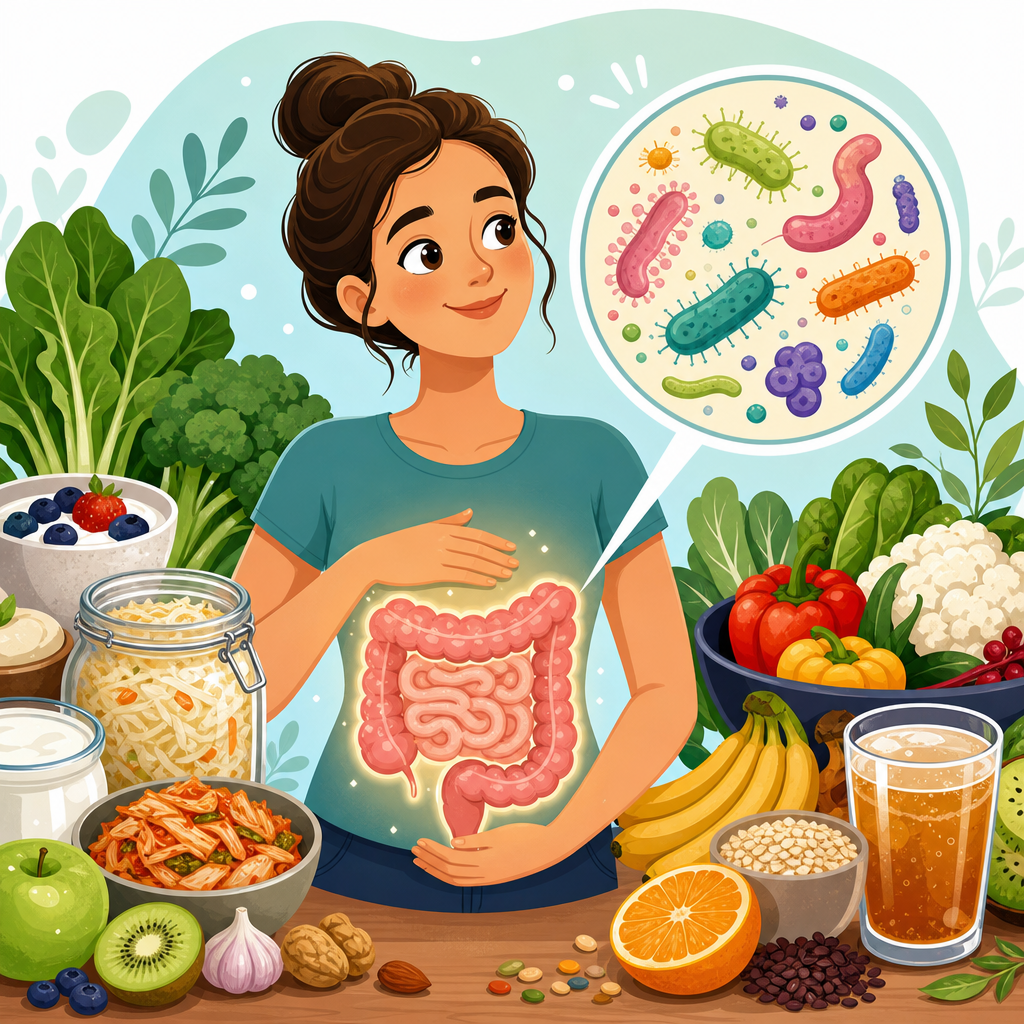
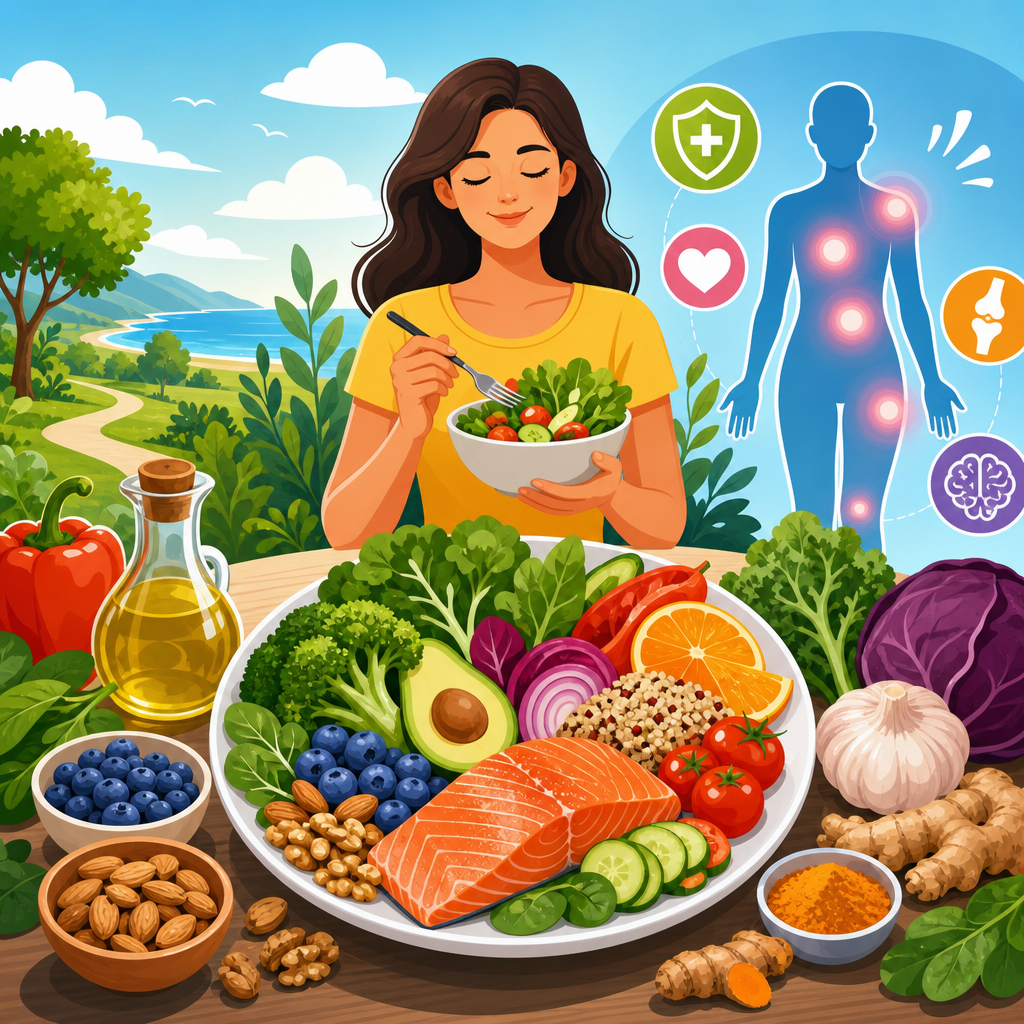
Maximizing your health with foods for skin, hair, and nail health starts with a simple truth: outward appearance often reflects internal nutritional status. Skin, hair, and nails are not vanity tissues; they are metabolically active structures that rely on steady supplies of protein, essential fats, vitamins, minerals, water, and antioxidants. When intake is inconsistent, the body prioritizes vital organs first, and visible tissues commonly show the strain through dryness, brittle nails, slower wound healing, shedding, or loss of elasticity. A food-first approach supports these tissues while also improving overall wellness, because the same nutrients that build collagen, strengthen the hair shaft, and maintain the nail plate also help regulate inflammation, circulation, hormone balance, and cellular repair.
To understand why nutrition matters here, it helps to define the structures involved. Skin is the body’s largest organ and includes the epidermis, dermis, and lipid barrier that protects against water loss, pathogens, and environmental stress. Hair is made mostly of keratin protein and grows from follicles that are highly sensitive to energy intake, iron status, thyroid function, and stress. Nails are hardened keratin plates that depend on amino acids, zinc, iron, and B vitamins for normal growth and resilience. In practice, I have seen clients chase expensive topical products while missing obvious dietary gaps. Moisturizer can help a dry barrier, but if daily meals lack omega-3 fats, vitamin C, protein, and zinc, progress is usually partial and temporary.
This matters because common concerns are widespread and often linked to diet patterns. Low-calorie dieting can trigger telogen effluvium, a diffuse shedding pattern that appears two to three months after physiological stress. Very low-fat eating may worsen dry skin in some people. Inadequate protein can contribute to weak nails and slower tissue repair. At the same time, highly processed diets rich in added sugar and refined carbohydrates may aggravate glycation, oxidative stress, and inflammation that undermine collagen and skin clarity over time. The goal is not a miracle food or a restrictive plan. It is a reliable pattern built around nutrient-dense foods for skin, hair, and nail health that provides the raw materials these tissues need every day.
Core nutrients that directly support skin, hair, and nails
The foundation is protein. Skin contains collagen and elastin, while hair and nails depend heavily on keratin. If protein intake is too low, the body cannot optimally maintain these structures. Eggs, Greek yogurt, fish, poultry, soy foods, lentils, beans, and cottage cheese are practical staples. For most adults, evenly distributing protein across meals works better than trying to cram it into dinner. A breakfast with eggs or yogurt, a lunch with salmon or tofu, and a dinner with beans and chicken creates a steady amino acid supply that supports ongoing repair and growth.
Essential fats are equally important, especially omega-3 fatty acids from salmon, sardines, trout, chia, flax, and walnuts. These fats support the skin barrier, help moderate inflammation, and may improve dryness in people who do not eat much seafood or plant omega-3 sources. I routinely notice better adherence when people think in food swaps rather than supplements first: replacing a processed snack with walnuts, adding canned sardines to lunch twice a week, or mixing ground flax into oatmeal. Monounsaturated fats from avocados and extra-virgin olive oil also help by supporting overall diet quality and providing fat needed to absorb vitamins A, D, E, and K.
Micronutrients do highly specific jobs. Vitamin C is required for collagen synthesis and is abundant in citrus, kiwi, strawberries, bell peppers, broccoli, and potatoes. Vitamin A supports skin cell turnover, but more is not better; excessive supplemental vitamin A can be harmful and may even contribute to hair loss. Vitamin E acts as an antioxidant in nuts, seeds, and plant oils. Zinc helps with wound healing and tissue growth, while iron supports oxygen delivery to hair follicles and other rapidly dividing cells. Biotin deficiency is rare, but when it occurs, it can affect hair and nails; most people can meet needs through eggs, nuts, seeds, legumes, and whole grains without high-dose supplements.
Best foods to prioritize in a daily routine
If someone asked me for the shortest list of the best foods for skin, hair, and nail health, I would start with fatty fish, eggs, berries, citrus, leafy greens, beans, Greek yogurt, nuts, seeds, sweet potatoes, and oysters. These foods cover the major mechanisms that matter most: protein for structure, essential fats for barrier function, antioxidants for oxidative stress, vitamin C for collagen formation, and minerals like zinc, selenium, and iron for growth and repair. They also fit into normal meals instead of requiring a separate regimen, which is why they work in the real world.
Fatty fish deserves special emphasis. Salmon provides protein, omega-3 fats, selenium, and astaxanthin, a carotenoid antioxidant that may help protect skin from photoaging stress. Eggs are another efficient option because they provide complete protein, biotin, selenium, vitamin D, and choline. Legumes are underrated in this area. Lentils and beans deliver protein, iron, zinc, and folate at a low cost, making them especially useful for people reducing meat intake. Nuts and seeds, including almonds, pumpkin seeds, sunflower seeds, chia, and flax, contribute vitamin E, zinc, copper, and healthy fats that support skin integrity and nail strength.
Colorful produce matters because visible tissues are regularly exposed to ultraviolet light, pollution, and normal metabolic oxidation. Berries, tomatoes, carrots, spinach, kale, red cabbage, and bell peppers provide polyphenols and carotenoids that help defend cells and support normal repair. Sweet potatoes and carrots are notable for beta-carotene, a precursor to vitamin A. Citrus and kiwi supply vitamin C efficiently, while bell peppers often contain even more vitamin C per serving than oranges. Dairy foods and fortified alternatives can also contribute, especially through protein, iodine, and vitamin D, all relevant to growth and overall endocrine function.
| Food | Key nutrients | Main benefit for skin, hair, and nails | Easy way to use it |
|---|---|---|---|
| Salmon | Protein, omega-3s, selenium | Supports barrier function and hair follicle health | Bake with olive oil and lemon |
| Eggs | Protein, biotin, selenium, choline | Provides building blocks for keratin tissues | Add to breakfast or grain bowls |
| Greek yogurt | Protein, iodine, vitamin B12 | Supports tissue repair and growth | Use as a breakfast base with berries |
| Lentils | Protein, iron, zinc, folate | Helps hair growth and nail resilience | Stir into soups or salads |
| Bell peppers | Vitamin C, carotenoids | Promotes collagen synthesis | Slice raw for snacks or roasting |
| Almonds | Vitamin E, healthy fats | Supports antioxidant protection for skin | Pair with fruit for snacks |
How meal patterns influence visible results
Consistency matters more than occasional superfoods. Skin turns over continuously, nails grow slowly, and hair cycles through anagen, catagen, and telogen phases over months. That means results from better eating are gradual. In most cases, skin hydration and texture can improve within weeks, while nail strength may take several months and noticeable changes in hair density often require three to six months. This timeline is why a sustainable meal pattern beats short cleanses or elimination trends. A realistic structure is three balanced meals and one nutrient-dense snack, with protein, produce, and healthy fat appearing repeatedly.
A practical day might look like this: Greek yogurt with berries, chia, and pumpkin seeds at breakfast; a lentil and vegetable bowl with olive oil at lunch; salmon, roasted sweet potatoes, and broccoli at dinner; and an apple with almonds as a snack. That single day covers complete protein, omega-3 fats, vitamin C, beta-carotene, zinc, selenium, vitamin E, fiber, and polyphenols. It also keeps blood sugar steadier than a highly refined pattern built around pastries, sweetened coffee, chips, and takeout. Stable energy matters because severe restriction and chaotic intake are common hidden drivers of hair shedding.
Hydration also deserves a direct answer because people often ask whether water alone fixes dry skin. Adequate fluid intake supports circulation and general physiology, but drinking more water will not fully compensate for low dietary fat, low protein, high alcohol intake, excessive sodium, or a damaged skin barrier. Think of hydration as supportive, not standalone. Include water-rich foods like cucumbers, oranges, melons, soups, and yogurt, and limit habits that worsen dehydration. Alcohol, frequent high-sugar beverages, and very salty convenience foods can make skin look duller and puffier even when water intake seems decent.
Common deficiencies, special diets, and when food may not be enough
Some nutrition problems show up in skin, hair, and nails before they are obvious elsewhere. Iron deficiency is a major example and can contribute to fatigue, shortness of breath, brittle nails, and diffuse hair shedding. Premenopausal women, endurance athletes, frequent blood donors, and people with low meat intake are at higher risk. Zinc deficiency can impair wound healing and may affect hair and skin. Low vitamin B12, low protein intake, and inadequate essential fats can also show visible effects. For people following vegan diets, good planning is crucial: use legumes, tofu, tempeh, edamame, nuts, seeds, fortified plant milks, and a reliable vitamin B12 source.
There are also cases where diet supports recovery but does not replace medical evaluation. Persistent hair loss can stem from thyroid disease, postpartum changes, autoimmune conditions, androgenetic alopecia, scalp disorders, or medication effects. Nail pitting may suggest psoriasis. Spoon-shaped nails can occur with iron deficiency. New severe acne, easy bruising, delayed wound healing, or widespread rash deserve professional assessment. In my work, the best outcomes happen when nutrition and clinical care are aligned. Labs such as ferritin, complete blood count, thyroid-stimulating hormone, vitamin B12, vitamin D, and zinc can clarify whether food alone is enough or whether targeted treatment is needed.
Supplements can help in selected cases, but they are not risk-free shortcuts. High-dose biotin is heavily marketed for hair and nails, yet deficiency is uncommon and unnecessary supplementation can interfere with certain laboratory tests, including thyroid and cardiac markers. Excess vitamin A can worsen hair loss and cause toxicity. Iron should not be taken blindly because overload is harmful and gastrointestinal side effects are common. Collagen peptides may help some people with skin elasticity or nail brittleness, but they work best as an addition to, not a substitute for, a protein-adequate diet rich in vitamin C and minerals.
Building a long-term nutrition strategy that actually works
The most effective plan is repeatable, affordable, and adapted to preferences. Start by anchoring each meal with protein, then add one colorful fruit or vegetable and one healthy fat source. Keep staple foods on hand: canned salmon or sardines, eggs, plain yogurt, frozen berries, spinach, beans, lentils, olive oil, nuts, seeds, and sweet potatoes. Use preparation methods that preserve quality without adding unnecessary sugar or trans fats. Roasting vegetables, grilling fish, making overnight oats with chia, and blending smoothies with yogurt and fruit are straightforward ways to improve nutrient density without overcomplicating the routine.
It also helps to reduce foods that routinely displace nutrients. Diets dominated by ultra-processed snacks, sugary drinks, excessive alcohol, and fried fast food tend to be low in fiber, minerals, and antioxidants while being high in sodium, refined starch, and added sugar. That pattern can worsen inflammation, reduce overall diet quality, and crowd out the foods that actively support skin, hair, and nails. You do not need perfection. You need a higher percentage of meals built from whole or minimally processed foods, with enough total energy to meet your body’s needs and enough variety to cover nutrient bases.
The key takeaway is clear: foods for skin, hair, and nail health work best when they are part of a consistent eating pattern, not a quick fix. Prioritize protein, omega-3 fats, vitamin C-rich produce, mineral-rich legumes and seafood, nuts, seeds, and deeply colored fruits and vegetables. Watch for warning signs of deficiency, and seek medical guidance for persistent changes that seem out of proportion to your diet. If you want visible tissues that are stronger, more resilient, and better supported from the inside out, review your meals this week and make three practical upgrades you can sustain.
Frequently Asked Questions
What nutrients are most important for healthy skin, hair, and nails?
The most important nutrients for skin, hair, and nail health are protein, healthy fats, vitamins, minerals, antioxidants, and adequate water. Protein is foundational because hair and nails are made largely of keratin, a structural protein, and skin also depends on amino acids for repair and renewal. If protein intake is too low, the body may divert available amino acids to more urgent functions, leaving visible tissues looking dull, weak, or slow to recover.
Healthy fats, especially omega-3 fatty acids, help support the skin barrier, which is essential for retaining moisture and reducing dryness. Vitamins such as vitamin A, vitamin C, vitamin D, vitamin E, and several B vitamins all play specific roles. Vitamin C is especially important because it supports collagen production, while biotin and other B vitamins help with cellular energy metabolism and tissue maintenance. Minerals like zinc, iron, selenium, and copper also matter because they support wound healing, oxygen transport, antioxidant defenses, and normal hair growth cycles.
In practical terms, the best approach is not to chase a single “beauty nutrient,” but to build a balanced diet that consistently includes eggs, fish, legumes, nuts, seeds, leafy greens, berries, citrus, dairy or fortified alternatives, and plenty of water. Skin, hair, and nails tend to respond best when the body receives broad nutritional support over time rather than quick fixes.
Which foods should I eat regularly to improve skin, hair, and nail health?
A strong food foundation begins with whole, nutrient-dense choices eaten consistently. Fatty fish such as salmon, sardines, and trout are excellent because they provide protein plus omega-3 fats that can help support skin hydration and reduce inflammation. Eggs are another valuable option since they supply high-quality protein along with nutrients involved in tissue growth and repair. Greek yogurt, cottage cheese, beans, lentils, and lean poultry can also help meet protein needs that directly affect hair strength and nail resilience.
For vitamins and antioxidants, aim for colorful produce every day. Berries, oranges, kiwi, bell peppers, tomatoes, and leafy greens provide vitamin C and protective plant compounds that help defend skin from oxidative stress while supporting collagen formation. Sweet potatoes, carrots, spinach, and kale contribute carotenoids and other nutrients that are important for healthy skin turnover. Avocados, almonds, sunflower seeds, and olive oil provide vitamin E and beneficial fats that support skin softness and barrier function.
For minerals linked to stronger hair and nails, include foods such as pumpkin seeds, oysters, beef in moderation, lentils, chickpeas, tofu, and whole grains. These can contribute zinc, iron, and selenium, which are often discussed in relation to brittle nails, shedding, or slow growth. Rather than relying on one “superfood,” it is more effective to create meals that combine protein, produce, healthy fats, and mineral-rich foods throughout the week. Consistency is what usually produces the most visible results.
Can poor nutrition really cause dry skin, brittle nails, or thinning hair?
Yes, poor nutrition can absolutely contribute to changes in skin, hair, and nails. These tissues are often among the first places where nutritional shortfalls become noticeable because the body prioritizes essential organs and survival functions ahead of cosmetic appearance. When calorie intake is too low, protein is inadequate, or key vitamins and minerals are lacking, the body may not have enough raw material to maintain strong nails, healthy hair growth, and resilient skin.
Dry skin may be linked to inadequate intake of healthy fats, dehydration, or an overall poor-quality diet low in antioxidants and micronutrients. Brittle nails can sometimes reflect low protein intake, low iron, or broader dietary insufficiency. Hair thinning may occur for many reasons, including stress, hormonal shifts, illness, genetics, or medication use, but nutrition is a major factor as well. Low iron, low zinc, inadequate protein, and restrictive eating patterns are all well-known contributors to poor hair quality or increased shedding.
That said, not every skin, hair, or nail issue is caused by diet alone. Medical conditions such as thyroid disorders, anemia, autoimmune disease, eczema, psoriasis, and nutrient malabsorption can also play a role. If symptoms are persistent, sudden, or severe, it is wise to consult a healthcare professional. Nutrition is a critical piece of the picture, but the most effective approach is to view these visible changes as useful signals that may reflect both dietary habits and overall health status.
How long does it take to see results from eating better for skin, hair, and nail health?
Results usually take time because skin, hair, and nails grow and renew gradually. Some people notice improvements in skin hydration, texture, or overall glow within a few weeks of eating more consistently and improving water intake. This can happen relatively quickly when the diet shifts from highly processed, low-nutrient foods to meals rich in protein, fruits, vegetables, and healthy fats. Reduced dryness and better skin comfort are often among the earliest signs that your nutritional habits are moving in the right direction.
Hair and nails generally require more patience. Nails grow slowly, so stronger or less brittle nails may take several weeks to a few months to become obvious. Hair grows in cycles, and visible changes in thickness, breakage, or shedding often take a few months to assess accurately. This is one reason why short-term dieting or sporadic “healthy eating” rarely produces lasting visible benefits. The body needs a steady, repeated supply of nutrients over time to build stronger tissue.
A realistic expectation is to think in terms of consistent habits over months, not days. Regular meals, enough protein, hydration, healthy fats, and nutrient-dense produce create the conditions for improvement, but they do not produce overnight transformation. If someone is recovering from a significant deficiency, results may depend on how severe the deficiency was, whether supplements are needed, and whether there are other health issues involved. Sustainable change almost always comes from long-term consistency rather than quick solutions.
Are supplements necessary, or can food alone support healthy skin, hair, and nails?
For many people, food alone can provide the nutrients needed to support healthy skin, hair, and nails, especially when the diet is balanced and varied. Whole foods offer a combination of protein, fats, fiber, vitamins, minerals, and protective plant compounds that work together in ways supplements cannot fully replicate. Eating salmon with leafy greens and sweet potatoes, for example, provides a broad spectrum of supportive nutrients rather than isolated amounts of just one or two.
Supplements may be useful in specific situations, such as a confirmed nutrient deficiency, a highly restrictive diet, certain digestive disorders, increased needs, or medical advice based on lab testing. Iron, vitamin D, zinc, or biotin are common examples people ask about, but more is not always better. Taking unnecessary supplements can be ineffective and, in some cases, counterproductive or even harmful. Excessive intake of certain nutrients may interfere with absorption of others or create unwanted side effects.
The smartest approach is to start with food first and use supplements only when there is a clear reason. If you are dealing with significant hair shedding, persistent brittle nails, or chronic skin issues despite eating well, it may be worth discussing testing and individualized guidance with a healthcare professional or registered dietitian. That helps ensure you are addressing the true cause instead of guessing. In most cases, a nutrient-rich eating pattern remains the most reliable foundation for long-term skin, hair, and nail health.