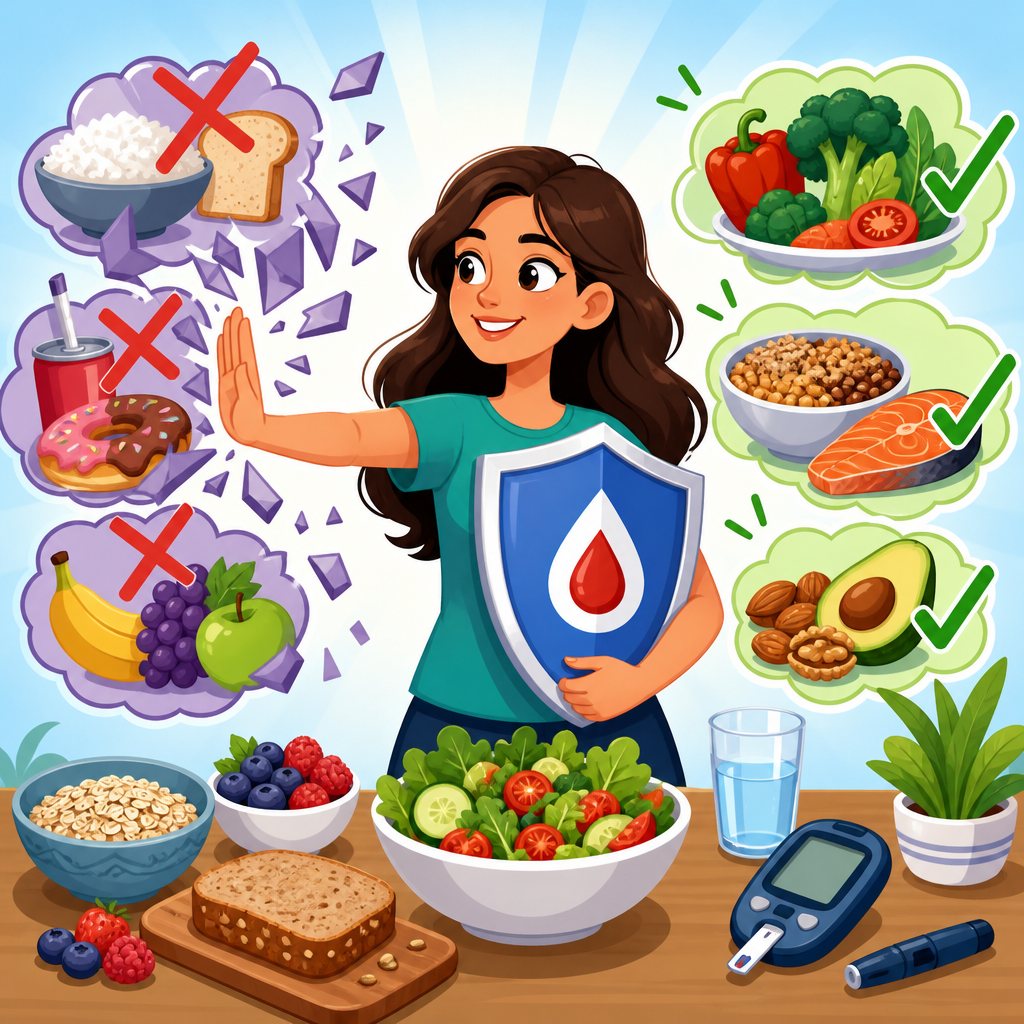
Foods for skin, hair, and nail health are not miracle cures, but they do provide the raw materials your body uses to build collagen, keratin, cell membranes, and the antioxidant defenses that help visible tissues stay resilient. Skin is the body’s largest organ, hair shafts are made primarily of keratin protein, and nails are compact layers of hardened keratin, so nutrition influences all three through structure, hydration balance, wound repair, circulation, and protection from oxidative stress. In practice, the best diet for stronger nails, healthier hair, and better skin is not a single “beauty food” plan. It is a pattern rich in protein, essential fats, vitamins, minerals, and colorful plant compounds, with enough total calories to support normal growth cycles. I have seen the difference this makes when reviewing food logs and symptom patterns: brittle nails, increased hair shedding, dull skin, and slow healing often improve only after diet quality, meal timing, and nutrient adequacy are addressed together.
That matters because visible changes in skin, hair, and nails are often early clues to low nutrient intake, restrictive dieting, gastrointestinal issues, or chronic inflammation. A person may spend heavily on topical products while missing basic deficiencies in iron, zinc, protein, or omega-3 fats. At the same time, it is important to be precise. Food can support normal tissue health, but it cannot fully override genetics, hormones, aging, medical conditions, or harsh chemical treatments. A well-built hub on foods for skin, hair, and nail health should therefore answer two core questions clearly: which nutrients matter most, and which foods provide them reliably in everyday meals? The sections below cover the essential building blocks, practical food choices, and realistic limits, so readers can make nutrition decisions that support appearance and underlying tissue health at the same time.
Protein, collagen support, and the structural nutrients that build visible tissues
If you want a direct answer to what foods help skin, hair, and nails most, start with adequate protein. Hair and nails are built from keratin, and skin depends on amino acids to maintain collagen, elastin, and normal barrier repair. When protein intake is too low, the body prioritizes critical organs over cosmetic tissues, so shedding, weak nails, and poor skin recovery can follow. Good choices include eggs, Greek yogurt, cottage cheese, fish, poultry, lean meat, tofu, tempeh, edamame, beans, lentils, and mixed nuts and seeds. Eggs are especially useful because they provide complete protein plus biotin, selenium, and choline. Greek yogurt adds protein along with riboflavin and, when fortified, vitamin D.
Collagen powders receive attention, but whole foods still do most of the work. To make collagen, the body needs amino acids such as glycine and proline, plus vitamin C as a required cofactor for collagen synthesis. That means a meal pairing protein with produce is more effective than thinking about collagen in isolation. Chicken, fish, beef, soy foods, and legumes paired with strawberries, kiwi, citrus, bell peppers, broccoli, or tomatoes create the conditions for collagen formation. Bone broth contains some collagen-derived compounds, but it should not be viewed as a complete strategy because protein content varies and it lacks the broader nutrient density of balanced meals. In clinic-style nutrition planning, I treat protein adequacy and vitamin C intake as the foundation before considering specialty products.
Healthy fats, hydration, and barrier function for calmer, more resilient skin
Skin health depends heavily on lipids. The outer barrier uses fats to reduce water loss, defend against irritation, and maintain softness and flexibility. Diets that are chronically low in fat can contribute to dry, reactive skin, while diets rich in unsaturated fats tend to better support normal barrier function. Fatty fish such as salmon, sardines, trout, herring, and mackerel provide omega-3 fatty acids EPA and DHA, which are associated with balanced inflammatory signaling and healthier cell membranes. For people who do not eat fish, walnuts, chia seeds, flaxseeds, and hemp seeds provide ALA, a plant omega-3, though conversion to EPA and DHA is limited. Extra-virgin olive oil, avocado, almonds, and sunflower seeds contribute vitamin E and monounsaturated fats that support skin integrity.
Hydration is often oversimplified. Drinking water matters, but skin moisture is not determined by water intake alone. It also depends on barrier strength, climate, sodium balance, medications, and overall nutrition. Foods with high water content, including cucumbers, oranges, berries, melon, tomatoes, yogurt, and soups, can help meet fluid needs while adding vitamins and minerals. Electrolytes such as potassium from potatoes, bananas, beans, and leafy greens also help maintain normal fluid balance. A practical rule is to pair fluids with meals and include water-rich produce daily, rather than chasing large water targets without addressing diet quality. Well-hydrated tissue still needs fats, protein, and micronutrients to hold moisture effectively.
Vitamins and minerals linked to stronger hair, smoother skin, and less brittle nails
Several micronutrients consistently matter in foods for skin, hair, and nail health, but deficiencies are more important than megadoses. Vitamin C supports collagen synthesis and also functions as an antioxidant. Citrus fruit, kiwi, strawberries, guava, broccoli, Brussels sprouts, and red bell peppers are excellent sources. Vitamin A supports skin cell turnover and immune defense, but more is not always better; excess supplemental vitamin A can worsen hair loss and cause toxicity. Safer food sources include sweet potatoes, carrots, spinach, kale, and eggs. Vitamin E helps protect cell membranes from oxidative stress and is found in almonds, sunflower seeds, hazelnuts, avocado, and olive oil.
Minerals deserve equal attention. Iron deficiency is one of the most common nutrition-related contributors to fatigue, hair shedding, and pale skin, particularly in menstruating women, endurance athletes, and people with low meat intake. Heme iron from beef, lamb, dark poultry meat, and shellfish is absorbed more efficiently than nonheme iron from lentils, beans, tofu, spinach, and fortified cereals, but vitamin C improves plant-iron absorption. Zinc supports tissue repair, immune function, and protein synthesis; low intake can impair wound healing and affect hair and nails. Oysters are the richest food source, while beef, pumpkin seeds, chickpeas, yogurt, and cashews also contribute. Selenium, found in Brazil nuts, seafood, eggs, and whole grains, helps antioxidant enzymes work properly, though too much selenium from supplements can trigger hair and nail problems instead of fixing them.
| Nutrient | Why it matters | Best food sources | Common caution |
|---|---|---|---|
| Protein | Builds keratin, collagen, and repair enzymes | Eggs, fish, yogurt, poultry, tofu, beans | Low intake can worsen shedding and nail weakness |
| Vitamin C | Required for collagen synthesis | Bell peppers, citrus, kiwi, berries, broccoli | Needed regularly because the body stores little |
| Iron | Supports oxygen delivery and hair growth cycles | Red meat, lentils, tofu, shellfish, fortified grains | Deficiency is common; excess should not be self-treated |
| Zinc | Helps tissue repair and protein synthesis | Oysters, beef, pumpkin seeds, chickpeas | High-dose supplements can disrupt copper balance |
| Omega-3 fats | Support membranes and balanced inflammation | Salmon, sardines, trout, walnuts, chia | Plant forms convert poorly to EPA and DHA |
Best foods to prioritize in daily meals and how to combine them effectively
Building a diet around skin, hair, and nail health is easier when you think in meal patterns instead of isolated superfoods. A strong breakfast could be Greek yogurt topped with berries, pumpkin seeds, and walnuts, giving protein, vitamin C, zinc, and healthy fats. Lunch might be a salmon grain bowl with quinoa, spinach, cherry tomatoes, cucumber, and olive oil dressing, covering protein, omega-3 fats, vitamin E, folate, and hydration-supporting produce. Dinner could be lentil pasta with chicken or tofu, roasted red peppers, broccoli, and parmesan, which combines protein, iron, vitamin C, and calcium. Snacks such as boiled eggs, edamame, cottage cheese with fruit, hummus with bell peppers, or a handful of almonds add nutrient density without relying on supplements.
Certain foods deserve special mention because they repeatedly show up in effective meal plans. Oily fish support skin barrier function and may help people whose diets are heavy in processed fats. Eggs offer complete protein and micronutrients in a compact, affordable form. Beans and lentils provide protein, iron, copper, and polyphenols, especially useful in plant-forward diets. Berries and citrus supply vitamin C and antioxidants with relatively low energy density. Leafy greens contribute folate, carotenoids, magnesium, and vitamin K. Nuts and seeds bring vitamin E, selenium, zinc, and unsaturated fats. Sweet potatoes and carrots provide beta-carotene, which the body converts to vitamin A as needed. When readers ask me for the shortest version, I say this: eat enough protein, include colorful produce twice daily, use healthy fats consistently, and rotate iron- and zinc-rich foods through the week.
What gets in the way: restrictive dieting, ultra-processed patterns, and special considerations
The foods that harm skin, hair, and nail health are usually not a single ingredient but an overall pattern of undernourishment, high sugar exposure, low fiber intake, and frequent highly processed meals. Very low-calorie diets can push hair follicles from growth into shedding phases, often showing up two to three months after rapid weight loss. Extremely low-fat plans may worsen dryness. Diets built around refined snacks, sugary drinks, and fast food often crowd out the protein, minerals, and antioxidants needed for tissue maintenance. High alcohol intake can also affect hydration, sleep quality, liver function, and nutrient status, all of which influence appearance indirectly.
There are also medical and lifestyle factors that food alone cannot fix. Acne may be influenced by hormones, dairy tolerance, or high glycemic load in some people, but it is not simply caused by eating greasy foods. Hair loss can stem from thyroid disease, postpartum shifts, androgenetic alopecia, medications, autoimmune conditions, or iron deficiency, each requiring different evaluation. Nail changes may reflect fungal infection, trauma, psoriasis, anemia, or nutrient gaps. People following vegan diets, those with heavy menstrual losses, older adults with low appetite, and anyone with celiac disease, inflammatory bowel disease, or bariatric surgery history should be especially attentive to iron, zinc, vitamin B12, protein, and overall intake. If symptoms are significant, lab testing and clinical assessment are more useful than guessing or buying broad supplements.
Foods for skin, hair, and nail health work best when they are part of a consistent, balanced eating pattern rather than a short-term beauty reset. The key facts are straightforward: protein provides the structural base for keratin and collagen, vitamin C enables collagen formation, healthy fats strengthen the skin barrier, and minerals such as iron and zinc support growth, repair, and resilience. The most effective foods are not exotic. Fish, eggs, yogurt, legumes, leafy greens, berries, citrus, nuts, seeds, olive oil, sweet potatoes, and shellfish or other iron-rich options cover most of the essentials when eaten regularly. In real life, the best results come from combining these foods in complete meals and keeping intake adequate over time.
This subtopic hub should make one benefit clear: better nutrition supports not only how skin, hair, and nails look, but also how well they function as living tissues. Start with your next grocery list. Add a reliable protein to each meal, include one vitamin C-rich fruit or vegetable daily, swap in healthy fats, and review whether you are getting enough iron- and zinc-containing foods each week. If you have unexplained hair loss, brittle nails, or persistent skin issues, use nutrition as a foundation and seek medical guidance to rule out underlying causes. Better visible health starts with better nourishment, and the simplest improvements are often the ones worth repeating every day.
Frequently Asked Questions
What nutrients matter most for healthy skin, hair, and nails?
The most important nutrients are the ones your body uses to build and protect these tissues every day. Protein is at the top of the list because hair and nails are made largely from keratin, while skin depends on amino acids to support collagen, repair, and barrier function. Without enough protein from foods such as eggs, fish, dairy, beans, lentils, tofu, poultry, or lean meats, your body has fewer raw materials to maintain strong, resilient tissues.
Healthy fats are also essential, especially omega-3 fats and other unsaturated fats that support cell membranes and help the skin barrier hold onto moisture. Foods such as salmon, sardines, walnuts, chia seeds, flaxseeds, avocados, and olive oil can help support hydration balance from the inside. Vitamins and minerals matter too. Vitamin C helps your body make collagen and also works as an antioxidant. Zinc supports wound healing and tissue repair. Iron helps carry oxygen to cells, including those involved in hair growth. Biotin plays a role in keratin production, although true deficiency is uncommon. Vitamins A and E help support skin maintenance and antioxidant protection when consumed in balanced amounts from food.
In practical terms, the best approach is not chasing a single “beauty nutrient,” but eating a varied diet built around protein-rich foods, colorful fruits and vegetables, nuts, seeds, legumes, whole grains, and healthy fats. That pattern gives your body a wide range of nutrients needed for structure, circulation, repair, and defense against oxidative stress.
Are there specific foods that are especially helpful for skin, hair, and nail health?
Yes, but it is more accurate to think in terms of helpful food groups rather than miracle foods. Fatty fish such as salmon, trout, and sardines provide protein plus omega-3 fats, making them especially useful for supporting skin barrier health and overall tissue resilience. Eggs are another strong option because they supply protein and several vitamins and minerals involved in tissue maintenance. Greek yogurt, cottage cheese, and other protein-rich dairy foods can also contribute key building blocks for keratin and collagen-related processes.
Colorful produce is equally important. Citrus fruits, strawberries, kiwi, bell peppers, and broccoli are rich in vitamin C, which helps with collagen formation. Leafy greens, sweet potatoes, carrots, and squash provide carotenoids and other protective compounds that support skin health. Nuts and seeds, including almonds, sunflower seeds, pumpkin seeds, chia, and flax, contribute vitamin E, healthy fats, and minerals such as zinc and selenium. Legumes like lentils, chickpeas, and beans add protein, iron, and zinc, which can be especially valuable for people eating less meat.
Whole grains also deserve attention because they contribute B vitamins and minerals that support normal cell turnover and energy production. Hydrating foods such as cucumbers, oranges, tomatoes, and soups can complement overall fluid intake as well. The key idea is consistency: eating these foods regularly is more meaningful than relying on one food occasionally and expecting dramatic visible changes.
Can diet alone fix dry skin, brittle nails, or hair thinning?
Diet can make a real difference, but it is not the only factor, and it cannot solve every problem on its own. Dry skin may reflect low intake of healthy fats or poor hydration habits, but it can also be affected by weather, hot showers, harsh cleansers, eczema, aging, or certain medications. Brittle nails may improve when overall protein, iron, zinc, and calorie intake are adequate, yet frequent handwashing, chemical exposure, and repeated trauma also play a major role. Hair thinning can be influenced by nutrition, but hormones, stress, genetics, thyroid problems, recent illness, and postpartum changes are also common causes.
This is why it helps to view nutrition as foundational support rather than a guaranteed cure. Your body uses nutrients to maintain normal growth cycles, repair tissue, support circulation, and defend against oxidative stress. If your diet has been low in protein, iron, zinc, or other essentials, improving it may help over time. However, visible tissues change slowly. Hair grows in cycles, nails grow gradually from the nail matrix, and skin turnover takes time, so benefits usually appear over weeks to months, not overnight.
If symptoms are persistent, severe, or sudden, they are worth discussing with a healthcare professional. Ongoing hair shedding, spoon-shaped nails, cracks at the corners of the mouth, delayed wound healing, or unexplained rashes can sometimes point to deficiencies or medical conditions that need evaluation. A balanced diet is powerful, but it works best alongside good skin care, gentle hair and nail habits, stress management, sleep, and medical guidance when needed.
Do supplements help, or is food usually enough?
For most people, food should be the first strategy. Whole foods deliver nutrients in combinations your body is designed to use, along with fiber, phytonutrients, and healthy fats that supplements cannot fully replicate. If you eat a varied diet with enough protein, fruits, vegetables, legumes, nuts, seeds, whole grains, and healthy fats, you can often meet the nutritional needs that support skin, hair, and nails without relying on specialty pills or powders.
Supplements may be useful in certain situations, such as diagnosed iron deficiency, low vitamin D, restrictive eating patterns, poor appetite, malabsorption conditions, or other medically identified gaps. However, more is not always better. High-dose supplements can cause problems, and some are heavily marketed without strong evidence for people who are not deficient. For example, biotin is often promoted for hair and nails, but unless there is a true deficiency, its benefits may be limited. It can also interfere with some laboratory tests, which is an important safety issue. Excess vitamin A can be harmful and may even worsen hair problems in some cases.
The smartest approach is targeted supplementation based on personal need rather than marketing claims. If you suspect a deficiency, it is reasonable to talk with a healthcare professional or dietitian, especially if you have hair loss, brittle nails, poor wound healing, fatigue, or dietary restrictions. In most cases, a food-first approach remains the most reliable and sustainable foundation.
What does a balanced daily eating pattern look like if I want to support skin, hair, and nail health?
A practical daily pattern starts with making sure each meal contains a source of protein. Breakfast might include eggs with whole-grain toast and fruit, or Greek yogurt with berries, chia seeds, and nuts. Lunch could be a grain bowl with salmon or tofu, leafy greens, colorful vegetables, olive oil, and beans. Dinner might center on chicken, lentils, or fish with roasted vegetables and brown rice or quinoa. Snacks can also contribute, such as cottage cheese, hummus with peppers, a handful of almonds, or fruit with pumpkin seeds.
This kind of eating pattern works because it repeatedly supplies the nutrients your body uses for tissue structure and maintenance. Protein provides amino acids for keratin and collagen-related processes. Fruits and vegetables add vitamin C and antioxidants that help defend skin and support repair. Nuts, seeds, avocado, olive oil, and fish provide fats that help maintain cell membranes and support moisture balance. Iron-rich foods such as legumes, lean red meat, spinach, and fortified grains can support oxygen delivery, while zinc from seafood, meat, dairy, legumes, nuts, and seeds supports normal healing and growth.
Hydration and overall energy intake matter too. If you undereat chronically, your body may prioritize essential functions over visible tissues such as hair and nails. Drinking enough fluids, eating regularly, and avoiding extremely restrictive diets can help support normal growth and resilience. In short, the best “beauty nutrition” plan is not extreme or trendy. It is a steady, balanced pattern that gives your body enough protein, healthy fats, vitamins, minerals, and calories to maintain skin, hair, and nails over time.