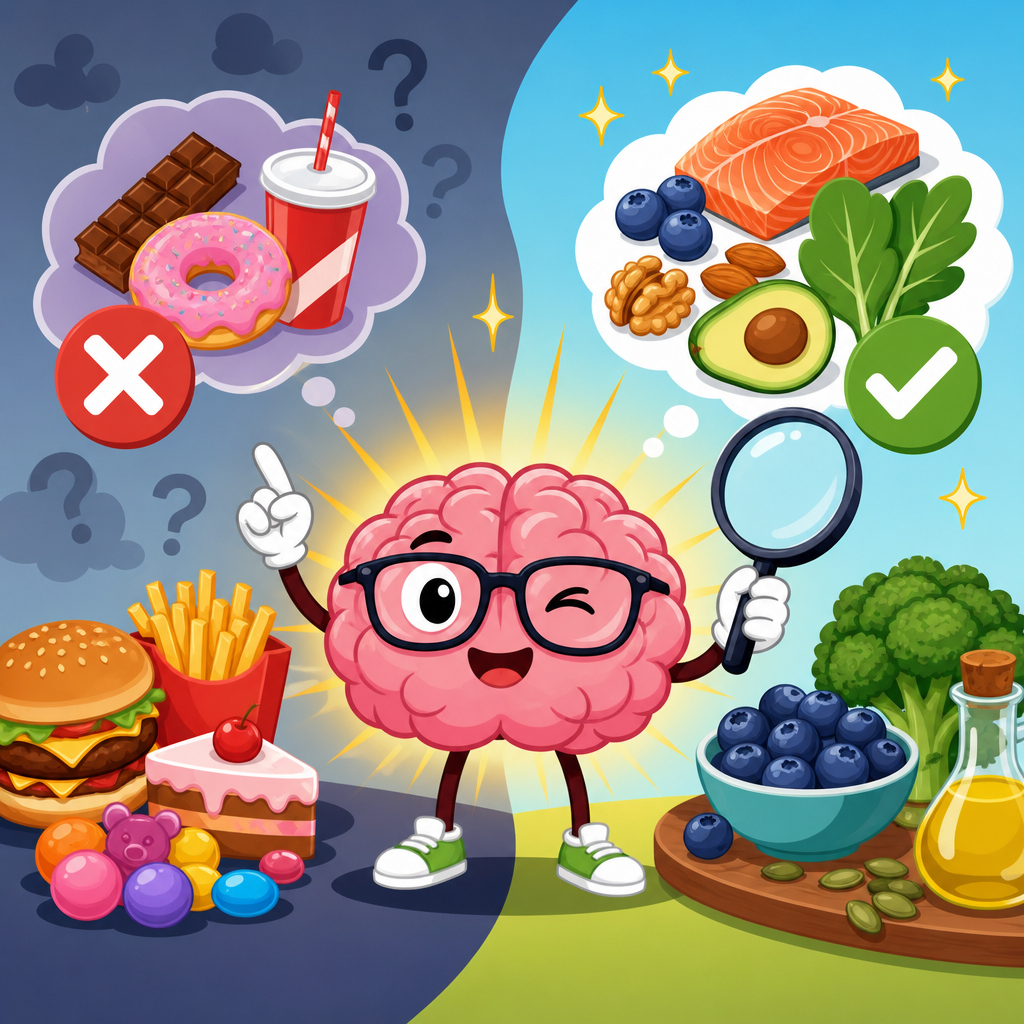
Brain-boosting foods for cognitive function attract enormous attention because people want sharper memory, better focus, steadier mood, and long-term protection against decline. The phrase sounds simple, but it covers several different ideas: nutrients that support normal brain structure, eating patterns linked to better cognitive performance, and foods that may reduce risk factors that harm the brain over time. In practice, cognitive function includes attention, processing speed, executive function, learning, memory, and mental stamina. No single blueberry, supplement shot, or trendy powder can upgrade all of those systems overnight.
After years of reviewing nutrition research and helping clients translate it into practical meals, I have seen the same pattern repeatedly: marketing turns partial truths into sweeping promises. A food may contain omega-3 fats, flavonoids, choline, magnesium, or B vitamins, yet that does not mean it works like a prescription stimulant or prevents dementia on its own. The brain is metabolically demanding, highly vascular, and deeply affected by sleep, exercise, blood sugar regulation, blood pressure, and overall dietary quality. That is why a serious discussion of brain-boosting foods for cognitive function has to separate myth from mechanism.
This matters because misleading advice wastes money and distracts from habits that actually support brain health. The strongest evidence favors dietary patterns such as the Mediterranean diet and MIND diet, which emphasize vegetables, fruit, legumes, whole grains, nuts, fish, olive oil, and limited ultra-processed foods. Specific foods can contribute meaningful nutrients, but they work within a larger system. Understanding what foods can realistically do helps readers make better choices, identify inflated claims, and build a nutrition strategy that supports both immediate mental performance and long-term cognitive resilience.
Myth 1: One “superfood” can dramatically boost cognition on its own
The most common myth is that one food can act as a stand-alone brain enhancer. You see this with blueberries, walnuts, salmon, avocado, dark chocolate, turmeric, eggs, and green tea. These foods can absolutely belong in a brain-supportive diet. Blueberries provide anthocyanins, salmon provides DHA and EPA, eggs provide choline, and leafy greens provide folate, vitamin K, lutein, and nitrates. But the human brain does not respond to isolated foods the way social media headlines suggest.
In real-world nutrition practice, isolated “superfood” thinking usually fails because diet quality is cumulative. A person who adds walnuts to a breakfast of sugary cereal and energy drinks does not erase the effects of poor sleep, erratic meals, or a high intake of ultra-processed foods. Research on cognition consistently points toward patterns, not miracle ingredients. The MIND diet, developed from Mediterranean and DASH principles, links regular intake of berries, leafy greens, beans, nuts, olive oil, and fish with better cognitive aging. The key point is combination and consistency, not dietary hero worship.
If you want a practical rule, think contribution instead of transformation. A serving of salmon contributes omega-3 fats needed for neuronal membranes. A cup of spinach contributes folate and carotenoids. Extra-virgin olive oil contributes monounsaturated fats and polyphenols. Those benefits add up when repeated over months and years. They do not create instant brilliance after one meal.
Myth 2: Memory foods work immediately like a mental performance switch
Another myth is that brain-boosting foods for cognitive function create a near-instant jump in memory or concentration. This confusion often comes from conflating normal fueling with true cognitive enhancement. If someone skips lunch, then eats a balanced meal and feels more alert, that is not a magical nootropic effect. It is the predictable result of restoring blood glucose, hydration, and energy availability.
The brain uses a substantial share of the body’s glucose at rest, but more is not automatically better. What helps most is stability. Meals that combine protein, fiber-rich carbohydrates, and healthy fats usually support steadier energy than refined snacks that spike and crash blood sugar. I often recommend simple combinations such as Greek yogurt with berries and walnuts, oatmeal with chia and pumpkin seeds, or hummus with whole-grain crackers and vegetables for people who complain of afternoon brain fog. The improvement is often noticeable, but it reflects stable fueling rather than a dramatic intelligence boost.
Caffeine is the best example of a food component with an acute effect. Coffee and tea can increase alertness and reduce fatigue by blocking adenosine receptors. That is real, measurable, and useful. But even caffeine has limits: too much can increase anxiety, disrupt sleep, and worsen concentration in sensitive people. Any short-term food effect must be judged against the next 24 hours, not only the next 24 minutes.
Myth 3: Supplements are always stronger than whole foods
People often assume a pill is more potent than food because it looks concentrated and clinical. For brain health, that assumption is frequently wrong. Whole foods deliver nutrients in a matrix that includes fiber, fats, polyphenols, and minerals that affect absorption and metabolism. Fish does not only supply omega-3s; it also provides protein, selenium, iodine, and in some cases vitamin D. Nuts provide vitamin E, magnesium, arginine, and plant compounds together. Foods also displace less helpful options, which matters more than many supplement ads admit.
That does not mean supplements have no place. They may be appropriate when a deficiency, restriction, life stage, or medical condition justifies them. Vitamin B12 is critical for people with pernicious anemia or certain vegan diets without fortified foods. DHA supplements may be considered by people who do not eat fish. Iron should be used only when deficiency is confirmed, because unnecessary iron is not benign. The point is precision. Supplementing without a clear need is not the same as improving cognitive nutrition.
| Food or nutrient source | Main brain-relevant components | What the evidence supports | Common myth to avoid |
|---|---|---|---|
| Fatty fish | DHA, EPA, vitamin D, selenium | Supports overall brain health as part of regular dietary patterns | One salmon dinner will sharpen memory immediately |
| Berries | Anthocyanins, vitamin C, fiber | May support healthy aging when eaten consistently | Berries can reverse cognitive decline alone |
| Leafy greens | Folate, vitamin K, lutein, nitrates | Associated with better long-term cognitive outcomes | Greens act like a stimulant for focus |
| Eggs | Choline, protein, B vitamins | Help meet nutrient needs important for neurotransmission | More eggs always means better memory |
| Coffee and tea | Caffeine, polyphenols | Can improve alertness acutely in many adults | More caffeine always improves cognition |
Myth 4: Carbohydrates are bad for the brain
This myth became popular as low-carbohydrate messaging spread into every health topic. The brain can use ketones under certain conditions, but in everyday eating, carbohydrates are not the enemy of cognition. The more accurate distinction is between minimally processed, fiber-rich carbohydrates and heavily refined carbohydrates. Oats, beans, lentils, fruit, and whole grains generally support steadier glucose delivery than pastries, sweetened beverages, or candy.
Several of the most brain-supportive foods are carbohydrate-containing foods: berries, oranges, beans, quinoa, oats, and vegetables. They also bring fiber, antioxidants, and micronutrients that help vascular health and metabolic control, both of which strongly influence cognition. Chronic hyperglycemia and insulin resistance are linked with worse cognitive outcomes, but avoiding all carbohydrates is not the solution for most people. Better carbohydrate quality, portion awareness, and meal composition are usually more effective and sustainable.
In practice, many people feel mentally better when they replace refined snacks with mixed meals. A lunch of lentil soup, whole-grain bread, olive oil, and salad generally produces more stable afternoon focus than a white bagel and sweet coffee drink. The difference is not anti-carb versus pro-carb. It is high-quality fuel versus rapidly digested, low-satiety intake.
Myth 5: Sugar is the brain’s favorite fuel, so more sugar helps thinking
This myth takes a true statement and distorts it. Yes, the brain uses glucose. No, that does not mean sugary foods improve cognitive function. The body tightly regulates blood glucose, and high-sugar foods can create quick rises followed by drops that leave people tired, distracted, and hungry again. Frequent intake of sugar-sweetened beverages and ultra-processed snacks also contributes to weight gain, poor cardiometabolic health, and inflammation, all of which work against long-term brain health.
For students, professionals, and older adults, the better strategy is steady delivery of energy. Breakfasts with protein and fiber tend to outperform sugary options in how people feel later. Think eggs with whole-grain toast and fruit, or unsweetened oatmeal with milk, nuts, and berries. During long work blocks, fruit with nut butter, cottage cheese, or roasted chickpeas usually sustains concentration better than candy or energy drinks. When people say they need sugar to think, they often need a balanced meal, hydration, a break, or sleep.
Myth 6: More antioxidants always means better brain protection
Antioxidants are important because oxidative stress affects aging tissues, including the brain. However, “more” is not automatically better, especially when the claim comes from exotic powders or megadose supplements. Foods rich in antioxidants, such as berries, cocoa, herbs, spices, vegetables, and extra-virgin olive oil, are useful partly because they come bundled with other beneficial compounds and because they replace less nutritious choices. The evidence is much stronger for diets rich in plant foods than for chasing extreme antioxidant scores.
I have seen shoppers spend heavily on açai packets, mushroom blends, or imported powders while neglecting basics like frozen berries, beans, spinach, and canned sardines. That is backwards. Everyday foods have the strongest practical case because people can eat them consistently. Polyphenols may support vascular function and reduce oxidative stress, but they do not excuse smoking, sleep deprivation, hypertension, or a heavily processed diet. For cognitive protection, the boring answer often wins: regular intake of varied plant foods is more valuable than a fashionable concentrate.
Myth 7: Brain food matters only for older adults worried about dementia
Brain-supportive nutrition matters across the lifespan. Children and adolescents need adequate iron, iodine, protein, omega-3 fats, zinc, and overall energy for learning and development. Adults in demanding jobs benefit from meals that stabilize energy and support mood and concentration. Athletes, shift workers, and new parents often notice cognitive strain first through fatigue, forgetfulness, and reduced focus. Older adults have additional concerns such as reduced appetite, medication interactions, and higher risk of B12 deficiency, but they are not the only group who should care.
Pregnancy is another critical example. Choline, iodine, folate, and DHA are important for fetal brain development, yet many people are unaware of food sources and prenatal considerations. Eggs, dairy, seafood choices aligned with safety guidance, legumes, and fortified foods all matter here. Meanwhile, midlife cardiovascular health has a major influence on later cognitive outcomes. Blood pressure, blood lipids, and blood sugar management are not separate from brain nutrition; they are central to it.
How to build a realistic brain-supportive eating pattern
If the myths are stripped away, the practical approach is straightforward. Base meals on vegetables, fruit, legumes, whole grains, nuts, seeds, olive oil, and regular seafood if you eat it. Include reliable protein at each meal. Use dairy or fortified alternatives when appropriate. Limit ultra-processed foods that crowd out nutrient-dense options. Hydrate consistently. Keep caffeine moderate and timed so it does not damage sleep. These habits support attention today and brain health over the long run.
For a simple weekly framework, aim for leafy greens several times per week, berries a few times per week, beans or lentils multiple times, nuts most days, fish one to two times weekly, and olive oil as a main added fat. Add eggs, yogurt, tofu, or lean poultry according to your preferences. If you want to explore this hub topic further, the natural next steps are detailed guides on omega-3-rich foods, the best breakfasts for focus, hydration and mental performance, and how the Mediterranean and MIND patterns compare in daily meal planning.
Common myths about brain-boosting foods for cognitive function persist because they are simple, marketable, and emotionally appealing. The truth is more useful. No single food will transform memory overnight, supplements are not automatically superior to whole foods, and sugar is not a shortcut to clearer thinking. What works best is a consistent dietary pattern built from nutrient-dense foods that support vascular health, stable energy, and adequate intake of brain-relevant nutrients such as omega-3 fats, choline, folate, B12, magnesium, and polyphenols.
The main benefit of understanding these myths is better decision-making. You can stop chasing miracle foods and start building meals that actually support focus, mood, and cognitive resilience. Start with one change this week: add fish, beans, berries, leafy greens, or nuts to meals you already eat, and use that habit as the foundation for a stronger brain-healthy diet.
Frequently Asked Questions
1. Is there really such a thing as a single “brain food” that can dramatically improve cognitive function?
No single food can instantly transform memory, focus, or overall cognitive performance. One of the most common myths about brain-boosting foods for cognitive function is that there is a magic ingredient that works like a shortcut to better thinking. In reality, the brain depends on a steady supply of many nutrients, including healthy fats, protein, vitamins, minerals, and antioxidants, all working together over time. Cognitive function is also influenced by sleep, physical activity, stress levels, metabolic health, hydration, and age.
Foods often described as “brain healthy,” such as fatty fish, berries, leafy greens, nuts, seeds, eggs, beans, and whole grains, can absolutely support normal brain function. However, they do so as part of an overall eating pattern, not as isolated miracle fixes. These foods may help support attention, processing speed, mood regulation, and long-term brain health because they contribute nutrients involved in nerve signaling, blood flow, inflammation control, and cell membrane integrity.
The most evidence-supported takeaway is that consistent dietary habits matter far more than occasional superfood choices. Rather than asking which one food will make you smarter, it is more accurate to ask which eating pattern best supports the brain over months and years. In that sense, the myth is not that food matters, but that one food can do everything on its own.
2. Can supplements or fortified foods replace a healthy diet for better memory and focus?
Usually, no. Supplements and fortified products are often marketed as faster or more powerful solutions than whole foods, but that idea is oversimplified. While certain supplements may be useful in cases of diagnosed deficiency or specific medical need, they do not automatically recreate the full benefit of a balanced diet. Whole foods contain complex combinations of nutrients, fiber, plant compounds, and fats that interact in ways isolated pills or powdered blends often cannot fully match.
For example, omega-3 fats, B vitamins, vitamin E, magnesium, and choline are all linked in different ways to brain health, but getting them from a varied diet may provide broader benefits than relying on a single supplement. A person who eats fish, vegetables, legumes, nuts, dairy or eggs, and whole grains is not just getting one nutrient at a time. They are building a nutritional environment that supports blood vessels, energy metabolism, neurotransmitter production, and normal brain cell function.
That said, supplements are not useless. They can be appropriate when a healthcare professional identifies a real gap, such as low vitamin B12, vitamin D deficiency, or inadequate omega-3 intake. The myth to debunk is the belief that capsules can compensate for poor eating habits across the board. For most people, supplements work best as targeted support, not as a substitute for an overall brain-supportive diet.
3. Do sugary snacks actually help the brain work better because the brain runs on glucose?
This myth contains a small grain of truth but leads to a misleading conclusion. Yes, the brain uses glucose for energy, but that does not mean sugary foods are the best way to improve cognitive function. The body is designed to maintain blood glucose within a healthy range, and it can obtain that glucose from many carbohydrate-containing foods, especially more stable, nutrient-dense choices like oats, beans, fruit, yogurt, and whole grains.
Highly sugary snacks and drinks can cause rapid spikes and drops in blood sugar in some people, which may temporarily affect energy and concentration. A quick burst of alertness is not the same as sustained mental performance. In fact, when meals are built around refined sugars and low-fiber processed foods, people may experience more fluctuations in mood, focus, and appetite. Over the long term, poor blood sugar control is also associated with health problems that can negatively affect the brain and blood vessels.
A better strategy for steady focus is to eat balanced meals and snacks that combine complex carbohydrates with protein, fiber, and healthy fats. For example, fruit with nuts, whole grain toast with eggs, or yogurt with seeds can provide more stable energy than candy or sweetened beverages. So while the brain certainly needs fuel, the idea that more sugar equals better thinking is one of the most persistent and least helpful myths.
4. Are expensive “superfoods” necessary for protecting the brain as you age?
No, expensive specialty foods are not required for brain health. This myth can make cognitive nutrition seem more complicated and less accessible than it really is. Many people assume they need imported powders, rare berries, designer drinks, or premium functional products to support memory and focus. In reality, the strongest evidence points toward everyday dietary habits that are practical and repeatable.
Common foods can provide many of the same broad nutritional benefits associated with healthy brain aging. Leafy greens offer folate and other micronutrients. Beans and lentils provide fiber and steady energy. Salmon, sardines, or trout provide omega-3 fats. Eggs supply choline. Berries, apples, citrus, and other fruits offer plant compounds and antioxidants. Walnuts, pumpkin seeds, olive oil, and whole grains also fit well into a brain-supportive pattern. Even frozen or canned options can be useful when they make healthy eating easier and more affordable.
What matters most is not whether a food has a trendy label, but whether your overall diet consistently supports cardiovascular and metabolic health, because those systems are deeply connected to the brain. Good blood flow, stable blood sugar, lower chronic inflammation, and adequate nutrient intake all help create conditions that support cognitive function over time. In other words, a simple, balanced grocery list often does more for the brain than an expensive cabinet full of marketed “superfoods.”
5. If a food is good for the brain, does eating more of it lead to even better cognitive performance?
Not necessarily. Another common myth is that if a nutrient or food has some benefit, then consuming large amounts must produce bigger results. Nutrition rarely works that way. The brain needs balance, not megadoses of any one food. Overemphasizing a single item can crowd out other important nutrients and create a less balanced diet overall.
For example, fatty fish can be a valuable source of omega-3 fats, but that does not mean every meal should revolve around it. Nuts and seeds are nutrient dense, but portion size still matters because they are also calorie dense. Caffeine-containing foods and drinks may improve alertness in some cases, yet too much can interfere with sleep, increase anxiety, and ultimately make focus worse. Even foods widely considered healthy do not cancel out the need for variety, moderation, and consistency.
The better approach is to think in terms of patterns instead of extremes. A diet that regularly includes vegetables, fruit, legumes, whole grains, healthy fats, and quality protein is more realistic and more strongly supported by evidence than a diet built around excess amounts of one “smart food.” Cognitive function depends on a wide network of biological processes, so the goal is to nourish the whole system. More is not always better; better balance is usually the smarter strategy.