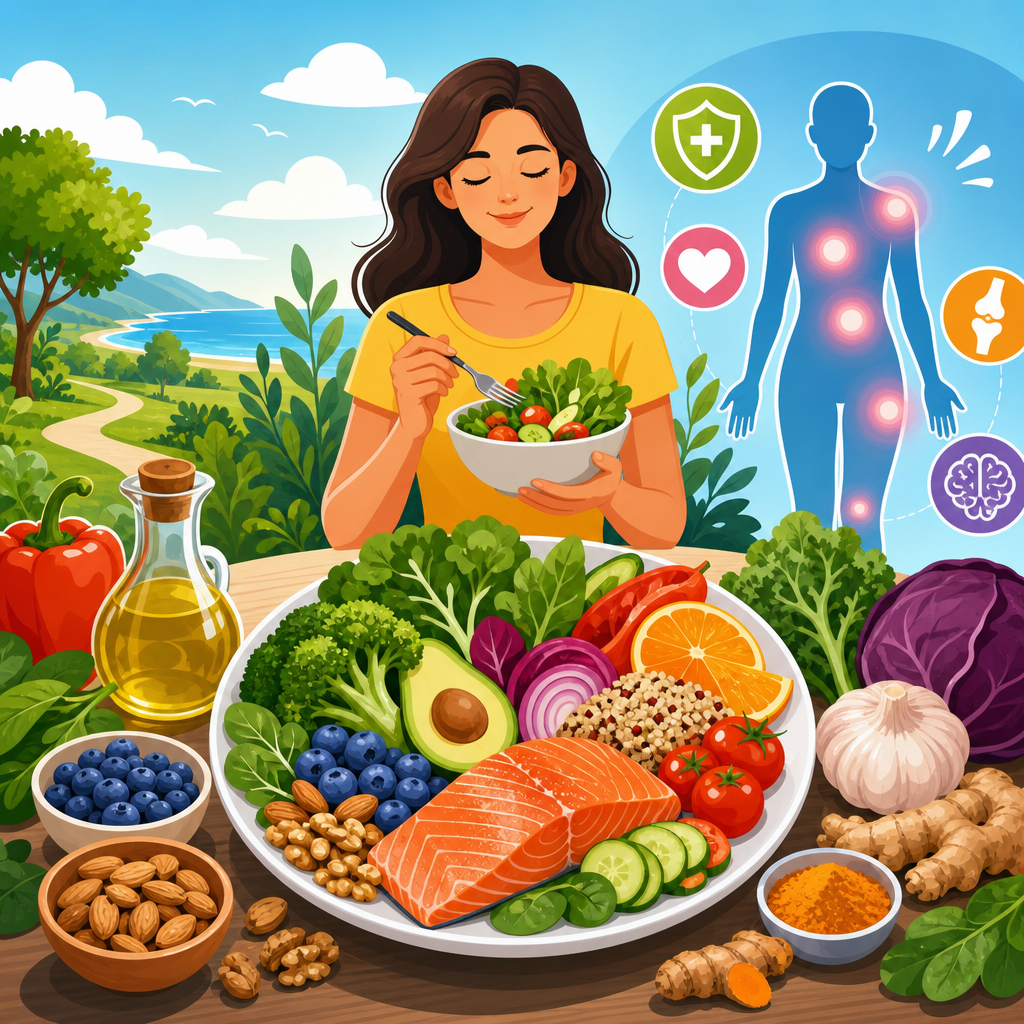
Strong bones and flexible joints are built in the kitchen as much as they are protected in the gym, and nutrition for strong bones and joints deserves a central place in any healthy diet. Bones are living tissue that constantly remodels through the work of osteoblasts, which build bone, and osteoclasts, which break it down. Joints are complex structures made of cartilage, synovial fluid, tendons, ligaments, and bone surfaces that must stay resilient under daily load. When people think about bone health, they often focus only on calcium, but long-term joint and skeletal strength depend on a wider network of nutrients, overall dietary patterns, body composition, and lifestyle habits. In practice, I have seen the biggest improvements come when people stop looking for one “bone superfood” and start building meals that consistently support mineral balance, protein intake, inflammation control, and healthy aging.
This matters because bone mass peaks in early adulthood, then gradually declines with age, especially after menopause when estrogen drops and bone resorption accelerates. Joint problems also become more common over time, whether from osteoarthritis, autoimmune disease, repetitive strain, injury history, or excess body weight. According to major public health organizations, osteoporosis and arthritis affect millions of adults worldwide and contribute to fractures, disability, chronic pain, and reduced independence. Nutrition cannot erase every risk, but it can meaningfully improve bone mineral density, preserve muscle that protects joints, support cartilage health, and lower the systemic inflammation that often worsens pain and stiffness. A healthy diet for bones and joints is therefore not a niche wellness trend. It is a practical, evidence-based strategy for maintaining mobility, strength, and quality of life across the lifespan.
Core nutrients that build and maintain bone strength
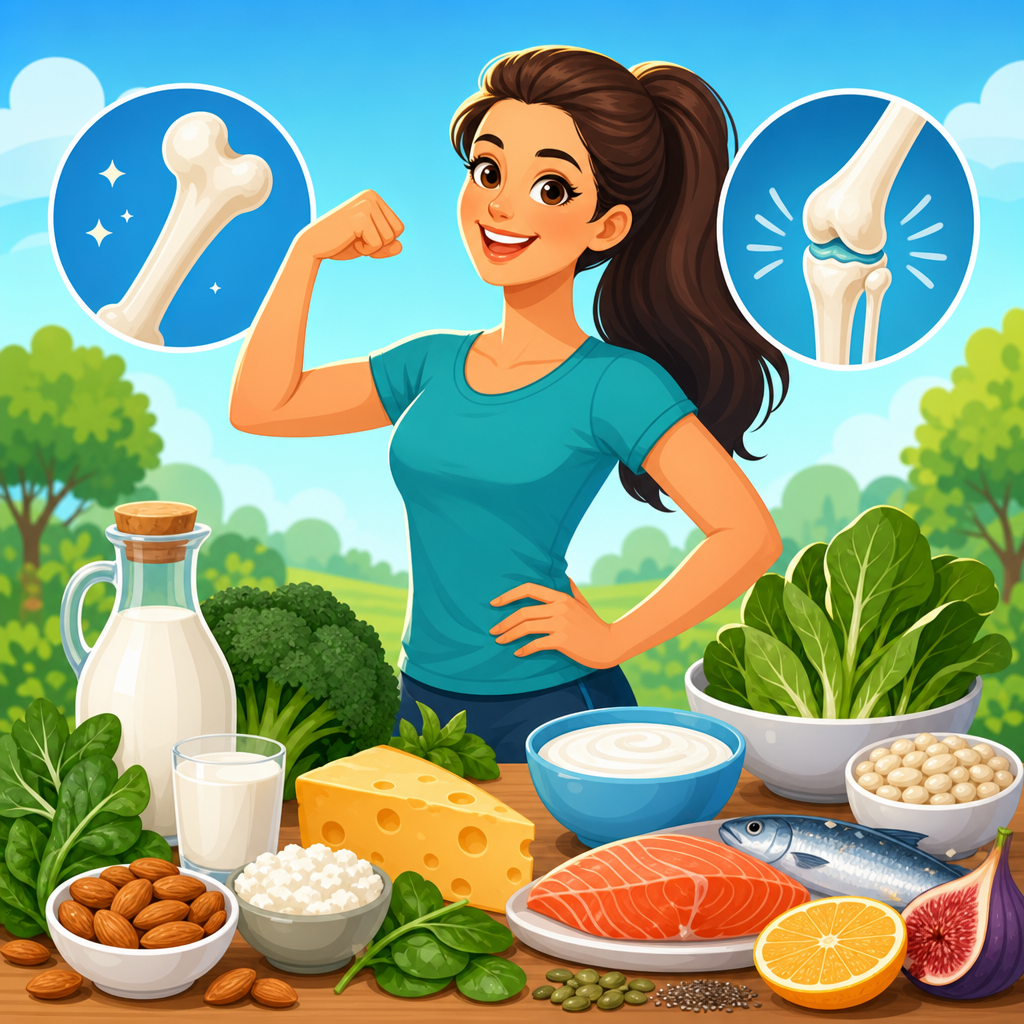
The foundation of nutrition for strong bones and joints begins with calcium, vitamin D, protein, magnesium, phosphorus, vitamin K, and trace minerals such as zinc, copper, and manganese. Calcium provides structural material for bones, but it cannot do its job well without vitamin D, which supports calcium absorption in the gut and helps regulate blood calcium levels. Adults generally need about 1,000 milligrams of calcium daily, with higher targets often recommended for older women and men over seventy. Dairy foods such as yogurt, milk, and cheese are reliable sources, but fortified plant milks, calcium-set tofu, canned salmon with bones, sardines, kale, and bok choy also contribute. Magnesium, found in nuts, seeds, legumes, whole grains, and leafy greens, supports bone architecture and vitamin D metabolism. Vitamin K, especially from spinach, kale, collards, and fermented foods, is involved in osteocalcin activation, which helps bind minerals into bone.
Protein is often underestimated in bone health discussions. Bone is not just mineral; roughly half of bone volume is protein matrix, mostly collagen, which gives bone flexibility and helps prevent brittleness. In older adults, inadequate protein intake can accelerate muscle loss and indirectly raise fracture risk by increasing falls. Good targets vary by age and medical status, but many adults benefit from distributing protein across meals rather than eating most of it at dinner. Eggs, Greek yogurt, fish, poultry, soy foods, beans, lentils, and lean meats all work. Phosphorus is usually easy to obtain from food, yet balance matters. Excess reliance on heavily processed foods and cola beverages may displace more nutrient-dense options. The broader lesson is that bones thrive when the diet is not only high in one nutrient, but consistently rich in whole foods that supply the entire remodeling system with what it needs.
How diet supports joint health, cartilage, and inflammation control
Joint health depends on more than preserving the bones around the joint. Cartilage must remain resilient, the synovial membrane must function well, and inflammation must stay under control. This is where omega-3 fatty acids, antioxidants, adequate hydration, and a generally anti-inflammatory eating pattern become especially useful. Fatty fish such as salmon, sardines, trout, and mackerel provide EPA and DHA, omega-3 fats that help regulate inflammatory pathways. In people with inflammatory joint conditions, these fats have been associated with reduced morning stiffness and joint tenderness. Colorful fruits and vegetables supply vitamin C, carotenoids, and polyphenols, which help neutralize oxidative stress that can contribute to tissue damage. Vitamin C also supports collagen synthesis, an essential process for cartilage, tendons, and ligaments.
Weight management is another direct nutrition issue for joints. Every extra pound of body weight increases mechanical load on weight-bearing joints, particularly the knees. Research often cites that walking can place forces of several times body weight across the knee joint, so modest weight loss can meaningfully reduce pain in osteoarthritis. In practice, this means the best diet for joint health is one a person can sustain, not a short restrictive plan. Patterns centered on vegetables, fruits, legumes, whole grains, olive oil, nuts, fish, and minimally processed proteins tend to help because they improve satiety, support metabolic health, and reduce chronic inflammation. By contrast, diets high in ultra-processed foods, added sugars, refined starches, and trans fats may worsen inflammatory markers and make weight control harder, creating a double burden for joints already under stress.
Best foods for strong bones and joints in everyday meals
The strongest dietary pattern for bones and joints combines nutrient density with consistency. Dairy remains one of the simplest options because it delivers calcium, protein, potassium, and often vitamin D in one package. Yogurt is especially useful when tolerated because it is versatile and can contribute beneficial bacteria. For people who avoid dairy, fortified soy milk usually comes closest nutritionally to cow’s milk, while calcium-set tofu, edamame, tahini, almonds, beans, and dark leafy greens help round out intake. Canned salmon and sardines provide calcium if the bones are eaten, along with vitamin D and omega-3 fats. Eggs contribute protein and smaller amounts of vitamin D. Citrus fruit, berries, kiwi, bell peppers, and broccoli add vitamin C for collagen support. Prunes also deserve mention; several studies suggest regular prune intake may help preserve bone density in postmenopausal women.
Building meals around these foods does not have to be complicated. A breakfast of Greek yogurt with berries, chia seeds, and fortified oats supports protein, calcium, magnesium, and antioxidants. Lunch could be a salmon salad with kale, chickpeas, olive oil, and pumpkin seeds. Dinner might include tofu stir-fry with bok choy, mushrooms, and brown rice, or roasted chicken with broccoli and sweet potatoes. Snacks such as kefir, edamame, almonds, or hummus with peppers can fill nutrient gaps without relying on supplements. The key is repeated exposure to these foods over months and years. Bone remodeling is slow, and joint tissues respond to the cumulative effects of diet, body weight, activity, and inflammation. Daily habits matter more than isolated healthy meals.
| Food or nutrient source | Primary benefit for bones or joints | Practical example |
|---|---|---|
| Milk, yogurt, fortified soy milk | Calcium, protein, often vitamin D | Smoothie, breakfast bowl, latte |
| Salmon, sardines, trout | Omega-3 fats, protein, vitamin D | Salad, sandwich, grain bowl |
| Kale, bok choy, broccoli | Vitamin K, vitamin C, minerals | Stir-fry, soup, side dish |
| Beans, lentils, tofu | Protein, magnesium, plant compounds | Curry, stew, tacos, bowl meals |
| Nuts, seeds, olive oil | Healthy fats, magnesium, antioxidants | Snacks, dressings, toppings |
Life-stage nutrition needs and higher-risk groups
Bone and joint nutrition is not the same at every age. Childhood and adolescence are critical because this is when peak bone mass is built. Teenagers need adequate calcium, vitamin D, protein, and total energy, especially if they play sports. Restrictive eating during these years can leave lasting deficits. In adulthood, the goal shifts toward maintaining bone mass and protecting joint function through consistent intake, regular resistance training, and healthy body weight. Pregnancy and breastfeeding increase demands for several nutrients, and older age raises the stakes because absorption can decline, appetite may drop, and medication use becomes more common. Postmenopausal women face a sharp rise in bone loss because estrogen helps regulate bone turnover. Older men are also at risk, though the decline is often more gradual and less recognized.
Some groups require even closer attention. People following vegan diets can do very well, but they need a deliberate plan for calcium, vitamin D, protein, and sometimes vitamin B12. Individuals with celiac disease, inflammatory bowel disease, lactose intolerance, chronic kidney disease, or a history of eating disorders may have elevated risk of low bone density due to impaired absorption, dietary restriction, or altered mineral handling. Long-term corticosteroid use is another major concern because it can accelerate bone loss and affect muscle strength. Athletes in weight-class or aesthetic sports may also be vulnerable if low energy availability disrupts hormones and recovery. For these groups, food-first strategies are valuable, but laboratory assessment, bone density testing, and individualized medical nutrition advice are often warranted rather than guesswork.
Supplements, testing, and common mistakes to avoid
Supplements can help when diet, sun exposure, medical conditions, or life stage make adequacy difficult, but they are not harmless shortcuts. Calcium supplements may be useful for people who consistently fall short through food, yet large doses are unnecessary for many adults and can cause constipation or interact with medications. Most clinicians prefer splitting calcium doses because absorption is better in moderate amounts. Vitamin D supplementation is common, especially in regions with limited winter sunlight, darker skin pigmentation, indoor lifestyles, or older age. Blood testing for 25-hydroxyvitamin D can guide decisions in higher-risk individuals. Collagen peptides and glucosamine are popular for joints; some people report symptom relief, and evidence suggests modest benefit in select cases, but results are inconsistent and these products should not replace core diet and exercise habits.
The most common mistakes I see are narrow thinking and poor consistency. People buy a joint supplement while eating very little protein, or they take calcium tablets but never address vitamin D status, strength training, or body weight. Others remove entire food groups without replacing the nutrients they lose. Another frequent problem is under-eating. Low-calorie diets can impair bone turnover, reduce protein intake, and limit the vitamins and minerals needed for tissue repair. Excess alcohol and smoking also undermine skeletal health, while very high sodium intake may increase urinary calcium losses in some people. Caffeine is usually not a problem in moderate amounts if calcium intake is adequate, but sugary coffee drinks can displace more useful foods. Strong bones and joints come from an integrated plan, not a single product.
Nutrition habits that work best with exercise and daily routine
Food does its best work when paired with movement that signals the body to keep bones dense and joints functional. Weight-bearing exercise such as walking, stair climbing, dancing, and hiking helps maintain bone, while resistance training stimulates both bone and muscle. Muscle matters because stronger hips, thighs, and core reduce stress on joints and improve balance, lowering fall and fracture risk. From a nutrition standpoint, the goal is to support training adaptation and recovery. A protein-rich meal within a few hours after exercise, along with adequate total calories and carbohydrate for active people, helps preserve lean mass. Hydration is also relevant for joint comfort and overall function, even if water does not literally “lubricate” cartilage in the simplistic way often claimed.
Routine is what turns knowledge into results. Keeping calcium-rich foods visible, planning two servings of fatty fish weekly, adding leafy greens to lunches, and pairing snacks with protein are small systems that pay off over time. For older adults, breakfast is often an overlooked chance to add protein and calcium early in the day instead of trying to catch up at night. For busy families, sheet-pan meals, soups, and grain bowls make bone-healthy eating easier to repeat. The central principle is sustainability. If a person can follow the pattern during work stress, travel, and weekends, it is far more protective than a perfect plan used for two weeks. Nutrition for strong bones and joints is a long game, and the winners are the people who make supportive choices automatic.
The role of nutrition for strong bones and joints in a healthy diet is both foundational and practical. Bones need calcium, vitamin D, protein, magnesium, vitamin K, and trace minerals to remodel properly, while joints benefit from omega-3 fats, antioxidants, hydration, and body weight control. No single food or supplement can replace a balanced pattern built from dairy or fortified alternatives, fish, legumes, fruits, vegetables, nuts, seeds, and whole grains. Life stage, medical history, and medication use all influence needs, which is why individualized planning matters for higher-risk groups. Just as important, food works best alongside resistance training, weight-bearing activity, sleep, and avoidance of smoking.
If you want a durable strategy for mobility and healthy aging, start with your next week of meals rather than your next supplement purchase. Review whether you are consistently getting enough calcium-rich foods, protein at each meal, leafy greens, and omega-3 sources. If you have joint pain, fracture history, digestive disease, or concerns about osteoporosis, speak with a registered dietitian or physician and consider appropriate testing. Small, repeated choices create stronger bones, steadier joints, and more confident movement over time. Use this hub as your starting point, then build a diet that protects the body you rely on every day.
Frequently Asked Questions
Why is nutrition so important for strong bones and healthy joints?
Nutrition is fundamental because bones and joints are living, dynamic tissues that depend on a steady supply of nutrients to repair, rebuild, and stay resilient. Bone is not a static structure. It is constantly being remodeled through the activity of osteoblasts, which build new bone, and osteoclasts, which break down older bone. That process requires raw materials such as calcium, phosphorus, magnesium, protein, and vitamin D, along with a range of supporting nutrients that help regulate absorption and bone metabolism. Without the right nutritional support, the body may struggle to maintain bone density over time, especially during aging, periods of hormonal change, or inactivity.
Joints also rely heavily on diet, though in a slightly different way. Healthy joints are made up of cartilage, synovial fluid, tendons, ligaments, and the bone surfaces that meet during movement. These tissues need adequate protein for maintenance, vitamin C for collagen formation, and healthy fats to support a balanced inflammatory response. While food alone cannot guarantee freedom from joint pain or prevent every musculoskeletal condition, it can strongly influence how well the body preserves connective tissue, manages wear and tear, and responds to stress. In practical terms, a healthy diet gives your bones the structure they need and your joints the support they need to move comfortably and efficiently.
What nutrients are most important for bone strength and joint support?
Several nutrients work together to protect bone density and support joint function, and it is best to think of them as a team rather than isolated players. Calcium is the best-known mineral for bone health because it provides much of the structural material in bones and teeth. Vitamin D is equally important because it helps the body absorb calcium effectively and supports normal bone remodeling. Magnesium contributes to bone structure and helps regulate vitamin D activity, while phosphorus is another major component of bone tissue. Vitamin K also plays a valuable role by helping activate proteins involved in bone mineralization.
For joints, protein is especially important because it supports the maintenance and repair of cartilage, tendons, ligaments, and surrounding muscle. Vitamin C is essential for collagen synthesis, which matters for both joint tissues and the bone matrix itself. Omega-3 fatty acids, found in foods such as fatty fish, walnuts, and flaxseeds, may help support joint comfort by promoting a healthier inflammatory balance. Antioxidants from fruits and vegetables, including polyphenols and carotenoids, can also help protect tissues from oxidative stress. Rather than focusing on one “miracle” nutrient, the strongest approach is to eat a varied, nutrient-dense diet that includes dairy or fortified alternatives, leafy greens, beans, nuts, seeds, fish, eggs, fruits, vegetables, and quality protein sources throughout the day.
Which foods should be included in a healthy diet for bones and joints?
A bone- and joint-friendly diet should include a broad range of whole foods that provide minerals, vitamins, protein, and anti-inflammatory compounds. Dairy products such as yogurt, milk, and cheese are classic choices because they supply calcium, protein, and often vitamin D when fortified. If you do not eat dairy, fortified plant milks, calcium-set tofu, edamame, sesame seeds, almonds, and leafy greens like kale and bok choy can help contribute to calcium intake. Fatty fish such as salmon, sardines, and mackerel are especially useful because they provide protein, omega-3 fats, and in some cases vitamin D and calcium if the soft bones are eaten.
For joint support, colorful produce is a smart priority. Berries, citrus fruits, bell peppers, tomatoes, carrots, spinach, and cruciferous vegetables provide vitamin C and antioxidants that help support collagen and protect connective tissues. Legumes, eggs, poultry, lean meats, and fish help meet protein needs that are essential for both muscle and joint integrity. Nuts, seeds, olive oil, and avocados contribute healthy fats that support overall tissue health. Whole grains and beans can also provide magnesium and other trace minerals. One of the most effective dietary patterns for bones and joints is a balanced, minimally processed eating style that resembles the Mediterranean diet: plenty of vegetables and fruits, regular seafood, beans, olive oil, nuts, and adequate protein, with limited ultra-processed foods, excess sodium, and sugary drinks.
Can diet help reduce the risk of osteoporosis and joint problems as you age?
Yes, diet can play a major preventive role, especially when it is paired with weight-bearing exercise, resistance training, and other healthy lifestyle habits. Osteoporosis develops gradually as bone mass declines and bone structure becomes more fragile, often without obvious symptoms until a fracture occurs. Consistently meeting needs for calcium, vitamin D, protein, magnesium, and vitamin K can help support better bone maintenance across the lifespan. This matters not only in older adulthood but also in childhood, adolescence, and early adulthood, when peak bone mass is being built. The more bone strength a person develops earlier in life, the better the reserve tends to be later on.
Diet can also influence joint health by affecting body weight, inflammation, and tissue repair. Carrying excess body weight increases mechanical stress on weight-bearing joints such as the knees, hips, and lower back. At the same time, diets high in heavily processed foods, added sugars, and unhealthy fats may contribute to a more inflammatory internal environment that can make joint discomfort harder to manage. A nutrient-rich diet that supports a healthy weight, provides enough protein, and emphasizes anti-inflammatory foods may help preserve mobility and reduce strain over time. While no eating plan can fully eliminate age-related changes, good nutrition can significantly improve the odds of maintaining stronger bones, better function, and greater comfort as the years go on.
Are supplements necessary for strong bones and flexible joints?
Supplements can be useful in some situations, but they are not automatically necessary for everyone and should not replace a solid dietary foundation. Many people can meet a large portion of their needs through food, especially when they eat a varied diet and spend appropriate time supporting vitamin D status through safe sun exposure or fortified foods. That said, supplements may be appropriate for individuals with limited dietary intake, low vitamin D levels, lactose intolerance, vegan diets, malabsorption conditions, osteoporosis risk, or increased needs due to aging or medical factors. Calcium and vitamin D are the most common supplements discussed for bone health, but the correct dose depends on total intake, health status, and professional guidance.
For joints, supplements such as omega-3s, collagen peptides, glucosamine, or chondroitin are often marketed aggressively, but results vary from person to person and the evidence is mixed depending on the product and condition. Some people may find certain supplements helpful as part of a broader strategy, but they work best when paired with good nutrition, exercise, sleep, and weight management. It is also important not to assume that more is better. Excessive calcium supplementation, for example, may not be appropriate for everyone, and high-dose supplements can sometimes interact with medications or medical conditions. The most responsible approach is to build your routine around whole foods first, then use supplements selectively when a real need exists and ideally with advice from a healthcare professional.