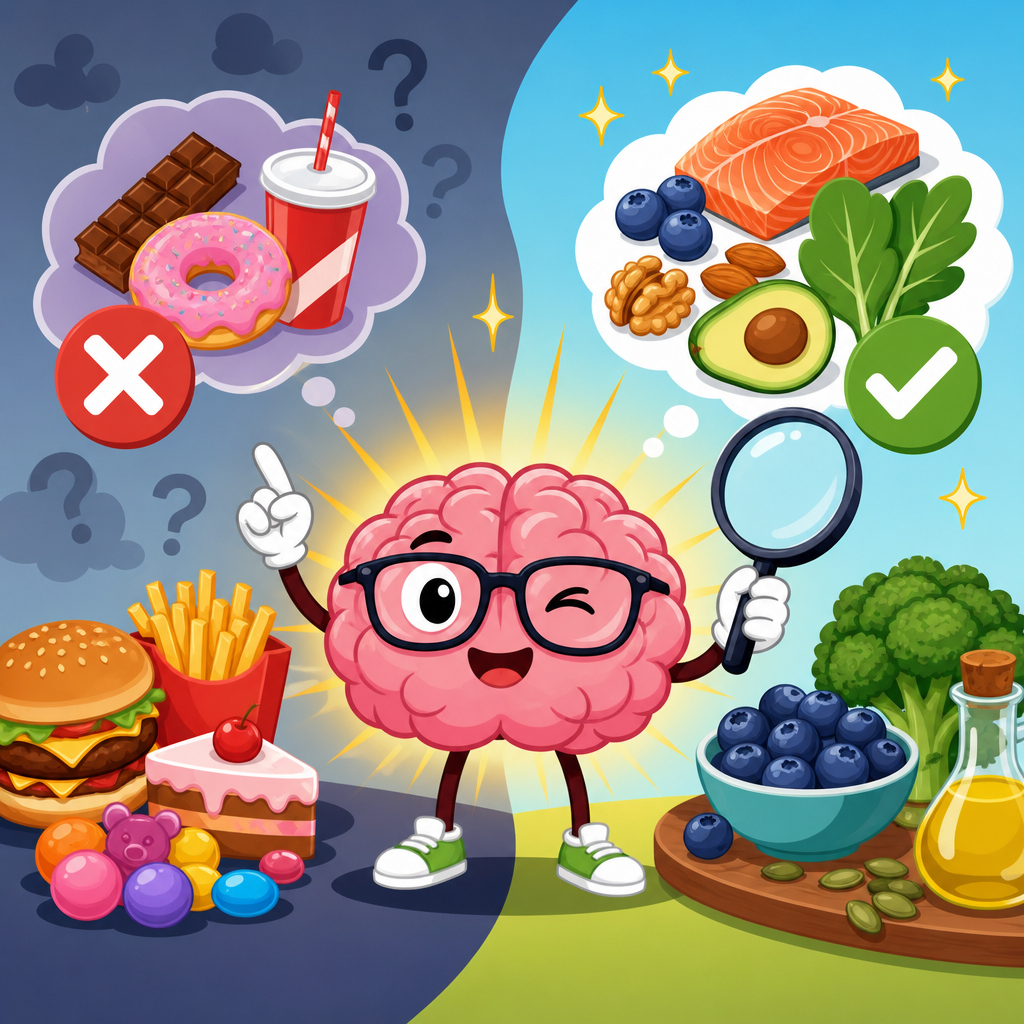
Nutrition for heart health shapes far more than cholesterol numbers or blood pressure readings. It influences energy, mood, sleep, inflammation, brain function, metabolic stability, and long-term resilience against chronic disease. When people ask what to eat for a healthy heart, they are really asking how food affects the cardiovascular system and the rest of the body at the same time. Heart-healthy nutrition means eating in a way that supports blood vessels, heart muscle, circulation, and healthy levels of lipids, glucose, and sodium balance. In practice, that includes dietary patterns rich in vegetables, fruit, legumes, whole grains, nuts, seeds, seafood, and unsaturated fats, while limiting excess sodium, added sugars, trans fats, and heavily processed foods.
In clinical nutrition work, I have seen the same pattern repeatedly: when someone improves their heart-focused eating habits, they often report better concentration, steadier energy, easier weight management, and fewer digestive complaints before lab work even changes. That makes sense physiologically. The heart depends on healthy arteries, balanced fluid status, controlled inflammation, and efficient fuel use. Those same systems affect the brain, kidneys, muscles, and immune response. This is why nutrition for heart health matters at every age, not only after a diagnosis. It is a practical foundation for overall well-being, and it creates a hub from which more specific topics such as blood pressure nutrition, cholesterol-lowering foods, anti-inflammatory eating, and healthy weight strategies can be explored in depth.
What Heart-Healthy Nutrition Actually Means
Heart-healthy nutrition is not a single superfood or a rigid meal plan. It is a pattern supported by evidence from the Mediterranean diet, DASH eating plan, and guidance from organizations such as the American Heart Association. The core goal is to reduce atherosclerotic risk, support healthy blood pressure, and improve metabolic markers without compromising nutrient adequacy. Key features include high fiber intake, especially soluble fiber from oats, beans, barley, and fruit; a favorable fat profile with more monounsaturated and polyunsaturated fats from olive oil, avocados, walnuts, and fish; and lower intake of saturated fat from fatty red meat, butter, and high-fat dairy.
Equally important is what heart-healthy nutrition avoids. Excess sodium can raise blood pressure in sodium-sensitive individuals by increasing fluid retention and vascular resistance. Refined carbohydrates and sugary beverages can worsen triglycerides, insulin resistance, and body weight. Ultra-processed foods often combine sodium, sugar, low-quality fats, and low fiber in ways that encourage overeating. A strong heart nutrition plan therefore focuses on nutrient density and food quality, not simply calories. For many adults, useful targets include at least 25 to 30 grams of fiber daily, fish two times per week, minimal trans fat, and sodium intake aligned with medical guidance, especially if hypertension, kidney disease, or heart failure is present.
How Food Affects Blood Pressure, Cholesterol, and Circulation
Three mechanisms explain much of the connection between diet and cardiovascular risk: lipid regulation, vascular tone, and inflammation. Soluble fiber binds bile acids in the gut and can help lower LDL cholesterol. Replacing saturated fat with unsaturated fat improves lipid profiles by reducing LDL and, in some cases, improving HDL function. Omega-3 fats from salmon, sardines, trout, and mackerel help lower triglycerides and may support normal heart rhythm. Potassium-rich foods such as beans, potatoes, yogurt, bananas, and leafy greens can help counterbalance sodium’s effects on blood pressure when kidney function is normal.
Nitrate-rich vegetables such as beets and arugula can support nitric oxide production, which helps blood vessels relax. Polyphenol-rich foods including berries, extra-virgin olive oil, cocoa, tea, and pomegranate contribute antioxidant and anti-inflammatory benefits that support endothelial function. In practice, I often explain circulation this way: arteries are not passive pipes. They are active tissues responding every day to what people eat, drink, and repeat. A breakfast of oats, berries, flaxseed, and plain yogurt works very differently in the body than a breakfast sandwich with processed meat and a sweet coffee drink. Over months and years, those repeated choices meaningfully alter cardiovascular risk.
The Link Between Heart Nutrition and Overall Well-Being
A healthy cardiovascular system improves whole-body function because every organ depends on blood flow. Better nutrition for heart health often leads to steadier glucose control, which means fewer afternoon crashes and less irritability. Higher fiber intake supports satiety and gut microbiome diversity, and gut health is increasingly linked with immune signaling and metabolic status. Reduced sodium and better potassium intake can lessen bloating and support healthier fluid balance. Even sleep can improve when blood sugar is more stable and reflux-triggering processed meals are reduced.
There is also a strong brain-heart connection. Vascular health affects cognition because the brain requires constant oxygen and nutrient delivery. Diets associated with lower cardiovascular risk are also linked with healthier aging and lower rates of cognitive decline. The same pattern supports physical performance. When meals are built around quality carbohydrates, lean protein, and healthy fats, muscles receive better fuel and recovery substrates. People often start a heart-healthy eating plan to avoid future disease, then stay with it because they feel better in daily life. That broad payoff is why this topic belongs at the center of nutrition for health and wellness.
Core Foods to Prioritize in a Heart-Healthy Diet
The most effective heart-healthy diet is built from repeatable staples rather than occasional “clean eating” phases. Vegetables should appear at most meals, with emphasis on leafy greens, cruciferous vegetables, tomatoes, peppers, and colorful produce rich in potassium and phytonutrients. Fruit provides fiber, vitamins, and polyphenols, and whole fruit is preferable to juice. Whole grains such as oats, quinoa, brown rice, and 100 percent whole-wheat products provide fiber and help displace refined starches. Legumes deserve special emphasis because beans, lentils, and peas supply fiber, potassium, magnesium, and plant protein with very little saturated fat.
Protein quality matters. Fish, especially oily fish, supports heart health through omega-3 intake. Skinless poultry, tofu, tempeh, edamame, and unsweetened Greek yogurt can also fit well. Nuts and seeds provide unsaturated fats, magnesium, and plant compounds, but portion awareness helps because calories add up quickly. Extra-virgin olive oil is one of the best studied fats for cardiovascular benefit. Herbs, spices, citrus, vinegar, garlic, and onion are practical tools for reducing sodium without sacrificing flavor. A useful grocery rule is simple: if a food regularly improves fiber, potassium, unsaturated fat quality, or overall nutrient density, it likely supports cardiovascular health.
| Food group | Heart-health benefit | Practical example |
|---|---|---|
| Oats and barley | Provide beta-glucan soluble fiber that helps lower LDL cholesterol | Oatmeal with berries and walnuts for breakfast |
| Beans and lentils | Support blood pressure and cholesterol through fiber, potassium, and magnesium | Lentil soup or black bean grain bowls |
| Fatty fish | Supply omega-3 fats that help lower triglycerides | Grilled salmon twice weekly |
| Leafy greens | Provide potassium, folate, and nitrates that support vascular function | Spinach salad with olive oil vinaigrette |
| Nuts, seeds, olive oil | Improve fat quality by replacing saturated fats with unsaturated fats | Use olive oil instead of butter in cooking |
Foods and Habits That Commonly Undermine Heart Health
The biggest dietary threats to cardiovascular health are usually cumulative rather than dramatic. Processed meats such as bacon, sausage, deli meats, and hot dogs contribute sodium, saturated fat, and preservatives associated with higher cardiometabolic risk. Restaurant meals often contain more sodium and larger portions than people realize. Sweetened beverages increase calorie intake without satiety and can raise triglycerides when consumed regularly. Packaged snack foods may look harmless in single servings but often deliver a concentrated combination of sodium, refined starch, and low-quality fats.
Another common issue is overreliance on health halos. Granola bars, smoothies, flavored yogurt, and plant-based meat alternatives can be useful in some contexts, but they are not automatically heart healthy. Labels matter. I tell clients to check three things first: sodium per serving, added sugar, and the source of fat. A food marketed as organic, gluten-free, or keto can still be poor for cardiovascular health if it is high in sodium or saturated fat. Alcohol deserves nuance as well. While some older messaging suggested moderate red wine might help the heart, current evidence does not justify starting alcohol for health benefits, and excessive intake clearly raises risk.
Building Heart-Healthy Meals That Work in Real Life
A practical heart-healthy plate is straightforward: half vegetables and fruit, one quarter lean or plant protein, and one quarter high-fiber carbohydrate, with healthy fat added intentionally. This structure works for home cooking, meal prep, and restaurant ordering. Breakfast might be steel-cut oats with chia seeds and blueberries. Lunch could be a chickpea salad with cucumbers, tomatoes, olive oil, lemon, and whole-grain pita. Dinner might pair baked trout with roasted Brussels sprouts and quinoa. These meals are not restrictive; they are balanced, satisfying, and aligned with cardiovascular goals.
Consistency improves when people simplify decisions. Choose two or three breakfasts, a few packed lunches, and several reliable dinners to repeat each week. Keep low-sodium canned beans, frozen vegetables, plain yogurt, whole grains, and canned salmon on hand. If time is tight, assemble instead of cook: bagged salad, rotisserie chicken with the skin removed, microwavable brown rice, and a low-sodium bean mix can become a better-than-takeout meal in minutes. For eating out, prioritize grilled proteins, vegetables, broth-based soups, beans, and sauces on the side. Small, repeated upgrades are more sustainable than dramatic overhauls and often produce better long-term heart health outcomes.
Special Considerations: Hypertension, High Cholesterol, Diabetes, and Weight
Heart-healthy nutrition should be personalized when specific conditions are present. For hypertension, sodium reduction is often useful, but not everyone needs the same limit. Some people respond strongly to lower sodium, especially older adults, Black adults, and those with kidney disease. Increasing potassium through foods can help, but supplements are not appropriate for everyone. For high LDL cholesterol, the best-supported changes are reducing saturated fat, eliminating trans fat, and increasing soluble fiber. Foods with plant sterols can offer an additional modest LDL-lowering effect.
For diabetes or insulin resistance, carbohydrate quality and distribution become especially important. High-fiber carbohydrates, protein pairing, and minimizing liquid sugar support both glucose control and cardiovascular protection. Weight management matters because excess visceral fat is linked with inflammation, insulin resistance, and hypertension, but weight loss should not be the only measure of success. I have worked with patients whose blood pressure, triglycerides, and energy improved before the scale moved much. That is common and clinically meaningful. People with kidney disease, heart failure, or those taking anticoagulants may need more individualized guidance on potassium, fluid, or vitamin K intake, so medical nutrition therapy is worth considering.
Making Heart-Healthy Nutrition a Long-Term Habit
The most effective heart-healthy diet is the one a person can sustain through ordinary weeks, travel, stress, and family meals. Start with leverage points: replace sugary drinks with water or unsweetened tea, switch from refined breakfast foods to oats or eggs with fruit, cook with olive oil instead of butter, and add beans or vegetables to at least one meal daily. Read labels consistently, especially for sodium and saturated fat. Plan for obstacles by keeping freezer staples and portable snacks available. If a household shares meals, make one base meal and allow small add-ons rather than cooking separate diets.
Progress should be measured broadly. Track blood pressure, lipid panels, energy, digestion, sleep quality, and how often meals are cooked at home. Heart health is not built by perfection. It is built by repetition, informed choices, and an eating pattern that supports the entire body. Nutrition for heart health improves overall well-being because the cardiovascular system touches everything: the brain, kidneys, muscles, and daily capacity to live well. Use this hub as your starting point, then go deeper into related topics such as cholesterol, blood pressure, anti-inflammatory foods, meal planning, and healthy weight. The next step is simple: choose one heart-healthy change you can repeat this week, and build from there.
Frequently Asked Questions
1. How does nutrition for heart health affect more than just cholesterol and blood pressure?
Nutrition for heart health has a whole-body effect because the cardiovascular system supports every organ and tissue. What you eat influences blood vessel function, circulation, inflammation, blood sugar balance, and the efficiency of the heart muscle itself. That means a heart-healthy eating pattern can shape your daily energy, mental clarity, mood stability, and even how well you recover from stress. When meals are built around vegetables, fruits, whole grains, legumes, nuts, seeds, healthy fats, and lean proteins, the body receives nutrients that help maintain flexible blood vessels, support steady oxygen delivery, and reduce strain on the heart.
Heart-smart nutrition also plays a major role in controlling chronic low-grade inflammation, which is closely linked not only to heart disease but also to joint discomfort, metabolic dysfunction, and cognitive decline. In addition, balanced meals can help regulate insulin response and prevent major swings in blood sugar, which often translates into more stable energy and fewer crashes throughout the day. Over time, eating for heart health helps create a stronger foundation for overall well-being because it supports the systems that keep the body resilient, well supplied, and better protected against long-term disease.
2. What are the most important foods to eat for a healthy heart and overall wellness?
The most important foods for heart health are those that provide fiber, antioxidants, healthy fats, minerals, and high-quality protein while minimizing excess sodium, added sugars, and heavily processed ingredients. Vegetables and fruits should be central because they supply potassium, phytonutrients, and antioxidants that support blood vessel health and help manage oxidative stress. Whole grains such as oats, quinoa, brown rice, and whole wheat provide fiber that can help improve cholesterol balance and support digestive and metabolic health. Beans, lentils, and peas are especially valuable because they combine fiber, plant protein, and minerals in a way that benefits both the heart and blood sugar control.
Fat quality matters just as much as food category. Sources of unsaturated fats like olive oil, avocados, nuts, seeds, and fatty fish such as salmon, sardines, and trout can support healthier lipid patterns and help calm inflammation. Lean proteins, including fish, legumes, tofu, yogurt, and modest portions of minimally processed poultry, can fit well into a heart-conscious plan. At the same time, reducing ultra-processed snacks, sugary beverages, excess refined carbohydrates, and foods high in trans fats or frequent large amounts of saturated fat can lower unnecessary strain on the cardiovascular system. The overall goal is not a single “superfood,” but a consistent eating pattern that nourishes the heart while also supporting mood, stamina, immunity, and long-term health.
3. Can heart-healthy eating improve energy, mood, and brain function?
Yes, very often it can. The brain and heart are deeply connected through blood flow, inflammation, hormone signaling, and metabolic health. A diet that supports healthy circulation helps ensure the brain gets a steady supply of oxygen and nutrients. At the same time, meals that are rich in fiber, healthy fats, and quality protein can help stabilize blood sugar, which may reduce irritability, energy crashes, and the mental fog that often follows highly processed meals. Many people notice that when they shift toward more nutrient-dense foods, they feel more even, focused, and physically steady throughout the day.
Heart-healthy nutrition can also influence mood by affecting inflammation and gut health. Diets high in processed foods and added sugars may contribute to inflammatory stress and inconsistent energy, while diets rich in produce, whole foods, and omega-3 fats are associated with better overall cognitive and emotional wellness. Important nutrients such as B vitamins, magnesium, potassium, omega-3 fatty acids, and antioxidants all play roles in nerve function, muscle performance, and cellular health. While food is not a replacement for medical or mental health care when needed, it is a powerful everyday tool that can support clearer thinking, better resilience under stress, and a stronger sense of well-being over time.
4. How does heart-healthy nutrition help with inflammation, sleep, and long-term disease prevention?
Heart-healthy nutrition supports inflammation control by emphasizing foods that protect tissues rather than aggravate them. Chronic inflammation can damage blood vessels, affect circulation, and increase the risk of conditions such as heart disease, type 2 diabetes, and stroke. Foods like leafy greens, berries, beans, nuts, seeds, olive oil, and fatty fish provide compounds that help regulate inflammatory processes. In contrast, a steady pattern of excessive sodium, added sugars, refined grains, and ultra-processed foods may contribute to higher inflammatory burden and poorer metabolic health.
Sleep can also be influenced by what and how you eat. Heavy, highly processed, or sugar-loaded meals late in the day may interfere with rest, while balanced meals that support blood sugar stability can make it easier for the body to settle into restorative sleep. Good nutrition also supports healthy weight regulation and reduces stress on the cardiovascular and respiratory systems, both of which can indirectly improve sleep quality. Over the long term, these benefits add up. Eating for heart health helps lower the risk of atherosclerosis, hypertension, insulin resistance, and other chronic conditions that can affect quality of life and independence as people age. In that sense, heart-conscious nutrition is not just preventive care for the heart alone; it is a practical strategy for protecting the body’s overall resilience and function.
5. What is the best way to start eating for heart health without feeling overwhelmed?
The best way to start is to focus on sustainable changes rather than a complete dietary overhaul. A simple first step is to build meals around a basic structure: fill half the plate with vegetables or fruit, include a source of lean or plant-based protein, add a high-fiber carbohydrate such as beans or whole grains, and use healthy fats in moderate amounts. This approach naturally improves nutrient intake while helping reduce reliance on highly processed foods. Swapping sugary drinks for water or unsweetened beverages, choosing oats instead of sugary breakfast items, and using olive oil in place of less heart-supportive fats are all practical examples that can make a meaningful difference.
Reading labels can also help, especially for tracking sodium, added sugars, and ingredient quality. Preparing more meals at home gives you better control over portion size and cooking methods, but perfection is not required. Progress matters more than rigid rules. Start with one or two habits you can repeat consistently, such as eating vegetables at lunch and dinner or including beans several times per week. Over time, those small choices can improve blood pressure support, cholesterol balance, digestive health, energy, and overall wellness. If you have specific health conditions, medications, or dietary restrictions, it can be especially helpful to work with a registered dietitian or healthcare professional to create a plan that supports both your heart and your broader health goals.