Nutrition for heart health supports far more than the heartbeat itself because the cardiovascular system delivers oxygen, hormones, glucose, amino acids, immune cells, and heat regulation signals to every tissue in the body. When people hear heart health nutrition, they often think only about avoiding saturated fat or lowering cholesterol, but the field is broader and more practical than that. It includes the daily food patterns, nutrient balance, meal timing, sodium and potassium intake, fiber quality, and overall energy balance that influence blood pressure, blood vessel function, inflammation, blood lipids, insulin sensitivity, and body composition.
In practice, nutrition for heart health means eating in a way that helps the heart pump efficiently, keeps arteries flexible, supports healthy circulation, and reduces the risk factors that strain the cardiovascular system over time. Those risk factors include high LDL cholesterol, elevated triglycerides, hypertension, type 2 diabetes, central adiposity, and chronic low-grade inflammation. Major evidence-based eating patterns, including the Mediterranean diet and DASH eating plan, consistently improve several of these markers at once. That matters because cardiovascular disease remains a leading global cause of death, yet many drivers are modifiable through food choices made repeatedly over years.
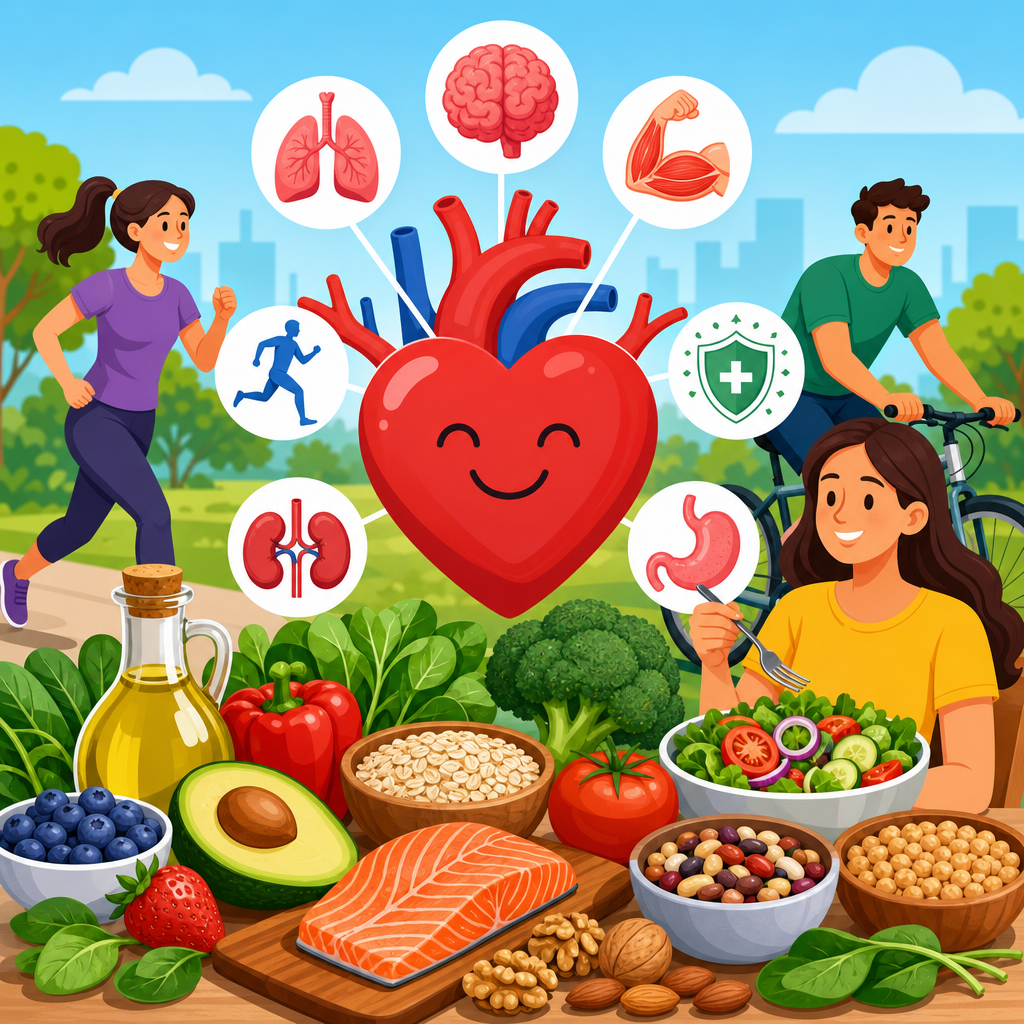
I have worked with clients who expected a single superfood to fix their numbers, but meaningful progress usually came from coordinated habits: more vegetables, legumes, whole grains, nuts, fish, and unsweetened dairy or fortified alternatives; less ultra-processed snack food, excess sodium, added sugar, and trans fat; and better consistency at breakfast, lunch, and dinner. A heart-supportive diet also benefits the brain, kidneys, muscles, digestive tract, and metabolic system. This page serves as a hub for nutrition for heart health, explaining the core principles that connect food to your body’s key functions and helping you identify which subtopics to explore next.
How the Heart and Blood Vessels Depend on Nutrition
The heart is a muscular pump that contracts around 100,000 times per day, and those contractions depend on a steady supply of energy, electrolytes, oxygen, and fluid balance. Cardiac muscle uses fatty acids and glucose for fuel, while minerals such as potassium, magnesium, calcium, and sodium help regulate electrical signaling and contraction. The blood vessels lining the circulatory system rely on nitric oxide production, antioxidant defenses, and controlled inflammatory responses to maintain normal tone and flexibility. Poor dietary patterns can impair each of these functions. Diets high in sodium and low in potassium can raise blood pressure. Diets high in refined carbohydrates and excess calories can worsen insulin resistance and triglycerides. Diets low in fiber and unsaturated fats can contribute to adverse lipid profiles.
Healthy circulation is not just about preventing future disease. It affects how well you think, exercise, recover, and regulate temperature today. When vascular function is compromised, tissues receive less efficient blood flow. Over time, that can influence endurance, kidney filtration, erectile function, wound healing, and cognitive performance. Nutrition supports these systems by shaping the internal environment in which the heart and arteries operate. That is why heart health nutrition is foundational, not niche.
Key Nutrients That Protect Cardiovascular Function
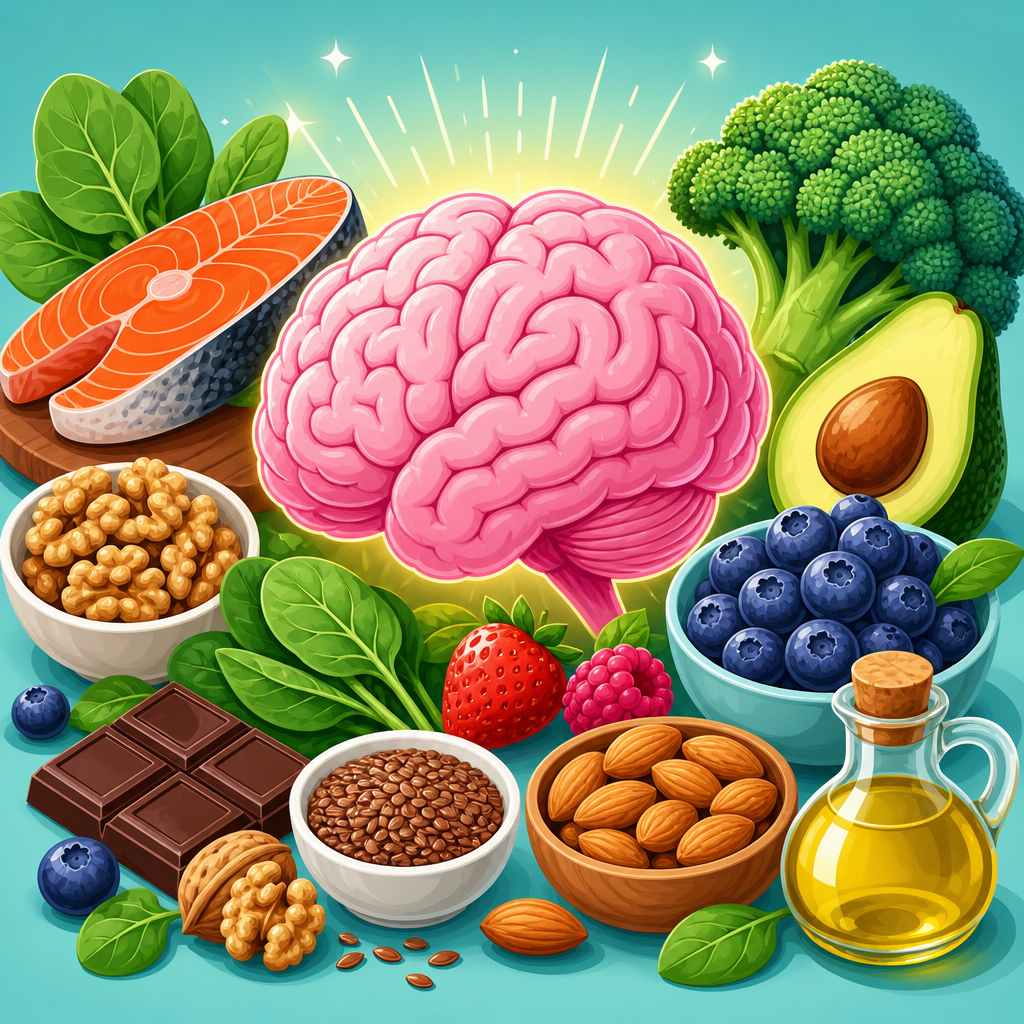
Several nutrients have outsized influence on cardiovascular health. Soluble fiber, found in oats, barley, beans, lentils, apples, and psyllium, helps reduce LDL cholesterol by binding bile acids in the gut. Unsaturated fats from olive oil, avocados, nuts, seeds, and fatty fish improve lipid quality when they replace saturated fat and refined carbohydrate. Omega-3 fatty acids, especially EPA and DHA from salmon, sardines, trout, and mackerel, are associated with lower triglycerides and support normal inflammatory signaling. Potassium from potatoes, beans, yogurt, bananas, leafy greens, and fruit helps balance sodium’s effects on blood pressure. Magnesium supports vascular tone and glucose regulation, while dietary nitrates from beets and leafy greens can support nitric oxide production.
Antioxidant-rich foods matter too, though not because they “detox” the body. Berries, cocoa, tomatoes, citrus, herbs, and colorful vegetables provide polyphenols and carotenoids that help protect vascular tissue from oxidative stress. Plant sterols and stanols, used in some fortified foods, can lower LDL cholesterol modestly by reducing cholesterol absorption. The most important point is synergy. Nutrients work best within whole dietary patterns rather than isolated supplements. In my experience, a breakfast of oats, berries, walnuts, and yogurt does more for adherence and overall risk reduction than a cabinet full of pills most people forget to take.
Dietary Patterns With the Strongest Evidence
The best-studied eating patterns for nutrition for heart health are Mediterranean-style diets and the DASH plan. Both emphasize vegetables, fruits, legumes, whole grains, nuts, seeds, and minimal reliance on ultra-processed food. Mediterranean patterns typically center olive oil as the main fat, include regular fish, moderate fermented dairy, and fewer processed meats and sweets. DASH was designed specifically to reduce blood pressure and places strong emphasis on fruits, vegetables, low-fat dairy, beans, nuts, and controlled sodium intake. Both patterns reliably improve cardiometabolic markers because they are rich in fiber, potassium, magnesium, and unsaturated fat while being lower in sodium, added sugar, and calorie-dense processed products.
These are not rigid menus. They are frameworks that can be adapted to different cultures, budgets, and schedules. A Mediterranean-style dinner might be lentil soup with olive oil, a tomato cucumber salad, and grilled salmon. A DASH-oriented lunch could be brown rice, black beans, roasted vegetables, and plain yogurt with fruit. What matters most is the pattern you can sustain. Repetition, not novelty, is what changes blood pressure and lipids.
| Dietary focus | Main foods | Primary heart benefit | Practical example |
|---|---|---|---|
| Mediterranean-style | Olive oil, fish, legumes, vegetables, nuts | Improves lipid quality and lowers inflammation risk | Salmon, white beans, greens, olive oil dressing |
| DASH | Fruit, vegetables, low-fat dairy, whole grains, beans | Supports lower blood pressure through mineral balance | Oatmeal, berries, yogurt, lentil salad, roasted sweet potato |
| Portfolio-style approach | Soluble fiber, soy foods, nuts, plant sterols | Targets LDL cholesterol reduction | Oats, tofu stir-fry, almonds, sterol-fortified spread |
How Nutrition Influences Blood Pressure, Cholesterol, and Triglycerides
Blood pressure responds strongly to sodium, potassium, body weight, alcohol intake, and overall diet quality. Many people consume more sodium than recommended, largely from packaged bread, deli meat, soups, sauces, frozen meals, and restaurant food rather than the salt shaker alone. Lowering sodium while increasing potassium-rich foods can reduce blood pressure meaningfully, especially when paired with weight loss in people carrying excess body fat. Even a 5 to 10 percent reduction in body weight can improve blood pressure and several metabolic markers.
Cholesterol is influenced by the type of fat and carbohydrate in the diet. Replacing saturated fats from fatty cuts of meat, butter, palm oil, and high-fat processed foods with unsaturated fats generally lowers LDL cholesterol. Soluble fiber and legumes help further. Triglycerides often improve when people cut back on sugar-sweetened beverages, excess alcohol, and large portions of refined starches, especially if those foods are displacing protein, fiber, and healthy fats. This is where heart health nutrition becomes highly individual. A person with high LDL may need to prioritize soluble fiber and saturated fat replacement, while someone with high triglycerides may benefit more from reducing liquid sugar, improving blood glucose control, and increasing omega-3 intake.
Why Heart Health Nutrition Supports the Brain, Kidneys, and Energy Systems
The cardiovascular system is the transport network for every organ, so when nutrition supports the heart, it also supports the systems that depend on circulation. The brain is highly sensitive to blood flow and vascular integrity. Dietary patterns that lower blood pressure and improve endothelial function may help preserve cognitive health over time. The kidneys filter large volumes of blood daily, and persistent hypertension or poorly controlled diabetes can damage their delicate vessels. Foods that help manage blood pressure and glycemic control reduce that burden.
Muscles and mitochondria also depend on efficient delivery of oxygen and nutrients. People often notice better stamina when their diet becomes more balanced because improved glucose control, iron adequacy, hydration, and vascular function support exercise tolerance. Stable energy is not just about caffeine or calorie intake. It depends on how well the circulatory and metabolic systems deliver and use fuel. Heart-supportive eating patterns improve that underlying machinery.
What to Eat More Often and What to Limit
For most adults, the best heart-healthy shopping list includes vegetables of many colors, fruit, beans, lentils, peas, intact or minimally processed whole grains, nuts, seeds, olive oil, avocado, fish, and moderate amounts of yogurt or other nutrient-dense protein sources. Foods that deserve a place in regular rotation include oats, barley, chickpeas, black beans, edamame, ground flaxseed, chia seeds, leafy greens, broccoli, tomatoes, berries, citrus, potatoes, and canned sardines or salmon. These choices supply the fiber, minerals, protein, and unsaturated fats that repeatedly show benefit.
What should be limited? Trans fats should be avoided. Excess saturated fat, especially when paired with refined starch and low fiber intake, is a common issue. Highly processed meats, frequent fast food meals, pastries, chips, instant noodles, and sugar-sweetened beverages tend to concentrate sodium, poor fat quality, and calorie density while offering little protective nutrition. Alcohol is another area where moderation matters. Small amounts may fit some lifestyles, but more is not better for the heart, and for many people less is clearly safer.
Practical Meal Planning for Everyday Life
A heart-healthy diet has to work on workdays, travel days, and stressful weeks, not just in theory. I usually recommend a simple plate structure: half vegetables or fruit, one quarter protein, one quarter high-fiber carbohydrate, plus a source of healthy fat. Breakfast can be overnight oats with chia, berries, and plain yogurt. Lunch might be a grain bowl with quinoa, chickpeas, cucumber, peppers, and olive oil vinaigrette. Dinner could be baked trout, roasted Brussels sprouts, and potatoes with herbs. Snacks can be fruit with nuts, hummus with carrots, or yogurt with seeds.
Reading labels is a practical skill that pays off quickly. Compare sodium per serving, check for added sugars in drinks and flavored yogurts, and scan ingredient lists for partially hydrogenated oils if older products are still in circulation. Keep canned beans, frozen vegetables, oats, olive oil, nut butter, and low-sodium tuna on hand. These staples make heart-supportive meals possible even when time is short.
Common Misconceptions and When Individual Guidance Matters
One common misconception is that all fat is bad for the heart. The evidence says otherwise: fat quality matters more than fat avoidance. Another myth is that healthy eating requires expensive specialty products. In reality, beans, oats, potatoes, frozen vegetables, canned fish, and seasonal fruit are among the most cost-effective heart-healthy foods. A third misconception is that supplements can substitute for food pattern change. Some supplements have a role in targeted cases, but they do not recreate the broad effects of a high-quality diet.
Individual guidance matters for people with hypertension, chronic kidney disease, diabetes, familial hypercholesterolemia, heart failure, food insecurity, or medication interactions such as warfarin management. Sodium, fluid, potassium, and vitamin K advice may need to be tailored. That is why this hub should connect readers to deeper articles on blood pressure nutrition, cholesterol-lowering foods, anti-inflammatory eating, omega-3 sources, label reading, meal prep, and budget-friendly heart health nutrition.
Nutrition for heart health is one of the most effective ways to support your body’s key functions because the heart and blood vessels serve every organ system. A strong dietary pattern improves blood pressure, cholesterol, triglycerides, circulation, energy use, and long-term metabolic resilience. The essentials are consistent and proven: eat more plants, fiber, legumes, nuts, fish, and unsaturated fats; reduce excess sodium, added sugar, trans fat, and heavily processed foods; and build meals you can repeat without stress.
As the hub for this topic, this page points to the deeper questions people ask next: which foods lower LDL, how much sodium is too much, what to eat for high blood pressure, how to plan heart-healthy meals, and how to make these changes on a budget. Start with one practical shift this week, such as replacing a processed snack with fruit and nuts or adding beans to two meals. Small, repeatable nutrition choices are how heart health improves and how the rest of the body benefits with it.
Frequently Asked Questions
1. Why does nutrition for heart health affect so many other functions in the body?
Heart-healthy nutrition supports much more than the heart muscle itself because the cardiovascular system is the body’s main transport network. Blood carries oxygen from the lungs, glucose and amino acids from digestion, hormones from endocrine glands, immune cells that defend against infection, and signals that help regulate body temperature and fluid balance. When circulation is supported through balanced nutrition, tissues throughout the body are better supplied with the materials they need to function efficiently.
This is why eating for heart health can influence energy levels, brain function, exercise tolerance, recovery, kidney workload, and even skin and muscle health. A dietary pattern rich in vegetables, fruits, legumes, whole grains, nuts, seeds, and lean proteins helps maintain healthy blood vessels, stable blood pressure, and better metabolic function. In practical terms, that means the heart can pump blood more effectively and the blood vessels can respond more appropriately to the body’s needs. Good nutrition helps reduce unnecessary strain on this system, which benefits every organ that depends on steady blood flow.
2. Is heart-healthy eating only about lowering cholesterol and avoiding saturated fat?
No. Cholesterol management and saturated fat intake are important, but they are only part of the larger picture. Nutrition for heart health also includes overall dietary pattern, sodium and potassium balance, fiber intake, blood sugar control, meal quality, hydration, and the degree to which a person relies on highly processed foods. A person can focus only on one nutrient, such as saturated fat, and still miss other major contributors to cardiovascular stress like excess sodium, low fiber, large swings in blood sugar, or inadequate intake of minerals that help regulate blood pressure.
A more effective approach is to think in patterns instead of single nutrients. For example, meals built around fiber-rich carbohydrates, healthy fats, and quality protein can help support satiety, improve metabolic balance, and reduce the likelihood of overeating ultra-processed foods. Soluble fiber from oats, beans, lentils, and certain fruits can support healthy cholesterol levels, while potassium-rich foods such as potatoes, bananas, beans, yogurt, and leafy greens help counterbalance sodium and support normal blood pressure. In other words, heart health nutrition is practical, daily, and comprehensive rather than limited to one number on a lab test.
3. How do sodium, potassium, and fiber work together to support heart health?
These three factors are central to cardiovascular nutrition because they influence blood pressure, vascular function, and metabolic health in complementary ways. Sodium helps regulate fluid balance and nerve signaling, but many people consume far more than they need, especially from packaged foods, restaurant meals, sauces, deli meats, and snack products. Too much sodium can contribute to fluid retention and increased blood pressure, which makes the heart work harder and can place extra stress on blood vessels over time.
Potassium works in the opposite direction in many cases by helping the body manage sodium balance and supporting normal muscle and nerve function, including the contractions that keep the heart beating. Potassium-rich foods often come packaged with other beneficial nutrients, such as fiber, magnesium, and antioxidants. Fiber, especially soluble fiber, supports healthy cholesterol levels and helps improve fullness, digestion, and blood sugar control. Insoluble fiber also supports digestive regularity and contributes to overall dietary quality. Together, lower sodium intake, adequate potassium from whole foods, and higher fiber intake create a dietary foundation that supports healthier circulation, steadier blood pressure, and better overall cardiovascular performance.
4. Does meal timing matter for heart health, or is it only about what you eat?
What you eat matters most, but meal timing can still play an important supporting role. Irregular eating patterns, frequent late-night overeating, or long gaps followed by very large meals may affect blood sugar control, appetite regulation, digestion, and energy levels. For some people, these patterns can also make it harder to maintain a balanced intake of nutrients that support heart health. More consistent eating can help stabilize hunger cues and reduce the tendency to rely on high-sodium convenience foods or oversized portions later in the day.
Meal timing does not need to be rigid to be beneficial. A practical goal is to eat in a way that supports steady energy and reasonable portion sizes. That might mean including balanced meals spaced throughout the day, pairing carbohydrates with protein and healthy fats, and avoiding the habit of skipping meals only to overcompensate later. For people with blood sugar concerns, this can be especially helpful because stable glucose management is closely tied to cardiovascular health. In short, meal timing is not a substitute for food quality, but it can strengthen the benefits of a heart-supportive eating pattern.
5. What does a realistic heart-healthy diet look like on an everyday basis?
A realistic heart-healthy diet is not based on perfection, extreme restriction, or a short list of “good” and “bad” foods. It usually looks like a consistent pattern of minimally processed foods, reasonable portions, and meals that include fiber, protein, and healthy fats. Breakfast might be oatmeal with berries, nuts, and yogurt. Lunch could be a grain bowl with beans, vegetables, olive oil, and grilled chicken or tofu. Dinner might include salmon, roasted vegetables, and a high-fiber carbohydrate such as brown rice or lentils. Snacks can be simple, such as fruit, unsalted nuts, hummus, or plain yogurt.
Just as important, a realistic plan also reduces common dietary pressures on the cardiovascular system. That means paying attention to sodium from packaged foods, choosing more foods naturally rich in potassium and fiber, limiting excess added sugars, and using fats like olive oil, avocado, nuts, and seeds more often than heavily processed fats. It also means allowing flexibility. Heart-healthy nutrition works best when it is sustainable enough to follow over the long term. The goal is not to eat perfectly every day, but to build a pattern that helps support circulation, blood pressure, cholesterol balance, metabolic health, and the body’s ability to deliver essential nutrients and signals to every tissue.