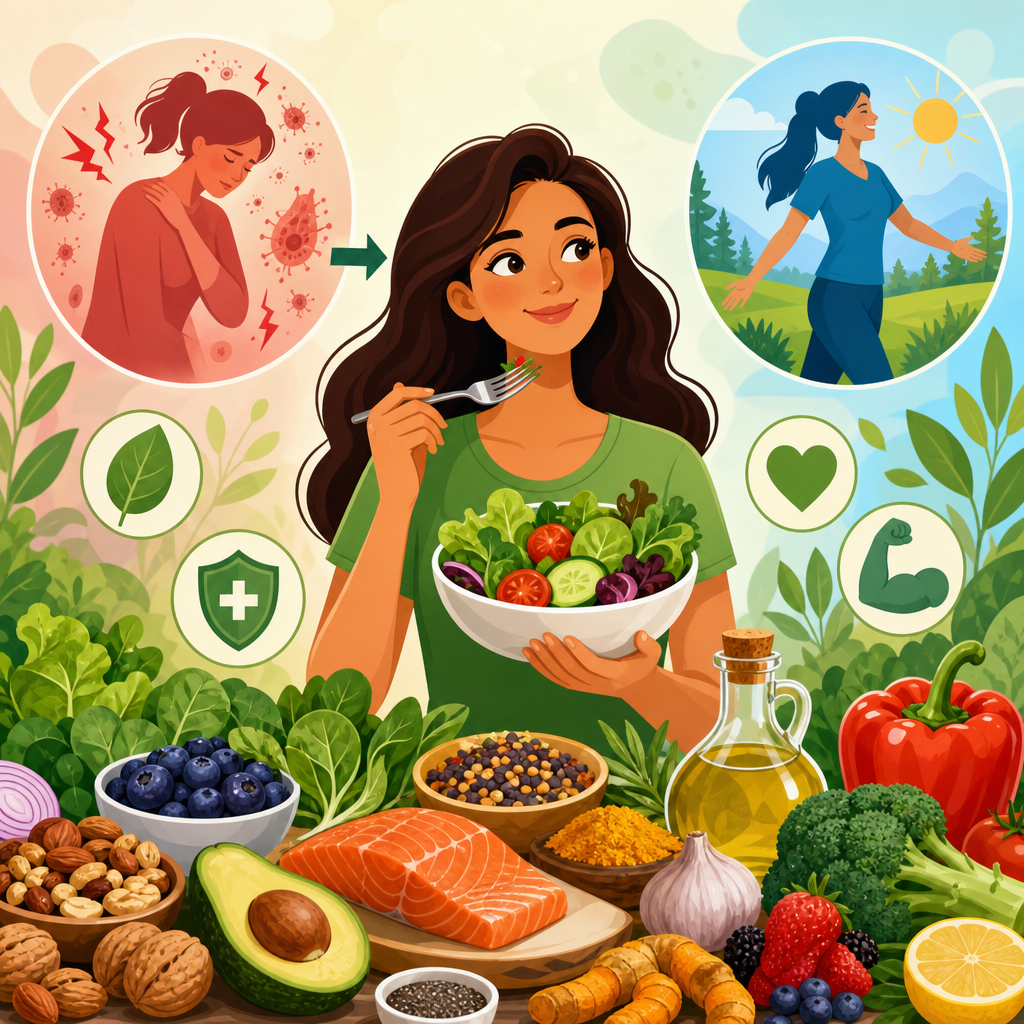
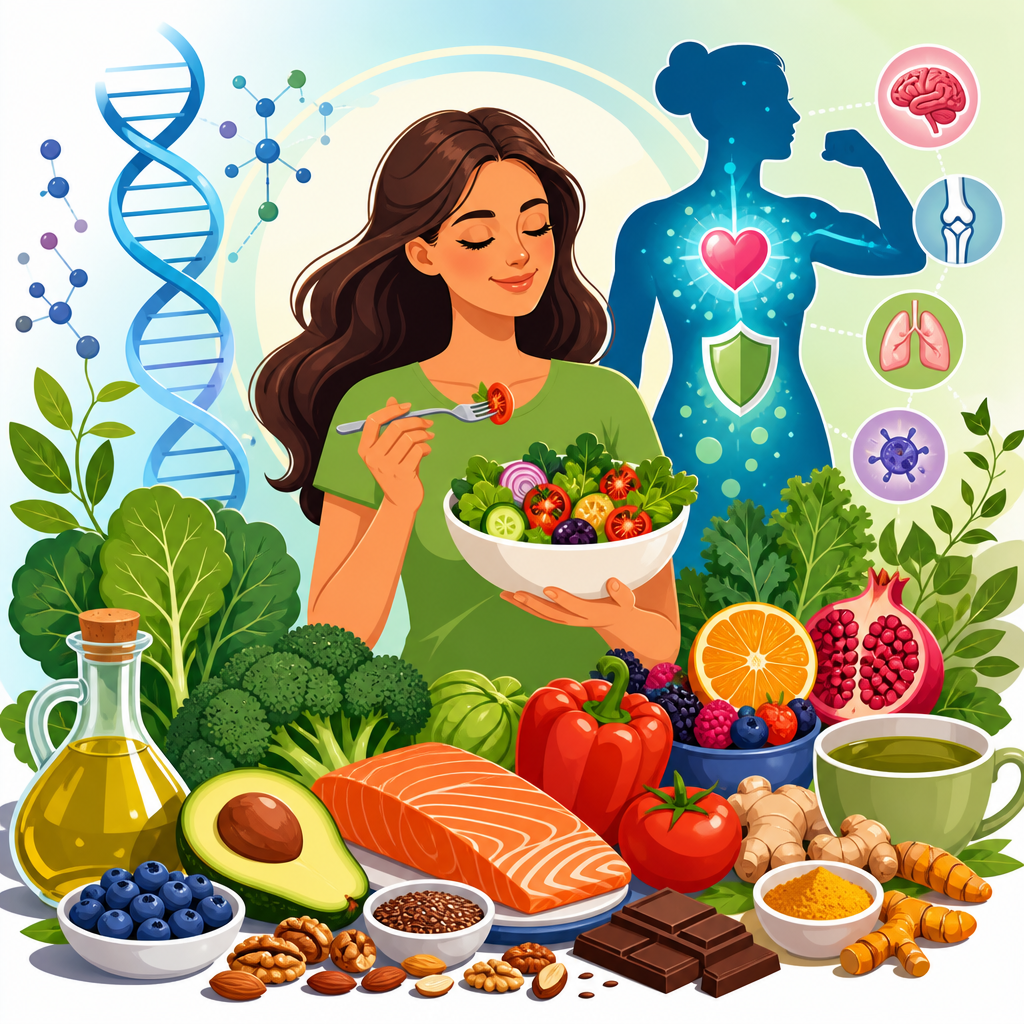
How anti-inflammatory diets and chronic disease shape overall well-being is no longer a niche nutrition question. It sits at the center of modern preventive health because chronic, low-grade inflammation is tied to heart disease, type 2 diabetes, arthritis, fatty liver disease, some cancers, cognitive decline, and mood disorders. An anti-inflammatory diet is an eating pattern built around foods and habits that reduce inflammatory signaling, support metabolic health, and protect tissues over time. In practice, that means emphasizing vegetables, fruit, legumes, whole grains, nuts, seeds, olive oil, fish, and minimally processed proteins while limiting ultra-processed foods, refined carbohydrates, sugary drinks, trans fats, and excess alcohol. After years of reviewing meal logs, biomarkers, and adherence patterns, I have seen a consistent reality: people feel better when they eat in a way that lowers inflammatory burden, and the benefits often extend beyond lab values to energy, sleep, digestion, pain, and resilience.
Inflammation itself is not the enemy. Acute inflammation is a normal immune response that helps the body heal after infection or injury. The problem is persistent inflammation that never fully switches off. This chronic state can damage blood vessels, interfere with insulin signaling, alter the gut barrier, amplify joint pain, and disturb brain chemistry. Diet matters because food influences these pathways every day. Fiber affects the gut microbiome and short-chain fatty acid production. Fat quality changes lipid profiles and cell membrane composition. Polyphenols from berries, herbs, tea, cocoa, and extra-virgin olive oil affect oxidative stress and inflammatory mediators. Sodium, added sugar, and highly refined starches can worsen cardiometabolic risk in susceptible people. For anyone building a practical nutrition strategy under the broader Nutrition for Health & Wellness umbrella, understanding anti-inflammatory diets and chronic disease is essential because it connects food choices to real symptoms, long-term disease risk, and quality of life.
What an Anti-Inflammatory Diet Includes
An anti-inflammatory diet is best understood as a pattern, not a single superfood list. The strongest evidence supports dietary models such as the Mediterranean diet, DASH principles, and largely whole-food plant-forward eating patterns. These approaches repeatedly show benefits for blood pressure, cholesterol, glycemic control, and inflammatory markers such as C-reactive protein. Core foods include colorful vegetables, leafy greens, beans, lentils, oats, barley, yogurt or fermented foods when tolerated, nuts, seeds, olive oil, seafood, and herbs and spices like turmeric, ginger, garlic, cinnamon, and rosemary. These foods provide fiber, unsaturated fats, vitamins, minerals, and bioactive compounds that help regulate immune function. In clinic-style nutrition planning, I usually start with meal architecture: half the plate non-starchy vegetables, a quarter quality protein, a quarter high-fiber carbohydrate, plus a source of healthy fat.
Equally important is what gets reduced. Diets high in ultra-processed foods often deliver excess refined flour, added sugars, industrial seed-oil-heavy fried items, sodium, emulsifiers, and calorie density with little fiber. That combination can promote weight gain, poor glycemic control, and altered satiety. Not every processed food is harmful, but a daily pattern dominated by packaged snacks, sweetened beverages, fast food, processed meats, and desserts is consistently associated with worse health outcomes. Red meat is not automatically inflammatory in every context, yet frequent intake of heavily processed meats such as bacon, sausage, and deli meats is linked to higher chronic disease risk. The goal is not perfection. It is shifting the dietary baseline so most meals support recovery rather than contribute to inflammatory load.
How Chronic Inflammation Drives Disease
Chronic disease rarely appears overnight. It develops through repeated insults and adaptations across years, and inflammation is a common thread. In cardiovascular disease, inflammatory activity contributes to endothelial dysfunction, plaque formation, and plaque instability. In type 2 diabetes, inflammatory cytokines interfere with insulin signaling, making blood glucose harder to control. In osteoarthritis and rheumatoid conditions, inflammation worsens pain, stiffness, and tissue degradation. In nonalcoholic fatty liver disease, excess energy intake, insulin resistance, and oxidative stress interact in ways that can progress from simple fat accumulation to steatohepatitis and fibrosis. Even the brain is affected. Higher inflammatory burden is associated with depression, fatigue, and cognitive decline through immune, vascular, and neurotransmitter pathways.
These mechanisms explain why anti-inflammatory diets and chronic disease management are so closely linked. A person with prediabetes may notice fewer energy crashes after replacing sugary breakfasts with Greek yogurt, berries, chia seeds, and walnuts. Someone with hypertension may see blood pressure improve after cooking more meals at home with beans, vegetables, salmon, and olive oil while cutting back on restaurant sodium. A patient with inflammatory bowel symptoms may benefit from a more individualized plan that identifies trigger foods without abandoning fiber or nutritional adequacy. The key point is direct: food does not act as a cure-all, but it meaningfully changes the biological environment in which chronic disease progresses or stabilizes.
Key Foods, Nutrients, and Eating Patterns That Lower Inflammatory Burden
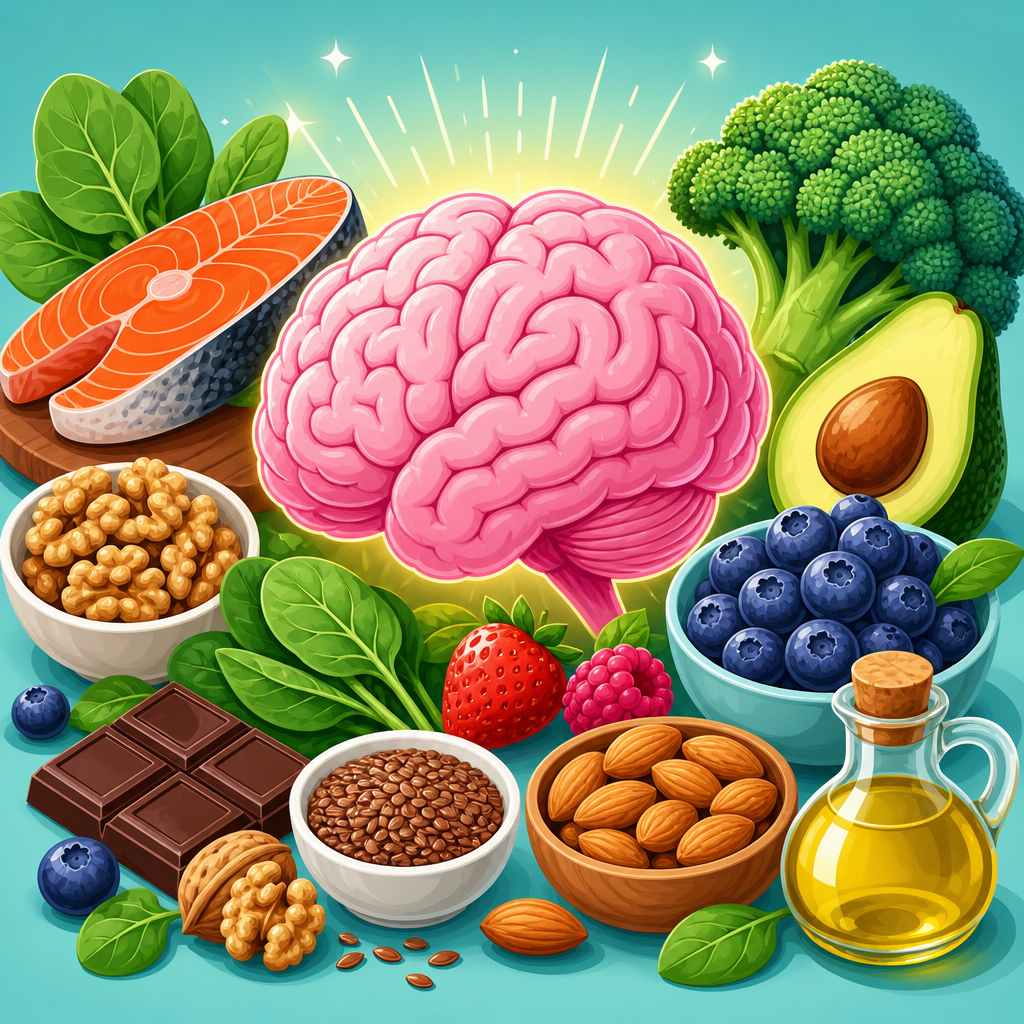
Several dietary factors stand out because they influence inflammation through known pathways. Omega-3 fats from salmon, sardines, trout, herring, chia, flax, and walnuts help balance eicosanoid production and may reduce inflammatory signaling. Soluble and insoluble fiber from legumes, oats, vegetables, fruit, and whole grains feed beneficial gut bacteria, producing butyrate and other short-chain fatty acids that support intestinal integrity and immune regulation. Polyphenols from berries, pomegranates, green tea, coffee, cocoa, onions, and extra-virgin olive oil help counter oxidative stress. Fermented foods such as kefir, yogurt, kimchi, and sauerkraut may support microbial diversity, though tolerance varies. Spices are not magic, but regular culinary use adds measurable phytochemicals with little downside.
What matters most is the pattern those nutrients create. In practical menu planning, breakfast might be steel-cut oats with blueberries, ground flax, and plain yogurt. Lunch could be a lentil salad with arugula, cucumbers, tomatoes, feta, pumpkin seeds, and olive oil vinaigrette. Dinner might center on roasted vegetables, quinoa, and baked salmon with garlic and herbs. Snacks can include fruit, almonds, hummus, or edamame. This is how anti-inflammatory eating works in real life: repeated exposure to nutrient-dense foods, better blood sugar stability, improved satiety, and lower reliance on inflammatory convenience foods. Supplements can help in selected cases, but whole dietary patterns consistently outperform isolated pills because they deliver a matrix of interacting compounds.
| Dietary factor | Main food sources | Why it matters for chronic disease | Practical target |
|---|---|---|---|
| Omega-3 fats | Salmon, sardines, trout, flax, chia, walnuts | Supports cardiovascular health and modulates inflammatory mediators | Two fish meals weekly or plant sources daily |
| Fiber | Beans, lentils, oats, berries, vegetables, whole grains | Improves gut health, cholesterol, glycemic control, and satiety | About 25 to 38 grams per day |
| Polyphenols | Berries, olive oil, tea, cocoa, herbs, spices | Helps reduce oxidative stress linked to tissue damage | Include colorful plant foods at every meal |
| Unsaturated fats | Olive oil, avocado, nuts, seeds | Favors healthier lipid profiles than saturated and trans fats | Use as primary added fats |
| Ultra-processed foods | Sugary drinks, packaged snacks, fast food, processed meats | Associated with worse cardiometabolic outcomes and excess calories | Reduce frequency and portion size |
Conditions Most Affected by Anti-Inflammatory Eating
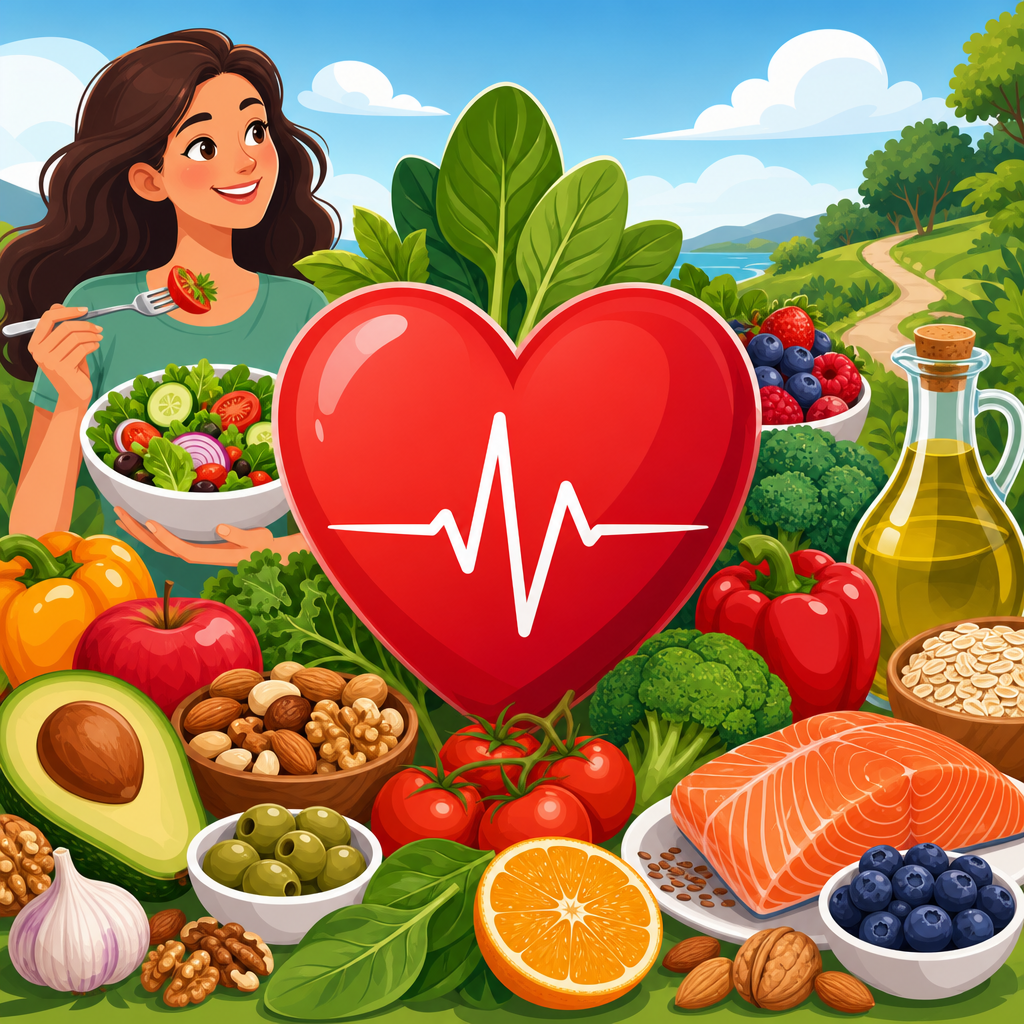
Heart disease is one of the clearest examples. Diets rich in olive oil, nuts, legumes, fish, and vegetables are associated with lower cardiovascular events, in part because they improve LDL particle exposure, blood pressure, endothelial function, and inflammation. Type 2 diabetes also responds strongly to diet quality. Higher-fiber carbohydrates, adequate protein, and fewer refined starches improve post-meal glucose and insulin demand. In people with obesity, anti-inflammatory diets often work by making a calorie deficit easier to sustain rather than by using restriction alone. Less hunger, steadier energy, and better food quality make long-term weight management more realistic, which in turn reduces inflammatory burden.
Autoimmune and musculoskeletal conditions require more nuance. Some people with rheumatoid arthritis report reduced symptoms when they increase omega-3 intake and reduce processed foods. People with gout often improve when they moderate alcohol, fructose-heavy beverages, and excess purine-rich patterns while improving overall diet quality. For irritable bowel syndrome, inflammatory bowel disease, psoriasis, migraine, and endometriosis, a generally anti-inflammatory pattern can help, but symptom triggers differ widely. This is where individualized care matters. I have seen clients improve only after adjusting meal timing, lactose tolerance, FODMAP load, or total energy intake alongside food quality. Anti-inflammatory diets are powerful, but they work best when matched to the person, the diagnosis, and the severity of disease.
The Gut, Weight, Sleep, and Stress Connection
One reason anti-inflammatory diets improve overall well-being is that they work through multiple systems at once. The gut microbiome responds quickly to dietary change. More diverse plant intake generally supports more diverse microbial activity, while low-fiber, highly processed diets can reduce beneficial fermentation. Better gut function can influence bloating, bowel regularity, immune tolerance, and even mood through the gut-brain axis. Weight regulation is also central. Adipose tissue is metabolically active, and excess visceral fat is associated with higher inflammatory signaling. A diet that improves satiety and lowers passive overconsumption can reduce that burden without extreme dieting.
Sleep and stress are often overlooked. Poor sleep increases inflammatory markers and worsens insulin sensitivity, appetite regulation, and food choices the next day. Chronic stress can drive emotional eating, elevated cortisol, and higher intake of convenient high-sugar foods. The most successful anti-inflammatory nutrition plans therefore extend beyond ingredients. They include meal preparation, regular eating intervals, hydration, movement, stress management, and sleep routines. In practice, someone who starts batch-cooking soups, keeping fruit visible, walking after dinner, and sleeping seven to eight hours often gets better results than someone obsessing over a handful of trendy ingredients. Well-being improves when healthy eating becomes a stable system, not a short-lived burst of motivation.
How to Build a Sustainable Anti-Inflammatory Diet
The most effective plan is the one a person can follow consistently. Start with simple structural changes. Build meals around vegetables, protein, fiber-rich carbohydrates, and healthy fats. Replace sugary drinks with water, mineral water, tea, or unsweetened coffee. Swap refined breakfast pastries for eggs with vegetables, oatmeal with nuts, or yogurt with fruit. Use extra-virgin olive oil instead of butter for most cooking. Add beans to soups, salads, and grain bowls. Choose fruit, nuts, or plain popcorn instead of candy and chips. If fish is not preferred, use walnuts, chia, flax, and discuss omega-3 supplementation with a clinician when appropriate. These are not dramatic changes, but they produce durable results.
It also helps to track outcomes that matter. Lab markers such as A1C, fasting glucose, triglycerides, LDL cholesterol, blood pressure, liver enzymes, and high-sensitivity C-reactive protein can provide objective feedback, although not every marker is necessary for every person. Subjective changes count too: less joint stiffness, improved bowel regularity, fewer afternoon crashes, better sleep, and more stable mood are meaningful indicators. Limitations should be acknowledged. Diet alone may not control advanced autoimmune disease, severe depression, or established cardiovascular disease. Medication, physical therapy, counseling, and specialist care may still be essential. But as a hub topic within Nutrition for Health & Wellness, anti-inflammatory diets offer one of the highest-value foundations for protecting health across conditions and life stages.
Anti-inflammatory diets and chronic disease are tightly connected because the same food choices that shape inflammation also influence blood sugar, vascular function, body composition, gut health, pain, and energy. The evidence is strongest for a whole-food, plant-forward pattern rich in vegetables, fruit, legumes, whole grains, nuts, seeds, olive oil, and fish, with fewer ultra-processed foods, sugary beverages, and processed meats. This approach does not depend on detoxes, rigid food rules, or miracle ingredients. It works by improving the daily biological signals your body receives, meal after meal, year after year. That is why people often notice both short-term improvements in how they feel and long-term changes in risk markers that matter for chronic disease prevention and management.
If you want better overall well-being, start with one week of intentional eating. Plan three simple anti-inflammatory breakfasts, three balanced lunches, and three dinners built from minimally processed foods. Shop for color, fiber, and healthy fats. Notice how your energy, digestion, cravings, and sleep respond. Then build from there. As the central hub for this subtopic, this article gives you the framework: understand inflammation, focus on proven dietary patterns, personalize where needed, and aim for consistency over perfection. Small repeated choices can lower inflammatory burden and support a healthier, more resilient life.
Frequently Asked Questions
What is an anti-inflammatory diet, and how does it affect overall well-being?
An anti-inflammatory diet is a long-term eating pattern designed to lower chronic, low-grade inflammation in the body. Unlike short-term diet trends, it focuses on regularly eating foods that support healthy immune activity, stable blood sugar, balanced hormones, healthy blood vessels, and strong cellular function. This matters because inflammation is not always harmful. Acute inflammation helps the body heal from injury or infection. The problem begins when inflammation becomes constant and subtle, often driven by poor diet, excess body fat, chronic stress, inactivity, smoking, poor sleep, and metabolic dysfunction. Over time, that steady inflammatory burden can contribute to tissue damage and raise the risk of chronic disease.
In practical terms, an anti-inflammatory diet usually emphasizes vegetables, fruits, legumes, whole grains, nuts, seeds, fatty fish, olive oil, herbs, spices, and minimally processed foods. It also limits highly processed snacks, refined carbohydrates, sugary beverages, trans fats, and excessive intake of processed meats. This pattern can improve overall well-being by helping the body regulate energy more efficiently, protect the heart, support digestion, reduce oxidative stress, and improve how cells respond to insulin. Many people also notice broader quality-of-life benefits such as steadier energy, fewer blood sugar crashes, improved concentration, better mood stability, and easier weight management. The biggest strength of this approach is that it supports multiple systems at once, making it a foundational strategy for both disease prevention and day-to-day health.
How is chronic inflammation linked to diseases like heart disease, type 2 diabetes, arthritis, and cognitive decline?
Chronic inflammation is closely connected to many of today’s most common long-term health conditions because it can gradually disrupt normal body processes. In heart disease, inflammation plays a role in damaging the lining of blood vessels and encouraging plaque buildup, which increases the risk of atherosclerosis, heart attack, and stroke. In type 2 diabetes, inflammatory signaling can interfere with insulin function, making it harder for the body to move glucose into cells. Over time, this contributes to insulin resistance, elevated blood sugar, and damage to the nerves, kidneys, eyes, and blood vessels.
In arthritis, especially inflammatory forms such as rheumatoid arthritis, the immune system can remain overactive and attack joint tissues, leading to pain, stiffness, swelling, and mobility problems. Even in osteoarthritis, inflammation can worsen joint breakdown and discomfort. With fatty liver disease, chronic inflammation promotes fat accumulation in the liver and may contribute to scarring over time. In the brain, inflammation is increasingly being studied for its role in memory problems, cognitive decline, and neurodegenerative conditions. It can affect blood flow, nerve cell communication, and the brain’s ability to repair itself. Researchers also see links between chronic inflammation and depression or other mood disorders, likely because inflammatory chemicals can influence neurotransmitters, stress pathways, and brain function.
The key point is that chronic inflammation rarely acts alone. It often interacts with poor diet quality, abdominal obesity, inactivity, poor sleep, and environmental stressors. That is why managing inflammation through food, movement, stress reduction, and medical care can have far-reaching effects across many areas of health. Lowering inflammation does not guarantee disease prevention, but it can meaningfully reduce risk and help slow progression in people already living with chronic illness.
What foods should be included in an anti-inflammatory diet, and which ones should be limited?
The most effective anti-inflammatory diet is built around foods that deliver fiber, antioxidants, healthy fats, vitamins, minerals, and plant compounds that help regulate inflammatory pathways. Vegetables should be a central part of most meals, especially leafy greens, broccoli, Brussels sprouts, tomatoes, peppers, carrots, and other deeply colored produce. Fruits such as berries, cherries, oranges, apples, and grapes provide polyphenols and vitamin C that help protect cells from damage. Whole grains like oats, quinoa, brown rice, and barley can support better blood sugar control and gut health compared with refined grains.
Legumes including lentils, beans, and chickpeas are especially valuable because they offer fiber, plant protein, and minerals that support metabolic health. Nuts and seeds, such as walnuts, almonds, chia seeds, flaxseeds, and pumpkin seeds, provide healthy fats and anti-inflammatory nutrients. Fatty fish like salmon, sardines, trout, and mackerel are among the best sources of omega-3 fats, which are well known for helping regulate inflammation. Extra-virgin olive oil is another cornerstone food because it contains monounsaturated fats and beneficial compounds linked to cardiovascular protection. Many herbs and spices, including turmeric, ginger, garlic, cinnamon, and rosemary, can also add flavor while contributing anti-inflammatory benefits.
Foods to limit generally include ultra-processed products, sugary drinks, excessive sweets, refined white bread, heavily processed meats, fried foods, and foods high in trans fats or repeatedly heated industrial oils. These items can promote inflammation directly or indirectly by worsening blood sugar control, contributing to weight gain, disrupting gut health, or increasing oxidative stress. It is also wise to be mindful of excess alcohol and high-sodium packaged foods. This does not mean every meal must be perfect. The goal is consistency over time. A strongly anti-inflammatory eating pattern comes from what you eat most often, not from avoiding a single ingredient forever.
Can an anti-inflammatory diet help if someone already has a chronic disease?
Yes, an anti-inflammatory diet can be helpful even after a chronic disease has already been diagnosed. While it is not a replacement for medical treatment, it can be an important part of a broader care plan. For people with heart disease or high blood pressure, this type of eating pattern may help improve cholesterol levels, reduce blood vessel stress, support weight management, and promote better blood sugar balance. For those with type 2 diabetes or prediabetes, it can improve insulin sensitivity and reduce extreme swings in glucose levels, which may lower strain on the body over time. In people with arthritis, dietary changes may help reduce symptom severity, stiffness, and flare-related discomfort, especially when paired with other treatments.
There may also be benefits for people with fatty liver disease, digestive issues, autoimmune conditions, or mood-related challenges. Foods rich in fiber and phytonutrients can support the gut microbiome, which plays an important role in immune regulation and inflammation control. Better diet quality can also improve sleep, energy, and body composition, all of which affect how a chronic disease feels and progresses. For many people, the benefit is cumulative. Small improvements in inflammation, blood pressure, glucose control, and nutrient intake can add up to meaningful changes in daily functioning and long-term outcomes.
That said, individual needs matter. Someone with kidney disease, food allergies, inflammatory bowel disease, or medication-related restrictions may need a more tailored version of an anti-inflammatory diet. The best approach is one that is sustainable, nutritionally balanced, and matched to the person’s health status. Working with a physician or registered dietitian can help ensure the diet supports medical goals rather than conflicting with them. The overall message is encouraging: even when chronic disease is present, food choices can still influence inflammation and improve well-being in practical, measurable ways.
How long does it take to notice the benefits of an anti-inflammatory diet?
The timeline varies depending on a person’s health status, starting diet quality, sleep habits, activity level, stress load, and whether a chronic condition is already present. Some people notice short-term benefits within a few weeks, especially improvements in digestion, energy, bloating, mental clarity, and blood sugar stability. Others may take longer to feel changes, particularly if they are dealing with more advanced metabolic issues, chronic pain, or years of poor eating habits. Measurable changes in inflammation-related markers, cholesterol, blood pressure, insulin sensitivity, or liver health often develop gradually over several weeks to months of consistent effort.
It is important to understand that an anti-inflammatory diet works best as a pattern, not as a quick fix. A single healthy meal will not reverse chronic inflammation, just as one highly processed meal will not erase months of progress. The body responds to what is repeated. When nutritious foods become the norm and are paired with enough sleep, regular movement, stress management, and avoidance of smoking, the cumulative effect can be substantial. People living with chronic disease may also notice fewer symptom flare-ups, better stamina, or improved lab results over time, even if the changes are not dramatic right away.
One of the most helpful ways to stay motivated is to look beyond the scale. Progress may show up as more stable moods, reduced cravings, easier digestion, less joint discomfort, better workout recovery, or improved focus during the day. These are meaningful signs that the body is functioning better. In the long run, the value of an anti-inflammatory diet is not just about how quickly results appear, but about how consistently it supports resilience, disease prevention, and a higher quality of life.