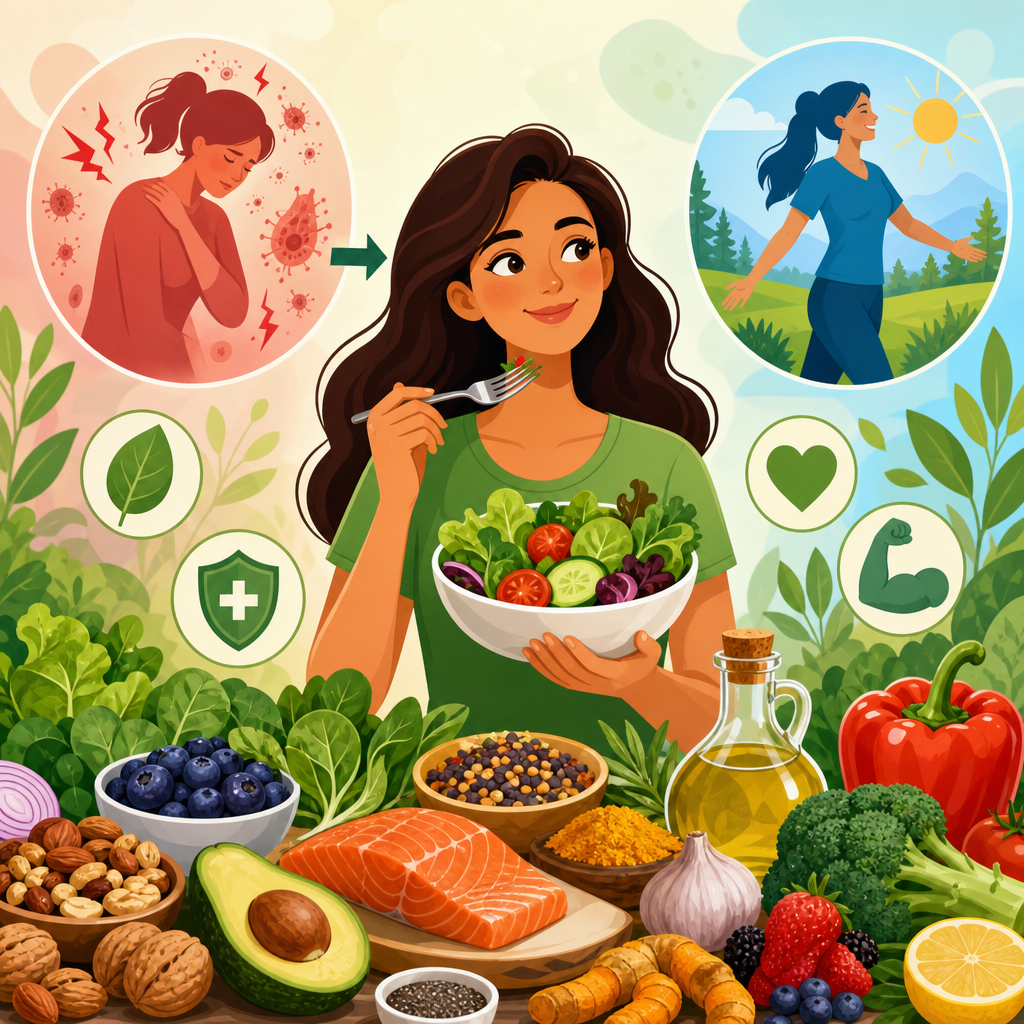
Anti-inflammatory diets and chronic disease are closely linked because persistent, low-grade inflammation helps drive many of the conditions that shorten healthy life, including heart disease, type 2 diabetes, arthritis, fatty liver disease, and some cancers. An anti-inflammatory diet is a pattern of eating built around foods that reduce inflammatory signaling, support metabolic health, and protect tissues from oxidative stress. Chronic disease refers to illnesses that develop slowly and last for months or years, often shaped by lifestyle, environment, genetics, and aging. In practice, this topic matters because inflammation is not just a symptom that appears after disease begins. It often functions as a biological amplifier, worsening insulin resistance, damaging blood vessels, disrupting gut barrier function, and altering immune responses long before a diagnosis appears.
In clinical nutrition work, I have seen people think inflammation is only about swollen joints or an injury. That is too narrow. The more important issue is systemic inflammation: elevated cytokines, immune activation, excess visceral fat activity, and repeated metabolic strain from ultra-processed foods, poor sleep, inactivity, and smoking. Blood markers such as C-reactive protein, interleukin-6, fasting glucose, triglycerides, and liver enzymes can reflect this burden, though no single marker tells the full story. Diet matters because it affects inflammation through several routes at once: fatty acid balance, fiber intake, polyphenol exposure, glycemic control, microbiome diversity, and body weight regulation. That is why nutrition is one of the most practical levers for lowering chronic disease risk and improving long-term outcomes.
This hub article explains what anti-inflammatory eating means, which foods consistently support it, how the pattern connects to major chronic diseases, and where the limits and tradeoffs are. It also serves as a strong starting point for deeper reading across the wider Nutrition for Health & Wellness topic, including Mediterranean-style eating, blood sugar balance, gut health, weight management, and heart-protective meal planning. The central point is simple: no single food eliminates inflammation, but a consistent dietary pattern can meaningfully shift the biology that underlies chronic disease.
What an Anti-Inflammatory Diet Actually Looks Like
An anti-inflammatory diet is not a branded cleanse, detox, or supplement stack. It is a food pattern anchored in vegetables, fruit, legumes, whole grains, nuts, seeds, herbs, spices, olive oil, and regular seafood, with lower intake of refined carbohydrates, processed meat, sugary drinks, and heavily fried foods. The Mediterranean diet is the best-studied example, and it repeatedly shows benefits for cardiovascular health, glycemic control, and overall mortality. DASH-style eating also overlaps strongly because it emphasizes produce, low-fat dairy, beans, and lower sodium intake, all of which can reduce vascular stress. In real meal planning, this often means oatmeal with berries and walnuts, lentil soup with olive oil, salmon with roasted vegetables, plain yogurt with chia, and snacks built from fruit, nuts, or hummus instead of packaged sweets.
The reason these foods matter is biochemical, not fashionable. Vegetables, beans, and oats supply fermentable fiber that gut microbes convert into short-chain fatty acids such as butyrate, which support the intestinal lining and help regulate immune activity. Extra-virgin olive oil contains polyphenols and monounsaturated fats associated with lower inflammatory signaling compared with diets high in trans fats or excess saturated fat from ultra-processed sources. Fatty fish provide EPA and DHA, omega-3 fats that can influence eicosanoid pathways and help counterbalance pro-inflammatory mediators derived from excess omega-6-rich processed food. Berries, cocoa, green tea, and many spices deliver polyphenols that reduce oxidative stress and may improve endothelial function. None of these foods works like a drug in isolation, but together they create a dietary environment that is harder on chronic inflammation and easier on metabolic resilience.
What does not belong at the center of this pattern is just as important. Diets dominated by refined grains, sugar-sweetened beverages, processed snacks, and frequent fast food tend to be energy-dense but nutrient-poor. They are associated with higher post-meal glucose spikes, greater triglyceride production, and easier overconsumption, all of which can increase inflammatory stress over time. Processed meats are consistently linked with poorer cardiometabolic outcomes, and deep-fried foods can combine damaged fats, excess calories, and sodium in one package. Alcohol is nuanced: light intake may fit some eating patterns, but regular heavy use clearly raises inflammatory burden and worsens liver and metabolic health. The practical message is not perfection. It is to make anti-inflammatory foods the default and inflammatory dietary exposures occasional rather than routine.
How Diet Influences Inflammation in the Body
Inflammation is a normal defense mechanism, but problems start when the immune system stays partially activated for years. Diet influences this process through adipose tissue, the gut, blood sugar regulation, lipid metabolism, and vascular function. Excess abdominal fat is metabolically active and releases inflammatory cytokines that can worsen insulin resistance. When someone shifts from a highly processed diet to one built on whole foods, they often consume fewer calories without strict counting, lose visceral fat, and lower that inflammatory output. This is one reason anti-inflammatory eating helps even when weight loss is modest.
The gut is another major pathway. A low-fiber, high-emulsifier, highly processed diet can reduce microbial diversity and weaken the intestinal barrier. That allows bacterial components such as lipopolysaccharide to enter circulation more easily, contributing to metabolic endotoxemia and low-grade inflammation. Higher intakes of legumes, oats, vegetables, fruit, and fermented foods can support a healthier microbial ecosystem, though responses vary by person. I have found that many patients notice improvements in bloating, stool regularity, and energy before they ever see lab changes, which reinforces that gut-focused anti-inflammatory eating is practical, not abstract.
Blood sugar control also matters. Repeated large glucose excursions can increase oxidative stress and glycation, harming blood vessels and nerves. Meals that pair fiber, protein, and unsaturated fat usually create a steadier glucose response than meals centered on refined starch and sugar. Finally, the type of fat matters. Replacing trans fats and some refined carbohydrate calories with nuts, seeds, avocado, olive oil, and fish generally supports better lipid profiles and lower cardiovascular risk. The body responds to overall patterns, meal after meal, not to isolated nutrition claims on a package.
Links Between Anti-Inflammatory Diets and Major Chronic Diseases
Cardiovascular disease is the clearest example of why anti-inflammatory diets matter. Atherosclerosis is not just a cholesterol storage problem; it is an inflammatory process involving endothelial injury, immune cell recruitment, and plaque instability. Dietary patterns rich in fiber, olive oil, nuts, and fish can lower LDL cholesterol, blood pressure, and inflammatory markers at the same time. The PREDIMED trial is often cited because a Mediterranean-style diet supplemented with extra-virgin olive oil or nuts reduced major cardiovascular events in people at high risk. That finding matters because it showed a whole dietary pattern could change hard outcomes, not just laboratory numbers.
Type 2 diabetes is also deeply connected to inflammation. Chronic immune activation contributes to insulin resistance, while poor glycemic control feeds further inflammation in a damaging cycle. Anti-inflammatory eating helps by improving meal quality, reducing excess calorie intake, and supporting weight loss or weight maintenance. Foods with intact fiber structures such as beans, steel-cut oats, and minimally processed grains usually outperform refined breads, pastries, and sweetened drinks for blood sugar stability. In practice, people do better when the goal is not “cut all carbs” but “upgrade carbohydrate quality and balance meals.” That approach is more sustainable and usually more nutrient-dense.
Inflammatory joint disease and osteoarthritis are different conditions, but both can be influenced by diet. In rheumatoid arthritis, medications remain essential, yet some patients report fewer symptoms when they follow Mediterranean-style patterns or increase omega-3 intake. In osteoarthritis, body weight is a key issue because excess load and inflammatory adipokines both worsen pain and progression. Nonalcoholic fatty liver disease, now often termed metabolic dysfunction-associated steatotic liver disease, is another major target. Diets high in sugary beverages and excess refined carbohydrate can drive liver fat accumulation, while weight reduction, better fat quality, and lower overall dietary inflammation can improve liver enzymes and steatosis. Similar principles extend to cognitive decline, chronic kidney disease risk factors, and some cancers, especially where obesity, insulin resistance, and oxidative stress are involved.
Best Foods, Eating Patterns, and Practical Swaps
The most effective anti-inflammatory diets are built from repeatable food choices, not rare ingredients. Vegetables should appear at most meals, with emphasis on leafy greens, cruciferous vegetables, tomatoes, peppers, onions, and colorful seasonal produce. Fruit, especially berries and citrus, adds fiber and polyphenols without needing complicated preparation. Beans, lentils, and soy foods provide plant protein, magnesium, potassium, and slowly digested carbohydrate. Whole grains such as oats, barley, quinoa, and brown rice are usually better staples than refined grains because they preserve fiber and micronutrients. Extra-virgin olive oil is the default cooking and finishing fat in many evidence-based plans, while nuts and seeds add healthy fats, minerals, and satiety. Fish such as salmon, sardines, trout, and mackerel are particularly useful because they provide marine omega-3s.
People often ask what to eat less often. The strongest reductions usually come from sugar-sweetened beverages, processed meat, high-sodium packaged meals, frequent desserts, and snack foods made with refined flour and industrial oils. You do not need to ban every indulgence. You need a reliable base diet that makes better choices automatic.
| Common choice | Anti-inflammatory swap | Why it helps |
|---|---|---|
| Sweetened breakfast cereal | Oats with berries and walnuts | More fiber, lower glycemic load, added polyphenols and healthy fats |
| Deli meat sandwich on white bread | Chickpea or grilled chicken grain bowl with olive oil | Less processed meat, better fat quality, more minerals and fiber |
| Soda with lunch | Sparkling water or unsweetened tea | Reduces added sugar and post-meal glucose burden |
| Chips for snacks | Apple with nuts or hummus with carrots | Improves satiety and nutrient density |
| Fried takeout dinner | Baked salmon, beans, and roasted vegetables | Better fat profile, higher protein quality, less sodium |
Pattern quality matters more than strict labels. A vegetarian diet can be anti-inflammatory, but only if it is built on whole foods rather than refined starch and meat substitutes. A lower-carbohydrate diet can also reduce inflammation, especially for someone with insulin resistance, but it should still emphasize nonstarchy vegetables, nuts, olive oil, and minimally processed protein sources. The best plan is one a person can maintain while meeting nutrient needs, cultural preferences, budget, and cooking ability.
Limits, Misconceptions, and How to Apply This Safely
Anti-inflammatory diets are powerful, but they are not cures and they are not one-size-fits-all. People with autoimmune disease, inflammatory bowel disease, kidney disease, food allergies, or complex medication regimens may need individualized guidance from a registered dietitian or physician. During active IBD flares, for example, a very high-fiber pattern may need temporary modification. People taking warfarin need consistent vitamin K intake rather than random large swings in leafy greens. Those with diabetes who add more fiber and reduce refined carbohydrate may need medication adjustments to avoid hypoglycemia. Safety and personalization matter.
Another misconception is that inflammation can be measured only by how someone feels. Symptoms matter, but objective data matters too. Improved energy does not automatically mean disease risk has normalized, just as a normal CRP does not erase poor diet quality. It is better to evaluate progress using multiple signals: blood pressure, waist circumference, A1C, lipid profile, liver enzymes, sleep quality, gastrointestinal symptoms, and adherence over time. Supplements deserve caution. Fish oil, curcumin, and vitamin D may be useful in selected cases, but they do not replace a poor diet, and product quality varies widely. Food-first is the more reliable foundation.
The most successful application is gradual and concrete. Start with one anti-inflammatory breakfast, one better lunch, and two vegetable-forward dinners each week. Replace sugary drinks, add beans twice weekly, cook with olive oil, and aim for fish once or twice weekly. Build from habits, not intensity. If you want better nutrition for health and wellness over the long term, this is the durable approach. Anti-inflammatory diets and chronic disease are connected through everyday choices, and those choices are changeable. Begin with your next meal, make the pattern repeatable, and let consistency do the biological work.
Frequently Asked Questions
What is an anti-inflammatory diet, and how does it help lower the risk of chronic disease?
An anti-inflammatory diet is a long-term eating pattern centered on foods that help calm the body’s inflammatory response rather than continually trigger it. It typically emphasizes vegetables, fruits, beans, lentils, whole grains, nuts, seeds, olive oil, herbs, spices, and nutrient-dense protein sources such as fish. At the same time, it limits foods commonly associated with higher inflammatory activity, including heavily processed snacks, sugary drinks, refined carbohydrates, trans fats, and excessive amounts of processed or charred meats. The goal is not to follow a short-term cleanse or a rigid food list, but to build a sustainable dietary pattern that supports overall metabolic and immune balance.
This matters because chronic, low-grade inflammation can quietly contribute to the development and progression of many long-term illnesses. When inflammation persists over time, it can damage blood vessels, interfere with insulin signaling, stress the liver, worsen joint discomfort, and increase oxidative stress throughout the body. These processes are linked with heart disease, type 2 diabetes, arthritis, nonalcoholic fatty liver disease, and even certain cancers. By supplying fiber, antioxidants, healthy fats, and anti-inflammatory plant compounds, this style of eating helps reduce some of the biological drivers behind chronic disease. In practical terms, it supports healthier cholesterol levels, steadier blood sugar, better vascular function, and improved tissue protection, all of which are important for better long-term nutrition and health.
Which foods are considered most anti-inflammatory, and which foods are best limited?
Foods with the strongest anti-inflammatory reputation tend to be minimally processed, rich in fiber, and packed with protective nutrients. Vegetables and fruits are foundational because they provide vitamins, minerals, polyphenols, and antioxidants that help counter oxidative stress. Leafy greens, broccoli, tomatoes, berries, cherries, citrus fruits, and colorful produce are especially valuable. Whole grains such as oats, barley, brown rice, and quinoa can support blood sugar control and gut health, while beans and lentils offer a combination of plant protein and soluble fiber that benefits both inflammation and cardiovascular health. Fatty fish such as salmon, sardines, trout, and mackerel are well known for omega-3 fats, which may help reduce inflammatory signaling. Extra-virgin olive oil, nuts, seeds, yogurt or fermented foods, and spices such as turmeric, ginger, cinnamon, and garlic also commonly appear in anti-inflammatory eating plans.
On the other side, the foods most often worth limiting are those that promote poor metabolic health when eaten frequently and in large amounts. These include sugar-sweetened beverages, desserts with large amounts of added sugar, highly refined grains, ultra-processed packaged foods, fried foods, and products high in trans fats or certain industrial oils in heavily processed forms. Regular overconsumption of processed meats, fast food, and excessive alcohol may also increase inflammatory burden in many people. It is important to understand that the overall pattern matters more than any single food. An occasional treat is rarely the main issue; what has the biggest impact is whether everyday eating is dominated by nutrient-dense whole foods or by products that are calorie-rich but low in fiber and protective compounds.
Can an anti-inflammatory diet really help with conditions like heart disease, type 2 diabetes, arthritis, and fatty liver disease?
Yes, an anti-inflammatory diet can be a meaningful part of prevention and management for several major chronic diseases, although it is not a stand-alone cure. In heart disease, this eating pattern may help improve LDL cholesterol, triglycerides, blood pressure, endothelial function, and overall vascular health. In type 2 diabetes and prediabetes, it can support more stable blood sugar, improved insulin sensitivity, and better weight regulation, especially when meals are built around fiber-rich carbohydrates, healthy fats, and balanced protein. For arthritis, particularly osteoarthritis and some inflammatory joint conditions, reducing dietary triggers and increasing omega-3 fats and antioxidant-rich foods may help lower symptom burden for some individuals. In fatty liver disease, limiting added sugars and highly refined foods while emphasizing whole, nutrient-dense meals can help reduce liver fat and improve metabolic markers.
The reason this approach has such broad relevance is that inflammation overlaps with many disease pathways. For example, poor blood sugar control can fuel inflammation, and inflammation can in turn worsen insulin resistance. Similarly, oxidative stress can contribute to vessel damage, liver stress, and tissue breakdown in joints. A well-structured anti-inflammatory diet addresses several of these mechanisms at once by improving diet quality, supporting the gut microbiome, reducing excessive calorie intake from low-quality foods, and helping people maintain a healthier body composition. That said, results depend on consistency and on the broader lifestyle picture, including sleep, exercise, stress management, smoking status, and medical treatment when needed. Nutrition is powerful, but it works best as part of a full health strategy.
Is an anti-inflammatory diet the same as a Mediterranean diet, and do you need to follow strict rules?
An anti-inflammatory diet and a Mediterranean-style diet overlap a great deal, but they are not always identical. The Mediterranean diet is one of the best-known eating patterns associated with lower inflammation and reduced risk of chronic disease because it naturally includes many anti-inflammatory foods such as vegetables, legumes, whole grains, olive oil, nuts, fish, and herbs. Because of its strong evidence base, many health professionals use it as a practical model for anti-inflammatory eating. However, an anti-inflammatory diet is a broader concept. It refers to any dietary pattern that helps reduce inflammatory stress in the body, so it can be adapted to different cultures, food preferences, and medical needs.
You do not need to follow strict rules or buy specialty products to eat this way effectively. In fact, rigid plans often make healthy eating harder to sustain. A more realistic approach is to shape meals around core principles: fill at least half the plate with vegetables, choose high-fiber carbohydrates more often than refined ones, include a quality protein source, and use healthy fats such as olive oil, nuts, seeds, or avocado. Swapping soda for water, replacing white bread with whole grains, adding beans to meals, and eating fish a few times per week can all move the diet in an anti-inflammatory direction. The best plan is one that is evidence-based, flexible, affordable, and consistent enough to become a lifestyle rather than a temporary fix.
How long does it take to see benefits from an anti-inflammatory diet, and what are the best first steps?
Some benefits can appear within days to weeks, while others take months or longer. People often notice early changes in energy, digestion, appetite regulation, or post-meal blood sugar stability fairly quickly once they reduce ultra-processed foods and increase fiber-rich meals. If the diet also helps lower sodium intake and improve nutrient quality, blood pressure may begin to improve in a relatively short period. Changes in cholesterol, triglycerides, weight, liver enzymes, and longer-term inflammatory markers usually require more consistent follow-through over several weeks to months. For chronic diseases that develop slowly, progress tends to be gradual, but that does not make it insignificant. Small, steady improvements in diet quality can lead to meaningful reductions in long-term risk.
The best first steps are simple and practical. Start by adding, not just subtracting: include more vegetables at lunch and dinner, eat fruit instead of some packaged sweets, and choose beans, oats, or whole grains more often. Upgrade fats by using extra-virgin olive oil in place of less healthful cooking fats when appropriate. Aim to cut back on sugary drinks, heavily processed snacks, and frequent fast food, since these are major sources of low-quality calories. Planning meals ahead, reading ingredient lists, and building a short list of easy go-to meals can make the transition much easier. Examples include oatmeal with berries and nuts, a grain bowl with beans and vegetables, yogurt with seeds and fruit, or baked salmon with roasted vegetables. If you have a diagnosed health condition, it is wise to work with a registered dietitian or healthcare professional so the plan fits your medications, lab values, and personal goals.