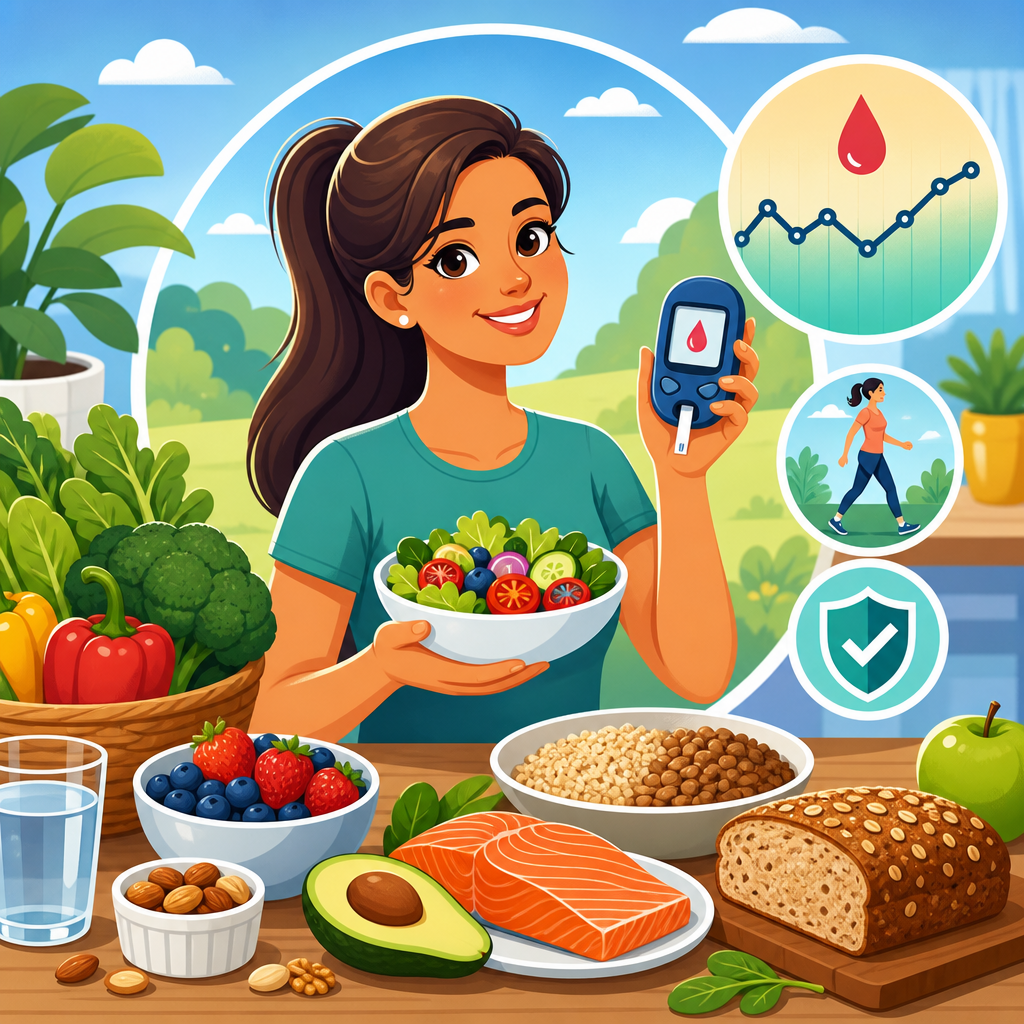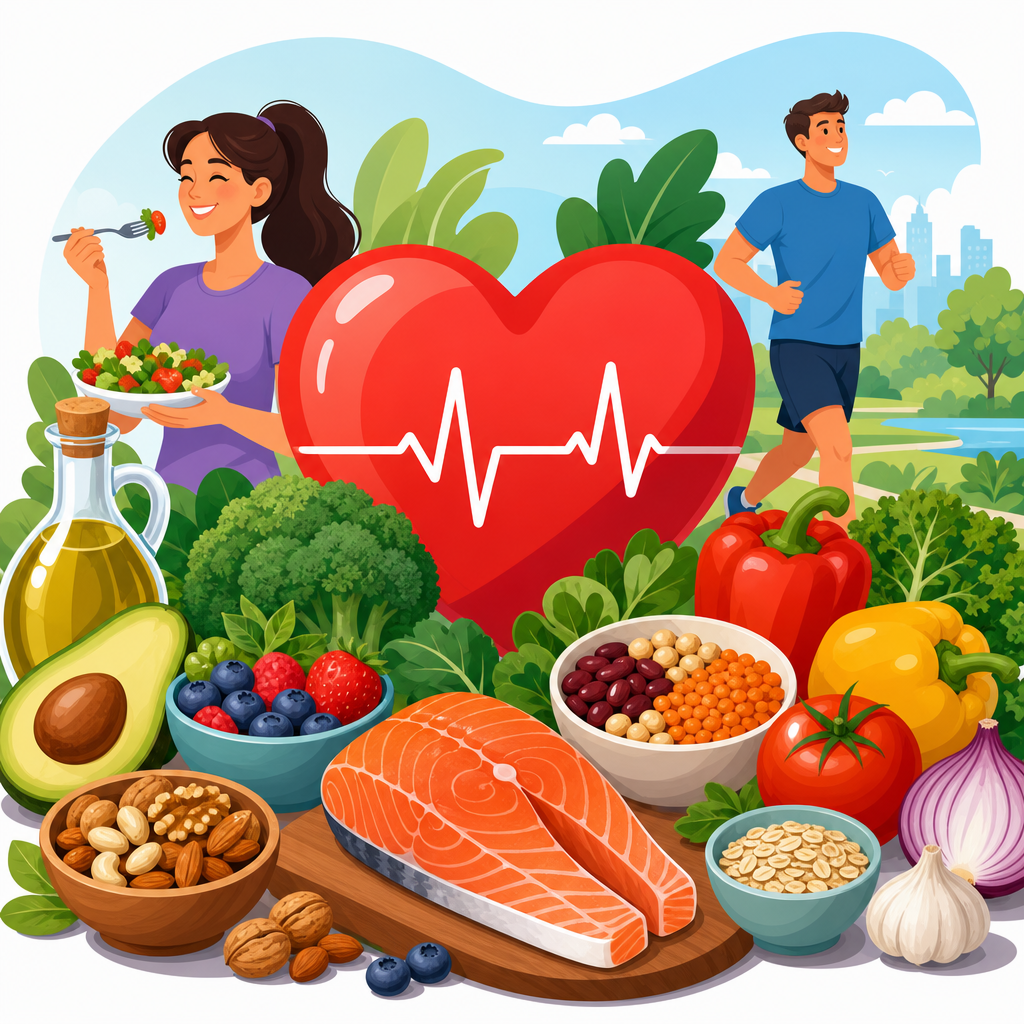
Heart health starts in the kitchen because the foods you eat every day shape blood pressure, cholesterol levels, inflammation, blood sugar control, and body weight, all of which influence cardiovascular risk. Nutrition for heart health refers to eating patterns, food choices, and nutrient balances that protect the heart and blood vessels while lowering the likelihood of heart attack, stroke, heart failure, and related disease. This topic matters because cardiovascular disease remains the leading cause of death worldwide, and many of the strongest risk factors are modifiable through diet and lifestyle. In practice, I have seen the biggest improvements come not from chasing a single superfood, but from building a repeatable eating pattern based on evidence, portion awareness, and realistic habits.
When people ask what diet is best for the heart, the most accurate answer is that several proven patterns work when they emphasize similar fundamentals: vegetables, fruit, legumes, whole grains, nuts, seeds, fish, and unsaturated fats, while limiting excess sodium, added sugar, refined grains, and processed meats. Heart healthy nutrition is not a rigid menu. It is a framework grounded in established research, including Mediterranean-style eating plans, DASH principles, and recommendations from organizations such as the American Heart Association and World Health Organization. The goal is not perfection. The goal is to improve key biomarkers and lower cumulative stress on the cardiovascular system over years and decades.
Understanding a few terms makes the subject easier. LDL cholesterol is often called bad cholesterol because elevated levels contribute to plaque buildup in artery walls. HDL cholesterol helps transport cholesterol back to the liver, but raising HDL alone does not erase risk. Blood pressure measures the force of blood against artery walls, and chronically high readings damage vessels and strain the heart. Triglycerides are blood fats that often rise with excess calories, alcohol, and high intakes of refined carbohydrates. Fiber, especially soluble fiber, helps reduce LDL cholesterol and improve fullness. Unsaturated fats, including monounsaturated and polyunsaturated fats, generally support better cardiovascular outcomes when they replace saturated fats rather than simply adding calories.
Because this article is a hub for nutrition for heart health, it covers the core principles that connect every major subtopic: fats, sodium, fiber, protein choices, meal patterns, label reading, and practical implementation. If you understand these building blocks, you can evaluate almost any food trend with confidence. The central question is simple: does this choice improve the overall pattern that supports healthy arteries, steady blood pressure, and metabolic resilience? When the answer is yes consistently, the heart usually benefits.
The Core Eating Pattern That Protects the Heart
The strongest evidence supports an overall dietary pattern rather than isolated nutrients. In clinical practice and nutrition counseling, I start by assessing what fills most of the plate and what drives excess sodium, saturated fat, and calorie intake. A heart-supportive pattern typically means half the plate from vegetables and fruit, one quarter from high-fiber carbohydrates such as oats, brown rice, barley, or whole grain pasta, and one quarter from protein sources like beans, lentils, fish, tofu, yogurt, or skinless poultry. This approach increases potassium, magnesium, antioxidants, and fiber while naturally crowding out ultra-processed foods that tend to be high in sodium and low in satiety.
Mediterranean-style eating is widely studied because it consistently correlates with lower cardiovascular events. Its defining features include olive oil as a primary fat, frequent intake of vegetables, legumes, nuts, and seafood, moderate dairy, limited red meat, and herbs in place of excess salt. DASH, originally designed to reduce hypertension, overlaps heavily with this pattern and places extra attention on sodium reduction and adequate potassium, calcium, and magnesium. Both plans work because they improve several mechanisms at once: they reduce LDL cholesterol, support endothelial function, moderate blood pressure, and often help with weight management without requiring severe restriction.
Many people assume heart healthy eating is automatically low fat, but that is outdated. The better question is what kinds of fat replace what kinds of carbohydrate or animal fat. Replacing butter with extra virgin olive oil, choosing salmon instead of sausage, or using nuts instead of chips improves fat quality and nutrient density. By contrast, replacing fat with heavily refined snack foods does not help. The cardiovascular system responds to the total pattern, especially the balance between protective foods and foods that promote plaque, high blood pressure, or insulin resistance.
Fats and Cholesterol: What Helps and What Harms
Dietary fat quality has a direct relationship with heart disease risk. Saturated fat, found in butter, high-fat cheese, fatty cuts of beef, coconut oil, and many baked goods, can raise LDL cholesterol in many people, though the effect varies by genetics and overall diet. Trans fats are the clearest problem; they increase LDL, lower HDL, and promote inflammation. Although industrial trans fats have been largely removed from the food supply in many countries, they can still appear in some imported products or foods made with partially hydrogenated oils. Reading ingredient lists remains worthwhile.
Unsaturated fats are the preferable choice for daily cooking and meals. Monounsaturated fats from olive oil, avocado, and many nuts support healthy lipid profiles. Polyunsaturated fats include omega-6 fats from seeds and vegetable oils and omega-3 fats from fatty fish, flax, chia, and walnuts. EPA and DHA, the long-chain omega-3s found in salmon, sardines, trout, herring, and mackerel, are associated with lower triglycerides and may help reduce fatal cardiac events in appropriate dietary contexts. For most adults, eating fish twice weekly is a practical benchmark, with attention to preparation methods such as baking, grilling, or poaching instead of deep frying.
One common question is whether eggs are bad for the heart. For most people, moderate egg intake can fit within a heart healthy diet, especially when the broader pattern is strong. The bigger issue is often what comes with the eggs: bacon, sausage, buttered toast, hash browns, and restaurant-sized portions. Similarly, dairy can fit when portions and fat content are considered. Plain yogurt, kefir, and modest amounts of cheese may work well, but large servings of full-fat dairy combined with other saturated fat sources can push LDL upward in susceptible individuals.
| Nutrition target | Best everyday choices | Choices to limit | Why it matters for heart health |
|---|---|---|---|
| Fat quality | Olive oil, nuts, seeds, avocado, salmon | Butter, processed meats, deep-fried foods | Improves LDL and supports vascular function |
| Carbohydrate quality | Oats, beans, fruit, intact whole grains | Sugary drinks, pastries, refined cereals | Helps control triglycerides, glucose, and appetite |
| Sodium | Home-cooked meals, herbs, low-sodium beans | Deli meats, canned soups, fast food | Supports healthier blood pressure |
| Protein sources | Fish, lentils, tofu, yogurt, poultry | Frequent bacon, sausage, heavily processed meats | Reduces saturated fat and sodium burden |
Fiber, Whole Foods, and Blood Pressure Control
Fiber is one of the most underrated tools in nutrition for heart health. Soluble fiber, found in oats, barley, beans, lentils, apples, citrus, and psyllium, binds bile acids and helps lower LDL cholesterol. Insoluble fiber supports digestive health and adds bulk, which can improve fullness and reduce overeating. Diets high in fiber are also associated with lower blood pressure, better glycemic control, and healthier body weight. In practical terms, aiming for roughly 25 to 38 grams of fiber per day, depending on age and sex, is a useful target, though many adults fall well below it.
Whole foods matter because food structure changes how the body responds. An orange provides fiber and slower digestion compared with orange juice. Steel-cut oats generally promote better satiety than a sugary breakfast pastry. Beans deliver protein, fiber, potassium, and magnesium with very little saturated fat. These characteristics create a favorable environment for cardiovascular health that goes beyond single nutrient numbers. This is one reason food-first strategies outperform supplement-heavy approaches for most people. Supplements can help in select cases, but they cannot recreate the matrix of whole foods.
Blood pressure deserves special attention because it often rises silently for years before symptoms appear. Sodium reduction is important, but it is not the only lever. Increasing potassium-rich foods such as beans, potatoes, yogurt, bananas, spinach, and tomatoes can help balance sodium’s effects in people without kidney disease who have been advised to limit potassium. Magnesium from legumes, nuts, seeds, and greens also supports vascular tone. I regularly remind clients that restaurant meals, sauces, breads, and packaged snacks contribute more sodium than the salt shaker at home. Label reading and cooking more often produce measurable improvements.
Protein Choices, Sugar, and Processed Foods
Protein quality affects heart health through fat composition, sodium content, and overall dietary displacement. Plant proteins like lentils, chickpeas, edamame, tofu, tempeh, and unsalted nuts offer fiber and beneficial fats, making them especially valuable. Fish provides omega-3s, and plain yogurt can add protein, calcium, and probiotics. Poultry can fit well when it is not breaded or heavily salted. Red meat is best treated as an occasional food rather than a daily staple, and processed meats such as bacon, sausage, salami, and hot dogs should be limited sharply because they combine sodium, preservatives, and saturated fat in a way that consistently tracks with higher cardiovascular risk.
Added sugar plays a major role in triglycerides, energy intake, and metabolic dysfunction. Sugar-sweetened beverages are especially problematic because they deliver calories rapidly without meaningful satiety. Regular intake of soda, sweet tea, energy drinks, flavored coffee beverages, and many fruit drinks can drive weight gain and worsen insulin resistance. Desserts and sweets are not forbidden, but frequency and portion size matter. I usually recommend reducing liquid sugar first because that change is easier than overhauling every meal and often yields fast benefits for triglycerides and calorie balance.
Ultra-processed foods deserve attention because they often combine the exact mix that strains the cardiovascular system: refined starch, added sugar, sodium, and industrially formulated fats. Examples include packaged pastries, instant noodles, many frozen convenience meals, chips, and heavily marketed snack products. The issue is not that every packaged food is harmful. Frozen vegetables, canned beans, plain yogurt, and whole grain bread can be useful. The distinction is whether processing preserves a basically wholesome food or creates a highly palatable product that encourages overconsumption and displaces nutrient-dense choices.
Building a Heart Healthy Routine in Real Life
Consistency matters more than dramatic short-term change. A practical weekly routine might include oatmeal with berries and walnuts for breakfast, lentil soup or a grain bowl for lunch, and baked fish with roasted vegetables and brown rice for dinner several nights each week. Snacks could be fruit, yogurt, hummus, or a small handful of nuts. Batch cooking helps because convenience is one of the biggest drivers of poor food choices. Keeping washed produce visible, stocking low-sodium canned beans, and preparing proteins in advance reduces the pull of takeout and vending machine foods.
Grocery shopping is easier when you use a simple filter: choose foods with short ingredient lists, low sodium relative to serving size, minimal added sugar, and substantial fiber when buying grain products. On labels, compare products within the same category rather than judging in isolation. A bread with at least a few grams of fiber and less sodium per slice is usually a stronger choice than white bread loaded with salt. For cereals, aim for high fiber and low added sugar. For sauces and soups, sodium often varies dramatically between brands. Small label decisions compound over time.
Eating out does not have to derail heart health, but it requires strategy. Prioritize grilled or baked proteins, ask for sauces on the side, choose vegetables or beans when available, and watch portion sizes. Many restaurant meals contain more sodium and saturated fat than a full day’s target, so splitting entrées or saving half for later is often wise. If you have high blood pressure, kidney disease, diabetes, or existing cardiovascular disease, personalized advice from a registered dietitian or physician is worth seeking. Start with one meal, one shopping trip, and one habit this week, then build from there.
Nutrition for heart health is most effective when it is viewed as a long-term pattern, not a temporary fix. The strongest plan is built on vegetables, fruit, legumes, whole grains, nuts, seeds, fish, and unsaturated fats, with fewer processed meats, sugary drinks, excess sodium, and refined snack foods. These choices help lower LDL cholesterol, improve blood pressure, steady blood sugar, and support a healthy weight at the same time. That combination is why diet remains one of the most powerful tools for protecting the cardiovascular system.
The key takeaway is that no single ingredient determines heart health on its own. What matters is the repeated balance of foods across days and weeks. Better breakfasts, smarter snacks, more fiber, improved fat quality, and less reliance on ultra-processed food can produce meaningful results even before every habit is perfect. In my experience, people succeed when they simplify the process, repeat a few reliable meals, and adjust their environment so the healthier choice is easier to make. Measurable progress comes from systems, not willpower alone.
Use this hub as your foundation for every deeper topic in nutrition for heart health, from cholesterol management to sodium reduction to meal planning. Review your current routine, identify the highest-impact change, and implement it consistently. If needed, get your lipids, blood pressure, and glucose checked so your food decisions connect to real numbers. Start today with one practical upgrade to your plate, and let that choice support your heart for years to come.
Frequently Asked Questions
What does “nutrition for heart health” actually mean?
Nutrition for heart health means choosing an overall way of eating that supports the heart, blood vessels, and circulatory system over the long term. It is not just about avoiding a few “bad” foods or adding one “superfood.” Instead, it focuses on daily eating patterns that help improve blood pressure, cholesterol levels, blood sugar control, inflammation, and body weight, all of which play a major role in cardiovascular risk. A heart-healthy eating plan usually emphasizes vegetables, fruits, whole grains, beans, lentils, nuts, seeds, and healthy fats while limiting heavily processed foods, excess sodium, added sugars, trans fats, and large amounts of saturated fat.
In practical terms, this means building meals around nutrient-dense foods that deliver fiber, antioxidants, vitamins, minerals, and unsaturated fats. These nutrients help protect artery health, support healthy circulation, and reduce strain on the cardiovascular system. Heart-healthy nutrition also includes paying attention to portion sizes, cooking methods, and consistency. Grilled salmon, oatmeal, leafy greens, olive oil, berries, and beans are examples of foods commonly associated with better heart health, but the real benefit comes from making these choices regularly. The goal is to create a sustainable pattern that reduces disease risk and supports long-term cardiovascular wellness.
Which foods are best for supporting heart health?
The best foods for heart health are those that help lower LDL cholesterol, stabilize blood pressure, reduce inflammation, and improve overall metabolic health. Vegetables and fruits are at the top of the list because they provide fiber, potassium, antioxidants, and plant compounds that support blood vessel function. Whole grains such as oats, brown rice, quinoa, and whole wheat are also important because they contain more fiber and nutrients than refined grains, which can help with cholesterol management and blood sugar balance. Beans, lentils, and peas are especially beneficial because they offer plant protein, soluble fiber, and minerals without the saturated fat found in many animal-based foods.
Healthy fats also matter. Foods such as avocados, walnuts, almonds, chia seeds, flaxseeds, and olive oil provide unsaturated fats that can help improve cholesterol profiles when they replace less healthy fats. Fatty fish like salmon, sardines, trout, and mackerel are rich in omega-3 fatty acids, which are linked to lower triglycerides and better heart function. Low-fat or unsweetened dairy options, lean poultry, and minimally processed soy foods can also fit well into a heart-smart plan. At the same time, it is wise to limit processed meats, fast food, fried foods, sugary beverages, packaged snacks, and desserts high in added sugars. A useful rule is to choose foods that look closer to how they came from nature and prepare them in simple ways that do not add excess salt, sugar, or unhealthy fats.
How do sodium, sugar, and unhealthy fats affect the heart?
Sodium, added sugar, and unhealthy fats can all raise cardiovascular risk, especially when consumed frequently and in large amounts. Too much sodium can contribute to high blood pressure, which forces the heart and arteries to work harder over time. Many people think sodium only comes from the salt shaker, but most of it actually comes from packaged soups, restaurant meals, deli meats, sauces, frozen dinners, snack foods, and fast food. Reducing sodium intake can help improve blood pressure control, particularly for people who are salt-sensitive, older adults, and those who already have hypertension.
Added sugars are another concern because they can drive weight gain, increase triglycerides, worsen insulin resistance, and make it harder to maintain healthy blood sugar levels. Sugary drinks are especially problematic because they deliver a large amount of sugar quickly without making you feel full. Unhealthy fats, particularly trans fats and excess saturated fat, can negatively affect cholesterol levels by increasing LDL cholesterol and contributing to plaque buildup in the arteries. Trans fats are especially harmful and are best avoided altogether. Saturated fat does not need to be feared in isolation, but it should be moderated, especially when it comes from heavily processed meats, high-fat dairy, and fried or packaged foods. The healthiest approach is to replace these with unsaturated fats from fish, nuts, seeds, and plant oils rather than simply adding more calories from any source.
What is the best eating pattern for reducing heart disease risk?
There is not one single diet that works for everyone, but the best-supported eating patterns for heart health share several core principles. Plans such as the Mediterranean diet and the DASH diet consistently show benefits for lowering blood pressure, improving cholesterol levels, and reducing the risk of heart attack and stroke. These eating patterns focus on vegetables, fruits, whole grains, legumes, nuts, seeds, fish, and healthy oils while limiting processed foods, red and processed meats, and foods high in sodium, added sugars, and refined carbohydrates. They are effective not because of one magic ingredient, but because they improve overall nutrient quality and help people eat in a more balanced, sustainable way.
The most important factor is adherence. A heart-healthy eating pattern should be realistic, enjoyable, and flexible enough to fit your lifestyle, culture, and budget. For some people, that may mean eating more plant-based meals during the week. For others, it may involve switching from white bread to whole grain, replacing processed snacks with nuts and fruit, cooking with olive oil instead of butter, or eating fish more often in place of processed meats. Consistency matters more than perfection. An eating plan that you can follow for years will do far more for your heart than a strict short-term diet that is difficult to maintain.
What are simple ways to start improving heart health through nutrition today?
The best way to start is with a few practical changes that can be repeated every day. Begin by filling at least half your plate with vegetables and fruits at meals, and choose whole grains more often than refined grains. Add beans, lentils, or other plant proteins to soups, salads, tacos, or grain bowls several times a week. If you eat animal protein, prioritize fish, skinless poultry, and leaner options while cutting back on processed meats such as bacon, sausage, hot dogs, and deli slices. Swapping butter or creamy dressings for olive oil-based options is another simple improvement that can support healthier cholesterol levels.
It also helps to read food labels for sodium, added sugar, and saturated fat, especially on foods marketed as convenient or healthy. Choose water, unsweetened tea, or sparkling water instead of sugary drinks. Plan snacks that include fiber and healthy fats, such as fruit with nuts or plain yogurt with seeds. Cooking more meals at home can make a major difference because it gives you more control over ingredients and portion sizes. Most importantly, think in terms of progress, not perfection. Even modest improvements in food quality and consistency can positively affect blood pressure, cholesterol, body weight, and overall cardiovascular health over time.