Maximizing your health with anti-inflammatory diets and chronic disease starts with understanding a simple biological truth: inflammation is both protective and potentially harmful. Acute inflammation is the short-term immune response that helps heal a cut or fight an infection. Chronic inflammation is different. It is a low-grade, persistent state of immune activation that can continue for months or years, quietly damaging tissues and increasing the risk of conditions such as type 2 diabetes, cardiovascular disease, arthritis, fatty liver disease, and some cancers. In clinical nutrition work, I have seen this pattern repeatedly: people do not feel “inflamed” in a dramatic way, yet their lab markers, symptoms, and long-term risks tell another story.
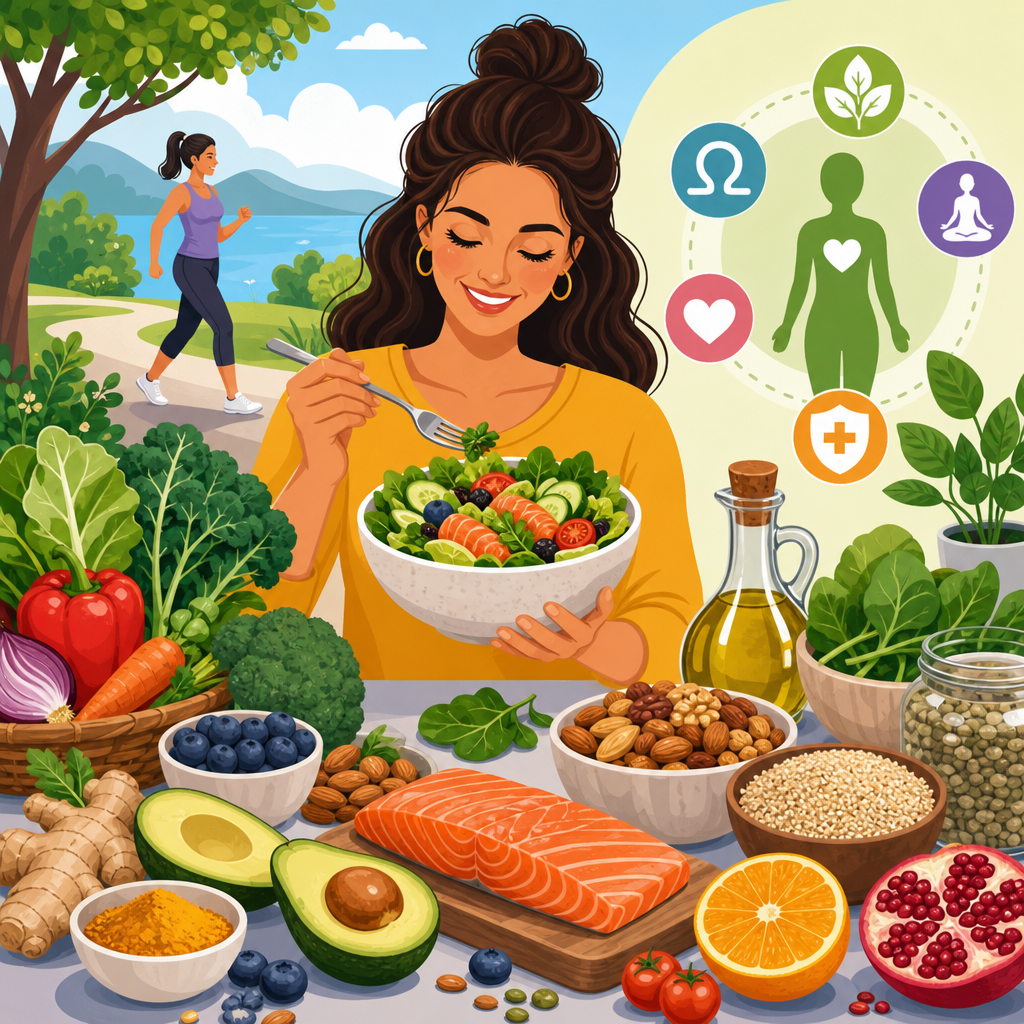
An anti-inflammatory diet is a long-term eating pattern built around foods associated with lower inflammatory activity and better metabolic health. It typically emphasizes vegetables, fruit, legumes, whole grains, nuts, seeds, olive oil, herbs, spices, and omega-3-rich seafood, while reducing ultra-processed foods, refined carbohydrates, trans fats, excessive alcohol, and processed meats. This is not a single branded diet. It is a framework supported by evidence from Mediterranean-style eating, DASH principles, high-fiber dietary patterns, and research on phytonutrients and gut health. The goal is not to “eliminate all inflammation,” which would be impossible and unsafe. The goal is to reduce unnecessary chronic inflammation while supporting normal immune function.
This matters because chronic disease rarely develops from one cause alone. It emerges from interacting factors: diet quality, inactivity, sleep loss, stress, smoking, environmental exposures, genetics, and body composition. Food is not the only lever, but it is one of the most practical and measurable ones. Dietary choices can influence inflammatory pathways through blood sugar regulation, lipid metabolism, oxidative stress, endothelial function, the gut microbiome, and body weight. That is why anti-inflammatory diets are central to nutrition for health and wellness. They do not just target one symptom. They affect multiple systems at once, which makes them especially useful for prevention and for day-to-day disease management.
As a hub topic, anti-inflammatory diets and chronic disease include several related questions people ask: Which foods help? Which foods worsen inflammation? What conditions are most affected? How long does it take to see results? Is weight loss required? The answers depend on the person, but the overall evidence is clear. Diets rich in minimally processed plant foods and healthy fats consistently correlate with lower inflammatory markers such as C-reactive protein, improved insulin sensitivity, healthier blood pressure, and better cardiovascular outcomes. What follows is a practical, evidence-based guide to how these diets work, where they help most, and how to apply them in real life.
How anti-inflammatory diets work in the body
The biological mechanisms are well established. First, anti-inflammatory diets improve glycemic control. Meals built around fiber, intact carbohydrates, protein, and healthy fat reduce large post-meal glucose spikes. That matters because repeated hyperglycemia promotes oxidative stress and activates inflammatory signaling pathways, including NF-kB. Second, these diets improve lipid quality by replacing saturated and trans fats from heavily processed foods with monounsaturated and polyunsaturated fats from olive oil, nuts, seeds, and fish. Better lipid profiles reduce vascular inflammation and help protect the endothelium, the delicate lining of blood vessels.
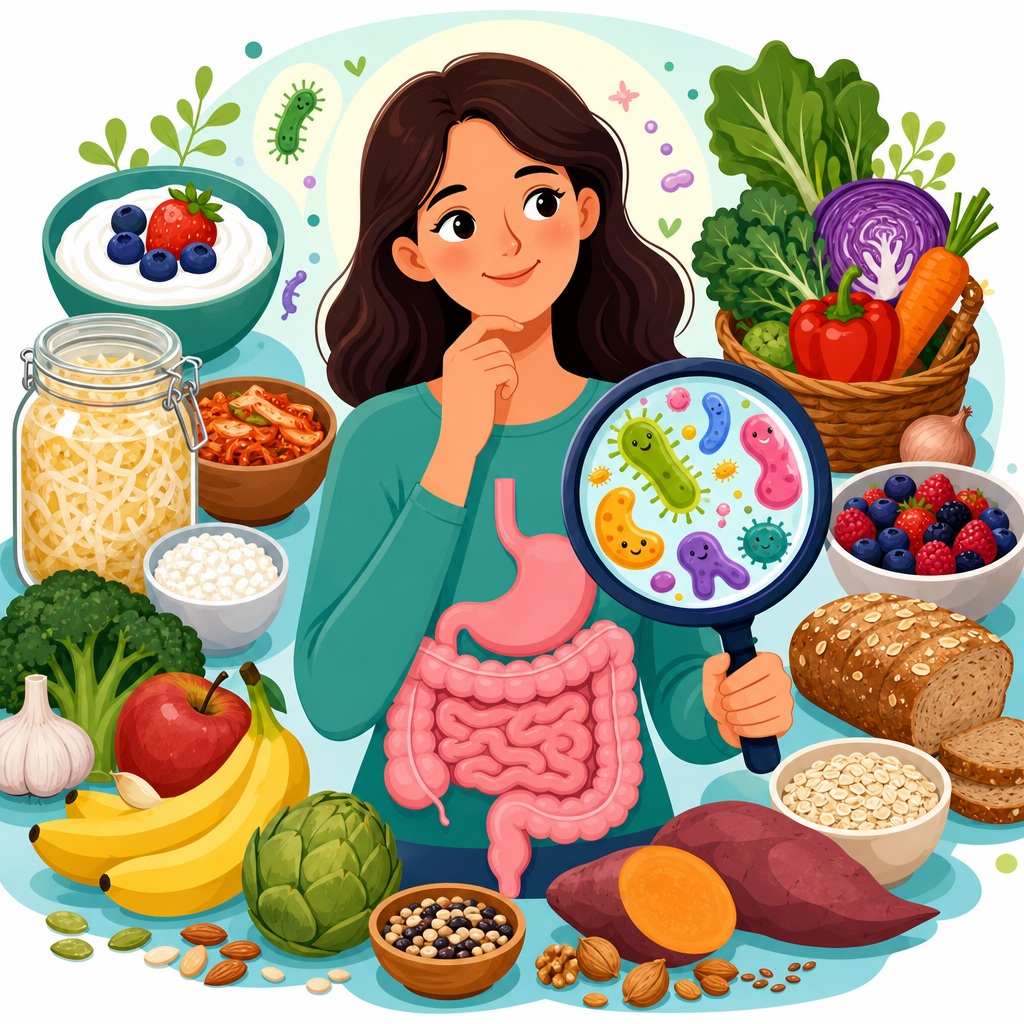
Third, anti-inflammatory diets increase intake of bioactive compounds. Polyphenols from berries, extra-virgin olive oil, cocoa, tea, coffee, and colorful vegetables can modulate oxidative stress and cell signaling. Spices such as turmeric and ginger contain compounds studied for anti-inflammatory effects, although they work best as part of an overall dietary pattern rather than as miracle ingredients. Fourth, these diets support the gut microbiome. Fermentable fibers from beans, oats, barley, onions, garlic, bananas, and many vegetables are converted by gut microbes into short-chain fatty acids such as butyrate, which help maintain the intestinal barrier and regulate immune activity.
Body composition is another key mechanism. Excess visceral fat is metabolically active and releases inflammatory cytokines. That means even a modest weight reduction can lower inflammatory burden, especially in people with insulin resistance. However, improvement is not limited to weight loss. I have worked with patients whose inflammatory markers and symptoms improved before the scale changed, simply because their diet quality improved, sodium dropped, fiber increased, and meals became less processed. Better nutrition can reduce inflammation directly, not only through calorie reduction.
Inflammation is also shaped by what anti-inflammatory diets reduce. Ultra-processed foods often combine refined starches, added sugars, industrial fats, excess sodium, and low fiber in ways that promote overconsumption and metabolic disruption. Frequent intake is associated with higher risk of obesity, type 2 diabetes, and cardiovascular disease. Removing these foods does not require perfection. It requires a consistent shift toward meals made from recognizable ingredients, balanced portions, and regular eating patterns that stabilize energy and appetite.
Best foods to include and foods to limit
The best anti-inflammatory foods are not obscure. They are common, accessible, and repeatedly supported by research. Nonstarchy vegetables should appear often because they provide fiber, potassium, folate, carotenoids, vitamin C, and thousands of phytochemicals. Fruit, especially berries and citrus, adds polyphenols and fiber. Legumes supply plant protein, magnesium, and slowly digested carbohydrates that support blood sugar control. Whole grains such as oats, quinoa, brown rice, and barley are consistently linked to better cardiometabolic outcomes when they replace refined grains.
Healthy fats deserve special attention. Extra-virgin olive oil is a cornerstone because it provides monounsaturated fat and phenolic compounds associated with reduced oxidative stress. Nuts and seeds offer unsaturated fats, fiber, and minerals; walnuts and flaxseed are notable for alpha-linolenic acid. Fatty fish such as salmon, sardines, trout, and mackerel provide EPA and DHA, the omega-3 fats most strongly associated with anti-inflammatory benefits. For protein, a strong pattern is to emphasize fish, legumes, yogurt, kefir, tofu, eggs, and lean poultry more often than processed meats.
Foods to limit are equally important. Sugar-sweetened beverages add rapidly absorbed calories with little satiety and are strongly associated with weight gain and diabetes risk. Refined grains, desserts, packaged snack foods, and fast food meals often combine low fiber with high sodium and unhealthy fat quality. Processed meats are associated with higher cardiometabolic and colorectal cancer risk. Excess alcohol can increase inflammation, triglycerides, blood pressure, and liver stress. Some people also benefit from identifying personal triggers such as highly fried foods or specific ingredients that worsen gastrointestinal symptoms or joint discomfort.
| Food group | Choose more often | Limit more often | Why it matters |
|---|---|---|---|
| Carbohydrates | Oats, beans, lentils, barley, fruit | Soda, pastries, white bread, candy | Fiber improves blood sugar and feeds beneficial gut microbes |
| Fats | Olive oil, walnuts, chia, salmon | Trans fats, frequent deep-fried foods | Fat quality influences vascular and immune function |
| Protein | Fish, yogurt, tofu, legumes, eggs | Processed meats, excessive red meat | Protein source affects sodium, saturated fat, and inflammatory load |
| Flavorings | Herbs, garlic, ginger, turmeric | Heavy reliance on salty packaged sauces | Builds flavor while lowering sodium and adding bioactive compounds |
How anti-inflammatory eating affects major chronic diseases
Cardiovascular disease is the clearest example of benefit. Mediterranean-style diets have been linked with lower rates of heart attack and stroke, in part because they improve blood pressure, LDL particle burden, endothelial function, and systemic inflammation. In practice, I often see the fastest wins when patients replace restaurant-heavy eating with home meals built around vegetables, beans, fish, olive oil, and lower-sodium staples. Within weeks, blood pressure may improve, and over months, lipids and weight often follow. This is one reason anti-inflammatory diets are considered foundational in heart health.
Type 2 diabetes and prediabetes also respond well because chronic inflammation and insulin resistance are closely connected. Higher fiber intake, lower glycemic load, and reduced ultra-processed food intake improve glucose control and satiety. A person does not need to avoid all carbohydrates; they need better carbohydrate quality and portion awareness. Legumes, intact grains, berries, and yogurt can fit well, while sweet drinks and refined snacks generally work against glucose stability. Many patients notice more predictable energy and fewer cravings before their A1C changes, which is a useful sign that the pattern is working.
For arthritis, especially rheumatoid arthritis and osteoarthritis, diet will not replace medical treatment, but it can reduce symptom burden. Omega-3 fats may help modulate inflammatory mediators, and weight reduction decreases mechanical stress on joints. In autoimmune conditions, responses vary, and restrictive elimination plans can create nutritional gaps if used casually. The most dependable base remains a nutrient-dense pattern emphasizing fish, olive oil, legumes, vegetables, and fruit. For inflammatory bowel disease, dietary needs are more individualized, especially during flares, yet overall diet quality and microbiome support still matter in the long term.
Nonalcoholic fatty liver disease, metabolic syndrome, cognitive decline risk, and some cancers are also linked to chronic inflammation. In fatty liver disease, reducing added sugar, refined carbohydrates, and excess calories while increasing unsaturated fats and fiber can improve liver enzymes and fat accumulation. For brain health, vascular protection and glycemic stability are central; what protects blood vessels often protects cognition. Across these conditions, the same principle holds: an anti-inflammatory diet works because it improves the terrain in which disease develops, not because one superfood overrides years of metabolic strain.
Practical implementation for daily life
The most effective anti-inflammatory diet is the one a person can maintain. That starts with meal structure. Build plates around a vegetable, a quality protein, a high-fiber carbohydrate, and a healthy fat. Examples include salmon with roasted Brussels sprouts and quinoa; lentil soup with a side salad and olive oil; Greek yogurt with berries, chia, and walnuts; or a bean-and-vegetable bowl with avocado and brown rice. These meals are not trendy. They are metabolically reliable, filling, and easy to repeat.
Shopping and preparation habits often determine success more than motivation. Keep frozen vegetables, canned beans, plain yogurt, oats, eggs, olive oil, nuts, fruit, and low-sodium broth at home. Choose canned fish packed in water or olive oil for quick lunches. Batch-cook grains and proteins once or twice a week. Use herbs, citrus, garlic, vinegar, tahini, and spice blends to make simple meals taste complete. If time is limited, assemble rather than cook: bagged salad, rotisserie chicken, microwavable brown rice, and hummus are far better than skipping meals and reaching for vending machine food later.
Reading labels matters because many packaged foods carry a health halo while still being high in sodium, added sugar, or refined starch. Compare yogurt types, salad dressings, cereals, and snack bars. Aim for shorter ingredient lists, more fiber, and less added sugar. Restaurant eating requires the same logic: prioritize grilled or baked proteins, double vegetables, beans when available, olive-oil-based dressings, and water or unsweetened drinks. The occasional indulgent meal is not the problem. The problem is when convenience patterns become the default every day.
Finally, tie food changes to other inflammation drivers. Sleep deprivation raises inflammatory markers. Chronic stress affects appetite regulation and glucose control. Smoking increases oxidative stress. Physical activity improves insulin sensitivity and reduces inflammatory burden independent of major weight loss. The strongest outcomes come from combining anti-inflammatory eating with walking, resistance training, sleep hygiene, and realistic stress management. Nutrition is the hub, but it works best when the rest of daily life stops pulling in the opposite direction.
Common myths, limitations, and when to seek professional guidance
One common myth is that anti-inflammatory diets require expensive powders, detoxes, or rigid food rules. They do not. Another is that nightshade vegetables, grains, dairy, or all lectins are inherently inflammatory for everyone. Broad claims like these are rarely supported at population level. Individual intolerances do exist, but they should be identified carefully, ideally with symptom tracking and clinical guidance, not social media trends. I have seen overly restrictive diets backfire by lowering fiber intake, increasing food anxiety, and making adherence impossible.
Another limitation is expecting diet alone to reverse advanced chronic disease. Anti-inflammatory eating is powerful, but it does not replace blood pressure medication, insulin, biologic therapy, or cancer treatment when those are indicated. It complements evidence-based care. Progress also takes time. Some people notice better digestion, steadier energy, or less joint stiffness within two to six weeks. Lab improvements such as A1C, triglycerides, or C-reactive protein usually require longer and depend on consistency. Sustainable change beats aggressive short-term plans every time.
Professional guidance is especially useful for people with diabetes on glucose-lowering medication, kidney disease, inflammatory bowel disease, celiac disease, food allergies, unexplained weight loss, or a history of disordered eating. A registered dietitian can personalize fiber targets, protein needs, sodium limits, and meal timing. They can also coordinate with physicians around labs and medications. The value of a personalized plan is not complexity. It is precision. Good nutrition advice should fit your diagnosis, culture, schedule, budget, and cooking skills.
Anti-inflammatory diets and chronic disease belong at the center of any serious nutrition strategy because they address the shared biology behind many of the illnesses that shorten quality of life. Focus on patterns, not promises: more vegetables, legumes, fruit, whole grains, olive oil, nuts, seeds, and fish; fewer ultra-processed foods, sugary drinks, processed meats, and excess alcohol. These choices improve blood sugar, cardiovascular health, gut function, and inflammatory load in ways that are measurable and meaningful. Start with one meal, one grocery list, and one week of consistent practice, then build from there.
Frequently Asked Questions
What is the difference between acute inflammation and chronic inflammation?
Acute inflammation is your body’s normal, short-term defense response. It happens when you get a cut, catch a virus, or strain a muscle. In that situation, the immune system sends protective cells and chemical signals to the affected area to fight infection, remove damaged tissue, and support healing. Signs such as redness, warmth, swelling, and temporary pain are all part of that process. In healthy circumstances, acute inflammation resolves once the threat is gone and the tissue begins to repair.
Chronic inflammation works very differently. Instead of turning on and then shutting off, the immune system stays mildly activated over a long period of time. This low-grade inflammation may not produce obvious symptoms at first, but over months or years it can contribute to tissue damage and raise the risk of serious health problems, including type 2 diabetes, cardiovascular disease, arthritis, and other chronic conditions. Diet plays an important role here because the foods you eat can either help calm inflammatory pathways or keep them activated. An anti-inflammatory diet is designed to support the body’s natural balance by emphasizing nutrient-dense, minimally processed foods that reduce ongoing stress on the immune system.
How does an anti-inflammatory diet help reduce the risk of chronic disease?
An anti-inflammatory diet helps reduce chronic disease risk by addressing several of the underlying drivers of long-term inflammation at the same time. It typically includes vegetables, fruits, legumes, whole grains, nuts, seeds, olive oil, fatty fish, herbs, and spices, all of which provide fiber, antioxidants, vitamins, minerals, and healthy fats. These nutrients can help limit oxidative stress, support healthy blood sugar control, improve cholesterol balance, and protect blood vessels from damage. When these systems function better, the inflammatory burden on the body often decreases.
This way of eating also tends to reduce exposure to foods commonly linked with increased inflammation, such as highly processed snacks, sugar-sweetened beverages, refined carbohydrates, trans fats, and excessive processed meats. Over time, reducing these foods can help with weight management, insulin sensitivity, and overall metabolic health. Since excess body fat, especially around the abdomen, can itself promote inflammation, even modest dietary improvements can have meaningful long-term effects. While diet is not a cure-all, it is one of the most practical and evidence-supported tools for lowering the risk of chronic disease and improving overall health.
What foods should I eat more of on an anti-inflammatory diet?
The foundation of an anti-inflammatory diet is variety, color, and minimal processing. Aim to eat more leafy greens, broccoli, Brussels sprouts, tomatoes, berries, cherries, citrus fruits, beans, lentils, oats, quinoa, brown rice, walnuts, almonds, chia seeds, flaxseeds, and extra-virgin olive oil. Fatty fish such as salmon, sardines, mackerel, and trout are especially valuable because they provide omega-3 fatty acids, which are well known for helping regulate inflammatory responses. Fermented foods like yogurt, kefir, kimchi, and sauerkraut may also support gut health, which is closely connected to inflammation and immune function.
It is also worth paying attention to flavor-building ingredients. Spices and herbs such as turmeric, ginger, garlic, cinnamon, rosemary, and oregano contain plant compounds that may help lower inflammation. Green tea and other unsweetened teas can add beneficial antioxidants as well. The goal is not to chase a single “superfood,” but to build consistent eating patterns around whole foods that work together. A balanced plate with vegetables, quality protein, healthy fats, and high-fiber carbohydrates is usually far more effective than relying on supplements or trendy ingredients alone.
Which foods and habits can make chronic inflammation worse?
Several dietary patterns and lifestyle habits can contribute to chronic inflammation. Foods that are heavily processed and high in added sugars, refined starches, and unhealthy fats are common culprits. This includes sugary drinks, desserts, fast food, fried foods, packaged snack foods, and processed meats like bacon, sausage, and deli meats. Eating these foods frequently can worsen blood sugar swings, increase oxidative stress, and promote excess calorie intake, all of which can feed inflammatory processes. Regularly consuming more calories than your body needs can also lead to weight gain, particularly visceral fat, which is strongly linked with inflammation.
Beyond food, lifestyle factors matter just as much. Poor sleep, chronic stress, smoking, heavy alcohol use, and low physical activity can all increase inflammatory signaling in the body. Even if your diet is fairly healthy, these habits can undermine progress. On the other hand, improving sleep quality, moving your body regularly, managing stress, and avoiding tobacco can strengthen the anti-inflammatory effects of your eating plan. Chronic inflammation is rarely caused by one food alone, so the most effective strategy is to look at the full pattern of daily choices rather than searching for a single item to blame.
Can an anti-inflammatory diet replace medical treatment for chronic disease?
An anti-inflammatory diet should be viewed as a powerful part of chronic disease management, but not as a replacement for medical care. If you have conditions such as type 2 diabetes, heart disease, inflammatory bowel disease, or arthritis, nutrition can play a major role in symptom control, risk reduction, and quality of life. In some cases, consistent dietary improvement may help lower blood sugar, blood pressure, or cholesterol enough to reduce the intensity of treatment over time. However, that should always happen under the guidance of a qualified healthcare professional, because medications and monitoring may still be necessary.
The best approach is to think of food as one pillar of a larger health strategy. Medical treatment, physical activity, sleep, stress management, and regular checkups all work together. An anti-inflammatory diet can make the body more resilient, support immune balance, and improve many of the biological factors tied to chronic disease, but it is most effective when integrated into a personalized care plan. If you are taking medications or managing a diagnosed condition, it is wise to talk with your doctor or a registered dietitian before making major dietary changes, especially if your new eating pattern could affect blood sugar, blood pressure, or nutrient intake.