Foods for skin, hair, and nail health influence far more than appearance. They support the structure, repair, hydration, and resilience of tissues that constantly face sun exposure, washing, friction, hormones, illness, and aging. When people ask what to eat for glowing skin, stronger nails, or healthier hair growth, the practical answer starts with nutrients, not trends. Protein supplies amino acids for keratin and collagen. Essential fats help maintain the skin barrier. Vitamins and minerals regulate turnover, pigment, circulation, antioxidant defense, and wound healing. Good nutrition will not replace dermatologic care for eczema, acne, psoriasis, alopecia, or fungal nail disease, but it does create the conditions these tissues need to function well.
In practice, skin, hair, and nails respond slowly because they are built over time. Hair grows in cycles, fingernails grow only a few millimeters each month, and the outer layer of skin renews roughly every four weeks in healthy adults. That means diet changes usually show results gradually, often over several weeks to months. It also means the best foods for skin, hair, and nail health are not miracle ingredients. They are consistent, nutrient-dense staples that close common gaps in protein, omega-3 fats, iron, zinc, vitamin C, vitamin A, vitamin E, selenium, biotin, and fluids. The strongest evidence supports dietary patterns built around whole foods rather than single “beauty foods.”
This hub article explains how nutrition affects these tissues, which foods matter most, and how to build meals that support visible results. It also clarifies where supplements help, where they do not, and what warning signs suggest a medical deficiency. If you want a reliable foundation for choosing foods for skin, hair, and nail health, this is the place to start.
How nutrition affects skin, hair, and nails
Skin, hair, and nails are made from specialized proteins and lipids, and they depend on a constant nutrient supply. Skin relies on collagen, elastin, ceramides, natural moisturizing factors, and antioxidant systems to maintain strength and barrier integrity. Hair shafts are built primarily from keratin, while the follicle is one of the most metabolically active structures in the body. Nails are also rich in keratin and need adequate protein, iron, zinc, and blood flow for normal growth. When energy intake is too low, or when protein and micronutrients are inadequate, the body prioritizes essential organs over cosmetic tissues. In clinic-oriented nutrition work, that pattern shows up often as dull skin, increased shedding, brittle nails, slow wound healing, or cracks at the corners of the mouth.
Inflammation and oxidative stress matter too. Ultraviolet light, smoking, poor sleep, high alcohol intake, and heavily processed dietary patterns can all increase oxidative damage that accelerates visible aging. Diet cannot erase those exposures, but it can improve the body’s defenses. Vitamin C helps regenerate antioxidants and supports collagen synthesis. Vitamin E protects cell membranes. Carotenoids such as beta-carotene, lycopene, and lutein contribute antioxidant protection and may modestly improve skin tone. Omega-3 fats can help moderate inflammatory signaling and support barrier function. Glycemic load also plays a role, especially for acne-prone people, because frequent blood sugar spikes can influence insulin and androgen activity.
Hydration deserves a realistic explanation. Drinking water supports overall physiology, but extra water alone does not automatically cure dry skin. True skin hydration depends heavily on the barrier formed by lipids, ceramides, and intact outer cells. I have seen many people focus on water bottles while under-eating fats and protein; their skin improved more after balancing meals than after simply drinking more. Fluids still matter, especially with exercise, heat, and high-fiber diets, but hydration works best when paired with adequate electrolytes and skin-supportive nutrients.
The most important nutrients and the foods that provide them
Protein is the starting point because keratin and collagen depend on amino acids. Inadequate protein intake can contribute to thinning hair, weak nails, and slower tissue repair. Good sources include eggs, Greek yogurt, cottage cheese, fish, chicken, turkey, lean beef, tofu, tempeh, edamame, lentils, beans, and milk. For adults trying to support body composition and tissue repair, distributing protein across meals usually works better than concentrating it at dinner. A breakfast with eggs and yogurt, a lunch with salmon or tofu, and a dinner with beans and poultry creates steadier amino acid availability.
Vitamin C is essential for collagen formation and also improves absorption of non-heme iron from plant foods. Citrus fruit, kiwi, strawberries, bell peppers, broccoli, tomatoes, and potatoes are all strong options. Bell peppers are particularly useful because they deliver very high vitamin C with little sugar, and they fit easily into savory meals. Iron is critical for oxygen transport and hair follicle function. Low iron stores are a common contributor to diffuse hair shedding, especially in menstruating women. Heme iron comes from red meat, shellfish, and poultry; non-heme iron comes from lentils, beans, tofu, spinach, pumpkin seeds, and fortified cereals. Pairing plant iron with vitamin C materially improves absorption.
Zinc supports skin repair, immune regulation, and hair and nail growth. Oysters are the richest food source, but beef, crab, yogurt, pumpkin seeds, chickpeas, and fortified cereals also contribute. Essential fats are equally important. Fatty fish such as salmon, sardines, trout, and mackerel provide EPA and DHA, which support membrane health and inflammatory balance. Walnuts, chia seeds, flaxseed, and soy provide ALA, a precursor that converts inefficiently, so seafood usually offers a more direct benefit. Vitamin A supports epithelial turnover, but more is not better. Food sources such as carrots, sweet potatoes, spinach, kale, eggs, and dairy are safer than high-dose supplements, which can actually trigger hair loss when excessive.
Biotin gets a lot of attention, but true deficiency is uncommon. Eggs, salmon, pork, sweet potatoes, almonds, sunflower seeds, and legumes provide biotin naturally. Selenium from Brazil nuts, seafood, meat, and eggs supports antioxidant enzymes, yet excess selenium can also cause hair and nail problems. That is why a food-first approach is safer than random supplementation. Vitamin E from almonds, sunflower seeds, hazelnuts, avocado, and olive oil supports membrane protection, while copper from shellfish, seeds, nuts, cocoa, and legumes contributes to connective tissue and pigment pathways.
Best food groups to prioritize in a skin, hair, and nail diet
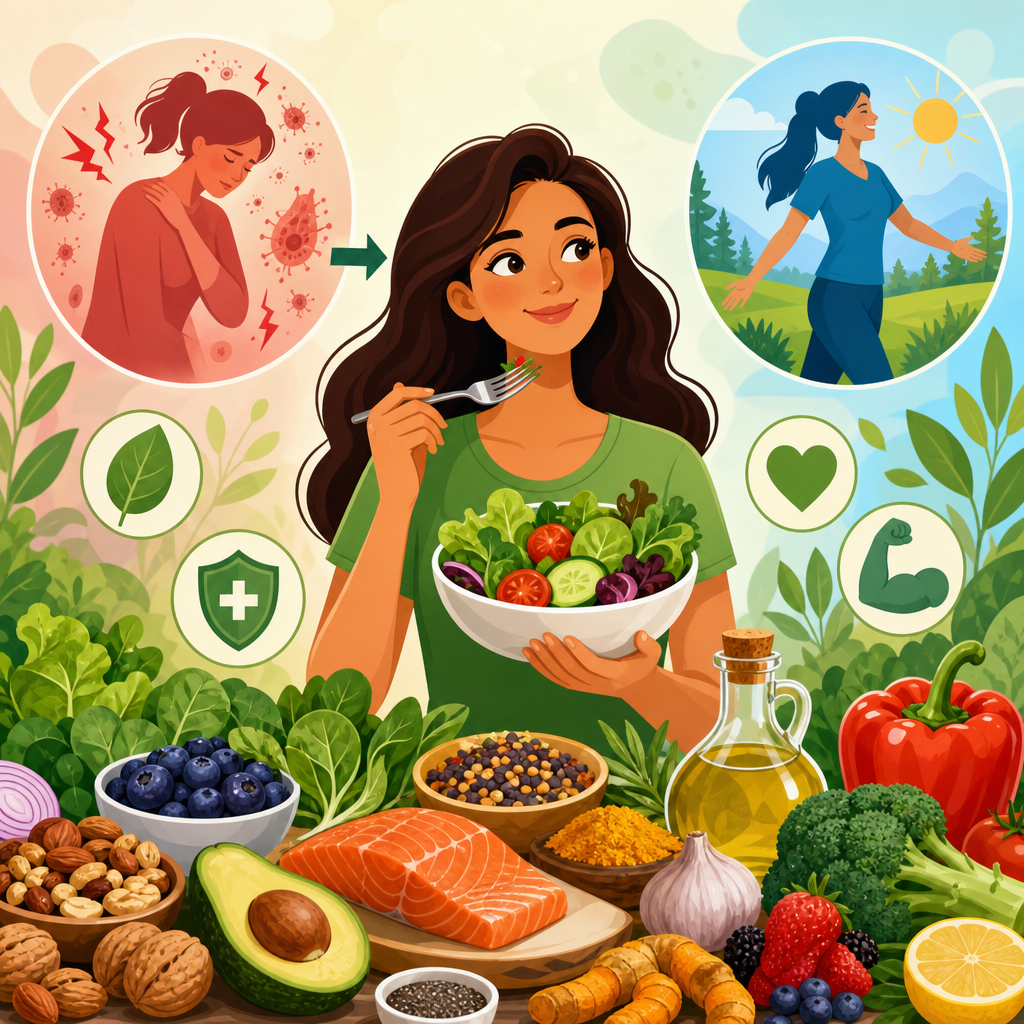
The best diet for skin, hair, and nail health is a pattern, not a single superfood list. Start with colorful produce because it supplies vitamin C, carotenoids, polyphenols, potassium, and water. Berries, oranges, kiwi, leafy greens, tomatoes, red peppers, carrots, and sweet potatoes cover much of this territory. Next, prioritize high-quality protein at each meal. Eggs are especially practical because they provide protein, biotin, selenium, iodine, and choline. Fish adds protein plus omega-3 fats. Fermented dairy such as Greek yogurt offers protein and minerals and works well for people who tolerate dairy.
Healthy fats improve meal quality and support fat-soluble vitamin absorption. Extra-virgin olive oil, avocado, nuts, seeds, tahini, and fatty fish deserve regular rotation. Whole grains and legumes matter because restrictive low-carbohydrate diets can reduce fiber, B vitamins, and overall energy intake. I have repeatedly seen aggressive dieting show up first in the mirror as tired skin and increased shedding. Oats, quinoa, beans, lentils, and brown rice help maintain energy sufficiency while delivering minerals and prebiotic fibers that support the gut-skin axis.
Below is a practical framework for building a plate that supports visible tissue health without overcomplicating shopping or meal prep.
| Food group | Key nutrients | Examples | Main benefit |
|---|---|---|---|
| Protein foods | Protein, iron, zinc, biotin | Eggs, salmon, Greek yogurt, tofu, lentils, lean beef | Supports keratin, collagen, repair, and growth |
| Colorful produce | Vitamin C, carotenoids, polyphenols | Berries, kiwi, peppers, tomatoes, carrots, spinach | Promotes collagen formation and antioxidant defense |
| Healthy fats | Omega-3s, vitamin E, monounsaturated fats | Salmon, sardines, walnuts, flax, olive oil, avocado | Helps skin barrier function and inflammation balance |
| Whole grains and legumes | B vitamins, iron, fiber, magnesium | Oats, quinoa, beans, chickpeas, brown rice | Supports steady energy and broad nutrient coverage |
What to eat for specific goals: glow, growth, strength, and repair
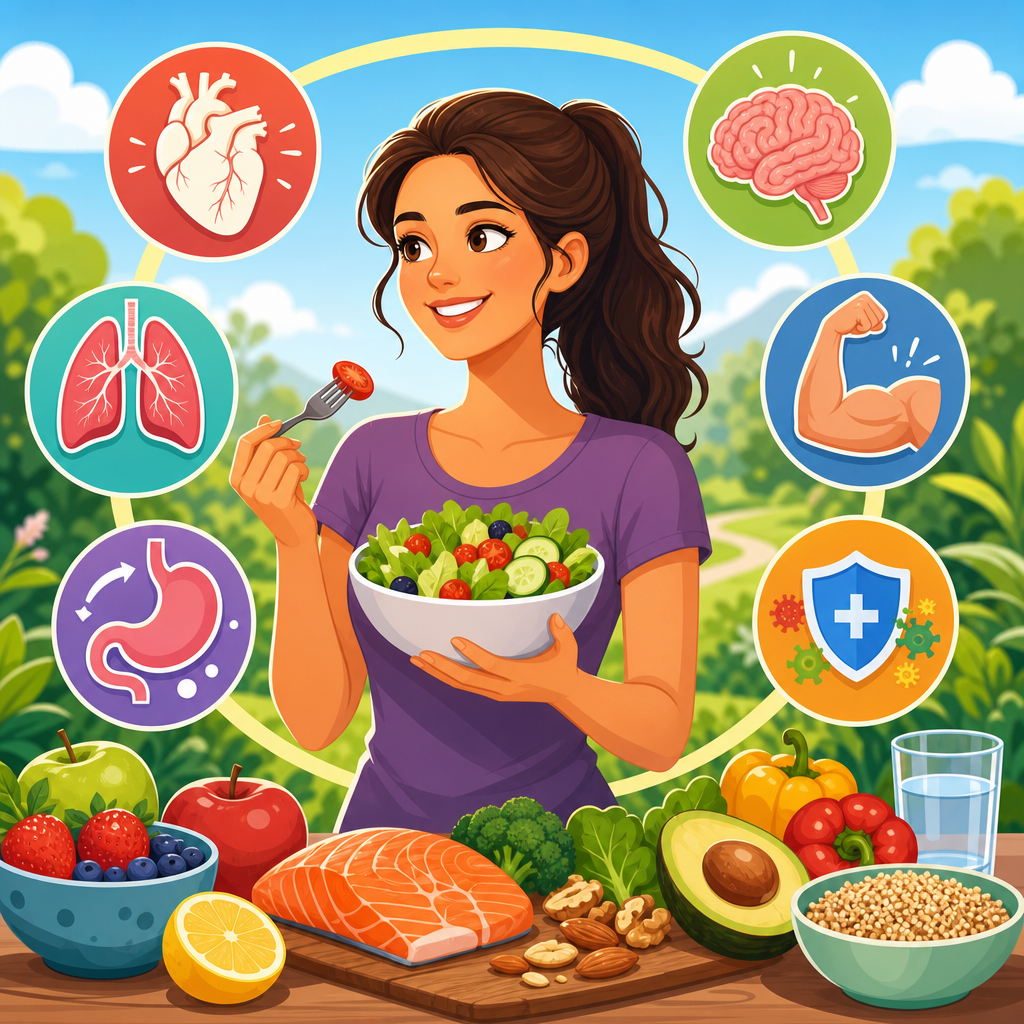
For healthier-looking skin, focus first on barrier support and collagen support. Meals built around salmon, olive oil, avocado, berries, peppers, and leafy greens cover omega-3 fats, vitamin E, vitamin C, and polyphenols. A simple example is a salmon grain bowl with quinoa, spinach, roasted peppers, cherry tomatoes, and olive oil dressing. For acne-prone skin, some people benefit from reducing high-glycemic foods and reviewing dairy intake, particularly skim milk, though responses vary. The evidence is stronger for overall glycemic control than for blanket dairy elimination.
For hair growth and reduced shedding, iron status, protein sufficiency, thyroid health, and total calorie intake matter most. A person with low ferritin will not fix hair loss with collagen gummies alone. Meals that include eggs, lean red meat, lentils, pumpkin seeds, fortified grains, and vitamin C-rich produce are more useful. If hair shedding is sudden, patchy, or prolonged beyond a few months, testing is smarter than guessing. Ferritin, complete blood count, vitamin D, thyroid markers, and sometimes zinc can provide direction.
For stronger nails, consistent protein, iron, and zinc intake is the foundation. Brittle nails also worsen with frequent wet work, harsh solvents, and repeated trauma. Nutrition helps, but so does protecting hands, using gloves, and moisturizing cuticles. For wound repair, post-procedure healing, or recovery after illness, protein and vitamin C needs rise. That is when practical foods like yogurt, eggs, chicken soup, citrus, potatoes, beans, and smoothies become useful because they deliver nutrition in forms people will actually eat consistently.
Common mistakes, restrictive diets, and when supplements help
The biggest mistake is chasing isolated ingredients while ignoring total diet quality. Collagen powders can be convenient, but they are incomplete proteins and should not replace broader protein sources. Juice cleanses, very low-fat diets, and chronically low-calorie eating can all undermine skin, hair, and nail health by cutting protein, essential fats, iron, zinc, and B vitamins. Another common mistake is over-supplementing. Excess vitamin A, selenium, and sometimes zinc can worsen hair loss or create new imbalances. Biotin supplements can also interfere with certain laboratory tests, including some thyroid and cardiac assays, which is a real safety issue.
Supplements can help when there is a documented gap, limited intake, or increased need. Iron should generally follow lab confirmation because too much is harmful. Vitamin D may be appropriate for people with low levels, limited sun exposure, or higher risk factors. Omega-3 supplements can be useful for those who do not eat fish, though quality and dosage matter. In vegetarian or vegan diets, attention to B12, iron, zinc, iodine, and omega-3 intake is essential. With careful planning, plant-based diets can absolutely support healthy skin, hair, and nails, but they require more deliberate sourcing than omnivorous diets.
If symptoms are severe, persistent, or paired with fatigue, weight change, menstrual irregularities, digestive symptoms, rash, or rapid breakage, get medical evaluation. Nail pitting can suggest psoriasis. Spoon nails can occur with iron deficiency. Diffuse shedding may follow stress, fever, surgery, childbirth, or medication changes. Food is powerful, but it is not the only variable, and treating every issue as a simple nutrient problem delays appropriate care.
How to build a sustainable routine that delivers results
Consistency beats intensity. Start by anchoring each meal with protein, then add a fruit or vegetable rich in vitamin C or carotenoids, include a healthy fat, and rotate iron- and zinc-rich foods through the week. A realistic day might look like eggs and berries at breakfast, a lentil and pepper salad with olive oil at lunch, Greek yogurt and pumpkin seeds as a snack, and salmon with sweet potato and broccoli at dinner. That pattern covers most of the major nutrients discussed without supplements, detoxes, or expensive “beauty” products.
Track changes over realistic timelines. Skin texture and dryness may improve within a few weeks if intake was poor before. Nails need several months to grow out stronger, and hair changes usually take the longest because follicles move through cycles. Take progress photos in consistent lighting and review your habits honestly. Are you under-eating? Skipping protein at breakfast? Avoiding fats? Living on coffee and snack bars? Small corrections usually outperform dramatic resets.
The core lesson is simple: foods for skin, hair, and nail health work best when they come from a balanced dietary pattern rich in protein, colorful produce, healthy fats, legumes, whole grains, and minerals from varied whole foods. Build that base first, use supplements only when there is a reason, and address persistent symptoms with a clinician. If you want healthier skin, stronger nails, and better hair support, start with your next grocery list and make these foods your weekly staples.
Frequently Asked Questions
What nutrients matter most when choosing foods for skin, hair, and nail health?
The most important nutrients are the ones that help build, protect, and repair these tissues on a daily basis. Protein is at the top of the list because hair and nails are largely made of keratin, while skin depends on both keratin and collagen-related structural support. Without enough protein, the body has fewer amino acids available for routine maintenance, which can show up as brittle nails, weaker hair, or skin that does not recover as efficiently. Healthy fats are also essential, especially omega-3 fats, because they help support the skin barrier, reduce dryness, and contribute to overall resilience. When the skin barrier is better supported, skin tends to retain moisture more effectively and handle environmental stress more successfully.
Several vitamins and minerals also play direct roles. Vitamin C supports collagen formation and helps protect cells from oxidative stress. Vitamin A helps regulate skin cell turnover, although more is not always better, especially from supplements. Vitamin E supports skin protection as an antioxidant. Biotin is often discussed for hair and nails, but it usually matters most when there is an actual deficiency rather than as a universal fix. Zinc helps with tissue repair and skin integrity, while iron is especially important because low iron can contribute to hair shedding and fatigue. Selenium, copper, and B vitamins also support normal cellular function. In practical terms, the best approach is not chasing one “beauty nutrient,” but consistently eating a balanced mix of protein-rich foods, healthy fats, fruits, vegetables, legumes, nuts, seeds, and mineral-rich whole foods.
What are the best foods to eat for glowing skin, stronger nails, and healthier hair growth?
The best foods are usually the least flashy: foods that reliably deliver protein, essential fats, antioxidants, vitamins, and minerals. Eggs, fish, Greek yogurt, lean meats, beans, lentils, tofu, and cottage cheese provide protein needed for structure and repair. Fatty fish such as salmon, sardines, and trout are especially useful because they combine protein with omega-3 fats, which may help support the skin barrier and scalp health. Nuts and seeds, including walnuts, almonds, chia seeds, flaxseeds, and pumpkin seeds, add healthy fats, vitamin E, zinc, and other nutrients that support tissue maintenance. These foods do not work overnight, but they provide the building blocks the body uses consistently over time.
Produce matters just as much. Berries, citrus fruits, kiwi, bell peppers, tomatoes, carrots, sweet potatoes, spinach, and other colorful vegetables deliver vitamin C, carotenoids, polyphenols, and water content that support skin appearance and repair processes. Whole grains and legumes contribute B vitamins, iron, and steady energy for rapidly growing tissues like hair and nails. Avocados provide fats and vitamin E, while shellfish and red meat can be useful sources of zinc and iron when appropriate for the individual. If someone wants a simple formula, a balanced plate works well: include a quality protein source, colorful produce, a healthy fat, and enough total calories. Under-eating, highly restrictive dieting, and relying on ultra-processed snack foods can make it harder for the body to prioritize skin, hair, and nail health.
Can diet really improve skin, hair, and nails, or is it mostly genetics and skincare products?
Diet can make a real difference, but it works within the larger picture of genetics, hormones, age, stress, sleep, medical conditions, and daily care habits. Genetics influence baseline skin type, hair texture, nail thickness, and how someone ages. Skincare products can help protect the skin surface, improve hydration, and target specific concerns. Haircare and nail care practices also matter. But none of those factors eliminate the importance of nutrition. Skin, hair, and nails are living tissues or are produced by living cells, and those cells need a steady supply of energy, protein, fats, vitamins, minerals, and fluids to function properly. If nutritional intake is poor, the body often prioritizes more critical systems first, which can leave visible tissues under-supported.
That said, food is not a miracle treatment and usually does not create dramatic changes overnight. Improvements tend to happen gradually because hair grows in cycles, nails grow slowly, and skin renewal takes time. A nourishing diet is best viewed as foundational support rather than a quick cosmetic hack. It can help improve resilience, reduce the likelihood of deficiency-related problems, and support healthier tissue quality over time. If someone is dealing with sudden hair loss, severe acne, major nail changes, or persistent skin issues, diet may be part of the solution, but it is also important to consider thyroid problems, iron deficiency, hormonal shifts, autoimmune conditions, medication effects, or dermatologic conditions that need professional evaluation.
How long does it take to see results from eating better for skin, hair, and nail health?
Results usually take longer than people expect, because these tissues do not transform instantly. Skin may show some of the earliest changes, especially if dehydration, low intake of healthy fats, or a generally poor diet has been contributing to dryness or dullness. Some people notice modest improvements in hydration, smoothness, or overall vitality within a few weeks of eating more consistently and getting enough fluids. Even then, the effect is usually subtle at first. Hair takes longer because it grows slowly and follows distinct growth phases. If nutritional intake improves today, visible effects on hair quality or reduced shedding may not become clear for several weeks to a few months, depending on the underlying issue. Nails also grow gradually, so stronger or less brittle nails often require a few months of consistent nutrition before the difference is obvious.
The key point is consistency. Eating well for three days will not override months of inadequate intake, intense stress, illness, or restrictive dieting. Progress is usually tied to regular intake of protein, nutrient-dense foods, and enough overall calories. It is also important to fix underlying deficiencies if they exist. Someone who is low in iron, zinc, or certain vitamins may not see meaningful improvement until that deficiency is addressed. In general, give a balanced routine at least 8 to 12 weeks before expecting visible changes, and longer for full hair and nail turnover. Sustainable habits almost always outperform short-term “beauty food” trends.
Are supplements necessary for healthier skin, hair, and nails, or can food be enough?
For many people, food can be enough, especially when the diet is varied, adequate in calories, and built around whole-food sources of protein, healthy fats, produce, legumes, and mineral-rich staples. Whole foods bring nutrients in combinations that tend to be more useful than isolated mega-doses, and they also provide fiber, phytonutrients, and overall dietary balance. In that sense, food should be the foundation. However, supplements can be helpful in specific situations. If a person has a diagnosed deficiency, such as low iron, low vitamin D, or inadequate B12 intake, targeted supplementation may be appropriate. The same is true for people with absorption issues, highly restrictive diets, certain medical conditions, or life stages with increased needs.
It is also worth being cautious with “hair, skin, and nails” supplements marketed as universal solutions. Biotin is a common example: while it is essential, most people who eat enough overall nutrition are not deficient, so taking large amounts may not produce meaningful benefits. Excessive supplementation can also create problems or interfere with lab testing in some cases. More is not always better, and high-dose vitamin A, selenium, or other nutrients can be harmful if overused. The smartest approach is to start with diet, assess whether there are signs of deficiency or medical contributors, and use supplements strategically rather than automatically. If symptoms are significant or persistent, a healthcare professional can help determine whether testing and a targeted plan make more sense than guessing.