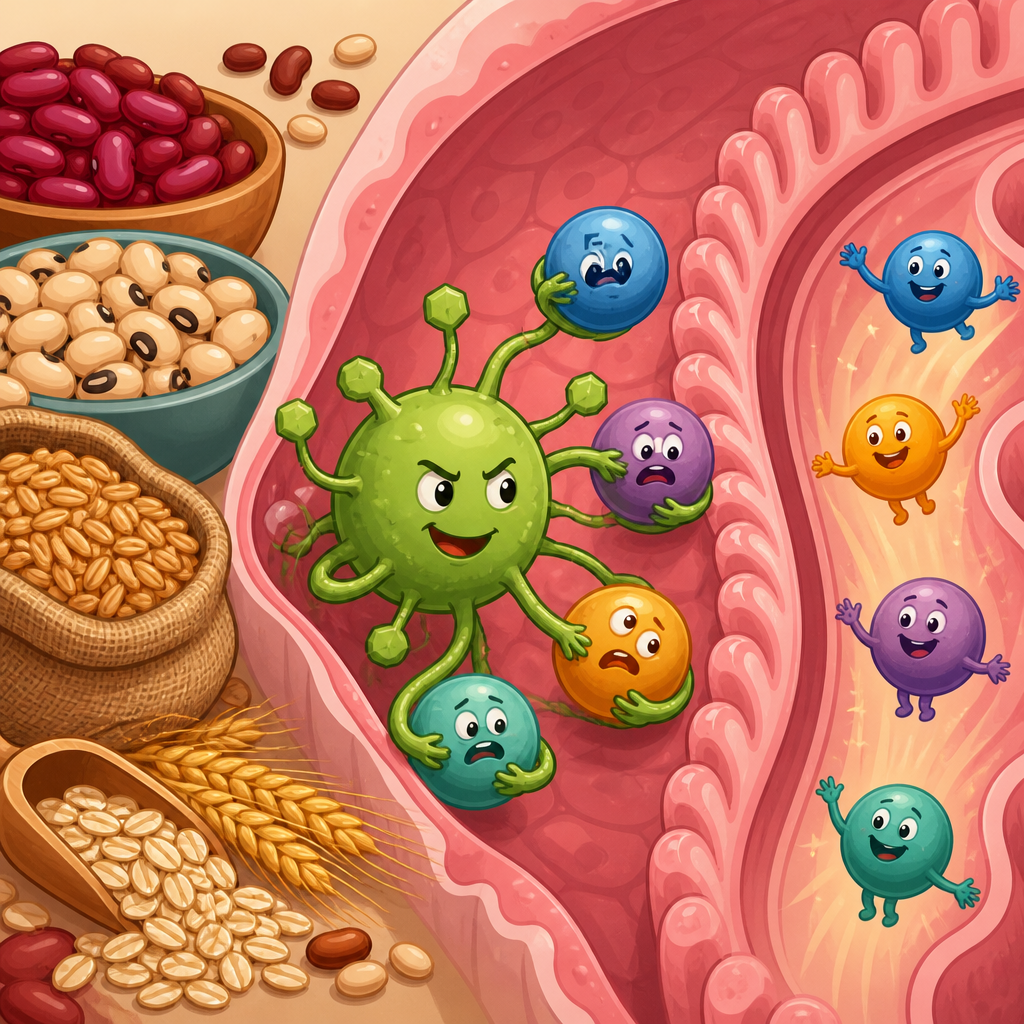
Phytates are natural compounds in beans, grains, nuts, and seeds that can reduce mineral absorption, but their effect depends on the food, the meal, and how the food is prepared. In nutrition, phytate usually refers to phytic acid or its stored form, myo-inositol hexakisphosphate, the main phosphorus reserve in many plant seeds. Because phytic acid binds positively charged minerals such as iron, zinc, calcium, and magnesium, it can form complexes that the human gut does not absorb efficiently. That basic mechanism explains why phytates matter in discussions of nutrient absorption and bioavailability, especially for people who rely heavily on legumes and whole grains as staples.
Bioavailability means the proportion of a nutrient that is digested, absorbed, and used by the body. Nutrient absorption is only one part of that process, but it is the bottleneck most people can influence through food choice, meal composition, and preparation methods. In practice, I find that people often hear one oversimplified message: either “phytates are anti-nutrients” or “phytates are harmless.” Neither is fully accurate. The real picture is more useful. Phytates can meaningfully lower absorption of certain minerals, yet beans and grains also provide fiber, protein, resistant starch, folate, and long-term health benefits linked to lower cardiometabolic risk. The question is not whether to avoid these foods. It is how to prepare and combine them so mineral status stays strong.
This matters most for populations with higher mineral needs or lower dietary margins. Infants starting complementary foods, adolescents, pregnant people, older adults with reduced appetite, vegetarians, vegans, and communities with cereal-based diets face a greater risk when iron and zinc intake is already tight. The World Health Organization and the Food and Agriculture Organization have long recognized that iron and zinc bioavailability varies dramatically across dietary patterns. A mixed diet with animal protein and vitamin C-rich produce behaves differently from a monotonous grain porridge eaten three times a day. Understanding phytates gives you a practical framework for improving mineral nutrition without abandoning affordable staple foods.
This article serves as a hub for nutrient absorption and bioavailability within Nutrition Basics. It connects the chemistry of phytates to the bigger picture: how meal structure, cooking methods, gut conditions, and life stage shape what the body actually gets from food. If you understand what phytates do, which minerals they affect most, and which kitchen techniques lower phytate content, you can build meals that preserve the strengths of beans and grains while limiting their downsides.
How phytates interfere with mineral absorption
Phytic acid carries multiple phosphate groups, and those groups strongly attract minerals with positive charges. In the small intestine, phytate can chelate iron, zinc, calcium, and, to a lesser extent, magnesium, creating insoluble complexes. When the gut lumen is less acidic, those complexes become even harder to dissolve. The result is straightforward: less free mineral is available to cross the intestinal wall. Iron and zinc are usually the biggest concerns because their absorption is tightly regulated and often low to begin with in plant-based diets.
Non-heme iron, the type found in beans and grains, is especially vulnerable. It is already absorbed less efficiently than heme iron from meat, fish, and poultry. Add a high-phytate matrix and absorption can fall further. Zinc shows a similar pattern. Researchers often use the phytate-to-zinc molar ratio to estimate how inhibiting a diet may be. Higher ratios predict lower zinc absorption. Calcium can also be affected, but the impact varies with the total meal and other food components. In real diets, that means a bowl of unsoured bran cereal with no fruit or dairy behaves differently from soaked lentils cooked with tomatoes and served alongside yogurt.
Not all mineral inhibition comes from phytates alone. Polyphenols in tea and coffee can further reduce iron absorption, while oxalates in foods like spinach influence calcium. That is why nutrient absorption and bioavailability should always be assessed in context. A person may blame beans for low iron status when the larger issue is a pattern of low total iron intake, frequent tea consumption with meals, and no vitamin C source. Phytates matter, but they are one variable in a meal system.
Which foods are highest in phytates and who is most affected
Phytates are concentrated in the outer layers and germ of seeds. That is why whole grains usually contain more phytate than refined grains, and why bran products can be especially inhibitory. Common high-phytate foods include wheat bran, whole wheat, oats, brown rice, corn, soybeans, chickpeas, lentils, kidney beans, peanuts, almonds, sesame seeds, and sunflower seeds. Processing changes the amount. White rice and refined flour generally contain less phytate than intact whole-grain versions because the bran and germ are partly removed, though they also lose fiber and some micronutrients.
The people most affected are those whose diets combine three features: heavy dependence on unrefined cereal or legume staples, limited intake of animal-source foods, and low use of phytate-reducing preparation methods. In my work reviewing diet logs, this pattern appears most often when meals repeat the same staples with little fruit, little fermentation, and minimal variety. A child eating unfermented maize porridge several times daily faces a very different mineral-absorption environment than an adult eating beans within a varied diet containing citrus, vegetables, eggs, or fish.
Risk also depends on physiology. Menstruating women need more iron. Pregnancy increases iron and zinc demands. Children have high requirements relative to body size. Older adults may eat smaller meals and absorb less efficiently due to lower stomach acid or medication use. People with gastrointestinal disorders, celiac disease, inflammatory bowel disease, or a history of bariatric surgery have additional absorption challenges. In those cases, phytate reduction can help, but it should be part of a broader strategy guided by labs, symptoms, and clinical care.
How cooking, soaking, sprouting, and fermentation change phytate levels
The most effective way to manage phytates is not fear but preparation. Traditional food practices evolved for a reason. Soaking beans overnight in warm water can reduce some phytate, especially if the soak water is discarded, though the reduction is variable. Cooking alone lowers phytate modestly because phytic acid is heat-stable, but boiling beans after soaking improves digestibility and reduces some inhibitors. Pressure cooking helps texture and cooking time more than phytate destruction, yet it remains valuable because it makes legumes practical to eat regularly.
Sprouting, also called germination, is more powerful because it activates the seed’s own phytase enzymes. Phytase breaks phytic acid into lower inositol phosphates, which bind minerals less strongly. Fermentation is often strongest of all. Sourdough fermentation in bread, for example, can substantially reduce phytate because microbes and prolonged acidity activate phytase. That is one reason fermented grain foods often show better mineral availability than quick-rise breads made with commercial yeast and short proofing times. The same principle applies to fermented batters and porridges used across many food cultures.
Acidity matters too. Adding lemon juice or another acid during soaking can help in some cases, but results depend on the grain or legume and the presence of active phytase. Rye and wheat typically have more native phytase than oats or maize. Legumes vary as well. The practical lesson is simple: if mineral bioavailability is a priority, favor traditional processing methods such as soaking, sprouting, fermenting, and longer leavening over relying on raw flour, dry-roasted bran, or minimally prepared grains.
| Method | How it works | Typical effect on phytate | Best use case |
|---|---|---|---|
| Soaking | Leaches some soluble compounds and can start enzyme activity | Low to moderate, variable | Beans, lentils, some whole grains |
| Boiling or pressure cooking | Improves digestibility but does not destroy much phytic acid directly | Low alone; better after soaking | Daily legume preparation |
| Sprouting | Activates native phytase during germination | Moderate to high | Mung beans, lentils, some grains |
| Fermentation | Uses microbes, time, and acidity to break down phytate | High | Sourdough breads, fermented porridges, batters |
How to improve mineral bioavailability in real meals
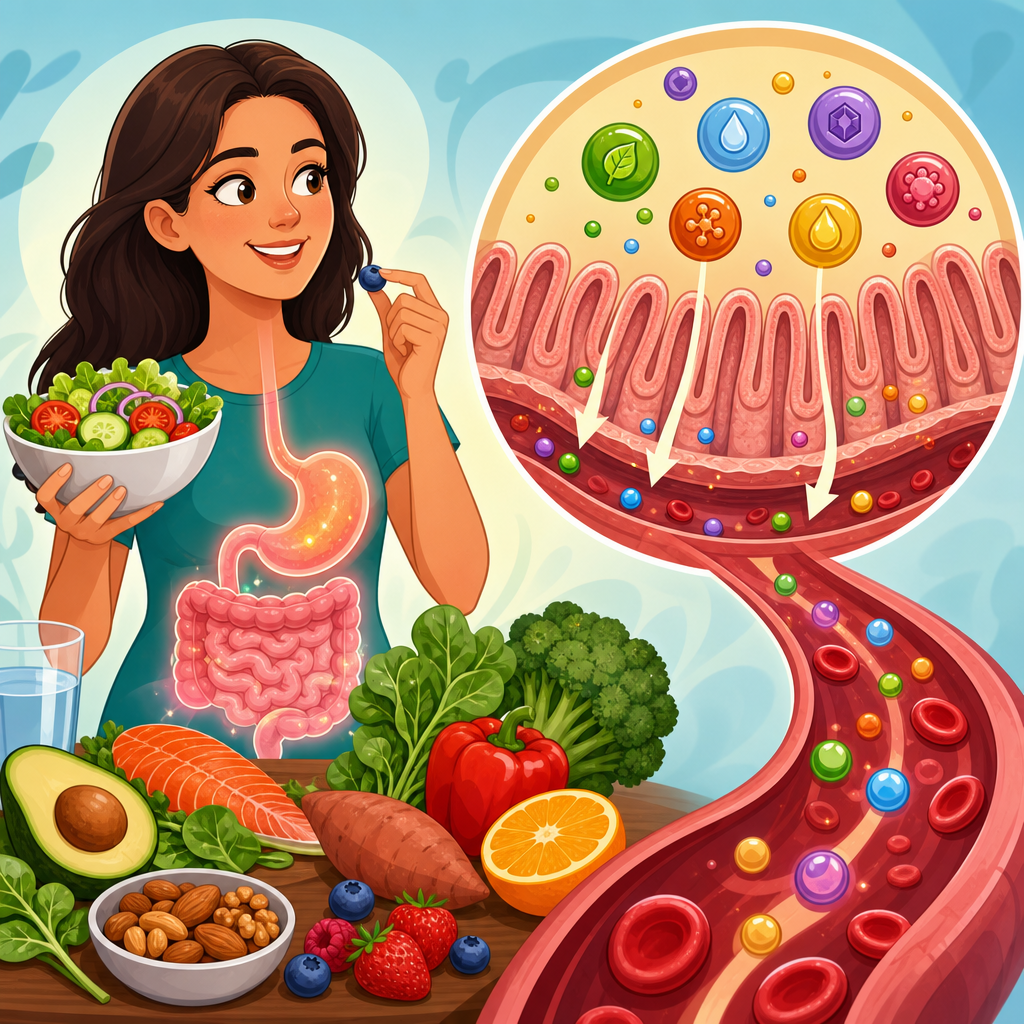
The most reliable strategy is meal design. To improve iron absorption from beans and grains, pair them with vitamin C-rich foods such as bell peppers, tomatoes, citrus, kiwi, strawberries, or cabbage. Vitamin C reduces ferric iron to the more absorbable ferrous form and can counteract some phytate inhibition in the same meal. A bean chili with tomatoes and peppers is better than plain beans with rice. A lentil salad with lemon dressing is better than lentils eaten dry and cold with tea.
Animal proteins also help, especially for iron and zinc. Meat, fish, and poultry contain highly bioavailable minerals and can enhance non-heme iron absorption from plant foods eaten at the same time. That does not mean plant-based eaters are destined for deficiency, but it does mean they need stronger technique: more legumes prepared well, more vitamin C at meals, more variety, and closer attention to laboratory markers when risk is high. For vegetarian and vegan diets, I routinely prioritize fermented soy foods, sprouted legumes, iron-rich ingredients, and meal timing that separates iron-rich meals from tea and coffee.
Calcium-rich foods can be included thoughtfully. Although calcium may inhibit iron absorption in single-meal studies, the long-term effect on iron status is less consistent than many headlines suggest. It is usually unnecessary to micromanage every meal unless someone has confirmed iron deficiency and a clinician has recommended stricter timing. More important is the pattern: diversified meals, adequate total mineral intake, and smart preparation. If someone eats oatmeal, choosing overnight oats with berries is generally better than plain oat bran with black tea.
Are phytates always bad? Benefits, tradeoffs, and the bigger nutrition picture
Phytates are often labeled anti-nutrients, but that term is incomplete. They can reduce mineral absorption, yet they are also associated with potential benefits. Phytic acid has antioxidant properties, may help limit lipid peroxidation, and has been studied for possible roles in metabolic health and kidney stone prevention. Whole grains and legumes, despite containing phytates, are consistently linked with lower risks of cardiovascular disease, type 2 diabetes, and colorectal disease in population research. Those outcomes remind us that foods are more than one compound.
The tradeoff is context. In a nutrient-dense diet with enough iron, zinc, calcium, and protein, phytates are usually not a major threat. In a diet already marginal in minerals, they become far more relevant. That is why public health guidance differs between populations. A healthy adult eating mixed meals may simply need a few better habits. A toddler with poor growth, low appetite, and a cereal-heavy diet may need active phytate reduction, fortified foods, or supplements. Precision matters more than ideology.
This is also why refined grains are not an automatic solution. Lower phytate does not equal better nutrition overall. Refining can improve mineral absorption for a given meal, but it often reduces fiber, satiety, and overall micronutrient density unless products are enriched or fortified. The goal is not to strip foods down indiscriminately. It is to use preparation methods and food pairings that improve nutrient absorption and bioavailability while preserving the broader health value of beans and grains.
Practical guidance for building a low-inhibition, high-nutrition diet
If you want a practical rule, reduce phytate intensity where it matters most: in meals relied on for iron and zinc. Soak beans before cooking. Choose sourdough or fermented grain foods when available. Rotate in sprouted legumes or fermented soy foods such as tempeh. Add a vitamin C source to legume and grain meals. Avoid drinking tea or coffee with iron-focused meals; have them one to two hours later instead. Include animal-source foods if your diet allows, or use fortified foods and careful planning if it does not. For infants and young children, prioritize lower-phytate complementary foods because small stomachs leave less room for error.
It also helps to think in weekly patterns, not isolated plates. A person eating chili with tomatoes, sourdough toast, yogurt, fruit, and occasional seafood across a week is unlikely to be harmed by the phytates in black beans. Someone eating mostly bran cereal, unleavened whole-grain flatbread, and legumes with little produce may need a more deliberate plan. If symptoms such as fatigue, hair shedding, poor growth, brittle nails, or frequent infections suggest deficiency, testing matters. Ferritin, hemoglobin, transferrin saturation, zinc status in context, and a full dietary review provide better answers than internet myths.
Phytates do affect mineral absorption in beans and grains, but they do not make these foods unhealthy or unusable. They simply mean that nutrient absorption and bioavailability must be managed, especially when legumes and whole grains are staples. The core lessons are clear: phytates bind minerals, iron and zinc are most affected, traditional preparation methods lower the burden, and smart meal composition can offset much of the problem. Use soaking, sprouting, fermentation, and vitamin C-rich pairings to get more nutrition from affordable plant foods. Review your regular meals, improve one staple at a time, and build a diet that supports both long-term health and strong mineral status.
Frequently Asked Questions
What are phytates, and why are they found in beans and grains?
Phytates are naturally occurring compounds found mainly in beans, whole grains, nuts, and seeds. In nutrition, the term usually refers to phytic acid or its storage form, myo-inositol hexakisphosphate, which serves as the primary phosphorus reserve in many plant seeds. That means phytates are not additives or contaminants; they are a normal part of how plants store energy and minerals for future growth. Because beans and grains are seed-based foods, it makes sense that they contain meaningful amounts of phytate.
Phytates matter nutritionally because they can bind to positively charged minerals such as iron, zinc, calcium, and magnesium. When that binding happens in the digestive tract, the minerals may become less available for absorption. However, this does not mean beans and grains are unhealthy or that the minerals they contain are useless. It simply means mineral absorption can be influenced by the presence of phytate, the overall composition of the meal, and the way the food is processed or prepared. In practical terms, phytates are one factor among many that affect how much nutrition your body actually takes in from plant foods.
How do phytates reduce mineral absorption?
Phytates reduce mineral absorption by chemically binding with certain minerals in the gut and forming complexes that are not absorbed efficiently. This effect is most often discussed with iron and zinc, though calcium and magnesium can also be affected. The key detail is that phytate does not “remove” minerals from food; instead, it can make some of them less bioavailable during digestion. In other words, the minerals may still be present in the meal, but your body may absorb a smaller percentage of them.
The strength of this effect depends on several variables. The type of mineral matters, the amount of phytate in the food matters, and the rest of the meal matters as well. For example, iron from plant foods is generally more sensitive to inhibitors like phytate than iron from animal foods. Zinc absorption can also be strongly influenced by high-phytate diets. At the same time, a mixed meal with a variety of ingredients may behave differently from a meal built around one high-phytate staple. This is why nutrition science usually looks at whole dietary patterns rather than labeling one compound as universally harmful.
Are phytates always bad for nutrition, or is the effect more complicated?
The effect is definitely more complicated than simply calling phytates “bad.” Phytates can lower the absorption of some minerals, especially in meals that rely heavily on unrefined grains or legumes and contain few absorption enhancers. That is a real and well-established nutritional concern, particularly in populations with limited dietary variety or a high risk of iron or zinc deficiency. But in a balanced diet, the presence of phytate does not automatically create a deficiency or cancel out the nutritional value of beans and grains.
It is also important to keep perspective: beans and whole grains provide fiber, protein, complex carbohydrates, and a wide range of beneficial plant compounds. Foods that contain phytates are often among the most nutrient-dense staples in a healthy diet. In addition, the effect of phytate is not fixed. It can be reduced through preparation methods, and it can be partly offset by meal composition. So while phytates deserve attention, they should be understood as one nutritional variable rather than a reason to avoid otherwise healthful foods.
Which preparation methods can lower phytate levels in beans and grains?
Several traditional preparation methods can lower phytate levels and improve mineral availability. Soaking is one of the simplest. When beans or grains are soaked before cooking, some phytate may break down or leach into the soaking water, especially if the water is discarded. Sprouting or germinating can be even more effective because it activates natural enzymes in the seed, including phytase, which helps break down phytic acid. Fermentation is another powerful method; this is one reason fermented grain and legume foods can have lower phytate content than their unfermented counterparts.
Cooking alone can help to some extent, but it is often more effective when combined with soaking, sprouting, or fermentation. Milling and refining can also reduce phytate because phytate tends to be concentrated in the outer layers of grains, though refining may also remove fiber and other nutrients. The most practical takeaway is that preparation matters. Traditional food practices often improve digestibility and mineral bioavailability, which helps explain why cultures that rely heavily on beans and grains have long used methods like soaking, fermenting, and extended cooking.
How can you improve mineral absorption when eating beans and grains?
One of the best ways to improve mineral absorption is to think in terms of the entire meal rather than a single ingredient. Pairing beans and grains with foods that support absorption can make a meaningful difference. For example, vitamin C-rich foods such as citrus, bell peppers, tomatoes, or strawberries can enhance the absorption of non-heme iron from plant foods. Including a variety of protein sources and maintaining an overall nutrient-rich diet can also support better mineral status over time.
Preparation also plays a major role. Choosing soaked, sprouted, fermented, or thoroughly cooked beans and grains can reduce phytate content and make minerals more available. Dietary variety matters too. If your diet includes a broad range of foods, the inhibitory effect of phytate in one meal is less likely to have a major impact on long-term nutritional status. People who have increased mineral needs, such as children, pregnant women, or individuals with known iron or zinc deficiency, may benefit from paying closer attention to meal design and food preparation. The goal is not usually to eliminate phytates completely, but to balance their effects while still enjoying the nutritional benefits of plant-based staples.