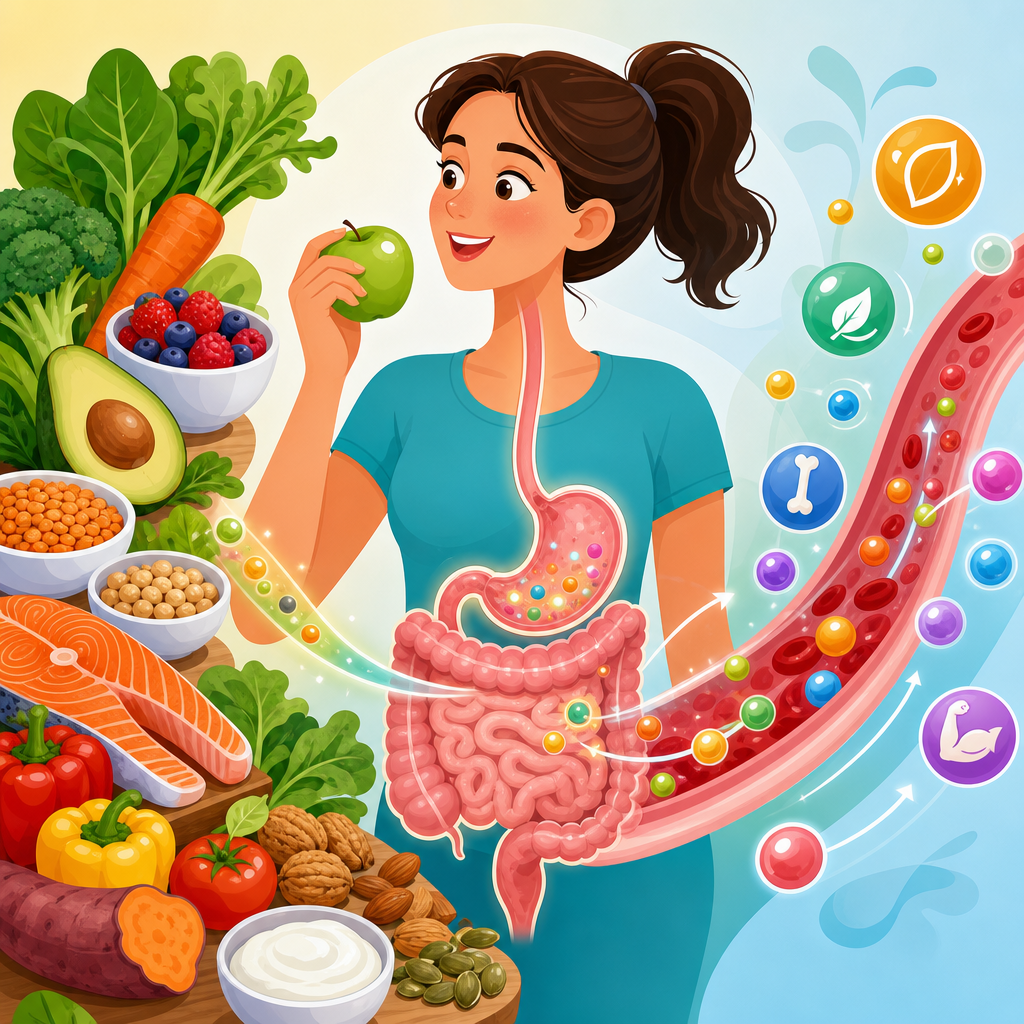
In the realm of nutrition and health, the concept of balanced diet plays a crucial role in maintaining optimal bodily functions and overall well-being. Central to a balanced diet are macronutrients: carbohydrates, proteins, and fats. These three are fundamental components needed for growth, metabolism, and other physiological functions. The importance of macronutrients cannot be overstated as they play distinct yet intertwined roles in fueling the body, supporting cellular processes, and facilitating recovery and repair. Understanding the significance of these nutrients and how they interact can greatly aid individuals in making informed dietary choices that promote health. Ensuring an adequate intake of carbs, proteins, and fats is essential for energy provision, building muscle, storing energy for future use, protecting vital organs, and hormonal balance. In the modern diet, recognizing the role each macronutrient plays can lead to better health outcomes and a more sustainable lifestyle.
While some diet trends may advise the elimination of one or more macronutrients, a truly balanced and healthful diet demands a thoughtful inclusion of carbs, proteins, and fats. Carbs fuel our daily activities, proteins build and repair tissues, and fats serve as an energy reserve and assist in absorbing necessary vitamins. Each of these elements has various types and sources, and not all of them exert the same effects. Making the right choices among them can significantly impact an individual’s health, affecting everything from mental clarity and energy levels to muscle strength and disease resistance. Let’s delve deeper into each of these essential components to understand why they are indispensable in our diets and how they must be balanced to achieve optimal health and performance.
Carbohydrates: The Body’s Primary Energy Source
Carbohydrates are often referred to as the body’s primary energy source. They are broken down into glucose, which is used by our cells to perform various functions. Carbohydrates are classified into simple and complex types, with complex carbohydrates being preferable due to their slower digestion and longer-lasting energy provision. Whole grains, vegetables, and legumes are excellent sources of complex carbohydrates. On the other hand, simple carbohydrates, such as those found in sugary drinks and processed snacks, can lead to quick spikes in blood sugar levels. Despite being often vilified by low-carb diet trends, carbohydrates are critical for brain function, as the brain relies heavily on glucose for fuel. Adequate carb intake is indispensable for high-performing athletes and active individuals who need a steady supply of energy to sustain their physical activities.
Besides providing energy, carbohydrates play a role in protein sparing, meaning they prevent proteins from being used as an energy source, thereby allowing proteins to perform their primary function in tissue growth and repair. Carbohydrates also impact mood regulation and psychological well-being, as they contribute to the production of serotonin, the “feel good” neurotransmitter. Therefore, eliminating or drastically reducing carbohydrates can result in decreased energy levels, impaired cognitive function, and mood disturbances. For optimal health, it is crucial to focus on quality sources of carbohydrates and to manage portion sizes to prevent overconsumption, which can lead to health issues such as obesity and diabetes.
Proteins: Building Blocks for Growth and Repair
Proteins are indispensable for a multitude of bodily processes. They are composed of amino acids, some of which are essential and must be obtained through diet. Proteins serve as building blocks for tissues, muscles, enzymes, and hormones, making them critical for growth, repair, and maintenance of the body. Their role in synthesizing enzymes and hormones means they directly influence metabolism and other critical bodily functions, like immune response and neurotransmission. Animal-based foods such as meat, fish, dairy, and eggs are complete proteins, offering all essential amino acids, while plant-based sources like beans, nuts, seeds, and soy products need to be combined strategically to ensure a full amino acid profile.
For athletes and those aiming for muscle hypertrophy, protein is particularly vital. It facilitates recovery after intense exercise and supports muscle protein synthesis. In contexts such as weight loss, increasing dietary protein can lead to improved satiety and help preserve lean body mass. Additionally, protein plays a role in cell signaling and the structural integrity of cells. However, intake should be balanced; excessive protein consumption, particularly from animal sources, can result in health issues such as kidney strain and increased risk of certain diseases. Striking the right balance, based on activity levels, age, and health goals, ensures proteins can efficiently support the body’s needs.
Fats: Essential for Energy Storage and Hormone Production
Fats frequently endure a negative reputation due to their association with weight gain and cardiovascular diseases. However, fats are critical for normal physiological functions. They are a dense energy source, providing double the energy (9 calories per gram) compared to carbohydrates and proteins (4 calories per gram). This makes fats an efficient form of energy storage, allowing the body to tap into reserves during periods of increased energy demand. Fats are integral in forming cell membranes and serve as insulation and protection for organs. Additionally, they facilitate the absorption of fat-soluble vitamins A, D, E, and K, which are crucial for various bodily functions ranging from vision to bone health.
The types of fat consumed significantly influence health outcomes. Unsaturated fats found in avocados, nuts, seeds, and oily fish are heart-healthy, while saturated fats and trans fats, often found in processed foods, can increase the risk of cardiovascular diseases. Omega-3 and omega-6 fatty acids, essential polyunsaturated fats, must be obtained through diet and are known for their anti-inflammatory properties and roles in brain health. Balancing fat intake is fundamental; adopting unsaturated sources while minimizing saturated and trans fats can prevent health issues and contribute to a balanced, healthful diet.
Finding the Balance: Macronutrient Ratios and Personalization
The key to reaping the benefits of these macronutrients lies in achieving a harmonious balance tailored to individual needs. Macronutrient distribution generally follows guidelines such as 45-65% of total calories from carbohydrates, 10-35% from protein, and 20-35% from fats. However, personal factors such as activity level, metabolic health, and specific dietary goals should influence these ratios. For example, a high-performance athlete would require a higher carbohydrate intake compared to someone with a sedentary lifestyle, while someone focusing on muscle gain may increase their protein consumption.
Incorporating a variety of food sources within each macronutrient category ensures a spectrum of nutrients is consumed, contributing to overall health. It’s vital to note that one’s macronutrient needs may vary over time due to changes in lifestyle, health conditions, or age. Consulting with nutrition professionals can provide personalized recommendations, adapting the macronutrient balance to support specific physiological demands and optimizing health outcomes. Moreover, sustainability and cultural preferences play roles in macronutrient choices, underscoring the importance of individualized dietary planning.
Conclusion
In conclusion, carbohydrates, proteins, and fats are indispensable components in cultivating a balanced diet that supports overall health and well-being. Carbohydrates provide the primary energy source needed for physical activities and brain function, proteins are crucial for growth, repair, and cellular processes, and fats serve as energy reserves and facilitate essential bodily functions. Despite the rise of restrictive dietary trends, a balanced intake that respects the necessity of each macronutrient ensures that all physiological demands are met. By understanding the specific roles and benefits of each macronutrient, individuals can make informed dietary choices, embracing not only the quantity but also the quality and diversity of the foods they consume.
A well-balanced diet does not merely aim for survival but thrives by enhancing energy levels, improving mood, supporting cognitive prowess, and promoting physical health. Incorporating a thoughtful mix of carbohydrates, proteins, and fats—tailored towards one’s unique lifestyle and health goals—can lead to lifelong benefits. Ultimately, embracing a nutritional strategy that appreciates the synergy of macronutrients, aligned with a physically active lifestyle, can significantly impact not just personal health, but also broader, sustainable health practices on a communal and global scale.
The journey towards balanced nutrition is not just about adhering to strict rules but about fostering a deep understanding of how these fundamental nutrients interact to sustain and empower our bodies to peak performance. In doing so, the objective transforms from simply consuming food to nurturing a healthier, more vibrant life. By honoring the necessity of carbohydrates, proteins, and fats, we take pivotal steps towards a balanced diet that optimally supports and sustains a healthy lifestyle for everyone.