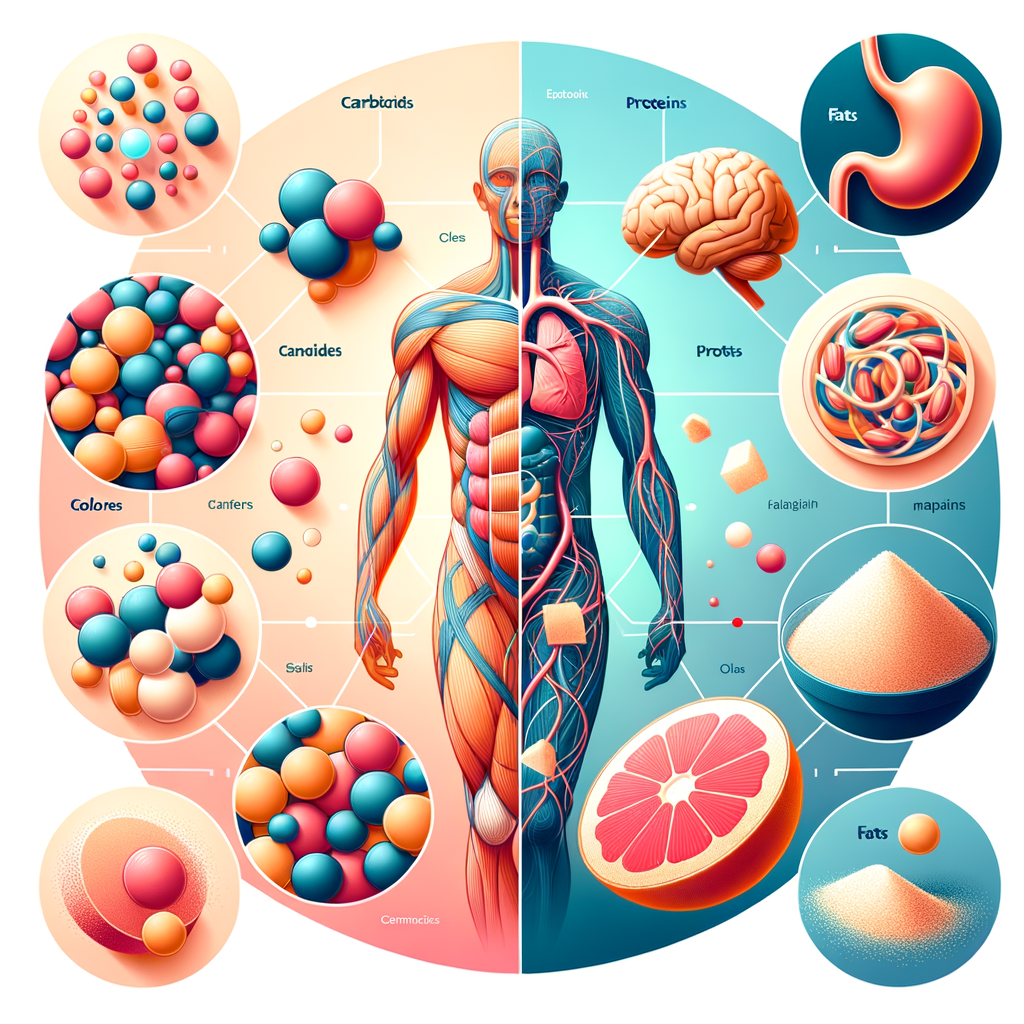
Understanding how macronutrients—carbohydrates, proteins, and fats—support our body’s key functions is crucial for maintaining overall health and well-being. These macronutrients serve as the building blocks essential for various physiological processes. Carbohydrates provide energy, proteins are vital for growth and repair, and fats are necessary for hormone production, energy storage, and cellular health. Together, they form the core of our dietary intake and are essential for sustaining life. In this article, we will explore each macronutrient in detail, understanding how they contribute to our bodily functions and why balanced consumption is necessary for optimal health.
Carbohydrates: The Body’s Primary Energy Source
Carbohydrates are the body’s primary source of energy, providing the fuel necessary for both daily activities and higher-intensity exercises. When consumed, carbohydrates are broken down into glucose, which enters the bloodstream and is utilized by cells for energy. They are fundamental in powering physical performance and sustaining cognitive functions.
Carbohydrates can be categorized into simple and complex types. Simple carbohydrates include sugars found in fruits, vegetables, and dairy, which offer quick energy boosts. On the other hand, complex carbohydrates like whole grains, legumes, and starchy vegetables provide longer-lasting energy due to their fiber content, which slows digestion and stabilizes blood sugar levels. Consuming a mix of these types ensures a consistent energy supply throughout the day.
The brain specifically relies on glucose as its primary energy source. Maintaining adequate carbohydrate intake is crucial for optimal brain function, including memory, attention, and overall cognitive abilities. Additionally, during exercise, especially high-intensity workouts, muscles rely heavily on glycogen stores—derived from carbohydrates—for fuel.
Dietary fiber, a component of carbohydrates, is essential for digestive health. It aids in maintaining bowel regularity by adding bulk to stools and promoting smooth passage through the digestive tract. Fiber also contributes to satiety, helping manage appetite and weight. Soluble fiber, found in oats, beans, and certain fruits, can help lower cholesterol levels and regulate blood sugar, while insoluble fiber, present in whole grains and vegetables, supports digestive health.
However, excessive carbohydrate consumption, particularly from refined sugars and grains, may lead to weight gain and increased risk of chronic diseases such as type 2 diabetes and cardiovascular disorders. It’s important to prioritize whole, unprocessed sources of carbohydrates and maintain a balanced intake tailored to individual energy needs.
Proteins: Building and Repairing the Body
Proteins are indispensable for the growth, repair, and maintenance of body tissues. Composed of amino acids, they serve as the building blocks for muscles, organs, and skin. Proteins play a crucial role in synthesizing hormones and enzymes, which are necessary for biochemical reactions and regulating bodily processes.
Proteins are categorized as complete and incomplete. Complete proteins, found in animal products like meat, fish, dairy, and eggs, contain all essential amino acids required by the body. In contrast, incomplete proteins, often derived from plant sources such as beans, nuts, and grains, may lack some essential amino acids. However, by consuming a variety of plant-based proteins, vegetarians and vegans can combine different sources to obtain all necessary amino acids for optimal health.
A sufficient protein intake is particularly crucial for athletes and those engaged in regular physical activity. During exercise, muscle fibers undergo wear and tear, and protein is integral in repairing and rebuilding these tissues, promoting muscle growth and enhancing strength. This process, known as muscle protein synthesis, is pivotal for recovery and overall performance improvements.
Moreover, proteins play an important role in immune function. Antibodies, which are protective proteins, help identify and neutralize pathogens such as bacteria and viruses. Therefore, adequate protein consumption supports a robust immune system, helping the body fend off illnesses and infections.
As proteins also regulate satiety, they are important for weight management. High-protein diets can reduce appetite and craving, helping individuals control calorie intake and support weight loss or maintenance. The thermic effect of food, which is the energy expended during digestion, is higher for proteins compared to carbohydrates and fats, thus supporting metabolic rates.
Fats: Energy Reserve and Hormone Synthesis
Fats are essential for storing energy, insulating the body, and protecting vital organs. They act as a significant energy reserve, particularly during prolonged activities or when carbohydrate availability is insufficient. Fatty acids, the components of fats, are also integral to the structure of cell membranes, ensuring proper functioning of cells throughout the body.
Fats can be classified into saturated, unsaturated, and trans fats. Unsaturated fats, including polyunsaturated and monounsaturated fats, are heart-healthy options that can help reduce cholesterol levels and lower the risk of cardiovascular diseases. Foods rich in these fats include avocados, nuts, seeds, and olive oil. Omega-3 and omega-6 fatty acids, types of polyunsaturated fats found in fish, flaxseeds, and walnuts, play vital roles in brain health and reducing inflammation.
Saturated fats, primarily found in animal products and processed foods, should be consumed in moderation as excessive intake can contribute to increased blood cholesterol levels and heart disease risk. Trans fats, however, are best avoided due to their adverse effects on heart health and the potential to raise LDL cholesterol levels.
Fats are crucial for hormone production, particularly for the synthesis of steroid hormones, including sex hormones like testosterone and estrogen. These hormones are vital for reproductive health and regulating metabolism, immunity, and other physiological processes.
Additionally, fats aid in the absorption of fat-soluble vitamins—A, D, E, and K—which perform critical functions in the body, including vision support, bone health, antioxidant protection, and blood clotting. Without adequate fat intake, the absorption of these vital nutrients can be significantly impaired.
While fats are calorie-dense, making mindful choices about the types and amounts consumed is important for maintaining health. Emphasizing sources of healthy fats while moderating saturated fat intake ensures the benefits of fats are utilized without adverse health implications.
Conclusion
The symbiotic relationship between carbohydrates, proteins, and fats underscores their collective importance in supporting the body’s essential functions. Carbohydrates primarily fuel energy demands, proteins contribute to building and repairing tissues and sustaining vital processes, whereas fats provide energy reserves, assist in hormone synthesis, and support cellular health. Understanding the crucial role each macronutrient plays allows for informed dietary choices, ensuring a balanced intake tailored to individual health needs and lifestyle demands.
Achieving a nutritive and balanced diet requires actively incorporating a variety of these macronutrients into daily meals. Prioritizing whole, unprocessed sources, like whole grains, lean proteins, and healthy fats, nurtures overall well-being and reduces the risk of chronic health conditions. Being mindful of portion sizes and energy balance helps maintain optimal health and prevents nutrient deficiencies.
Moreover, each person may have different macronutrient needs based on their age, gender, activity level, and specific health goals. Consulting with healthcare professionals or nutritionists can provide personalized insights into macronutrient distribution, ensuring diet plans align with long-term health objectives and personal preferences. Empowering oneself with knowledge enables informed decisions, promoting sustainable dietary habits and a healthier lifestyle.
Frequently Asked Questions
1. How do carbohydrates contribute to my body’s energy needs?
Carbohydrates are often referred to as the body’s main energy source. When you consume carbohydrates, they are broken down into simpler sugars, like glucose, during digestion. This glucose is then absorbed into the bloodstream, where it is used by cells throughout the body for energy. For instance, your brain is heavily dependent on glucose and uses it as its primary fuel to function effectively. Without adequate carbohydrates, you might feel tired, mentally foggy, or struggle with concentration. In addition to providing immediate energy, excess carbohydrates are stored in the liver and muscles as glycogen, serving as an energy reserve for times when your body needs a quick boost, such as during intense exercise or between meals.
2. Why is protein important for growth and repair?
Protein is a pivotal macronutrient responsible for keeping our bodies in a continuous state of growth and repair. Every cell in your body contains proteins, which are made up of amino acids—the building blocks of protein. When you consume protein, your body breaks it down into these amino acids, which are then used to build and repair tissues, muscles, skin, hair, and nails. Furthermore, proteins play a crucial role in creating enzymes and hormones, which are essential for metabolism and overall health. For growing children, pregnant women, and those recovering from injuries or surgeries, protein intake is particularly critical as it supports rapid tissue growth and recovery. Without enough protein, you could experience muscle wasting, weakened immune response, and delayed healing.
3. What roles do fats play in hormone production and overall health?
Dietary fats are often misunderstood, though they are indispensable for several important functions. They are crucial for hormone production, especially steroid hormones like estrogen and testosterone, which play a role in regulating many bodily processes including reproduction, mood, and metabolism. Fats are also integral to the absorption of fat-soluble vitamins such as A, D, E, and K, which are necessary for various health benefits including vision, immunity, and bone health. Moreover, fats are essential components of cell membranes, ensuring cellular health. They assist in insulating body organs, maintaining body temperature, and providing a long-lasting energy source, as fats contain more than double the energy (calories) per gram compared to carbohydrates and proteins.
4. How do these macronutrients work together to maintain overall health?
Carbohydrates, proteins, and fats each have unique roles in maintaining health, but they don’t operate in isolation. They work synergistically to ensure the body functions optimally. For instance, carbohydrates supply glucose, which, when paired with proteins, enhances muscle recovery after workouts by stimulating insulin production—a hormone that helps with muscle repair. Proteins, once broken down, need carbohydrates to be properly used for bodily functions and energy. Fats aid in signaling for energy utilization of carbs and proteins and also provide essential fatty acids that the body cannot produce. When consumed in proper ratios, these macronutrients ensure that your metabolism runs efficiently, muscles repair effectively, and your whole bodily systems communicate properly for overall health.
5. Are there specific recommendations for macronutrient intake?
Yes, the recommended intake of macronutrients can vary based on multiple factors such as age, sex, activity level, and health goals. Generally, dietary guidelines suggest that 45-65% of total daily calories should come from carbohydrates, 10-35% from protein, and 20-35% from fats. However, these are basic guidelines. For example, athletes may need more protein and carbohydrates to support energy expenditure and muscle repair, whereas those trying to manage weight may adjust their fat intake. It’s important to focus on the quality of macronutrients, prioritizing whole grains, lean proteins, and healthy fats like those from avocados, nuts, and oily fish. Consulting with a healthcare provider or a dietitian can help tailor these needs to fit personal dietary and health objectives better.