Hydration and its role in health explained starts with a simple truth: water is not just a beverage choice, but a biological requirement that influences nearly every system in the body. In nutrition practice, hydration refers to maintaining the right balance of fluids and electrolytes so cells, tissues, and organs can perform normal functions. That includes carrying nutrients, regulating temperature, supporting digestion, lubricating joints, removing waste, and helping the brain and muscles work efficiently. When people think about better nutrition, they often focus on protein, carbohydrates, fats, vitamins, and minerals, yet water is the medium that allows many of those nutrients to be absorbed, transported, and used. I have seen clients improve energy, bowel regularity, exercise tolerance, and appetite awareness simply by correcting chronic underhydration. This topic matters because mild dehydration is common, thirst is not always an early warning sign, and fluid needs vary with age, body size, climate, diet, activity, illness, and medication use.
Understanding hydration requires two connected ideas. First, total fluid intake includes water, other drinks, and water-rich foods such as fruit, vegetables, yogurt, and soup. Second, hydration is not only about volume; it is also about balance. Sodium, potassium, chloride, and other electrolytes help regulate fluid movement between body compartments and support nerve signaling and muscle contraction. The body constantly loses water through urine, sweat, breathing, and stool, so intake must replace those losses. There is no single rule that fits everyone, which is why broad slogans like drinking eight glasses a day can be a useful reminder but not a precise prescription. A practical hydration approach looks at daily habits, urine color trends, thirst, body weight changes during exercise, and medical context. As a hub within Nutrition Basics, this guide explains what hydration does, how much fluid most people need, how to spot problems early, and how to build reliable habits that support long-term health.
What Hydration Does in the Body
Water makes up roughly half to two thirds of adult body weight, with the percentage varying by age, sex, and body composition. Lean tissue contains more water than fat tissue, which is one reason muscular people may have higher fluid needs. At the cellular level, water acts as a solvent for biochemical reactions. It helps enzymes function, maintains blood volume, and allows nutrients such as glucose, amino acids, and water-soluble vitamins to circulate to tissues. Without adequate fluid, blood becomes more concentrated, the heart works harder to maintain circulation, and temperature control becomes less efficient.
Hydration is essential for thermoregulation. During exercise or heat exposure, the body produces sweat, and evaporation of that sweat cools the skin. If fluid losses are not replaced, core temperature can rise, increasing the risk of heat exhaustion and heat stroke. Hydration also supports kidney function by helping the body filter blood and excrete waste products such as urea. In the digestive system, fluid contributes to saliva production, swallowing, gastric emptying, and stool softness. Many cases of constipation improve when people increase both fluid and fiber together, because fiber without enough water can worsen symptoms.
Brain function is also affected. Research consistently shows that even mild dehydration can impair attention, mood, short-term memory, and perceived task difficulty, especially in hot conditions or during prolonged mental work. In practical terms, people may describe this as headache, irritability, fogginess, or unexplained fatigue. I often tell clients that hydration is one of the lowest-cost nutrition interventions because it can influence physical performance, mental clarity, and comfort within a day.
How Much Water You Really Need
Daily fluid needs depend on more than body weight alone. The National Academies has published adequate intake levels for total water from all beverages and foods: about 3.7 liters per day for men and 2.7 liters per day for women, with roughly 20 percent typically coming from food. These figures are population-level reference points, not exact targets for every individual. A person who lives in a cool climate, works at a desk, and eats plenty of produce may need less from beverages than a construction worker in summer heat.
Several factors increase fluid requirements. Exercise raises sweat losses; altitude increases breathing-related water loss; fever, vomiting, and diarrhea can rapidly deplete fluids; pregnancy and lactation increase needs; and high-protein, high-fiber, or high-sodium eating patterns may require more fluid to maintain comfort and balance. Older adults deserve special attention because thirst sensation may become less reliable with age, while kidney function and medication use can complicate fluid regulation. Children also have unique hydration needs because they can heat up faster during activity and may not stop to drink when busy.
A useful rule is to start with structured intake rather than relying on thirst alone. Drinking with meals, between meals, and around physical activity works better than trying to catch up late in the day. Urine color can be a practical indicator: pale yellow usually suggests adequate hydration, while dark yellow or amber often indicates the need for more fluid. Very clear urine all day may mean intake is excessive for that person. For athletes, pre- and post-exercise body weight changes provide stronger evidence. Losing more than 2 percent of body weight during activity is generally associated with meaningful dehydration and reduced performance.
Best Sources of Hydration and What Counts
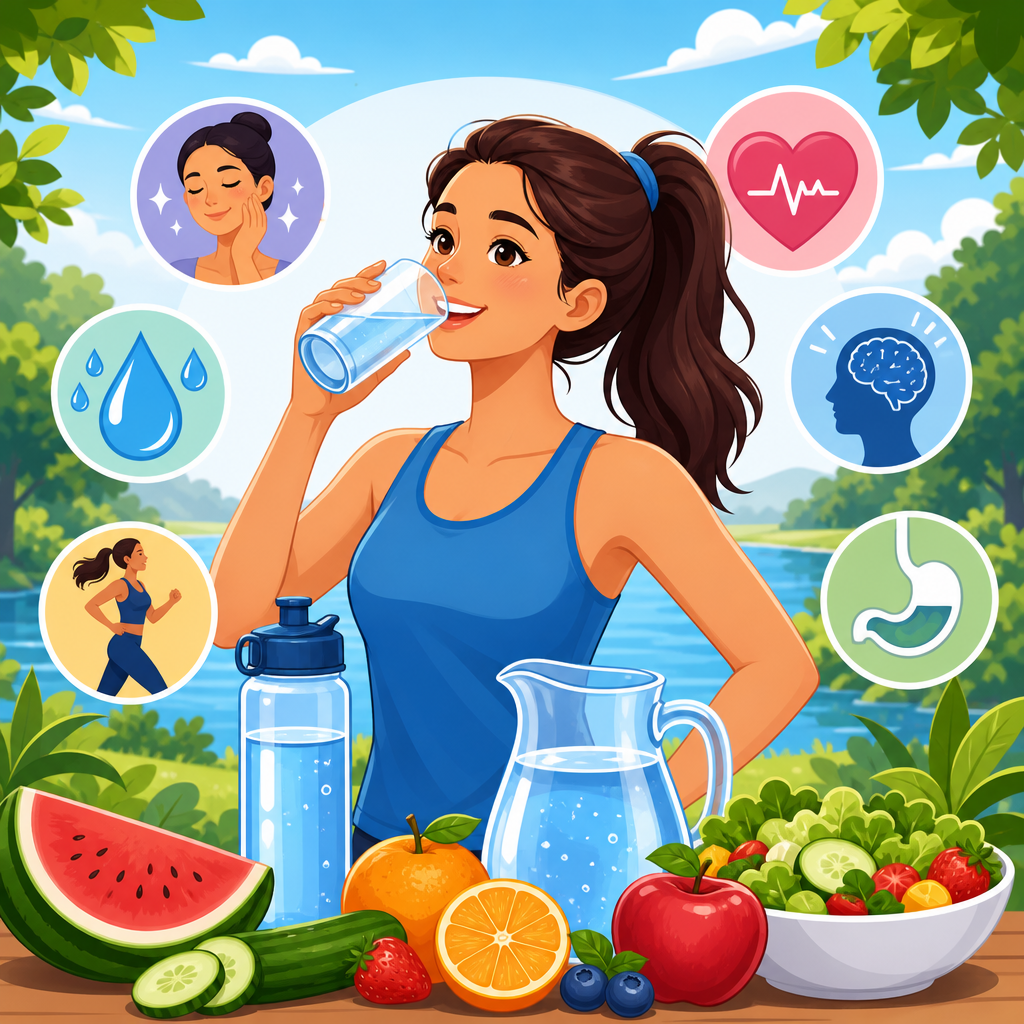
Plain water is the default hydration choice because it is calorie-free, accessible, and effective. Still, many fluids contribute to hydration, including milk, tea, coffee, sparkling water, oral rehydration solutions, and diluted juice. Water-rich foods count too. Cucumbers, watermelon, oranges, strawberries, lettuce, tomatoes, broth-based soups, and yogurt can meaningfully raise total fluid intake. This matters for people who struggle to drink large volumes, because improving hydration can come from food choices as well as beverages.
Caffeine does not automatically cause dehydration in habitual users. Coffee and tea still contribute net fluid, though very high caffeine intake may increase bathroom trips or worsen symptoms for people sensitive to stimulants. Sports drinks can be useful during long or intense exercise, particularly when sessions exceed about 60 to 90 minutes or occur in hot conditions with heavy sweating. They provide carbohydrate for fuel and sodium to support fluid retention. For most low-intensity daily activity, water is enough.
Not all beverages are equally helpful. Sugary drinks can add substantial calories with limited satiety, which matters for weight management and cardiometabolic health. Alcohol can impair fluid balance, judgment, and recovery, especially when consumed in large amounts or in hot environments. Practical hydration advice is not about banning every other beverage; it is about choosing fluids that fit overall health goals most of the time.
| Hydration source | Best use | Main benefit | Limitation to note |
|---|---|---|---|
| Plain water | Everyday hydration | No calories, widely available | No electrolytes for heavy sweat losses |
| Milk | Meals or recovery | Fluid, protein, calcium, potassium | Not suitable for all intolerances |
| Tea or coffee | Routine fluid intake | Contributes to hydration | Caffeine may affect sleep or sensitivity |
| Sports drink | Endurance exercise, heat | Sodium and carbohydrate support performance | Often unnecessary for light activity |
| Oral rehydration solution | Diarrhea, vomiting, illness | Evidence-based fluid and electrolyte replacement | Not intended as a routine beverage |
| Fruit and vegetables | Daily meals and snacks | Fluid plus fiber and micronutrients | Usually not enough alone for high losses |
Dehydration: Signs, Risks, and Who Is Most Vulnerable
Dehydration occurs when fluid losses exceed intake enough to disrupt normal function. Early signs include thirst, dry mouth, darker urine, lower urine volume, fatigue, dizziness, and headache. As dehydration becomes more significant, symptoms may include rapid heart rate, reduced exercise capacity, irritability, confusion, sunken eyes, and low blood pressure. In severe cases, especially with heat illness or gastrointestinal losses, dehydration can become a medical emergency.
Some groups face higher risk. Infants and young children can lose fluid quickly during diarrhea or fever. Older adults may drink less because of reduced thirst, mobility limits, fear of incontinence, or swallowing difficulty. Athletes, outdoor workers, military personnel, and people in hot kitchens or warehouses can underestimate sweat losses. Individuals with diabetes may lose more fluid when blood glucose is poorly controlled. Certain medicines, including diuretics and some laxatives, can also increase fluid loss or alter electrolyte balance.
In real life, dehydration is often subtle rather than dramatic. Office workers may spend hours in air-conditioned spaces, drink mostly coffee, skip water, and then wonder why they feel drained by afternoon. Travelers lose routine, fly in dry cabin air, and often arrive constipated or headachy. Older patients recovering from illness may not feel thirsty enough to replace what they lost. In each case, the solution begins with recognizing that symptoms commonly blamed on stress or tiredness may have a hydration component.
Electrolytes, Overhydration, and Getting the Balance Right
Hydration guidance should include a caution against assuming that more water is always better. Electrolytes, especially sodium, help maintain fluid balance inside and outside cells. When someone sweats heavily for hours and replaces losses with plain water alone, blood sodium can fall too low, a condition called hyponatremia. This is uncommon in everyday life but well documented in endurance events, military training, and prolonged labor in heat. Symptoms can include bloating, nausea, headache, confusion, and in severe cases seizures.
The key point is that hydration quality matters alongside quantity. During ordinary daily living, meals usually provide enough electrolytes to support balance. During prolonged heavy sweating, sodium replacement becomes more relevant. This can come from sports drinks, oral rehydration products, salty foods, or individualized plans based on sweat rate and sodium loss. I have worked with recreational runners who assumed they needed to drink constantly, yet their bigger problem was overdrinking before and during long races. A body-weight based plan and sensible sodium intake improved both comfort and performance.
People with kidney disease, heart failure, liver disease, uncontrolled hypertension, or conditions requiring fluid restriction need personalized medical guidance. They should not follow generic hydration targets without checking with a clinician. Good hydration is not a contest to consume the most water; it is the steady maintenance of fluid balance appropriate to physiology, environment, and health status.
Hydration Strategies for Daily Life, Exercise, and Illness
The best hydration strategy is one that becomes automatic. In everyday life, I recommend anchoring fluid intake to habits: a glass after waking, one with each meal, one during midmorning and midafternoon, and extra fluid around exercise. Carrying a bottle can help, but only if it gets refilled and used. Flavoring water with citrus, mint, or cucumber works for people who dislike plain water. For those who repeatedly forget to drink, setting phone reminders or using marked bottles with time goals can make intake more consistent.
For exercise, begin activity already hydrated. The American College of Sports Medicine advises drinking before, during, and after exercise based on sweat losses, duration, and environment. For sessions under an hour at moderate intensity, water is usually sufficient. For longer sessions, especially in heat, fluids with sodium and carbohydrate are often more effective. After exercise, replacing about 125 to 150 percent of fluid lost over the next several hours helps account for ongoing urine losses. A simple method is weighing before and after training and drinking roughly 16 to 24 ounces for each pound lost, adjusted to individual tolerance and medical needs.
During illness, hydration priorities change. Vomiting, diarrhea, and fever increase losses and can create dangerous dehydration quickly, especially in children and older adults. Small, frequent sips are often better tolerated than large amounts at once. Oral rehydration solutions are the evidence-based choice when both fluid and electrolytes need replacement because their glucose-sodium ratio supports intestinal absorption. Severe symptoms, inability to keep fluids down, confusion, minimal urination, or signs of heat illness warrant prompt medical care.
Building Better Nutrition Through Hydration Habits
Hydration supports better nutrition in direct and indirect ways. It helps regulate appetite cues, improves meal comfort, supports digestion, and can displace excess intake of sugar-sweetened beverages when water becomes the default choice. It also affects food quality because many hydrating foods are nutrient-dense: fruit, vegetables, soups, and dairy products deliver vitamins, minerals, and fluid together. In weight-management settings, replacing soda, sweet tea, energy drinks, or oversized juice servings with water or unsweetened beverages can reduce calorie intake without creating complicated food rules.
Creating sustainable habits works better than chasing perfect numbers. Start by observing current intake for a few days. Notice when thirst hits, how urine color looks, whether headaches or constipation improve with more consistent fluid, and which settings make hydration harder. Then make one or two targeted changes, such as adding water at breakfast and carrying a refillable bottle to work. Families can support hydration by serving water at the table, packing bottles for school and sports, and keeping water-rich foods visible and convenient.
Hydration and its role in health explained in practical terms comes down to this: water enables the body to use nutrients, regulate temperature, support cognition, protect performance, and maintain comfort every day. Good hydration is not mysterious, but it does require attention to context, including age, activity, climate, diet, and medical conditions. Plain water should be the foundation, electrolyte replacement should match true losses, and urine color, thirst, and routine can guide daily decisions. If you want a stronger nutrition baseline, review your current fluid habits this week and make one change you can keep.
Frequently Asked Questions
Why is hydration so important for overall health?
Hydration is essential because water supports nearly every major function in the body. It helps transport nutrients to cells, carry oxygen through the bloodstream, regulate body temperature through sweat and circulation, support digestion, cushion joints, and remove waste through urine and bowel movements. Proper fluid balance also helps maintain healthy blood volume, which allows the heart and blood vessels to work efficiently. When hydration is adequate, the body is better able to keep tissues, organs, and metabolic processes running smoothly.
Hydration also plays a major role in brain function, energy levels, and physical performance. Even mild dehydration can affect concentration, mood, memory, and alertness. Muscles also depend on proper fluid and electrolyte balance to contract effectively, which is why dehydration can contribute to fatigue, weakness, and cramps. In simple terms, hydration is not just about quenching thirst. It is a foundational part of nutrition and health that helps the body operate as it was designed to.
How much water should a person drink each day?
There is no single water intake target that fits everyone, because fluid needs vary based on age, body size, activity level, climate, diet, health status, and pregnancy or breastfeeding needs. A common guideline is to aim for steady fluid intake throughout the day rather than relying on one exact number. Many healthy adults do well when they drink enough fluids to stay comfortably hydrated and produce pale yellow urine. That practical sign is often more useful than trying to force a universal amount.
It is also important to remember that hydration does not come only from plain water. Milk, herbal tea, soups, and water-rich foods such as fruits and vegetables all contribute to daily fluid intake. People who exercise heavily, spend time in hot weather, have a fever, or lose fluids through vomiting or diarrhea usually need more. On the other hand, some medical conditions may require tailored guidance from a healthcare professional. The most effective approach is to make fluid intake consistent, increase it when losses rise, and pay attention to the body’s signals.
What are the signs and symptoms of dehydration?
Common early signs of dehydration include thirst, dry mouth, darker urine, urinating less often, headache, fatigue, dizziness, and difficulty concentrating. Some people also notice dry skin, irritability, or a general drop in energy. During physical activity, dehydration may show up as reduced endurance, overheating, muscle cramps, or a faster heart rate. Because these symptoms can begin before a person feels severely thirsty, it is helpful to look at several signs together rather than waiting for intense thirst alone.
More serious dehydration can lead to confusion, rapid breathing, extreme weakness, very little urine output, or fainting, and it may require prompt medical attention. Older adults, young children, and people with illness are often at greater risk because they may not sense thirst as strongly or may lose fluids more quickly. Recognizing dehydration early matters because even mild fluid loss can interfere with physical and mental performance, while more advanced dehydration can place significant stress on the kidneys, cardiovascular system, and temperature regulation mechanisms.
Do electrolytes matter, or is drinking water enough?
Electrolytes do matter because hydration is not only about fluid quantity but also about fluid balance. Electrolytes such as sodium, potassium, magnesium, and chloride help regulate nerve signaling, muscle contraction, fluid movement in and out of cells, and acid-base balance. In everyday life, most people can maintain healthy electrolyte levels through a balanced diet and normal fluid intake, especially if they are eating regular meals and drinking water consistently. For routine hydration, water is often enough.
However, electrolytes become more important when fluid losses are higher than usual, such as during prolonged exercise, heavy sweating, vomiting, diarrhea, or illness. In those situations, drinking only plain water may not fully replace what the body has lost. A person may benefit from oral rehydration solutions, electrolyte-containing beverages, or foods that naturally provide minerals, depending on the situation. The key idea is balance: water keeps the body hydrated, but electrolytes help the body use and distribute that fluid effectively.
What are the best ways to stay hydrated throughout the day?
The best hydration habits are simple, consistent, and easy to maintain. Start by drinking fluids regularly instead of waiting until you feel very thirsty. Keeping a water bottle nearby, having a glass of water with meals, and drinking before, during, and after exercise can make a big difference. Eating foods with high water content, such as cucumbers, oranges, berries, melons, lettuce, and soups, can also support fluid intake. For many people, building hydration into existing routines is more effective than trying to follow a rigid rule.
It is also smart to adjust hydration based on circumstances. Hot weather, travel, physical activity, high-altitude environments, and illness all increase fluid needs. Caffeine can still fit into a healthy routine for most adults, but alcohol may contribute to fluid loss and should not be relied on for hydration. If you are active for long periods or sweat heavily, replacing electrolytes may also help. In practical terms, the most effective strategy is to stay aware of your environment, activity, and body signals, and to make hydration a steady part of daily nutrition rather than an afterthought.