Hydration and its role in health affects every organ system, yet many people still reduce the topic to a simple rule about drinking eight glasses of water a day. In practice, hydration means maintaining the body’s fluid balance so cells, blood, nerves, joints, kidneys, digestive organs, and temperature-control systems can work normally. The best sources of hydration are not identical for every person, because fluid needs change with climate, activity level, age, diet, illness, pregnancy, and medication use. As a hub within Nutrition Basics, this guide explains what hydration is, why it matters, which beverages and foods support it best, and how to choose intelligently for daily life.
Water is the primary fluid the body depends on, but hydration also involves electrolytes such as sodium, potassium, magnesium, and chloride. These minerals help regulate fluid movement in and out of cells, nerve signaling, and muscle contraction. I have worked with clients who believed they were well hydrated because they drank large volumes of plain water, yet they still reported headaches, dizziness, fatigue, and poor workout recovery after long shifts or intense exercise. Often the issue was not just fluid intake, but the balance between fluid loss and electrolyte replacement. Good hydration, therefore, is about adequacy, timing, and source quality rather than sheer quantity alone.
This matters because even mild dehydration can impair concentration, mood, endurance, and physical performance. More severe fluid deficits can strain the kidneys, raise heart rate, reduce blood volume, and increase the risk of heat-related illness. At the same time, overhydration is also possible, especially when people consume excessive plain water during endurance exercise without replacing sodium. Choosing the best sources of hydration supports daily energy, digestion, skin function, circulation, and long-term health. It also helps people avoid common traps such as relying on sugary drinks, assuming coffee is dehydrating, or ignoring the water content of food. Understanding the full picture makes hydration practical instead of confusing.
What Hydration Does in the Body
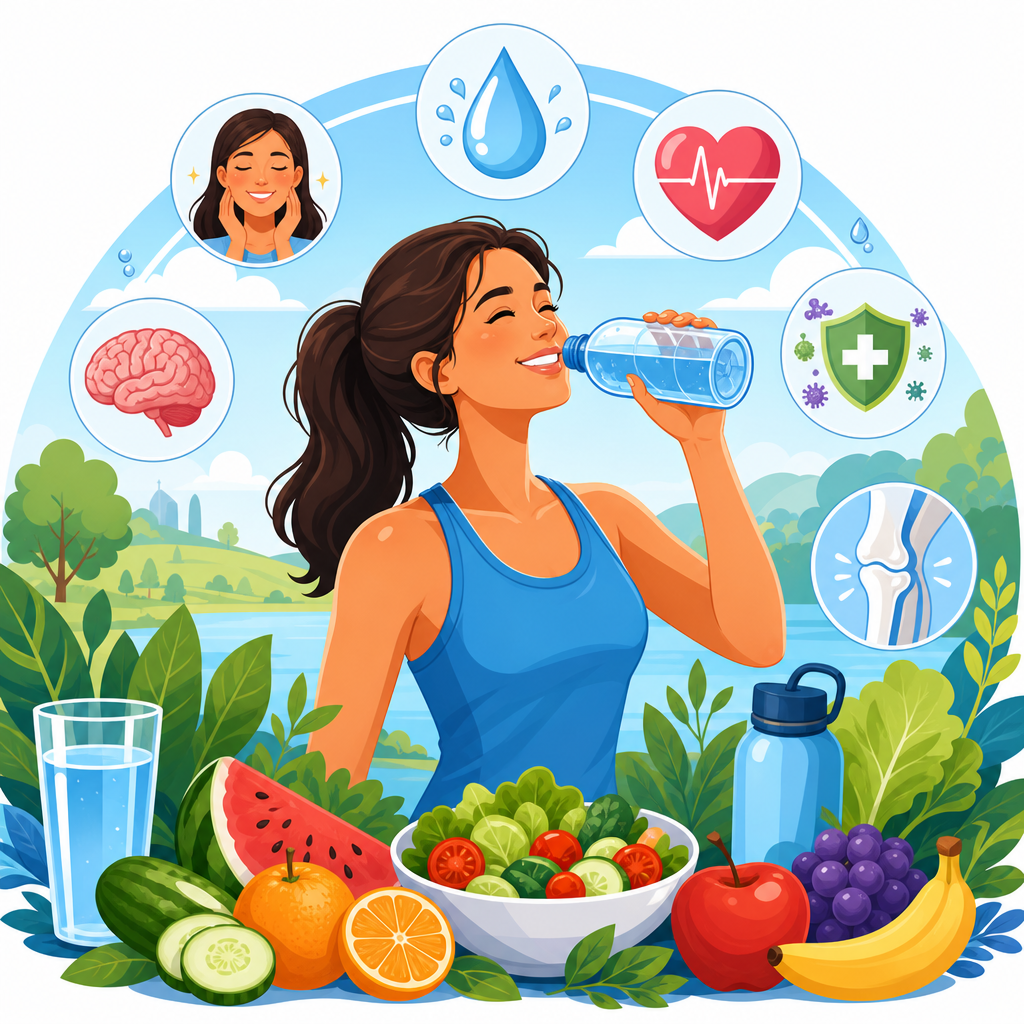
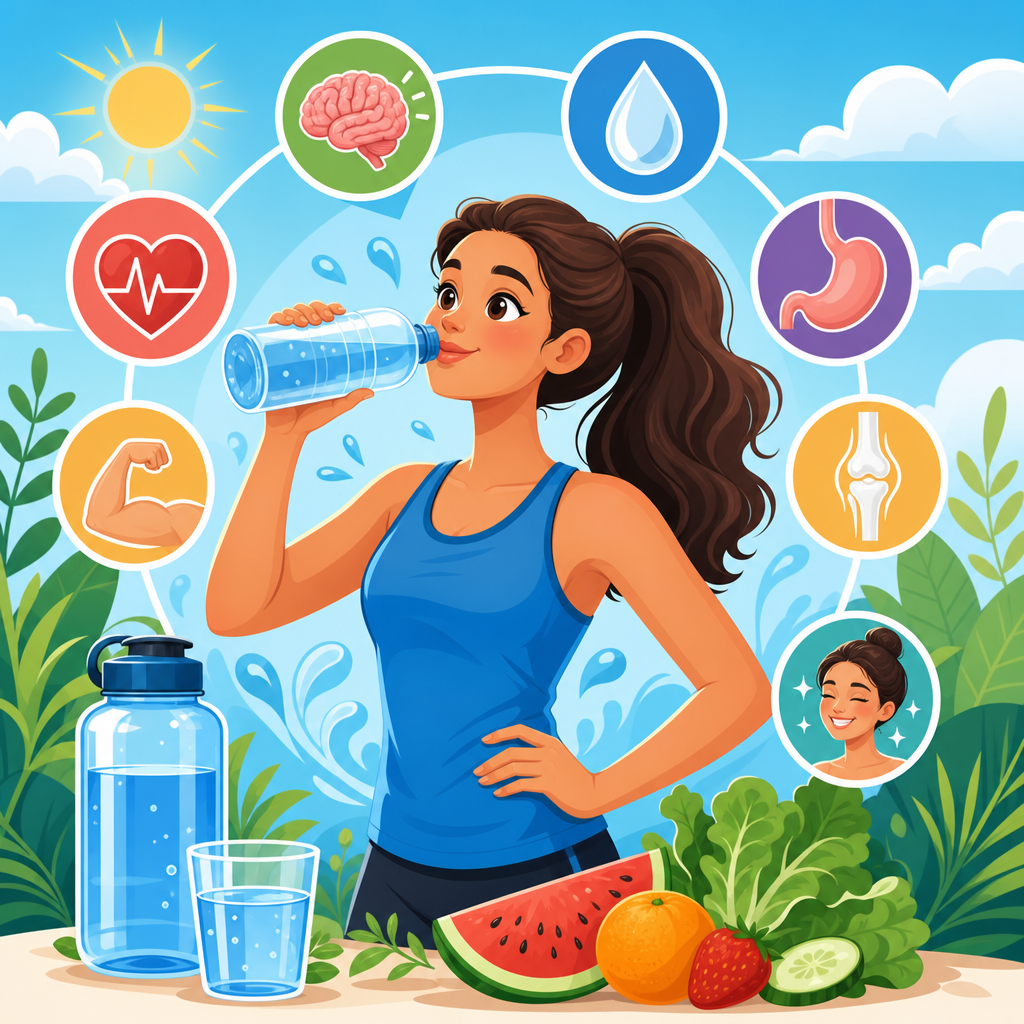
Hydration supports core physiological processes from the moment you wake up to the time you sleep. Water makes up roughly half to two-thirds of adult body weight, with variation based on age, sex, and body composition. It transports nutrients through blood, removes waste through urine and sweat, lubricates joints, cushions tissues, supports saliva production, and helps maintain body temperature through perspiration and evaporation. When fluid intake falls short, blood becomes more concentrated, the cardiovascular system works harder, and the body prioritizes essential functions over comfort and performance.
One of the clearest reasons hydration and its role in health deserves attention is its effect on cognition and physical function. Research has shown that fluid losses of around 1% to 2% of body weight can impair attention, short-term memory, reaction time, and exercise capacity. In plain terms, that means a 150-pound person can experience noticeable effects after losing as little as 1.5 to 3 pounds of fluid. In clinic settings and sports nutrition work, I have seen this show up as afternoon brain fog, irritability, lower training output, and a false sense of hunger that was actually thirst. Hydration is foundational because it influences so many symptoms people mistakenly blame on lack of sleep or low motivation.
The kidneys are central to this process. They regulate fluid and electrolyte balance by adjusting urine volume and concentration based on the hormone vasopressin and the body’s sodium status. Healthy kidneys can adapt impressively, but they cannot fully compensate for chronic low intake, heavy sweat losses, persistent vomiting or diarrhea, or high alcohol consumption. Digestive health also depends on adequate fluid because water helps soften stool and support regular bowel movements. Inadequate intake can contribute to constipation, especially when fiber intake increases without enough accompanying fluid.
Best Sources of Hydration for Daily Health
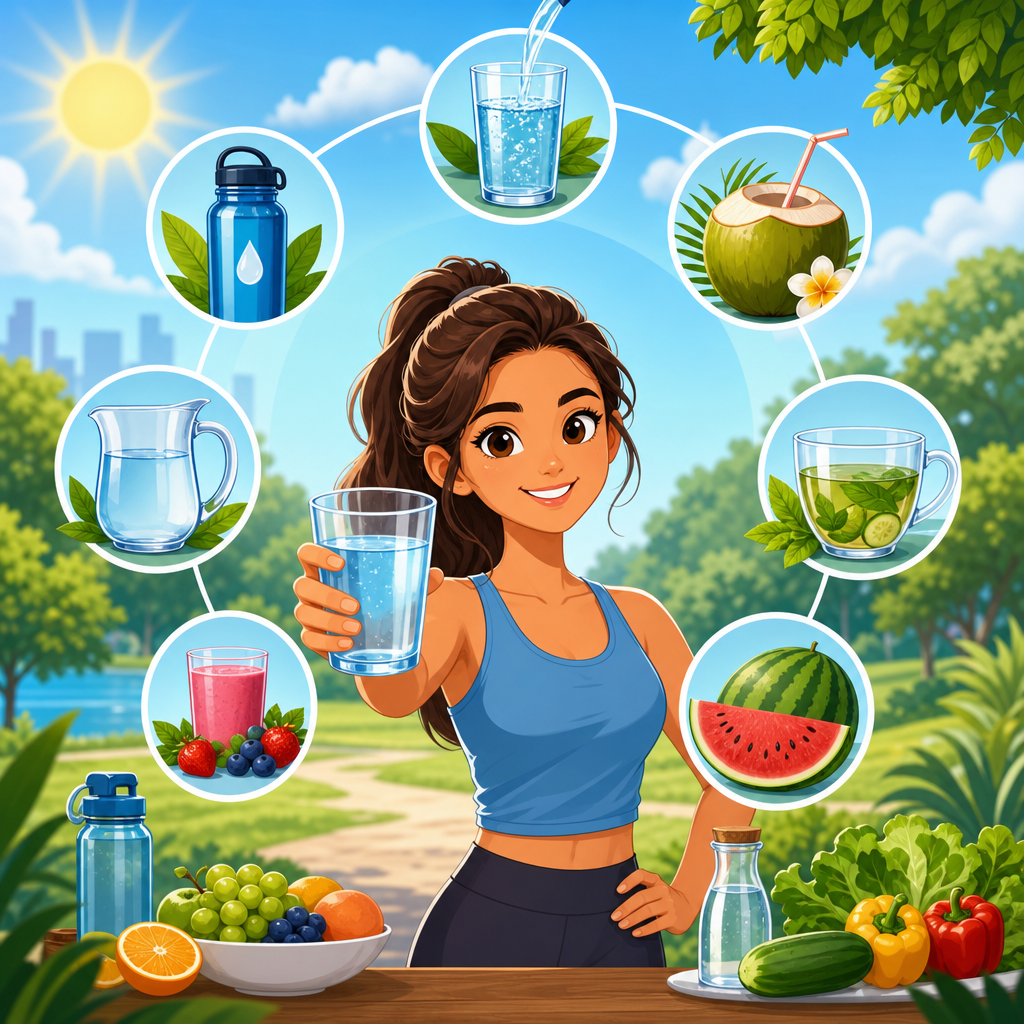
The best source of hydration for most people is plain water because it is calorie-free, widely available, inexpensive, and effective. Tap water is safe in many regions and often regulated under strict municipal standards, while filtered water can improve taste or address local water-quality concerns. Sparkling water can also count toward fluid intake if it is unsweetened. The ideal choice is the one a person will drink consistently without adding unnecessary sugar or relying on expensive products marketed as essential.
Beyond water, other strong hydration sources include milk, oral rehydration solutions, broth-based soups, and water-rich foods. Milk hydrates well partly because it contains lactose, protein, sodium, and potassium, which can slow gastric emptying and promote fluid retention. This is one reason low-fat milk has performed well in hydration comparisons in controlled studies. Oral rehydration solutions are especially useful during diarrhea, vomiting, or heavy sweat loss because they provide a specific balance of glucose and electrolytes that improves intestinal absorption through sodium-glucose transport. The World Health Organization oral rehydration standard remains a key reference because it is evidence-based and lifesaving in dehydration treatment.
Fruits and vegetables also deserve recognition as hydration sources. Cucumbers, watermelon, strawberries, oranges, tomatoes, lettuce, celery, and zucchini contain substantial water along with vitamins, minerals, and in some cases potassium. In practical meal planning, a lunch with broth-based soup, fruit, and a salad can contribute meaningfully to hydration status. That matters for people who struggle to drink large volumes of fluid. Hydration does not begin and end with a water bottle; it is supported by a dietary pattern that includes naturally water-rich foods.
| Source | Hydration value | Best use | Watch for |
|---|---|---|---|
| Plain water | Excellent daily baseline | Meals, workday, general use | None for most people; add electrolytes if losses are high |
| Milk | High due to electrolytes and protein | Recovery, snacks, children, older adults | Lactose intolerance or calorie content |
| Oral rehydration solution | Best for dehydration from illness | Diarrhea, vomiting, heat stress | Not necessary for routine sipping all day |
| Coffee and tea | Contribute to total fluid intake | Morning routine, moderate caffeine users | Too much caffeine may worsen sleep or cause jitters |
| Sports drinks | Useful during prolonged heavy exercise | Endurance events, intense heat, salty sweaters | Often high in sugar when activity is light |
| Fruit and vegetables | Moderate but meaningful support | Meals, snacks, summer eating | Not enough alone during major fluid loss |
How to Choose the Right Hydration Source for Your Situation
The right hydration source depends on context. For ordinary desk work, errands, school, and light activity, water is usually enough. If someone eats balanced meals with normal sodium and potassium intake, there is rarely a need for specialized hydration products. A common mistake is using sports drinks during sedentary periods and then wondering why sugar intake creeps up. For most adults, these beverages are functional tools, not everyday staples.
Exercise changes the equation. During workouts under about 60 minutes, water typically covers needs unless conditions are very hot or the person begins exercise dehydrated. During sessions longer than 60 to 90 minutes, especially in heat or humidity, a drink containing sodium and carbohydrate may improve performance and reduce the risk of excessive fluid-electrolyte imbalance. Athletes who lose visible salt in sweat, finish sessions with crusted clothing, or experience frequent muscle cramps may need a more deliberate sodium strategy. In practice, the best plan is often individualized by pre- and post-exercise body weight changes, sweat rate estimates, and tolerance testing in training rather than race day.
Illness also requires different choices. When fever, vomiting, or diarrhea is present, plain water alone may not be sufficient because electrolyte losses can be substantial. This is where oral rehydration solutions outperform juice, soda, or energy drinks. Juice can be too high in sugar and too low in sodium, which may worsen diarrhea in some situations. Older adults, infants, and people taking diuretics need extra attention because dehydration can develop quickly and symptoms may be less obvious at first.
Common Questions About Hydration, Answered Clearly
How much water should you drink each day? There is no single number that fits everyone. The National Academies has published adequate intake levels for total water from beverages and food, but these are population-level references, not exact prescriptions. A practical starting point is to drink regularly across the day, increase intake with heat and exercise, and monitor body signals. Pale yellow urine, stable energy, and infrequent thirst usually suggest intake is on track, though supplements, medications, and certain foods can affect urine color.
Do coffee and tea dehydrate you? In moderate amounts, no. Caffeinated beverages still contribute to fluid intake, particularly in people who consume caffeine regularly and have developed some tolerance to its mild diuretic effect. The stronger concern with coffee is not dehydration but the consequences of too much caffeine, including anxiety, reflux, palpitations, and disrupted sleep. Tea and coffee can fit into a healthy hydration plan, but they should not displace water entirely.
Can you drink too much water? Yes. Water intoxication, or hyponatremia, occurs when fluid intake greatly exceeds the body’s ability to excrete it or when sodium losses are not replaced during prolonged exercise. Symptoms can include nausea, confusion, headache, swelling, and in severe cases seizures. This is uncommon in daily life but well documented in endurance events. Drinking to a plan that reflects thirst, sweat losses, and exercise duration is safer than forcing extreme amounts of plain water.
Signs of Poor Hydration and How to Correct It
Early signs of inadequate hydration include thirst, dry mouth, darker urine, headache, fatigue, dizziness, constipation, and reduced exercise tolerance. In children, signs may include fewer wet diapers, low energy, and tearless crying. In older adults, dehydration may show up as confusion, weakness, or sudden decline in function rather than a complaint of thirst. These patterns matter because thirst sensation can become less reliable with age.
Correction should match severity. Mild day-to-day shortfalls are usually corrected by drinking water consistently and including fluids with meals and snacks. If exercise or outdoor work is involved, adding sodium through food or a sports drink may help retain fluid more effectively. For illness-related dehydration, oral rehydration solution is the evidence-based choice. If symptoms include persistent vomiting, fainting, rapid heartbeat, inability to keep fluids down, or signs of severe lethargy, medical evaluation is appropriate. Good hydration habits prevent many issues, but they are not a substitute for treatment when dehydration becomes significant.
One practical method I recommend is building hydration into routines rather than relying on memory. Drink a glass of water after waking, include a beverage with each meal, carry a bottle during commuting or field work, and rehydrate after exercise based on sweat loss. People succeed when hydration becomes part of an existing habit loop. The goal is consistency, not perfection.
Building a Sustainable Hydration Strategy
The best hydration strategy is realistic, affordable, and adapted to the person’s life. Start with water as the default beverage. Use milk, soups, and water-rich produce to support total intake through meals. Reserve sports drinks for long or intense exercise, and use oral rehydration solutions for illness or medically relevant fluid loss. If you dislike plain water, improve palatability with chilled temperature, carbonation, or slices of citrus rather than turning immediately to sweetened drinks. People drink more when access is easy, so refillable bottles, filtered pitchers, and visible cues at home and work make a measurable difference.
Hydration and its role in health is not a minor wellness tip; it is a basic requirement for physical performance, mental clarity, digestion, temperature regulation, and recovery. The best sources of hydration depend on context, but the hierarchy is clear: water first, nutrient-rich fluids and foods next, targeted products only when the situation justifies them. This hub should help you make those distinctions with confidence. If you want better energy, steadier focus, and a stronger foundation for every other nutrition habit, start by reviewing your daily fluids and upgrading your hydration sources today.
Frequently Asked Questions
What are the best sources of hydration for most people?
The best sources of hydration usually start with plain water, but hydration does not come from water alone. Milk, herbal teas, sparkling water, broth-based soups, and water-rich foods such as cucumbers, oranges, watermelon, strawberries, tomatoes, and lettuce all contribute to daily fluid intake. For many people, these options are enough to support healthy hydration throughout the day. Water is often the most practical choice because it is calorie-free, easy to access, and effective at helping the body maintain fluid balance. However, it is helpful to remember that the body responds to total fluid and water intake from both beverages and foods, not just what comes from a glass of water.
Some beverages can be helpful in specific situations. For example, milk can support hydration while also providing protein, calcium, and potassium. Electrolyte drinks may be useful during prolonged exercise, heavy sweating, vomiting, diarrhea, or hot-weather exposure, especially when sodium losses are significant. Even coffee and tea can contribute to hydration in regular amounts, despite the common myth that caffeinated drinks are always dehydrating. The most effective hydration plan is one that matches a person’s lifestyle, health status, and environment. In other words, the best source of hydration is the one that safely and consistently helps you meet your fluid needs.
Is drinking eight glasses of water a day the right goal for everyone?
No, the idea that everyone needs exactly eight glasses of water a day is a useful reminder for some people, but it is not a universal rule. Fluid needs vary widely based on body size, physical activity, climate, altitude, diet, medications, pregnancy, breastfeeding, fever, illness, and age. Someone who exercises outdoors in hot weather may need far more fluid than someone spending the day indoors in a cool environment. Likewise, a person eating a diet rich in fruits, vegetables, yogurt, and soups may get substantially more hydration from food than someone whose diet is mostly dry or highly processed foods.
A better approach is to think in terms of overall hydration status rather than forcing a fixed number. Signs that fluid intake may be appropriate include pale yellow urine, regular urination, normal energy, stable concentration, and an absence of excessive thirst, dizziness, dry mouth, or headaches. People with certain medical conditions, including kidney disease, heart failure, liver disease, or endocrine disorders, may need individualized guidance because drinking too little or too much can both create problems. Instead of chasing one rigid target, it is usually smarter to adjust fluid intake according to your body, daily routine, and health needs.
How does proper hydration support overall health?
Hydration plays a central role in nearly every major function of the body. Fluids help regulate blood volume and circulation, allowing oxygen and nutrients to reach tissues efficiently. Hydration also supports temperature control through sweating and heat dissipation, helps the kidneys remove waste, keeps digestion moving, and allows joints and tissues to stay lubricated. At the cellular level, water is essential for chemical reactions, nutrient transport, and normal nerve and muscle function. This is why even mild dehydration can affect how a person feels and performs.
When fluid balance drops, the effects can show up quickly. People may notice fatigue, irritability, reduced focus, headaches, constipation, dry skin, muscle cramps, and decreased exercise performance. More significant dehydration can lead to dizziness, rapid heart rate, confusion, low blood pressure, and greater risk of heat-related illness. On the other hand, staying well hydrated helps support cognitive function, physical endurance, digestive comfort, kidney health, and recovery from daily stressors. Hydration is not a minor wellness habit; it is one of the basic conditions that allows every organ system to function as it should.
Are sports drinks, electrolyte powders, and other hydration products necessary?
Not usually. For most healthy adults doing normal daily activities or moderate exercise, plain water and regular meals are enough to maintain hydration and electrolyte balance. Sports drinks, oral rehydration solutions, and electrolyte powders are more useful in specific circumstances, such as endurance exercise lasting longer than an hour, heavy sweating, work in hot environments, stomach illness with fluid loss, or situations where salt and water depletion happen together. In those cases, replacing sodium along with fluid can improve absorption and help restore balance more effectively than water alone.
That said, many commercial hydration products contain added sugars, artificial colors, stimulants, or very high sodium levels that are unnecessary for routine use. The best choice depends on the situation. During a long run in summer heat, an electrolyte beverage may be helpful. During a regular workday at a desk, it is probably not needed. People with high blood pressure, kidney disease, diabetes, or those taking medications that affect fluid or mineral balance should be especially careful when using electrolyte products. A targeted approach works best: use them when there is a clear reason, and rely on balanced everyday hydration the rest of the time.
How can someone tell if they are dehydrated or not getting the right kind of hydration?
One of the simplest ways to monitor hydration is to pay attention to thirst, urine color, and how often you urinate. Dark yellow urine, infrequent urination, strong thirst, dry mouth, fatigue, headaches, lightheadedness, and reduced physical or mental performance can all suggest dehydration. In children and older adults, the signs may be easier to miss. Older adults may have a weaker thirst response, and children may become dehydrated more quickly during heat, exercise, fever, or stomach illness. That is why regular fluid intake matters even before intense thirst appears.
It is also possible to drink fluids without fully supporting hydration needs if electrolyte losses are high or if intake patterns do not match the situation. For example, someone sweating heavily for hours may need sodium as well as water. Another person may be drinking enough total fluid but consuming mostly sugary beverages that add excess calories without offering the most practical support for day-to-day hydration. The goal is not just drinking more, but choosing appropriate sources and adjusting them to your circumstances. If symptoms of dehydration are severe, persistent, or linked to illness, medical advice is important, especially if there is vomiting, diarrhea, confusion, fainting, or reduced urination.