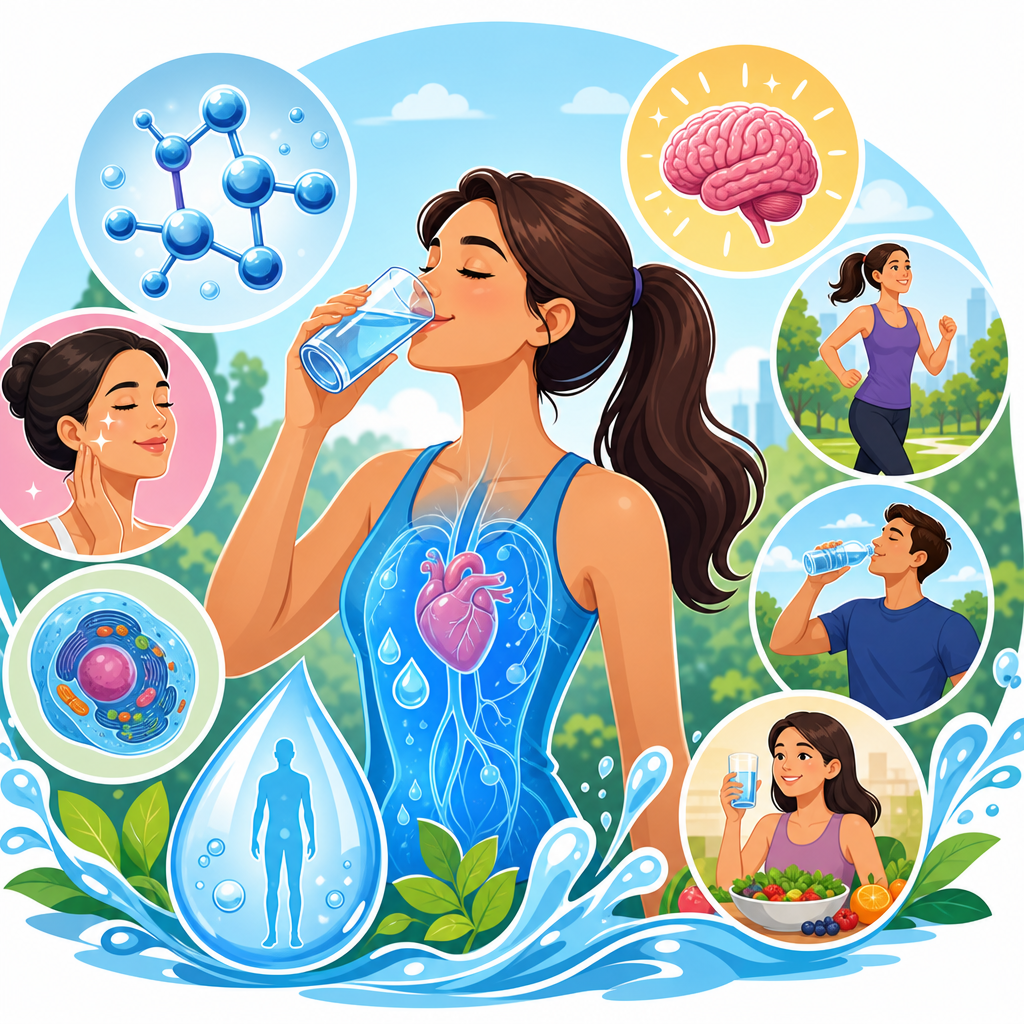
Hydration is the process of maintaining the body’s fluid balance so cells, tissues, and organs can function normally, and it sits at the center of human health far more than most people realize. Water is not just something to drink when you feel thirsty; it is the medium that carries nutrients, regulates temperature, cushions joints, supports digestion, maintains blood volume, and helps remove waste. When people ask what hydration and its role in health really means, the answer is straightforward: hydration is the continuous management of water and electrolytes so the body can perform every essential task efficiently. In clinical settings, in athletic coaching, and in everyday nutrition work, I have seen the same pattern repeatedly—people often focus on calories, protein, or supplements while overlooking fluid intake, even though poor hydration can undermine all of those efforts.
The science behind hydration begins with body composition. In healthy adults, total body water generally accounts for about half to two-thirds of body weight, depending on age, sex, and body fat level. Infants carry a higher proportion, while older adults often carry less, which partly explains why dehydration risk increases with age. Water is distributed between intracellular fluid, which sits inside cells, and extracellular fluid, which includes blood plasma and fluid between cells. This distribution is tightly controlled by hormones such as antidiuretic hormone and aldosterone, along with the kidneys, which constantly adjust urine concentration to preserve balance. Even small shifts in fluid status can affect blood pressure, body temperature, concentration, exercise output, and gastrointestinal function.
Hydration matters because the body loses water all day through urine, sweat, breathing, and stool, and those losses change with climate, exercise, illness, medication use, and diet. A person working outside in heat, a child with vomiting, and an older adult taking diuretics all have very different fluid needs. That is why fixed advice such as “everyone needs eight glasses” is too simplistic. A better approach is understanding hydration as a daily physiological requirement that must be matched to real conditions. As a hub within Nutrition Basics, this guide explains how hydration supports health, how much water people generally need, how electrolytes fit in, what dehydration and overhydration look like, and how to build practical habits that keep fluid intake consistent.
How Hydration Works Inside the Body
Water serves as the body’s primary transport system. It allows blood to move oxygen, glucose, amino acids, hormones, and immune cells where they are needed. It also enables metabolic reactions, because many chemical processes occur in aqueous environments. In practice, this means hydration is not a side issue in nutrition; it is part of how nutrition works. Without adequate fluid, digestion slows, circulation becomes less efficient, and heat dissipation suffers. The kidneys, among the most important regulators of hydration status, filter blood continuously and adjust water retention based on plasma osmolality and blood volume. When fluid levels drop, the brain triggers thirst and releases antidiuretic hormone, signaling the kidneys to conserve water and produce more concentrated urine.
Electrolytes add another layer to hydration science. Sodium, potassium, chloride, magnesium, and calcium help regulate fluid distribution, nerve signaling, and muscle contraction. Sodium is especially important in maintaining extracellular fluid balance, which is why heavy sweating can create problems even if a person drinks plain water. During long endurance sessions, military training, physically demanding work shifts, or acute gastrointestinal illness, replacing both fluid and sodium is often necessary. This is also why oral rehydration solutions are so effective: they use a precise combination of water, sodium, and glucose to improve absorption in the intestine through sodium-glucose cotransport. That mechanism is well established and has saved millions of lives in diarrheal disease treatment worldwide.
Hydration status is dynamic rather than static. People tend to imagine dehydration as a dramatic emergency, but mild fluid deficits are much more common and can still matter. Research has shown that body water losses of around 1 to 2 percent of body mass can impair cognitive performance, mood, thermoregulation, and physical endurance in some individuals. The exact threshold varies, but the practical point is clear: waiting until you feel significantly thirsty can mean you are already behind. Thirst is useful, yet it is not always a perfect early warning system, especially in older adults, busy workers, and athletes focused on performance rather than body signals.
Health Benefits of Staying Well Hydrated
The health benefits of proper hydration extend across nearly every major body system. One of the clearest benefits is temperature regulation. Sweating and the evaporation of sweat from the skin help cool the body during exercise and hot weather. If fluid losses are not replaced, blood volume can decrease, heart rate rises to compensate, and heat illness risk increases. I have worked with active adults who assumed fatigue during summer training meant poor conditioning when the real issue was underhydration combined with high sweat losses. Once fluid and sodium strategies were corrected, performance and recovery improved quickly.
Hydration also supports cardiovascular efficiency. Adequate fluid helps maintain plasma volume, which supports circulation and blood pressure. During dehydration, the heart must work harder to move a reduced blood volume, contributing to dizziness, faster pulse, and reduced exercise capacity. In everyday life, this can show up as feeling drained during normal tasks or becoming lightheaded after standing up. It can be especially relevant for older adults, people in hot environments, and those recovering from illness.
Digestive health benefits from hydration as well. Water is needed for saliva production, swallowing, gastric function, and stool softness. Inadequate fluid intake can contribute to constipation, especially when paired with low fiber intake. This is a frequent issue in nutrition counseling: people increase whole grains, legumes, and vegetables for gut health but fail to raise fluid intake alongside fiber. The result can be bloating and harder stools rather than improvement. Hydration does not replace dietary fiber, but fiber works best when enough fluid is available to help it move comfortably through the digestive tract.
Kidney and urinary tract health are also closely linked to hydration. Sufficient fluid intake generally increases urine volume and can reduce the concentration of substances that form certain kidney stones. For people with a history of stones, fluid goals are often set high enough to produce at least about 2 to 2.5 liters of urine daily, though exact recommendations vary by stone type and medical history. Good hydration may also help reduce the risk of some urinary tract issues by promoting regular flushing, although it is not a substitute for medical treatment when infection is present.
Cognitive function is another important but often underestimated area. Even mild dehydration can affect attention, short-term memory, reaction time, and perceived task difficulty. Students, office workers, drivers, and older adults may notice headaches, irritability, and reduced focus before they recognize thirst. This matters because hydration is one of the simplest modifiable factors in day-to-day mental performance. It is not a cure-all for brain fog, but it is a foundational variable that should be corrected before people assume they need stimulants or more complicated interventions.
How Much Water You Need and What Changes That Need
There is no single water intake target that fits everyone. Fluid needs depend on body size, sweat rate, climate, altitude, diet composition, health status, pregnancy, lactation, and activity level. General intake recommendations from the U.S. National Academies suggest total daily water intake from all beverages and foods of about 3.7 liters for men and 2.7 liters for women, but these are broad population averages rather than precise prescriptions. Foods with high water content, such as fruit, vegetables, yogurt, soup, and milk, contribute meaningfully to total intake. In practice, the right amount is the amount that maintains normal energy, regular urination, stable body weight patterns, and pale yellow urine in most healthy situations.
Certain groups need special attention. Athletes and highly active workers may lose more than a liter of sweat per hour, and some lose substantially more in heat. Pregnant and breastfeeding women require additional fluid to support expanded blood volume and milk production. Older adults often have reduced thirst sensation and may intentionally limit drinking due to bladder concerns, which increases risk. Children are also vulnerable because they depend on caregivers and can lose fluid quickly during fever, diarrhea, or hot-weather play. People taking diuretics, laxatives, or certain glucose-lowering medications may also need more deliberate hydration planning.
| Situation | Why Fluid Needs Rise | Practical Response |
|---|---|---|
| Hot or humid weather | Higher sweat losses reduce plasma volume | Drink regularly before thirst becomes intense and include sodium with heavy sweating |
| Exercise over 60 minutes | Sweat removes both water and electrolytes | Use water for lighter sessions; consider sports drink or salty foods for longer intense efforts |
| Vomiting or diarrhea | Rapid fluid and sodium losses can cause dehydration quickly | Use oral rehydration solution in small frequent sips and seek care if symptoms persist |
| High-fiber diet | Fiber needs fluid to support softer stools and regular bowel movements | Increase water intake gradually as fiber intake rises |
| Older age | Lower thirst drive and higher medication-related risk | Use scheduled drinking habits instead of relying only on thirst |
A useful way to personalize hydration is to monitor patterns rather than chase arbitrary numbers. Urine color, frequency, thirst, body weight changes around exercise, and symptoms such as headaches or fatigue can provide useful clues. For athletes, pre- and post-exercise weighing is especially practical. Losing 1 kilogram during a session usually reflects about 1 liter of fluid deficit, though any fluid consumed during the session should be factored in. This simple method is still one of the best field tools for estimating sweat loss and creating a replacement plan.
Dehydration, Overhydration, and Common Myths
Dehydration occurs when fluid losses exceed intake enough to impair normal function. Early signs often include thirst, dry mouth, darker urine, fatigue, headache, and lower exercise tolerance. More serious dehydration can bring dizziness, rapid heartbeat, confusion, low blood pressure, poor skin turgor, and in severe cases, heat injury or acute kidney stress. In infants and children, warning signs can include fewer wet diapers, lethargy, crying without tears, and sunken eyes. During illness, especially with diarrhea or vomiting, dehydration can escalate quickly and requires prompt action.
Overhydration is less common but equally important to understand. Drinking excessive amounts of water without adequate sodium replacement, particularly during prolonged endurance events, can dilute blood sodium and lead to hyponatremia. Symptoms may include nausea, swelling, headache, confusion, and in severe cases seizures. I have seen recreational endurance participants assume that more water is always safer, then struggle because they followed generic advice instead of matching intake to sweat loss. The safest message is balance: enough fluid to replace meaningful losses, but not so much that intake chronically exceeds the body’s ability to excrete water.
Several hydration myths continue to confuse people. Clear urine is not always the ideal target; persistently colorless urine can simply reflect overdrinking. Caffeinated beverages do contribute to fluid intake for regular users, despite the myth that coffee and tea are uniformly dehydrating. Sports drinks are not necessary for everyone and are often overused in short, low-intensity workouts where plain water is sufficient. Conversely, they can be very useful during long or high-sweat sessions because carbohydrate and sodium improve both performance and fluid replacement. Another myth is that thirst alone works perfectly for everyone. It is helpful, but it becomes less reliable in older age, during intense exertion, and in some hot environments.
Practical Hydration Strategies for Daily Life
The best hydration plan is the one people can maintain consistently. Start the day with fluid, especially if you wake with dry mouth or train in the morning. Pair drinking with routine anchors such as meals, breaks, commuting, and exercise sessions. Keep water visible and accessible, because convenience strongly affects behavior. For people who dislike plain water, flavored sparkling water, milk, herbal tea, fruit-infused water, and water-rich foods can all help. During exercise, begin hydrated, drink according to thirst and sweat conditions, and replace larger post-exercise losses over the next several hours with fluid and sodium-containing foods or beverages.
Quality matters as much as quantity in certain circumstances. After heavy sweating, a mix of fluid, sodium, and some carbohydrate usually restores hydration better than plain water alone. During stomach illness, oral rehydration solutions are preferred over soft drinks or juice because they contain a more effective sodium-to-glucose balance. In clinical and sports nutrition work, I repeatedly emphasize this point: the right beverage depends on the situation. Water is foundational, but not always sufficient by itself.
For a Nutrition Basics hub, the central lesson is simple. Hydration supports energy, digestion, circulation, temperature regulation, kidney function, and mental clarity because water is built into every major physiological process. Needs vary by person and circumstance, so the most effective approach is individualized, not rigid. Watch for signs of underhydration, plan ahead for heat, illness, and exercise, and remember that electrolytes matter when losses are high. If you want to improve health through nutrition, make hydration a daily priority and use this guide as your starting point for deeper articles on water intake, electrolytes, sports hydration, and dehydration prevention.
Frequently Asked Questions
What is hydration, and why is it so important for overall health?
Hydration is the process of maintaining the right balance of fluids in the body so that cells, tissues, and organs can do their jobs properly. While many people think of water only as something that quenches thirst, hydration is actually involved in nearly every major function that keeps the body alive and working efficiently. Water helps transport nutrients and oxygen through the bloodstream, supports healthy circulation, regulates body temperature through sweating and respiration, lubricates joints, protects sensitive tissues, aids digestion, and helps the kidneys remove waste products.
Because the human body is made up largely of water, even small shifts in fluid balance can affect how you feel and perform. Mild dehydration may lead to fatigue, headaches, dry mouth, poor concentration, dizziness, or reduced physical endurance. More significant dehydration can place stress on the heart, kidneys, and other systems. In simple terms, hydration matters because water is the medium that allows so many biological processes to happen smoothly. When fluid intake is consistently adequate, the body is better able to maintain energy, mental clarity, digestive comfort, physical performance, and overall health.
How does hydration affect the body’s organs and daily functions?
Hydration supports the body at both the microscopic and whole-body level. Inside the body, water helps cells maintain their structure and carry out chemical reactions essential for producing energy, repairing tissue, and regulating metabolism. In the bloodstream, it helps preserve blood volume, which is important for circulation and for delivering oxygen and nutrients where they are needed. If hydration drops too low, blood can become more concentrated, forcing the cardiovascular system to work harder to keep the body supplied.
The brain is especially sensitive to changes in fluid balance. Even mild dehydration can contribute to difficulty concentrating, irritability, lower alertness, and headaches. The digestive system also depends on adequate fluids to help move food through the gastrointestinal tract and support normal bowel habits. The kidneys rely on water to filter the blood and remove waste through urine, while the muscles and joints benefit from proper fluid balance for movement, coordination, and comfort. Hydration also helps control temperature by allowing the body to cool itself through sweat. Taken together, these effects show that hydration is not a narrow wellness topic but a foundational element of day-to-day health and physical function.
Is thirst a reliable sign that you need more water?
Thirst is an important biological signal, but it should not always be treated as the only indicator of hydration needs. By the time you feel noticeably thirsty, your body may already be moving toward mild dehydration. For many healthy adults, thirst works reasonably well as a prompt to drink, but it can be less reliable in certain situations, including hot weather, intense exercise, illness, older age, and during busy days when people ignore body cues. Children and older adults, in particular, may not respond to thirst as consistently as younger healthy adults.
That is why it helps to look at hydration more broadly. Signs of adequate hydration often include pale yellow urine, stable energy, normal concentration, and the absence of dry mouth or persistent fatigue. Dark urine, infrequent urination, lightheadedness, and sluggishness can all suggest that fluid intake may be too low. The best approach is usually preventive rather than reactive: drink fluids regularly throughout the day, increase intake when you are sweating more or losing fluids, and do not rely on thirst alone in high-demand situations. In other words, thirst is useful, but a more consistent fluid routine is often better for maintaining healthy hydration status.
What are the health benefits of staying properly hydrated every day?
Consistent hydration supports a wide range of short-term and long-term health benefits. On a daily level, many people notice better energy, improved focus, fewer headaches, better exercise tolerance, and more comfortable digestion when they drink enough fluids. Water helps maintain blood volume and circulation, which supports the delivery of oxygen and nutrients to tissues. It also helps the body regulate heat, which becomes especially important during exercise, physical work, or hot environments. For joints and connective tissues, hydration contributes to lubrication and overall comfort during movement.
Hydration may also support kidney health by helping the body remove waste efficiently and by reducing the concentration of substances that can contribute to certain types of kidney stones in some individuals. Digestive health often benefits as well, because adequate fluid intake can help support regular bowel movements and reduce the likelihood of constipation. Skin appearance can sometimes look better when hydration is adequate, although water alone is not a cure-all for skin concerns. Overall, the health benefits of hydration come from the fact that water enables normal physiology. It does not work as a magic solution, but it does create the conditions the body needs to perform, recover, and maintain balance more effectively.
How much water should a person drink each day to stay hydrated?
There is no single number that fits everyone, because hydration needs vary based on body size, activity level, climate, diet, age, health status, and whether a person is pregnant or breastfeeding. A common guideline is to aim for steady fluid intake across the day rather than focusing on a rigid rule that applies to everyone. Some people need substantially more fluids because they exercise intensely, spend time in hot or dry conditions, or lose fluids through fever, vomiting, diarrhea, or heavy sweating. Others may need to monitor intake more carefully if they have certain medical conditions that affect fluid balance.
It is also important to remember that hydration does not come only from plain water. Milk, herbal teas, sparkling water, and water-rich foods such as fruits, vegetables, soups, and yogurt all contribute to total fluid intake. A practical strategy is to drink with meals, sip water between meals, increase fluids during activity or heat exposure, and pay attention to the body’s signals, especially urine color and frequency. If you are very active or have health concerns that influence hydration, personalized advice from a healthcare professional can be helpful. In general, the goal is simple: maintain a regular intake that keeps the body functioning well, rather than waiting until dehydration symptoms appear.