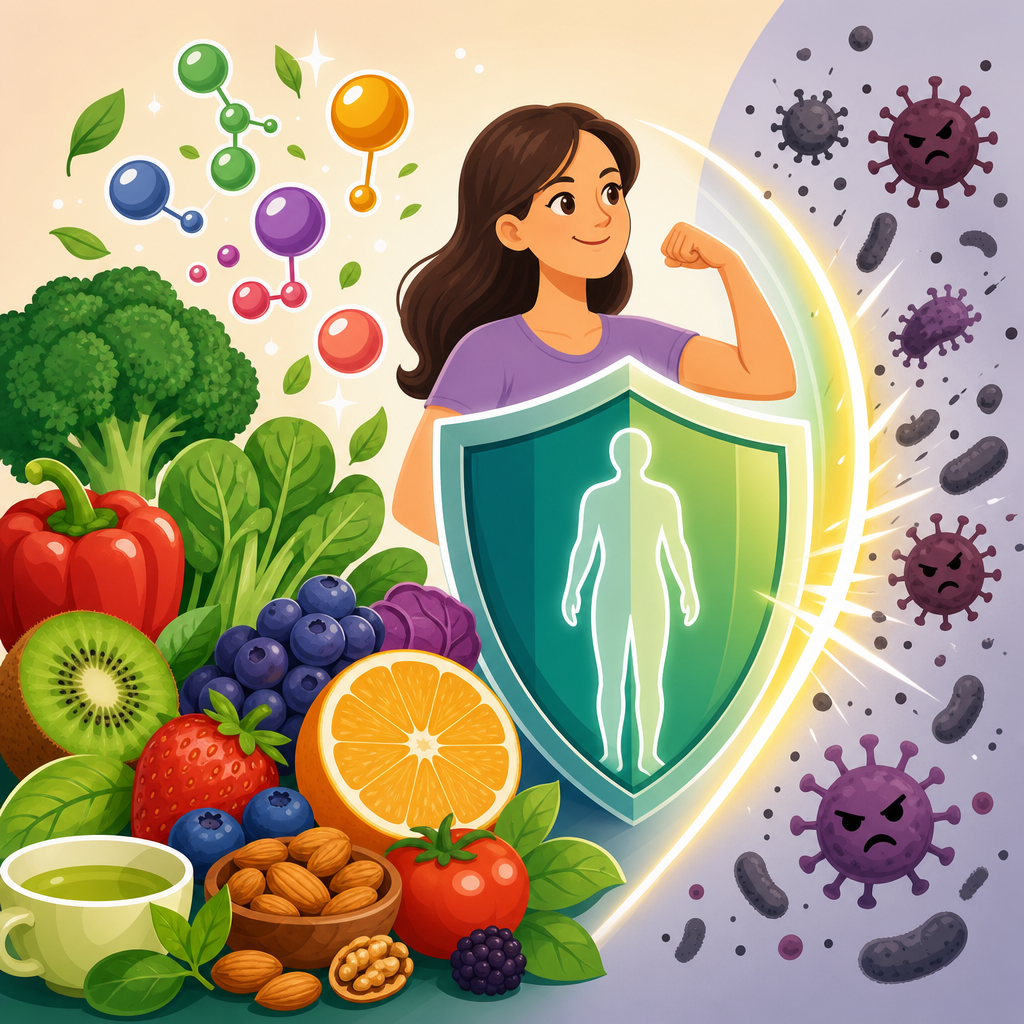
A balanced diet is integral to maintaining overall health and well-being. While macronutrients such as carbohydrates, proteins, and fats are often emphasized, micronutrients play an equally vital role. Micronutrients, which include vitamins and minerals, are crucial for a multitude of bodily functions, and their deficiency can lead to various health issues. These elements, albeit needed in smaller amounts compared to macronutrients, perform indispensable roles in the body’s biochemical processes. Yet, a significant portion of individuals might overlook the importance of incorporating the right amounts of these nutrients into their daily regimen. Understanding their specific roles, sources, and the potential consequences of deficiencies is imperative for constructing a diet that supports optimal health.
Micronutrients are involved in various bodily functions, including immune response modulation, bone health, and the maintenance of normal growth. Despite being required in minimal quantities, they act as essential components in catalyzing biochemical reactions and structural elements within the body. As they cannot be synthesized by the body in sufficient amounts, they must be acquired through diet—underscoring the importance of dietary awareness. Additionally, the diverse requirements across different life stages amplify the necessity for a diet tailored to individual needs. As dietary patterns shift and nutrient-depleted foods become more prevalent in modern lifestyles, awareness and education on micronutrient intake are increasingly significant. The profound impact of micronutrients extends beyond mere health maintenance, playing a crucial role in preventing chronic diseases and enhancing life quality.
Vitamins: Essential Organic Compounds
Vitamins are organic compounds that are crucial for the body’s metabolic function. They are broadly classified into fat-soluble vitamins, which include vitamins A, D, E, and K, and water-soluble vitamins, which include the B-vitamin complex and vitamin C. Each vitamin plays specific roles, but they sometimes work synergistically to ensure the body’s homeostasis is maintained. For example, vitamin A is integral for vision and immune function, while vitamin D facilitates calcium absorption and is crucial for bone health. Similarly, vitamin C is vital for collagen production, while the B-vitamins are key players in energy metabolism. These vitamins, while available in various foods, require conscientious dietary inclusion to prevent deficiencies.
Fat-soluble vitamins, stored in the body’s fatty tissues and liver, can remain in the body for prolonged periods. However, excessive accumulation, especially through supplementation, can lead to toxicity. Conversely, water-soluble vitamins, which circulate freely in the bloodstream, are not stored extensively and therefore require regular replenishment. The human body’s incapacity to store these vitamins in large amounts demands a consistent intake through dietary sources. Natural food sources, such as fruits, vegetables, lean meats, dairy, and fortified products, provide a wide array of vitamins needed for health. However, factors such as food storage, preparation methods, and individual lifestyle choices can influence the retention and absorption of these nutrients. Moreover, specific groups, such as the elderly or pregnant women, may have increased needs, emphasizing the need for targeted nutritional strategies to avoid deficiencies.
Minerals: Building Blocks for the Body
Minerals are inorganic elements that present crucial benefits supporting the body’s structural and physiological functionalities. Key minerals include calcium, potassium, iron, magnesium, and zinc, among others. These elements serve as building blocks for bones, aid in nerve transmission, regulate heartbeat, and play roles in synthesizing and activating enzymes and hormones. Calcium and phosphorus, for instance, are vital for developing and maintaining strong bones and teeth. Iron is fundamental in forming hemoglobin, the molecule responsible for oxygen transport in the blood, while potassium is critical in maintaining cellular function and fluid balance.
Minerals, unlike vitamins, are not affected by heat or light, making them stable in food sources. The bioavailability of these minerals, however, can be influenced by the presence of other dietary components. For instance, calcium absorption can be hindered by excessive dietary fiber, oxalates, and phytates found in some plant-based foods. A balanced diet, diverse in source, thus ensures that competing factors do not inhibit mineral uptake. The impacts of mineral deficiencies can be profound and wide-ranging, causing anemia, osteoporosis, cardiovascular issues, and impaired immune function. Hence, it is paramount to address dietary inadequacies to support mineral intake effectively.
The Interplay Between Vitamins and Minerals
Vitamins and minerals often work synergistically, impacting and facilitating each other’s efficacy in various metabolic processes. For example, vitamin D enhances calcium absorption, while vitamin C aids in increasing the bioavailability of iron. This cooperative interaction is essential in optimizing the metabolic and physiological processes within the body. The complexity of these interactions necessitates a diet that is not only rich in diverse nutrients but balanced to enhance mutual benefits and prevent potential antagonistic effects that might arise from excessive intake.
Dietary patterns and habits can influence the intake levels and synergy between these micronutrients. For instance, individuals who follow strict vegetarian or vegan diets may need to pay closer attention to vitamin B12 and iron intake due to the lower bioavailability in plant-based sources. In such cases, adjustments through supplementation or consumption of fortified foods may be warranted to ensure that the body’s nutritional demands are adequately met. The integrated role of micronutrients showcases the importance of a diverse and varied diet, enabling the body to leverage these nutrients effectively for optimal health.
Challenges in Maintaining Adequate Micronutrient Levels
Despite the fundamental role vitamins and minerals play, retaining adequate levels is a challenge faced globally. Numerous factors contribute to micronutrient deficiencies, including limited access to diverse foods, poor dietary choices, and increased nutrient demands due to physiological changes such as growth, aging, or pregnancy. Additionally, food processing, refining, and preservation methods can significantly diminish the nutrient content of food products, affecting consumption even in regions with food abundance. Furthermore, certain lifestyle factors, such as high alcohol consumption and smoking, can negatively affect absorption and increase nutrient expenditures.
Public health initiatives and awareness campaigns are being developed to educate individuals on the importance of micronutrients. These efforts aim to promote dietary diversities, fortification strategies, and supplementation when needed, addressing gaps in nutrient intake. Recognizing personal dietary insufficiencies and adaption is crucial, especially in households with restricted dietary choices due to financial constraints or geographic limitations. Achieving and maintaining optimal nutrient levels involves not only understanding these micronutrients’ roles but also implementing effective strategies to address deficiencies proactively.
Conclusion
In summary, the profound importance of micronutrients, namely vitamins and minerals, in fostering a healthy diet cannot be overstated. These crucial elements serve as co-factors, structural components, and signaling molecules essential for nearly every biochemical process within the body. Despite their diminutive size in required quantities, their impact is substantial and linked directly to maintaining health and preventing disease. Vitamin and mineral deficiencies pose widespread global health issues, which can be effectively mitigated through education, dietary diversification, and strategic supplementation.
Tailoring dietary intake to meet specific life stages and health conditions is vital, as each individual may have unique nutritional needs. An informed understanding of the benefits and synergies of these micronutrients promotes proactive health and enhances life quality. By ensuring a comprehensive approach to nutrition, focused attention on both obtaining and balancing these essential nutrients can pave the way for improved public health outcomes. Consequently, fostering an environment that encourages such dedication to nutritional thoroughness is imperative to bridging the nutritional gap and ensuring global well-being.
Frequently Asked Questions
1. What are micronutrients and why are they important for a healthy diet?
Micronutrients are essential nutrients, primarily vitamins and minerals, that your body needs in small amounts to function effectively. Unlike macronutrients (such as carbohydrates, proteins, and fats), which are required in larger quantities, micronutrients play a supporting role that is no less crucial. They act as catalysts in almost every biochemical reaction in your body, contributing to processes such as energy production, immune function, blood clotting, and many others.
For instance, vitamins, such as Vitamin C and B vitamins, help in maintaining a robust immune system and energetic metabolism. Minerals like calcium and potassium promote strong bones and a healthy heart rhythm. Whenever there’s a deficiency in any of these micronutrients, it can lead to health problems such as weakened immunity, bone fragility, or even more severe conditions like scurvy or pellagra. Therefore, ensuring you get a sufficient amount of vitamins and minerals in your diet is vital for maintaining health and preventing diseases.
2. How can I ensure I’m getting enough vitamins and minerals in my diet?
The best way to ensure you’re getting enough vitamins and minerals is by eating a well-rounded, balanced diet that includes a variety of foods from all food groups. Aim to have plenty of fruits and vegetables, as they’re packed with vitamins like A, C, and E, and minerals such as potassium and magnesium. Whole grains, lean proteins like fish and poultry, and dairy products are also great sources of different micronutrients.
Additionally, consider incorporating nuts and seeds for their healthy fats and mineral content, and legumes for their rich supply of B vitamins. While whole foods are the most efficient and natural way to acquire these essential nutrients, sometimes dietary supplements might be necessary, especially if you have restrictions or specific health needs. However, it’s always best to consult with a healthcare provider before beginning any new supplement regimen. Remember, balance is key, and eating a diverse range of foods is the most effective strategy for securing all the nutrients your body needs.
3. Can taking too many vitamins and minerals be harmful?
Yes, taking excessive amounts of certain vitamins and minerals can indeed be harmful. This phenomenon is known as hypervitaminosis or mineral toxicity, and it arises typically from overuse of supplements rather than food intake. Fat-soluble vitamins, like Vitamins A, D, E, and K, are stored in the body’s fatty tissue and liver, meaning they can accumulate to toxic levels if taken in high doses over time.
For example, excessive Vitamin A can lead to liver damage and bone health issues, while too much Vitamin D may result in calcium buildup, causing vascular and tissue calcification. Even certain minerals, like iron or zinc, can cause toxicity when consumed in large quantities. Symptoms of mineral toxicity vary but can include nausea, gastrointestinal distress, and more serious health complications if not addressed. It’s essential to stick to the recommended dietary allowance (RDA) for each micronutrient, and consult a healthcare professional if you’re considering any supplements beyond the general dietary recommendations.
4. Are there specific micronutrients that people are commonly deficient in?
Yes, there are certain micronutrients that people are commonly deficient in, depending on their lifestyle, diet, or geographic location. Iron deficiency is the most prevalent, particularly in women and children, leading to anemia and causing fatigue and weakened immunity. Vitamin D deficiency is also widespread, especially in regions with limited sunlight exposure, leading to issues such as bone health problems and increased vulnerability to infections.
Other common deficiencies include Vitamin B12, particularly among vegetarians and vegans, due to its primary presence in animal products. Iodine, necessary for thyroid function, can be deficient in areas where the soil is iodine-poor, affecting metabolic rate and energy levels. Potassium and magnesium deficiencies, often resulting from low intake of fruits, vegetables, and whole grains, can affect muscle function and cardiovascular health. Increasing awareness of these potential deficiencies and adjusting your diet accordingly can help in maintaining optimal health.
5. How do micronutrients interact with each other within the body?
Micronutrients often work in tandem, meaning they influence the absorption, effectiveness, and availability of each other in the body. For instance, Vitamin D enhances calcium absorption, critical for bone health. Similarly, Vitamin C improves the absorption of iron, particularly plant-based (non-heme) iron, making it vital for vegetarians and vegans concerned about maintaining adequate iron levels.
The synergistic relationship between micronutrients is not limited to enhancing absorption; they also work together in functional processes. For instance, the B vitamins work collectively to support energy production. It’s also important to be aware of antagonistic interactions; for instance, excessive zinc intake can interfere with copper absorption and potentially lead to deficiency.
Because of these interactions, a varied diet that doesn’t excessively rely on a single type of food or supplement is generally recommended to maintain balance and prevent deficiencies or toxicities. Always consider discussing with a healthcare provider or dietitian if you have concerns regarding your micronutrient intake and their interactions.