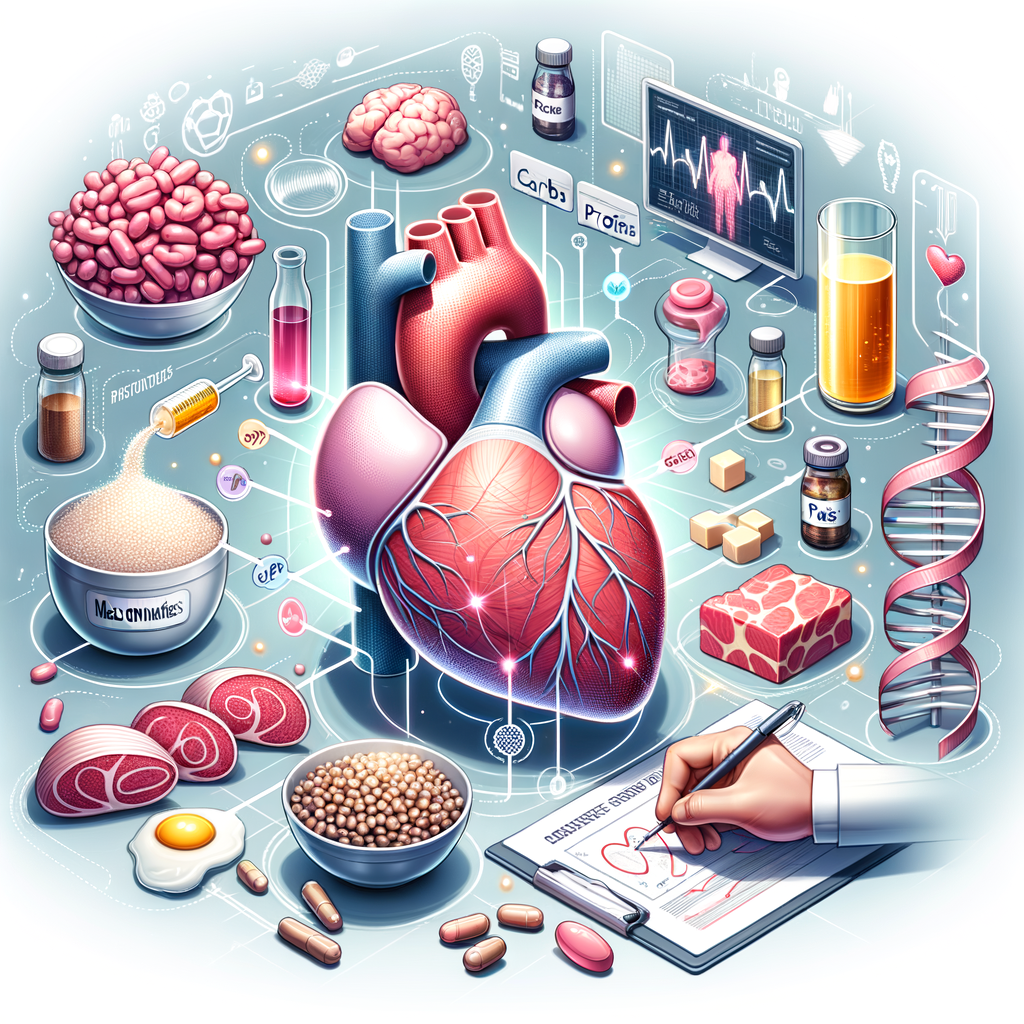
Nutrient absorption and bioavailability determine how much nourishment your body actually uses, not just how much you eat. In practice, these two concepts explain why one person can follow a seemingly balanced diet yet still develop fatigue, weak immunity, poor recovery, or low bone density, while another thrives on similar meals. Nutrient absorption is the process of moving vitamins, minerals, fats, proteins, carbohydrates, and phytochemicals from the digestive tract into circulation and then into tissues. Bioavailability goes a step further: it describes the proportion of a nutrient that is absorbed, transported, activated, and made available for biological work inside the body.
This distinction matters because food labels list intake, not utilization. A spinach salad may contain iron, but much less of that iron reaches red blood cell production than iron from beef. A calcium supplement may look impressive on the bottle, yet poor stomach acid, vitamin D deficiency, or competing minerals can sharply reduce how much supports bones. After years of reviewing food logs and lab patterns, I have seen the same issue repeatedly: people focus on what they consume while missing digestion, nutrient form, meal composition, medication use, and gut health, all of which shape what the body can actually use.
For a Nutrition Basics hub, understanding nutrient absorption and bioavailability is essential because nearly every nutrition topic connects back to it. Energy production depends on available B vitamins, magnesium, iron, and protein. Hormone synthesis relies on absorbable fats, amino acids, zinc, iodine, and selenium. Immune resilience depends on usable vitamins A, C, D, E, zinc, copper, and protein. Brain function, muscle contraction, blood sugar control, skin integrity, and recovery from exercise all depend not only on dietary intake but also on efficient digestion, intestinal transport, circulation, and cellular uptake.
Several key terms help organize the topic. Bioaccessibility refers to how much of a nutrient is released from food during digestion. Absorption refers to uptake through the intestinal wall. Bioavailability includes both of those steps plus transport, conversion into active forms, and tissue use. Nutrient density describes how much nutrition a food contains relative to calories, while bioavailability explains how much of that nutrition your body can capitalize on. This hub article covers the main drivers, common inhibitors, practical examples, and everyday strategies that improve nutrient status without unnecessary complexity.
How nutrient absorption works in the body
Absorption begins before food reaches the stomach. Chewing mechanically breaks food down, increasing surface area for digestive enzymes. Saliva starts carbohydrate digestion, and stomach acid denatures proteins while helping liberate minerals such as iron, calcium, magnesium, and zinc from food matrices. In the small intestine, pancreatic enzymes and bile continue digestion. Most nutrient absorption occurs across the lining of the duodenum, jejunum, and ileum through specialized transporters, passive diffusion, or carrier-mediated processes. Fat-soluble nutrients require emulsification by bile, formation of micelles, and eventual transport through lymphatic circulation.
The body absorbs nutrients selectively rather than indiscriminately. Iron absorption changes according to need; when iron stores are low, intestinal uptake increases. Calcium absorption depends partly on vitamin D status. Vitamin B12 requires stomach acid, intrinsic factor from the stomach, and receptor-mediated absorption in the ileum. Fats are needed to absorb vitamins A, D, E, and K effectively. This means low-fat diets, bile insufficiency, gastrointestinal surgery, chronic antacid use, inflammatory bowel disease, celiac disease, pancreatic insufficiency, and prolonged diarrhea can all impair nutrient status even when intake appears adequate.
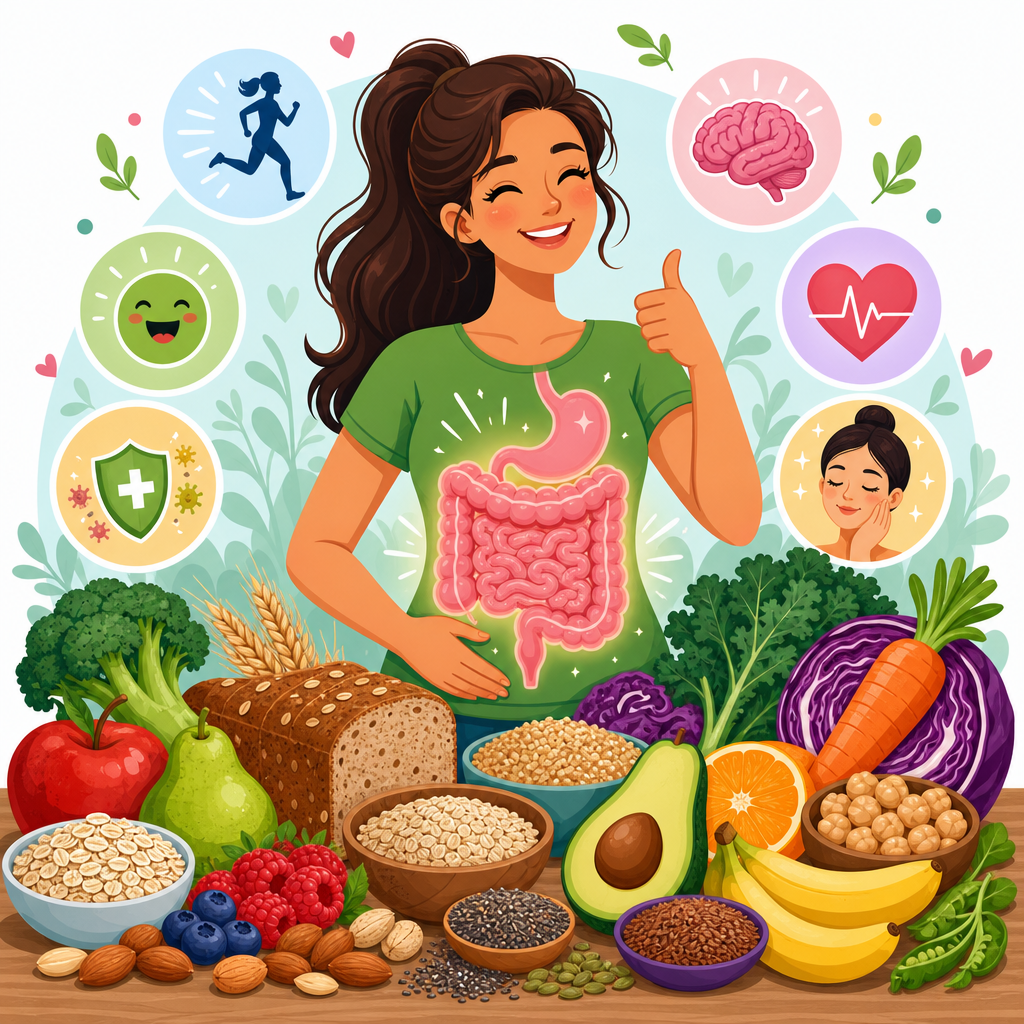
The microbiome also affects absorption. Gut bacteria can produce certain compounds, modify bile acids, influence intestinal barrier integrity, and alter inflammation, all of which shape nutrient handling. Short-chain fatty acids produced by fiber fermentation support colon health and may improve mineral absorption indirectly by maintaining a healthier intestinal environment. When the gut lining is inflamed or damaged, transport may become less efficient and symptom patterns such as bloating, irregular stools, food intolerances, and unexplained deficiencies become more common. Good nutrition, therefore, is inseparable from digestive function.
What changes bioavailability from one food to another
Bioavailability varies dramatically based on the nutrient form, the food source, and the context of the meal. Heme iron from meat, poultry, and seafood is significantly more absorbable than nonheme iron from beans, grains, nuts, and leafy greens. Preformed vitamin A from liver, eggs, and dairy is easier for the body to use than carotenoids from plants, which require conversion and are influenced by genetics, fat intake, and health status. Folate in foods and folic acid in fortified products differ in stability and metabolism. Magnesium, zinc, and calcium also show meaningful variation depending on the food matrix and accompanying compounds.
Anti-nutrients are part of the picture, but they are often misunderstood. Phytates in legumes, nuts, seeds, and whole grains can reduce absorption of iron, zinc, magnesium, and calcium. Oxalates in spinach, beet greens, and rhubarb can bind calcium and limit uptake. Tannins in tea and coffee may reduce nonheme iron absorption when consumed with iron-rich meals. Yet these foods are still nutritious and often worth including. The practical goal is not to fear them, but to use preparation methods and food pairings that improve net nutrient availability while preserving the many health benefits these foods provide.
Cooking and processing can either help or hurt. Light cooking often increases bioavailability by softening cell walls, reducing some anti-nutrients, and making carotenoids more accessible. Tomato sauce provides more available lycopene than raw tomatoes. Cooked carrots can offer more accessible beta-carotene than raw carrots. Fermentation, soaking, sprouting, and sourdough preparation can reduce phytate content and improve mineral availability. On the other hand, prolonged boiling may leach water-soluble vitamins into cooking water, and excessive heat can degrade vitamin C and some B vitamins. Preparation method matters almost as much as food choice.
Key nutrient interactions that affect overall well-being
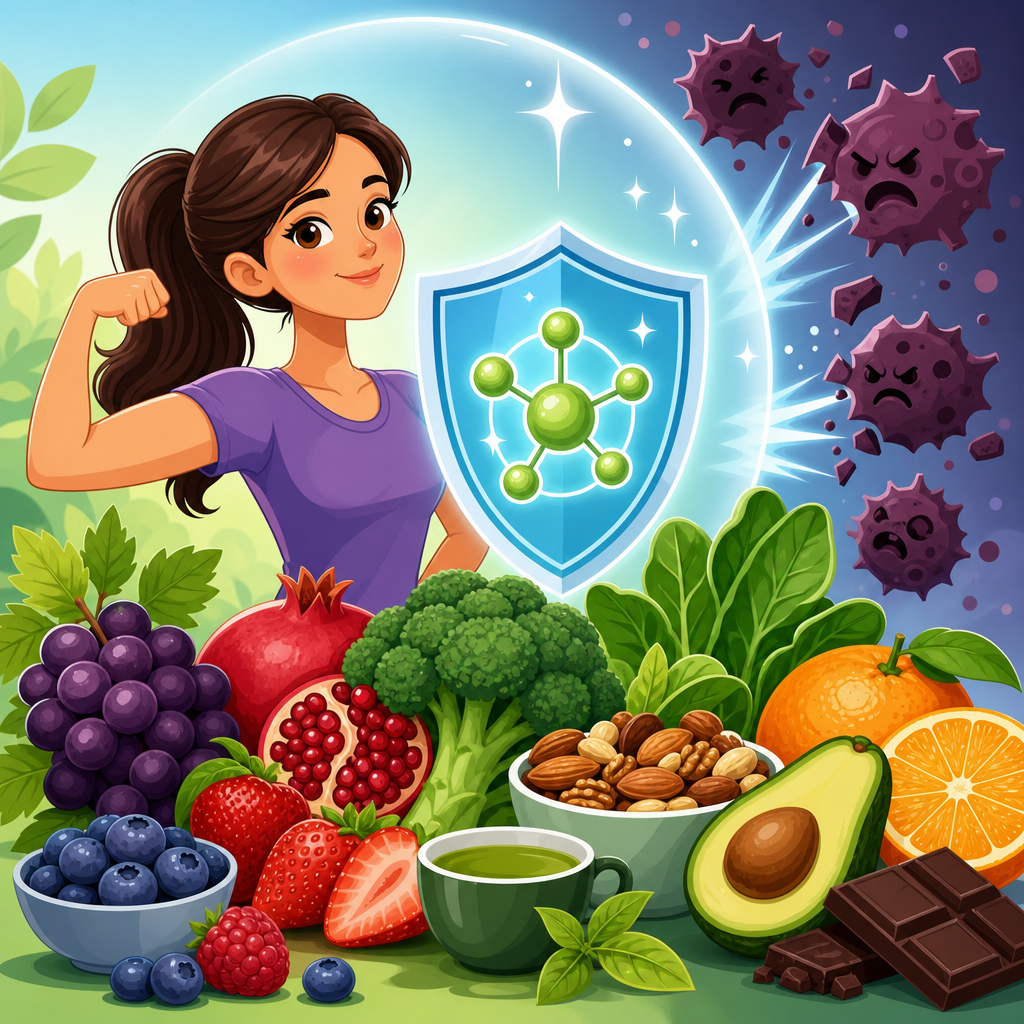
Many nutrients work in coordinated systems, so absorption and utilization rarely happen in isolation. Iron absorption improves when nonheme iron is eaten with vitamin C-rich foods such as citrus, kiwi, strawberries, peppers, or broccoli. Calcium and iron can compete at higher supplemental doses, which is one reason timing matters. Vitamin D enhances calcium absorption and supports phosphorus balance. Magnesium is required for vitamin D metabolism and many enzymes involved in energy production. Copper and zinc influence each other, and very high zinc intake over time can contribute to copper deficiency.
Iodine and selenium provide another useful example. Iodine is needed to build thyroid hormones, while selenium is required for deiodinase enzymes that convert thyroxine into the more active triiodothyronine and help regulate oxidative stress within thyroid tissue. Focusing on one without the other can be shortsighted. The same principle applies to protein and micronutrients. Amino acids support transport proteins, enzymes, tissue repair, immune molecules, and muscle maintenance. If protein digestion is poor, downstream nutrient use can suffer even when vitamin and mineral intake looks respectable on paper.
| Nutrient or pairing | What improves absorption or use | What can reduce it | Practical example |
|---|---|---|---|
| Nonheme iron | Vitamin C, meat factor, adequate stomach acid | Tea, coffee, phytates, calcium supplements with meals | Pair lentils with peppers and lemon instead of tea |
| Calcium | Vitamin D, lactose, divided doses | Low vitamin D, very high oxalates, large single supplement doses | Choose yogurt with vitamin D rather than one large tablet |
| Fat-soluble vitamins | Dietary fat, bile flow, pancreatic function | Very low-fat meals, fat malabsorption, bile issues | Add olive oil to cooked vegetables |
| Vitamin B12 | Stomach acid, intrinsic factor, healthy ileum | Metformin, acid suppressants, pernicious anemia, GI surgery | Monitor B12 if using long-term acid blockers |
| Zinc and copper | Balanced intake | Chronic high-dose zinc supplementation | Avoid taking high zinc daily without supervision |
These interactions directly affect well-being. Low iron availability can impair oxygen transport and exercise capacity. Inadequate calcium and vitamin D increase bone loss risk. Poor B12 absorption can contribute to neuropathy, anemia, and cognitive symptoms. Weak fat absorption can reduce availability of essential fatty acids and fat-soluble vitamins, affecting vision, skin, immunity, and hormone signaling. Understanding nutrient interactions helps explain why symptoms often cluster and why effective nutrition advice is rarely about single nutrients in isolation.
Common reasons people absorb nutrients poorly
Poor nutrient absorption is not limited to diagnosed digestive disease. Low stomach acid is common in older adults and can also occur with chronic stress, Helicobacter pylori infection, or long-term use of proton pump inhibitors. This can reduce release and absorption of iron, calcium, magnesium, and vitamin B12. Pancreatic insufficiency, gallbladder removal, bile flow problems, and chronic liver or intestinal disorders can impair fat digestion and lower absorption of vitamins A, D, E, and K. In clinical settings, these patterns often appear first as fatigue, bruising, muscle cramps, or recurrent low laboratory markers.
Inflammatory bowel disease, celiac disease, small intestinal bacterial overgrowth, chronic diarrhea, and intestinal surgery are major drivers of malabsorption, but milder lifestyle factors matter too. Eating in a rush, chewing poorly, relying heavily on ultra-processed foods, consuming alcohol excessively, and following highly restrictive diets can all reduce nutrient adequacy over time. Athletes with very high energy expenditure, pregnant women, older adults, and people taking medications such as metformin, anticonvulsants, glucocorticoids, and certain antibiotics may have increased needs or altered absorption, making food quality and meal construction especially important.
Plant-based diets deserve balanced discussion. They can support excellent health, but some nutrients require more planning because bioavailability is lower or natural food sources are limited. Iron, zinc, calcium, omega-3 fats EPA and DHA, iodine, and vitamin B12 deserve particular attention. This does not mean plant foods are inferior; it means preparation, pairing, fortification, and supplementation may be necessary. In practice, well-planned vegetarian and vegan diets succeed when people use fortified foods strategically, include varied protein sources, and understand how to improve mineral absorption through soaking, sprouting, fermenting, and smart pairing.
How to improve nutrient absorption through daily habits
The most effective strategy is to build meals that support digestion and nutrient synergy. Include a source of healthy fat with vegetables to improve absorption of carotenoids and fat-soluble vitamins. Combine plant iron foods with vitamin C-rich produce. Vary protein sources and prioritize minimally processed foods with strong nutrient density. Rotate leafy greens rather than relying exclusively on high-oxalate spinach. Use food preparation techniques such as soaking beans, fermenting vegetables, sprouting grains, and cooking tomatoes, mushrooms, carrots, and legumes in ways that improve digestibility and release more usable nutrients.
Meal timing and supplement habits also matter. If iron supplements are needed, they are often better absorbed away from calcium and away from tea or coffee. Calcium is usually absorbed more efficiently in divided doses than in one large bolus. Fat-soluble vitamins should generally be taken with food containing fat. Magnesium form influences tolerance and absorption; citrate and glycinate are often better tolerated than oxide. For people with documented deficiencies, laboratory follow-up is critical because symptoms alone are unreliable. Better energy after a supplement does not prove absorption is optimal or that the original problem is solved.
Finally, support the digestive environment itself. Eat slowly, chew thoroughly, and avoid treating persistent bloating, reflux, diarrhea, constipation, or unexplained fullness as normal. Those symptoms can point to conditions that interfere with nutrient status. Review medications with a qualified clinician when deficiencies persist. Consider screening for celiac disease, iron deficiency, B12 deficiency, or vitamin D insufficiency when symptoms and risk factors align. The core lesson is simple: nutrition works best when intake, digestion, absorption, and utilization are all addressed together rather than as separate issues.
Why this topic matters across the entire Nutrition Basics hub
Nutrient absorption and bioavailability connect every major nutrition question. Whether you are exploring balanced eating, digestion, immunity, sports nutrition, healthy aging, bone health, or plant-based diets, the same principle applies: your body benefits from nutrients it can absorb and use, not merely nutrients listed in a database. That is why this subject serves as a hub. It links food quality with physiology, preparation methods with health outcomes, and symptom patterns with practical next steps. It also explains why two diets with similar calories and macros can produce very different real-world results.
The main takeaway is not that eating well is complicated; it is that effective nutrition is more precise than counting nutrients on paper. Choose nutrient-dense foods, prepare them intelligently, pair them strategically, and pay attention to digestive health, medications, and life stage. If you suspect a deficiency, confirm it with appropriate testing instead of guessing. If you already eat well but still feel run-down, absorption may be the missing link. Use this hub as your starting point, then explore the related Nutrition Basics articles to build a diet your body can truly use every day.
Frequently Asked Questions
1. What is the difference between nutrient absorption and bioavailability?
Nutrient absorption and bioavailability are closely related, but they are not the same thing. Nutrient absorption refers to the physical process of breaking food down in the digestive system and transporting its nutrients through the intestinal wall into the bloodstream or lymphatic system. Bioavailability goes a step further. It describes how much of a nutrient is actually available for your body to use once it has been consumed, digested, absorbed, transported, and delivered to cells and tissues.
This distinction matters because eating a nutrient-rich diet does not automatically guarantee that your body is getting the full benefit. For example, a food may contain iron, calcium, magnesium, or vitamin B12 on paper, but if digestion is impaired, if the nutrient is poorly absorbed, or if it competes with other compounds, the usable amount may be much lower than expected. In other words, the nutrition listed on a label or in a meal plan is not always the nutrition your body ultimately receives.
Bioavailability is influenced by many factors, including the food matrix, preparation method, gut health, age, medications, nutrient pairings, and even genetics. Some nutrients are naturally easier to absorb from certain foods than others. Fat-soluble vitamins such as A, D, E, and K, for instance, are better absorbed when eaten with dietary fat. Iron from animal foods is generally more bioavailable than iron from plant foods. Understanding this difference helps explain why two people can eat similar diets yet experience very different energy levels, recovery, immune resilience, and long-term health outcomes.
2. Why can someone eat a healthy diet and still have symptoms of nutrient deficiency?
This happens more often than many people realize, and it is one of the clearest examples of why absorption and bioavailability are so important. A person may eat plenty of nutrient-dense foods and still experience fatigue, hair shedding, weak immunity, slow workout recovery, muscle cramps, brain fog, brittle nails, or poor bone health if their body is not properly absorbing or utilizing those nutrients. What matters is not just what goes into the mouth, but what makes it into circulation and reaches the cells that need it.
Several issues can interfere with this process. Low stomach acid can reduce the breakdown and release of nutrients from food. Digestive conditions such as celiac disease, inflammatory bowel disease, small intestinal bacterial overgrowth, pancreatic insufficiency, or chronic diarrhea can impair absorption directly. Damage to the gut lining may reduce the body’s ability to take in nutrients efficiently. Certain medications, including acid reducers, metformin, antibiotics, and some cholesterol-lowering drugs, can also affect nutrient status over time.
There are also food-related reasons. Some nutrients require specific helpers to be absorbed well. Vitamin D influences calcium absorption. Vitamin C can enhance non-heme iron uptake from plant foods. Dietary fat improves the absorption of fat-soluble vitamins and carotenoids. On the other hand, compounds such as phytates, oxalates, and excess fiber in certain contexts may reduce absorption of minerals like zinc, calcium, and iron. Symptoms can therefore develop gradually even when food choices appear balanced.
This is why persistent signs of deficiency should never be dismissed simply because someone “eats well.” The body’s ability to digest, absorb, transport, convert, and use nutrients is a major part of the health equation. When symptoms persist, evaluating digestive health, lab values, medication use, and overall dietary pattern is often more useful than focusing on intake alone.
3. Which factors most strongly affect nutrient bioavailability?
Nutrient bioavailability is shaped by a surprisingly wide range of variables, and many of them overlap. One of the most important is digestive health. Healthy stomach acid, digestive enzymes, bile production, and an intact intestinal lining all help the body break down food and absorb nutrients efficiently. If any of these systems are underperforming, the amount of nutrition extracted from food may fall short, even when intake is adequate.
Food form and preparation also matter. Cooking, soaking, sprouting, fermenting, and blending can improve bioavailability in some cases by reducing anti-nutrients or breaking down plant cell walls. For example, cooking tomatoes increases the availability of lycopene, and soaking legumes can reduce phytates that interfere with mineral absorption. At the same time, some nutrients, such as certain vitamin C compounds, can be reduced by high heat or long storage. This is why variety in food preparation often supports better nutritional outcomes than relying on one style alone.
Nutrient interactions are another major factor. Some pairings improve uptake, while others reduce it. Vitamin C enhances plant-based iron absorption. Fat improves absorption of vitamins A, D, E, and K. Magnesium, vitamin D, and calcium all interact in bone health. In contrast, very high intakes of one mineral may compete with another for absorption. For example, large amounts of supplemental zinc can affect copper status, and calcium taken at the same time may reduce iron absorption in some people.
Age, hormones, stress, alcohol use, illness, gut microbiome balance, and medications can all influence bioavailability as well. Older adults may produce less stomach acid and absorb vitamin B12 less efficiently. Chronic stress can alter digestion and gut function. Alcohol may damage the intestinal lining and interfere with several nutrients. Even genetics can influence how effectively someone converts or uses certain vitamins, such as folate or vitamin A precursors. Taken together, these factors show that bioavailability is not fixed. It is dynamic, personal, and deeply connected to overall health status.
4. How does poor nutrient absorption affect overall well-being?
Poor nutrient absorption can influence nearly every major system in the body because nutrients are involved in energy production, immune defense, tissue repair, hormone regulation, brain function, metabolism, and cellular maintenance. When absorption is compromised, the effects may start subtly and then build over time. A person might first notice low energy, poor concentration, mood changes, increased susceptibility to colds, weaker exercise performance, or slower healing. If the issue continues, more serious consequences can develop.
For example, inadequate absorption of iron, vitamin B12, folate, or copper may contribute to anemia and fatigue. Poor absorption of protein, zinc, and vitamin C can affect wound healing, immunity, and tissue repair. Problems with calcium, magnesium, vitamin D, and vitamin K utilization can undermine bone density and muscle function. Inadequate uptake of omega-3 fats, B vitamins, and minerals may also affect cognition, nervous system function, and emotional well-being. These effects often overlap, which is one reason nutrient-related problems can be easy to miss in the early stages.
Absorption issues may also influence body composition, recovery, and resilience. If your body cannot effectively absorb amino acids, healthy fats, or key micronutrients, it may struggle to maintain muscle, recover after illness or training, regulate inflammation, or support hormone balance. Over time, this can leave a person feeling run down even if their calorie intake appears sufficient. In children and older adults, the consequences can be especially significant because nutrient demands are high and reserves may be limited.
The broader point is that overall well-being depends not just on food quantity, but on nutrient delivery and utilization. A well-planned diet is essential, but it only reaches its full potential when the digestive system, gut lining, and metabolic pathways are functioning well enough to put those nutrients to work. That is why optimizing absorption can be just as important as improving food choices themselves.
5. What are the best ways to improve nutrient absorption and bioavailability naturally?
Improving nutrient absorption starts with supporting digestion and building meals in ways that help the body use what you eat more effectively. One of the simplest strategies is to eat a varied, minimally processed diet that includes high-quality proteins, healthy fats, fruits, vegetables, legumes, whole grains, nuts, seeds, and fermented foods when tolerated. Variety matters because it increases exposure to different nutrient forms and supportive compounds that work together. It also reduces the chance of relying too heavily on foods that may inhibit absorption when eaten in large amounts.
Meal composition is another practical tool. Pair fat-soluble nutrients with healthy fats, such as olive oil, avocado, nuts, seeds, eggs, or fatty fish, to improve absorption of vitamins A, D, E, K, and carotenoids. Combine plant-based iron sources like beans, lentils, spinach, or fortified grains with vitamin C-rich foods such as citrus, strawberries, peppers, or tomatoes to enhance iron uptake. If mineral status is a concern, techniques like soaking, sprouting, and fermenting grains and legumes may help improve mineral availability by reducing compounds that bind them.
Digestive health should also be addressed directly. Eating in a relaxed state, chewing thoroughly, moderating alcohol intake, staying hydrated, managing stress, and getting enough sleep all support digestive function more than many people realize. If symptoms such as bloating, reflux, chronic diarrhea, constipation, unexplained fatigue, or recurring deficiencies are present, it may be worth investigating underlying issues rather than simply adding more supplements. Conditions affecting the stomach, pancreas, gallbladder, small intestine, or microbiome can all reduce the nutritional value you get from food.
Finally, supplements can be useful in certain cases, but they should be chosen thoughtfully. More is not always better, and some forms are more bio