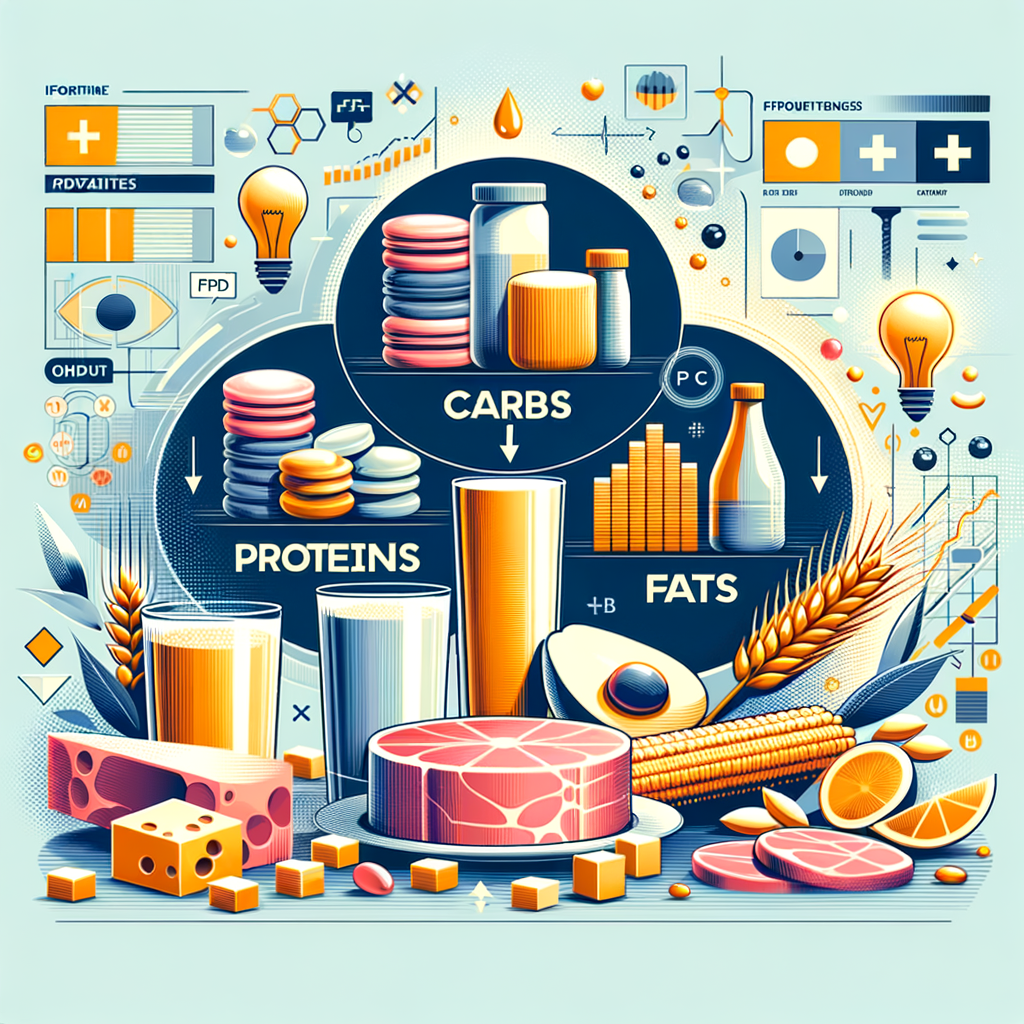
In the journey toward optimal health and well-being, understanding the role of macronutrients is critical. Macronutrients, which include carbohydrates, proteins, and fats, are the fundamental nutrients required by the human body in large amounts to function effectively. Each macronutrient plays a distinct role and contributes differently to overall physical and mental health. This nutrient trio influences everything from energy levels, mood stability, to cellular growth and repair. While each macronutrient serves a unique purpose, it is their combined effect on the body’s complex systems that truly defines their importance. By grasping how carbohydrates, proteins, and fats work synergistically within our bodies, one can make informed dietary choices that support a robust and healthy lifestyle. This article delves into the individual functions of these macronutrients, exploring their impact on digestion, metabolism, and how they collectively contribute to a balanced diet. Whether your goal is to enhance physical performance, improve cognitive function, or maintain a healthy weight, understanding these building blocks of nutrition can empower you to take charge of your health.
The composition of your diet dictates not just physical health, but also impacts mental clarity and emotional well-being. In a world where nutritional information is abundant yet often contradictory, breaking down the essentials of carbs, proteins, and fats offers clarity. These macronutrients do more than fulfill calorie needs; they act as brain fuel, repair tissues, regulate hormones, and ensure long-term vitality. The challenge is achieving the right balance tailored to individual needs and lifestyles, which can vary greatly depending on age, gender, activity level, and specific health goals. In this nuanced landscape, a deep understanding of macronutrients can aid in designing a personalized nutrition plan that aligns with your holistic health vision. This exploration aims to provide a comprehensive guide for leveraging macronutrients to bolster your overall well-being.
Carbohydrates: The Body’s Primary Energy Source
Carbohydrates are often misunderstood and undeservedly vilified in many modern diets. Comprising sugars, starches, and fibers, carbohydrates are the body’s primary energy source. Upon consumption, carbohydrates are broken down into glucose, which is used by the body’s cells for energy. The brain, a major consumer of glucose, requires a continuous energy supply, highlighting carbs’ vital role in cognitive function.
Complex carbohydrates, found in whole grains, vegetables, and legumes, provide a steady and sustained energy source. Unlike simple carbohydrates, which can lead to rapid spikes and drops in blood sugar levels, complex carbs break down more slowly, providing lasting energy throughout the day. Additionally, these carbohydrates are rich in dietary fiber, aiding in digestion and promoting gut health. Dietary fiber, both soluble and insoluble, is crucial for maintaining a healthy digestive system. Soluble fiber helps regulate blood sugar levels and lower cholesterol, while insoluble fiber facilitates regular bowel movements and prevents constipation.
Carbohydrates also play a role in preserving muscle mass by sparing proteins for muscle repair rather than using them for energy. They are essential for physically active individuals, as they replenish glycogen stores depleted during exercise, thus enhancing performance and recovery. The key to incorporating carbohydrates into your diet is choosing the right sources — those rich in nutrients and fibers rather than refined sugars and processed grains that offer little nutritional value.
Proteins: Building Blocks of Life
Proteins are indispensable to life, made up of amino acids that perform a plethora of functions in the body. There are 20 amino acids, nine of which are essential, meaning they must be obtained through diet as the body cannot synthesize them. Proteins are crucial for building and repairing tissues, making enzymes and hormones, and maintaining immune function.
The importance of protein in muscle development and repair cannot be overstated. Proteins, particularly those derived from lean meats, fish, eggs, dairy, legumes, and soy, supply essential amino acids necessary for muscle growth. Active individuals with higher protein turnover or those recovering from injury have increased protein requirements to support healing and rebuilding.
Proteins also play a vital role in weight management by promoting satiety. A diet with adequate protein can aid in weight loss or maintenance by reducing hunger and preventing overeating. This is because proteins take longer to digest, creating a feeling of fullness and sustaining energy levels.
Furthermore, proteins are vital for producing enzymes, the catalysts that facilitate biochemical reactions necessary for metabolism. They also contribute to the creation of neurotransmitters, chemicals that transmit signals in the brain, thereby influencing mood and mental function.
Fats: Essential for Hormonal Balance and Nutrient Absorption
Fats have long been misunderstood in the diet world, often blamed for weight gain and health issues. However, not all fats are bad. The body requires healthy fats for numerous functions, such as brain health, vitamin absorption, and hormone production.
There are different types of fats — saturated, unsaturated, and trans fats — each impacting the body differently. Unsaturated fats, found in avocados, nuts, seeds, and certain fish oils, are considered beneficial as they support heart health by improving blood cholesterol levels, stabilizing heart rhythms, and reducing inflammation. Omega-3 fatty acids, a type of polyunsaturated fat found in fish, have gained attention for their ability to reduce the risk of depression and promote cognitive health.
Saturated fats, present in meat and dairy, should be consumed in moderation, as excessive intake can lead to increased LDL cholesterol, raising the risk of heart disease. Meanwhile, trans fats, often found in processed foods, should be avoided as much as possible due to their adverse effects on heart health and inflammation.
Fats also provide a dense energy source, beating both proteins and carbohydrates in caloric content per gram. This makes them crucial for individuals with higher caloric needs. They facilitate the absorption of fat-soluble vitamins A, D, E, and K, essential for various bodily functions, including vision, bone health, and immune function.
The Interplay of Macronutrients: Achieving Balance
Nutritional balance is key to achieving optimal well-being. Each macronutrient should be consumed appropriately according to personal dietary needs and activity levels. Understanding how these nutrients interact can help in personalizing a diet that maintains energy levels, supports muscle development, and wards off chronic diseases.
Balancing carbohydrates, proteins, and fats is not just about meeting calorie requirements but also considering the quality of macronutrients. Whole foods, offering combinations of macronutrients, support health better than their processed counterparts. Incorporating a variety of nutrient-dense foods ensures a rich intake of minerals and vitamins necessary for overall health.
The recommended macronutrient distribution can vary depending on individual goals. For instance, athletes might focus on higher carbohydrate intake to fuel endurance, while those looking to build muscle mass may increase protein consumption. Understanding macronutrient synergy allows for informed dietary adjustments that support specific health goals.
Conclusion
Understanding the crucial roles of carbohydrates, proteins, and fats empowers individuals to harness the potential of these macronutrients to promote holistic wellness. These macronutrients collectively support a range of bodily functions, from providing energy, facilitating cell growth and repair, to promoting mental clarity. Emphasizing a balanced diet involving diverse, unprocessed foods optimizes nutrient intake, fostering long-term health and vitality. By prioritizing individuality in dietary planning and recognizing specific nutritional needs, one can make strategic choices that align with personal health aspirations. Ultimately, the path towards enhanced well-being begins with the mindful selection and balanced integration of these essential macronutrients.
Frequently Asked Questions
1. How do carbohydrates impact my overall well-being?
Carbohydrates are often thought about in they are about providing our bodies with a quick and easily accessible source of energy. When you consume carbs, your body breaks them down into glucose, which is the primary energy source for your cells, tissues, and organs. This is crucial not just for physical activity but for maintaining vital functions throughout the day. Beyond just energy, carbs are essential for cognitive functions—after all, your brain relies heavily on glucose to function correctly, affecting memory, concentration, and mood. It’s important to focus on healthier carb sources, such as whole grains, fruits, and vegetables, which provide fiber and essential nutrients, promoting digestive health and stable energy levels.
2. What role does protein play in physical and mental health?
Proteins are vital building blocks that play a crucial role in repairing and building tissues. They’re made of amino acids, some of which the body cannot produce on its own (these are called essential amino acids and must be obtained from your diet). Proteins are instrumental for muscle growth and repair, making them especially important if you’re engaged in strength training or other physical activities. But proteins do more than just support physical growth; they’re also crucial for producing enzymes and hormones, which regulate various body functions, including mood regulation. Consuming adequate protein can contribute to feeling more mentally alert and emotionally stable, thus playing a significant role in your overall well-being. Choose a variety of protein sources like lean meats, legumes, nuts, and dairy for a balanced intake.
3. Is fat really necessary in my diet, and what benefits does it offer?
Yes, fats are definitely necessary and beneficial, despite often being misunderstood as inherently ‘bad’. Fats are vital for absorbing fat-soluble vitamins (A, D, E, and K), aiding in brain function, and providing long-lasting energy. There are different types of fats, and the key is to focus on healthy fats, such as those from fish, avocados, and olive oil, which can support heart health and reduce inflammation. Omega-3 fatty acids, a type of healthy fat, are particularly beneficial as they can enhance brain health and improve mood. While it’s crucial to limit unhealthy saturated and trans fats, completely removing fats from your diet can impede these important health functions, ultimately affecting your overall well-being.
4. How do the right balance of macronutrients contribute to mood stability?
Maintaining a balanced intake of macronutrients can significantly impact your mood and emotional well-being. Carbohydrates, particularly those rich in fiber, can stabilize blood sugar levels, preventing energy crashes that can lead to irritability or fatigue. Proteins, as it aids in the production of neurotransmitters like serotonin and dopamine, directly influence mood regulation. Healthy fats, particularly omega-3s, have been linked to reduced symptoms of depression and anxiety. Essentially, each macronutrient supports biochemical processes that can contribute to a more stable and balanced mood. An unbalanced macronutrient intake, on the other hand, may contribute to fluctuations in mood and energy, highlighting the importance of a balanced diet.
5. Can the macronutrient composition of my diet affect my physical performance?
Absolutely, the macronutrient composition can significantly affect your physical performance. Carbohydrates are particularly important for fueling short bursts of activity and high-intensity exercise. Without adequate carbs, you might find yourself running low on energy, which can impair performance. On the other hand, if your focus is more on endurance, incorporating high-quality fats can help sustain longer periods of activity by tapping into stored fat for energy. Proteins are essential not just for repairing and building muscles post-training but also for ongoing muscle maintenance, which is critical if you are active regularly. Striking the right balance tailored to your activity level and type of exercise can enhance your performance and recovery, ensuring that your body is adequately nourished for physical demands.